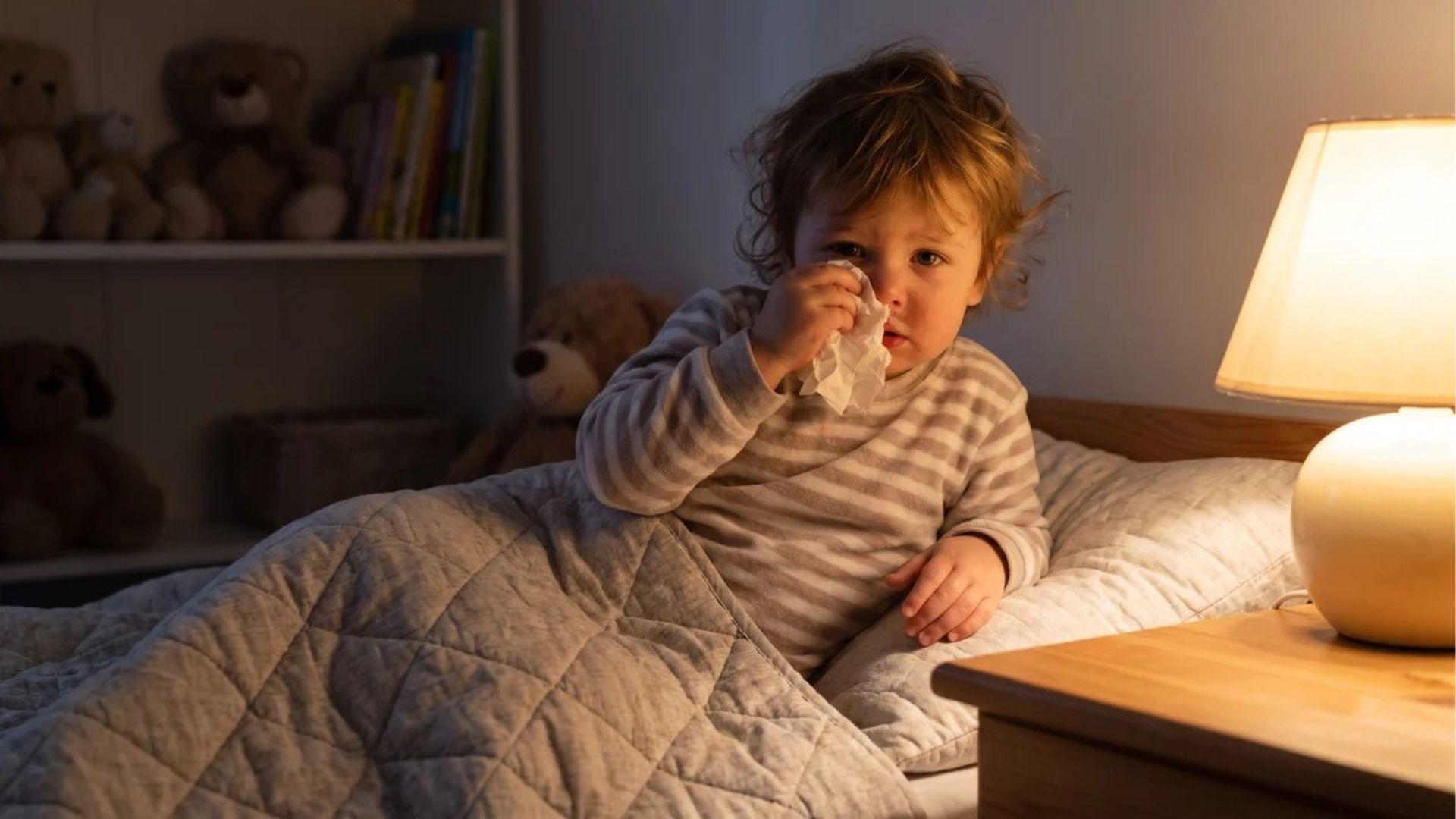
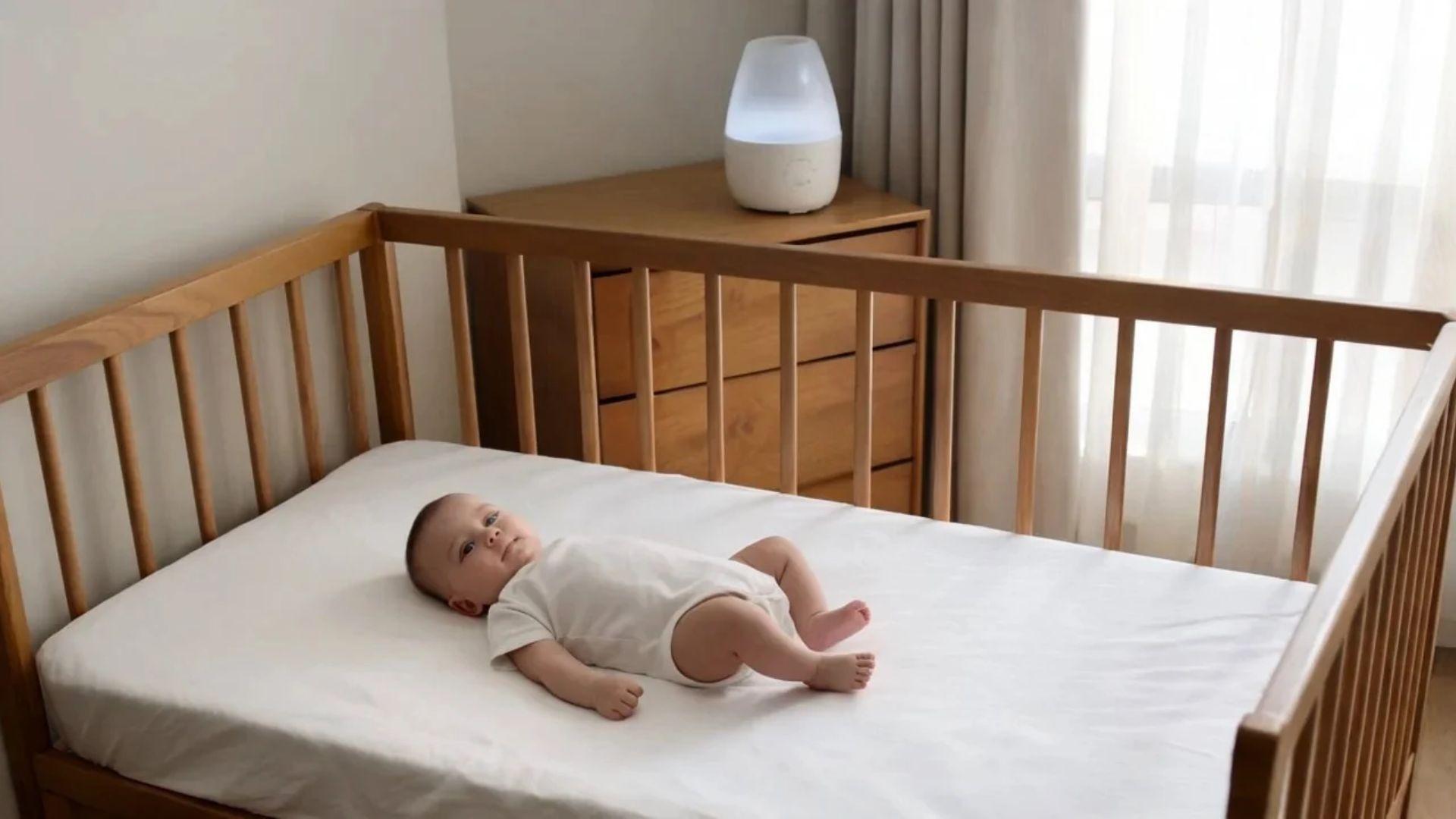
Winter heating dries out the nursery, your little one is snuffling through the night, and a humidifier starts to look like an easy fix.
The machine often lands on the dresser before anyone asks, are humidifiers good for babies, or checks whether the air is dry.
What gets overlooked: More mist does not mean more comfort, and a unit that runs too long or sits uncleaned can add problems of its own.
Before you plug one in, it helps to look at what it does in a baby’s room.
Are Humidifiers Good for Babies?
A humidifier can make a baby more comfortable when indoor air is dry, since added moisture may soothe a dry nose and dry skin when the unit is used correctly.
Heating season is the usual trigger, and a stuffy nose from a cold can make dry air feel worse. Babies don’t automatically need one, though.
If the room already feels comfortable, a humidifier adds little and can push humidity too high.
How much it helps depends on two things: Keeping the moisture level in a suitable range and keeping the machine clean.
Skip either one and a comfort tool turns into one more thing to manage in the nursery. Think of it as an optional add-on for dry spells rather than standard nursery equipment.
It works best next to other bedtime habits, like those used for a blocked nose at night in toddlers, such as saline drops and extra fluids.
Dryness and upkeep decide whether a humidifier earns its spot in the nursery. The benefits are modest, so it helps to see where extra moisture makes a difference and where it doesn’t.
What Are the Benefits of Humidifiers for Babies?
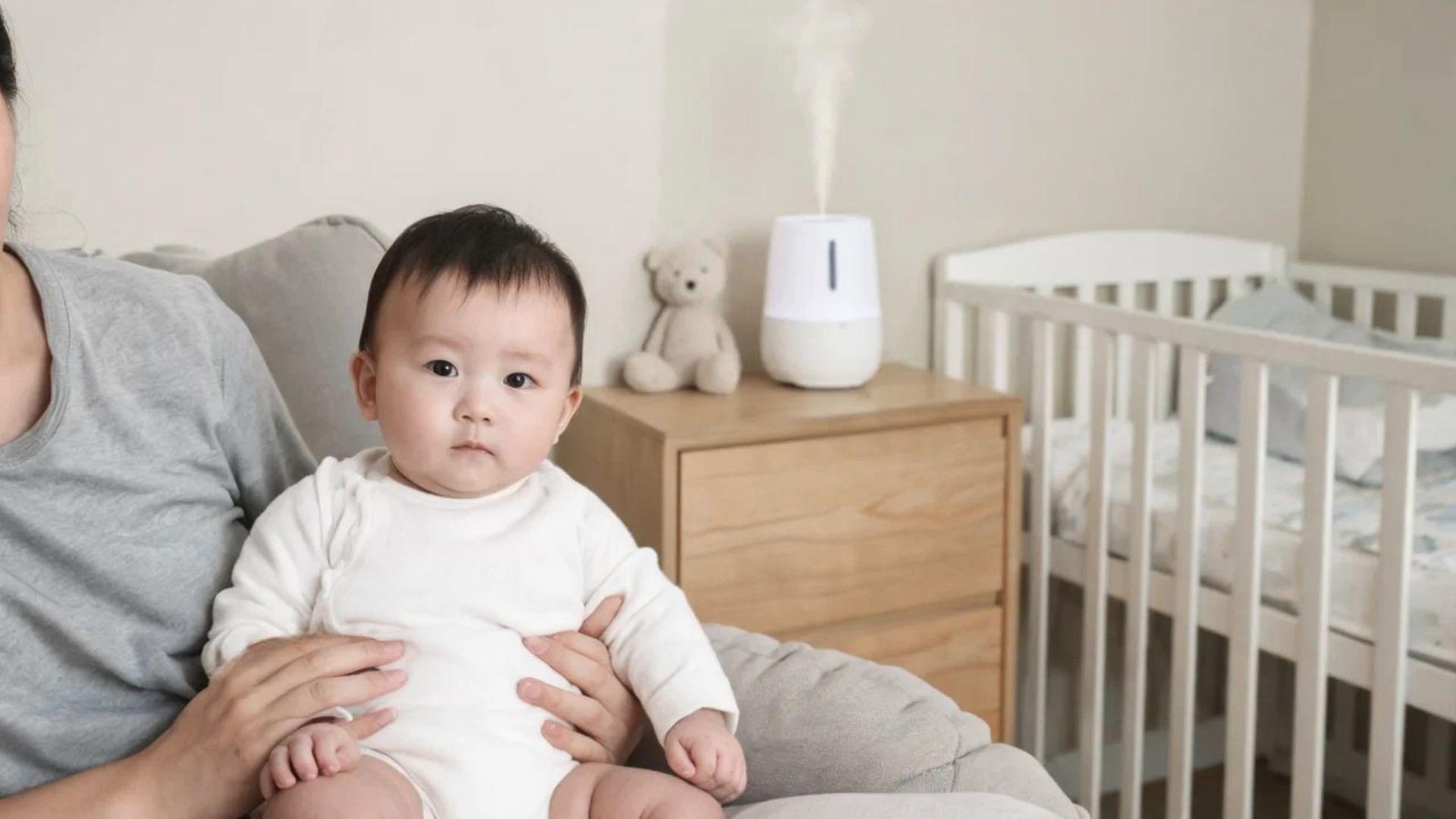
Humidifiers can support a baby’s comfort by easing dryness in the nose and skin and making dry indoor air less irritating.
They are a comfort measure, not a treatment, and they don’t replace advice from your pediatrician.
How Do Humidifiers Help Babies Breathe Better?
Dry air can irritate the nose and throat, and MedlinePlus humidifier guidance notes that moist air may help relieve a stuffy nose and loosen mucus.
During a cold, that extra moisture can make the room feel easier to breathe in.
The benefit has limits, though:
- A humidifier won’t clear a cold or treat an infection.
- It works alongside whatever your pediatrician suggests.
- Too much moisture works against you, because damp air encourages mold growth.
If your baby’s breathing looks fast or labored, call the pediatrician instead of adding more mist.
Can Humidifiers Help With Dry Skin in Babies?
Heating season often leaves indoor air dry, and the EPA lists dry skin and chapped lips among the discomforts people use humidifiers to relieve.
Balanced humidity may take some of the edge off for a baby, but it is only one piece of the picture.
Gentle skin care and your pediatrician’s advice matter more if dryness lingers or the skin looks red or cracked.
Keep the level in range as well, because an overly damp room brings its own problems.
Do Humidifiers Help Babies Sleep Better?
Not directly. Less dryness and easier breathing can make a nursery more comfortable, and a comfortable baby may settle with less fuss, but a humidifier is not a sleep tool.
Any hum the unit makes shouldn’t be counted as a sleep aid either.
Safe sleep basics still come first, so follow the safe sleep setup for babies even when the air is dry.
The Safe to Sleep campaign also advises dressing a baby so they don’t get too hot, which matters more for rest than any added moisture.
Comfort is the upside, but the machine can turn into a hazard if it sits in the wrong spot.
Where it goes matters nearly as much as whether you run it.
Where to Place Humidifier for Baby?
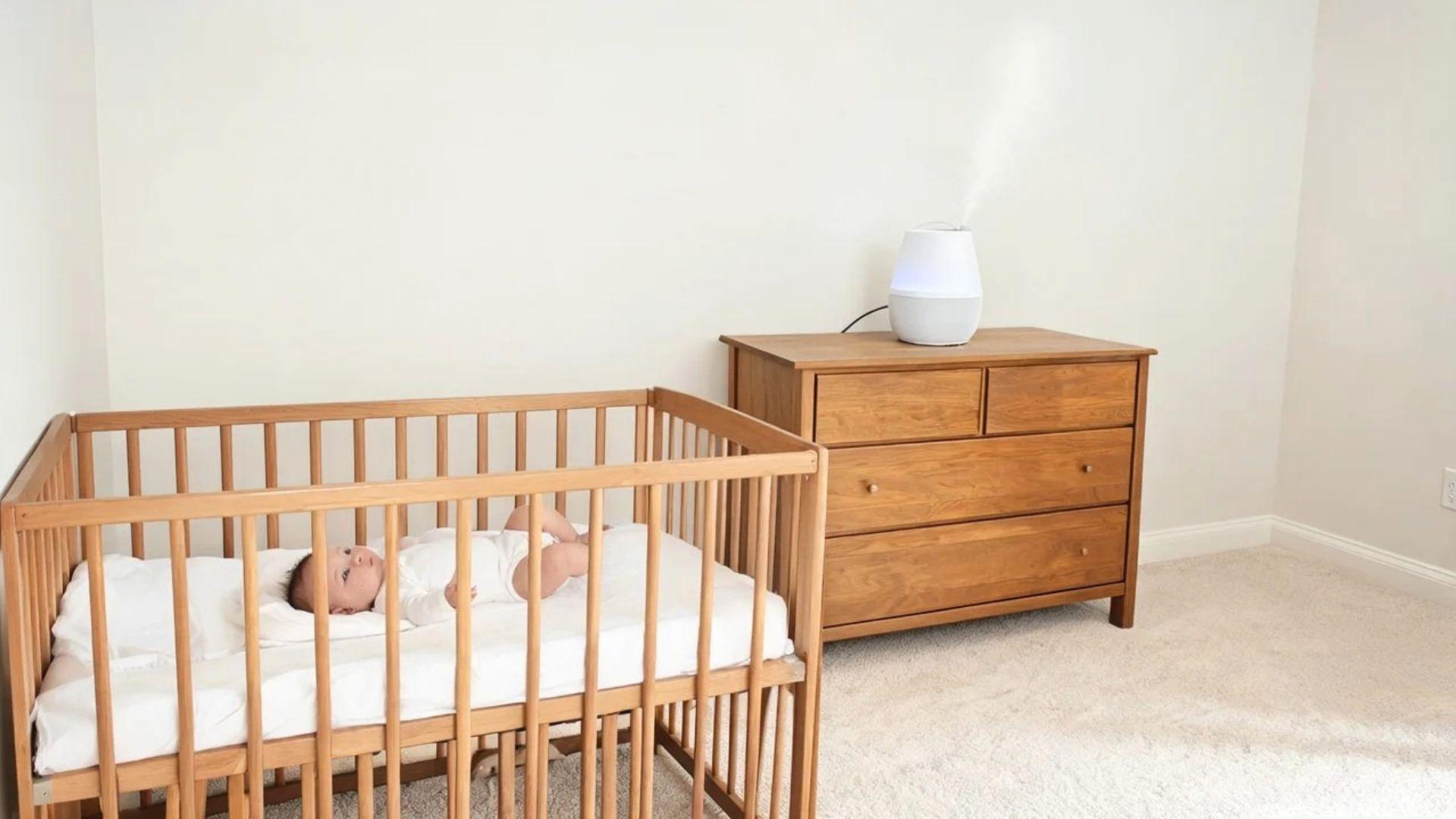
Place a baby’s humidifier on a stable, elevated surface several feet away from the crib, with its mist directed away from the sleeping area.
MedlinePlus suggests keeping the unit about 2 meters (around 6 feet) from the bed.
These placement rules cover the rest:
- Surface: use a sturdy, flat dresser or shelf. A raised spot also keeps the unit away from curious hands once your baby starts reaching.
- Mist direction: point it away from walls, bedding, and curtains so nothing nearby gets damp. The EPA advises turning the output down if the area around a humidifier becomes wet.
- Cords and water: run the cord where nobody can trip on it or reach it, and wipe up any spilled water right away.
- Access: adults need easy access to the tank for refilling and cleaning, while the unit stays completely out of the baby’s reach.
Placement handles the physical hazards.
The air itself still needs attention, from the type of mist to the humidity level and the cleaning routine.
How Can You Use a Humidifier Safely Around Babies?
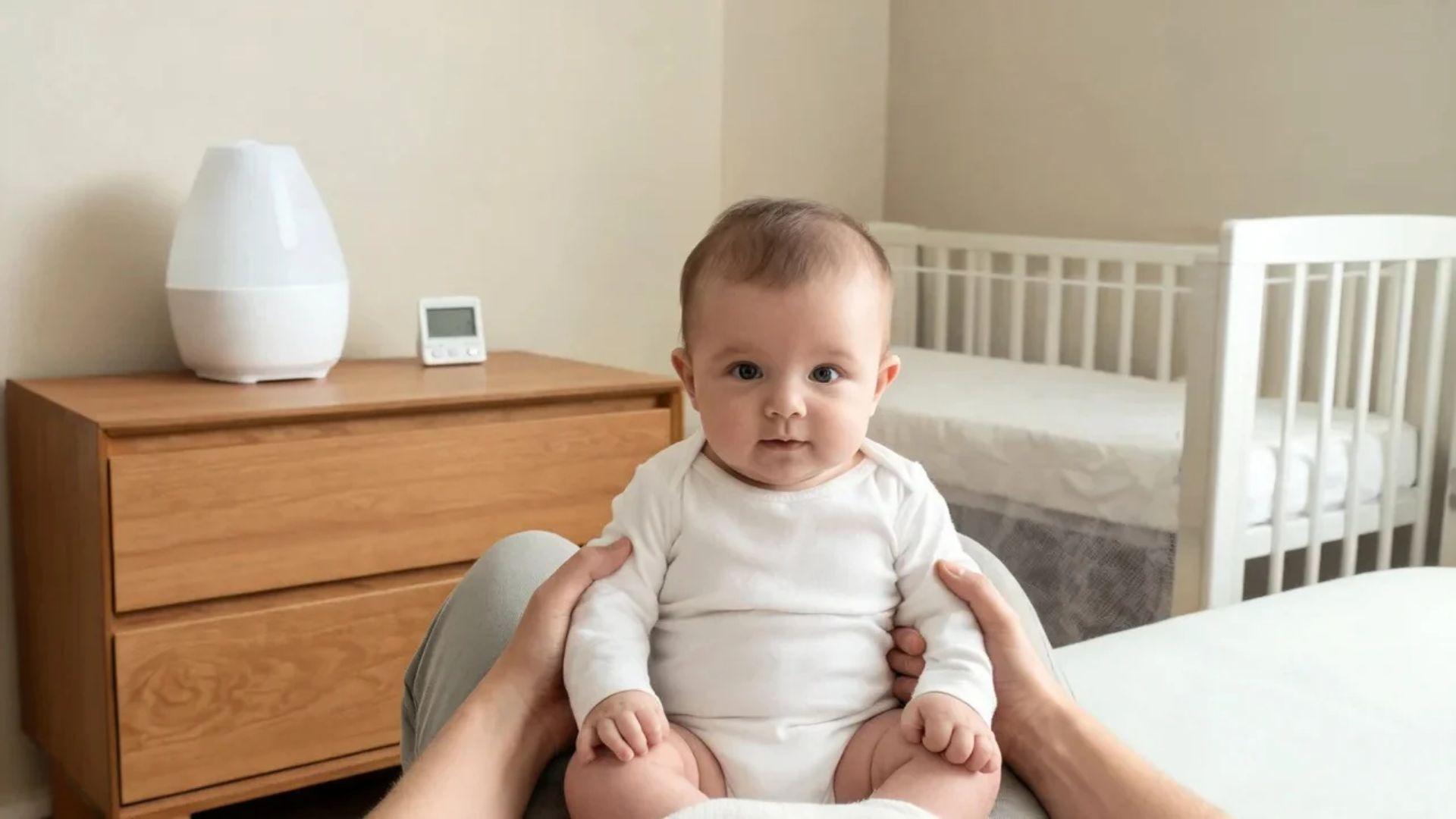
A baby humidifier should use cool mist, maintain balanced room humidity, and receive frequent cleaning to limit burns, mold, and bacterial growth.
Each of those three habits covers a different risk.
Why Should Parents Choose a Cool-Mist Humidifier?
Warm-mist and steam units heat water, and MedlinePlus advises cool-mist models especially for children because warm mist can cause burns if someone gets too close.
The FDA’s guidance on treating colds in children also points to cool mist and advises against warm-mist units.
Cool mist removes the hot-water risk, though the EPA’s humidifier care guidance notes that ultrasonic and impeller models can release minerals and microorganisms from the tank into the air, so regular cleaning matters.
What Humidity Level Is Safe for a Baby’s Room?
The EPA’s indoor air guidance recommends keeping indoor humidity between 30 and 50 percent and checking it with a hygrometer, which hardware stores sell.
Higher levels raise the likelihood of mold, so it helps to stay inside the range instead of chasing the top number.
Some units have a built-in humidistat that can be set to a target level.
Condensation on windows or walls is a sign the room is too damp, and the usual fixes are lowering the setting, moving the unit, or running it less.
How Often Should a Baby’s Humidifier Be Cleaned?
The EPA’s humidifier care guidance offers a routine for portable units, and your manufacturer’s manual takes priority wherever it differs.
- Every day: empty the tank, wipe all surfaces dry, and refill with fresh water.
- Every third day: clean the unit to reduce scale and microorganisms.
- Water type: use distilled water, which usually has lower mineral content than tap water.
White dust around the unit is a sign that minerals are escaping into the air. If you clean with a disinfecting agent, rinse the tank thoroughly so no chemical residue reaches the room.
Good habits keep a running humidifier in check. The bigger question is whether your baby needs one running at all.
When Does a Baby Actually Need a Humidifier?
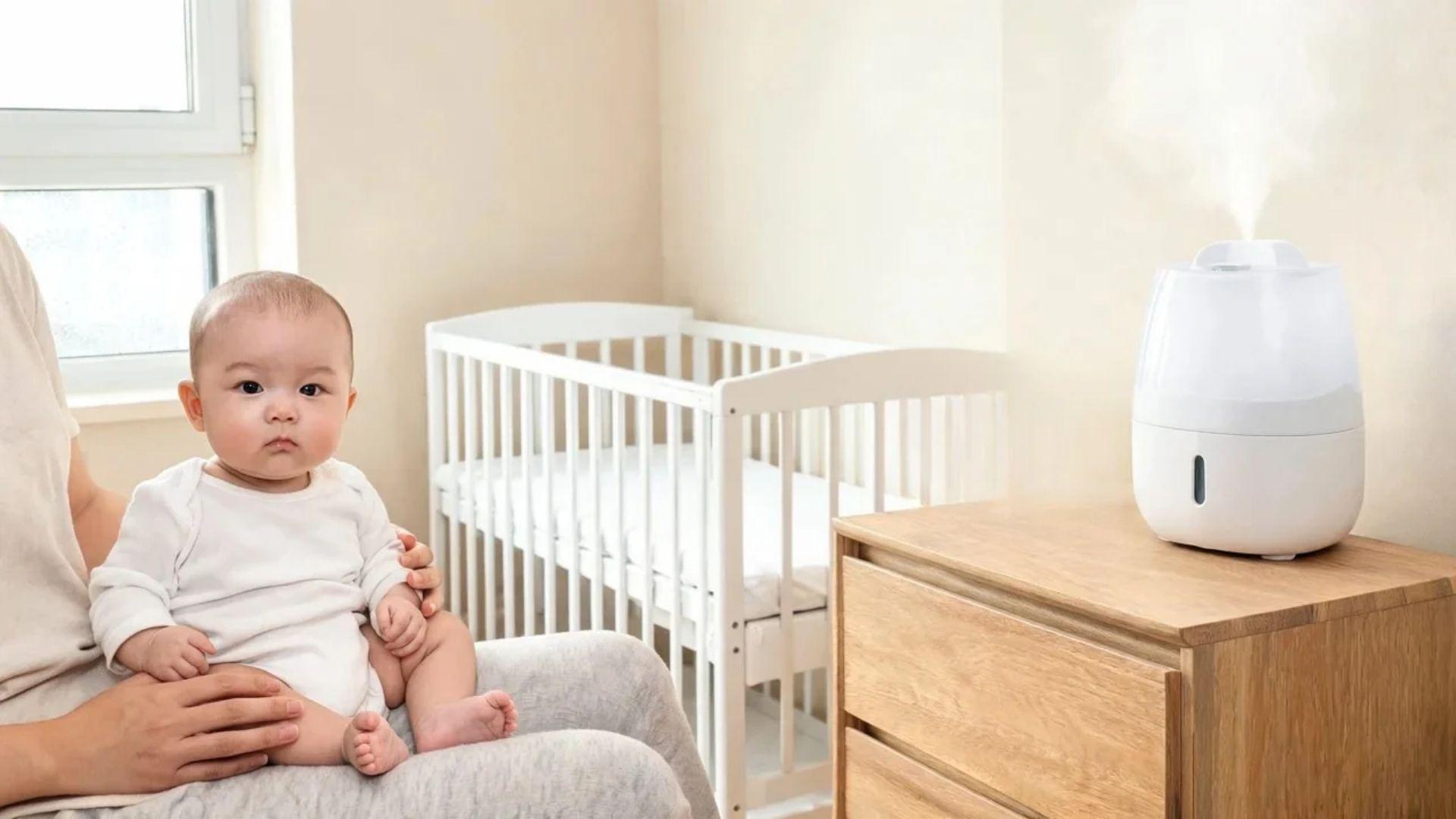
A baby may benefit from a humidifier when dry indoor air causes nasal or skin discomfort, but it is not a necessity in every nursery.
Winter heating, a stuffy nose during a cold, or a hygrometer reading below the 30 to 50 percent range are the usual reasons to run one.
A hygrometer takes out the guesswork, since a nursery can feel dry or stuffy without being either. If the reading already sits in a comfortable range, the unit can stay in the closet.
Stop using the humidifier and reassess the room if you notice any of these:
- Condensation on windows or walls
- A musty smell
- Visible mold
- Breathing that seems harder than usual, in which case a call to your pediatrician makes more sense than adding more mist
Skipping the humidifier is a fine choice when the room is already comfortable.
Keep the Nursery Comfortable, Not Damp
Are humidifiers good for babies? They can be, as a small adjustment for dry spells rather than a nightly habit.
The surprising part is that the room matters more than the machine: A hygrometer shows whether the air is dry at all, and a clean tank keeps the benefits from backfiring.
Aim for a reading between 30 and 50 percent and skip the unit when the air already feels fine.
Before buying anything, place a hygrometer in the nursery for a few days, write down the readings, and bring them to your next pediatrician visit.
Frequently Asked Questions
How Long Should a Humidifier Run in a Baby’s Room?
Run it only while the air is dry and turn it off once the room feels comfortable. MedlinePlus advises against running a humidifier for a long time, so avoid leaving it on around the clock.
Do Pediatricians Recommend Humidifiers for Babies?
Health agencies such as the CDC’s common cold guidance list a clean humidifier or cool-mist vaporizer among comfort options for colds, though it is optional. Your pediatrician can say whether one fits your baby.
At What Age Can You Use a Humidifier for a Baby?
Check the age guidance on the manufacturer’s label, and ask your pediatrician before using one in a newborn’s room. Cool-mist models are the type health agencies point to for children.