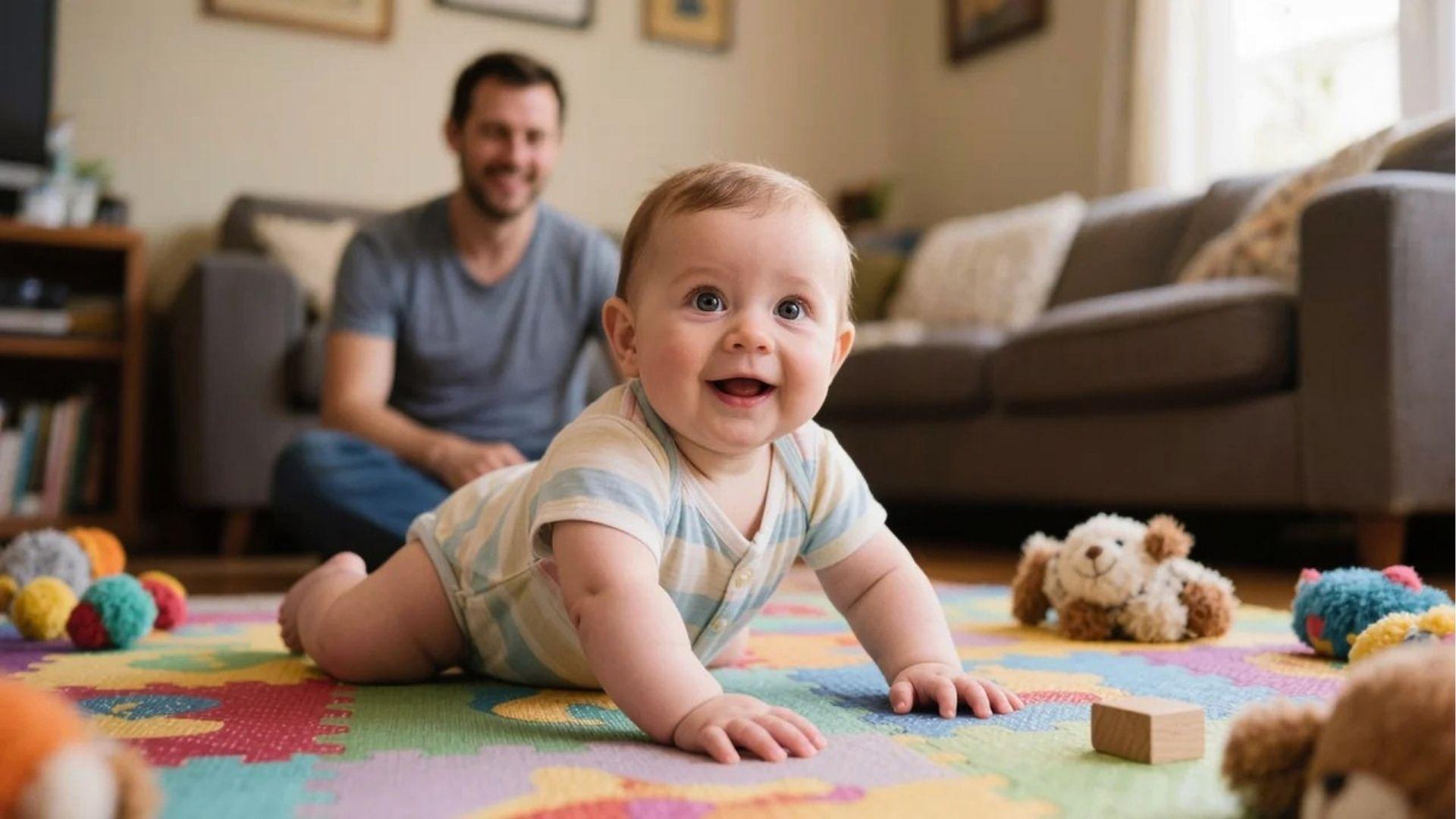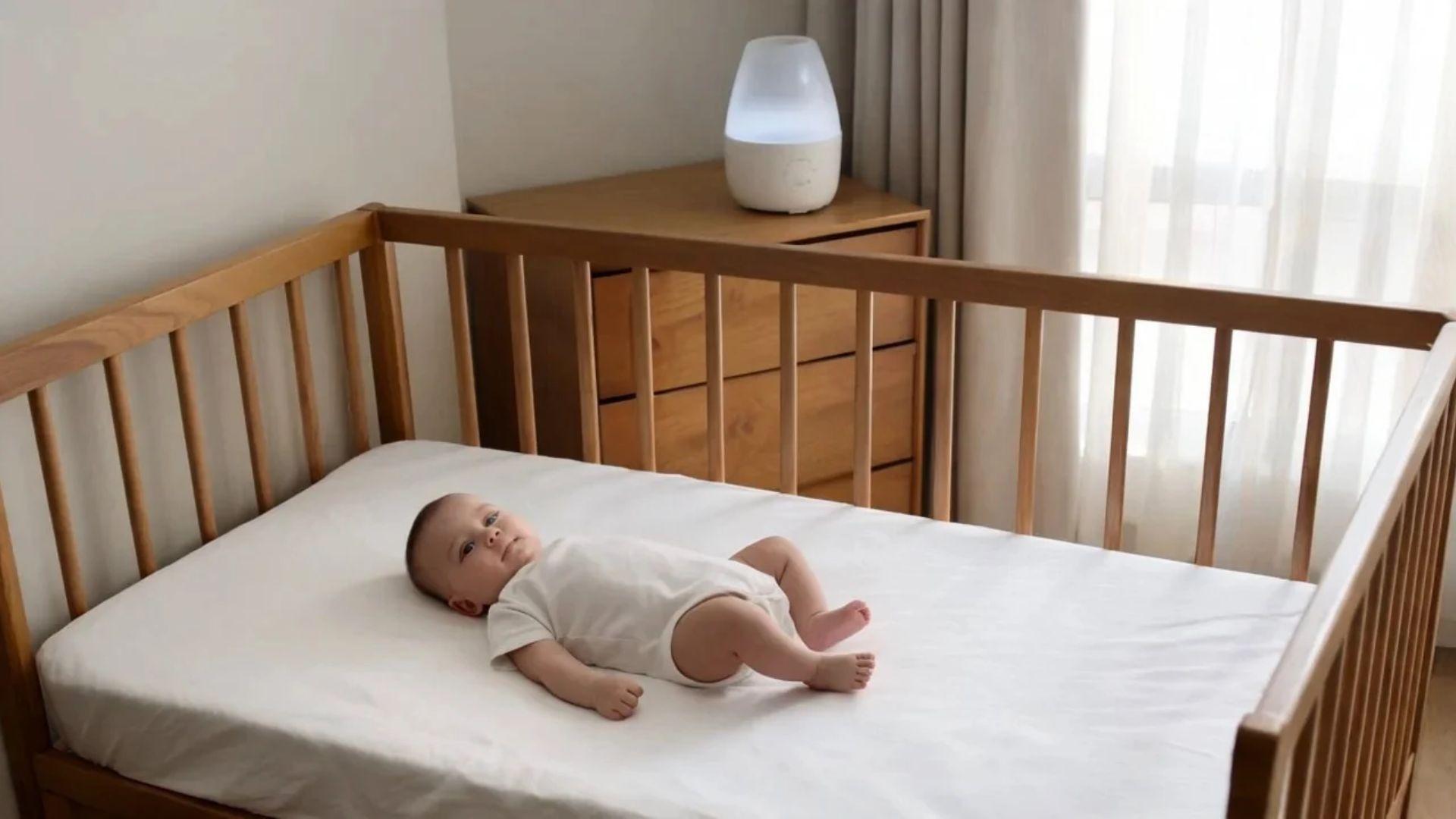
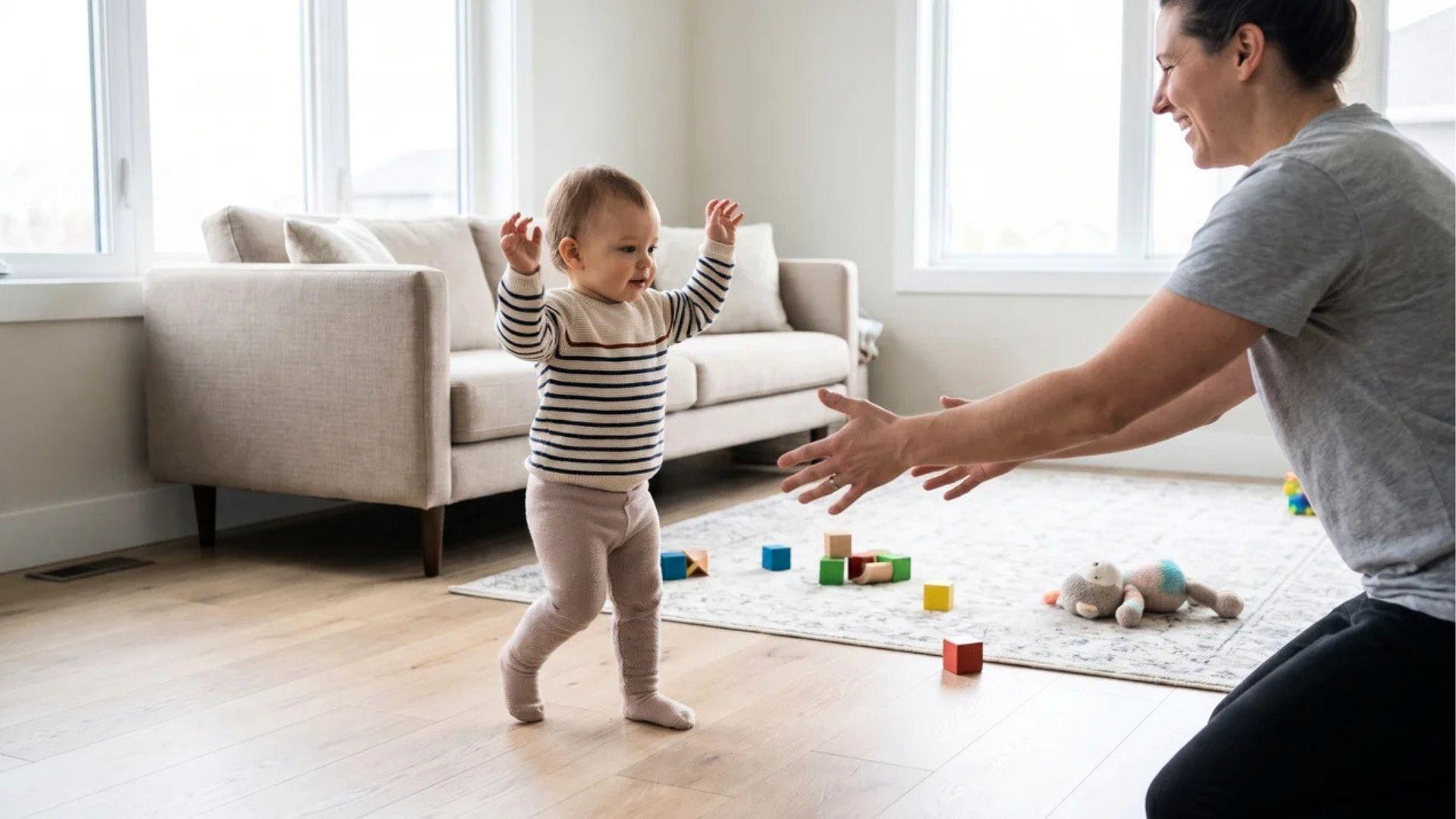
A cousin’s baby walked at nine months, a neighbor’s waited until well past the first birthday, and yours is cruising along the couch without letting go.
When do babies take their first steps is a question with no single answer, because milestone ages are set at the point where at least 75% of children have reached the skill.
Which means plenty of babies are still working on it.
Comparing ages feels like a race, yet this post will show you how to read that range with less worry.
The timing itself is the place to begin.
When Do Babies Take Their First Steps?
Most babies take their first independent steps between about 8 and 18 months, and many are walking well by 12 to 15 months.
In the WHO motor development data, healthy children started walking alone at ages ranging from 8.2 to 17.6 months, a wider spread than most parents expect.
First steps rarely look like confident walking. Many babies manage one or two wobbly steps and then return to crawling or holding onto furniture before trying again.
Walking toward the later end of that range falls within what WHO measured in healthy children.
A single age makes a weak yardstick, and the CDC checkpoints covered further on give a clearer guide than any average.
Movement is only one part of development at this age, and since first words often appear around the same months, many parents also wonder when kids start talking.
Those first steps come at the end of a longer buildup, and the stages leading up to them are easier to spot than the steps themselves. Here’s how that buildup usually unfolds, from pulling up to steady walking.
When Do Most Babies Start Walking?
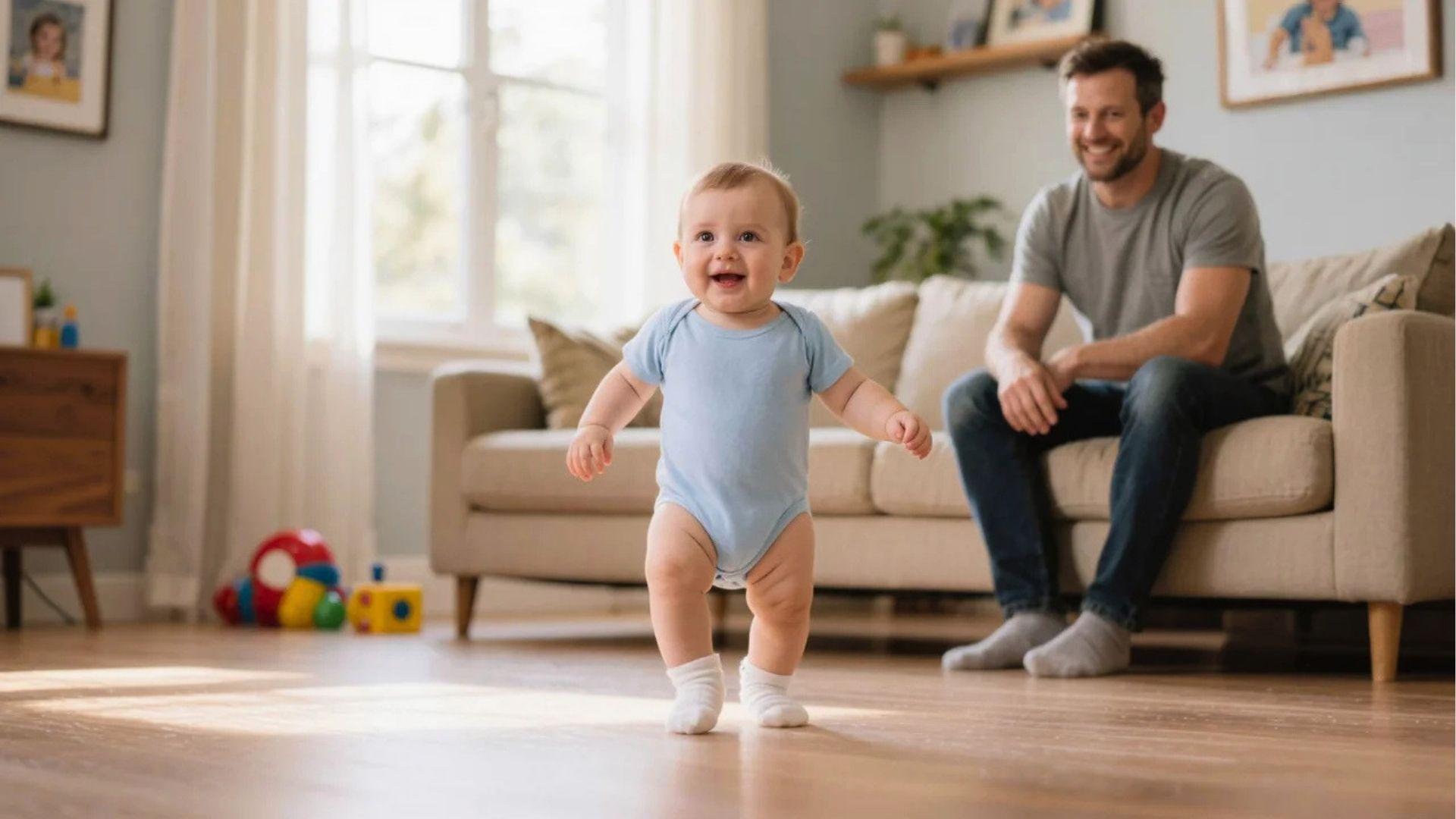
Most babies start walking on their own between about 12 and 15 months, after months of pulling up and cruising.
Independent walking means taking steps without holding a person, furniture, or any other support, and that detail separates it from the earlier stages.
When Babies Start Pulling Up and Cruising
By 12 months, CDC's checklist lists pulling up to stand and walking while holding on to furniture, a skill called cruising.
Babies usually reach standing with a hand on the couch or coffee table, then shuffle sideways along it.
Those weeks of supported movement give them plenty of practice at staying upright.
Independent walking is not on CDC’s 12-month list, so a baby who cruises but has not taken solo steps matches what the checklist describes at this age.
When Babies Take Their First Independent Steps
CDC lists taking a few steps alone as a 15-month milestone.
A baby who walks while holding your hands, pushing a toy, or gripping furniture is still using support, so a step counts as independent only when nothing is holding them up.
Early solo steps are often short and wobbly.
How Walking Develops After the First Steps
CDC expects most children to walk without holding on to anyone or anything by 18 months.
In the months between the first steps and that point, many toddlers keep practicing and gradually look more confident on their feet.
Pulling up, standing, and cruising are also the clues parents can watch for before any steps happen.
They show up first, and each one looks a little different from the last.
What Are the Signs That a Baby Is Getting Ready to Walk?
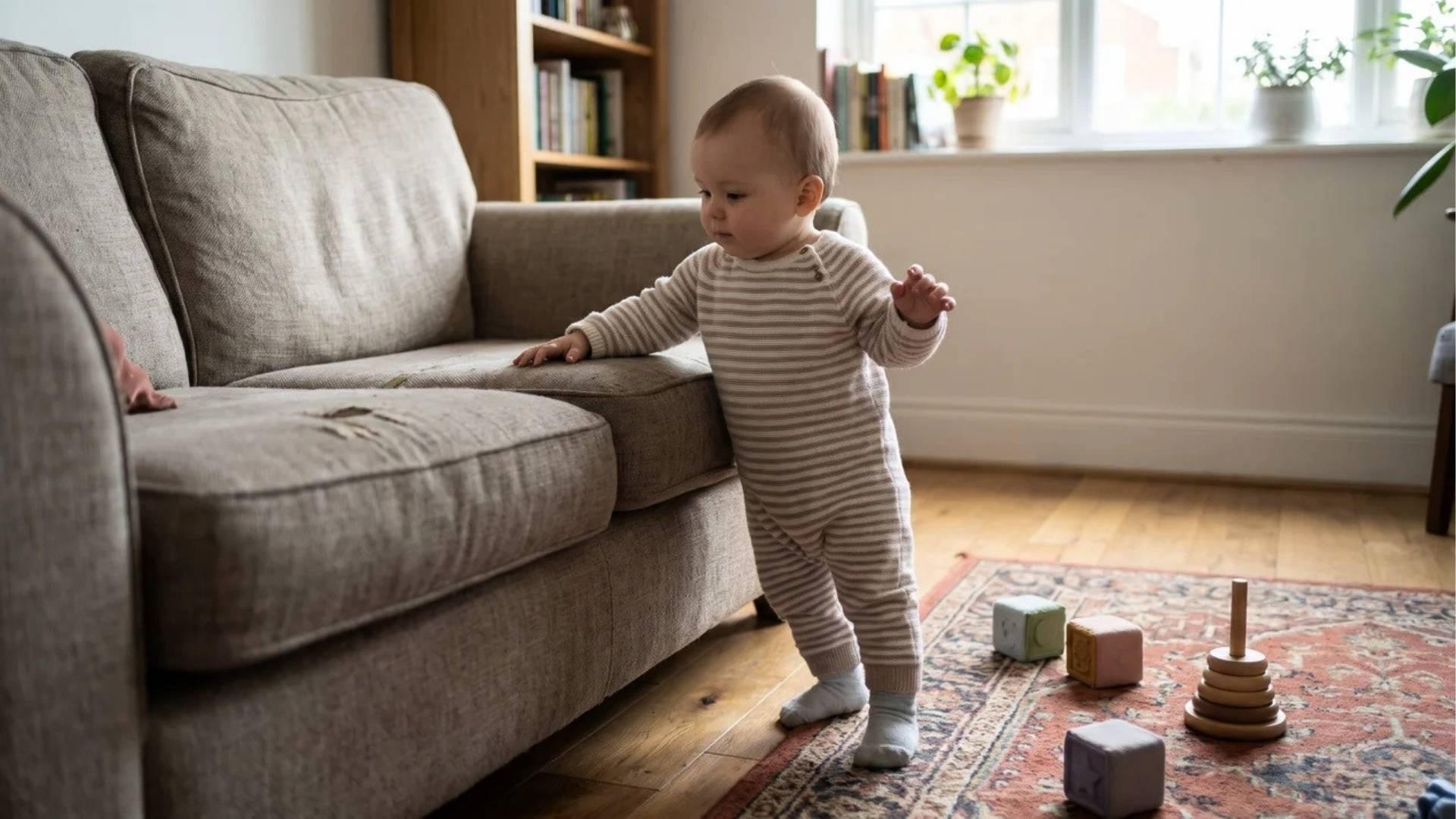
Babies often show signs of walking readiness by pulling themselves up, standing briefly without support, and cruising along furniture.
None of these guarantees when the first step will come, but together they show a baby building the skills that walking uses.
- Pulling up to stand.Your baby grabs the couch, a crib rail, or your legs and hauls up to standing.
- Standing without support. Around 9 to 12 months, according to NIH's MedlinePlus, babies begin balancing while standing alone, often for just a few seconds before sitting down or reaching for you.
- Cruising along furniture.Your baby moves sideways while holding the sofa or a low table.
Babies do not need to show every sign, and the order and speed vary from child to child.
Knowing what to look for makes it easier to spot progress. It also raises the question of what to do if those signs seem slow to appear.
The checkpoints below show when it makes sense to bring the topic up with a doctor.
When Is a Baby Walking Late and When Should You See a Doctor?
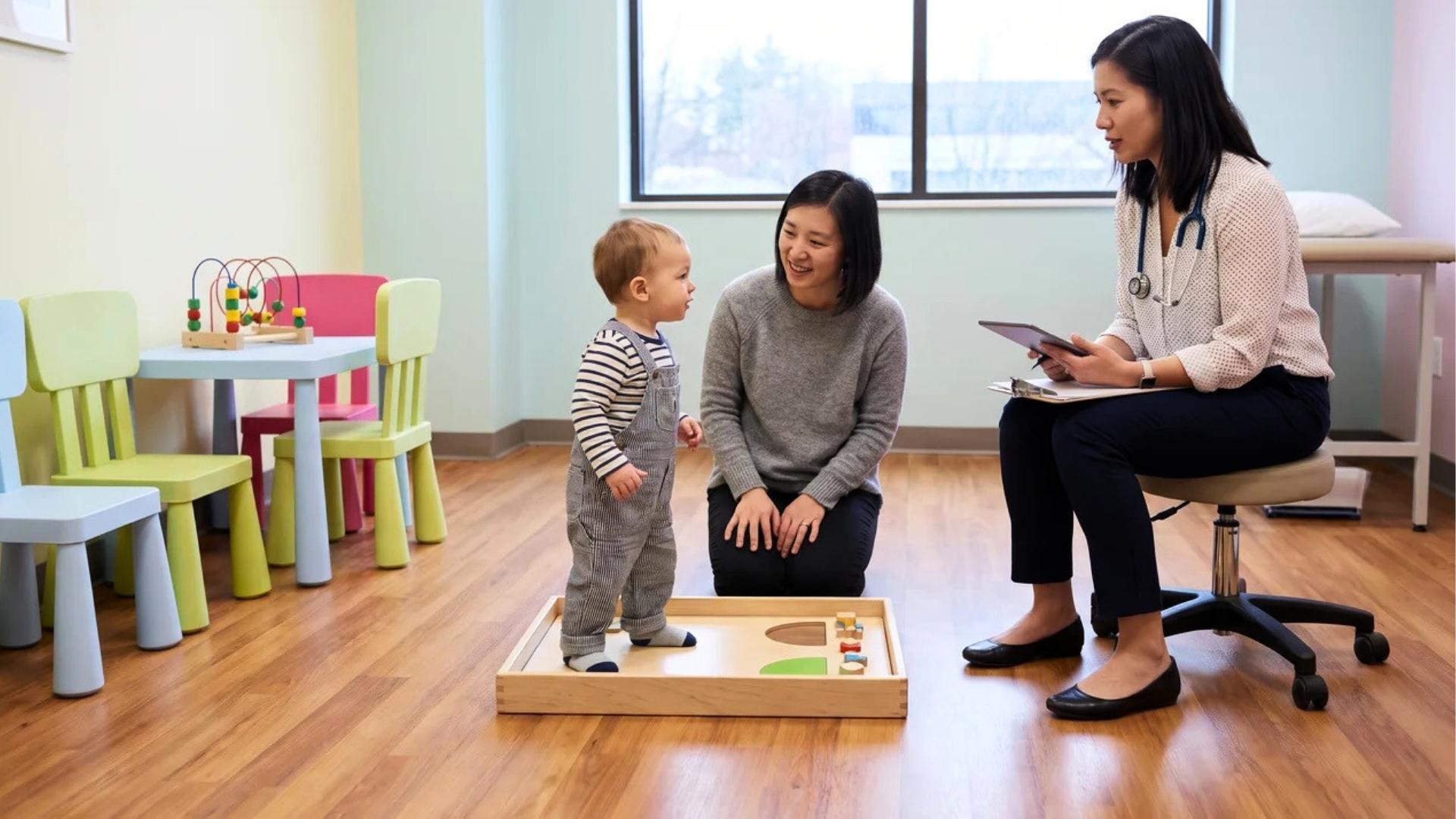
Many babies are not walking independently at 12 months, and CDC's checkpoints sit later: a few steps at 15 months and walking without holding on at 18 months.
If either one is missing, your pediatrician is the right person to ask.
What Walking Milestones Should Babies Reach by 12 Months?
By 12 months, CDC's checklist lists pulling up to stand and walking while holding on to furniture.
Independent walking is not on that list, so cruising without solo steps matches what the checklist describes at this age.
Babies reach these skills at different speeds, and your pediatrician can talk through yours.
When Is Not Walking a Reason for Concern?
If your baby has not taken a few steps alone by the 15-month visit, mention it to your pediatrician.
If walking has not started by 18 months, NIH’s MedlinePlus advises talking to your child’s provider.
Other Reasons to Talk With Your Child’s Doctor
CDC advises acting early and talking with your child’s doctor when something about your baby’s development stands out. It points to these situations:
- Your baby has lost a skill they once had.
- Your baby is not meeting one or more milestones for their age.
- Anything about how your baby moves or develops worries you.
Share what you notice at the next visit and ask about developmental screening.
If you or the doctor are still concerned, you can ask for a referral to a specialist, and your state’s early intervention program is another place to ask about services.
You know your child best, and your pediatrician can answer questions specific to your baby.
When Should You See a Doctor About Walking?
CDC advises acting early and talking with your child's doctor when something about your baby's development stands out. It points to these situations:
- Your baby has lost a skill they once had.
- Your baby is not meeting one or more milestones for their age.
- Anything about how your baby moves or develops worries you.
Share what you notice at the next visit and ask about developmental screening.
If you or the doctor are still concerned, you can ask for a referral to a specialist, and your state's early intervention program is another place to ask about services.
You know your child best, and your pediatrician can answer questions specific to your baby.
Whatever the timing, the home needs to be ready for a baby who can suddenly reach higher and move faster.
A few adjustments are worth making before the first steps.
How Can Parents Support a Baby Learning to Walk Safely?
Parents can support early walking by giving babies plenty of supervised time to move, letting them practice barefoot on safe indoor floors, and preparing the home for a baby who can reach and climb.
- Practice time. CDC suggests letting your baby practice walking while holding your hands or holding onto safe furniture.
- Footwear. Bare feet are fine on clean, safe indoor floors. For outdoors, a soft, flexible, well-fitting pair gives protection and grip.
- No wheeled walkers. CDC does not recommend baby walkers, and CPSC has long linked them to falls down stairs.
- Anchored furniture. Following CPSC's Anchor It! guidance, attach TVs and top-heavy furniture to the wall with anti-tip brackets, and keep toys and remotes off the tops of dressers and stands, where they tempt little climbers.
Also move sharp or unstable objects out of reach once your baby starts pulling up.
Final Takeaway
So, when do babies take their first steps? Anywhere from about 8 to 18 months, and a baby near either end of that range is far from unusual.
The most useful habit is to stop comparing ages and start watching direction: a baby who is pulling up, cruising, and trying new ways to move is working toward walking even when no steps have happened yet.
Download CDC’s free Milestone Tracker app, note any questions, and bring them to your next well-child visit so your pediatrician can look at the full picture.
Frequently Asked Questions
What Toys Help Babies Learn to Walk?
CDC suggests letting babies push empty boxes, a kiddie chair, or push toys while they practice. Choose stable ones that do not roll away, and stay close.
When Do Toddlers Start Running?
CDC's 24-month checklist includes running, so most children are running by around age 2. Some toddlers start sooner, and the pace varies from child to child.
When Can Toddlers Climb Stairs?
CDC's 24-month checklist lists walking up a few stairs with or without help. Until then, use a gate at the top and bottom and stay within arm's reach.