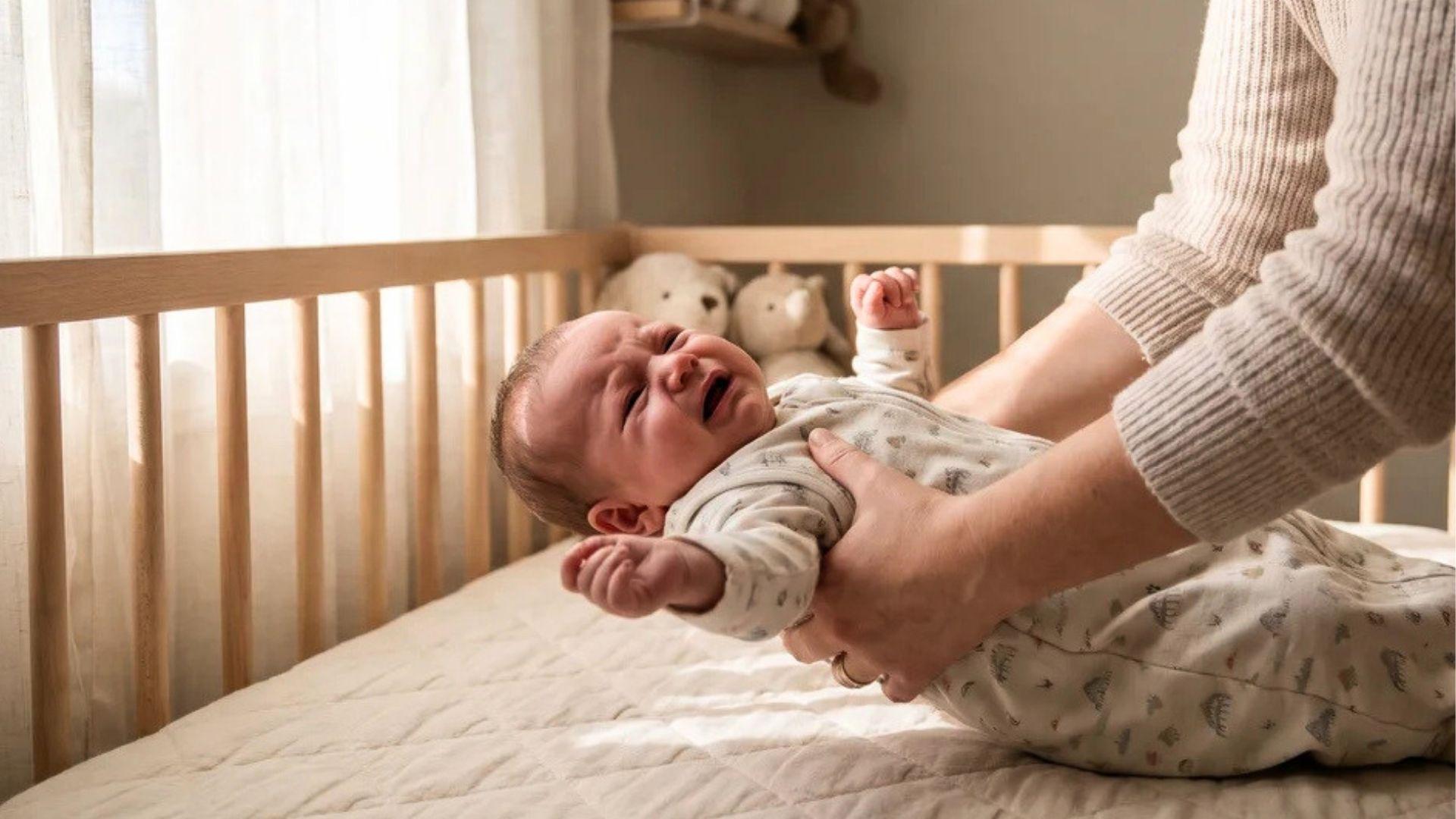


It’s 2 a.m., and you’ve just tucked a loose blanket around your baby for the third time tonight, wondering if there’s a safer way to keep them warm without the constant worry of it slipping over their face.
If that sounds familiar, you’re far from alone, and it’s exactly why sleep sacks have become a go-to choice for so many parents. So, are sleep sacks safe for babies?
Yes, when the size, fit, and fabric are right, they are a safer alternative to loose bedding in the crib, because there is no blanket to ride up over your baby’s face.
The concern that keeps coming up is whether these wearable blankets genuinely hold up against safe sleep guidelines, especially with SIDS and overheating always on a parent’s mind.
In my years working with families on sleep, I’ve found that the details of choosing and using one correctly make all the difference.
Before getting into those details, let’s start with what a sleep sack actually is.
What Is a Sleep Sack?
A sleep sack is a wearable blanket designed to replace loose bedding in the crib, typically made from soft, breathable fabric with armholes and a zipper closure while leaving the legs free to move.
Instead of a flat blanket that can bunch up or shift during the night, it stays securely in place around your baby's body, providing consistent warmth with far less risk of covering their face or restricting airflow.
This fitted design lets babies move naturally while sleeping, which supports both safety and comfort through the night.
Are Sleep Sacks Safe for Babies?
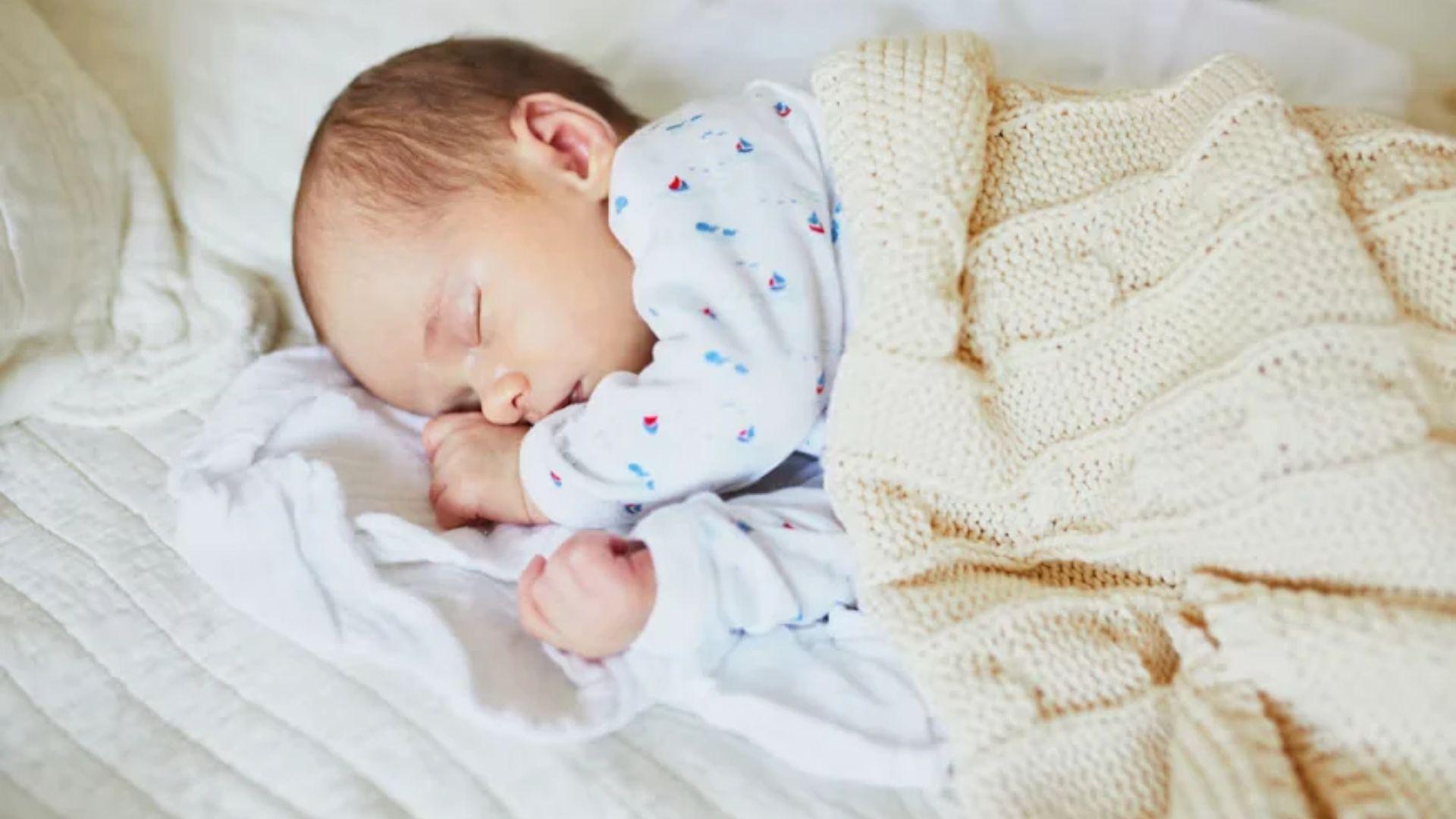
Yes, standard non-weighted sleep sacks are safe for babies, and the AAP recommends wearable blankets over loose bedding as part of a safe sleep setup.
In my practice, I point parents toward them because, unlike loose blankets, a properly fitted sleep sack stays on the body, is far less likely to ride up over your baby’s face, and doesn’t add the extra bedding that can lead to overheating.
Still, it only works well alongside the other safe sleep basics, which means placing your baby on their back, using a firm, flat mattress, and keeping the crib free of pillows, bumpers, and stuffed toys.
Pair a well-fitted sleep sack with those habits, and you give your baby one of the safest sleep environments possible, along with steady, comfortable warmth through the night.
When Can Babies Start Using Sleep Sacks?
Babies can start using a sleep sack from birth, as long as it’s sized correctly and fits snugly around the neck and arms.
There’s no milestone to wait for. If your baby was born early or at a low birth weight, check with your pediatrician before switching to a sleep sack, since their sleep setup may need extra care.
Most families move away from sleep sacks around age two to three, or once their child can climb out of the crib.
Not sure if your child is ready to move on? Our guide on when to stop using a sleep sack walks through the age range and readiness signs.
There’s no required stop age. Some toddlers keep using them longer than that, and that’s fine too.
Swaddling vs. Sleep Sacks: What's the Difference?
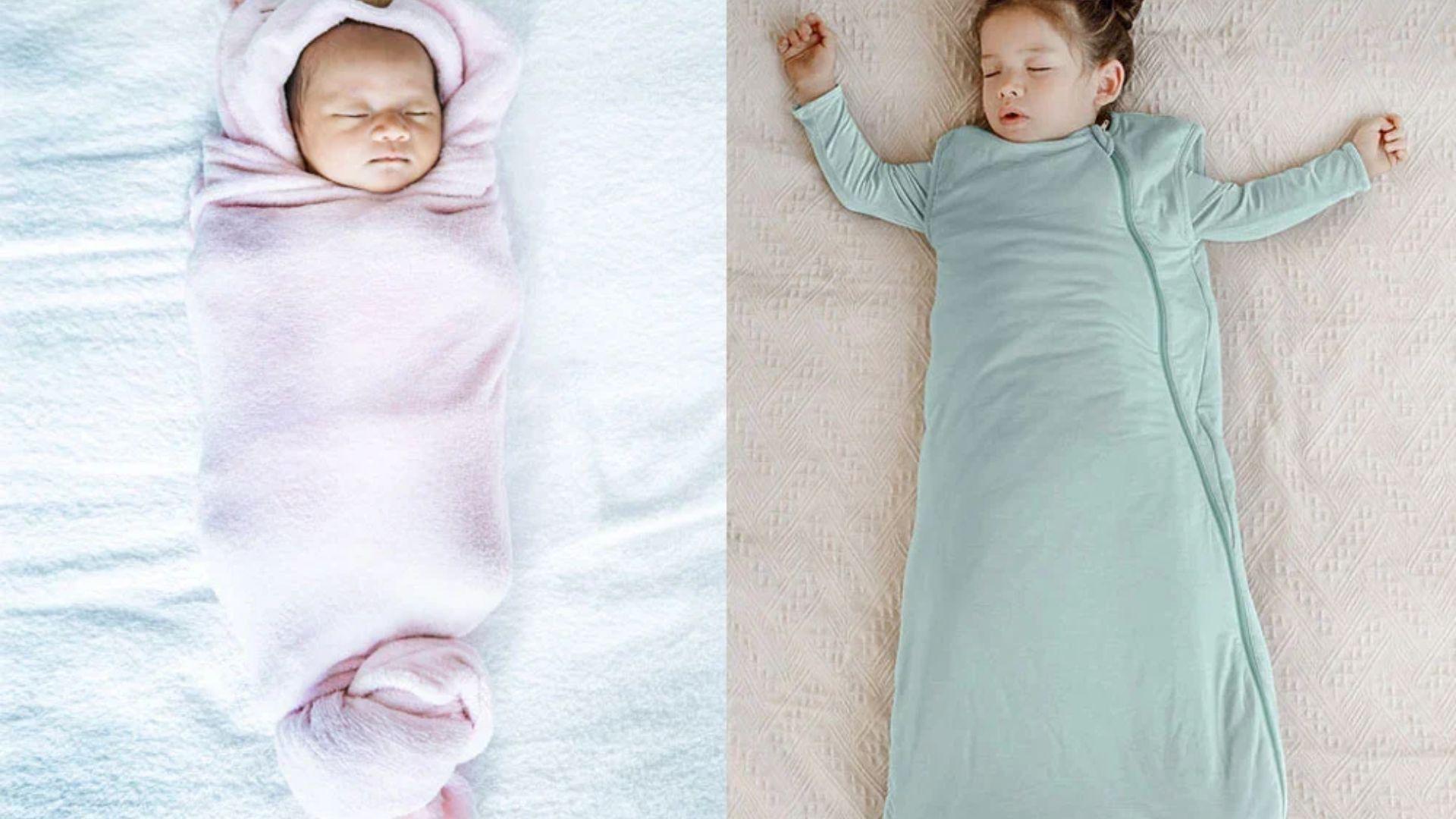
Swaddling and sleep sacks often get grouped, but they serve different purposes at different stages of a baby’s development.
Here’s how they compare:
| Feature | Swaddling | Sleep Sack |
| Arm Position | Arms wrapped snugly against the body | Arms free to move |
| Best Age Range | Newborns, before they start rolling | From birth through toddlerhood, especially once rolling begins |
| Rolling Safety | Should be stopped once baby shows signs of rolling | Safe to continue after baby starts rolling (arms-free designs only) |
| Purpose | Mimics the womb and calms the startle reflex | Provides warmth while allowing natural movement |
| Mobility | Restricts movement | Allows legs and arms to move freely |
| Material | Lightweight blanket or specialized swaddle wrap | Wearable blanket with zipper or snap closure |
Swaddling suits newborns by soothing the startle reflex, but it must stop as soon as your baby shows signs of trying to roll over, which can happen as early as 2 months, since restricted arms become unsafe.
A sleep sack with free arms grows with your baby well beyond that point, offering the same warmth without limiting movement.
Sleep sacks that wrap or compress the arms and chest work like a swaddle, so they need to stop at the same point.
Safe Sleep Sack Practices Every Parent Should Follow
Choosing the right sleep sack is only half the equation, since how you use it night after night matters just as much for keeping your baby safe. These habits make all the difference:
1. Always Place Baby on Their Back
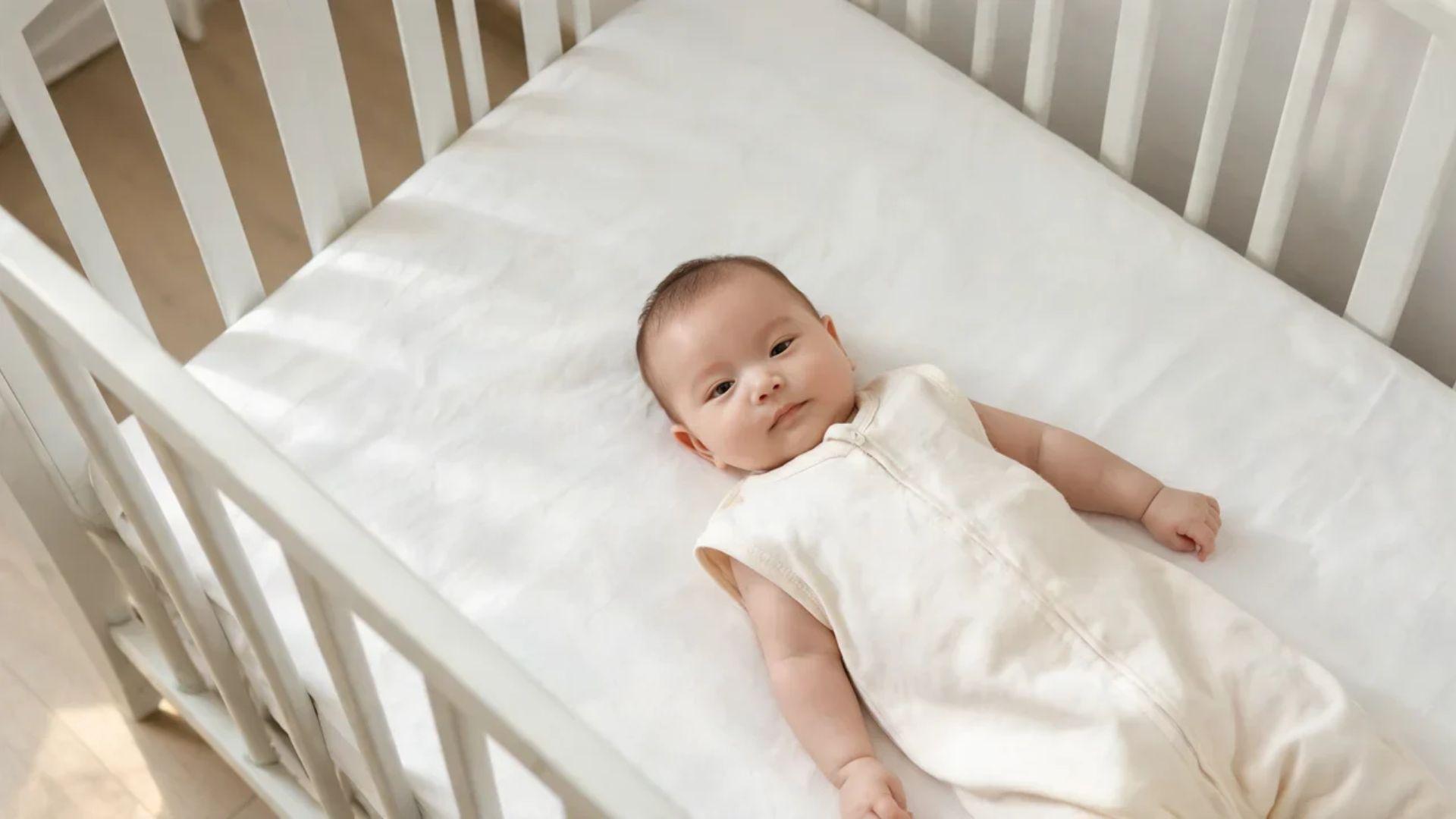
Back sleeping remains the safest position for every nap and bedtime, regardless of what your baby is wearing or how many months old they are.
This recommendation holds even after your baby starts rolling independently, since the goal is simply to place them on their back at the start of sleep.
Side or stomach positioning increases known risks, so consistency with this one habit matters more than almost anything else on this list.
2. Dress Appropriately Underneath
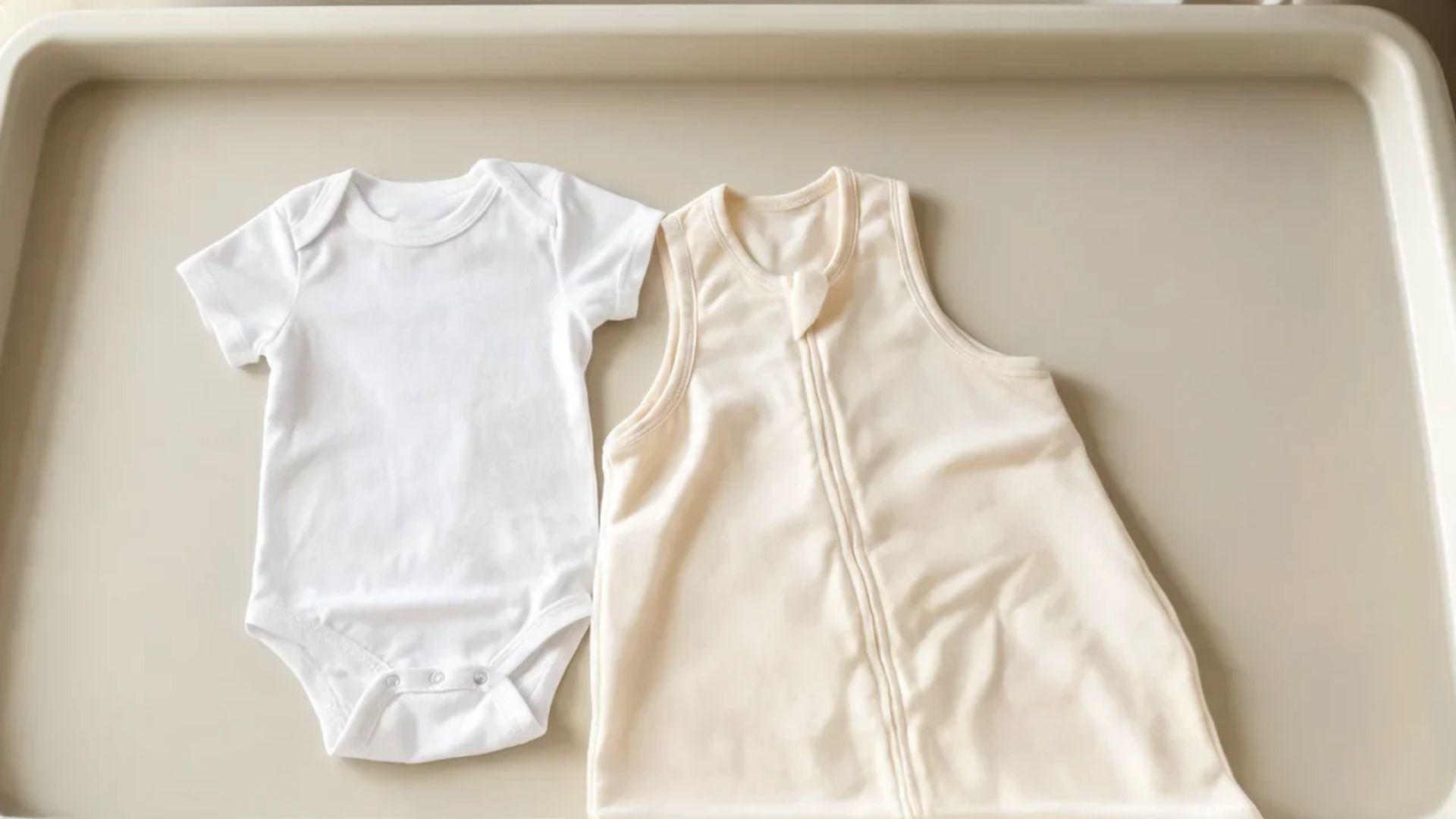
Pair the sleep sack with a single light layer, such as a short-sleeve onesie or light pajamas, chosen according to your room’s temperature rather than the season outside.
Overdressing underneath is one of the most common mistakes parents make, since even a correctly rated sleep sack can cause overheating if there are too many layers trapped beneath it.
One light layer is usually enough to keep your baby comfortable through the night.
3. Keep the Crib Bare
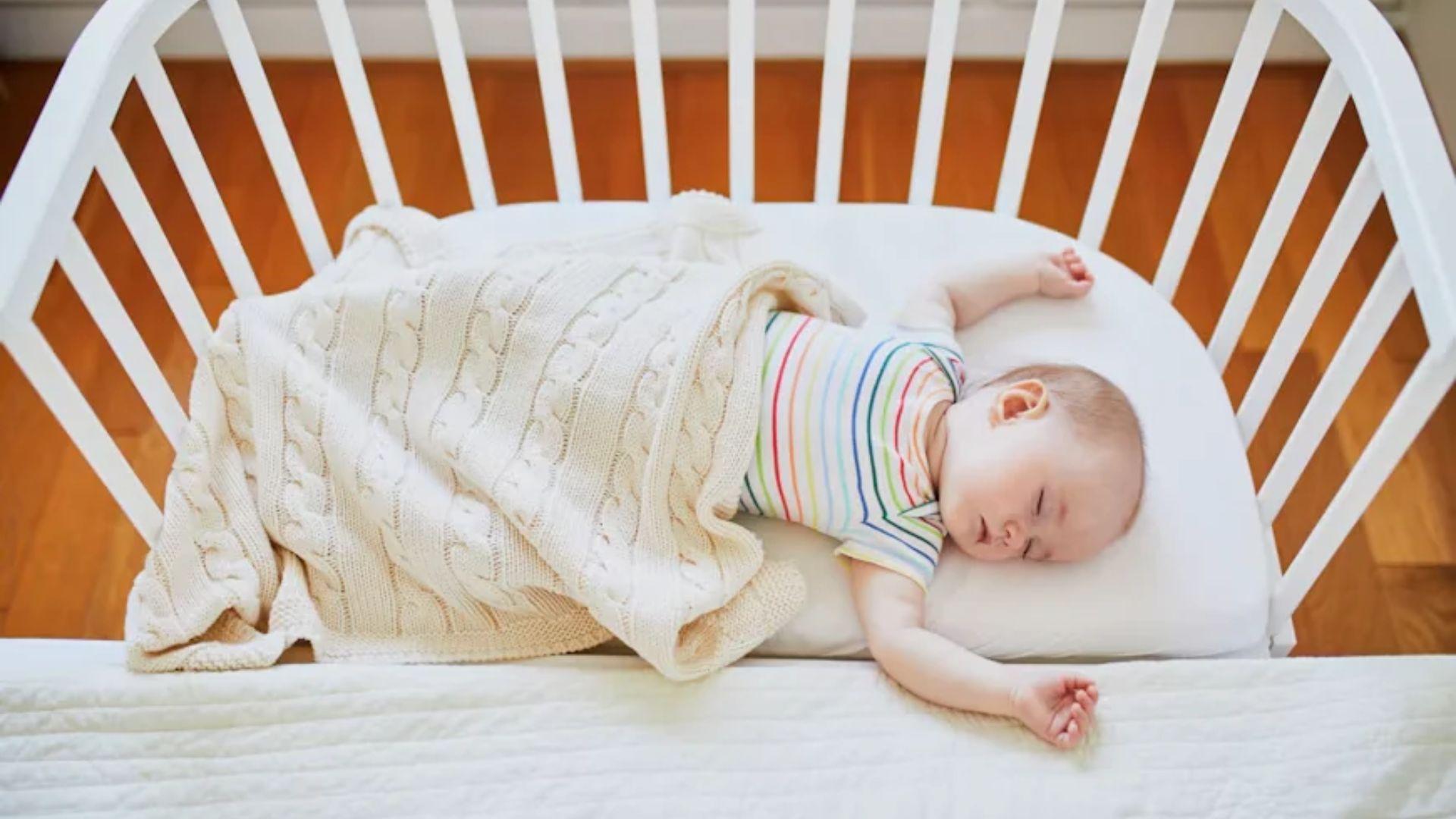
A sleep sack is designed to provide all the warmth your baby needs, which means the crib itself should stay completely bare otherwise.
Pillows, loose blankets, bumpers, and stuffed toys all introduce suffocation risks that defeat the purpose of switching to a sleep sack in the first place.
The safest crib setup includes nothing but a fitted sheet and your baby, dressed appropriately and secured in their sleep sack.
4. Monitor Room Temperature
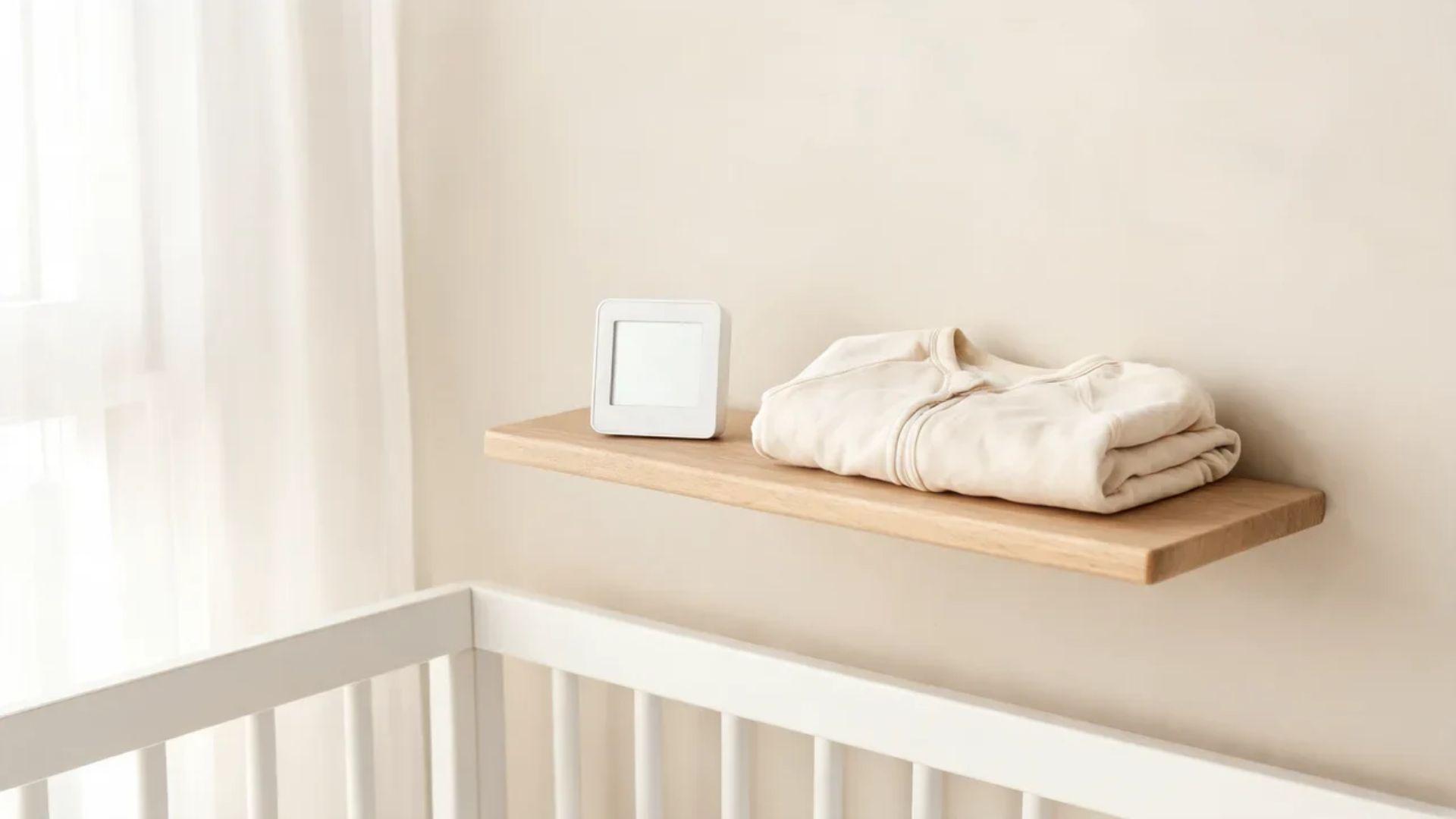
Keep the nursery at a temperature that feels comfortable to a lightly dressed adult, since a room that is comfortable for you will be comfortable for your baby too.
Rather than relying on how warm the room feels to you, check your baby’s chest or the back of their neck, since their hands and feet are often cooler than their actual body temperature.
If they feel sweaty or overly warm to the touch, remove a layer.
5. Stop Swaddling Before Transitioning
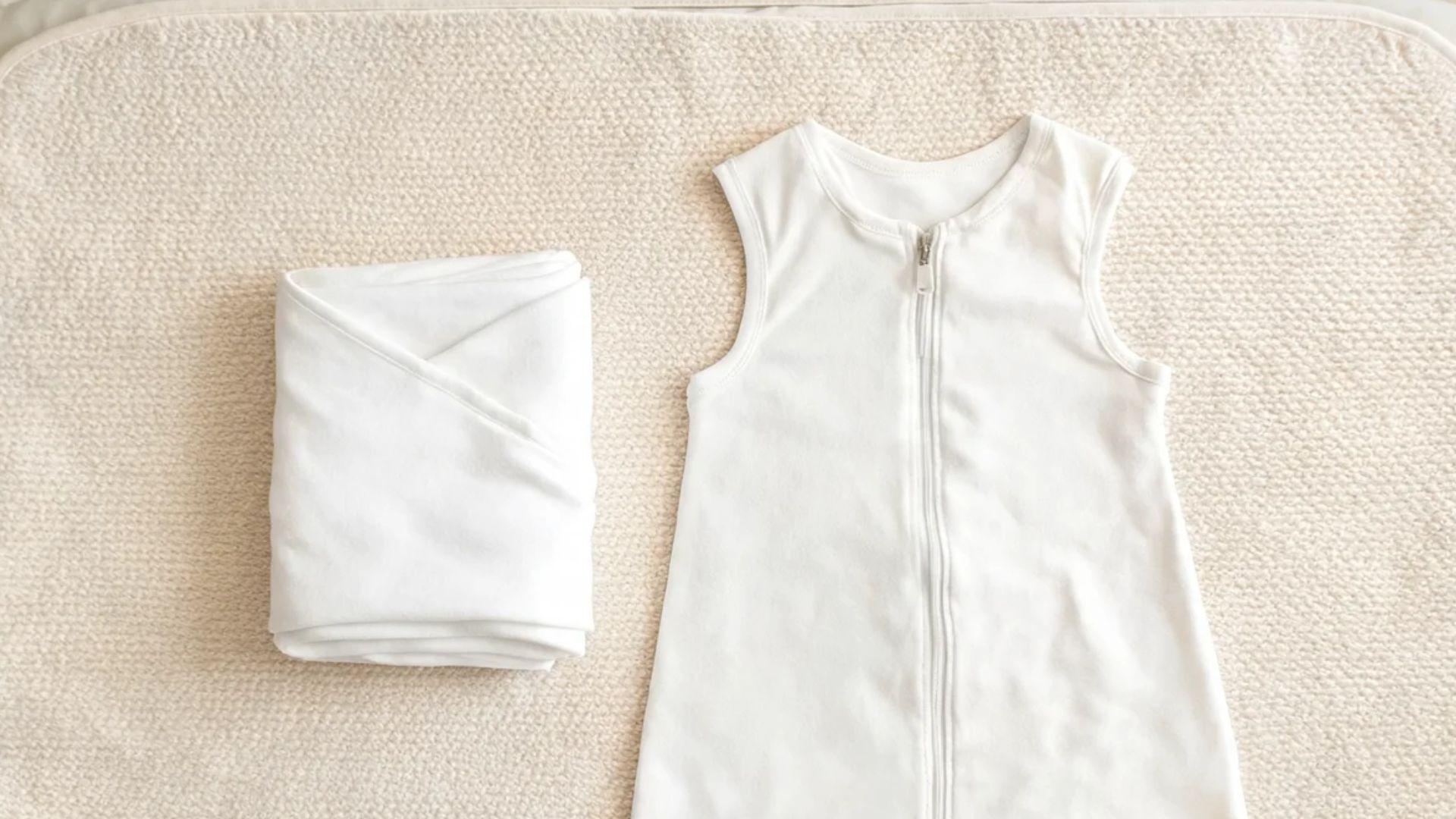
If your baby has been swaddled since birth, it’s important to move to a sleep sack as soon as you notice early signs of rolling, such as pushing up or shifting onto their side.
Continuing to swaddle past this point restricts arm movement that your baby needs to reposition themselves safely if they roll over.
Making the switch promptly removes this risk while keeping your baby just as warm.
6. Inspect the Sack Regularly
Sleep sacks should be checked periodically for loose threads, broken zippers, or fabric that’s become worn or stretched out with repeated washing.
As your baby grows, it’s equally important to size up when needed, since a sack that’s become too snug can restrict movement, while one that’s too loose can let your baby slip down inside or the neckline ride up toward their face.
Tips to Choose a Safe Sleep Sack
For a sleep sack to actually do its job, it needs to fit well, suit the room temperature, and skip the extras that add risk rather than comfort.
Here's what to look for:
- Check the TOG rating. Match the fabric weight to your room temperature, since a lower TOG suits warmer rooms and a higher TOG works for cooler ones.
- Confirm the fit around the neck and arms. It should be snug enough to prevent your baby from sliding inside, yet loose enough for comfortable movement.
- Choose breathable fabrics.Cotton is a common choice, but matching the TOG rating to your room and keeping the layers underneath light does more to prevent overheating.
- Pick the right size for your baby's age and weight. Most brands offer size charts based on these measurements, and a properly sized sack prevents both suffocation risk and restricted movement.
- Avoid sacks with hoods, loose ties, or extra padding. These features add unnecessary suffocation hazards and aren't considered safe sleep practice.
Shopping for a younger baby? See our picks for the best sleep sack for a 3-month-old, including fabric, TOG, and fit comparisons.
The Bottom Line
Are sleep sacks safe for babies? Yes, when you choose the right size and fit, since they keep your little one warm without the risks that come with loose blankets in the crib.
The safest setup pairs a well-fitted sleep sack with the other safe sleep basics, including back sleeping and a bare crib.
Once that routine is in place, bedtime tends to feel a lot less stressful, because you no longer have to check on a blanket that may have shifted.
As a next step, compare your baby’s current sleep sack against its weight and size guidance, and if your baby is still swaddled, plan the move to a sleep sack once they show signs of rolling.
Frequently Asked Questions
Are weighted sleep sacks safe for babies?
No. The AAP and the CPSC warning on weighted products say weighted sleep sacks, swaddles, and blankets are unsafe for infants. The weight can restrict breathing and make it harder for a baby to wake or shift position.
Do sleep sacks increase the risk of SIDS?
No. The AAP recommends a properly fitted wearable blanket in place of loose bedding, which is a suffocation hazard. Your baby still needs to be placed on their back to sleep.
Can sleep sacks affect a baby’s hip development?
Standard sleep sacks leave the legs free to kick and move, which supports healthy hip development. Choose a roomy bottom, not one that holds the legs tightly together.