

Finding toddler activities that hold a child's attention can be harder than it sounds.
Toddlers have short attention spans and plenty of energy, so an idea that works on Monday may fall flat by Wednesday.
Parents also have to think about naps, moods, and safety, which makes planning even trickier. Fortunately, there are many options to choose from.
Indoor spots like play centers and libraries suit rainy days, while parks and gardens let little ones burn off energy outside.
Educational outings build early skills, and recreational activities keep things fun.
Together, they encourage play, exploration, and learning. I’ll share toddler activities to match your child's age, your budget, and your daily routine.
What Are Some Fun Toddler Activities?
Fun toddler activities include sensory play, building with blocks, drawing, music and dance, water play, and simple pretend games, all of which mix entertainment with learning.
Each one gives toddlers a chance to try new things while they enjoy themselves.
As they grow, many of these same ideas lead naturally into the best preschool activities, which add a little more structure, such as early counting games, simple crafts, and story time.
Play supports creativity by letting children imagine freely; it builds coordination through climbing, stacking, and moving; and it begins building social skills as they play alongside other children and practice taking turns.
Best Indoor Activities for Toddlers
Indoor play keeps toddlers busy and learning when the weather is poor, or their energy needs a safe outlet at home.
The activities below use simple materials and need little preparation, so parents can set them up quickly and adjust them to their child's mood.
1. Sensory and Water Play
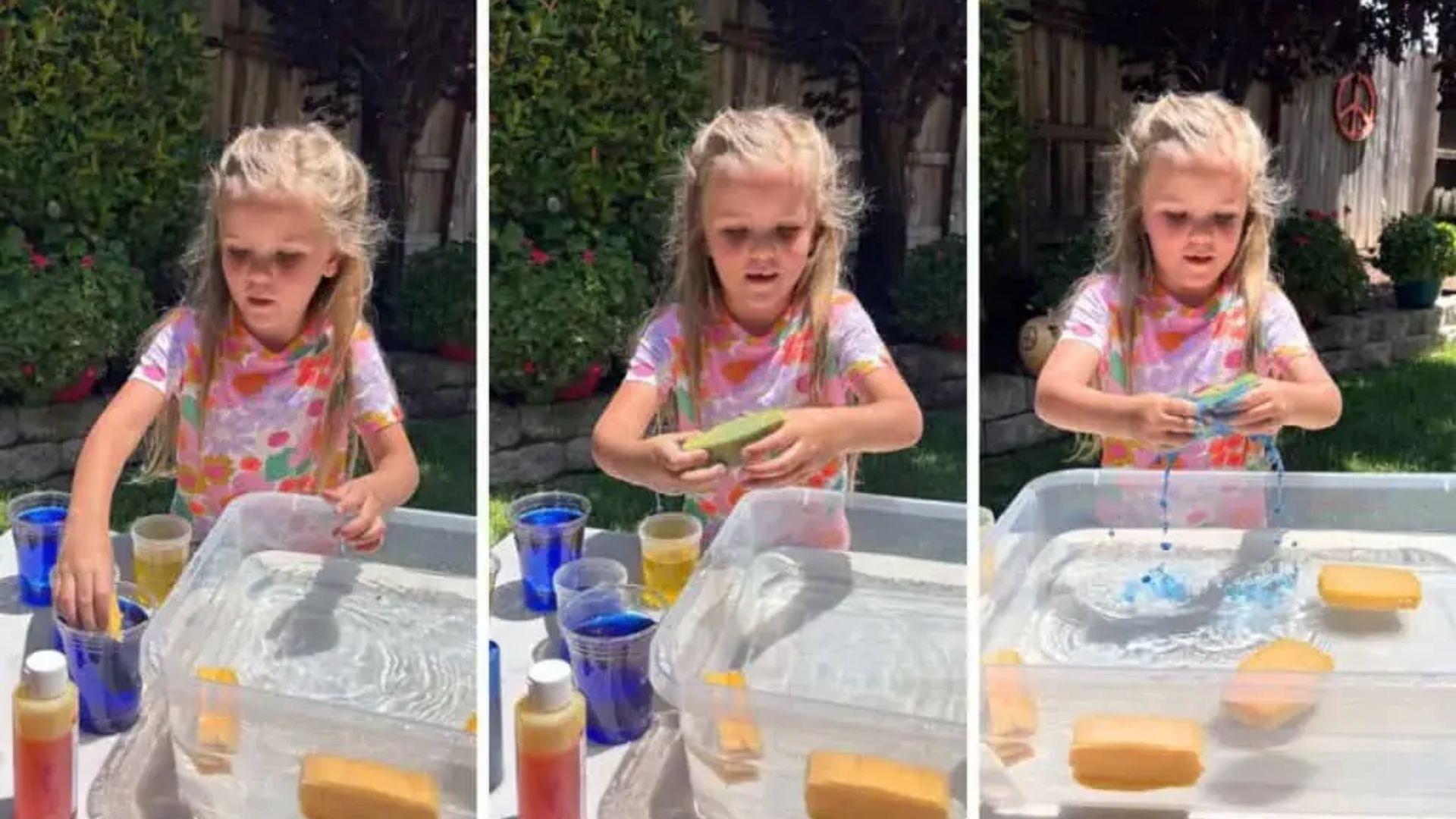
Sensory and water play lets toddlers explore textures, temperatures, and movement using simple items such as water tubs, large sponges, and scoops.
Dry bins filled with large items like cardboard tubes or large fabric pieces also work well.
These activities build fine motor control, curiosity, and early science skills as children pour, scoop, and splash. Stay within arm’s reach whenever water is involved, even if it is only an inch or two deep.
Avoid small materials like rice or beads unless your toddler no longer puts things in their mouth, and skip water beads (also sold as jelly or sensory beads) entirely, since they are a swallowing and choking risk for young children.
Choose items too large to be swallowed. A shallow container on a towel is enough to start, and the mess stays easy to clean afterward.
2. Arts and Crafts Activities
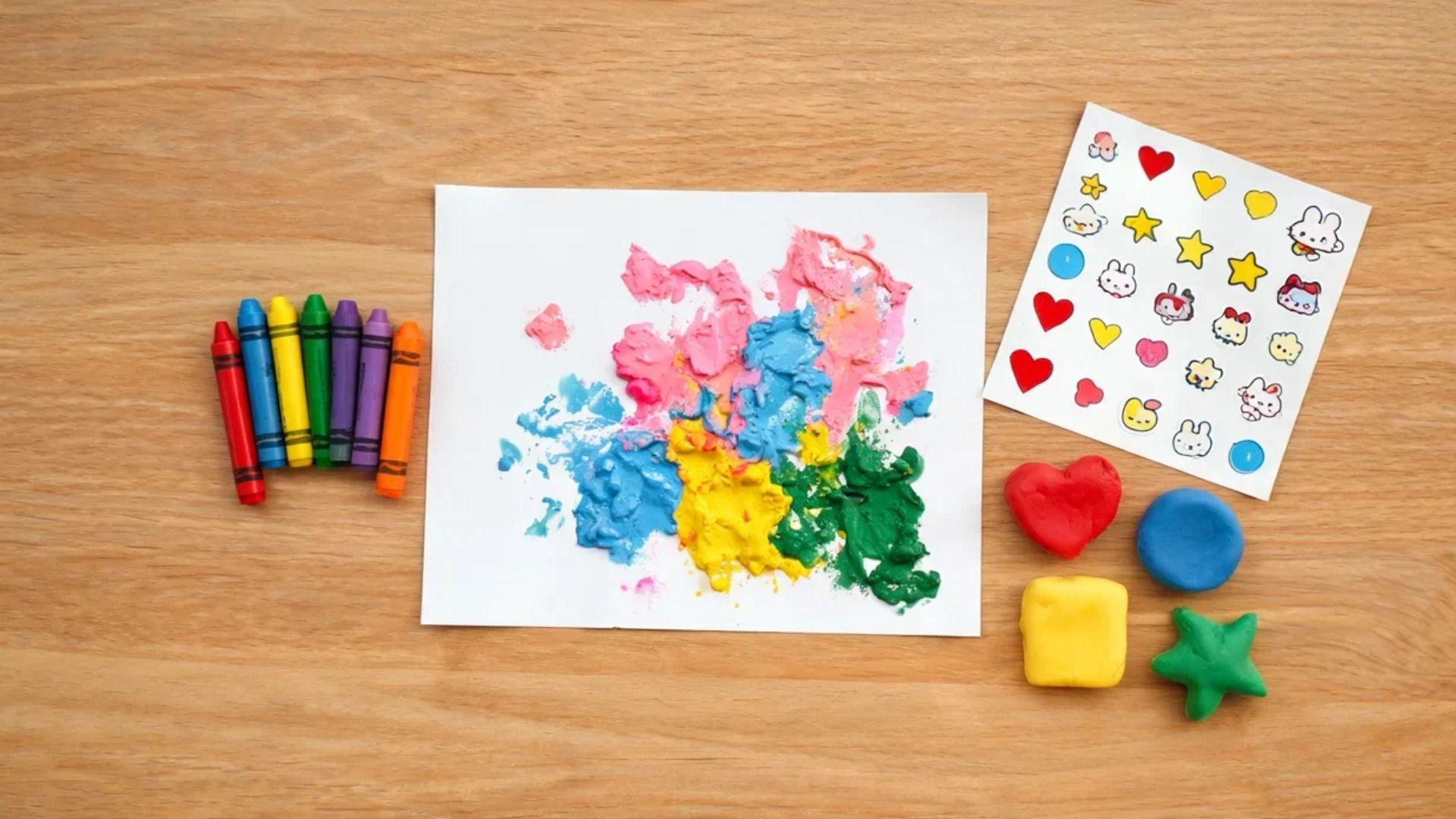
Arts and crafts for toddlers work best when they focus on the process instead of the finished product.
Finger painting, chunky crayon drawing, sticker collages, and play dough shaping all help children build hand strength and express ideas freely.
Choose washable, nontoxic supplies and let your child lead the way.
Short sessions of about three to ten minutes, depending on your child’s age and mood, usually match a toddler’s short attention span.
Younger toddlers may lose interest after just a few minutes, so let them move on when they are ready.
3. Music, Dance, and Movement Games
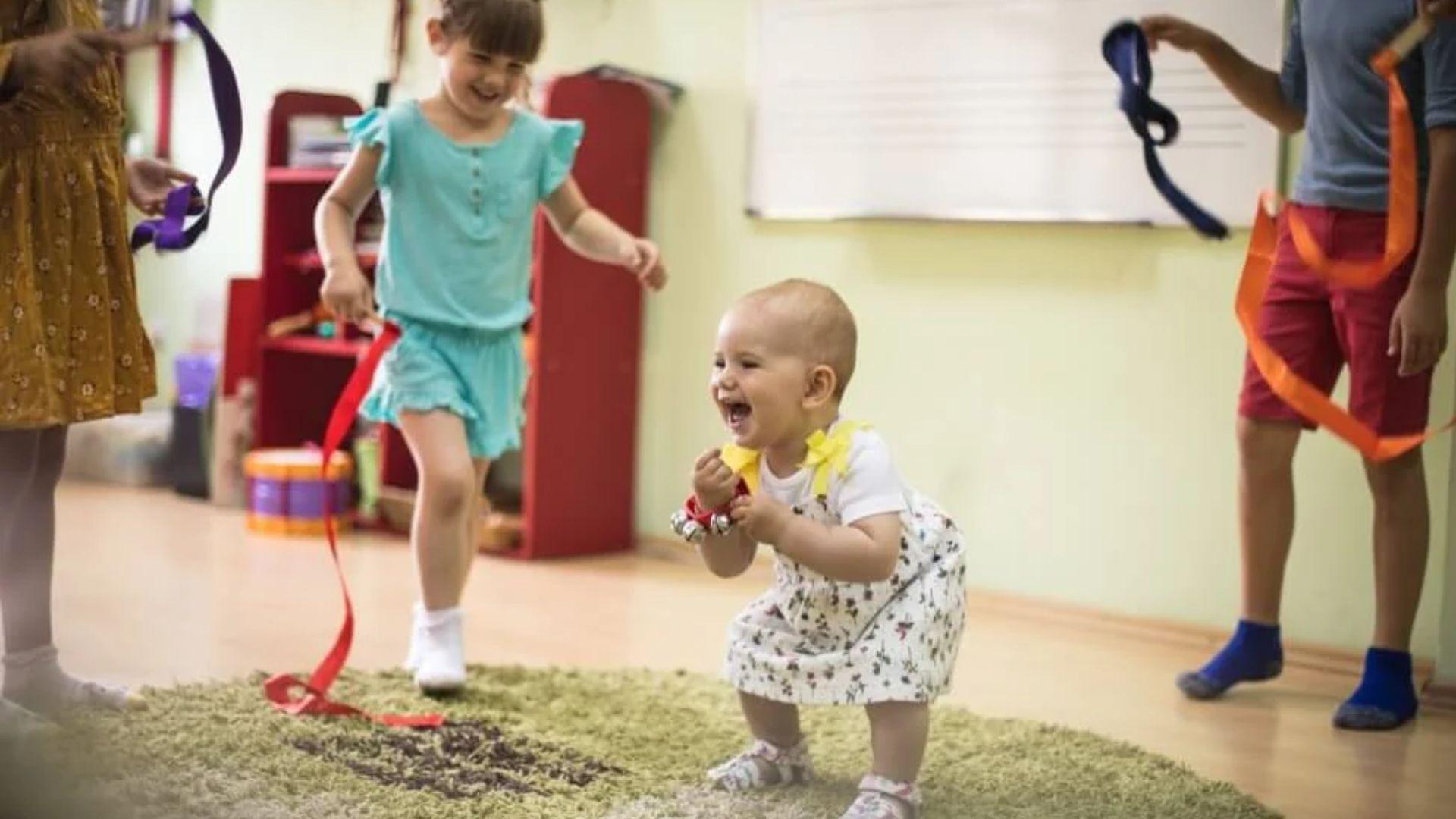
Music, dance, and movement games get toddlers moving while they practice rhythm, listening, and body control.
Try freeze dance, simple instrument play with shakers or pots, and action songs with hand motions.
These activities support coordination and language development, and they give children a joyful way to release energy indoors.
Singing along with your toddler also strengthens bonding, so join in and let the silly moments happen for a few minutes each day.
4. Pretend Play and Interactive Games
Pretend play and interactive games help toddlers practice language, empathy, and problem-solving through imagination.
Simple setups such as a toy kitchen, a doctor kit, or a box turned into a car encourage storytelling and role-play.
Interactive games like peekaboo, hide-and-seek with a toy, and simple turn-taking games build social skills and memory.
Join in as a playmate, ask gentle questions, and follow your child's ideas to keep the play meaningful.
Best Learning and Development Activities for Toddlers
These activities help toddlers build early skills such as hand control, speech, thinking, and focus.
Most of these ideas fit easily into daily routines at home, so parents can support development through play instead of formal lessons.
5. Fine Motor Skill Activities

Fine motor activities strengthen the small muscles in a toddler's hands and fingers, which prepares them for writing, buttoning, and self-feeding.
Good choices include threading chunky beads, stacking blocks, squeezing play dough, and picking up large pom poms with tongs.
Before you start, check every bead, pom-pom, or loose part: if it fits inside a toilet paper roll tube, it is a choking hazard for children under three.
The tube is slightly wider than the official 3 cm (1 1⁄4 inch) small-parts test cylinder, so it errs on the side of caution.
Offer these tasks in short sessions, and celebrate effort more than accuracy so your child stays motivated and keeps practicing each day.
6. Language and Communication Activities
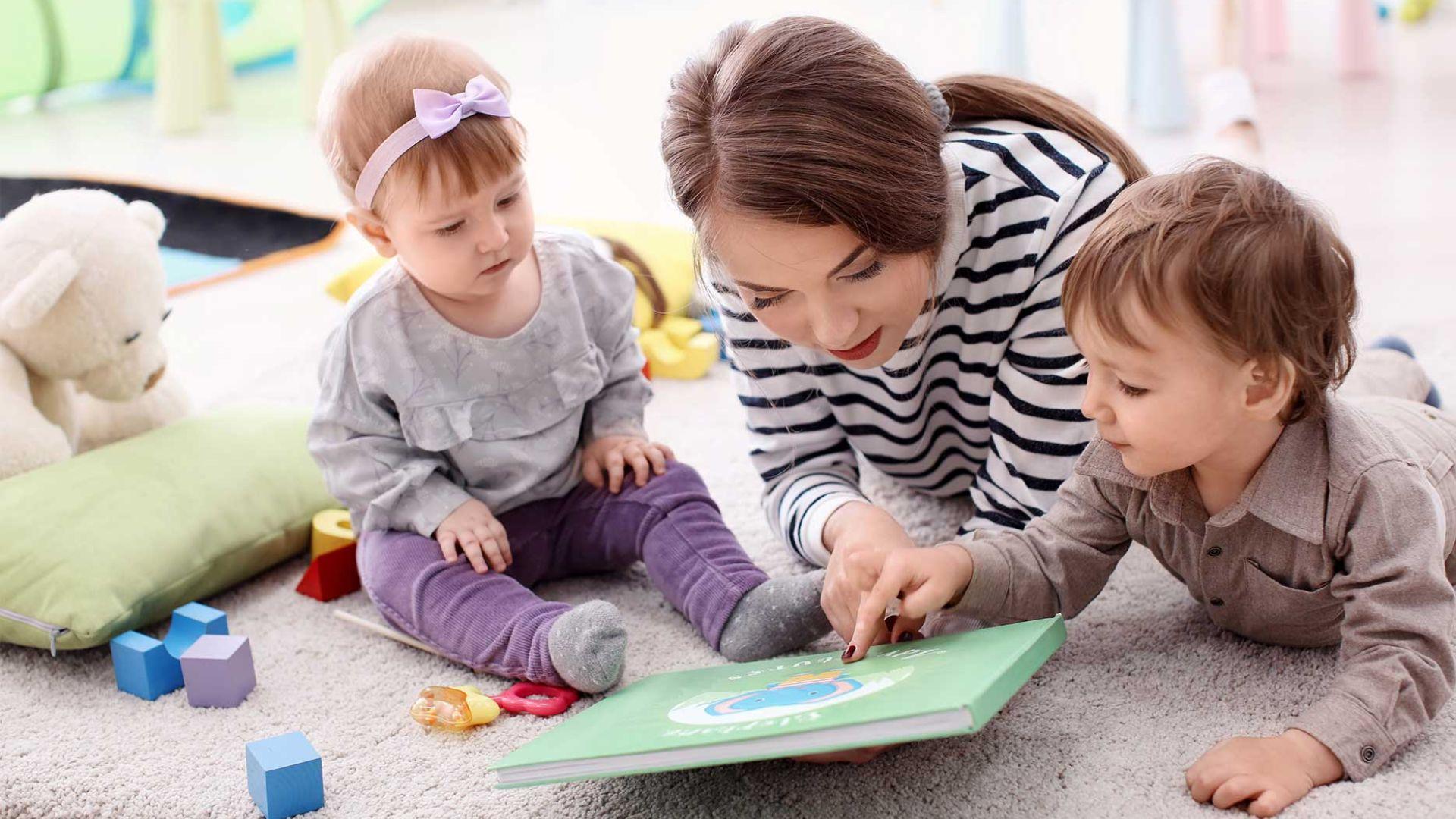
Language activities work best when they turn everyday moments into conversations.
Reading picture books aloud, naming objects during walks, singing nursery rhymes, and describing what you are doing all help toddlers absorb new words.
Pause after asking a question to give your child time to respond, even if the answer is a gesture or a single word.
Responding warmly to those attempts encourages them to keep talking and builds lasting confidence.
7. Counting, Sorting, and Matching Games
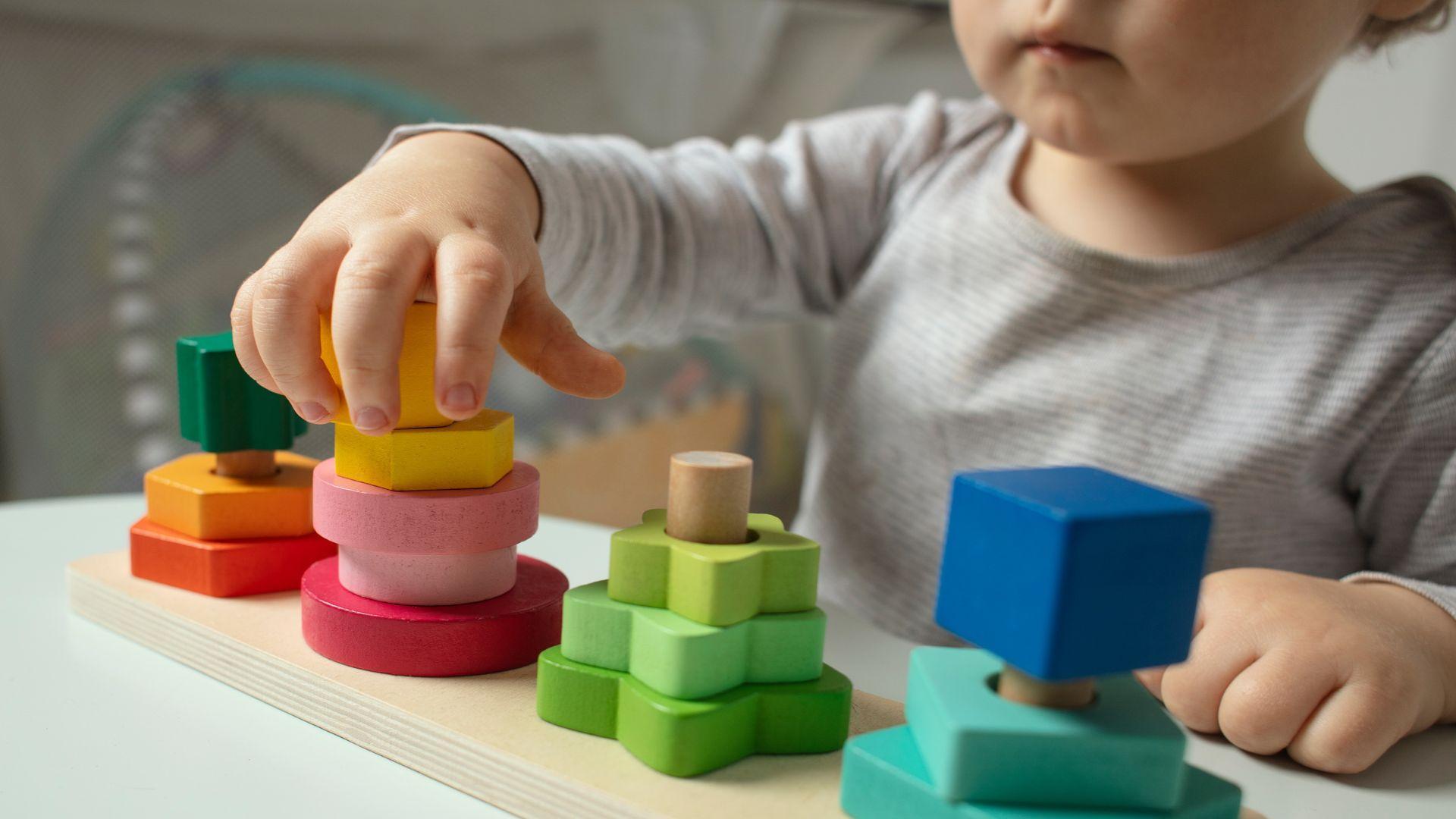
Counting, sorting, and matching games introduce early math ideas such as quantity, patterns, and categories.
Toddlers can sort colored blocks into bowls, match socks, count steps while climbing stairs, or pair simple picture cards. Keep the number of items small, usually three to five, so the task feels achievable.
Using real objects from around the house makes the learning more meaningful and shows your child that numbers and groups appear in daily life.
8. Creative and Problem-Solving Activities
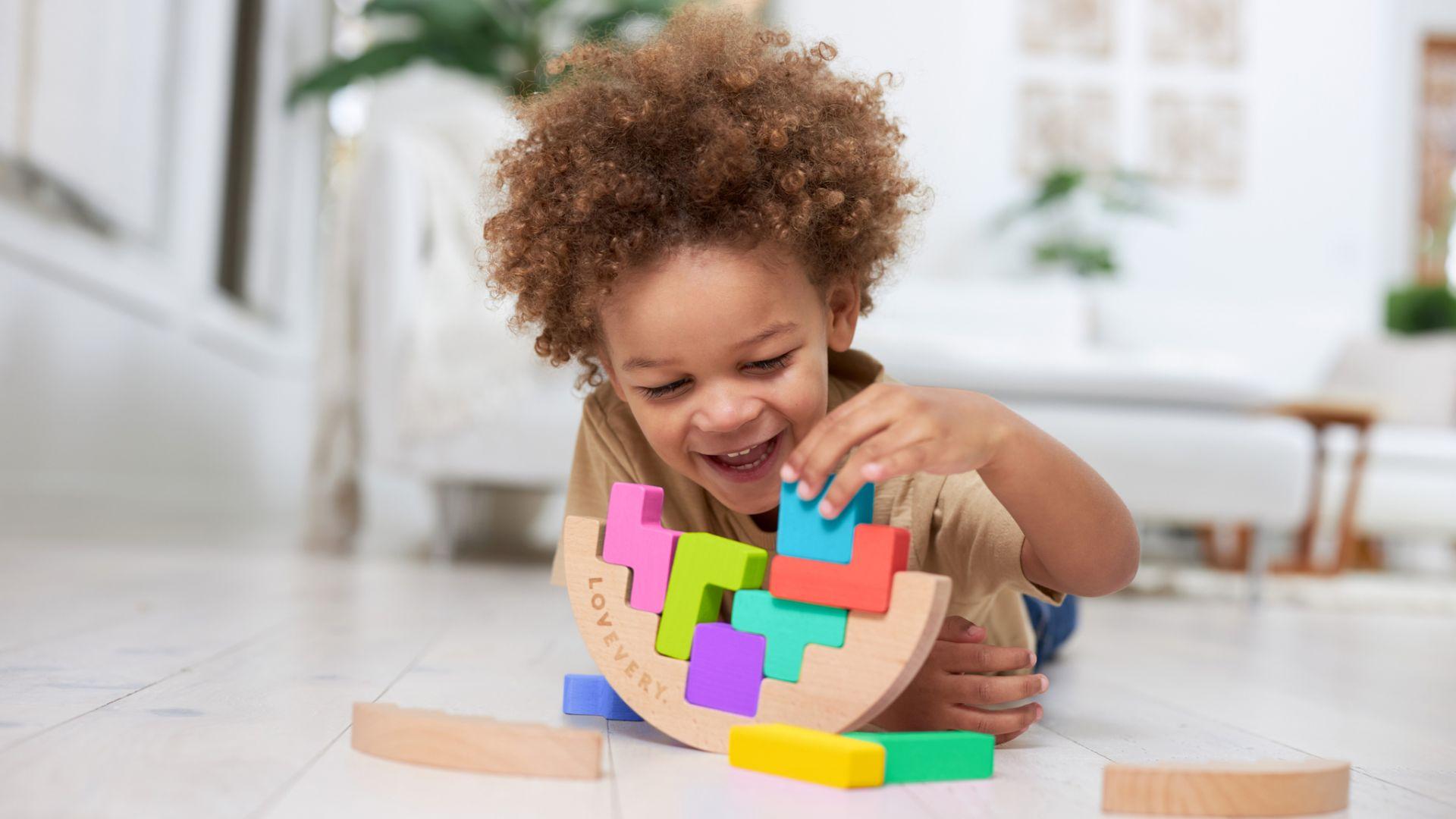
Creative and problem-solving activities encourage toddlers to think, experiment, and make choices.
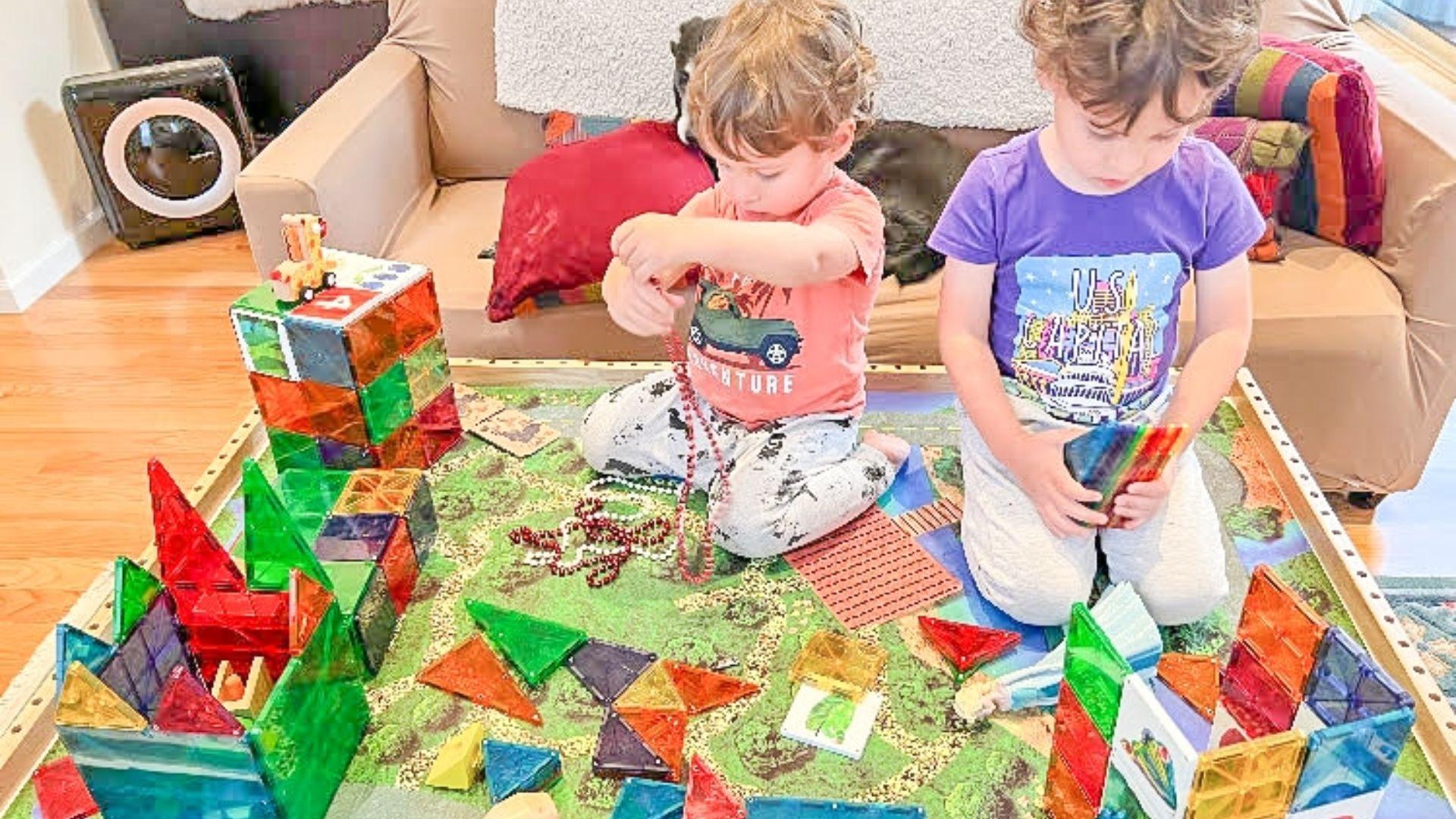
Simple puzzles, building towers, open-ended block play, and treasure hunts around the room all give children a chance to test ideas.
Offer help only when they seem truly stuck, because working through small challenges builds persistence.
Ask open questions such as what might happen next, which invites your child to predict and explore without worrying about a right answer.
Fun Outdoor Activities for Toddlers
Outdoor play gives toddlers space to run, climb, and explore while they enjoy fresh air and natural light.
These toddler activities build strength and balance, and they also spark curiosity about the world.
A little preparation with sunscreen, water, and close supervision makes every outing safer and more relaxed.
9. Playground and Climbing Activities
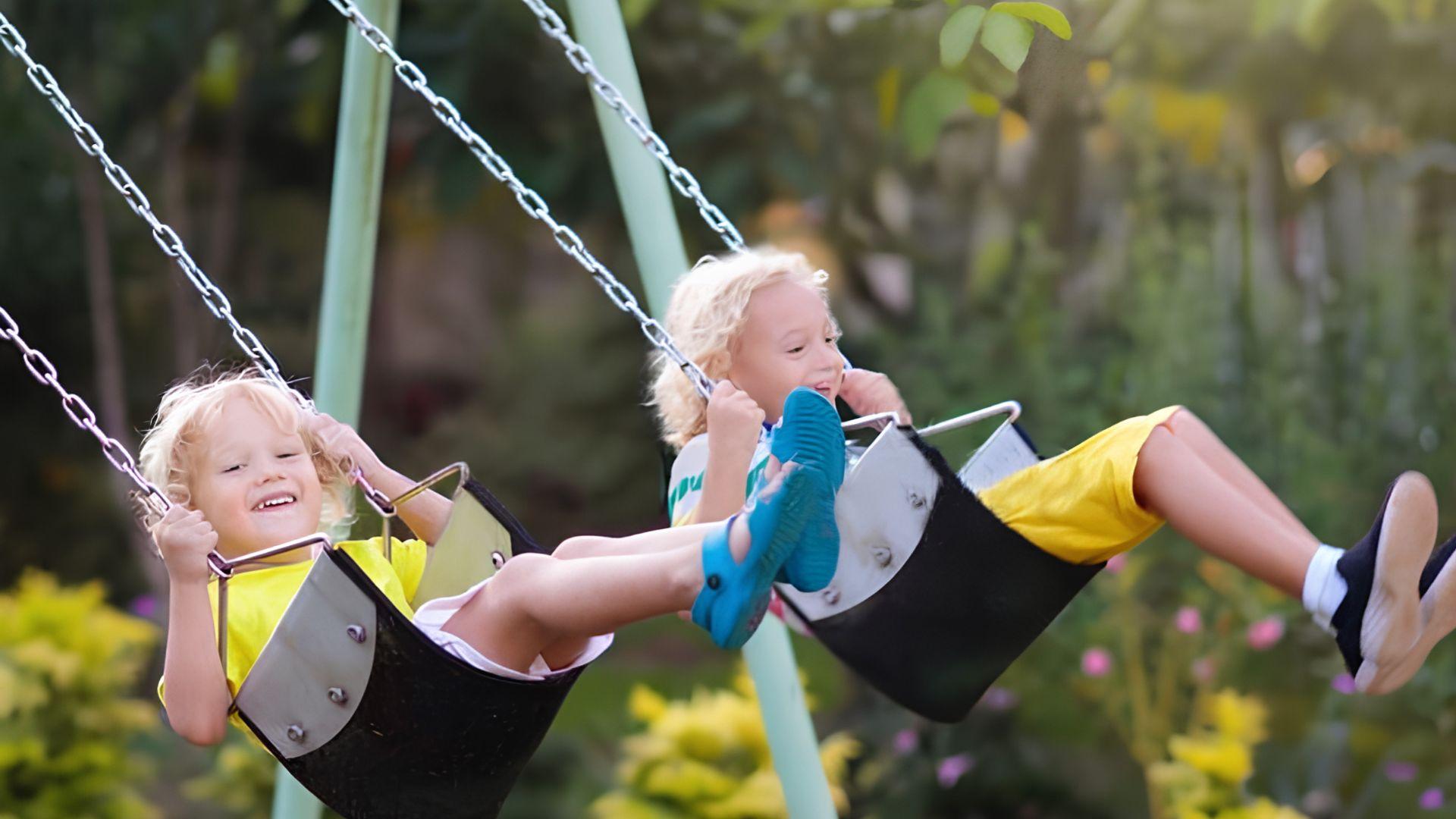
Playground and climbing activities help toddlers build strength, balance, and confidence as they move their whole bodies.
Low slides, small climbing frames, stepping stones, and gentle swings suit this age well.
Stay within arm's reach, choose equipment designed for toddlers, and let your child set the pace instead of lifting them to heights they have not reached alone.
This approach builds good judgment, and it keeps playground visits fun and stress-free.
10. Nature Walks and Garden Exploration
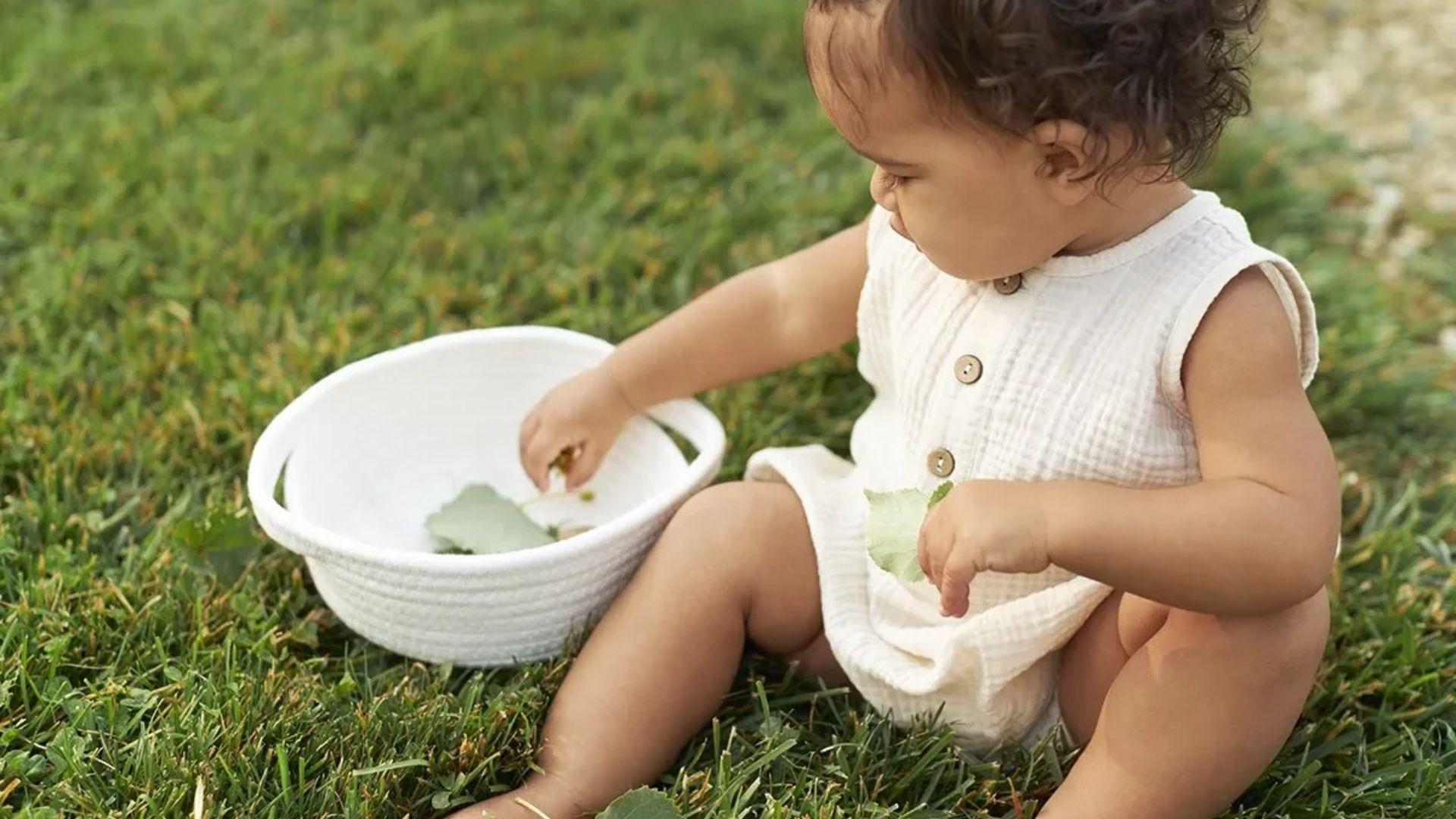
Nature walks and garden exploration let toddlers meet the natural world through touch, sight, and sound.
Collect leaves, look for insects, smell flowers, and splash in puddles while you talk about what you see.
These simple outings build vocabulary, observation skills, and a sense of calm.
Walk slowly, avoid unknown plants, and let your child stop whenever something catches their eye, since the discoveries along the way matter more than reaching a destination.
11. Ball Games and Physical Activities
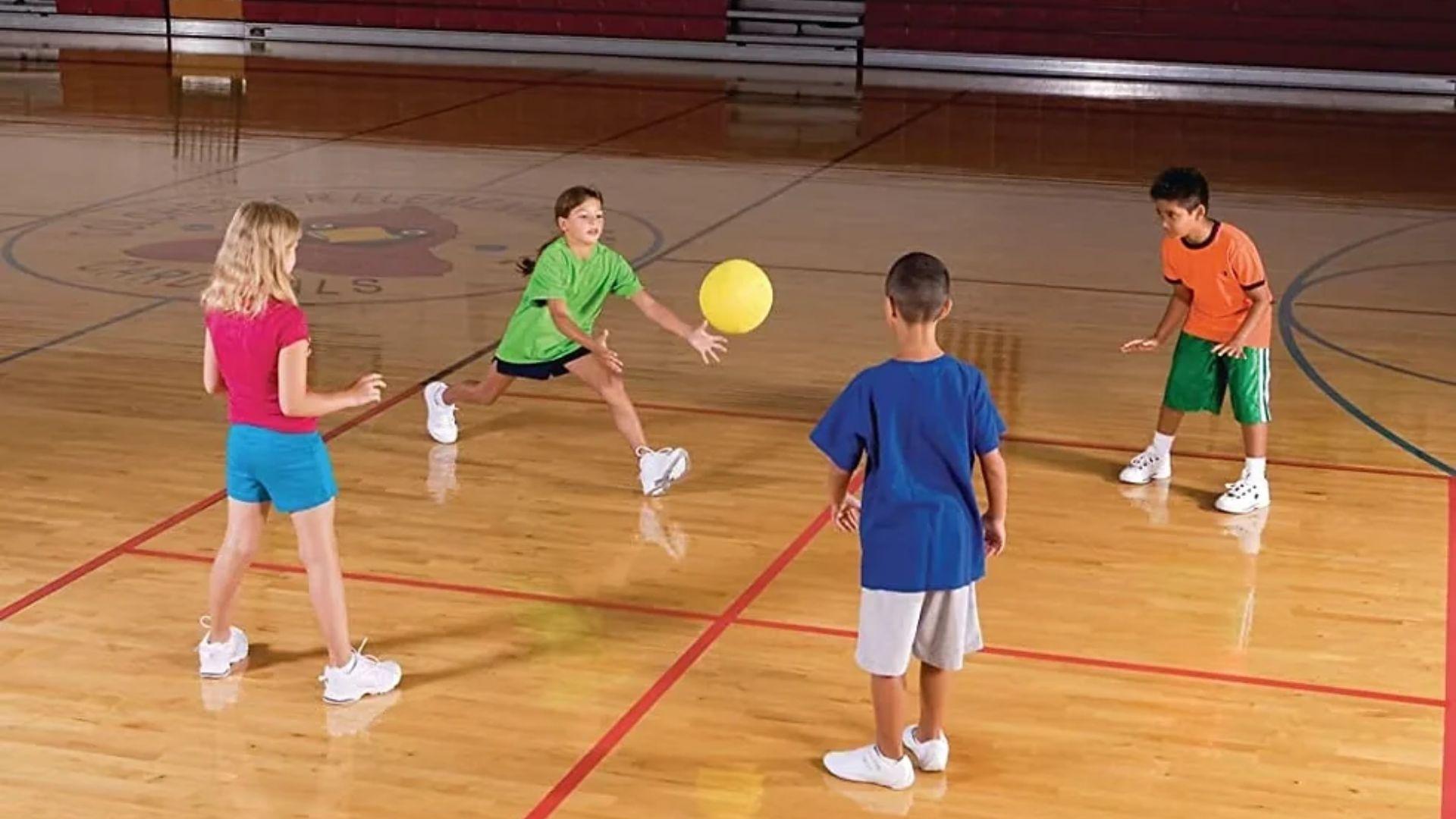
Ball games and physical activities build coordination, balance, and gross motor skills while keeping toddlers active.
Rolling a ball back and forth, kicking it toward a soft goal, tossing it into a basket, and playing follow the leader are all easy to start.
Use lightweight, oversized balls that are simple to catch and kick.
Keep the game relaxed, since the goal is joyful movement, not perfect technique, and cheering every attempt keeps toddlers excited.
12. Water and Sand Play
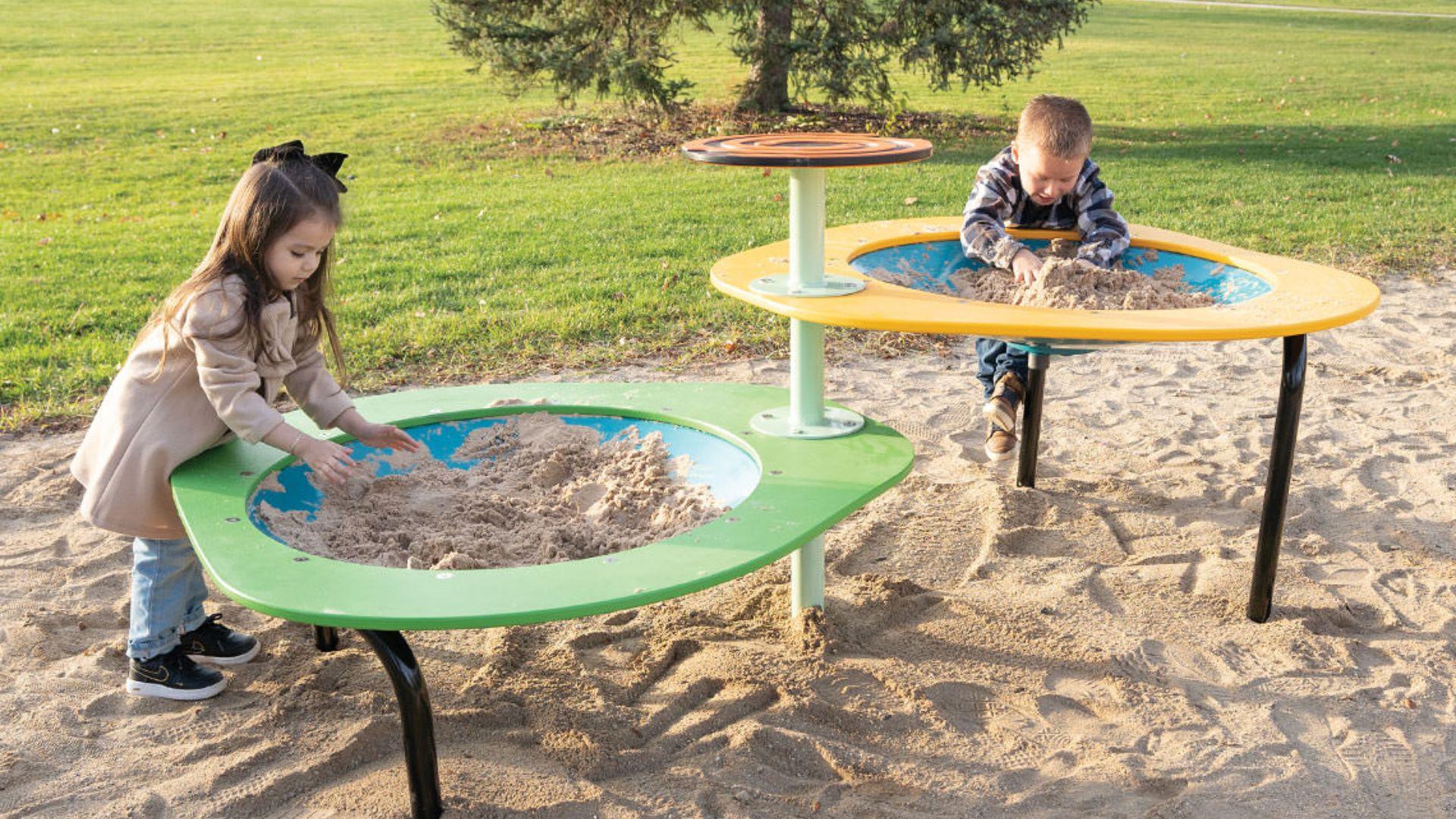
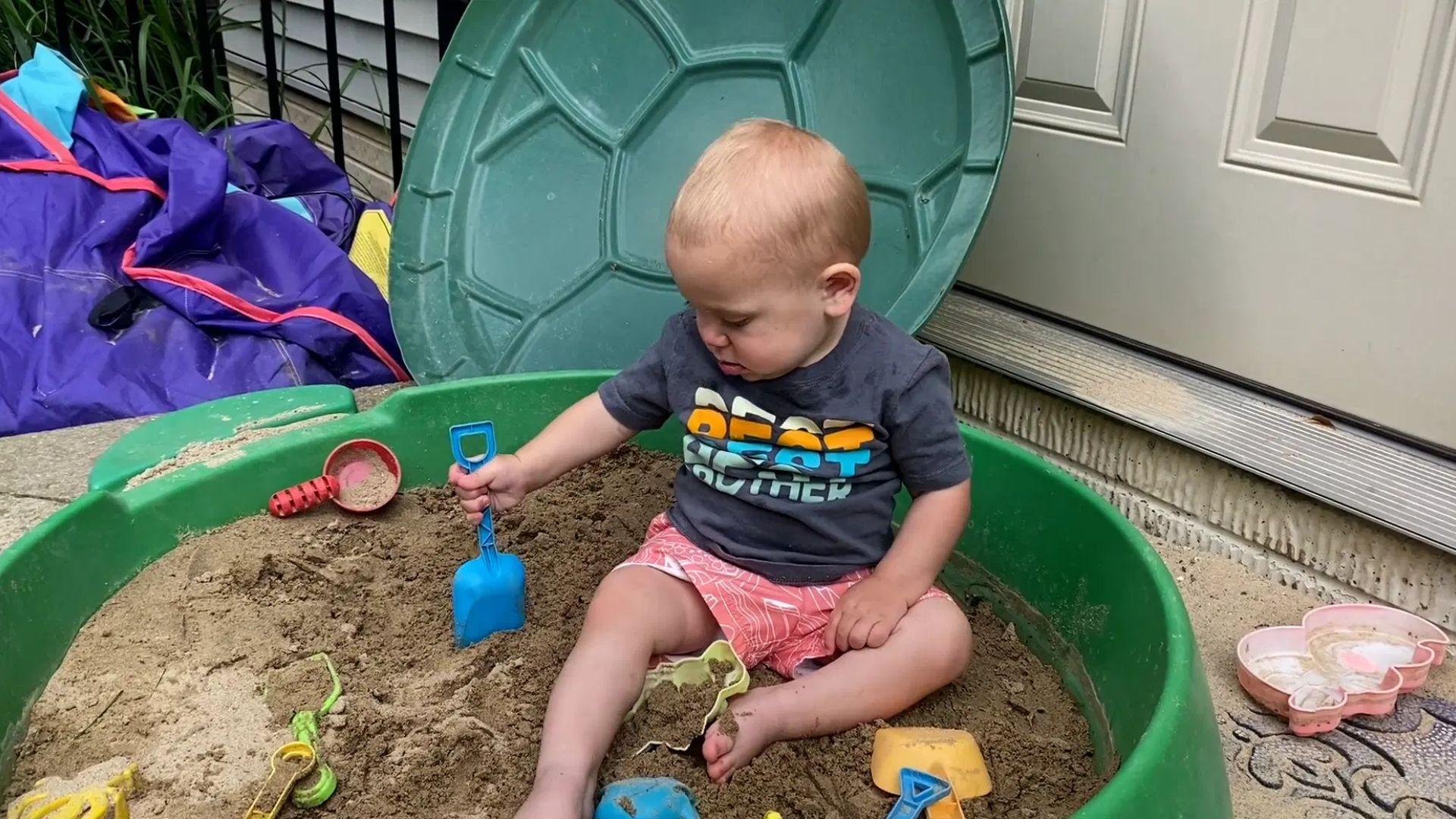
Water and sand play gives toddlers a rich sensory experience that supports creativity, fine motor skills, and early science thinking.
Scooping, pouring, digging, and building with cups, shovels, and buckets teach cause and effect in a hands-on way.
Stay within arm’s reach at all times, even if the water is only an inch or two deep. Toddlers can drown quickly and silently in very shallow water.
Provide shade and sunscreen, and gently keep sand away from faces to make the whole experience safe and comfortable.
How to Choose the Right Toddler Activities
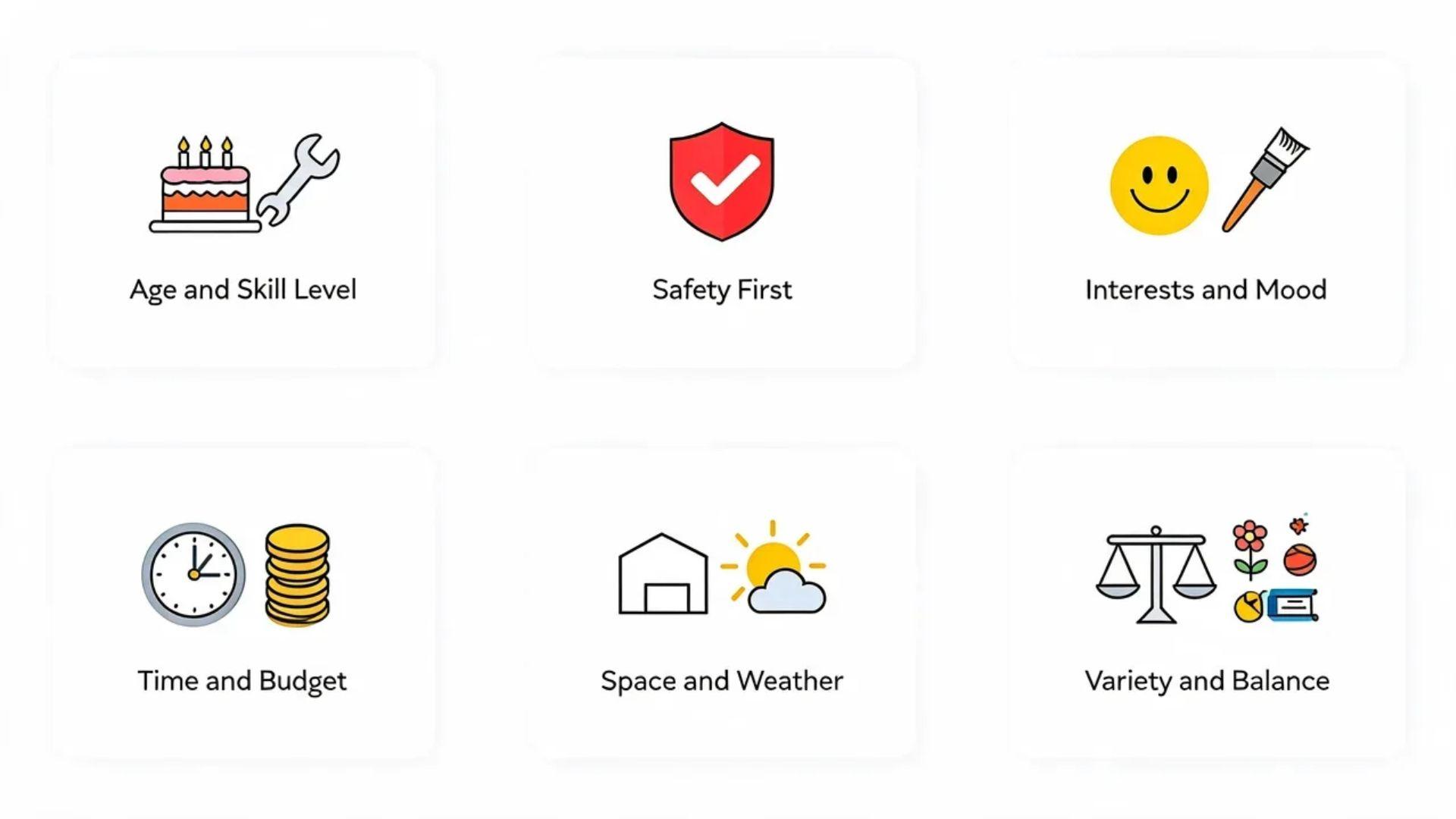
The best toddler activities match your child's age, interests, and energy on any given day.
A few quick checks before you start can help you pick something that feels fun for your toddler and manageable for you.
- Age and Skill Level: Choose tasks that are slightly challenging but still achievable, since toddlers lose interest quickly when something is too hard or too easy.
- Safety First: Look for large, nontoxic materials and age-appropriate equipment, and stay close enough to supervise, especially around water, climbing, and small objects.
- Interests and Mood: Notice what your child enjoys, whether that is music, animals, or building, and adjust the activity when they seem tired or restless.
- Time and Budget: Many of the best options use items from around the house, so a short and simple activity often works better than an expensive outing.
- Space and Weather: Pick indoor play when it is too hot, cold, or rainy, and save outdoor activities for days when your toddler can move freely.
- Variety and Balance: Mix active, creative, and quiet activities across the week so your child can build different skills without getting bored.
What to Bring When Taking Your Toddler Out?
A small, well-packed bag can make any outing smoother for both you and your toddler.
Bringing the right basics helps you handle hunger, spills, and sudden weather changes without cutting the fun short.
- Snacks and Water: Pack easy, mess-free snacks and a spill-proof bottle so your toddler stays fed and hydrated, especially during active play.
- Extra Clothes: Bring a spare outfit, since splashes, spills, and muddy spots are common during toddler activities.
- Diapers and Wipes, If Needed: Carry enough for the whole trip and a few extra, along with a changing mat and a small bag for used items.
- Weather-Appropriate Clothing: Add a hat and sunscreen for sunny days, or a light jacket and layers when it is cool or rainy.
- Essential Activity Supplies: Include a small toy, a favorite book, or a ball, so your child has something familiar to enjoy at the destination.
Final Takeaway
The best toddler activities are simple, safe, and matched to your child's age and mood.
Indoor play, learning games, and outdoor time each help your toddler build coordination, language, and confidence through play.
This matters because these early experiences support how your child grows and learns. I suggest starting with just one idea from this guide and seeing how your toddler responds.
Then adjust the plan based on what they enjoy most. Pick one activity to try this week, and share your favorite in the comments below so other parents can use it too.
Frequently Asked Questions
What are the red flags for a 2-year-old?
Not using two-word phrases, not following simple instructions, not copying actions or words, or losing skills are signs to mention to your pediatrician. Every child develops at their own pace, so a checkup can ease your mind.
What is the hardest age for a toddler?
Many parents find ages 2 to 3 the toughest, as toddlers want independence but lack the words and self-control to handle big feelings. Tantrums and saying "no" are normal and usually ease as language grows.
Should a 2-year-old know the ABCs?
No, most 2-year-olds know only a few letters or just sing along to the song. Reading together and talking through the day does more for early learning than letter drills.