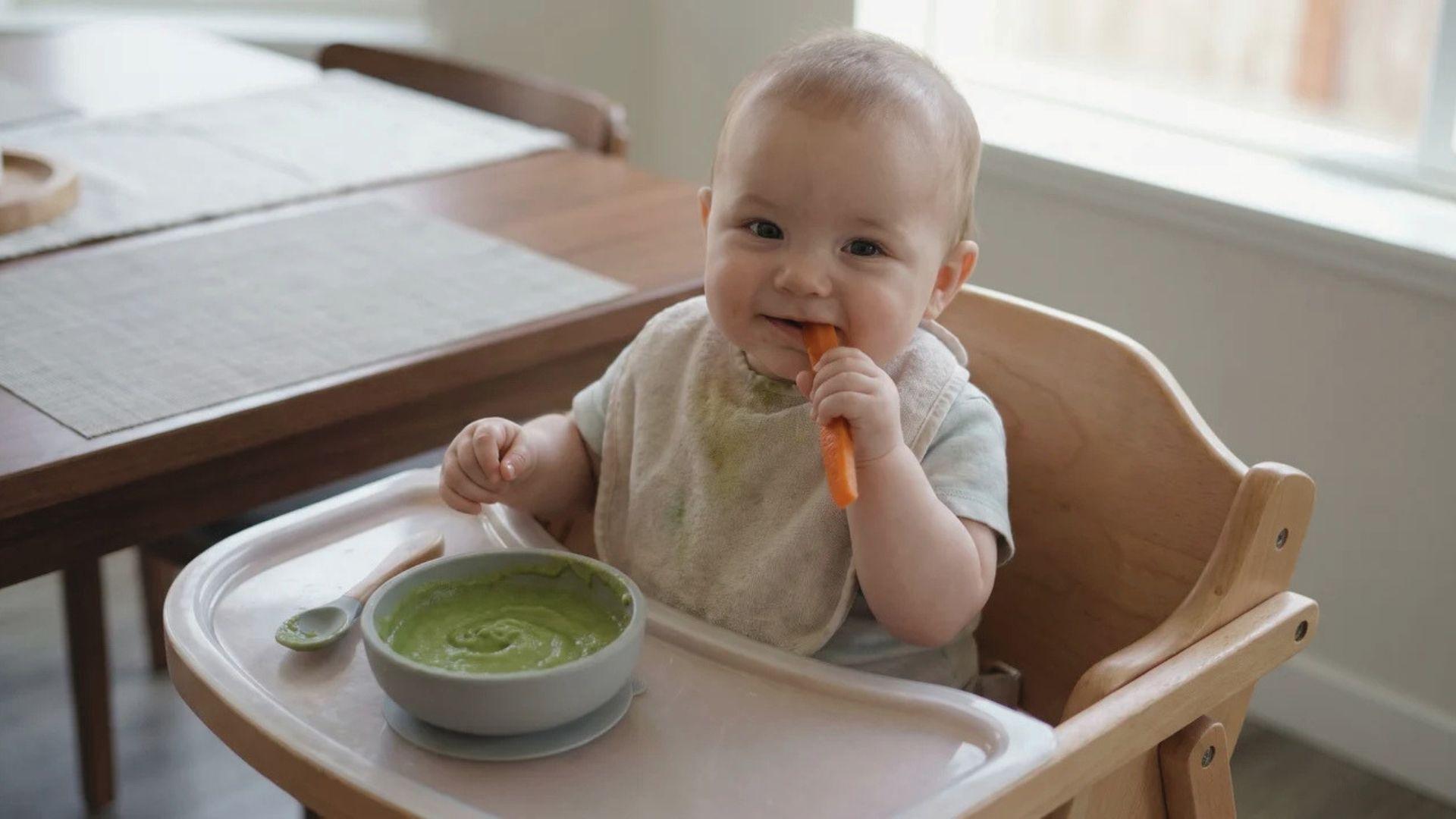
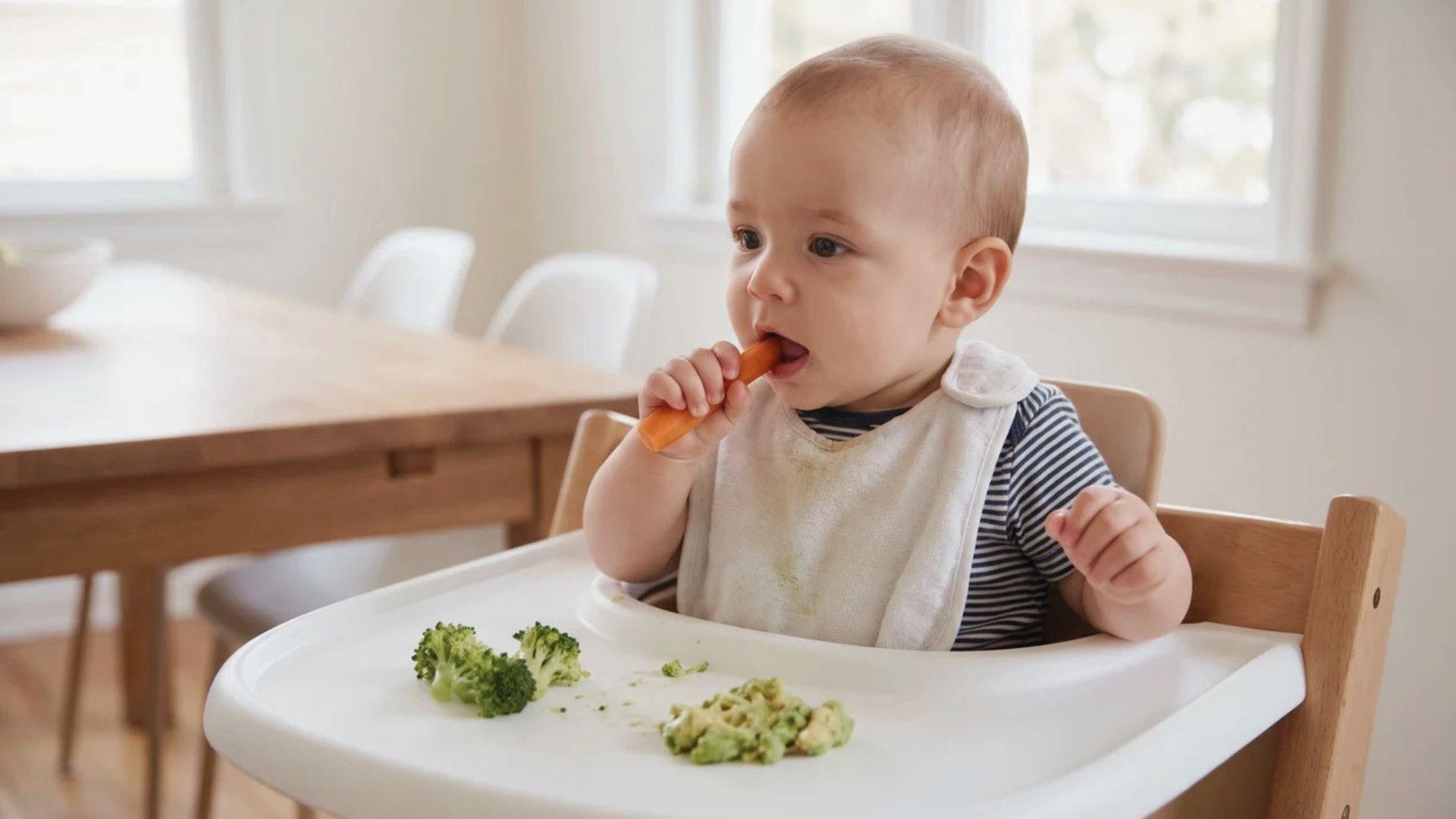


Your baby is perched in the high chair, eyeing your toast like a food critic, and everyone from relatives to strangers in line has an opinion on when to start baby-led weaning.
A curious stare and a grabby hand can look like a green light, but they are only part of the picture.
Parents tend to fixate on the calendar, yet the first bite depends on skills that are easy to miss.
In this post, you will learn how to read your baby's cues with confidence, starting with the age question most parents ask first.
When to Start Baby Led Weaning: What Age Is Best?
Most babies can start baby-led weaning at around 6 months, provided they show the developmental signs needed to manage solid foods.
The CDC’s guidance on introducing solid foods points to about 6 months and notes that the American Academy of Pediatrics and the Dietary Guidelines for Americans recommend the same timing.
The age markers work out like this:
- Before 4 months: The CDC advises against introducing foods.
- 4 to 5 months: This is earlier than the usual recommendation, even if your baby shows interest in food.
- Around 6 months: This is the usual starting point, once your baby shows the skills.
Turning 6 months does not automatically mean your baby is ready, though.
Babies build feeding skills at their own pace.
Physical feeding skills, rather than age alone, decide the right moment.
Before looking at those abilities, it helps to be clear on what this style of feeding involves.
What Does Baby Led Weaning Mean?

Baby-led weaning is an approach to introducing solid foods in which babies feed themselves appropriately prepared finger foods rather than relying mainly on spoon-feeding.
Instead of a caregiver loading a spoon with purée, your baby decides what to pick up, explore, and bring to their mouth.
A typical tray holds a few soft sticks of cooked vegetable or fruit, and your baby sets the pace, so expect some mess.
Many families don’t stick to one style, so weighing up BLW or purees can help you decide what suits your baby at mealtimes.
Solid foods sit alongside milk rather than replacing it.
The NHS guidance on solid foods explains that babies still get most of their energy and nutrients from breast milk or first infant formula in the early stage of weaning, so milk feeds remain a regular part of the day.
Defining the approach is the easy part. Judging whether your baby is physically ready for it takes a look at a few specific skills.
What Signs Show Your Baby Is Ready for Baby-Led Weaning?
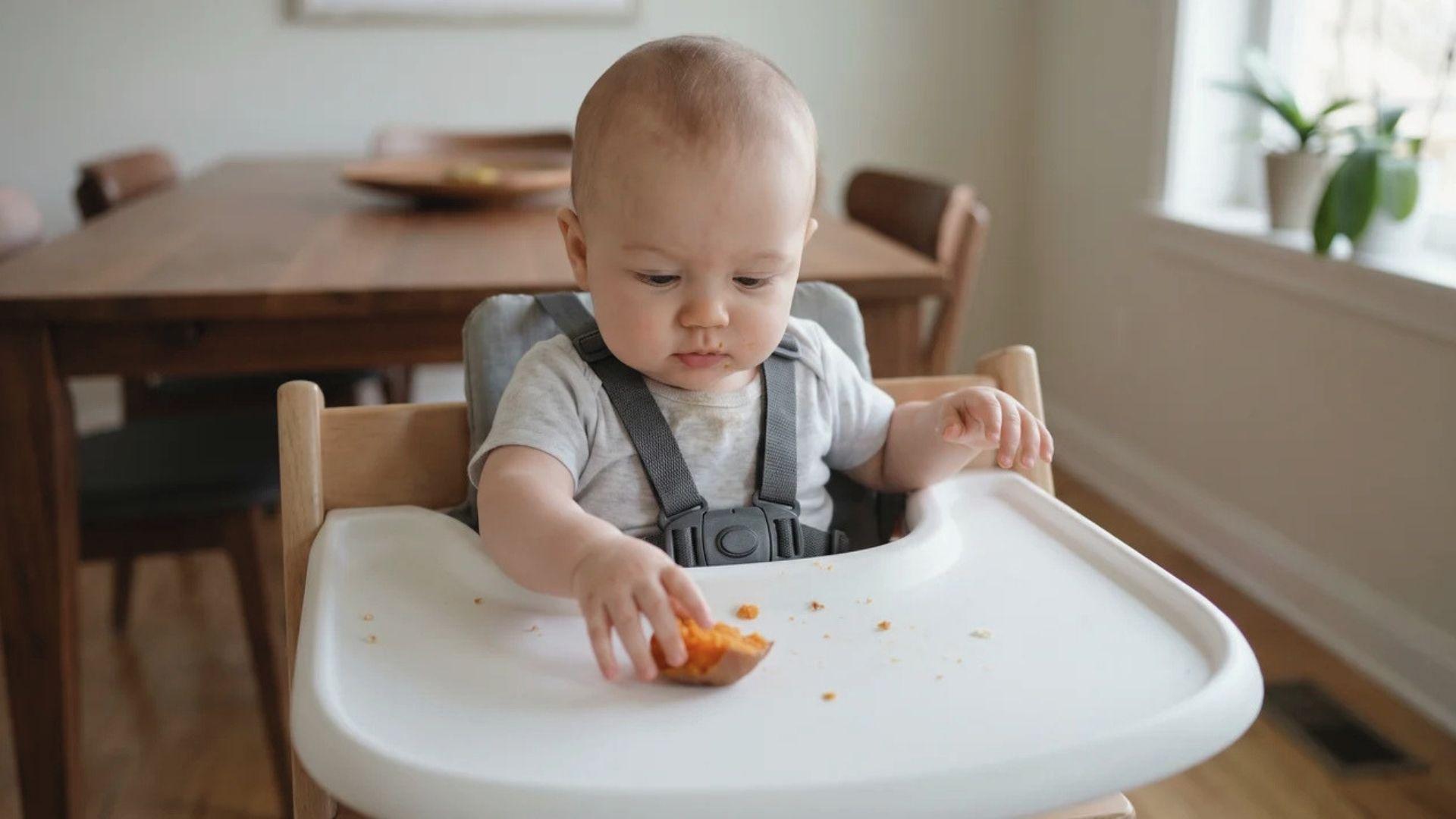
A baby is generally ready for baby-led weaning when they can sit upright alone or with support, maintain steady head control, bring objects to their mouth, and manage and swallow food.
These skills work together, and no single one is enough on its own.
Can Your Baby Sit Upright and Hold Their Head Steady?
Meals happen in a high chair, so your baby needs to stay upright without slumping or tipping sideways.
Signs to look for:
- Sitting up alone or with support in a high chair
- A head that stays steady when they turn to look around
A baby who still flops forward or slides down in the seat may need a little more time to build that strength. Once sitting is steady, a snug high chair keeps their body in a good position for eating.
Can Your Baby Bring Objects to Their Mouth?
Self-feeding starts with a hand that can reach, grip, and carry something to the mouth. Watch whether your baby grabs a soft toy or a spoon and brings it to their mouth on purpose.
That hand-to-mouth coordination is what lets them pick up and explore finger foods without help, and the CDC lists bringing objects to the mouth among its readiness signs.
Can Your Baby Manage Food With Their Tongue?
Many babies push food out with their tongue at first, a response often called the tongue-thrust reflex. It can look like rejection, yet it is a reflex rather than a dislike of the food.
A ready baby can move food around in the mouth and swallow it instead of pushing it back onto their chin, which the CDC also lists as a readiness sign.
If most of each bite still comes back out, it is worth waiting and trying again later.
Does Your Baby Show Interest in Food?
Watching you eat, leaning toward your plate, and opening their mouth when food comes near all show curiosity.
Those cues are encouraging, but interest is only one piece of the picture.
A baby can be fascinated by your dinner and still be unable to sit steadily or manage food in the mouth, so treat curiosity as a reason to keep watching rather than permission to start.
Together, those skills make up readiness, but the question usually arrives at a specific age. Here is how 4, 5, and 9 months stack up.
When Can You Start Baby Led Weaning at 4, 5, or 9 Months?
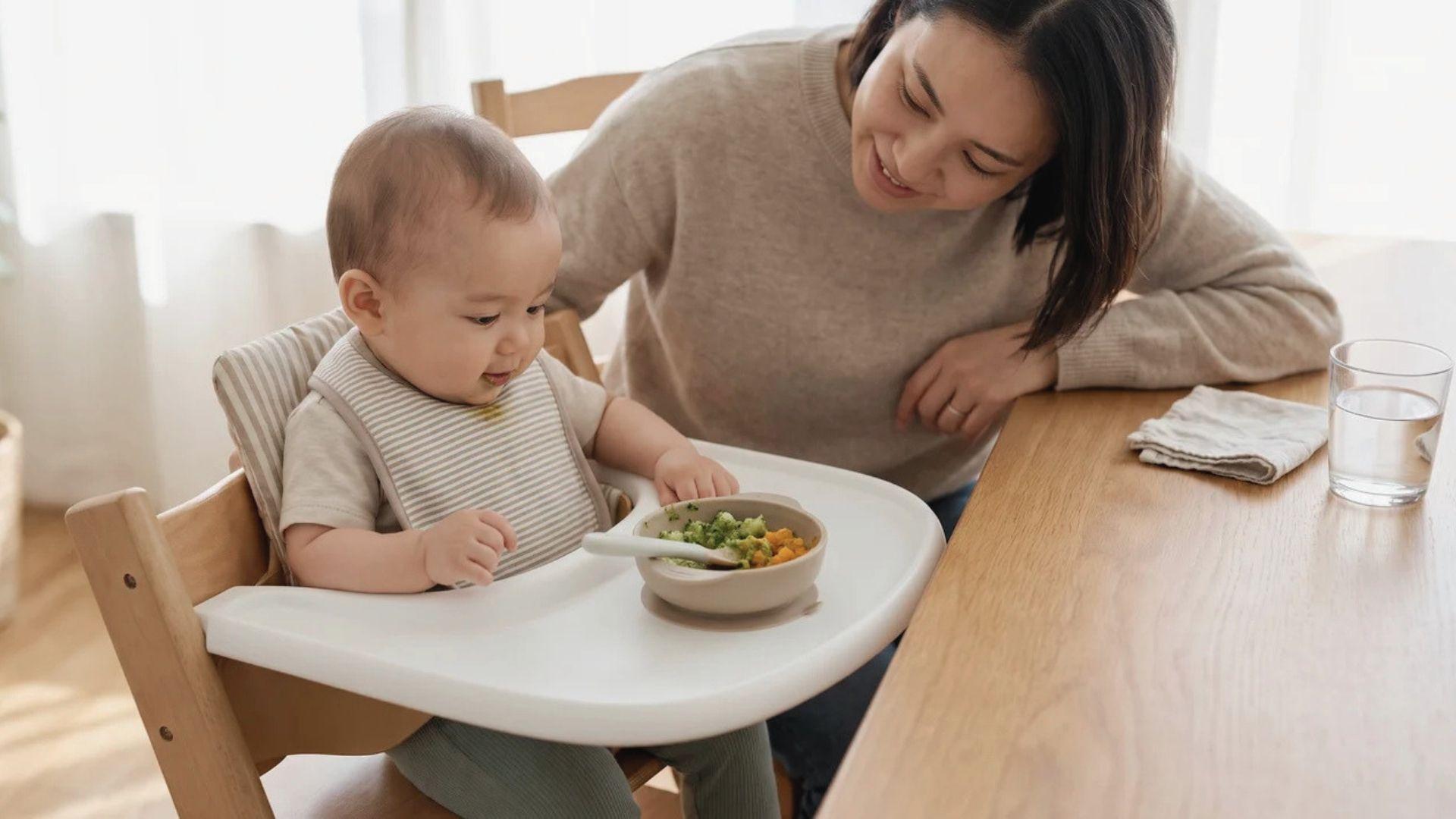
Four months is generally too early for baby-led weaning, while babies at 5 or 9 months need their developmental readiness and feeding history considered before starting.
- 4 months: Finger foods call for sitting, grasping and swallowing skills, and the usual recommendation of about 6 months is still two months away.
- 5 months:Reaching for your plate is encouraging, but the usual recommendation is still about a month away. Check your baby’s skills again closer to 6 months. .
- 6 months: Readiness still has to be there. If it is not, you can wait a little and check again, and your pediatrician can help if you are unsure.
If your baby is 9 months old and has not started solid foods, talk to your pediatrician about feeding development.
A 9-month-old who is developmentally ready can begin with appropriately prepared foods, and a doctor can look into why solids have not started and suggest next steps.
With the timing settled, safety is usually the next worry. It starts with how you prepare the food and how you set up the meal.
Baby-Led Weaning Safety Rules to Reduce Choking Risk

When offering baby-led weaning foods, prepare soft, appropriately shaped pieces, keep your baby upright, and supervise every meal to reduce choking risks.
These are the three rules to follow at every meal:
- Prepare soft, appropriately shaped pieces: The CDC guidance on choking hazards advises cutting food into smaller pieces, mashing foods when appropriate, and matching texture to your child's development.
- Keep your baby upright: Seat your baby in a high chair, never lying back, crawling or walking while eating.
- Supervise every meal: Watch your baby throughout the meal and keep mealtimes calm.
The CDC also lists these potential choking hazards:
- Whole or uncut grapes
- Whole or chopped nuts and seeds
- Chunks or spoonfuls of nut butter, such as peanut butter
- Popcorn
- Hard raw fruit and vegetables, such as raw apple or carrot
- Hot dogs, meat sticks and sausages
- Large chunks of cheese, especially string cheese
Gagging and choking are different. Gagging is a normal reflex while babies learn to manage food, and it is loud, often with watering eyes, a tongue pushed forward or retching.
Choking is quiet, and a baby who cannot breathe properly needs help straight away.
The NHS choking and gagging advice outlines the first aid steps, and a hands-on infant first aid class lets you practice them. Those habits cover the safety basics.
Readiness Matters More Than the Calendar
The most useful answer to when to start baby led weaning is not a date but a pattern: A baby who sits steadily, reaches, and swallows food is giving you better information than any birthday can.
The 6-month mark tells you when to start watching, and your baby's skills tell you when to start serving.
That shift takes pressure off the timing and puts your attention on what your baby is doing at the high chair.
This week, spend a few meals observing your baby at the table, and bring any questions to your next pediatrician visit.
Frequently Asked Questions
What Are Good First Foods for Baby-Led Weaning?
Soft, single-ingredient foods are a common starting point, offered one at a time. Ask your pediatrician how and when to introduce common allergens such as eggs or peanut-containing foods.
Can You Combine Baby-Led Weaning With Spoon-Feeding?
Yes, the NHS says some parents combine both and there is no right or wrong way. Choose the mix that suits your baby, and keep food preparation safe for both.
How Do You Know When Your Baby Is Full?
According to the CDC, babies may show they are full by pushing food away, closing their mouth, or turning their head away. Stop offering food when you see these cues.
Is Baby-Led Weaning Safe for Every Baby?
Babies born early or with motor or feeding difficulties may need individual guidance first. Ask your pediatrician or health visitor when to begin and which approach suits your baby.