

You notice it at the dinner table, then again in the car, and soon every glance your child gives you ends in a flutter of eyelids.
A toddler blinking a lot is easy to spot but hard to read, because children this age rarely have the words to say their eyes itch or feel tired.
A repeated blink often becomes the only message they send.
Parents tend to reach for the scariest explanation first, so it helps to slow down and look at what that extra blinking may be saying.
Why Is My Toddler Blinking a Lot?
A toddler blinking a lot may be responding to eye irritation, dry eyes, vision difficulties, or a temporary blinking tic, and the behavior does not automatically indicate a serious problem.
In practical terms, excessive blinking means your child blinks noticeably more often or more forcefully than usual, sometimes in bursts.
Parents often ask how many blinks per minute count as too many, but counting rarely helps, since blink rates shift with activity and concentration.
What stands out more is the pattern: How long it has lasted, what your child is doing when it happens, whether the eyes look red or watery, and whether your child's behavior has changed.
A pediatrician or eye specialist weighs those details when deciding whether an exam is worthwhile.
Those clues only mean something once you know what they can point to. The usual explanations range from a scratchy eye surface to a habit of the eyelid muscles.
What Causes a Toddler to Blink So Much?
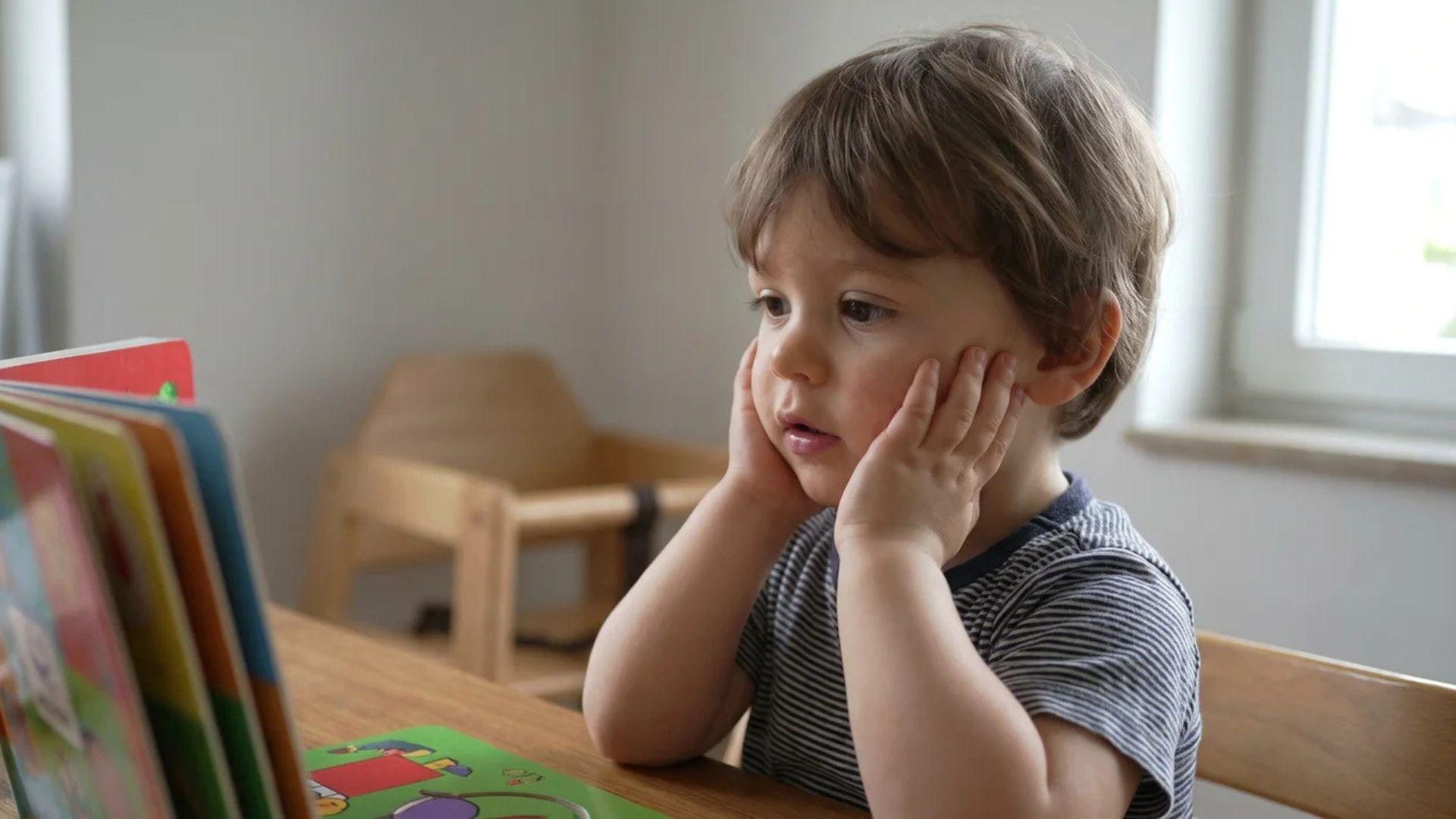
Blinking is an automatic action that spreads tears across the eye and helps protect it from harm.
Different things can raise how often toddlers do it, so the cause usually becomes clear only after looking at the whole pattern.
Can Eye Irritation, Allergies, or Dry Eyes Cause Frequent Blinking?
Blinking is the eye's built-in way of clearing dust, a stray eyelash, or anything else that bothers its surface, so irritation often shows up as extra blinks first.
Allergies and dryness can feel similar to a toddler, and blepharitis, an inflammation of the eyelid edges, can add burning and sensitivity to light.
Because toddlers cannot say what feels wrong, these are the signs you may notice:
- Rubbing or pawing at the eyes
- Watery or red eyes
- Crusty lashes after sleep
- Squinting in bright light
Seasonal patterns, a new pet, or a dusty room can offer hints about what is bothering the eyes.
Blinking paired with a hand pressed over one eye is a different story, so it helps to know the first steps when a toddler complains of eye pain before you try anything at home.
Can Vision Problems Make Toddlers Blink More?
Light has to focus precisely inside the eye for a picture to look sharp, and a child who sees a blurry picture may squint, strain, or blink more while trying to sharpen it.
Common focusing and alignment problems include:
- Nearsightedness, where far-away objects look blurry
- Farsightedness, where nearby objects look blurry
- Astigmatism, where objects look blurry or distorted at any distance
- Strabismus, where the eyes do not line up
Toddlers cannot describe blurry vision, so these problems often go unnoticed until someone spots squinting or a head tilt.
Only an eye exam can tell whether vision plays a part in your child's blinking.
Can Frequent Blinking Be a Temporary Tic?
A motor tic is a sudden, repeated movement a child does not choose to make, and rapid blinking is a familiar example.
Toddlers cannot explain the urge behind a tic, which is part of why tics are easy to mistake for an eye problem.
Tics tend to come and go in waves, becoming more noticeable with tiredness, stress, or excitement, so a toddler may blink constantly for a week and then barely at all.
Even so, a pattern that sticks around deserves a professional look instead of an assumption.
Most of these causes can show up at any age, but a 2-year-old whose blinking starts overnight raises its own questions about timing and pattern.
Why Is My 2-Year-Old Blinking a Lot Suddenly or Repeatedly?

A 2-year-old may suddenly start blinking repeatedly because of eye irritation, visual discomfort, or a temporary tic.
Parents often notice it during tired, excited, or quiet moments, though a personal story cannot stand in for an exam.
Sudden Blinking Versus Persistent Blinking in Toddlers
A new pattern that lasts a few days and fades is a different situation from blinking that continues for weeks, grows more frequent, or keeps returning.
The short version may follow a cold, an allergy flare, or a stretch of poor sleep, while the long version gives a clinician more to evaluate.
Duration alone cannot reveal the cause, though, because a tic and an uncorrected vision problem can both last for weeks.
NHS guidance on childhood tics advises seeing a doctor if you’re concerned, or if the tics become more frequent or severe, so mention the start date to your pediatrician.
What Should Parents Observe When Blinking Starts Suddenly?
A few days of notes make an appointment more useful.
Try to record:
- When it happens, such as during tiredness, screen time, or quiet play
- How often it occurs and how long each episode lasts
- Whether your toddler rubs or squeezes their eyes
- Possible triggers such as dust, pollen, pets, bright light, or a recent cold
- Any change in vision or behavior, such as squinting or tilting the head
A short phone video can capture what is hard to describe in the exam room.
Timing is one clue and setting is another. Many parents first notice the blinking while their child is watching TV.
Why Does My Child Blink a Lot When Watching TV?

A child blinking a lot when watching TV may have dry eyes or visual discomfort, partly because prolonged screen viewing can reduce normal blinking.
Concentration slows blinking, and in a study of school-aged children, blink rate dropped from about 21 per minute during conversation to about 9 within the first minute of smartphone gaming, with more dryness and tiredness reported after an hour.
That study used phones rather than TVs and older children than toddlers, so it shows the mechanism rather than proving what is happening with your child.
The TV is not always the whole story. Blinking in front of the screen can also come from:
- Tired eyes after a long stretch of close focus
- A tic that stands out more during quiet, screen-focused moments
- A vision problem that makes the picture hard to see clearly
If the blinking also shows up at meals, during play, or on car rides, the screen alone does not explain it.
Screen habits explain some blinking but not all of it. The harder call is knowing when to keep watching and when to book a visit.
When Should You Worry About Your Toddler Blinking a Lot?
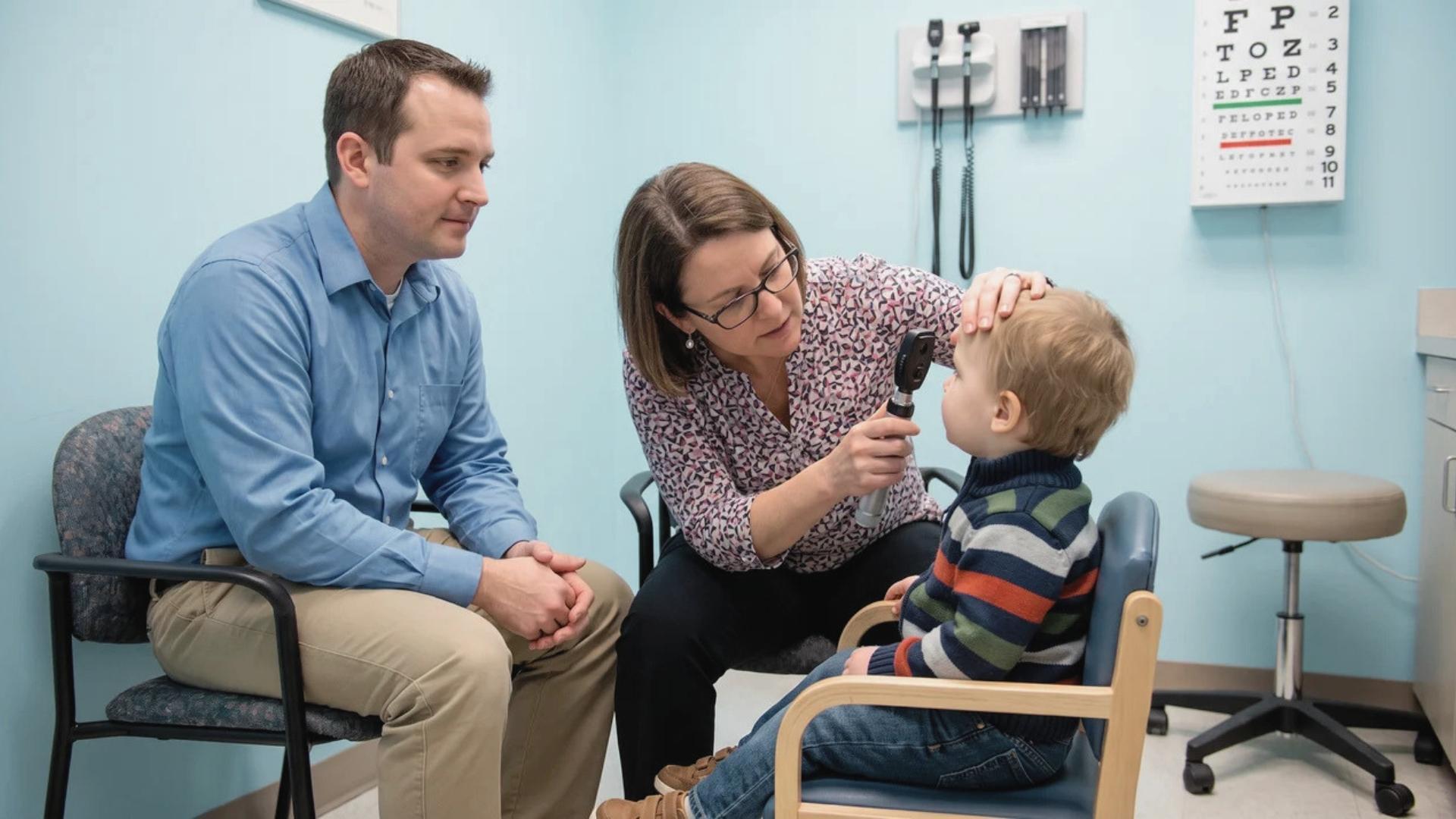
Arrange a professional eye examination if your toddler's blinking persists, worsens, or occurs with pain, redness, squinting, or suspected vision changes.
Most of these situations call for a regular appointment with a pediatrician or eye specialist, while a few call for same-day care.
Signs Your Toddler Needs an Eye Examination
Book a visit with a pediatrician, pediatric ophthalmologist, or optometrist if you notice:
- Blinking that continues or worsens over several weeks
- Frequent eye rubbing, squinting, or shutting one eye
- Head tilting, or holding books and toys close to their face
- Redness, discharge, or crusty lashes that keep coming back
- Eyes that do not seem to line up
These signs can point to irritation, infection, or a vision problem, and an exam is how a clinician sorts them out.
Children rarely know their vision is off, which is why NEI lazy eye guidance says all kids should get a vision screening at least once between ages 3 and 5.
When Does Frequent Blinking Need Urgent Medical Attention?
Blinking that comes with any of these signs needs prompt medical care:
- A head injury or an eye injury before the blinking started
- Significant eye pain
- A sudden change in vision
- A swollen eye your toddler cannot open
- Vomiting, a severe headache, unusual behavior, or a change in alertness
Contact your pediatrician right away, or go to urgent care or the emergency room if you cannot reach them.
With any of these signs, it is better to have your toddler seen than to wait and see whether the blinking stops.
Knowing the warning signs covers the urgent cases. For everything else, your own notes do most of the work.
Final Takeaway on Frequent Toddler Blinking
A toddler blinking a lot is usually a cue to observe first, and the details you gather carry more weight than any blink count.
Notes on timing, triggers, and your child's behavior give a pediatrician something concrete to work with, and a short phone video can say what memory cannot.
Trust the pattern you see over the worry you feel, and keep in mind that children rarely tell you when their eyes feel off.
This week, jot down when the blinking happens for three days, then bring those notes to your child's next checkup or eye appointment.
Frequently Asked Questions
Is Rapid Blinking a Symptom of Autism in Toddlers?
Rapid blinking alone is not a reliable sign of autism, which the CDC autism signs page describes through social communication differences and repetitive behaviors. Share any other concerns with your pediatrician.
Is Frequent Blinking Related to ADHD in Children?
Blinking alone is not an established sign of ADHD, which involves ongoing inattention, hyperactivity, or impulsivity. A pediatrician can review the full picture if you have concerns.
Is Frequent Blinking a Sign of Tourette Syndrome in Toddlers?
A blinking habit alone does not mean Tourette syndrome, since diagnosis depends on the types of tics and how long they last. A pediatrician can judge that over time.
Should I Tell My Toddler to Stop Blinking Repeatedly?
If the blinking is a tic, NHS guidance advises ignoring it and not scolding, since attention may make it worse. Stay calm and keep the focus elsewhere.