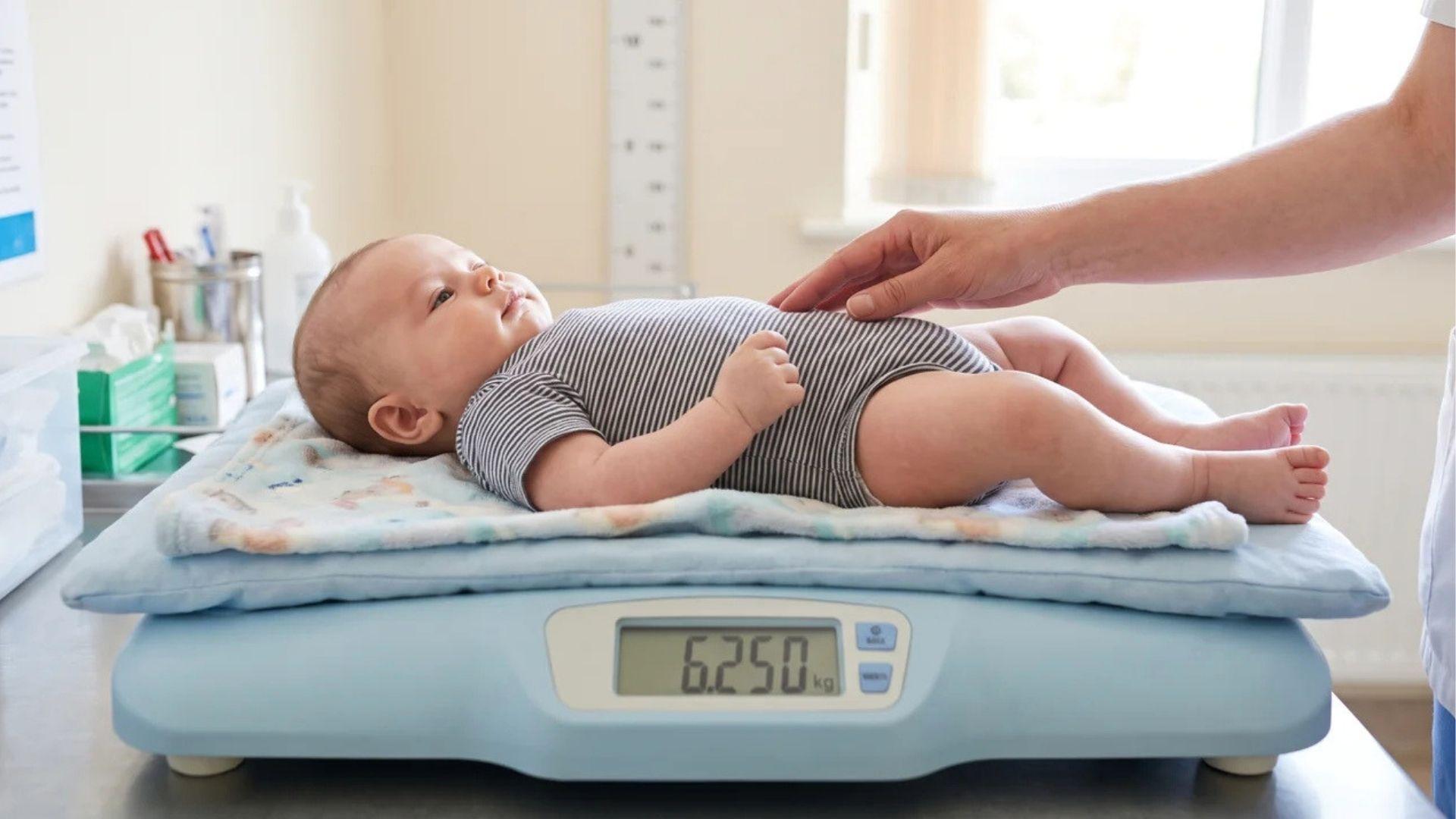



Every parent has been there, hovering over a sleeping baby and wondering whether that gentle spot on top of the head is safe to touch.
It looks so delicate that most of us hold back, even when we are desperate to kiss that tiny head.
The good news is that the design is intentional. A newborn’s skull is made of several separate plates joined by flexible sutures, which help the head pass through the birth canal and give the brain room to grow.
Because those plates join slowly, the soft spots close over roughly the first 18 months while the skull itself stays flexible for much longer, so let’s look at when do babies heads harden and when your baby’s head shape becomes harder to change.
At What Age Do Babies Heads Start to Harden?
A baby's head starts to harden soon after birth, but the change is slow.
The back soft spot usually closes within the first 1 to 3 months, and the larger soft spot on top closes between 9 and 18 months. A newborn's skull is not one solid bone.
It is made of several separate plates held together by flexible, fibrous joints called sutures, a design that lets the head squeeze through the birth canal and leaves room for the brain to grow quickly.
Because the skull and neck are still developing, newborns need full head and neck support, and it helps to know when babies can hold their head up so you know when you can ease off.
Because the plates join slowly, hardening is gradual rather than sudden.
The soft spots close in the first 18 months or so, while most sutures begin to fuse around age 2 (the forehead suture closes earlier, between about 3 and 9 months) and most do not finish until early adulthood
Baby Skull Development Timeline
- Birth:Separate bone plates with two open soft spots.
- 2 to 3 months:The back soft spot is usually closed.
- 6 months: Sutures stay flexible while the brain grows fast.
- 12 months: The top soft spot may still be open.
- 18 months:Most top soft spots have closed.
- 24 months: Most skull bones begin to join along the sutures.
When Do Babies' Soft Spots Go Away?
Soft spots, called fontanelles, are gaps where the skull plates have not yet met, and a tough membrane covers them in place of bone.
They let the head compress during birth and give the brain room to expand during the fastest growth of life.
Babies have two main soft spots: The anterior fontanelle on top of the head toward the front and the posterior fontanelle at the back.
Each closes on its own schedule, so a baby can have a closed back soft spot and a clearly open top one, which is expected.
Doctors also feel the tension of the soft spots at checkups because it gives a quick read on pressure inside the head.
When Does the Posterior Fontanelle Close?

The posterior fontanelle, the small triangular gap at the back of the head, usually closes by 1 to 3 months, and some babies are born with it already closed.
It measures only about half a centimeter at birth, so many parents never notice it. Different medical sources give slightly different windows, which reflects normal variation.
A closed back soft spot is not a milestone you need to track, and it does not mean the rest of the skull has hardened. Your pediatrician will check it at routine visits.
When Does the Anterior Fontanelle Close?
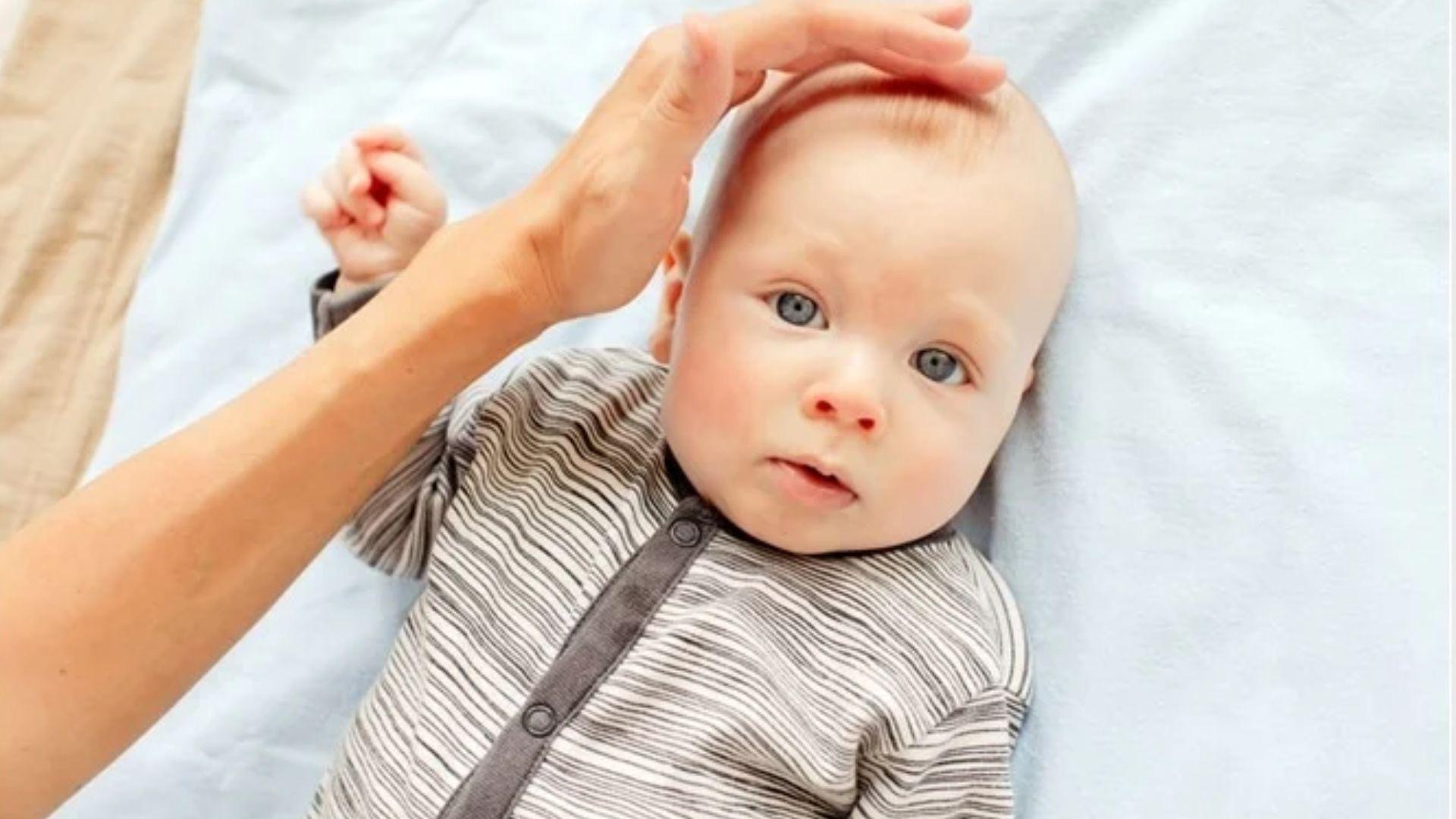
The anterior fontanelle, the diamond-shaped gap on top of the head typically closes between 9 and 18 months, though MedlinePlus lists a wider window of 7 to 19 months.
It is the larger soft spot, about 2 centimeters across at birth, and it can feel flat or gently curved and may pulse with your baby's heartbeat.
Closing a little earlier or later than that range is not automatically a problem when head growth is steady, but your pediatrician should review the timing.
Tracking head size at each well-child visit is the most reliable check.
How Long Does a Baby Have a Soft Spot?

Most babies keep at least one open soft spot for 9 to 18 months, and the top one can stay open into the second year in healthy children.
Variation is normal, and a closure a few months outside that range is not a diagnosis alone. Closure also does not end skull growth.
The bones keep expanding at the sutures as the brain grows, and the skull grows more slowly each year.
Most sutures stay open until early adulthood, so a closed soft spot does not make the head rigid.
Can You Safely Touch a Baby's Soft Spot?

Yes, gentle touch is safe. Skin and a tough membrane cover the soft spot, so washing it, brushing hair softly, and kissing the top of your baby's head will not cause harm, as Cleveland Clinic guidance explains.
Avoid pressing hard or poking the area, and keep sharp objects away from it. Feeling it pulse with your baby's heartbeat is normal.
A healthy soft spot sits mostly flush with the surrounding skull, so a calm moment, when your baby is awake and relaxed, is the easiest time to check its appearance.
When Is a Baby's Head Shape Set?
A baby's head shape is never "locked in" on a single day, but it is easiest to change in the first months and gets harder as the skull firms up.
Most of the skull's growth happens in the first 12 months, so that is when the shape is most responsive to positioning.
Repositioning works best when started early, ideally before 5 to 6 months.
If a flat spot is moderate or severe, doctors who recommend a corrective helmet generally want treatment to start between 4 and 6 months, and it has little benefit after about 12 months.
The good news is that most positional flat spots improve on their own as babies start sitting, crawling, and spending more time upright, and the large majority resolve by age 2.
Mild unevenness that remains is usually cosmetic and often becomes less noticeable as hair grows.
If you are worried about a flat spot, ask your pediatrician about it before your baby reaches 4 months, since that is when the options are widest.
When Should You Worry About Your Baby's Head Shape?

Many head shapes look uneven in the first months and are harmless.
Pressure during birth can leave the head slightly elongated or lopsided at first, and babies who sleep on their backs, which is the safest sleep position, can develop a flat spot.
This is called positional plagiocephaly, and it usually becomes noticeable around 2 to 3 months.
It is more common in babies who favor turning their head to one side.
Early assessment matters because a flat spot caused by positioning and a condition such as craniosynostosis need very different plans.
What Is Craniosynostosis?
Craniosynostosis is a condition present at birth in which one or more sutures close too early, before the brain has finished growing.
The CDC estimates that about 1 in every 2,500 babies in the United States has it. Bone growth stops at the fused suture, so the head grows in other directions and takes an unusual shape, and you may feel a hard ridge along that suture.
This differs from positional flat head, which comes from outside pressure on open sutures. Doctors diagnose it with an exam and sometimes imaging, and many types are treated with surgery, usually in the first year.
When Should You Call a Pediatrician?
Call your pediatrician if a soft spot looks persistently bulging while your baby is calm and upright, since swelling can reflect infection, injury, or pressure inside the head.
Seek emergency care when swelling follows a head injury or comes with vomiting, unusual sleepiness, or marked fussiness.
Call your pediatrician right away if the soft spot looks noticeably sunken, especially with fewer wet diapers or a dry mouth, because it can signal dehydration.
Other reasons to book a visit include a hard ridge along a suture, an unusual or changing head shape, a soft spot that seems to close very early, and rapid changes in head size.
Final Takeaway
So, when do babies heads harden? Gradually.
The back soft spot usually closes by 1 to 3 months and the top one between 9 and 18 months, but the skull stays flexible for years, and head shape is easiest to influence in the first 4 to 6 months and much harder after the first birthday.
I want you to feel comfortable touching your baby’s head gently, and a little variation in timing is normal when head growth stays steady.
This matters because it helps you notice a bulging or sunken soft spot, or a hard ridge, that deserves a call.
At your next well-child visit, ask your pediatrician to show you how your baby’s head growth is tracking.
Frequently Asked Questions
What if I accidentally hit my baby's soft spot?
A light bump is usually harmless because a tough membrane protects the soft spot, but call your pediatrician to be safe. Go to emergency care if your baby vomits, seems unusually sleepy, or the area swells.
Can you correct a flat head at 2 months?
Yes, mild flat spots often improve at 2 months with repositioning and supervised tummy time while awake. Keep putting your baby to sleep on their back, and see your pediatrician if there's no improvement.
What's the hardest month for a baby?
Month 2 is often the hardest, because crying typically peaks at 6 to 8 weeks. It usually eases by 3 to 4 months.