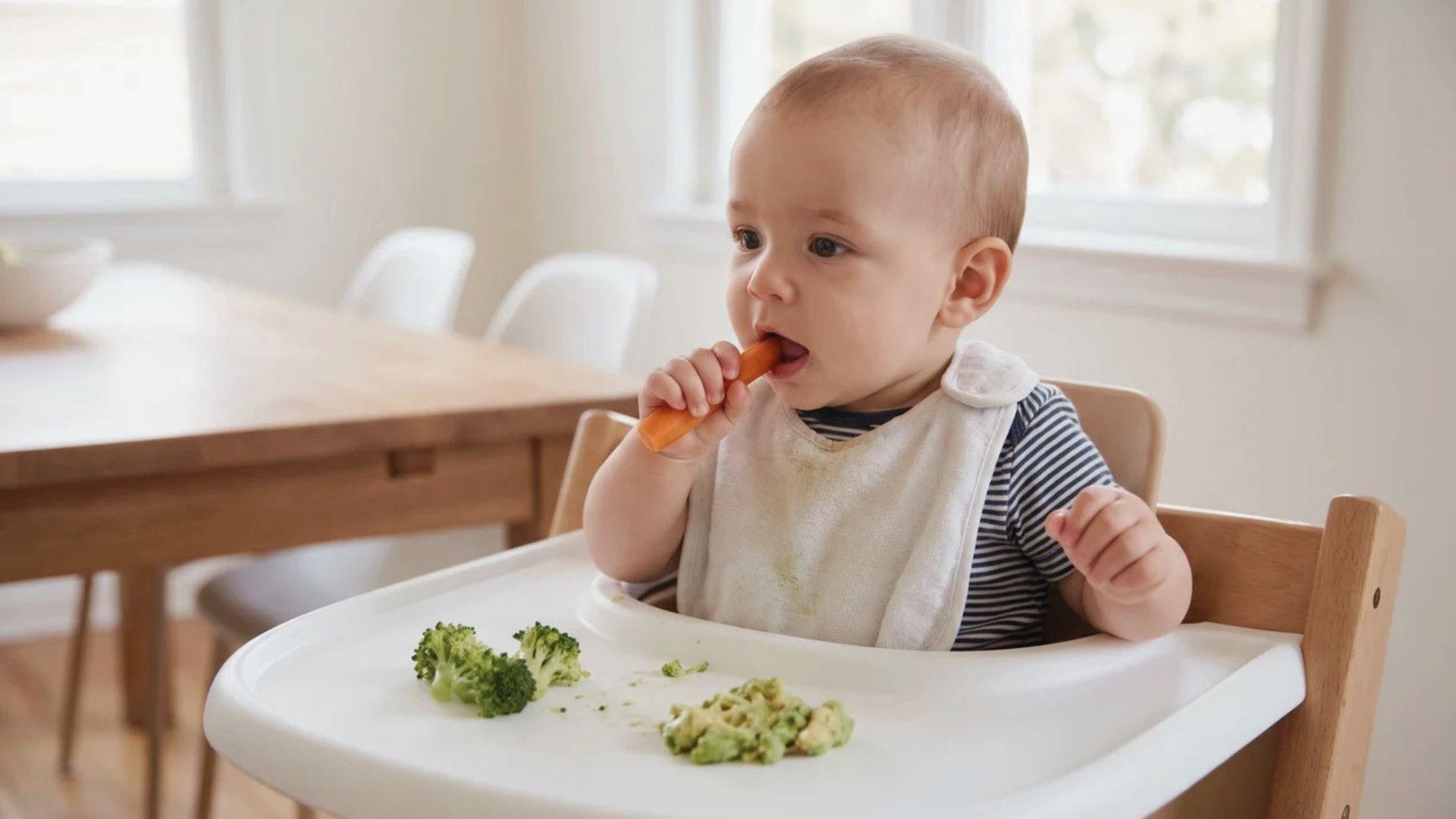
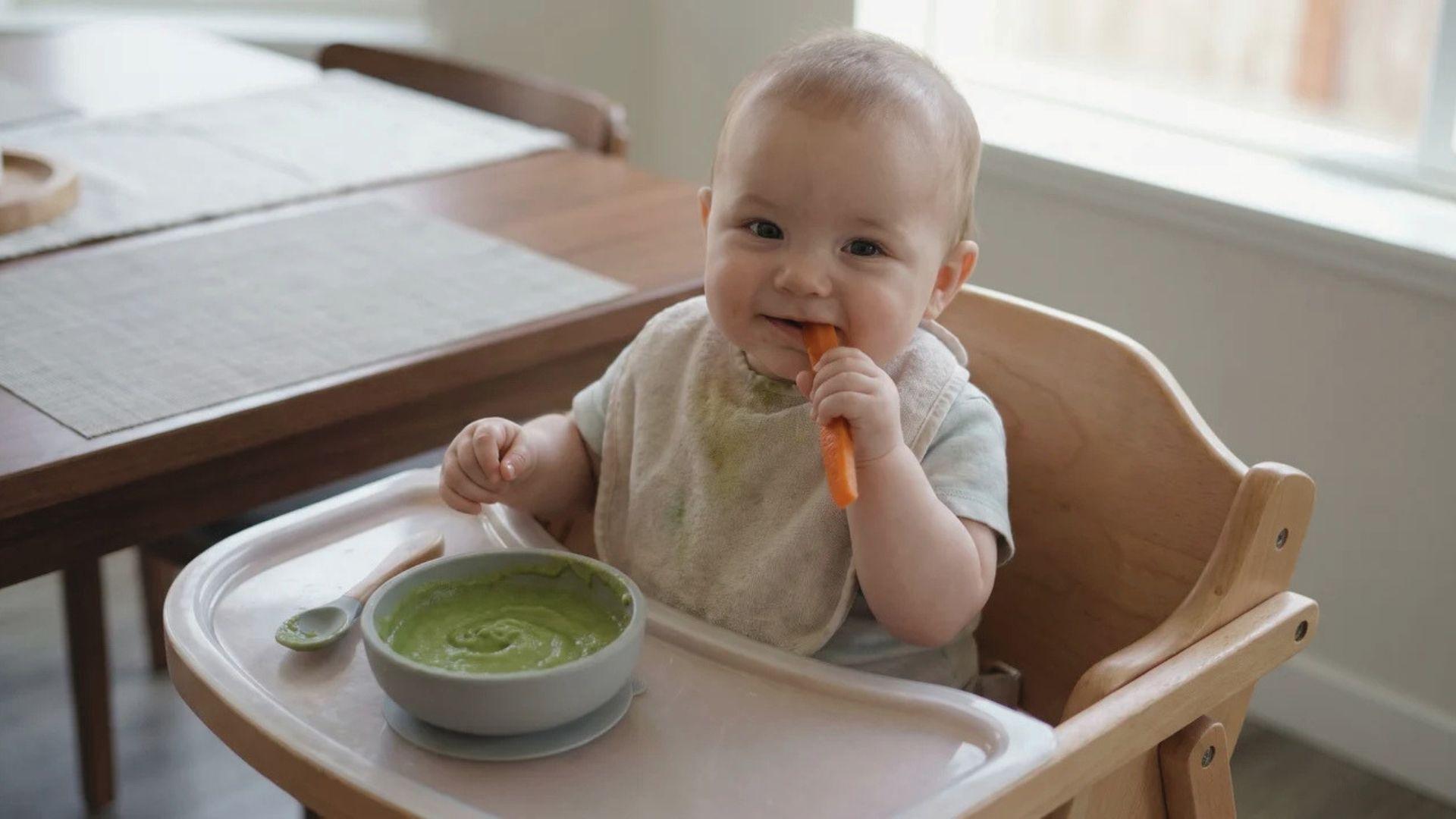


The highchair is set up, and the advice is already pulling in two directions.
A relative swears by smooth spoonfuls, while a video in your feed shows a baby picking up soft strips with no spoon in sight.
It’s easy to assume you have to pick a camp before the first bite, but BLW vs purees is less of an either-or choice than it looks, and nothing stops a family from using both.
Knowing what each method asks of you and your baby can make that first meal calmer.
First, here is how the two differ.
BLW vs Purees: How Do They Differ?
Baby-led weaning allows babies to feed themselves soft finger foods, while traditional puree feeding involves caregivers offering smooth or mashed foods by spoon.
Both usually begin around 6 months, but age is only a rough guide.
The CDC lists readiness signs such as sitting up alone or with support, controlling the head and neck, and opening the mouth when food is offered.
Those signs matter more than the calendar, so it helps to know when to start BLW and what readiness looks like in practice.
The bigger differences are who controls the food and which textures come first.
| Feature | Baby-Led Weaning | Puree Feeding |
| Who feeds | The baby picks up food and brings it to their own mouth | The caregiver spoons food into the baby's mouth |
| Food form | Soft strips or sticks long enough to grip | Smooth or mashed foods |
| Baby's role | Explores the food and decides how much to eat | Signals wanting more or having finished |
| Pace | Set by the baby | Set by the caregiver, guided by the baby's cues |
| Textures | Varied soft textures from the start | Smooth first, then thicker and lumpier foods as skills develop, according to the CDC |
| Skills to look for | A dependable grasp, covered in | The same readiness signs, with mashed or pureed foods easier to manage at around 6 months, per the CDC |
So one method hands the baby the food and the other hands the caregiver the spoon. Each comes with trade-offs you'll feel at mealtime, from cleanup to prep time.
Purees vs Baby-Led Weaning: Pros and Cons

BLW offers more opportunities for independent food exploration, while puree feeding gives caregivers greater control over food consistency and portions.
Neither is better across the board, and what matters is which trade-offs fit your family.
What Are the Benefits and Drawbacks of Baby-Led Weaning?
Few studies have examined the health advantages of BLW, according to the AAP's baby-led weaning guide, so think of these as practical perks rather than guaranteed outcomes.
Benefits:
- Independent self-feeding at the baby's own pace
- Practice with grasping and hand-to-mouth coordination
- Exposure to varied textures from the start
- A seat at the table with modified family meals
Drawbacks:
- Mess, plus food that lands on the floor instead of in the mouth
- Harder to tell how much the baby ate
- Extra prep to cook and cut foods into suitable finger shapes
What Are the Benefits and Drawbacks of Puree Feeding?
Puree feeding trades independence for predictability.
Benefits:
- Easy to monitor portions
- Convenient for travel and busy days
- Consistency is simple to adjust
- Suits caregiver-assisted meals
Drawbacks:
- Fewer chances for finger-food practice when a baby is exclusively spoon-fed
- Texture progression may slow if smooth purees continue for too long
Mess and prep time are small next to the bigger worry, a baby coughing mid-bite. Gagging, choking, and food shapes matter for both methods, so they're the next thing to sort out.
Is BLW Safer Than Puree Feeding?
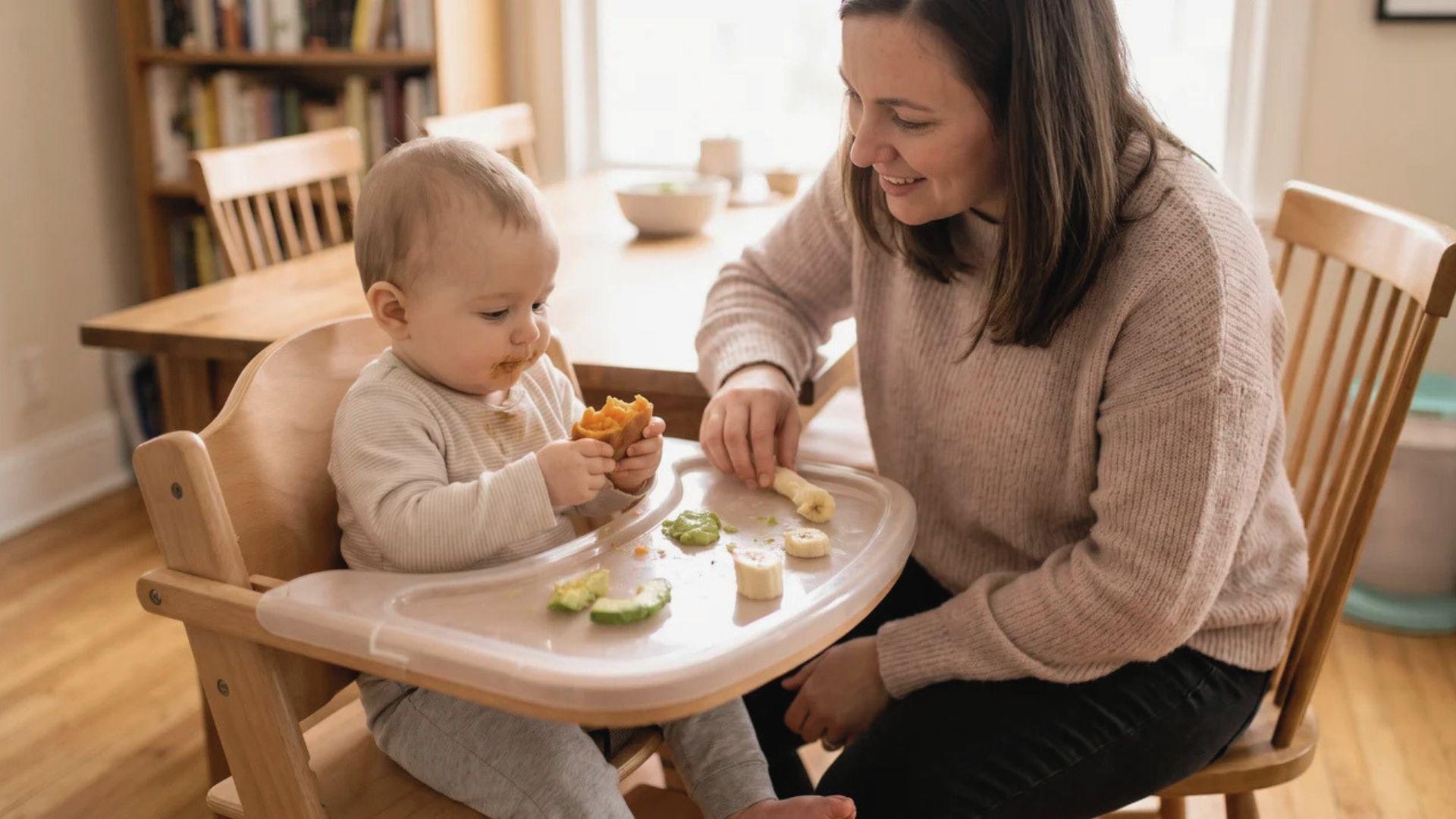
Neither BLW nor puree feeding is automatically safer; safe feeding depends on appropriate food preparation, developmental readiness, positioning, and supervision.
Any baby eating solids can gag or choke, whichever method a family uses.
What Is the Difference Between Gagging and Choking?
Gagging is a reflex that pushes food forward while a baby learns new textures, and the NHS guidance on gagging describes it as loud.
A baby's eyes may water, their tongue may push out, and they may retch or vomit. Choking happens when food blocks the airway, and it is quiet.
A choking baby cannot breathe properly, and the skin may turn blue. On brown and black skin, check the gums, the inside of the lips, and the fingernails.
Treat suspected choking as an emergency, and consider taking an infant first aid course before starting solids.
Which Food Safety Rules Apply to Both Methods?
These four habits cover both approaches:
- Texture and shape: Cook foods soft and cut them to suit your baby's skills. The CDC choking hazard list flags whole nuts, popcorn, uncut grapes, hard raw carrots or apples, and spoonfuls of nut butter.
- Readiness: Start solids when your baby shows readiness signs, not only because of a birthday.
- Position: Seat your baby upright in a high chair, not lying down and not in a car seat or stroller.
- Supervision: Stay with your baby for the whole meal, in a calm setting without distractions.
Safe prep looks much the same either way, which makes mixing the two methods a real option. Spoon-fed purees and finger foods can share the same high chair.
Can You Combine BLW and Purees?
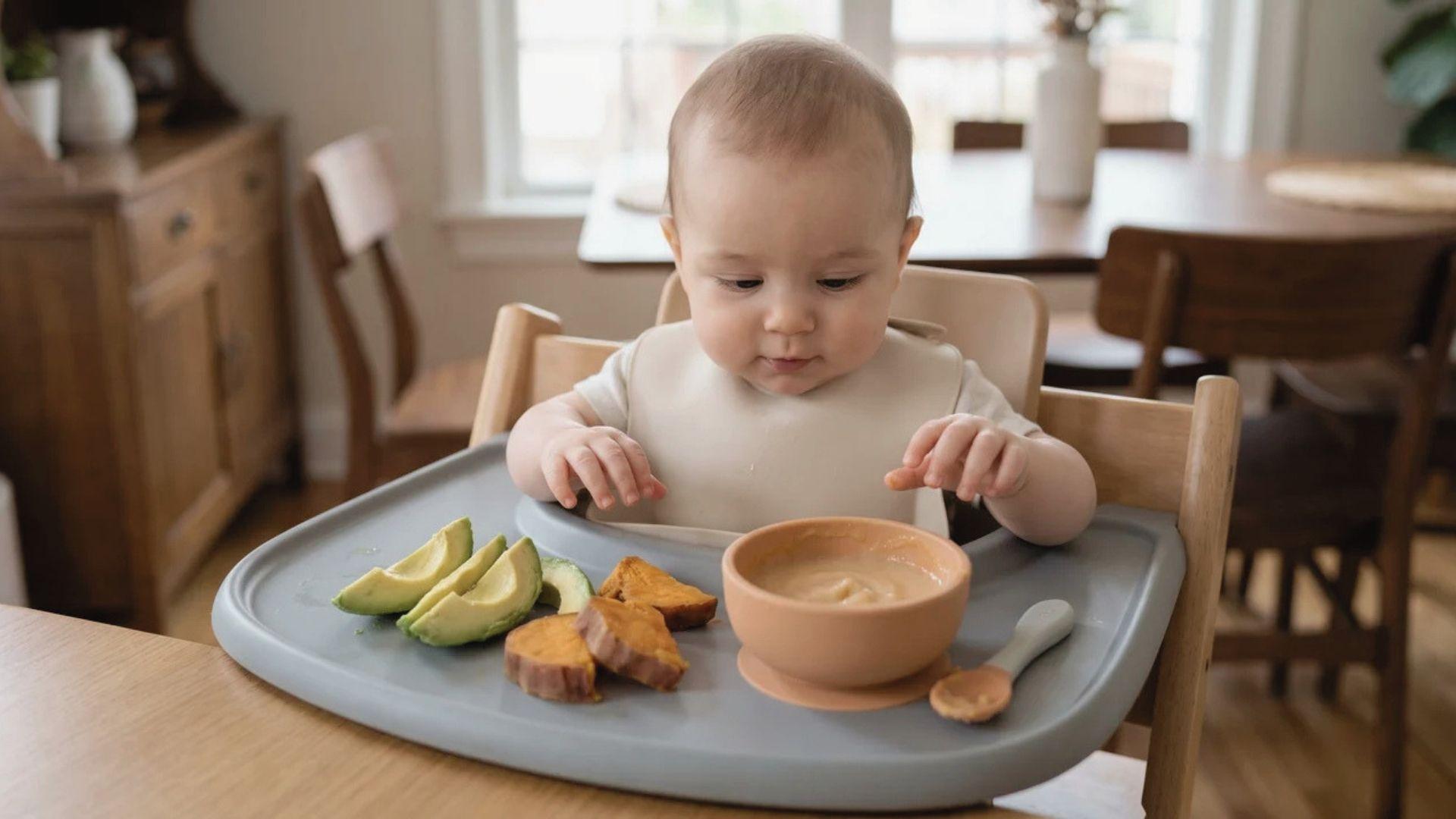
Parents can choose BLW, puree feeding, or a combination based on their baby’s readiness, feeding abilities, and family circumstances.
The AAP also says families can flex the baby-led approach, so the choice isn’t all or nothing.
How Does Combination Feeding Work?
Some families spoon-feed a puree and then put a few soft finger foods on the tray at the same meal. Others use purees on busy mornings or while traveling and offer finger foods at dinner.
A preloaded spoon sits between the two styles: The caregiver fills it, and the baby grips it and guides it to their own mouth.
In every version, the safety basics stay the same, and the baby's fullness signals still count.
How Do You Decide Which Feeding Method Suits Your Baby?
Four factors help match the approach to your baby:
- Readiness: A baby who can’t yet sit upright or manage soft foods may need more time, whichever method you pick.
- Eating style: Some babies grab everything, while others want the spoon first.
- Family routines: BLW suits slower seated meals, and purees can suit travel or rushed schedules.
- Caregiver comfort: It’s reasonable to choose the approach you can offer calmly.
Picking an approach usually raises smaller questions about pediatrician views, teeth, milk feeds, and picky eating.
Choosing Between BLW and Purees
The BLW vs purees question can sound like a contest, but at the table the habits matter more than the label.
The safety basics apply to every approach, so you can start with either and adjust as skills change.
The best plan is usually the one you can run calmly, even if that means a spoon at breakfast and soft strips at dinner.
At your baby’s next meal, offer one soft food in a new texture and watch how they handle it, then bring what you notice to your next pediatrician visit.
Frequently Asked Questions
Do Pediatricians Approve of Baby-Led Weaning?
Yes, pediatricians can support it when a baby shows readiness signs and foods are prepared safely. The AAP advises checking with your pediatrician first, especially with swallowing or feeding difficulties.
Do Babies Need Teeth for Baby-Led Weaning?
No. Babies can mash soft foods with their gums, and the AAP gives ripe banana, avocado, and steamed vegetables as examples. Softness and size matter more than teeth.
Should Babies Still Have Breast Milk or Formula During BLW?
Yes. Milk feeds stay part of the day, just in smaller amounts, and the AAP suggests offering them between meals or alongside solids while your baby explores new foods.
Does Baby-Led Weaning Prevent Picky Eating?
No feeding method guarantees it. BLW offers exposure to varied foods and textures, but acceptance builds over time, and relaxed repeat offers give babies more chances to try.