

A forty-minute trip to the park can leave a toddler with a sunburn and a hot-slide burn, and none of it feels dramatic at the time.
Summer trouble builds from small gaps, like a skipped sunscreen reapplication or a phone call taken near the pool.
Summer safety for kids matters even more once school ends and days stretch outdoors, and one detail surprises many parents: Drowning is often silent, with none of the splashing people expect.
A little planning before the first outing changes how the season goes.
How Can Parents Prepare for Summer Safety for Kids?
Summer safety for kids starts with planning for the child’s age, activity, weather conditions, and the risks associated with each setting.
A backyard sprinkler and a lake call for different preparation, so it helps to settle a few questions before leaving home.
Age comes first, because a strong swimmer at 6 and a toddler still learning to walk face very different risks.
Swimming ability and the activity itself come next, since pool time, biking, and a long hike each carry their own hazards. Weather then sets how long and when a family stays out.
Infants and toddlers need the closest supervision, since the CDC notes that infants and young children rely on others to keep them cool and hydrated.
That leaves decisions about timing, place, and length of stay with the adult.
What Summer Safety Tips for Kids Should Parents Follow?
Summer hazards rarely look alike, so no single rule covers them all.
Food is a good example, since the USDA advises discarding perishable food that has sat out for more than two hours, or one hour when the air is above 90°F.
That rule applies at every picnic and cookout, however well everything else is planned.
Each risk has its own cause and its own fix, so the sections below take them one at a time.
How Can Parents Protect Kids From Sun and Heat?
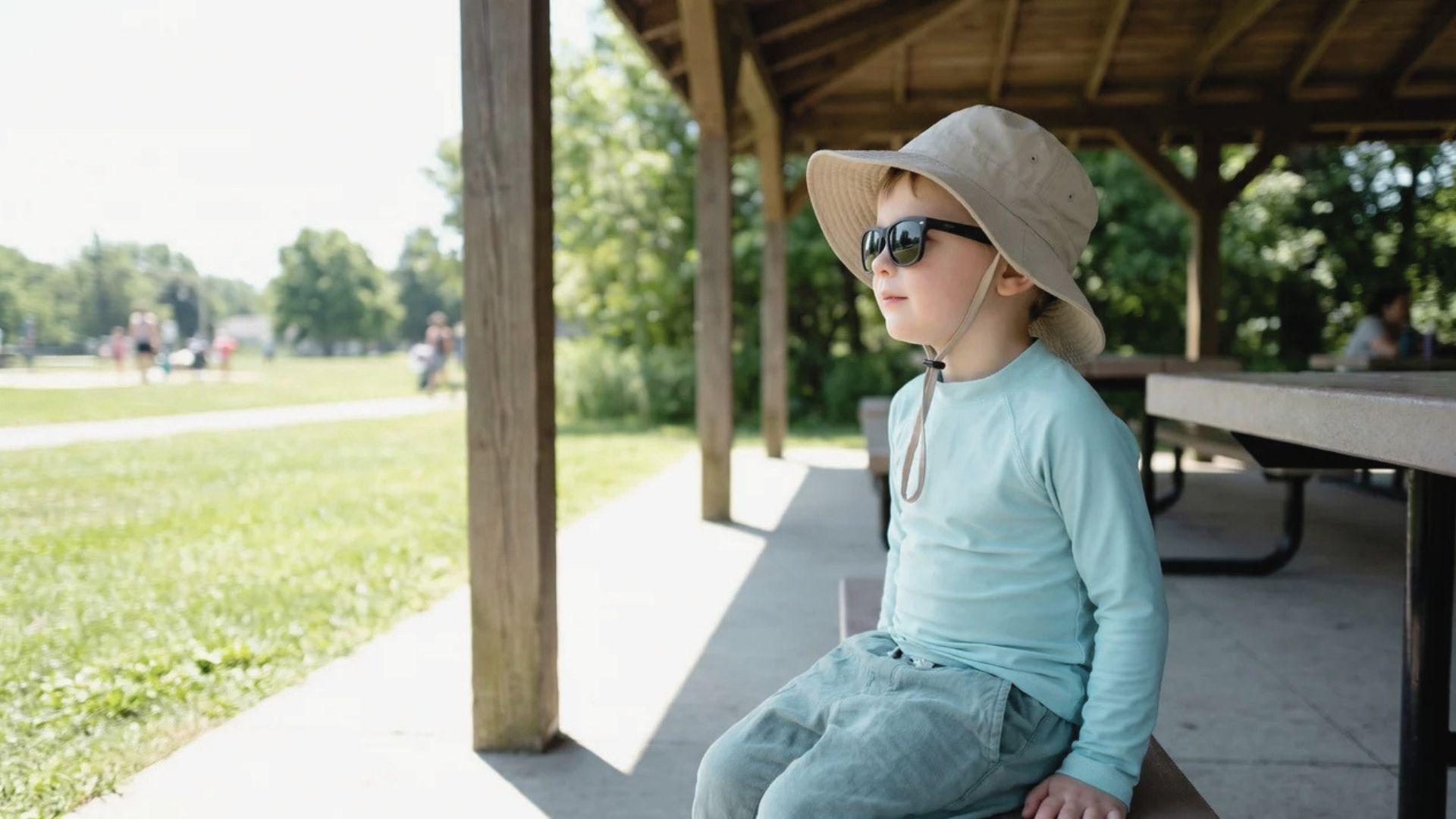
Sunburn can happen on cloudy or cool days because UV rays, not temperature, do the damage.
A few habits keep children protected:
- Sunscreen: The CDC advises broad-spectrum sunscreen with an SPF of 15 or higher, and SPF 30 gives more sunburn protection. Apply it 30 minutes before going out, then reapply at least every two hours and after swimming or sweating, as the CDC's outdoor play guidance describes.
- Clothing and shade: Wide-brimmed hats, sunglasses, and clothing that covers arms and legs help, and shade keeps children cooler.
- Timing:On hot days, plan outdoor play for the morning or evening and limit time in the sun when it is strongest, roughly 10 a.m. to 4 p.m.
The FDA does not recommend sunscreen for babies under 6 months, so keep them out of direct sunlight and ask a doctor about anything else.
How Can Parents Keep Children Safe Around Water?
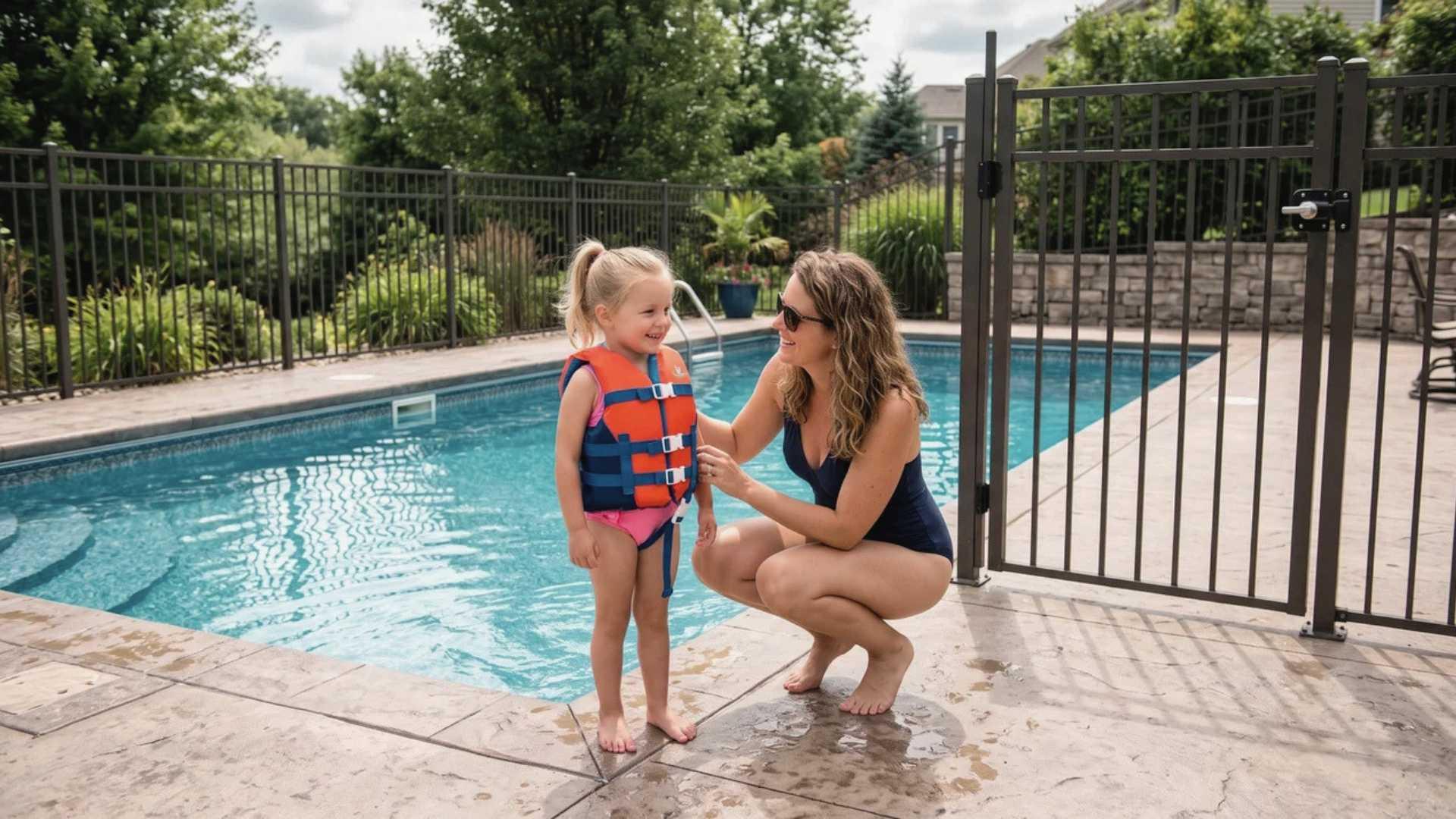
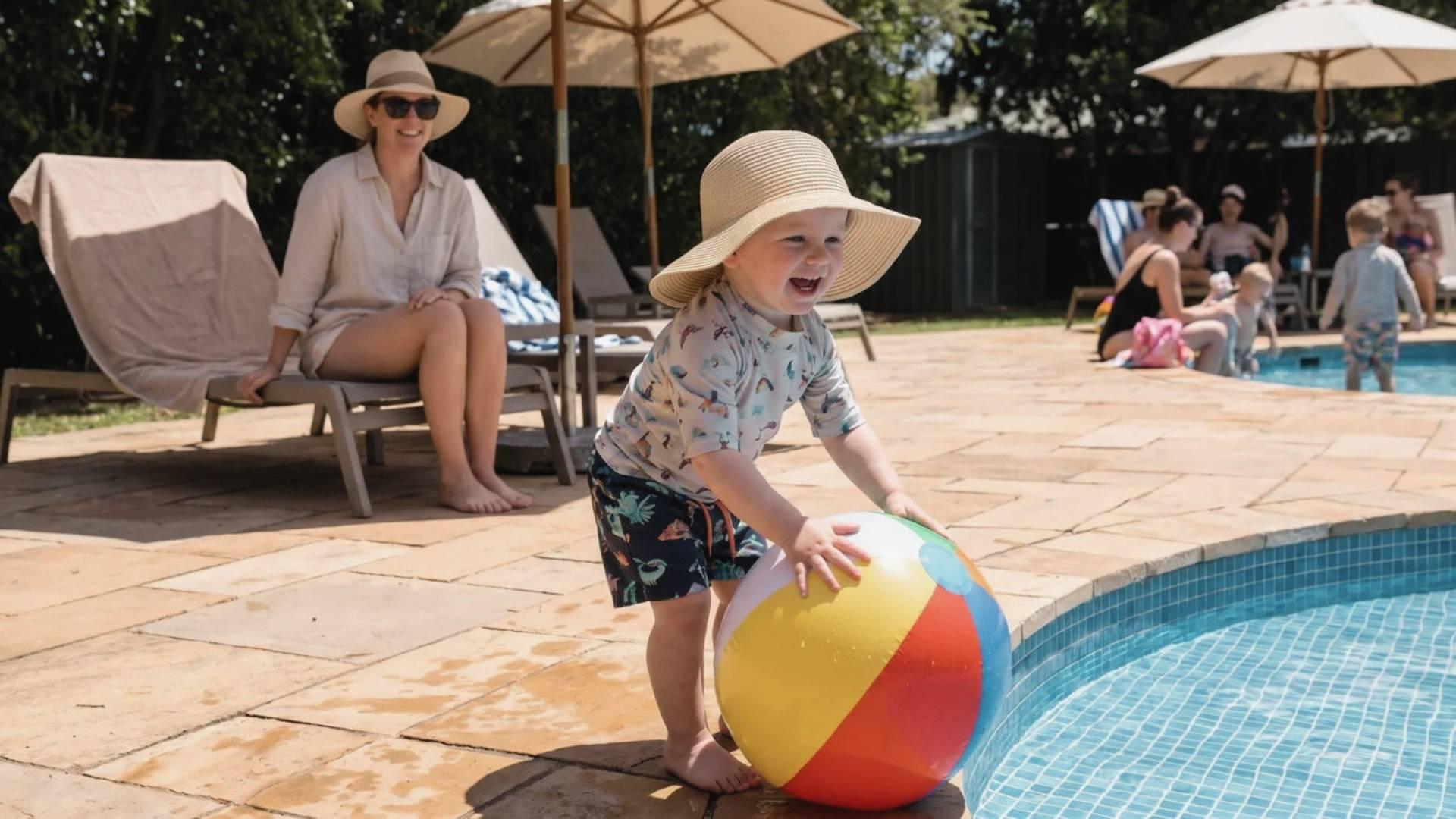
Children need constant adult supervision around water, even when they know how to swim or a lifeguard is present.
The CDC advises staying within arm’s length of a child who is in or near water and avoiding distractions such as the phone, since drowning happens quickly and quietly.
The American Red Cross also recommends naming one adult as the water watcher.
Physical safeguards help too:
- Pool fencing: A four-sided fence at least four feet high should separate the pool from the house, with a self-closing, self-latching gate.
- Life jackets: A properly fitted U.S. Coast Guard-approved life jacket protects better than water wings, which can slip off, according to the CDC's summer swim safety guidance.
Lakes, rivers, and oceans add currents, waves, rocks, and poor visibility that pools do not have.
What Outdoor Play Safety Rules Should Kids Follow?
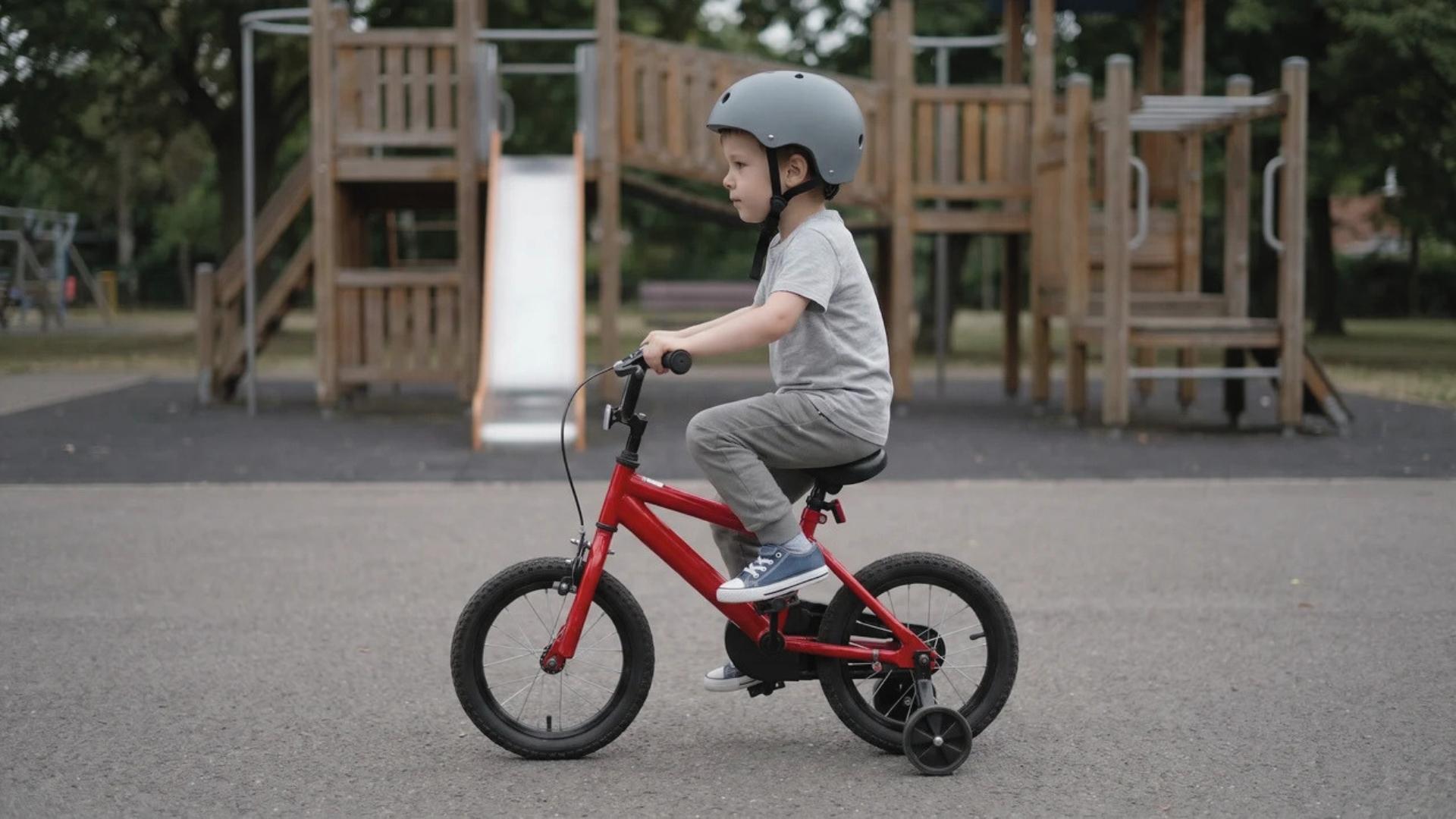
Outdoor play carries a few predictable hazards, and a quick check covers most of them:
- Helmets and footwear: The CPSC recommends a snug, level helmet for biking, scooters, and skateboards, but not on playgrounds, where straps can catch. Closed shoes protect feet on hot surfaces.
- Equipment and surfaces: Choose age-appropriate equipment and touch slides first, since the CPSC says anything hot to your hand may be too hot for a child's skin.
- Bugs and ticks:The CDC advises EPA-registered repellent, but not on babies under 2 months, and not oil of lemon eucalyptus or PMD products under age 3. Check for ticks after time outdoors.
- Fireworks and grills: The CPSC says to keep children away from fireworks, including sparklers that burn at about 2,000°F, and from hot grills.
An adult nearby and paying attention catches problems early.
How Can Parents Keep Kids Safe During Summer Travel?
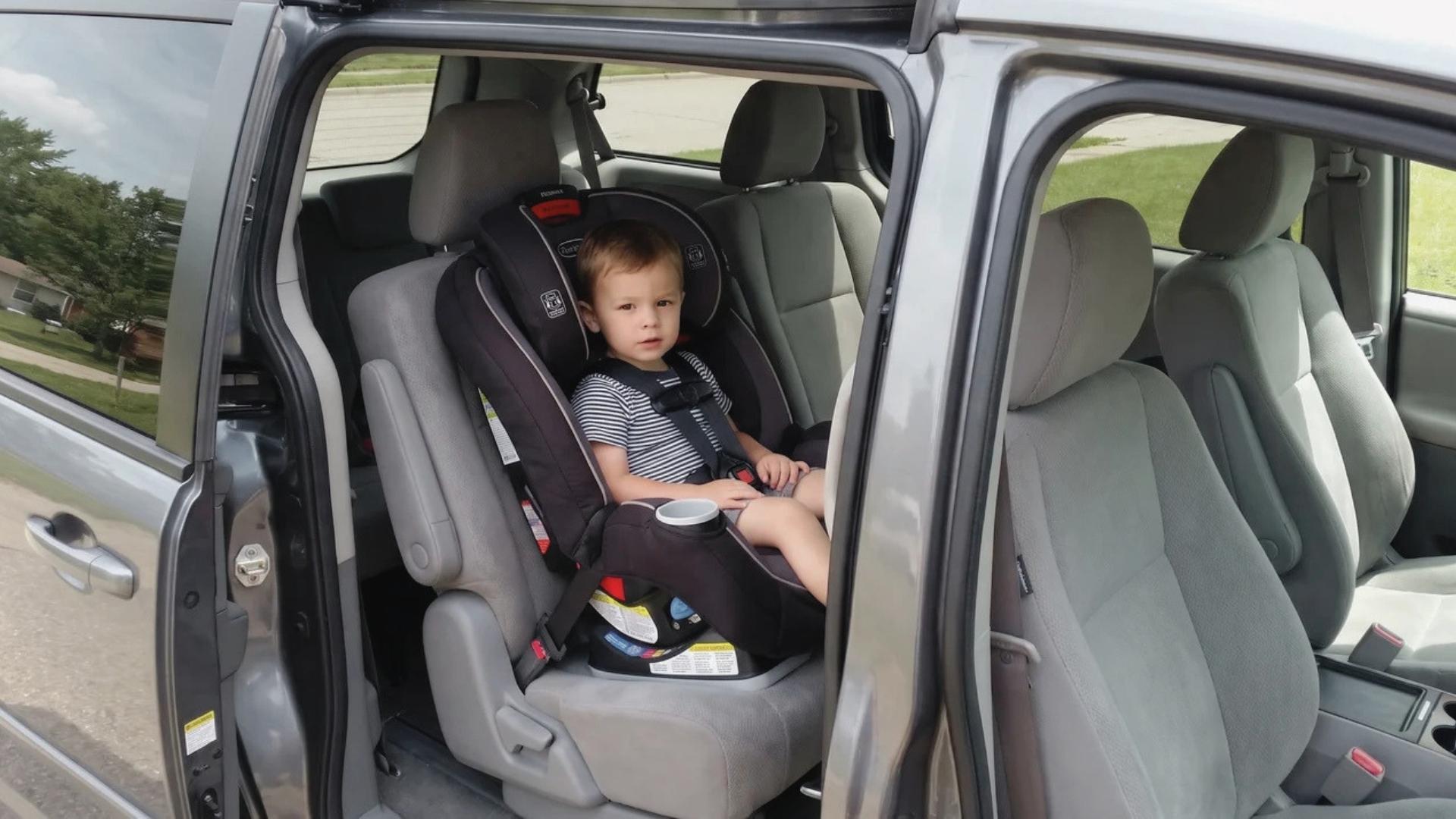
Summer travel safety depends on what happens on the road and once the car is parked:
- Car seats and boosters: NHTSA advises choosing a seat by age and size, using the back seat through age 12, and having a certified technician check the installation.
- Breaks: Planned stops let children stretch and drink water.
- Parked vehicles: NHTSA's hot car guidance says never to leave a child alone in a parked car, since cracked windows or shade do little to cool it and a child's body temperature can rise three to five times faster than an adult's.
- Locked doors: Lock the car and keep keys out of reach so children cannot climb in.
These habits lower the odds of a rough afternoon, but a child can still overheat. The next section covers what that looks like and what to do.
How Should Parents Respond to Summer Heat Illness?
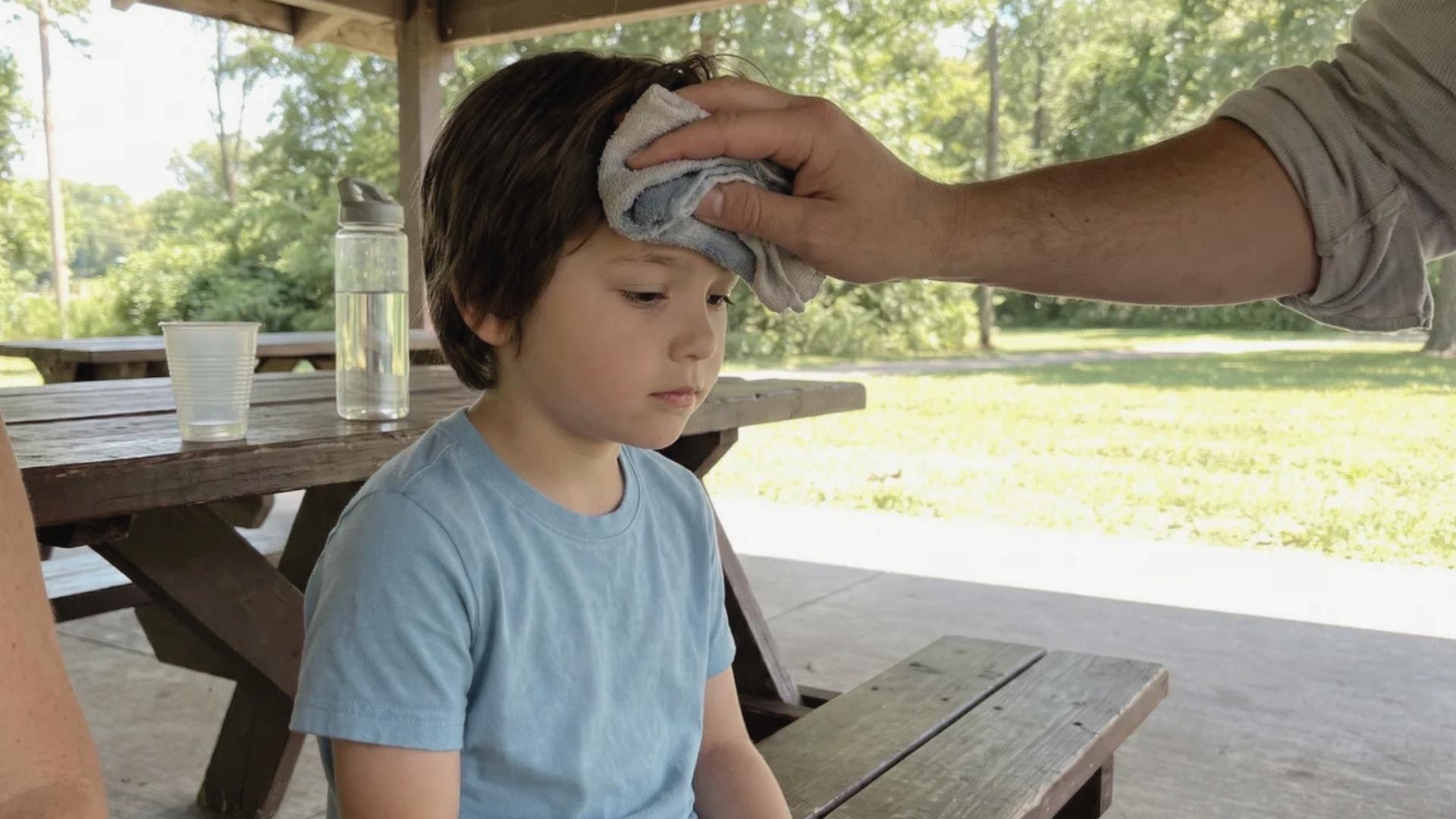
Heat illness has more than one level, and the right response depends on how severe it is. The CDC’s heat illness guide covers both.
This is general safety information, not medical advice, so call a doctor or emergency services about any specific child.
What Are the Warning Signs of Heat Exhaustion?
Heat exhaustion can cause heavy sweating, weakness, dizziness, headaches, and muscle cramps in children.
The CDC also lists cold, pale, clammy skin, a fast, weak pulse, nausea or vomiting, and fainting.
Its first steps are:
- Stop activity and move the child to a cool place.
- Loosen clothing.
- Apply cool, wet clothes or give a cool bath.
- Offer sips of water.
The CDC says to get medical help right away if the child is vomiting, symptoms get worse, or they last longer than one hour.
When Does Heatstroke Require Emergency Help?
Heatstroke is a medical emergency, and a child showing signs of it needs immediate emergency care.
The CDC lists these signs:
- Temperature of 103°F or higher
- Hot skin that may be red, dry, or damp
- Fast, strong pulse
- Headache, dizziness, or nausea
- Confusion or passing out
Call 911 right away, and don’t wait to take a temperature. While help is on the way, move the child somewhere cooler and use cool clothes or a cool bath.
The CDC says not to give anything to drink.
That covers the main hazards and what to do when heat gets the better of a child. A few narrower questions tend to follow, and each gets a short answer next.
Planning Ahead Makes Summer Safety for Kids Simpler
Summer safety for kids comes down to a handful of quick checks repeated every outing.
Most of the risks covered here start in ordinary moments, such as a short errand with a child in the car or a few minutes of unwatched water, and each has a check that takes seconds.
Before the next outing, spend two minutes confirming who is watching the water, whether sunscreen and hats are packed, and where the car keys are.
Then save the CDC's heat illness chart where every caregiver can find it.
Frequently Asked Questions
How Do You Treat Sunburn on a Child?
The CDC advises keeping a sunburned child out of the sun, using cool cloths or a cool bath, applying moisturizing lotion, and leaving blisters alone. Ask a doctor about severe burns or sunburn on a baby.
How Often Should Kids Drink Water During Summer?
Offer water often during outdoor play and before children feel thirsty, with regular breaks in hot weather. Children who sweat heavily or stay active for long stretches may need more frequent water breaks.
How Can You Tell if It Is Too Hot for Kids to Play Outside?
The CDC's HeatRisk Dashboard gives a local heat forecast by zip code, along with recommended actions, so parents can adjust outdoor play on hotter days.
At What Age Should Kids Start Swimming Lessons?
The CDC says swimming lessons can reduce drowning risk, but children who have had lessons still need close, constant supervision around water. Readiness varies from child to child, so a pediatrician can help decide when to start.