
Most first-time parents overbuy baby clothes. Not because they’re careless, but because no one gives them a real number, and tiny outfits are genuinely hard to put back on the shelf.
Here’s what trips people up: how many baby clothes you need isn’t one fixed answer.
It shifts based on how often you do laundry, what size your baby is born in, the season you’re buying for, and how fast they grow out of each size.
In this post, you’ll get a size-by-size breakdown of what to buy, how many of each item actually makes sense, and how to stop guessing every time you’re standing in the baby section. Let’s get into the numbers first.
How Many Outfit Changes Does a Newborn Go Through Each Day?
More than most people expect. Most newborns go through two to three outfit changes a day, and on rougher days it’s more.
The reasons pile up fast:
- Spit-up, which is common in the first few months as the digestive system is still developing
- Diaper leaks or blowouts that soak straight through clothing
- Sweat from being held, temperature shifts, or skin-to-skin contact
- Mess from feeding, drool, or bath time
That adds up to six to nine outfits minimum before a laundry cycle, if you’re washing every two to three days.
Add a small buffer for the days where everything goes wrong before noon, and you land at around 15 to 20 pieces per size range as a practical working total.
That number is not arbitrary. It is the math behind every quantity recommendation in this guide. Now let’s look at what you actually need to stock.
What Every Item Is For, and Why the Quantity Matters
Before shopping, it helps to know why you need each piece, not just how many.
1.Bodysuits/Onesies (7 to 10)

These are the backbone of the newborn wardrobe. The snap closure at the bottom stays out of the way during diaper changes.
Get a mix of short and long sleeves so you can layer based on temperature. You’ll use these every single day.
2.Sleepers/Footies/Gowns (4 to 7)
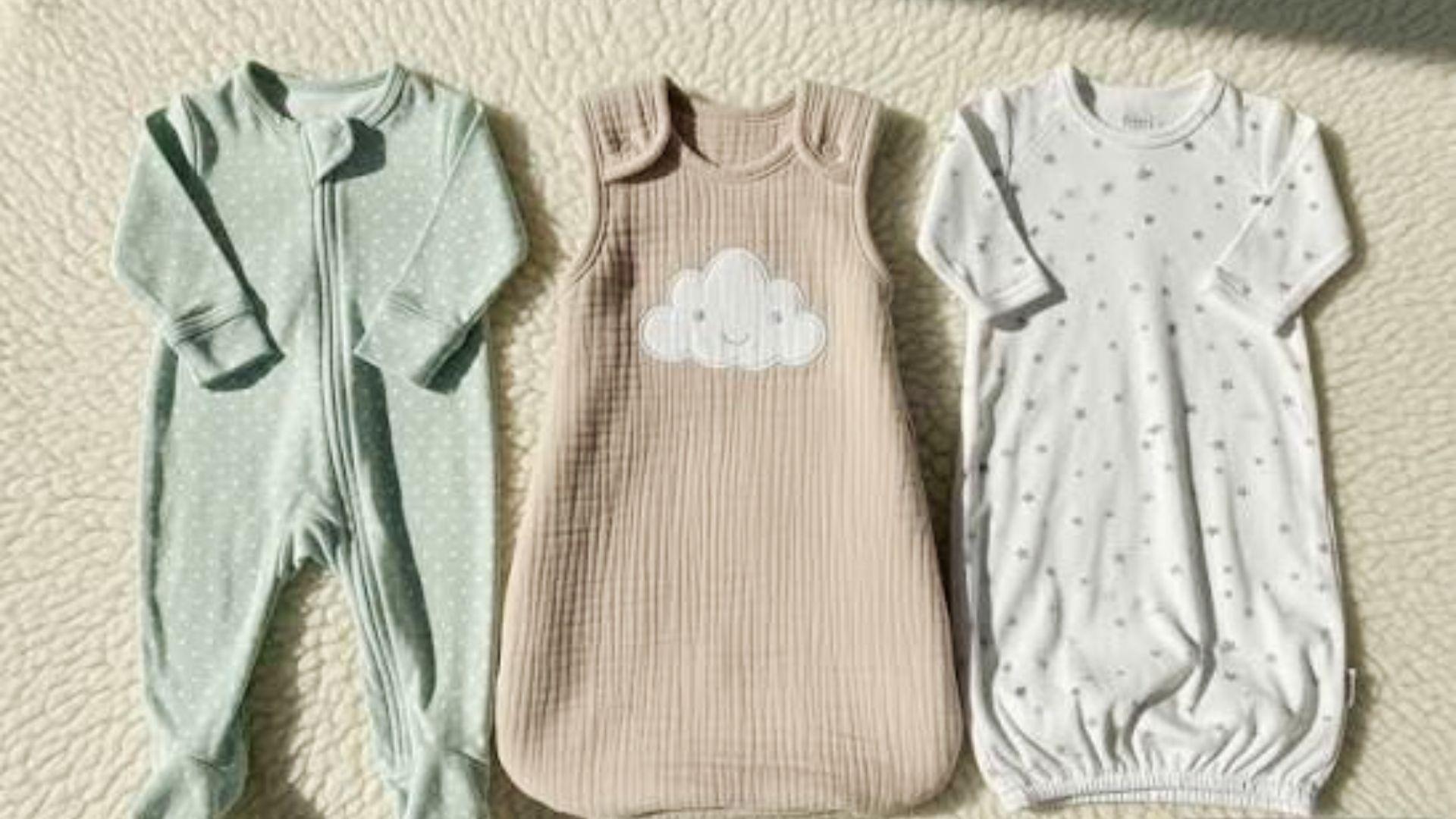
Many parents keep newborns in sleepers all day in the first few weeks, not just at night.
Look for two-way zippers, which let you unzip from the bottom for nighttime diaper changes without waking the baby by pulling off the whole outfit.
Sleep gowns work the same way and are popular for the same reason.
3.Pants/Leggings (3 to 5)
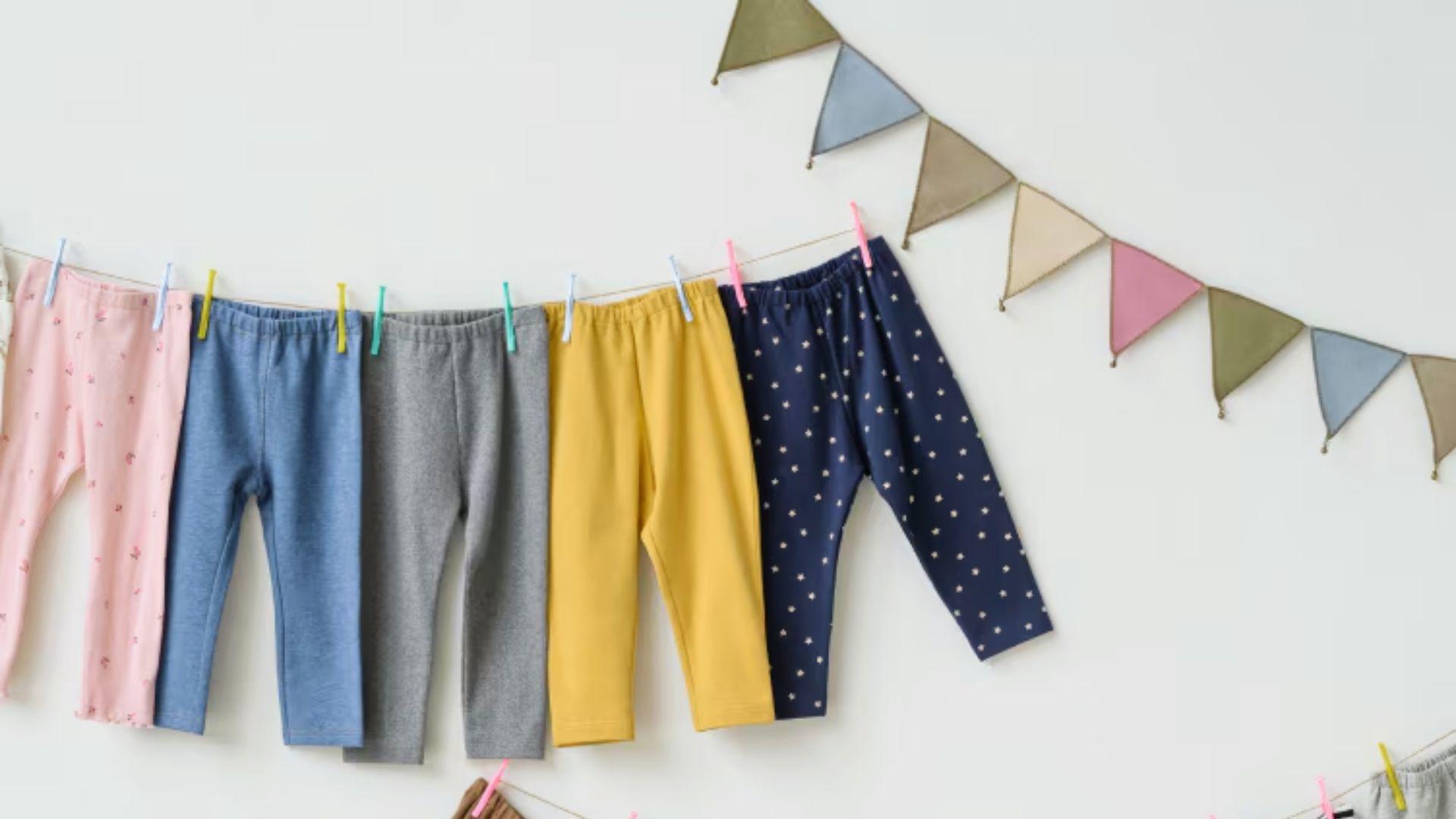
Soft and stretchy only. Very young newborns often don’t need them at all since a long-sleeve onesie works on its own, but pants add warmth when you need it and pair well with short-sleeve bodysuits in cooler rooms.
4.Swaddles (2 to 4)
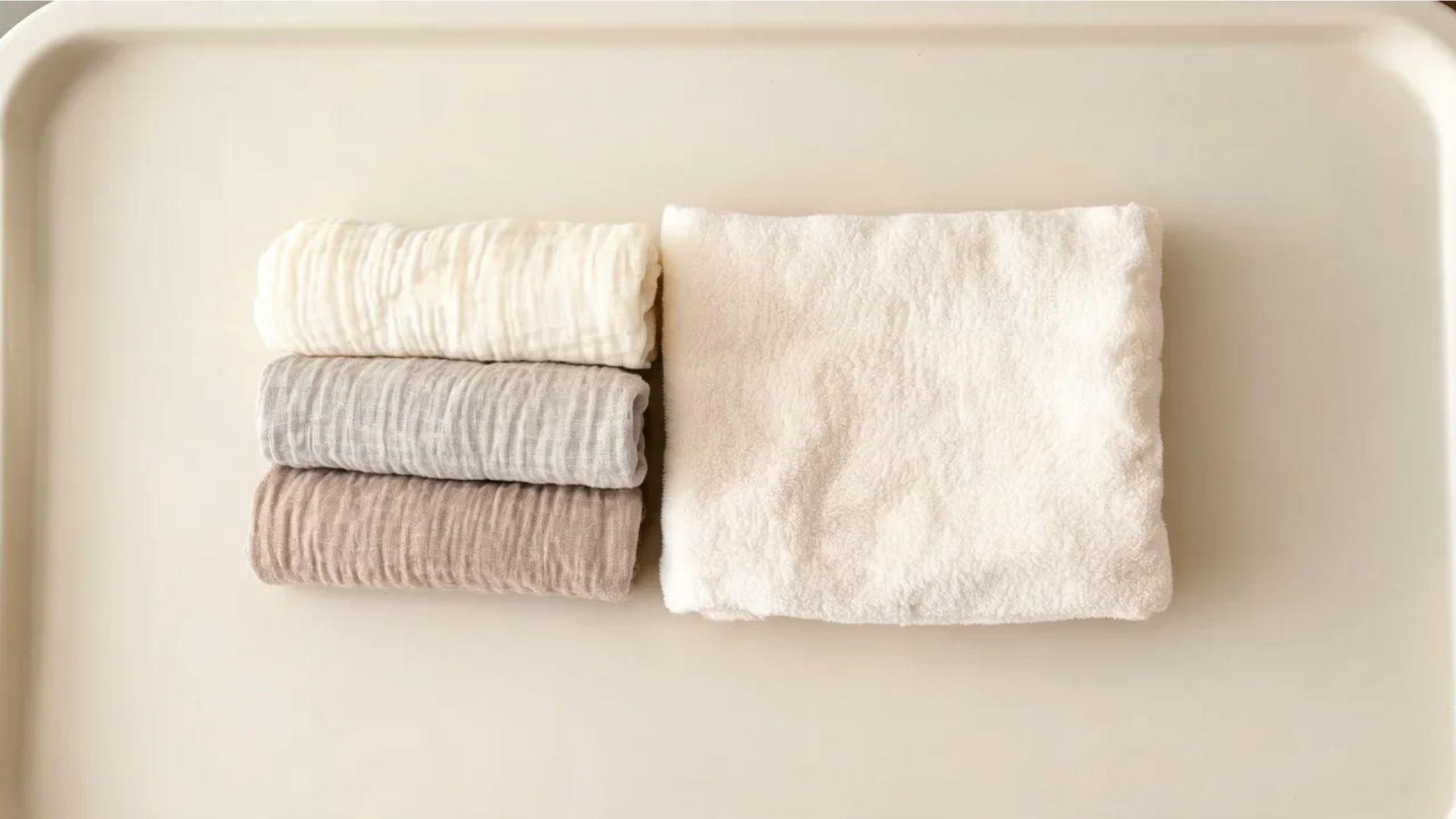
Swaddles help calm newborns by reducing the startle reflex that wakes them from sleep.
They’re also used as light blankets, makeshift burp cloths, and nursing covers. You’ll cycle through them fast.
5.Socks (6 to 10 pairs)
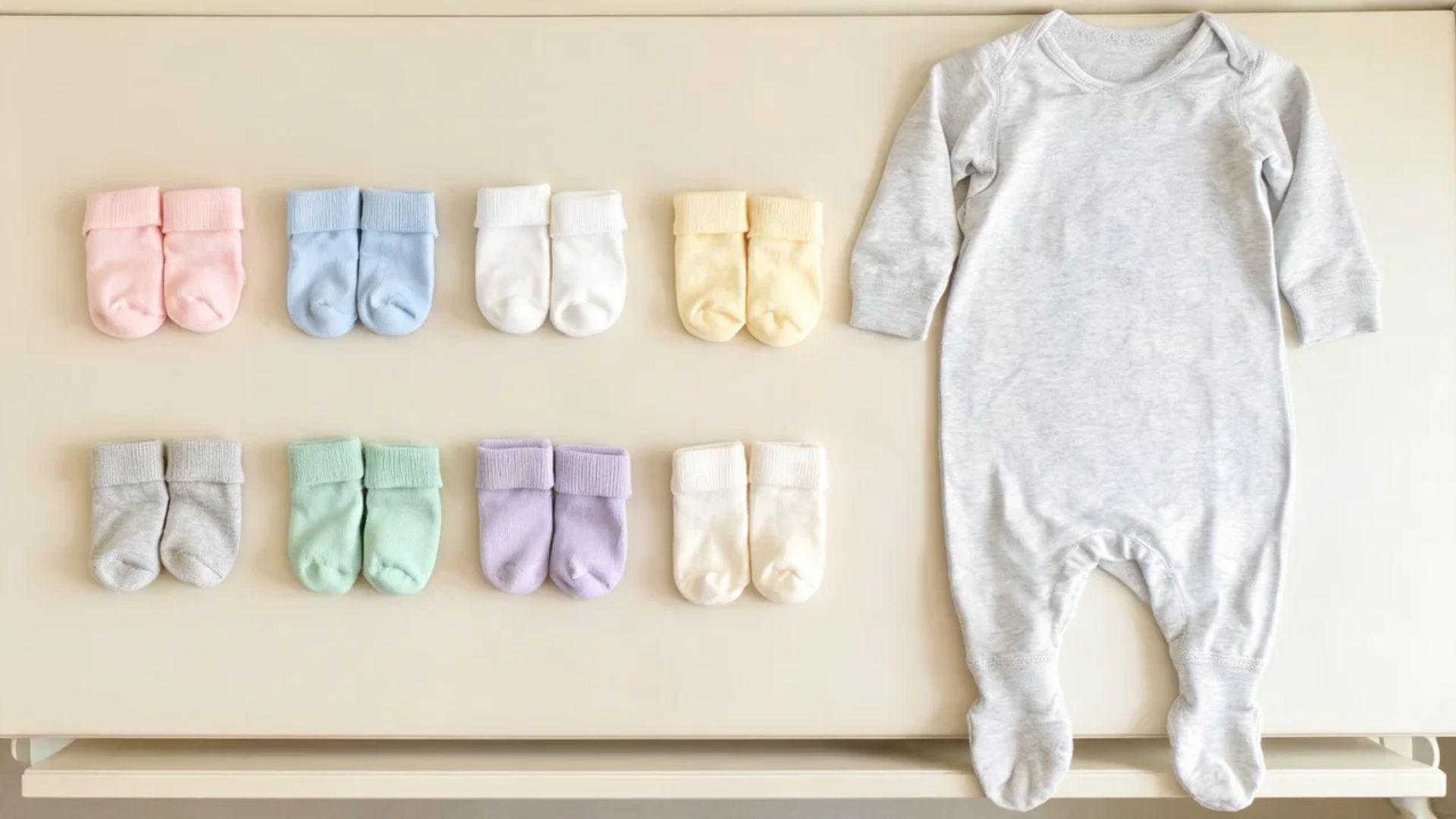
Babies kick socks off constantly. Buy more than feels necessary because you’ll spend real time looking for the missing one.
Footed sleepers reduce how often you need socks at all, but you still want plenty on hand.
6.Hats (2)
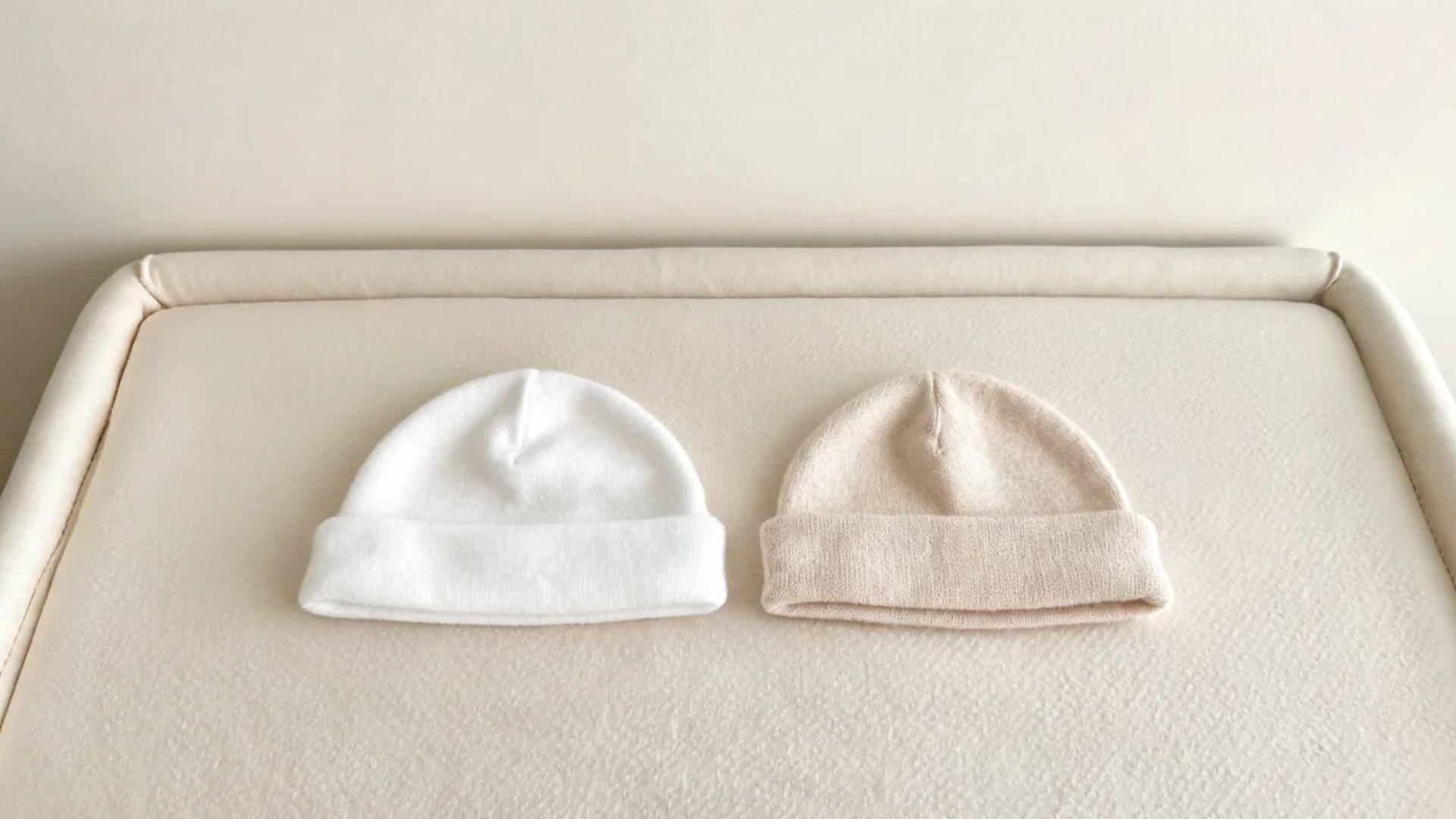
Newborns lose heat quickly through their heads, especially in the first days. Two soft hats is plenty. After the first month or two, most babies don’t need a hat indoors.
7.Burp Cloths (6 to 10+)
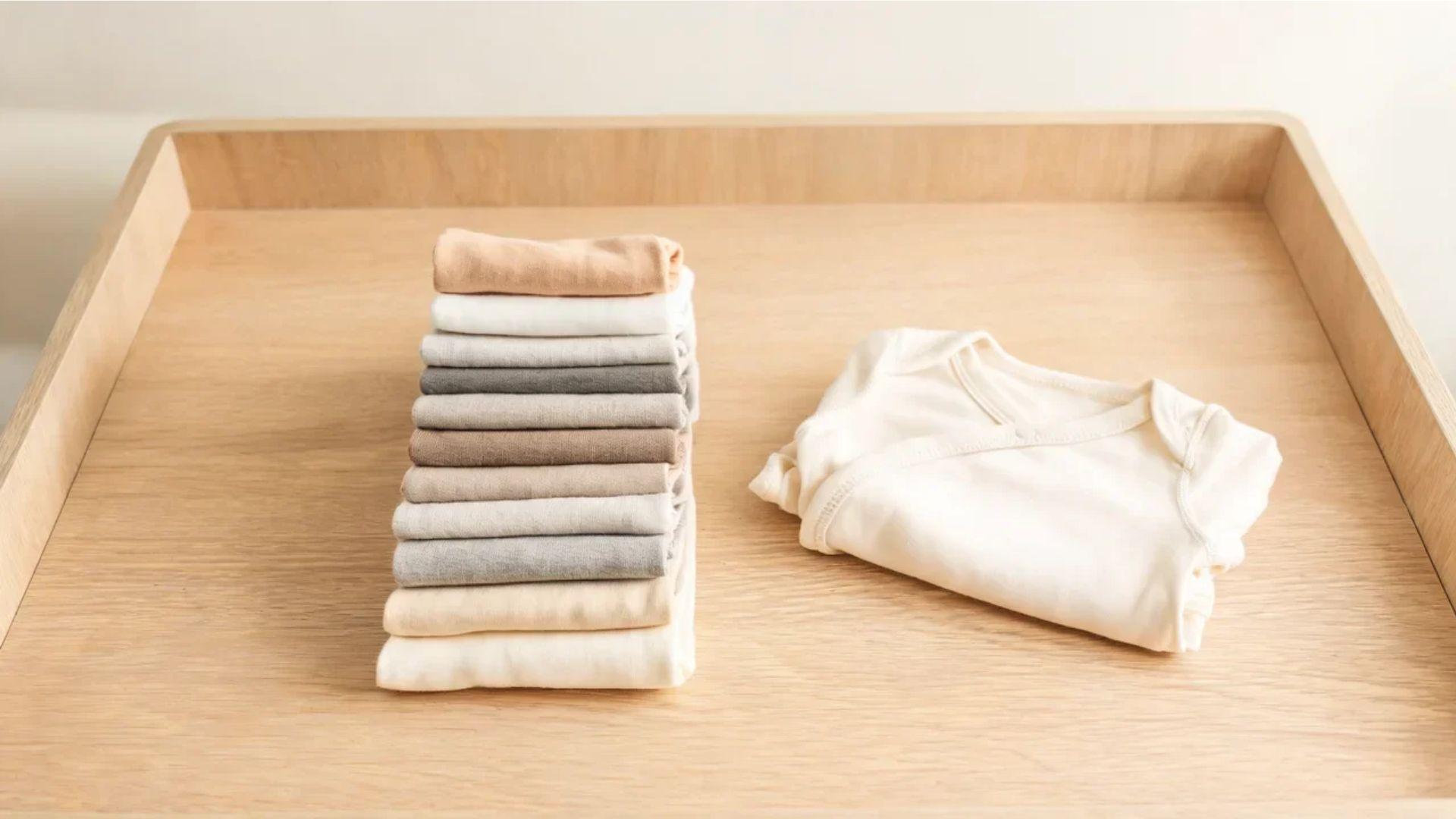
This is one item most checklists undercount. Burp cloths aren’t clothing, but they’re part of every feeding and outfit change in the early weeks.
Babylist recommends starting with at least six to ten, and many parents go through them faster than expected.
8.Outer Layers (1 to 2)
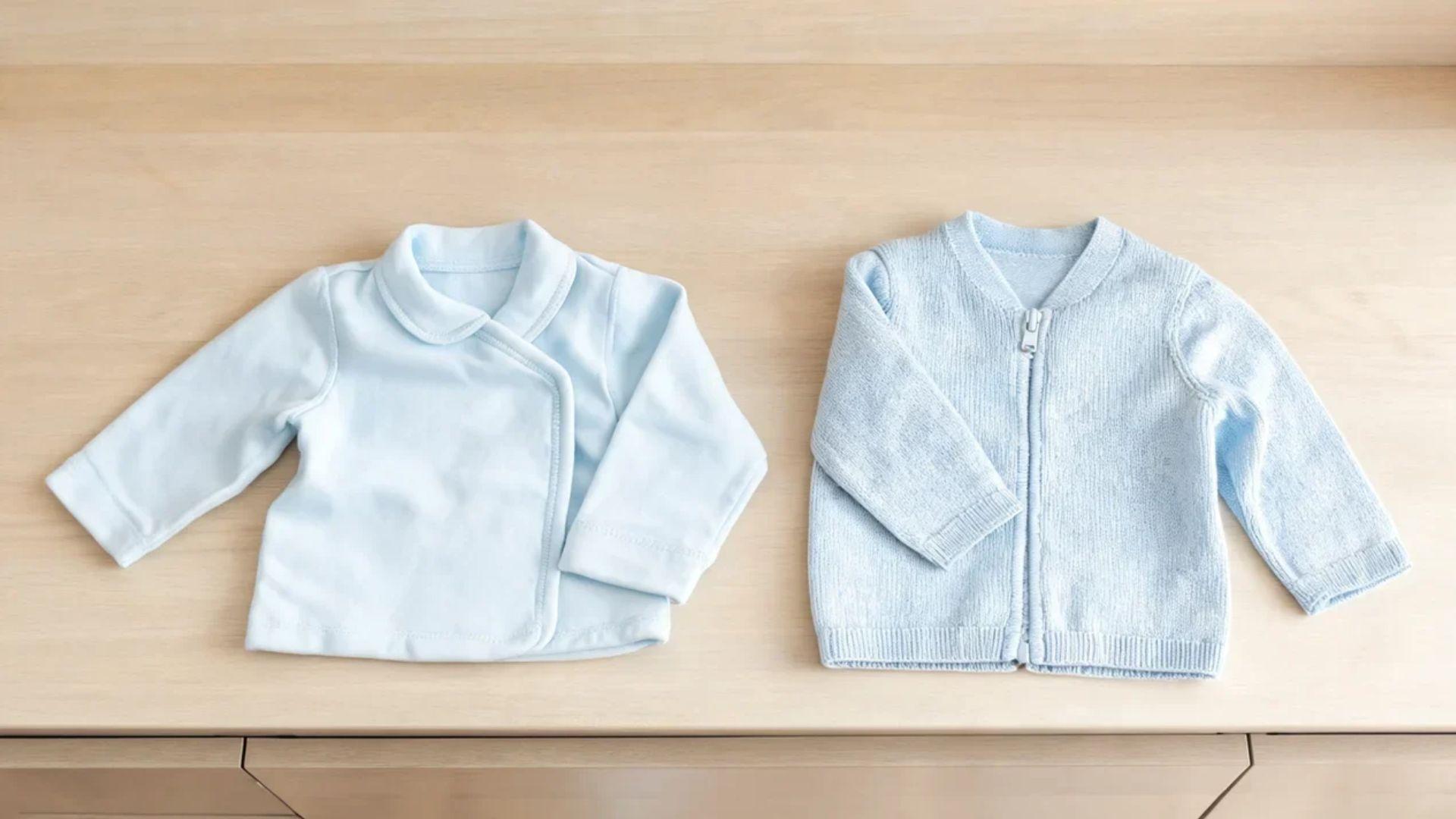
One or two light jackets or zip-up cardigans cover most situations in the newborn stage. The season determines how warm they need to be.
A summer baby needs very little; a winter baby needs a proper insulated layer.
Should You Buy Newborn or 0 to 3 Month Clothes First?
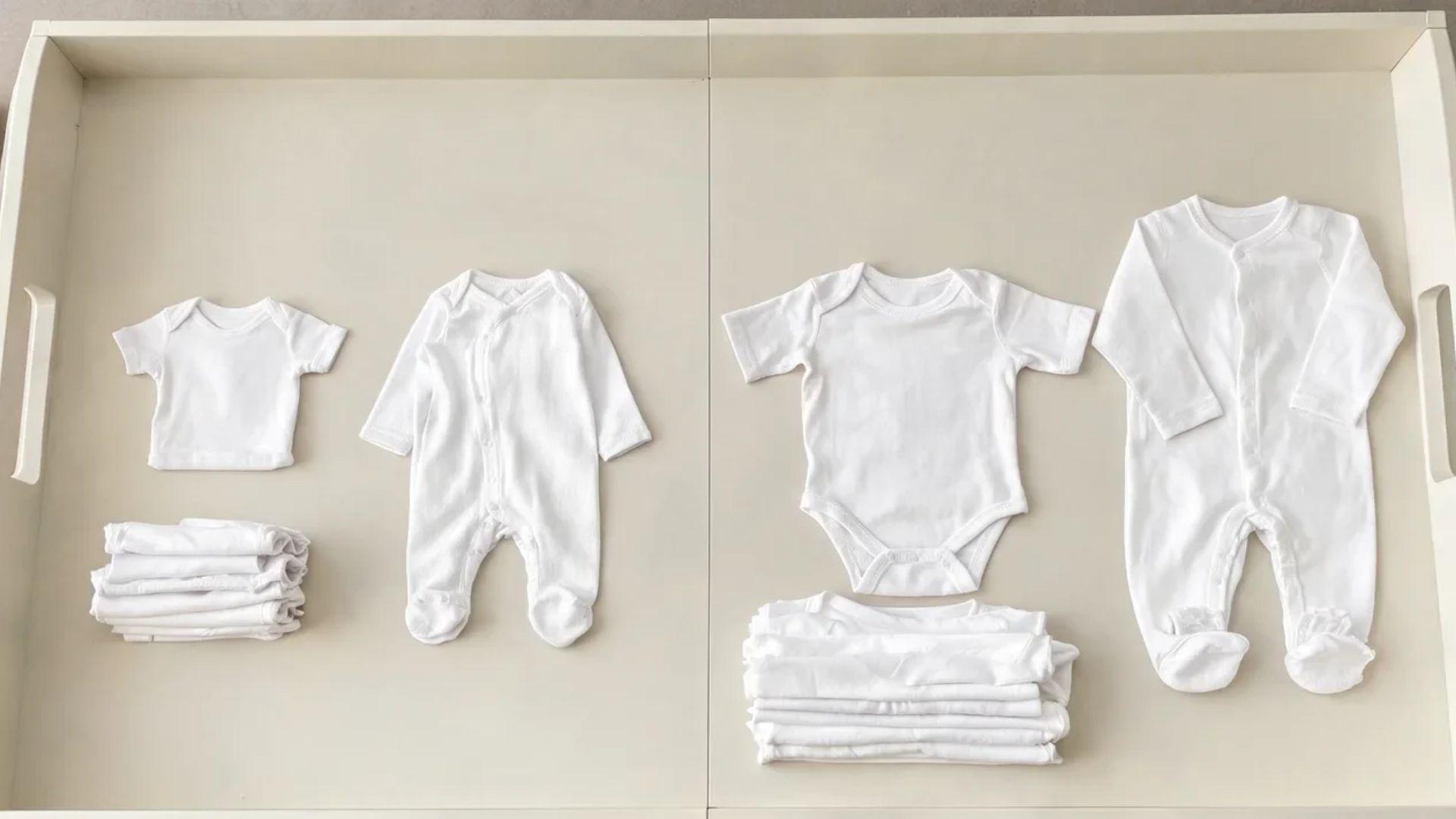
Newborn sizing fits babies up to around 8 to 9 lbs.
According to CDC data, the average birth weight in the United States is approximately 7.5 lbs, which means many babies do fit newborn size at birth, but only for a short window.
Babies born at or above 8 lbs may skip newborn clothes entirely.
The practical move: buy 2 to 4 newborn pieces before the birth, keep a few with tags on, and add more only if your baby needs them. Focus the bulk of your shopping on the 0–3 month range.
One more thing worth knowing: sizing is not consistent across brands. One brand’s 0–3 month can run significantly smaller than another’s.
Washing and drying can also shrink clothes slightly. Leaving a few items unwashed until you know your baby’s size gives you the option to return or exchange without any hassle.
How Laundry Frequency Affects How Many Clothes You Need
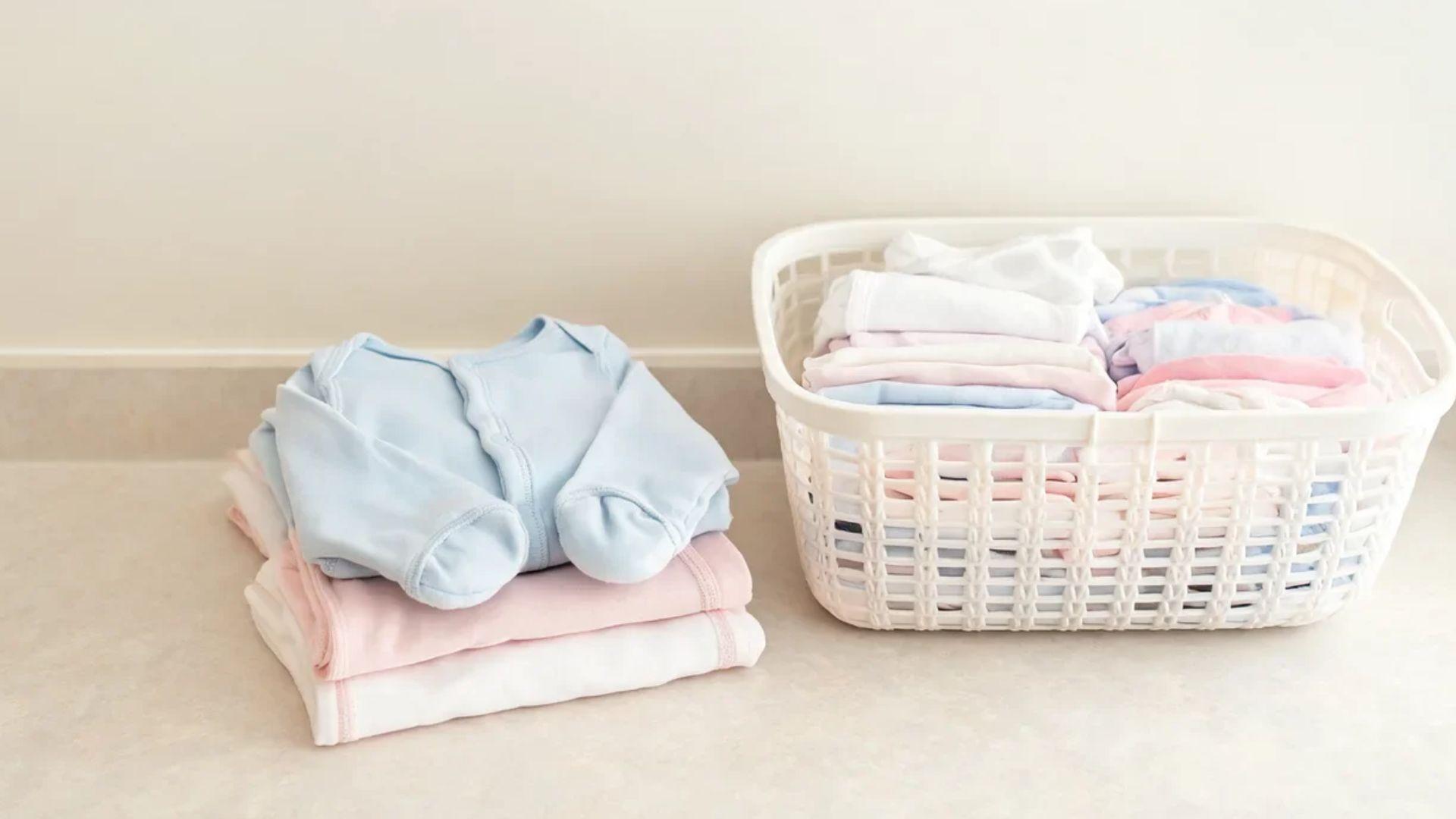
Your laundry routine is the single biggest variable in all of this.
- Washing daily: 4 to 6 bodysuits and 3 to 4 sleepers is enough. You cycle through quickly and always have clean clothes.
- Every 2 to 3 days: Aim for the middle of each recommended range. This is where the 15–20-piece total comes from.
- Less frequent laundry: Stick to the higher end of each item range, or add a few extras in whatever you run out of fastest.
One honest thing to factor in: the first few weeks of parenthood are exhausting. Your laundry schedule may not go as planned.
A small buffer in the numbers means you’re not scrambling at midnight because every onesie is dirty.
What Baby Clothes Do You Need for Different Seasons?
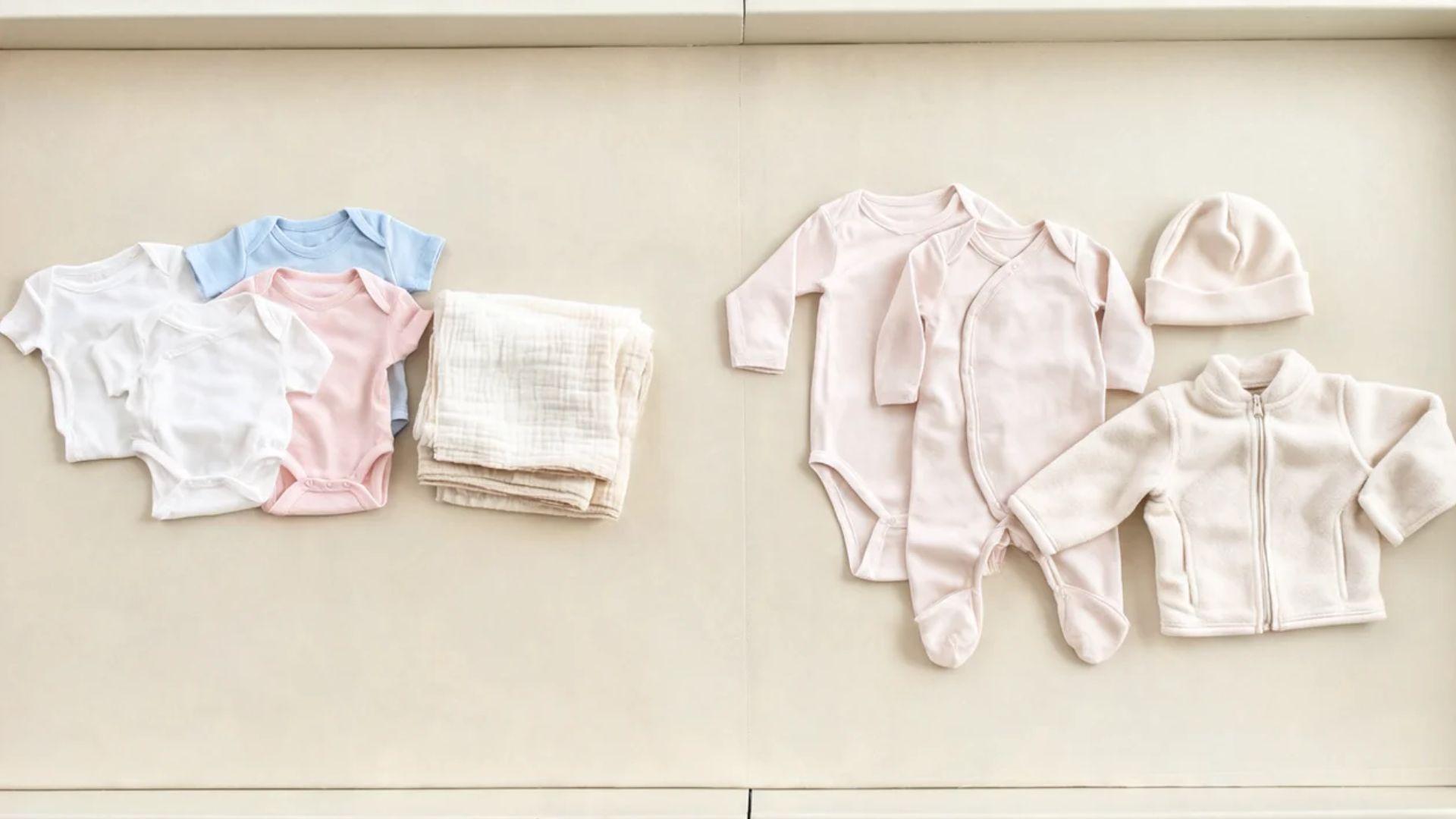
The base wardrobe stays mostly the same. What changes is fabric weight and how you layer.
Warm weather (spring/summer baby)
- Lightweight cotton onesies, short-sleeved, are your main item
- Fewer pants needed, a onesie on its own often works in the heat
- A light breathable hat for outdoor sun protection
- Muslin swaddle blankets, which are lightweight and breathable
Cool or cold weather (fall/winter baby)
- Long-sleeved onesies as a base layer under sleepers or pants
- Footed sleepers for full-body warmth without needing socks
- A soft hat worn indoors in the early weeks
- A warm outer layer for going outside, such as a fleece or insulated jacket
You don’t need a completely different wardrobe per season. Buy for the season you’re in first, then add what’s needed as your baby grows into the next.
Tips for Buying Baby Clothes Without Overbuying
These are the practical adjustments that actually make a difference:
-
- Buy only 2 to 4 newborn pieces before birth; add more only if your baby is on the smaller side
- Focus your main budget on 0 to 3 month basics, not novelty outfits
- Leave some items unwashed with tags on for returns or exchanges
- Figure out your realistic laundry routine before deciding on quantities
- Factor in the season your baby is being born into
- Avoid buying ahead in multiple future sizes; growth timing is unpredictable
- Leave room for gifts and hand-me-downs, both will arrive
- Add more after the baby is here; you’ll know exactly what you’re short on
The most common regret is not buying too little. It’s loading up on newborn and small sizes before finding out how fast the baby moves through them.
Conclusion
How many baby clothes you need comes down to three things: your laundry routine, your baby’s birth weight, and the season you’re buying for.
Start with a small, focused rotation, put most of your budget into 0 to 3 month sizing, and use the wear window table to guide how much you buy per size.
You’ll have a much clearer sense of what you actually need once your baby is here. I hope this makes the decision easier.
If you’re still putting together your full list, our complete guide on what to buy before your due date is a good next step.
Frequently Asked Question
Can a 7-pound baby wear 0-3 month clothes?
Not comfortably at birth. Newborn size fits babies up to about 8–9 lbs, so a 7 lb baby will wear newborn clothing first. They’ll move into 0–3 month sizing within a few weeks as they grow.
How many burp cloths do I need for a newborn?
Start with six to ten. Babylist recommends this as a minimum, and many parents find they go through them faster than expected in the first few weeks of feeding.
When should I stop buying newborn size clothes?
Before birth, limit yourself to two to four pieces. If your baby needs them, add more. If your baby is born over 8 to 9 lbs, you may not need any newborn size at all.