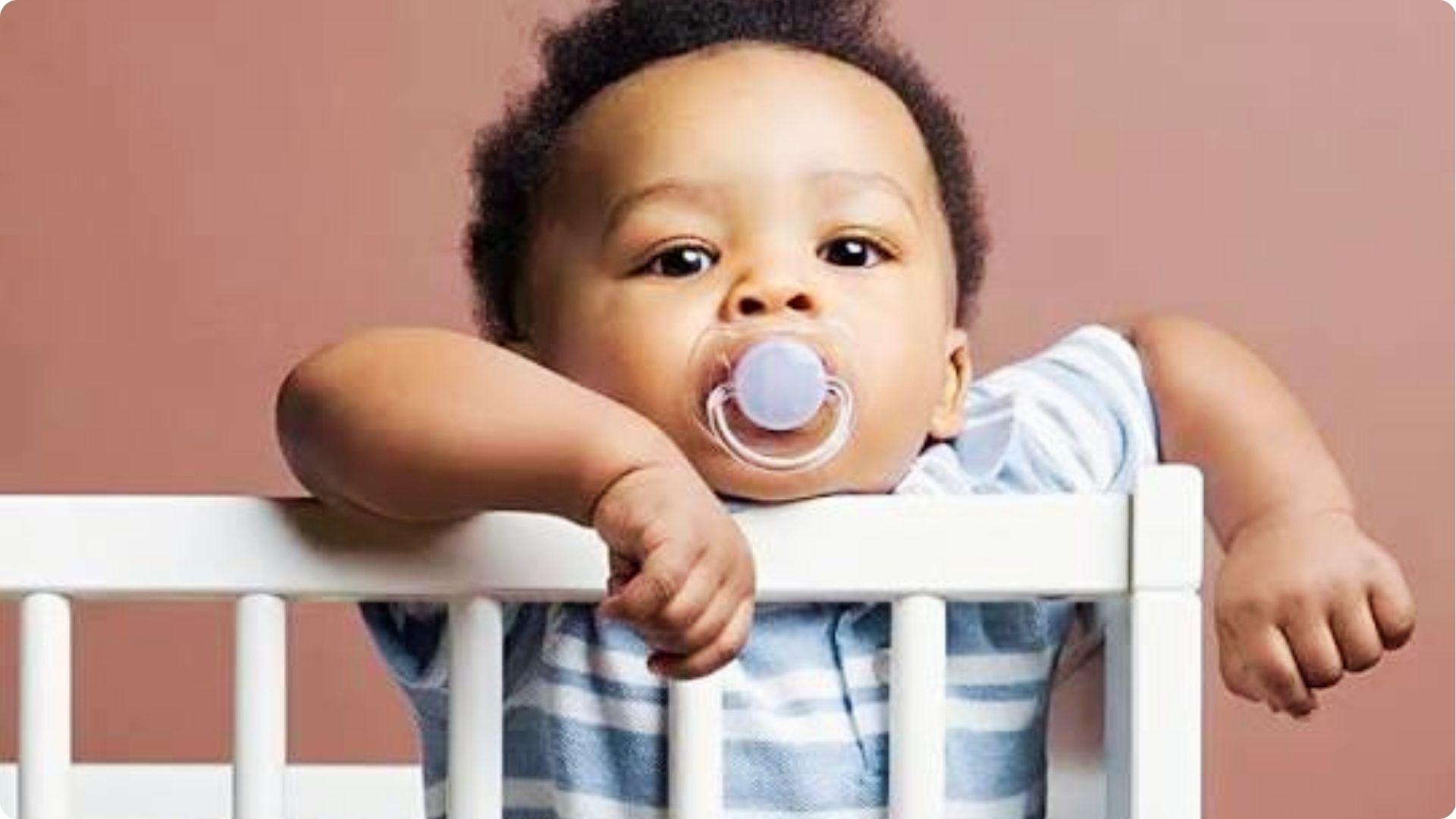
Every parent has asked it at some point: are pacifiers good for babies, or do they cause more problems than they solve?
It is one of those questions that comes with a lot of opinions, but not always clear answers. As a parent or caregiver, you want to make the right call, and that can feel overwhelming when advice seems to change depending on who you ask.
This article covers everything you need to know, from the benefits and risks to safe use, timing, and when to wean.
The guidance here is based on current pediatric research and real parenting concerns, so you can make a confident, informed decision for your baby.
Are Pacifiers Good for Babies?

Pacifiers can be genuinely helpful for many babies, but they are not the right choice for every situation.
For most babies, pacifiers offer real comfort. They can help calm a fussy infant, support sleep, and may even lower the risk of sudden infant death syndrome (SIDS).
These are meaningful benefits that explain why so many pediatricians consider pacifiers a reasonable tool when used correctly.
At the same time, there are potential downsides. Pacifier use has been linked to a higher risk of ear infections with long-term use, possible dental changes over time, and in some cases, interference with breastfeeding if introduced too early.
Whether pacifiers are a good choice depends on several things: your baby's age, how you are feeding them, how often the pacifier is used, and whether it is being used safely.
There is no single right answer for every family, but understanding both sides helps you decide what works best for your baby.
What Are the Benefits of Pacifiers for Babies?
Pacifiers offer several real benefits that go beyond simply keeping a baby quiet.
Pacifiers Can Help Soothe and Comfort Babies
Babies are born with a strong sucking reflex, and this natural urge does not stop when feeding ends. Non-nutritive sucking helps calm the nervous system and gives babies a sense of security without needing a feed.
A pacifier meets this need during fussy periods, car rides, overstimulating situations, or after vaccinations.
Research also shows pacifier use can reduce pain responses during minor medical procedures like heel pricks or blood draws.
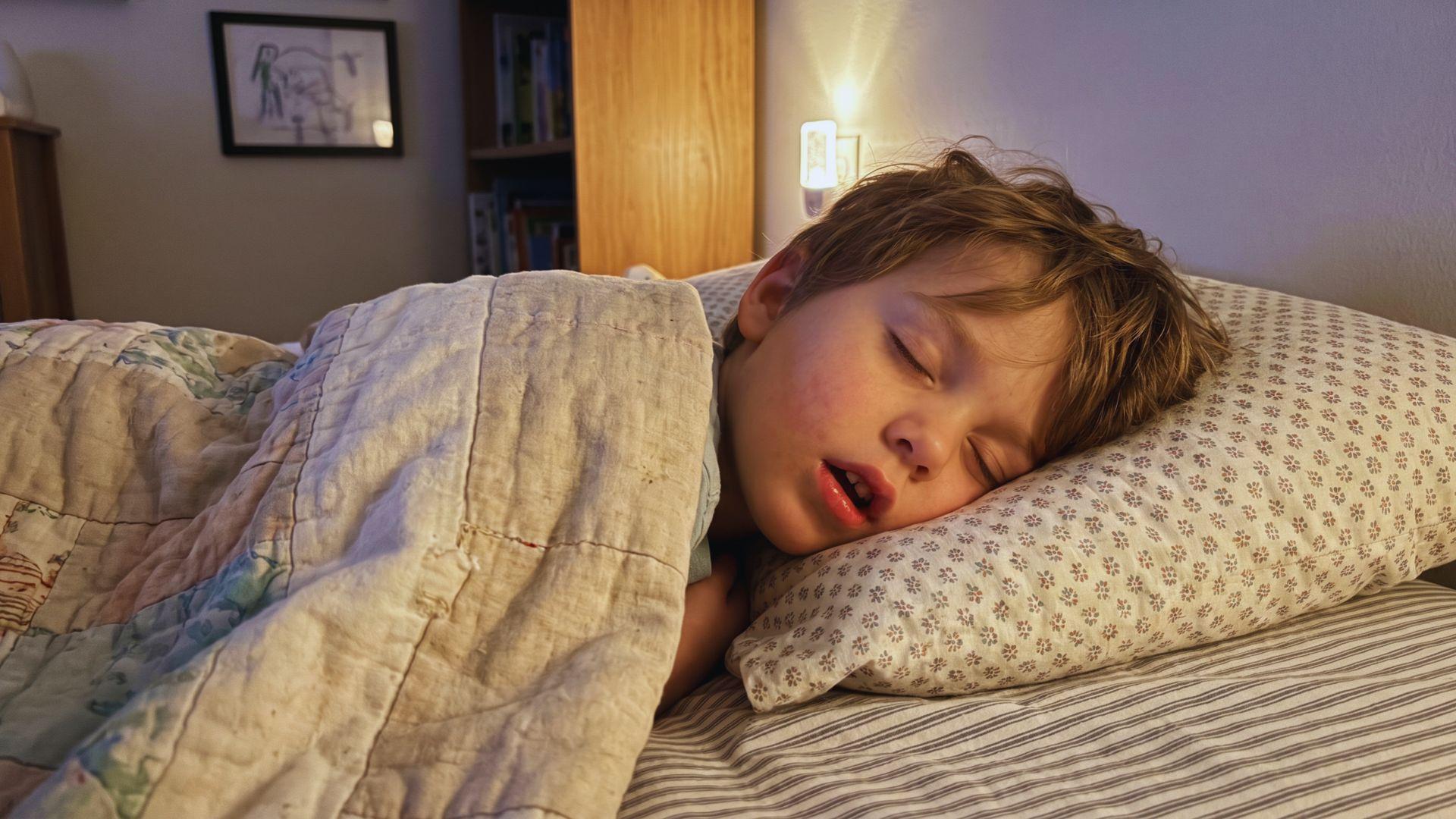
Pacifiers May Help Babies Settle to Sleep
The sucking motion has a direct calming effect on a baby's nervous system, making it easier for some babies to transition from wakefulness into sleep.
Offering a pacifier at the start of a nap or bedtime can help babies who struggle to settle drift off with less fussing.
It works by giving the baby a familiar, repetitive sensory input that signals rest. This does not make it a sleep solution for every baby, but for many families it reduces bedtime stress noticeably.
Pacifier Use May Lower the Risk of SIDS
Research suggests that offering a pacifier at the start of sleep, whether at nap time or bedtime, is associated with a reduced risk of SIDS.
One theory is that pacifiers encourage better tongue positioning, which may help keep the airway more open during sleep.
Another is that babies using pacifiers tend to stay in lighter sleep cycles, which may lower the risk of breathing irregularities.
The American Academy of Pediatrics (AAP) acknowledges this association and supports offering a pacifier during sleep once breastfeeding is well established.
Pacifiers Can Support Non-Nutritive Sucking in Some Babies
For premature babies or those in neonatal care, pacifiers are sometimes used as part of medical care.
They can help preterm infants practice sucking, which supports feeding development and may help them transition more easily to bottle or breastfeeding.
In these situations, pacifier use is guided by healthcare professionals and is part of a broader care plan.
What Are the Disadvantages of Pacifiers?
Like most parenting tools, pacifiers come with some drawbacks that are worth knowing about before you decide to use one regularly.
Pacifiers May Affect Breastfeeding in Some Cases
If a pacifier is introduced too early, it can reduce how often your baby nurses, which directly affects how well your milk supply builds.
In the early weeks, frequent feeding is what signals your body to produce more milk, so anything that cuts down on nursing sessions can slow that process.
Most breastfeeding experts recommend waiting until feeding is well established, usually around three to four weeks, before introducing one.
Frequent Use May Increase the Risk of Ear Infections
Nipple confusion happens when a baby struggles to switch between the breast and the different shape, flow, and feel of a pacifier nipple.
Research on how common this is remains mixed, but some babies do find the transition harder, particularly in the first few weeks when latch is still being learned.
If you notice your baby pulling away from the breast, feeding with less enthusiasm, or latching poorly after pacifier use, it may be worth pausing its use and speaking to a lactation consultant.
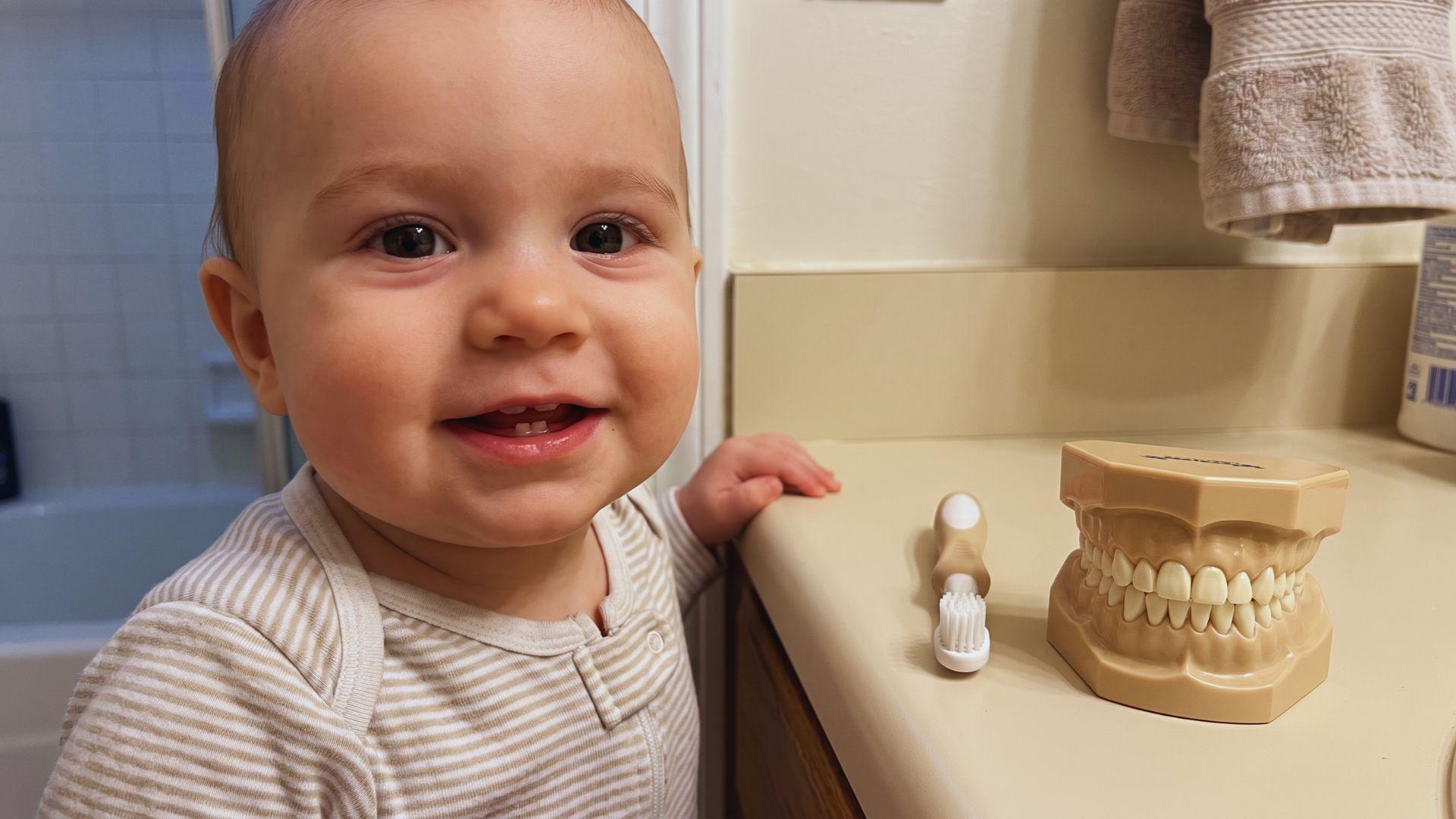
Long-Term Use Can Affect Dental Development
Regular pacifier use, especially beyond six months, is linked to a higher rate of middle ear infections, also known as otitis media.
Sucking creates changes in pressure within the ear canal and the eustachian tube, which can allow bacteria to travel more easily into the middle ear.
The risk is most significant with frequent, daily use rather than occasional comfort use, so limiting how often your baby has the pacifier, particularly after six months, is a practical step for babies already prone to ear infections.
Some Babies May Become Dependent on Pacifiers
One of the more practical challenges of pacifier use is that some babies become very reliant on them to fall asleep or stay calm.
When the pacifier falls out at night, they may wake and need it replaced, which can disrupt sleep for the whole family.
As babies get older, this dependence can also become harder to break. Starting weaning earlier tends to be easier than waiting until a toddler is fully attached to their pacifier as a comfort habit.
When Can You Give a Baby a Pacifier?
Timing matters when it comes to introducing a pacifier, and the right time can depend on how you are feeding your baby.
For formula-fed babies, a pacifier can generally be offered from birth. There is no feeding relationship to establish, so there is no need to wait.
For breastfeeding parents, most healthcare providers recommend waiting until breastfeeding is going well, which is usually around three to four weeks after birth.
This gives time for your milk supply to establish and for your baby to learn how to latch properly before introducing a different sucking object.
That said, every situation is different. If your baby is premature, has specific medical needs, or is struggling in other ways, your paediatrician or midwife may give you different guidance.
It is always worth checking with a healthcare professional if you are unsure about the right time for your baby.
Are Pacifiers Safe for Newborns?
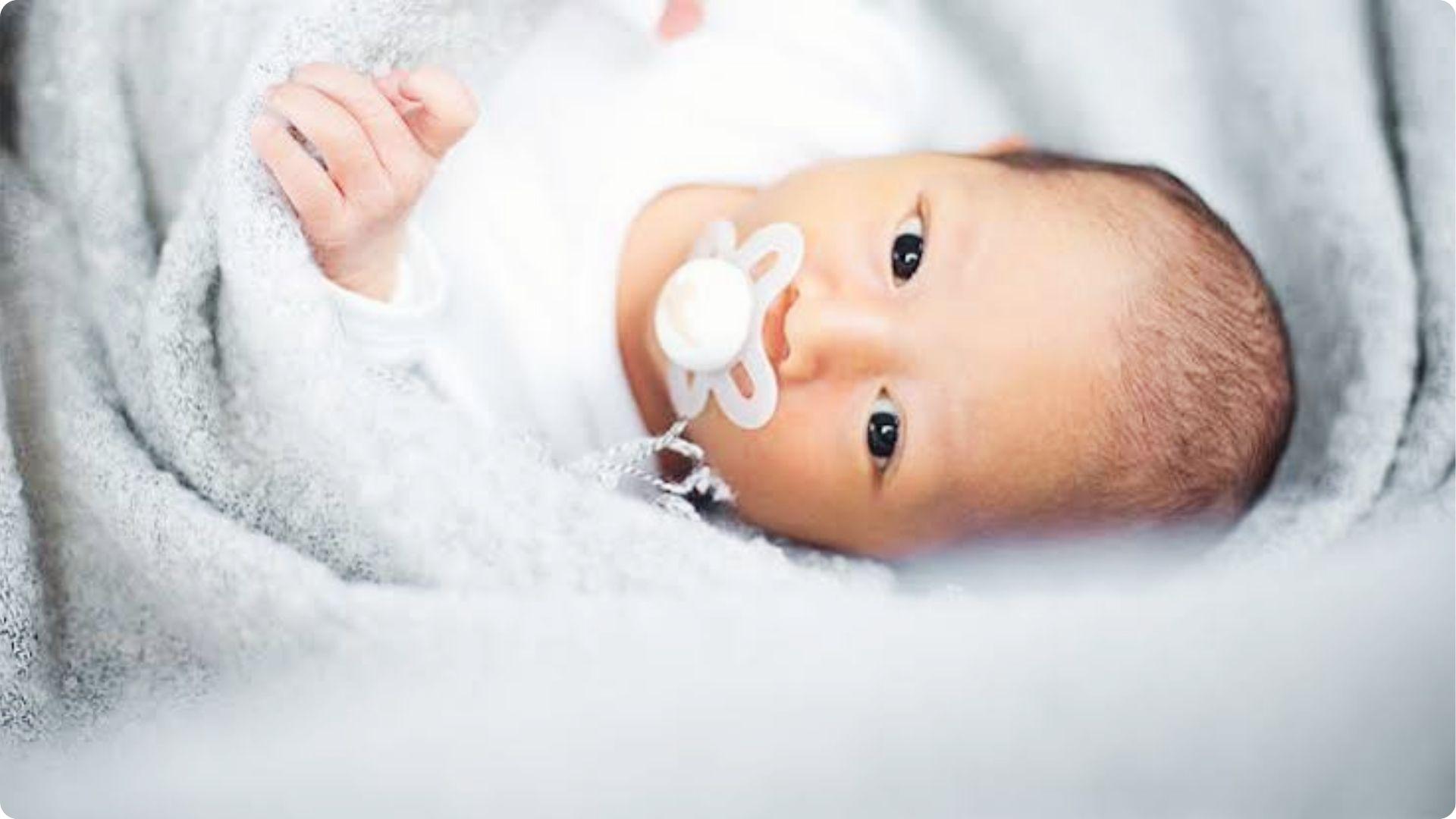
Yes, pacifiers can be safe for newborns when used correctly, but there are some important things to keep in mind.
For healthy, full-term newborns who are formula-fed, a pacifier can be offered right away. For breastfed newborns, waiting a few weeks is often recommended to avoid any impact on feeding.
Safe use means choosing a pacifier that is the right size for a newborn, keeping it clean, and checking it regularly for damage.
Always choose a BPA-free pacifier to avoid any exposure to harmful plastics. Never attach a pacifier to a cord or string around a baby's neck, and avoid dipping it in anything sweet.
If your newborn has any feeding difficulties, is not gaining weight well, or is showing signs of poor latch, speak to a healthcare professional before introducing a pacifier. In these cases, it is important to rule out any underlying feeding issues first.
Do Pacifiers Affect Breastfeeding?
Pacifiers can affect breastfeeding, but this depends largely on how and when they are used.
The biggest concern is using a pacifier to delay or skip feeds. In the early weeks, your milk supply is built by how often your baby nurses.
If a pacifier is used to settle a baby who is actually hungry, it can lead to fewer feeds, which in turn reduces milk production.
It is important to learn your baby's hunger cues. Signs like rooting, sucking on hands, or turning the head side to side usually mean your baby wants to feed.
If you offer a pacifier at this point instead of the breast, it may mask hunger rather than solve it.
For breastfeeding parents who want to use a pacifier, the practical advice is to wait until feeding is going well, never use it to delay a feed, and always respond to hunger cues first.
Offering the pacifier after or between feeds, rather than instead of them, is a much safer approach.
If you notice any signs of nipple confusion or your baby is struggling to latch after pacifier use, pause and speak to a lactation consultant.
Can Pacifiers Reduce the Risk of SIDS?

Research does suggest an association between pacifier use during sleep and a lower risk of SIDS, and for this reason, several major health organisations acknowledge it as something parents may want to consider.
However, it is important to understand that a pacifier alone does not make sleep safe. A safe sleep environment must always be in place alongside pacifier use.
This means placing your baby on their back on a firm, flat mattress, keeping the sleep area free from soft bedding, pillows, and toys, and making sure the room temperature is comfortable.
These practices work together, and none of them should be skipped.If the pacifier falls out after your baby has fallen asleep, you do not need to replace it.
Research suggests the protective effect may be linked to the sucking at the start of sleep rather than throughout the night. You do not need to keep checking on your baby to put the pacifier back in once they are asleep.
How to Choose a Safe Pacifier for Your Baby
Not all pacifiers are the same. Choosing the right one makes a real difference to both safety and how well your baby takes to it.
- Choose the right size for your baby's age. Pacifiers come in newborn, zero to six months, and six months and older sizes. Using the wrong size can cause discomfort or become a choking risk, so always check the age range on the packaging and move up as your baby grows.
- Always go for a one-piece design where the nipple and shield are moulded together as a single unit. Two-piece pacifiers can come apart in your baby's mouth, which is a serious choking hazard.
- Check that the shield is wide enough to sit flat against your baby's face without fitting entirely into the mouth. It should also have ventilation holes to allow airflow, which helps prevent skin irritation and moisture buildup around the lips.
- Look at the nipple material before buying. Silicone is firm, odour-free, and easy to clean, making it a practical everyday choice. Latex is softer but can trigger allergic reactions in some babies and tends to break down faster with regular use. If dental development is a concern, ask your dentist about orthodontic pacifier designs, which are shaped to put less pressure on the palate.
- Make sure the pacifier is labelled BPA-free. This confirms the plastic used in the shield meets basic safety standards for baby products.
- Avoid pacifiers with decorations, charms, or any attachments. These extras can loosen over time and become a choking risk. A plain, simple design with no removable parts is always the safer option.
How to Use a Pacifier Safely
Using a pacifier safely involves more than just handing it to your baby. There are a few habits worth building from the start.
Keep the Pacifier Clean
Before the first use and regularly after that, clean the pacifier by washing it with warm soapy water and rinsing well.
For newborns, sterilising is recommended. As your baby gets older, washing with soap and water is usually enough.
Avoid cleaning a pacifier by sucking on it yourself. Research has found that this practice can transfer bacteria from your mouth to your baby and has been linked to changes in the baby's oral microbiome that may increase the risk of cavities later on.
Check for Cracks, Tears, or Damage
Before giving your baby a pacifier, pull the nipple in different directions and check for any signs of cracking, tearing, or stickiness.
A damaged pacifier can break apart in your baby's mouth, which is a serious safety risk.
Replace Worn-Out Pacifiers
Even if a pacifier looks fine, it is worth replacing it every four to six weeks with regular use. The material can degrade over time, especially with frequent washing and sterilising.
A fresh pacifier is always safer than one that has been used for months.
Never Dip a Pacifier in Honey or Sweet Foods
Honey should never be given to babies under one year old, including on a pacifier.
It carries a risk of infant botulism, a serious bacterial illness that can be life-threatening for infants whose immune and digestive systems are not yet mature enough to handle the spores.
Dipping a pacifier in sweet foods or drinks also encourages a preference for sweetness and can damage developing teeth.
Use Pacifier Clips Safely
Pacifier clips can be useful for keeping a pacifier within reach, but they must be used safely.
Never attach a clip to a cord, ribbon, or string long enough to wrap around your baby's neck. Look for clips specifically designed for this purpose, with a short and secure attachment.
Never clip a pacifier to your baby's clothing during sleep. This is a strangulation risk.
Can Babies Sleep With a Pacifier?

Yes, babies can sleep with a pacifier, and offering one at the start of sleep is something many healthcare providers consider reasonable, particularly given the research around SIDS.
During naps and nighttime sleep, you can offer the pacifier as your baby is settling. Once they are asleep, you do not need to keep the pacifier in their mouth, and you do not need to replace it if it falls out.
Do not attach a pacifier to your baby's clothing or sleep space during sleep. This includes clips, cords, or soft toys that hold the pacifier in place.
If your baby consistently wakes when the pacifier falls out and cannot settle without it, this is worth thinking about over time. While it is very common in young babies, encouraging other ways to self-soothe as your baby grows can help reduce night waking.
Pacifier vs Thumb Sucking: Which Is Better?
Both pacifiers and thumb sucking meet the same need for non-nutritive sucking. Each comes with its own set of advantages and drawbacks.
| Factor | Pacifier | Thumb Sucking |
| Ease of stopping | Easier, parents control access and can remove it gradually | Harder, children can suck their thumb anywhere, anytime |
| Effect on teeth | Less intense pressure on the palate, lower risk with early weaning | More intense pressure, greater effect on teeth and jaw alignment |
| Parental control | High, parents decide when it is offered and taken away | Low, children self-soothe without any parental input |
| Weaning outcome | More manageable to phase out over time | Much harder to limit or stop once the habit is set |
| Hygiene | Can be cleaned and replaced regularly | Thumb touches surfaces constantly and cannot be removed |
When Should You Stop Giving Your Baby a Pacifier?
There is no single age when every child should stop using a pacifier, but most guidance suggests starting to reduce use around six to twelve months and stopping by age two or three at the latest.
After six months, the risk of middle ear infections rises with frequent use.
From a dental perspective, the AAPD recommends weaning by age three, as most bite changes can still reverse on their own if the habit ends before permanent teeth come through.
Signs it may be time to start include heavy dependence on the pacifier for comfort, repeated night waking when it falls out, or early changes to bite or tooth alignment.
How to Wean Your Baby Off a Pacifier
Stopping pacifier use does not have to happen all at once. A slow, steady approach works well for most children.
Reduce Pacifier Use During the Day
Start by limiting when the pacifier is available. If your child currently uses it throughout the day, begin by offering it only during certain times, such as when they are tired or upset.
Gradually narrow down those occasions so the pacifier becomes less of a habit and more of an occasional comfort.
Limit the Pacifier to Sleep
Once daytime use is reduced, try keeping the pacifier for sleep times only. Many children accept this boundary easily if it is introduced gradually rather than all at once.
Once your child is comfortable with sleep-only use, you can then start working on removing it from sleep as well.
Offer Other Ways to Self-Soothe
Help your child develop other ways to feel calm and secure. This might include a soft toy or comfort blanket they can hold, a consistent bedtime routine that signals sleep without relying on the pacifier, or extra cuddles and reassurance during the transition.
Some families also find that white noise or gentle rocking helps their child settle without the pacifier, particularly in the early days of weaning.
The goal is not to leave your child without comfort, but to shift that comfort away from the pacifier and toward other things.
Use a Gradual Weaning Approach
For older toddlers, a slow and gentle approach usually works better than stopping suddenly.
Some families find success with methods like the pacifier fairy, where the child gives up their pacifiers voluntarily in exchange for something special. Others simply cut down use very slowly over a few weeks.
There is no single method that works for every child. The key is to stay consistent and patient, and not to reintroduce the pacifier once you have made progress.
What Pacifier Mistakes Should Parents Avoid?
A few common mistakes can make pacifier use less safe or harder to stop over time.
- Never use a pacifier to delay a feeding. Always respond to hunger cues first and offer the pacifier only after or between feeds, not instead of them.
- Always use the correct pacifier size for your baby's age. A size that is too small can become a choking risk as your baby grows.
- Check the pacifier before every use and replace it immediately if you spot any cracks, tears, or stickiness.
- Clean and store pacifiers properly. Wash with soap and warm water, sterilise for newborns, and keep spares in a clean covered container. Never clean a pacifier in your own mouth.
- Never attach a pacifier with a cord or ribbon during sleep, and never dip it in honey or anything sweet, as both carry serious safety risks.
When Should You Ask a Pediatrician About Pacifier Use?
There are times when it is worth getting professional advice rather than managing pacifier-related concerns on your own.
Talk to your paediatrician if you notice any of the following:
Feeding difficulties or poor weight gain: If your baby does not seem satisfied after feeding or is not gaining weight as expected, a pacifier may be masking hunger. This needs to be assessed by a healthcare professional.
Breastfeeding concerns:If breastfeeding feels difficult, painful, or your baby is struggling to latch, sorting out the feeding relationship first is important before introducing a pacifier.
Repeated ear infections: If your baby or toddler is getting ear infections regularly, it is worth discussing whether pacifier use may be a contributing factor.
Dental or bite concerns: If you notice changes to how your child's teeth sit or how their bite looks, ask your dentist or paediatrician for guidance on reducing or stopping pacifier use. In some cases, a referral to a pediatric dentist may help.
Difficulty stopping pacifier use: If your child is past the recommended age and you are struggling to wean them off, your paediatrician can offer practical strategies and, if needed, refer you to a specialist.
Conclusion
Pacifiers are a helpful tool for many families when used with care and in the right context.
They can soothe babies, support sleep, and may reduce the risk of SIDS, but they also come with some downsides that are worth taking seriously.
Being informed about when and how to use a pacifier means you can get the benefits while keeping risks low.
If this guide helped you, share it with a parent who could use it, drop a comment with your own experience, or check out our related articles on newborn sleep and safe-sleep practices.
The more confident you feel, the better decisions you can make for your baby.