Choosing between a baby swing and a bouncer can feel confusing when both promise to calm your baby and give you a few free minutes. This article breaks down the baby swing vs bouncer debate so you know exactly what each one offers.
You will also learn where a rocker fits into the picture, since it often comes up as a third option on baby registries. You will learn how they work, their pros and cons, and which option fits your baby's needs best.
Many parents struggle with this decision because store listings rarely explain the real differences. This guide compares both options side by side so you can make a confident choice for your family and budget.
What Is a Baby Swing?

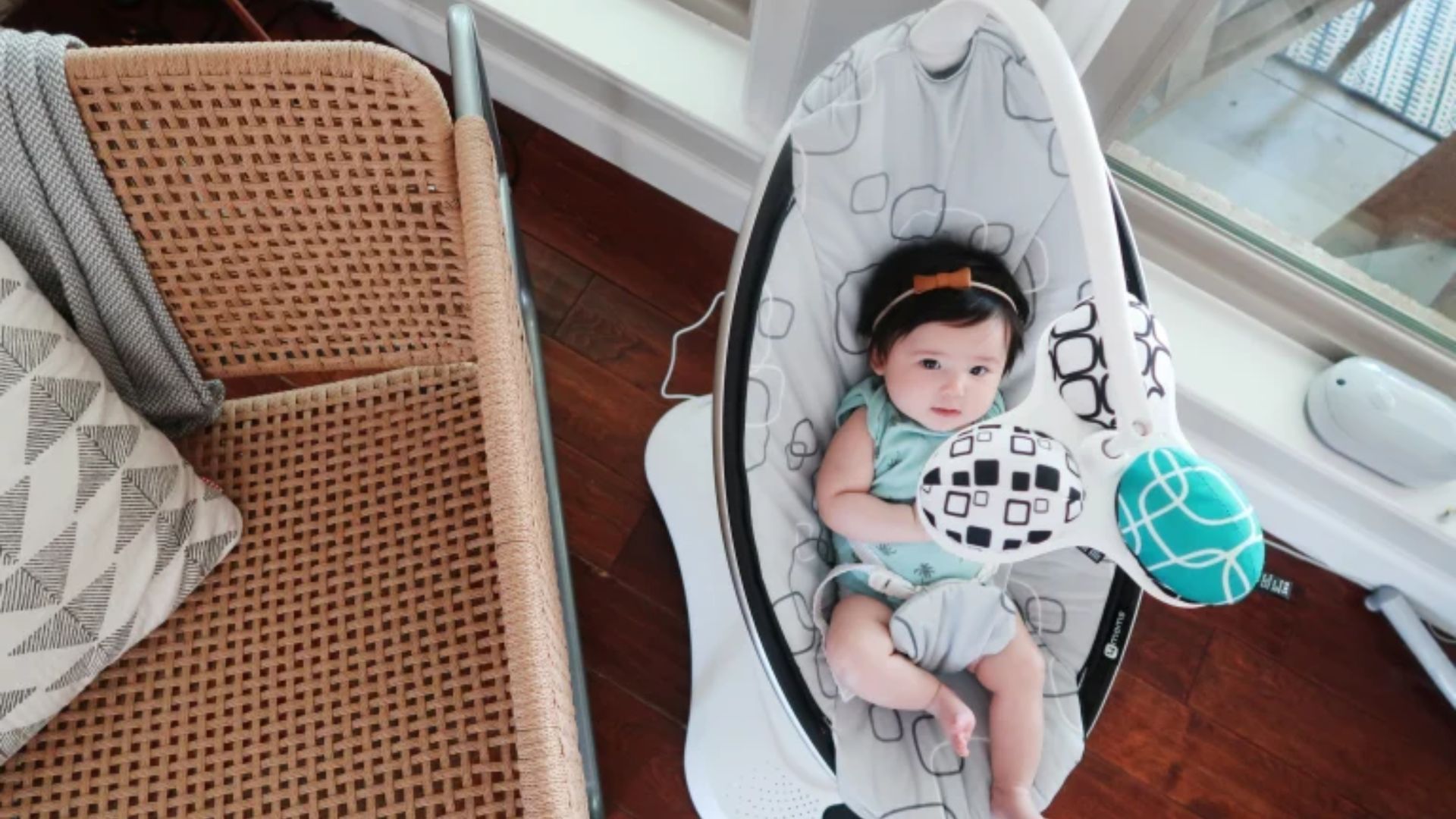
A baby swing is a seated device that rocks back and forth to help calm a baby.
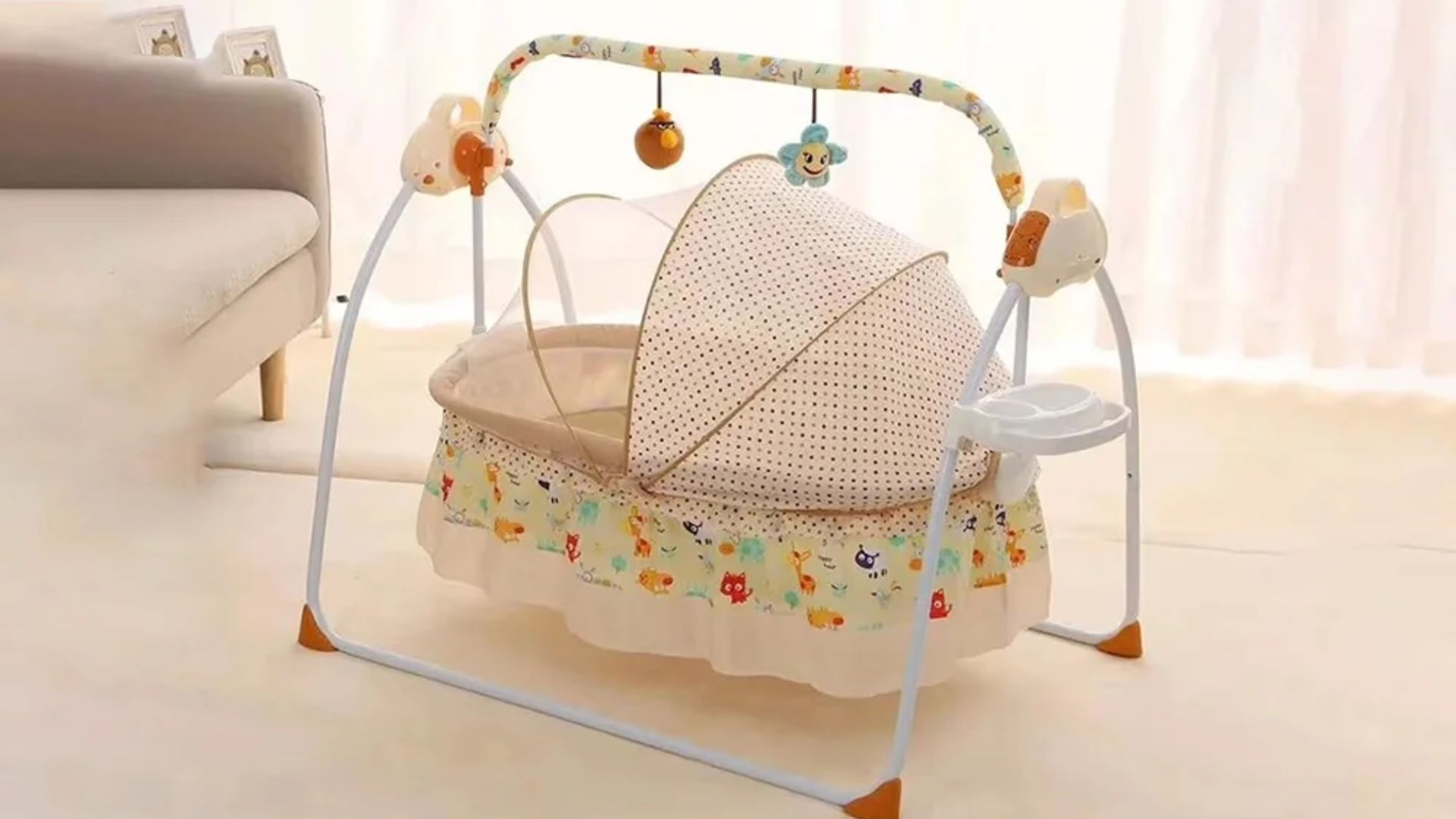
Most swings run on batteries or a plug and move the seat in a steady rocking pattern, with many models offering multiple speed settings, vibration, white noise or other sound options, and even mobiles to keep baby engaged.
They often include reclining seats and timers too, along with calming sounds like white noise or lullabies. A steady rocking motion can also feel familiar to a newborn who spent months being moved around in the womb, which is part of why swings work so well for soothing.
They do a great job for longer stretches of calming, but they take up more floor space and are harder to move between rooms.
What Is a Baby Bouncer?
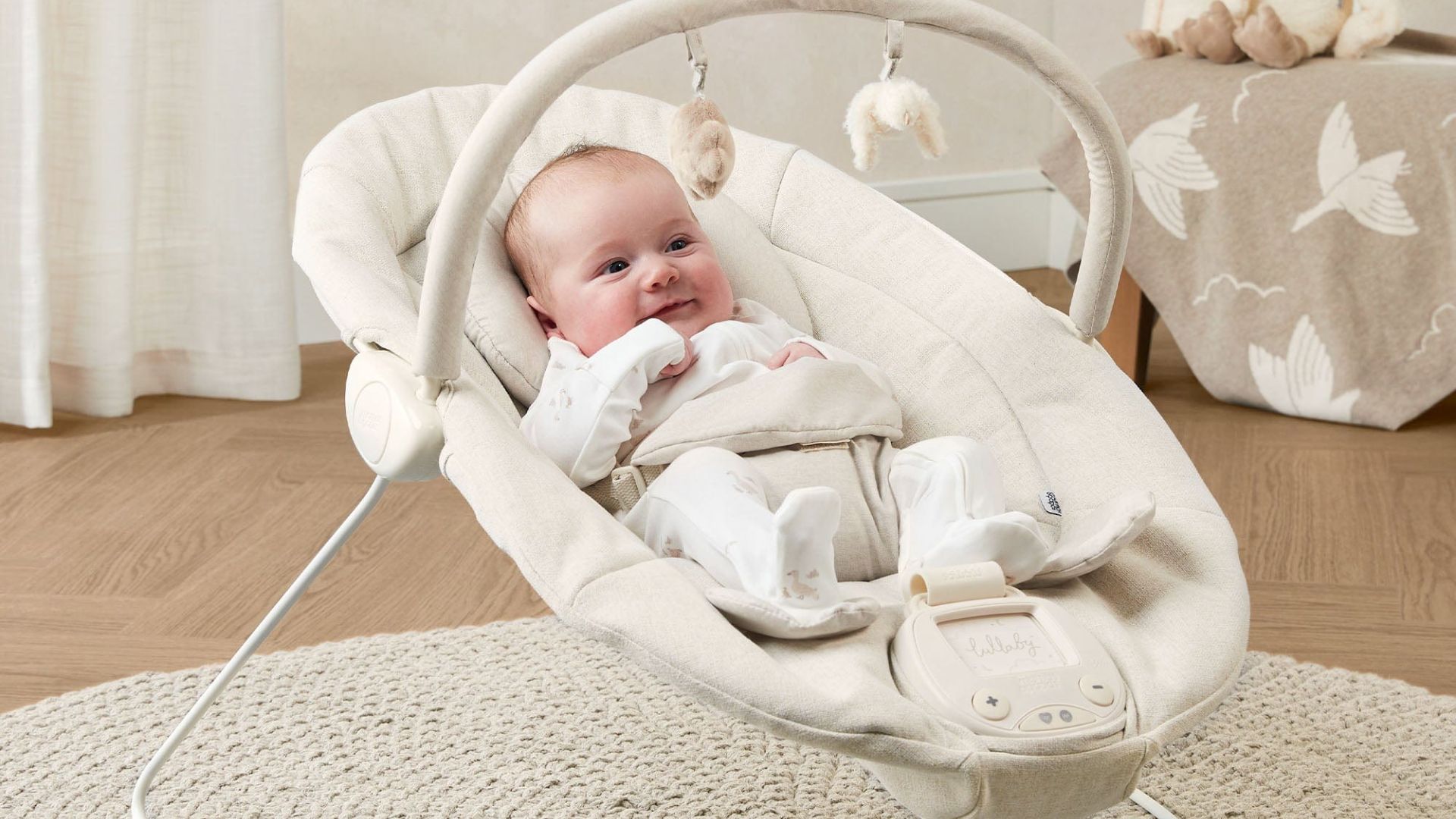
A baby bouncer is a lightweight seat that bounces gently based on baby's movement or manual rocking.Bouncers use a curved frame or spring base that responds to a baby's kicks and wiggles, and some models add vibration or gentle manual bounce features for extra comfort.
They are usually lighter, foldable, and easy to carry from room to room, which makes them a practical pick for busy households.
Many also come with an adjustable recline and a toy bar that can extend their use as baby gets older. They may not soothe as strongly as a swing, but they work well for short naps and quick calming sessions during the day.
Baby Swing vs Bouncer: Side-by-Side Comparison
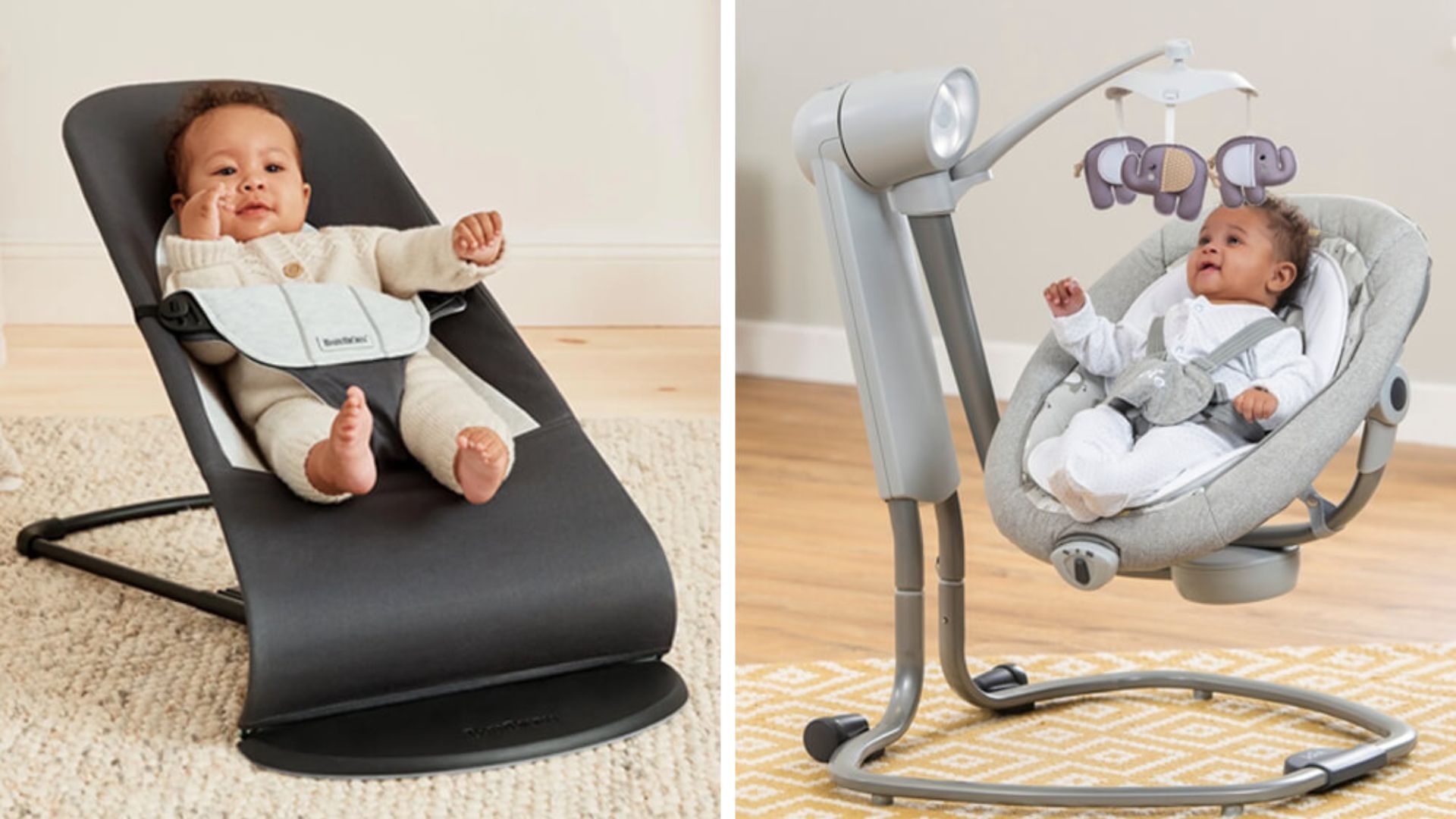
Comparing both products side by side makes it easier to see where each one shines.
| Feature | Swing | Bouncer |
| Motion & Soothing | Steadier motion, better for longer soothing sessions | Lighter movement, better for quick calming or playtime |
| Comfort & Seating | Deeper, more cushioned seats with recline options | Slight incline, works well for supervised awake time |
| Safety & Stability | Wider base for added stability | Lightweight frame, needs a flat, secure surface to prevent tipping |
| Portability & Storage | Stays in one spot due to larger frame and weight | Folds up easily, stores in tight spaces or car trunks |
| Power Source | Usually needs batteries or a power cord for motion settings | Typically relies on baby's movement, though some offer battery-powered vibration |
| Size & Space Requirements | Takes up more permanent floor space | Compact, easy to move around the house |
| Price & Value | Higher price tag due to motorized features and added functions | Lower upfront cost |
Pros and Cons of a Baby Swingand Baby Bouncer
Each option comes with its own set of strengths and tradeoffs worth weighing before you buy.
| Baby Swing | Baby Bouncer | |
| Pros | Frees up a parent's hands during meal prep, chores, or short breaks | Easy to move from the kitchen to the living room for supervision |
| Steady motion often helps fussy babies settle down faster | Simple, lightweight design for everyday convenience | |
| Cons | Takes up more room and usually costs more | May not calm a baby as effectively during colic episodes |
| Often needs batteries or outlet access to run | Parents must always follow weight limits closely | |
| Some babies may become dependent on the motion to fall asleep | Not meant for extended unattended use |
Baby Swing vs Bouncer: Which Is Better for Different Situations?
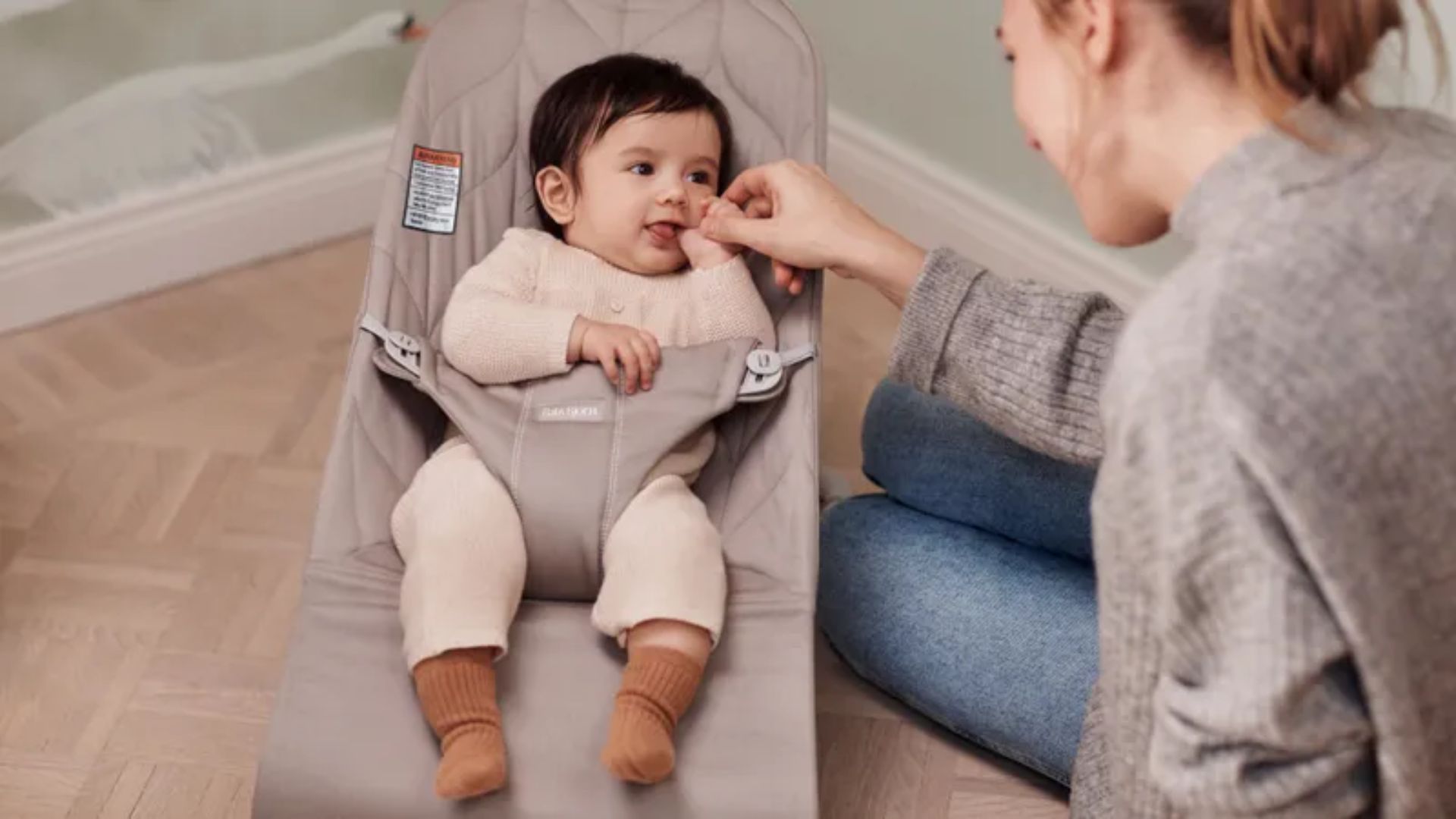
The right choice depends on your baby's needs. Swings work well for fussy or colicky babies since the steady motion mimics longer stretches of rocking, while bouncers with proper recline and head support suit newborns and younger infants better. Always check age and weight guidelines first.
If space is tight or you travel often, a bouncer is the better pick since it folds flat and takes up far less room. For keeping baby entertained, swings with attached mobiles work well for awake time, though many bouncers include simple toy bars too.
Both options free up your hands, but a bouncer's portability makes it easier to keep the baby close while you move around the house.
For babies with reflux, an upright or slightly inclined bouncer can help with comfort after feeding, though it's best to check with your pediatrician first.
How to Choose Between a Baby Swing and a Bouncer
A few key factors can help narrow down the right choice for your family.Start by checking the product's age and weight limits before buying, since some models are only safe for younger infants. From there, think about your baby's preferences and temperament.
Some babies prefer strong, steady motion, while others respond better to light bouncing, and every baby has their own temperament, so watching how your baby reacts to each can guide your decision.
Your budget and available space matter too. If space and cost are tight, a bouncer is usually the more practical option, but if soothing power matters more, a swing may be worth the extra cost.
Finally, think about your daily routines and lifestyle, including where and when you will use the seat most, whether that is calming a fussy baby at night or keeping baby close during daytime chores.
Can You Use Both a Baby Swing and a Bouncer?

Many parents find that owning both products, or even adding a rocker, covers more situations than picking just one.
If you have the budget and space, having both a swing and a bouncer gives you options for different moods, times of day, and locations around the house.
That said, owning both does not mean baby should live in either seat. Avoid leaving the baby in either seat for too long at once, and switch between tummy time, floor play, and seated time to help support healthy development.
Baby Swing vs Bouncer Safety Guidelines
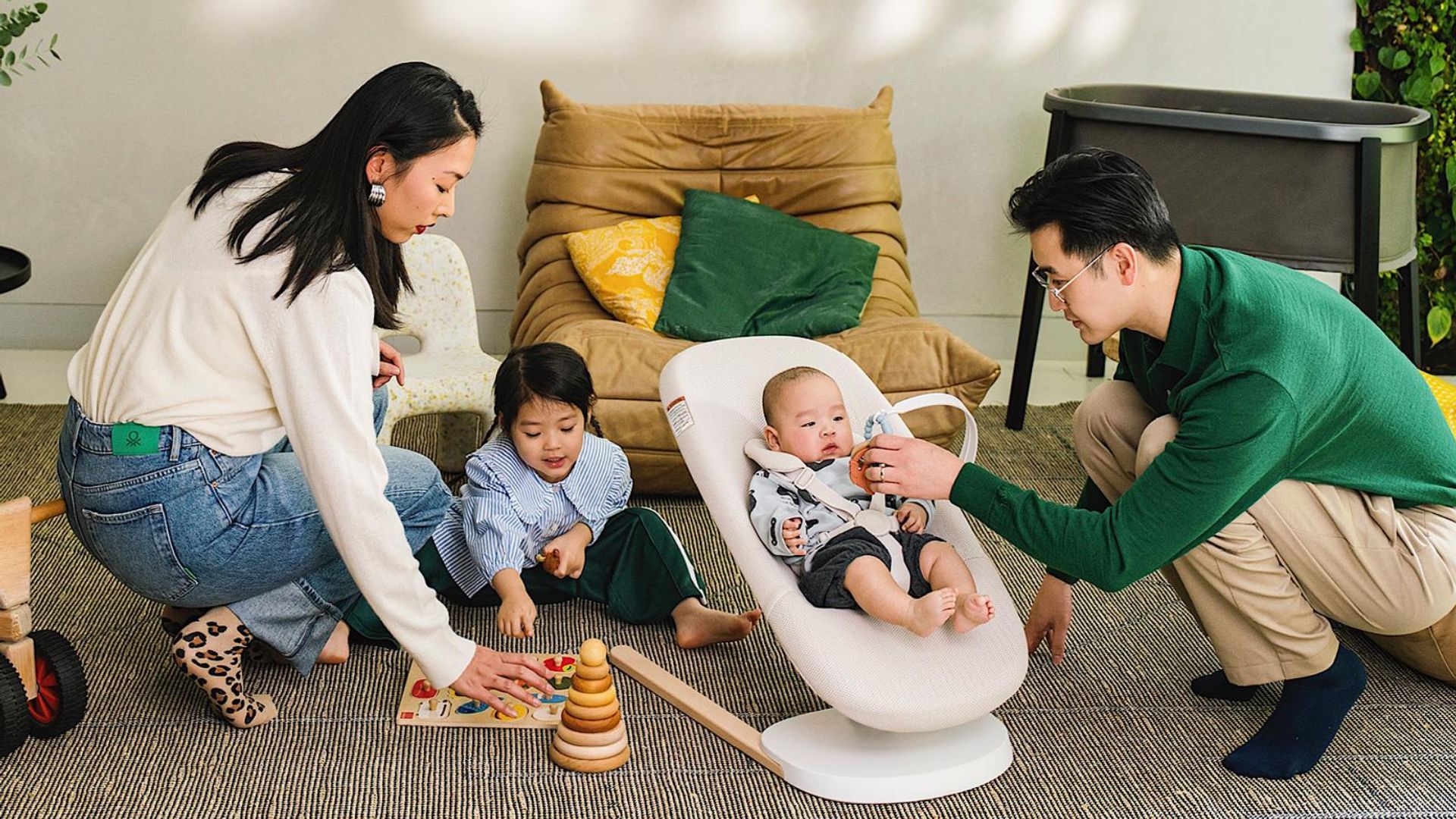
Safety should always come first no matter which product you choose.
Swings and Bouncers Are Not Designed for Unsupervised Sleep
The American Academy of Pediatrics is clear on this point, so always move the baby to a flat, firm sleep surface for naps and nighttime sleep. Falling asleep in an inclined or reclined seat can increase the risk of positional asphyxia, especially in younger infants.
Proper Harness Use and Supervision
Always buckle the harness correctly and stay within sight of your baby while they are in the seat. Never leave the room, even briefly, since babies can shift position quickly and unexpectedly.
Weight Limits and Manufacturer Guidelines
Check the weight and age limits listed on the product before each use, since exceeding them can affect safety and stability. Using the seat beyond its recommended limits can also void the manufacturer's warranty.
When Your Baby Has Outgrown the Seat
Watch for signs like slouching, reaching the weight limit, or trying to climb out, which all signal it is time to stop using the seat. Continuing to use a seat your baby has outgrown increases the risk of tipping or falling.
Common Mistakes Parents Make When Using Swings and Bouncers
These small slip-ups are easy to make but simple to avoid once you know about them.
- Leaving baby unattended for long periods:Both products need supervision, even if your baby seems calm and settled.
- Ignoring weight and age limits:Using a seat past its limit can affect stability and put your baby at risk.
- Using the seat as a regular sleep spot:Swings and bouncers are not safe substitutes for a crib or bassinet during sleep.
- Skipping the harness:Some parents skip buckling the straps for short sessions, which can lead to falls or slipping.
Expert Tips for Getting the Most Out of Baby Swings and Bouncers
A few simple habits can help both products work better and last longer.
- Rotate between seated time and floor time: This supports muscle development and prevents baby from spending too much time in one position.
- Introduce the seat slowly:Some babies need a few tries before they feel comfortable in a swing or bouncer.
- Keep sessions short and supervised:Limit time in either seat to short stretches rather than long periods throughout the day.
- Clean the seat regularly:Wipe down fabric and straps often, especially after feedings or spit up.
Conclusion
Deciding between a baby swing and a bouncer comes down to your baby's needs, your space, and how you plan to use it each day.
Swings offer stronger soothing motion, while bouncers give you a lighter, more portable option for everyday moments, and a rocker can round out the mix if your budget allows. Whatever you choose, keep safety guidelines in mind and watch how your baby responds.
If this guide helped clear up the baby swing vs bouncer debate, share it with another parent who might be deciding too, and leave a comment with any questions you still have.
Frequently Asked Questions
Can a baby swing or bouncer help with gas or bloating?
Gentle motion may help some babies pass gas more easily, but neither product treats gas directly or replaces medical advice.
Is it safe to feed a baby in a swing or bouncer?
Feeding in these seats is generally not recommended due to choking risk. Always feed baby upright and supervised in a proper position.
How many hours a day should a baby use a swing or bouncer
Experts recommend limiting seat time to short sessions, generally no more than 30 to 60 minutes at a time throughout the day.
Do swings or bouncers help with tummy time development?
No, both products limit movement. Babies still need supervised tummy time on the floor to build strength and motor skills.
Can twins share one swing or bouncer?
No, each baby needs their own separate seat to meet weight limits, safety harness requirements, and proper support.