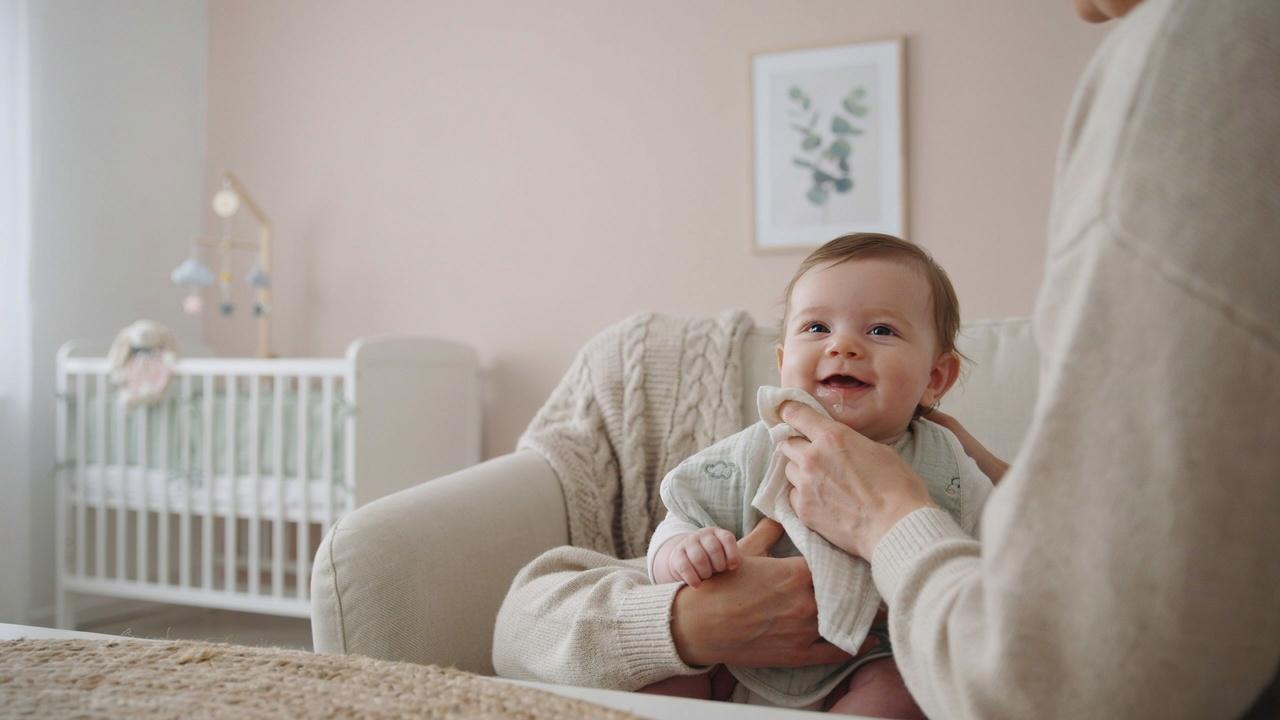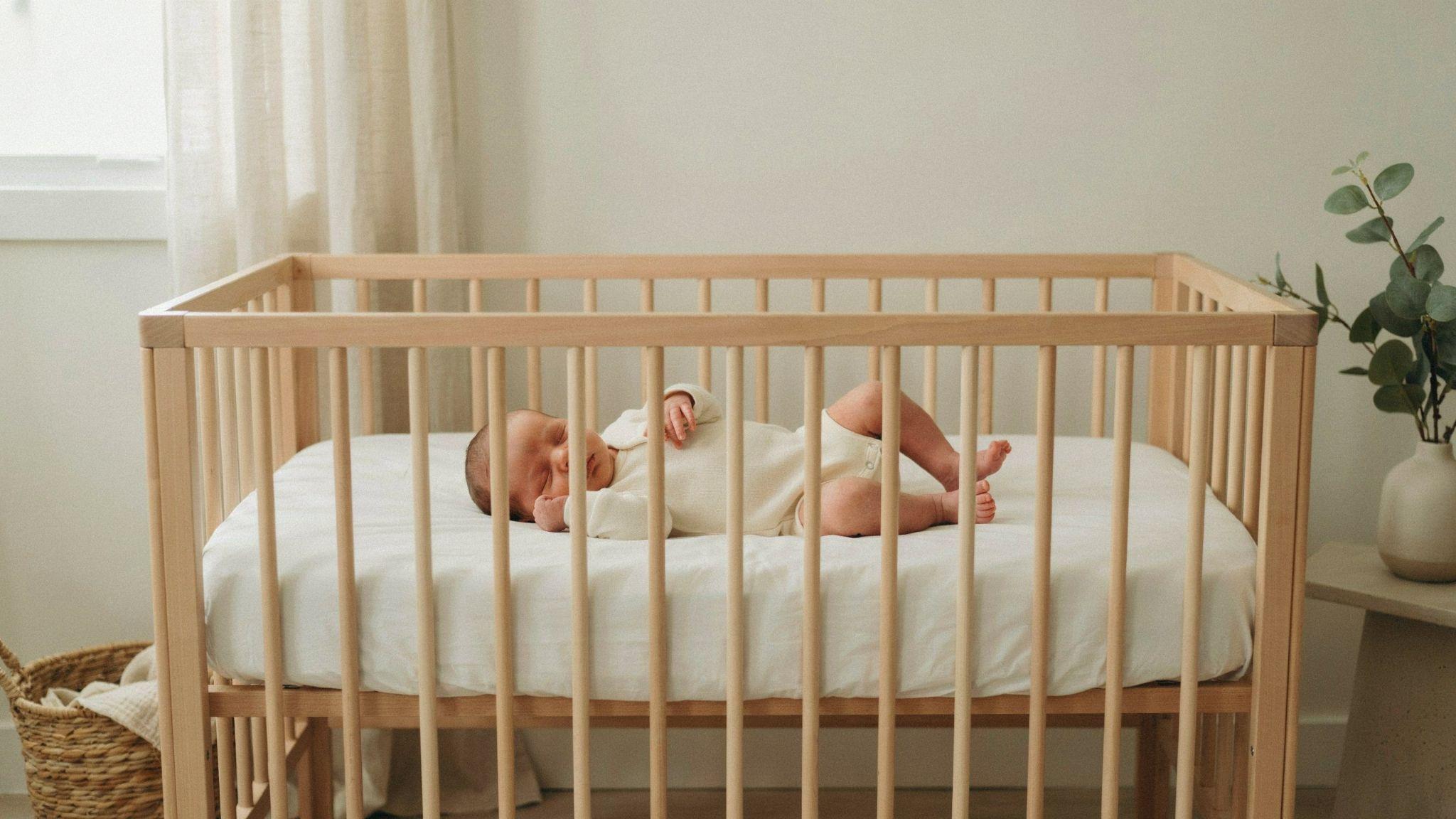
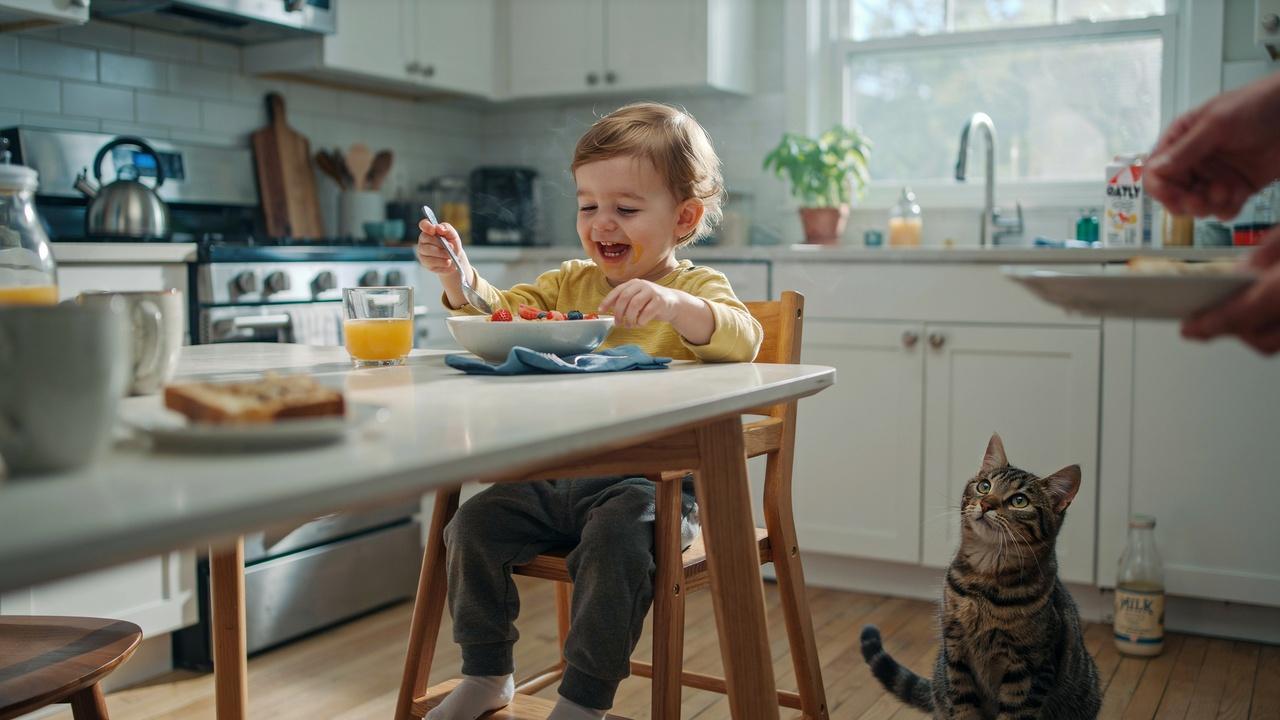
Some days with a 2-year-old feel smooth. Other days feel like everything falls apart before 9 AM.
A daily schedule will not fix every hard moment. But it will make the good days happen more often.
In this blog, you will find sample daily schedules for 2-year-olds at home, in daycare, and in classroom settings.
You will find the right meal timing, nap windows, and play time your child needs each day. All of it is backed by trusted sources like the American Academy of Pediatrics and the American Academy of Sleep Medicine.
Routines and 2-Year-Old Development: What Research Says
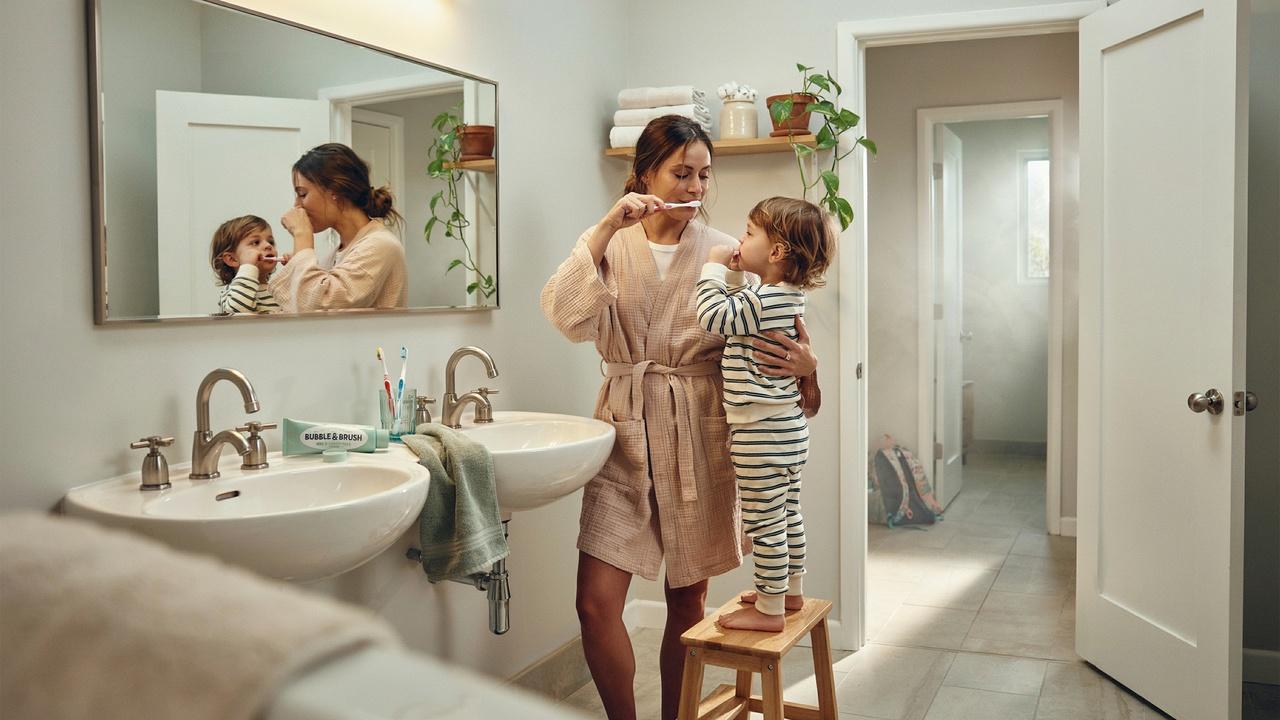
A 2018 study published in Sleep Medicine Reviews looked at bedtime routines across multiple countries. It found that children with a consistent nightly routine fell asleep faster, woke less during the night, and slept longer overall.
The American Academy of Pediatrics confirms thatpredictable daily schedules support emotional, cognitive, and social development in toddlers.
When a 2 year old knows what comes next, their brain feels safe. That safety reduces stress, cuts down on meltdowns, and builds better focus through the day.
Consistent routines also support a toddler's circadian rhythm, the internal body clock that regulates when they feel sleepy or alert. When meals, naps, and bedtime happen at roughly the same time each day, the body starts to prepare for each one naturally.
Why 2 Year Olds Melt Down More Without a Schedule
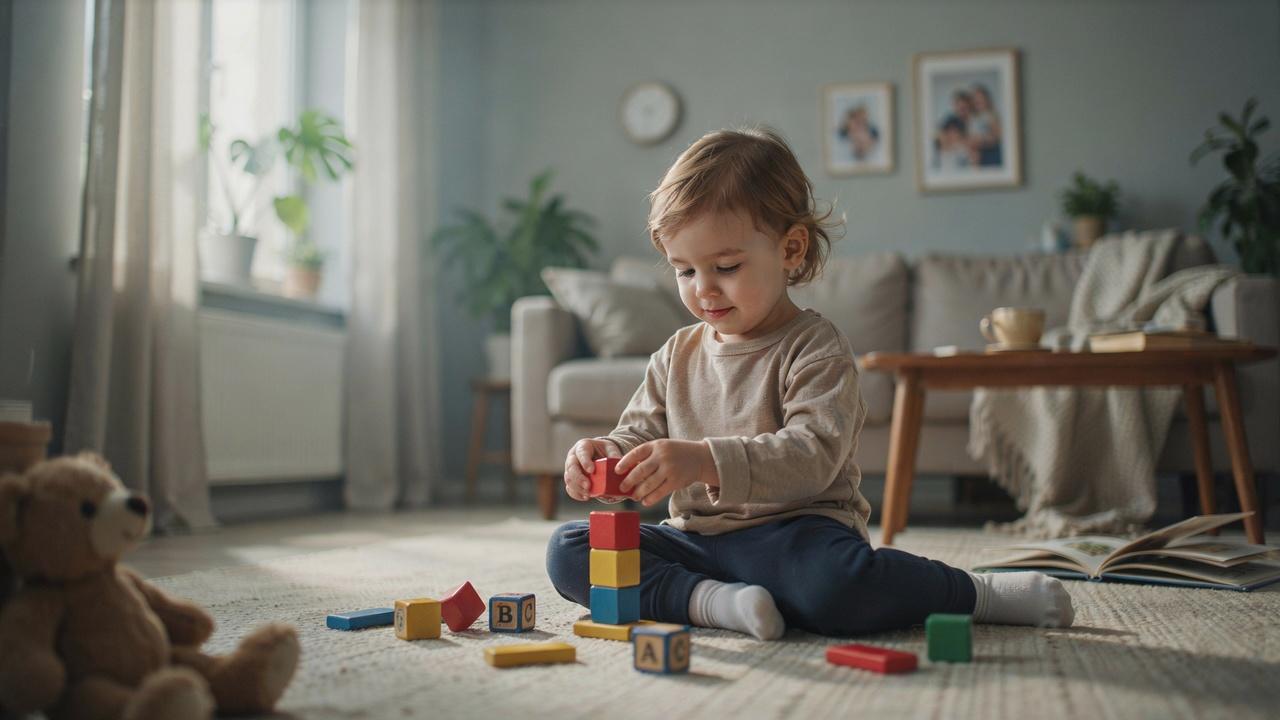
Toddlers live in a world where almost everything is out of their control. They cannot choose when to eat, sleep, or go out.When the day feels unpredictable, their only outlet is a meltdown.
A steady daily schedule gives them something to hold onto. They start to trust that lunch comes after play and sleep comes after lunch. That trust calms the nervous system.
Zero to Three, a nonprofit child development organization that partners with researchers and pediatricians across the United States, notes that toddlers with consistent daily routines develop stronger self-regulation skills over time.
Self-regulation, the ability to manage emotions and behavior, is one of the most important skills a child builds in the toddler years.
Sample Daily Schedule for 2 Year Old at Home
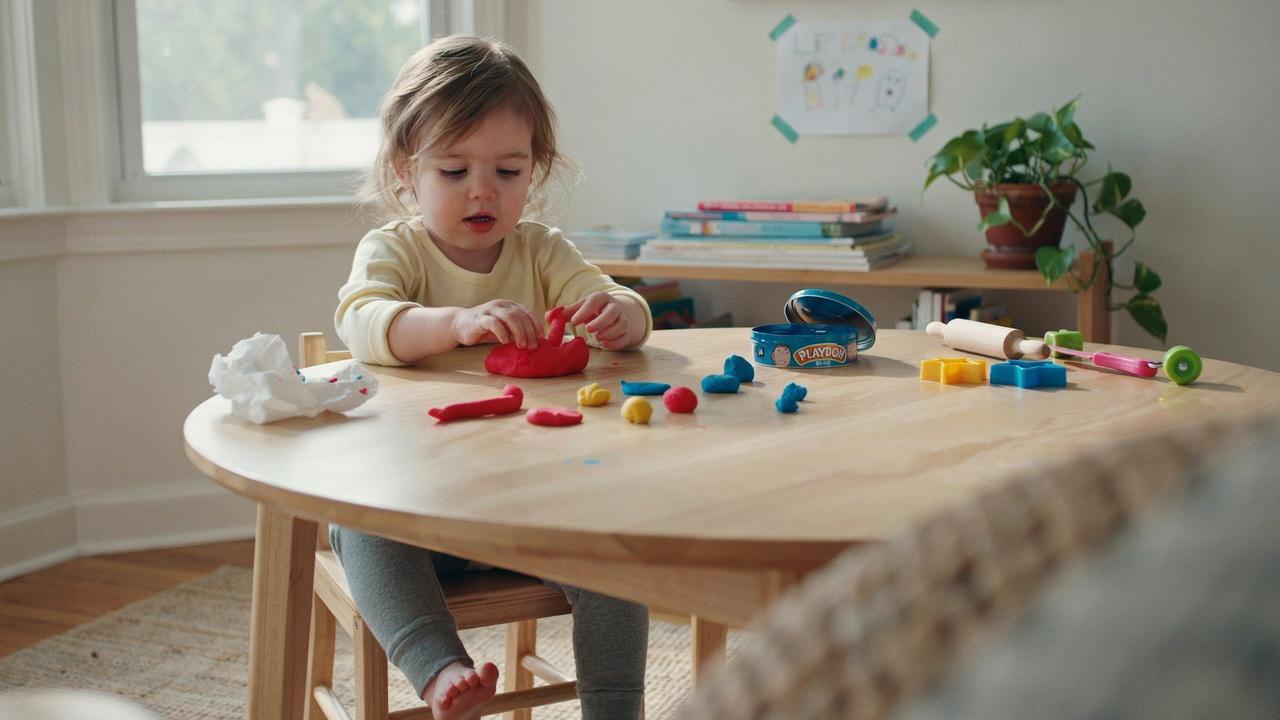
A simple flow of activities spaced around meals and nap time gives the day a clear shape that works for both the child and the parent. Use the times below as a guide.
Every child is different, so adjust based on your child's wake time, energy level, and nap length. The goal is a consistent rhythm, not a perfect clock.
Quick Reference: Sample Daily Schedule for 2 Year Old at Home
| Time | Activity |
| 7:00 AM | Wake up |
| 7:15 AM | Breakfast |
| 7:45 AM | Get dressed, brush teeth |
| 8:00 AM | Sensory play or independent play |
| 9:30 AM | Morning snack |
| 10:00 AM | Outing or outdoor play |
| 11:30 AM | Lunch and books |
| 12:30 PM | Nap time |
| 2:30 PM | Wake up, afternoon snack |
| 3:00 PM | Free play or outdoor time |
| 5:30 PM | Family dinner |
| 6:15 PM | Bath time |
| 6:45 PM | Books and wind down |
| 7:15 PM | Bedtime |
Morning Routine: Wake Up, Breakfast, and Getting Ready
Most 2-year-olds wake between 6:30 and 7:30 AM. After waking, keep things calm.Offer breakfast within 30 minutes of waking.
Let your child help wipe the table or pour from a small cup. Small tasks like these build independence and keep the morning cooperative. Then move into getting dressed and brushing teeth before the day picks up pace.
Learning and Play Time Before Noon
Between 8:00 and 11:00 AM is when toddlers are most alert and ready to engage. This is the best window for sensory play, simple activities like puzzles, color sorting, or a short outing to the park or library.
Sensory play, which includes water play, sand, or playdough, builds fine motor skills while keeping toddlers engaged without pressure.
Pretend play also fits well here. Setting up a play kitchen, a toy doctor kit, or a farm animal set gives toddlers a chance to act out real-life scenarios.
The CDC and the American Academy of Pediatrics both identify pretend play as a key driver of language development and social skills at age 2. At this age, the brain absorbs best through hands-on doing.
Independent play can also be slotted here while a parent handles morning chores nearby.
Lunch, Wind Down, and Nap Time
Serve lunch around 11:30 AM to 12:00 PM. Reading books aloud while they eat helps them stay seated and builds early language skills.
After lunch, dim the lights and slow things down. Most 2-year-olds are ready for a nap by 12:30 PM.
The American Academy of Sleep Medicine recommends that 2-year-olds get 11 to 14 hours of total sleep in 24 hours, with one daytime nap making up 1.5 to 3 hours of that total.
Most 2-year-olds can only stay comfortably awake for 4 to 6 hours at a stretch, so timing the nap too late makes settling much harder.
Afternoon Activities After the Nap
After waking from the nap, offer a small snack first.
Good afternoon snack options include:
- Fruit slices with plain yogurt
- Cheese cubes with whole grain crackers
- Cut vegetables with hummus
Then move into free play or outdoor time. A park visit, backyard play, or a simple art activity works well.
The American Academy of Pediatrics notes that child-led free play builds creativity and language skills more effectively than screen time at this age.Keep screens minimal and interaction high during this window.
Evening Routine: Dinner, Family Time, and Bedtime
Serve dinner between 5:30 and 6:00 PM. Research from the American Academy of Pediatrics shows that regular family mealtimes support language development, emotional security, and healthier eating habits in young children.
Even 20 minutes at the table together counts.
After dinner, keep the evening calm. A bath, a few books, and a consistent goodnight sequence signal to the brain that sleep is near.
The 2018 Sleep Medicine Reviews study found that children with a set bedtime routine fall asleep faster and wake less during the night. Aim for lights out by 7:15 to 7:30 PM.
Sample Daily Schedule for 2 Year Old in Daycare
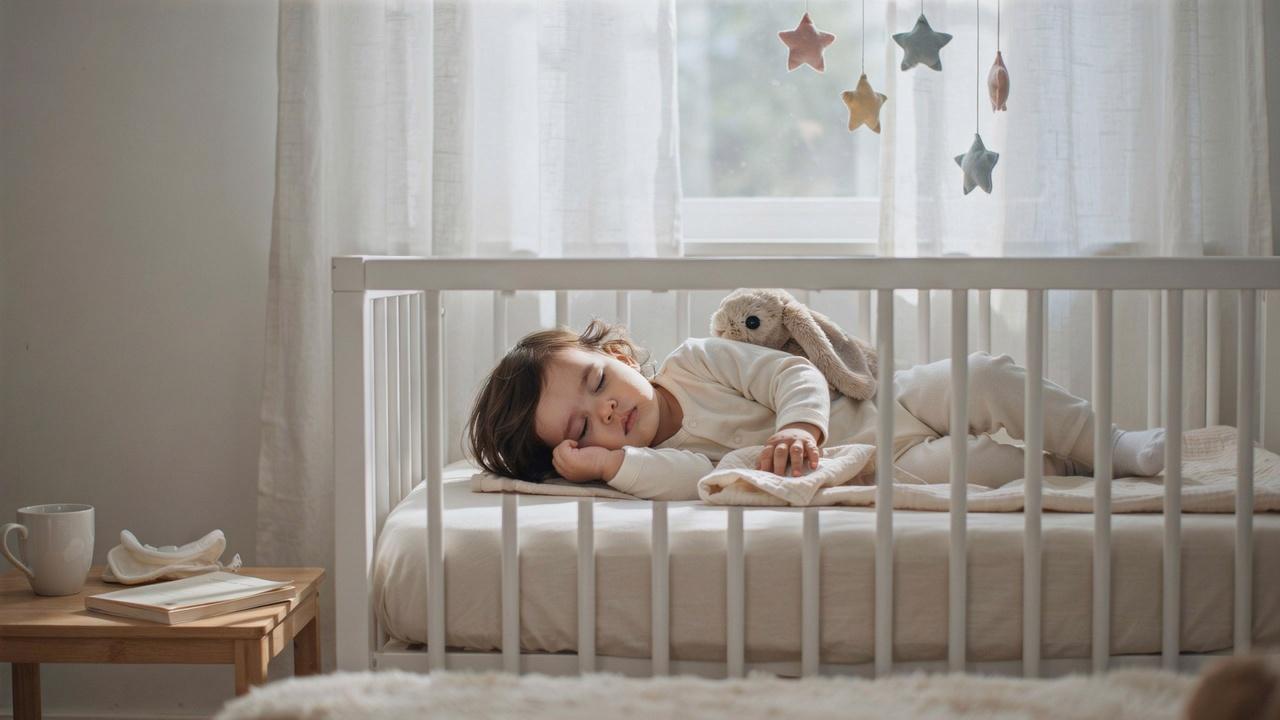
A daycare schedule follows the same core pattern of activity, food, rest, and play, but with more structure than a home routine.
Knowing what that looks like helps parents stay in sync with their child's rhythm across the whole week. It also helps to share your child's home schedule with their daycare teacher so both environments stay as consistent as possible.
When home and daycare routines align, toddlers adjust faster and behave better in both settings.
Quick Reference: Sample Daily Schedule for a 2-Year-Old in Daycare
| Time | Activity |
| 8:30 AM | Arrival, quiet play |
| 9:00 AM | Morning snack |
| 9:15 AM | Circle time |
| 9:30 AM | Teacher-led or free-choice activity |
| 10:30 AM | Outdoor play |
| 11:30 AM | Lunch |
| 12:00 PM | Nap or quiet rest time |
| 2:00 PM | Wake up, afternoon snack |
| 2:15 PM | Activity time |
| 2:50 PM | Outdoor play |
| 3:20 PM | Group time |
| 4:00 PM | Pick-up |
How Daycare Structures the Morning Hours
Most daycare programs begin between 8:30 and 9:00 AM with arrival, a light snack, and circle time.
Circle time usually includes songs, a short story, and a quick talk about the day ahead. This group routine helps toddlers feel settled and ready.
Teacher-led or free-choice activities follow, with outdoor play slotted before lunch around 10:30 to 11:00 AM. Sensory activities like water tables or sand trays are common during this free-choice window in quality daycare programs.
Afternoon Nap and Activity Time at Daycare
Lunch wraps up by 11:30 AM and quiet rest time begins by 12:00 PM. Most 2 year olds sleep for 1.5 to 2 hours.
After waking, a snack is offered around 2:00 PM, followed by art, sensory play, or outdoor time.Group time closes the afternoon before pick-up begins at 4:00 PM.
What the Evening Looks Like After Daycare
After daycare pick-up, keep the evening low-key. Your child has already had a full day of stimulation and learning.
A calm snack, some independent play at home, a family dinner, and a short wind-down routine is all that is needed.
On weekends, keep nap time and bedtime close to the weekday schedule. Big timing swings between weekdays and weekends disrupt sleep and make Monday mornings harder. Avoid overscheduling evenings, as overtiredness at this age leads directly to bedtime battles.
Good Daily Schedule for 2 Year Old Boys With High Energy
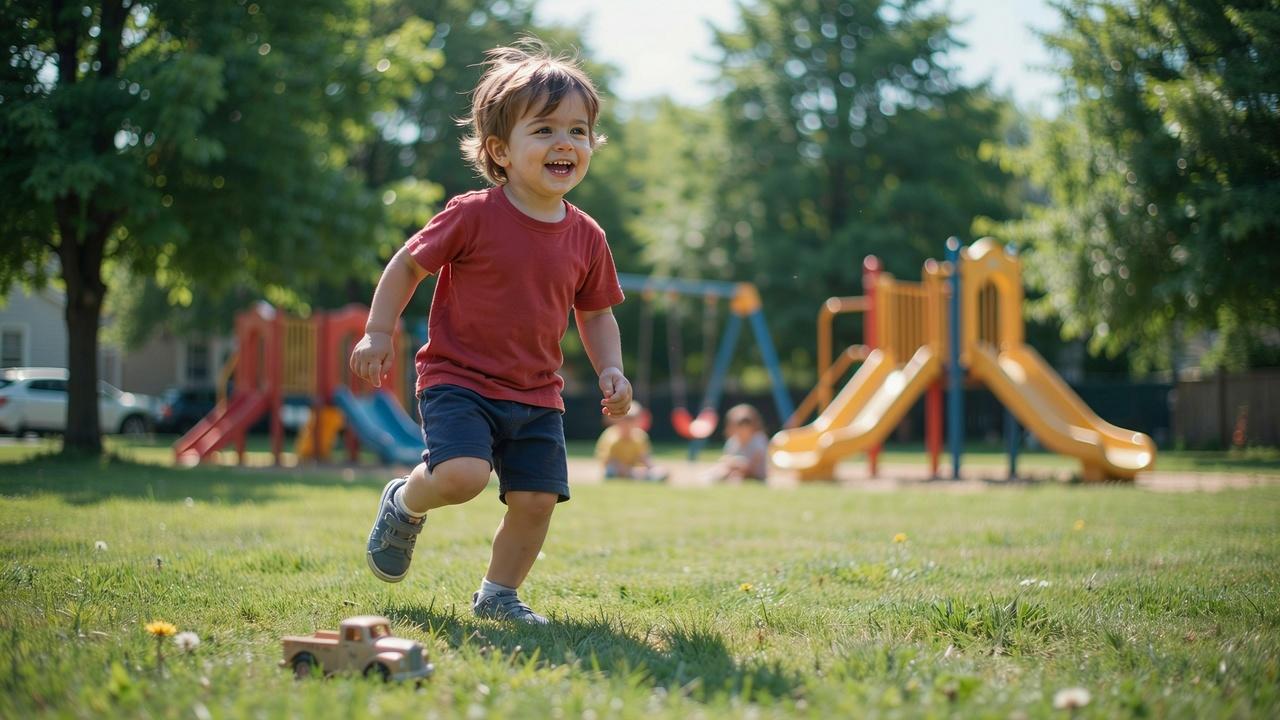
High-energy toddler boys often need more physical output than a standard home schedule provides. The core rhythm of the day stays the same, but activity choices and placement need to work harder to keep them regulated through the day.
Quick Reference: Sample Daily Schedule for High-Energy 2 Year Old
| Time | Activity |
| 7:00 AM | Wake up, breakfast |
| 8:00 AM | Outdoor play or movement activity |
| 9:30 AM | Snack |
| 10:00 AM | Park, playground, or nature walk |
| 11:00 AM | Sensory play to wind down before lunch |
| 11:30 AM | Lunch |
| 12:15 PM | Nap |
| 2:30 PM | Snack |
| 3:00 PM | Free outdoor play or backyard time |
| 5:30 PM | Dinner |
| 6:15 PM | Calm bath, books |
| 7:15 PM | Bedtime |
Slot outdoor play or movement into both the morning and afternoon. Freeze dance, running at the park, and climbing structures all help burn off energy before meals and sleep.
The CDC recommends at least 60 minutes of active physical play daily for toddlers. For high-energy children, spreading that across two or three shorter bursts works better than one long session.
Sensory play works well as a transition before nap time. Water play or sandbox time gives the body something to do while calming the nervous system.
A physical activity window around 11:00 AM followed by a short sensory wind-down makes it far easier for an active 2-year-old to settle and sleep.
Once the right activity balance is in place, the next step is making sure sleep, food, and play amounts are also right for a 2-year-old's daily needs.
How Much Sleep, Food, and Play a 2-Year-Old Needs Daily
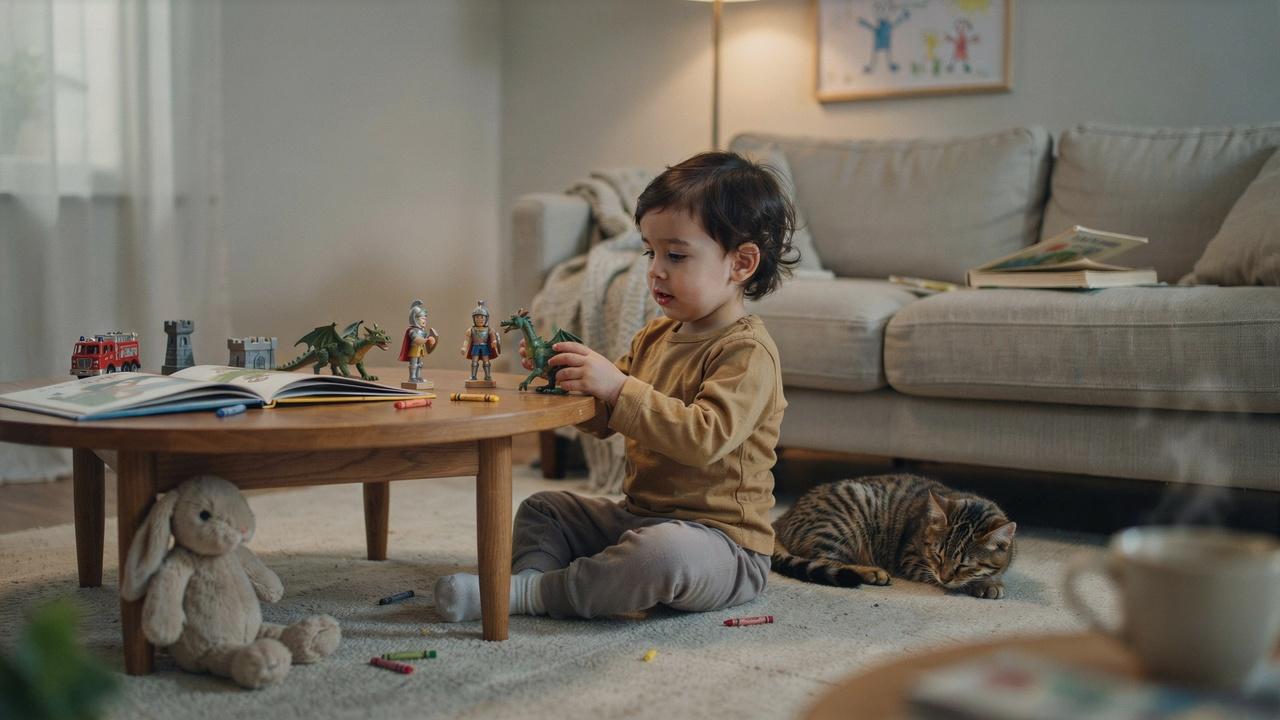
Getting the amounts right matters just as much as the timing of activities. Too little sleep or too much gap between meals affects mood, focus, and behavior more than most parents expect.
Sleep: Nap Length and Bedtime Windows
The American Academy of Sleep Medicine recommends that 2-year-olds get 11 to 14 hours of total sleep in 24 hours. That includes one daytime nap of 1.5 to 3 hours and night sleep of 10 to 12 hours.
The sweet spot for bedtime is between 7:00 and 8:00 PM. Pushing past 8:30 PM leads to overtiredness, which makes falling asleep harder, not easier.
Most 2-year-olds need to begin their bedtime routine no later than 4.5 to 5.5 hours after waking from their afternoon nap. A child who has been awake too long before bed will fight sleep more, not less.
Meals and Snacks: Timing That Works
Two-year-olds do best with three meals and two snacks spaced evenly through the day.
A good pattern is:
- Breakfast at 7:15 AM
- Mid-morning snack at 9:30 AM
- Lunch at 11:30 AM
- Afternoon snack at 2:30 PM
- Dinner at 5:30 PM
The American Academy of Pediatrics recommends offering a mix of food groups at snack time rather than processed snacks alone. Consistent meal timing helps regulate appetite and reduces fussiness at the table.
Play: How Many Hours and What Kind
The CDC and the American Academy of Pediatrics recommend at least 60 minutes of active physical play daily for toddlers.
Beyond that, unstructured free play should fill a large part of the day. This means time without screens and without adult-led tasks, where the child leads their own activity.
Pretend play, such as playing house, acting out stories with toy figures, or pretending to cook, is especially valuable at age 2. The AAP notes that imaginative play builds language, empathy, and early problem-solving skills faster than most structured activities.
Independent play and free play serve different purposes.
Free play is an open-ended activity the child chooses on their own. Independent play is solo play without a parent present. Both build focus, self-reliance, and creativity, and both should be built into the daily schedule.
Sample Daily Schedule for 2-Year-Old in a Classroom
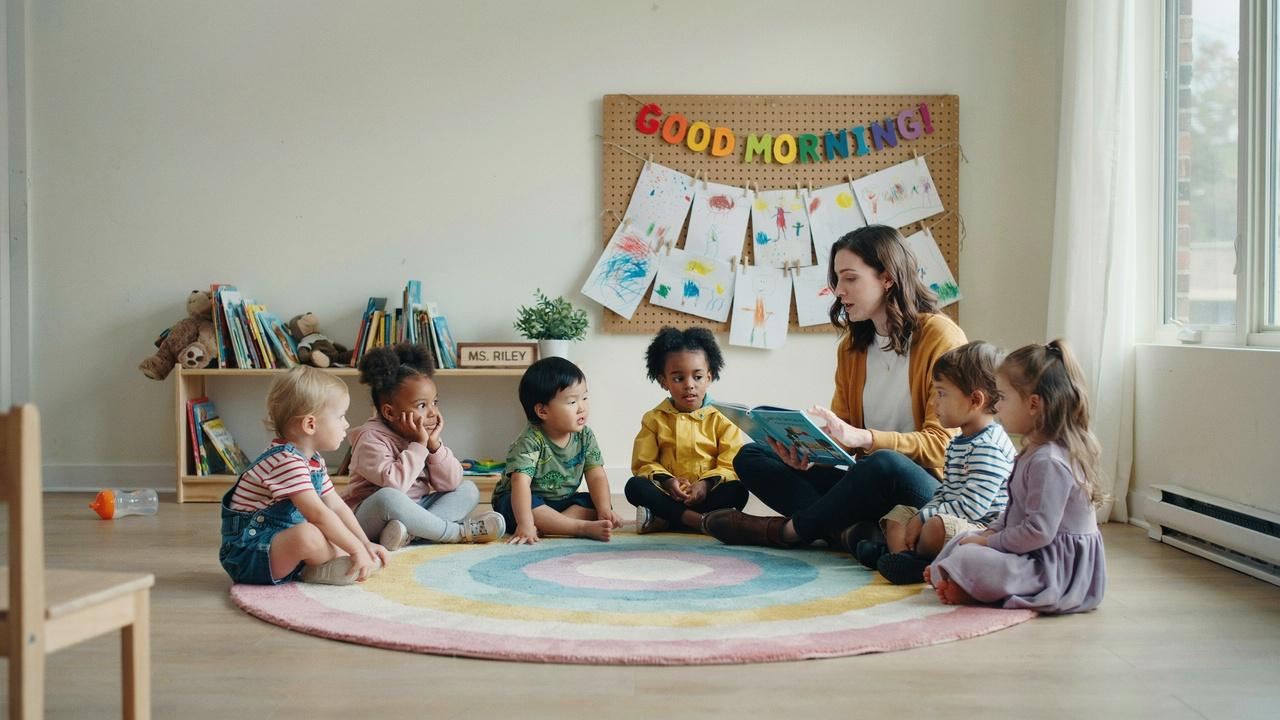
A classroom schedule for 2-year-olds follows a predictable loop of group time, free play, outdoor activity, meals, and rest.
The structure is similar to daycare but tends to be slightly more learning-focused, with activity planning built around specific developmental goals for the age group.
Quick Reference: Sample Classroom Schedule for 2-Year-Old
| Time | Activity |
| 9:00 AM | Arrival, quiet play |
| 9:15 AM | Morning snack |
| 9:30 AM | Circle time |
| 9:45 AM | Teacher-led activity |
| 10:15 AM | Outdoor play |
| 11:00 AM | Free choice or sensory play |
| 11:30 AM | Lunch |
| 12:00 PM | Nap or quiet rest |
| 2:00 PM | Snack |
| 2:15 PM | Activity or art |
| 2:50 PM | Outdoor play |
| 3:20 PM | Group close and pick-up |
Circle time is the anchor of the morning. Children gather as a group to sing, listen to a story, or talk about the day. Teachers use visual cues like picture cards or a daily wall chart to help toddlers follow along.
Transitions are kept short and signaled with songs or timers. For teachers and childcare providers, keeping the schedule visible and consistent from day to day is one of the most effective tools for managing group behavior in 2 year old classrooms.
Signs the Schedule Is Working or Needs a Shift

Your child's behavior tells you more about the schedule than any clock does. Here are the key signs to watch on both sides.
Signs the schedule is working:
- Moves through transitions like nap time or bath time with little resistance
- Falls asleep within 20 minutes at both nap and bedtime
- Wakes up from naps and night sleep in a calm, settled mood
- Eats well at meal times without excessive fussiness
Signs the schedule needs a shift:
- Fighting naps daily or taking more than 30 minutes to fall asleep
- Waking before 6:00 AM most mornings without being able to settle back
- Meltdowns happening at the same time every day
- Overstimulated and hard to calm down by evening
The American Academy of Sleep Medicine notes thatconsistent sleep difficulty in toddlers often points to a mismatch between the child's sleep needs and their current timing.
Check wake windows first and look at the balance of active and quiet activities across the day. A small shift in nap timing or activity type is often all it takes to get the day back on track.
Conclusion
A good daily schedule for a 2-year-old does not need to be perfect. It just needs to be consistent.
Even small routines, like reading after lunch or a calm bath before bed, make a real difference in how your child feels and behaves each day.
Start simple. Adjust as you go.
Frequently Asked Questions
What should I do when my 2-year-old wakes up too early in the morning?
Early waking before 6:00 AM is often linked to a nap that ends too late or a bedtime pushed too far. Try shifting the nap 20 to 30 minutes earlier and see if morning wake time improves within a week.
Should screen time be part of a 2-year-old's daily schedule?
The American Academy of Pediatrics recommends limiting screen time to one hour of quality programming per day for 2-year-olds. Keep any screen time outside of meal times and the hour before bed.
How do I keep a daily schedule going when traveling or away from home?
Try to keep at least two anchors of the routine intact, like nap time and bedtime, even when everything else changes. Familiar items like a sleep sack, a favorite book, or a white noise machine help signal sleep time in a new place.
At what age should I start dropping the afternoon nap completely?
Most children drop their nap between ages 3 and 4, not at 2. If your 2 year old seems tired, fights sleep at night, or has frequent meltdowns, keeping the nap is still the right call.
How long does it take for a 2 year old to get used to a new daily schedule?
Most toddlers adjust to a new routine within one to two weeks with consistent follow-through. The first few days may feel rough, but staying steady with the schedule is what makes it stick.