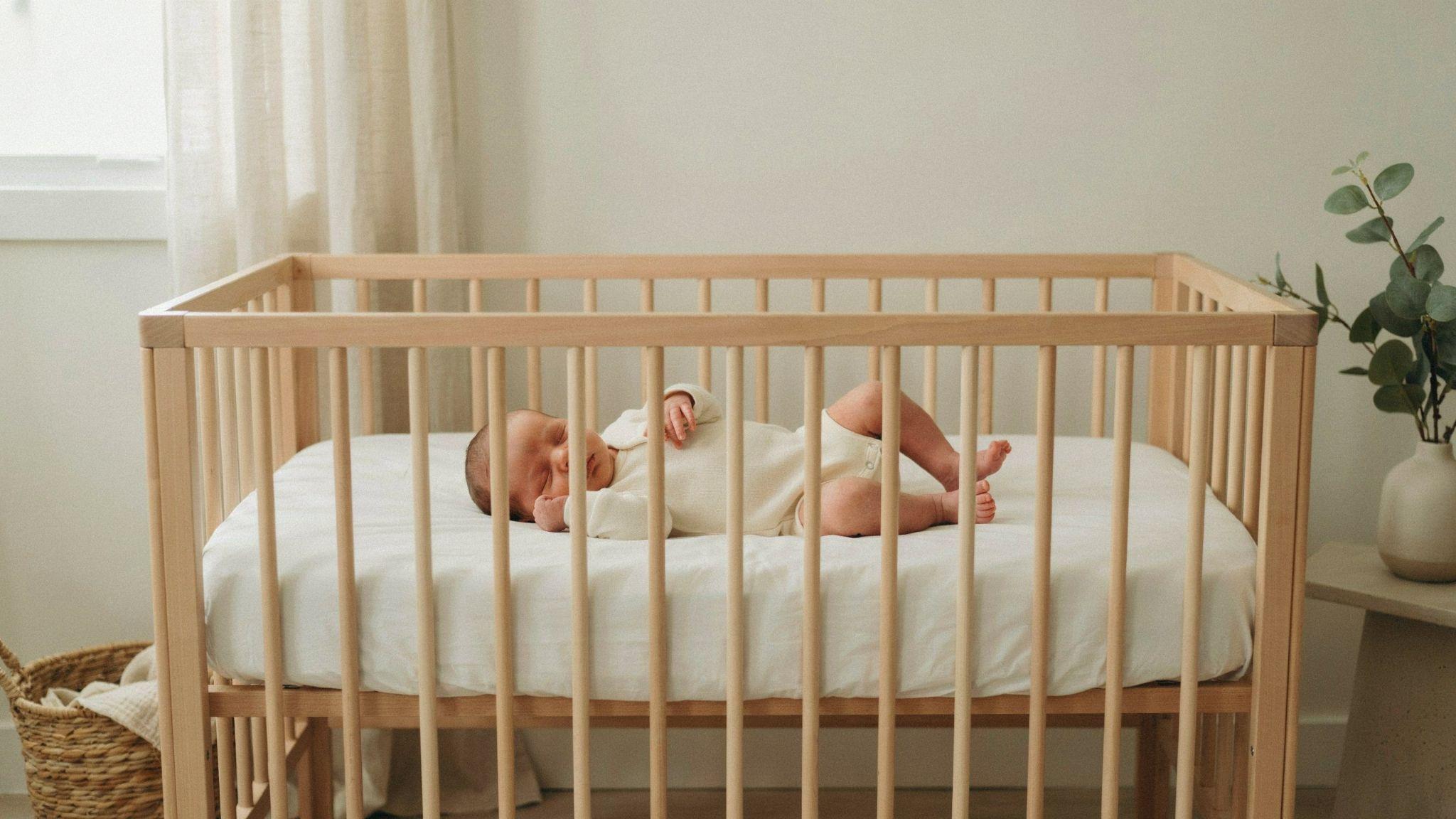
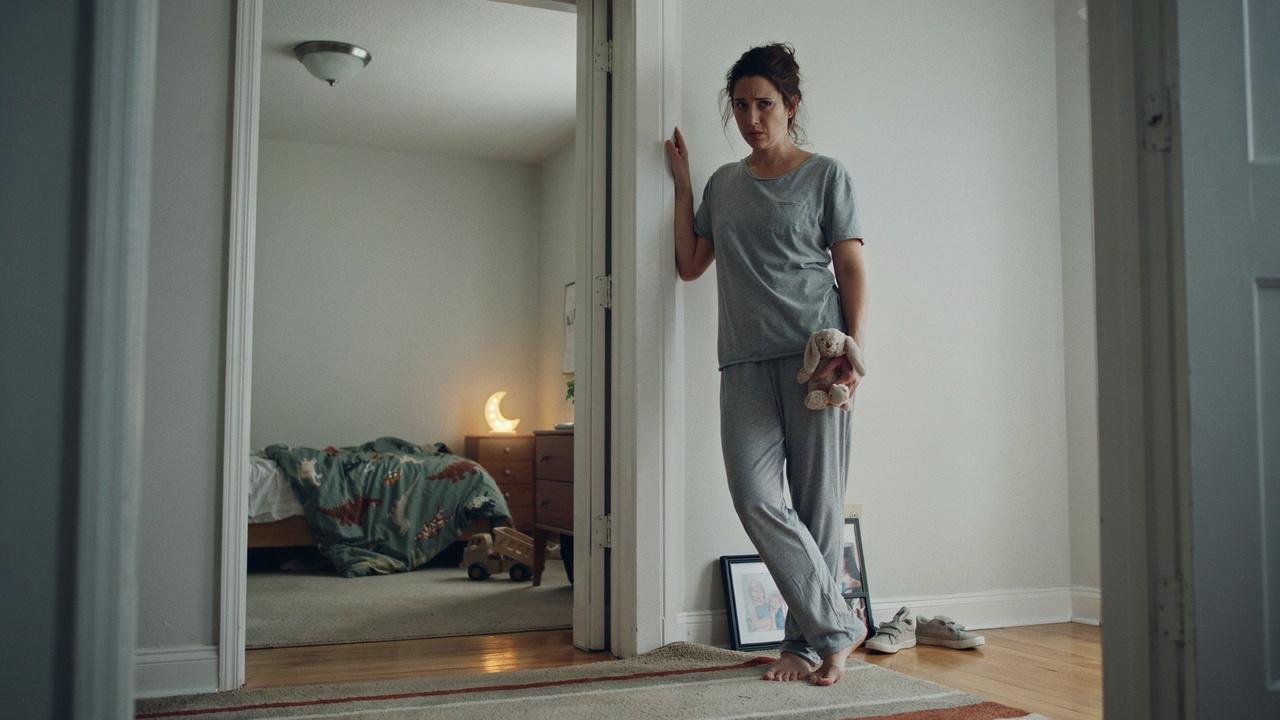
It is 8 pm. You have done the bath, the books, the songs, and the last hug. You say goodnight and head for the door. Then it starts. One more sip of water. One more potty visit. A very important question about clouds.
If this sounds like your nightly reality, you are not alone, and you are not doing anything wrong. Toddler bedtime stalling is one of the most common sleep struggles parents face.
The fix usually starts with understanding why it happens and building a routine that closes the gaps toddlers use to delay sleep.
This covers exactly what those reasons are, which habits make it worse without parents realizing, and what actually works to make bedtime shorter and calmer.
What Research and Real Parent Stories Tell Us About Bedtime Stalling?

Bedtime stalling is not a rare problem in a few difficult households.It is one of the most commonly reported sleep concerns among parents of toddlers aged two to four.
A widely cited review by Mindell and colleagues, published in the journal Sleep Medicine Reviews, found that bedtime resistance affects between 15 and 30 percent of young children.
On Reddit's r/toddlers community, one parent described spending two to three hours every single night trying to get their two-year-old to sleep, writing that no matter which part of the routine sped up, another part stretched out to fill the time.
Hundreds of parents responded saying they felt the same way: exhausted, outwitted, and out of options.
Why Toddlers Turn Into Negotiation Experts at Lights Out

Toddlers are not stalling to frustrate you. Their brains are wired to seek closeness with caregivers, and bedtime signals a long separation.
Attachment theory, first developed by psychologist John Bowlby, explains that young children are biologically driven to stay close to their primary caregivers, especially at moments like bedtime.
According to pediatric occupational therapist Jessica Irwin, a toddler's nervous system registers a parent's intent to leave as a threat, which triggers bids for connection through requests, questions, and delays.
At the same time, the prefrontal cortex, the part of the brain responsible for impulse control, stays highly immature until around age 25. The National Institute of Mental Health confirms this in its published research on brain development.
This means toddlers are not manipulating you. They are simply doing what their developing brain tells them to do.
Many also experience strong FOMO, a fear of missing out on activity and connection, which sleep consultant Alex Warrack at Bella Luna Family identifies as a key emotional driver behind stalling.
The Stalling Tactics Parents Face Every Single Night
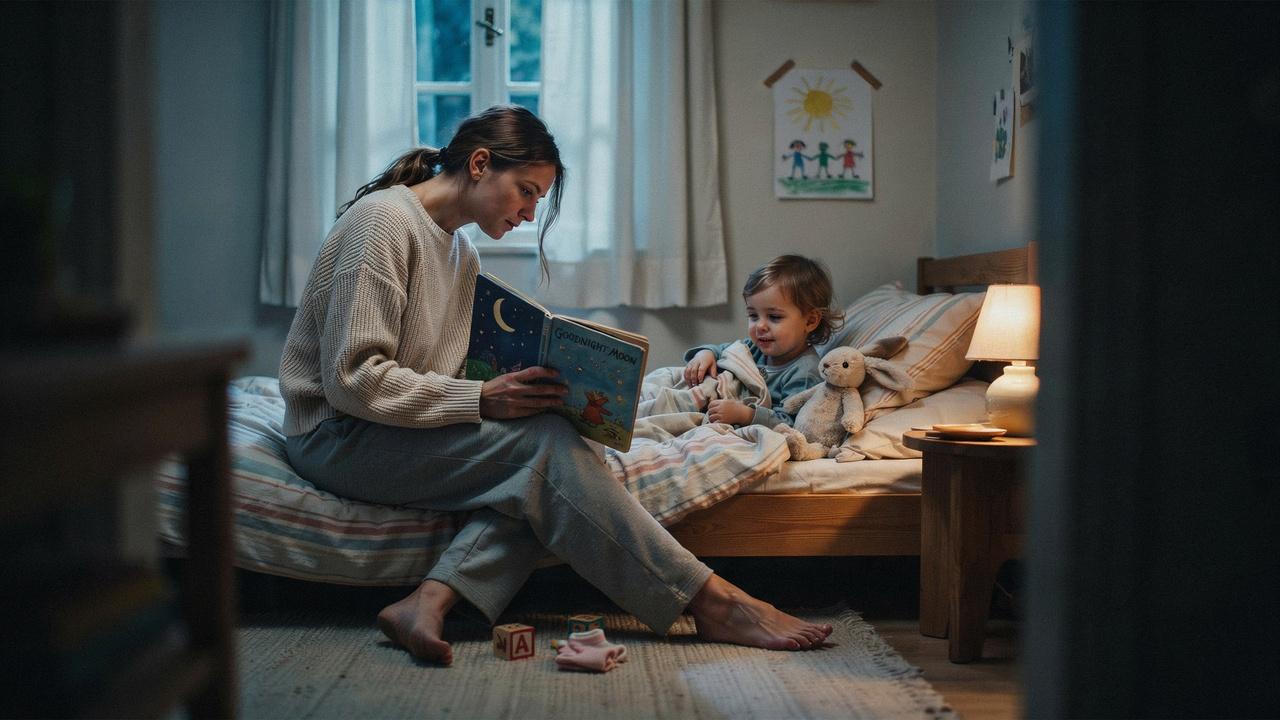
Every toddler has a preferred set of delay tactics. Knowing which ones show up most often helps you prepare a calm, ready response before the moment arrives.
Here is what parents report seeing night after night:
The Potty Visit That Never Ends
Your toddler just used the bathroom. Now, two minutes after lights out, they need to go again.
Sleep consultant Kim at Sleep Training Solutions calls this one of the most effective stalling tools toddlers use because parents cannot easily say no.
The fix is building two scheduled potty visits into the routine, one near the start and one at the very end. Kim refers to this asdouble voiding, and when it is built into the routine, the request loses its power before it is even made.
One More Book, One More Sip, One More Hug
This is the most classic stall, and it works because each request sounds so small and reasonable.
Sleep consultant Linda from Sleep Tight Consultants warns that agreeing even once resets the expectation for the next night.
Setting the limit before the last book begins, saying clearly "this is our last book," and repeating it on the final page removes the gap toddlers rely on to push for more.
The Sudden Fears That Only Appear at Bedtime
Fear of the dark and imaginary creatures commonly appears between ages two and four. These fears are real to your toddler, even when the timing feels suspicious.
Child psychologist Dr. Becky Kennedy, known for her work on child development and emotional validation, recommends naming the fear out loud before offering reassurance, rather than dismissing or explaining it away.
During the day,teach your child a specific calming tool, such as squeezing a stuffed animal, taking three slow breaths, or picturing a happy place.
The Questions That Could Not Possibly Wait Until Morning
Where do clouds come from? Why do dogs bark? Will you always love me?
Toddlers are in a rapid phase of brain growth and their curiosity is genuine. Child development research shows that toddlers between ages two and four are in a peak period of question-asking as their vocabulary and reasoning skills grow rapidly.
Engaging fully with each question after lights out tells your toddler that bedtime is still open for business.
A warm but brief response followed by a consistent phrase like "that is a great question for tomorrow morning" keeps the routine on track without making the child feel dismissed.
What Parents Do That Makes the Stalling Worse

Most bedtime stalling is fed, at least partly, by patterns on the parent's side. These three habits show up most often and are worth looking at honestly before trying any new strategy.
Giving In Just This Once
One extra book or one more minute of screen time feels harmless at the moment. But as sleep consultant Alex Warrack at Bella Luna Family points out, giving in teaches your toddler that persistence works.
The stalling does not grow because your child is getting more difficult. It grows because the strategy keeps paying off.
Behavioral research on intermittent reinforcement, widely covered in child development literature, shows that a reward that comes only sometimes is actually more powerful at sustaining behavior than one that comes every time.
Starting Bedtime Too Late
An overtired toddler is harder to settle, not easier. When the body moves past its natural sleep window, cortisol levels rise and the child becomes wired rather than drowsy.
This works against the homeostatic sleep drive, which is the natural build-up of tiredness in the brain that makes falling asleep easier. The National Sleep Foundation describes this window as the period when sleep pressure peaks and the body is most ready to fall asleep quickly.
Starting the wind-down at least an hour before the target sleep time, with screens off and calm activity underway, gives the body time to slow down before the routine even begins.
Responding Differently Each Night
Inconsistency is one of the biggest drivers of prolonged stalling. When a toddler cannot predict what will happen, they keep testing to find out.
Pediatric OT Jessica Irwin notes that a boring, predictable parental response is one of the most effective tools a parent has. When stalling produces nothing interesting, toddlers gradually stop putting energy into it.
Moving into the next section, it helps to know that the same consistency that stops bad habits also builds the good ones. That is where the routine comes in.
How to Build a Bedtime Routine That Closes the Gaps
A well-built routine removes the gaps toddlers use to negotiate, delay, and push limits. It does not just make bedtime smoother. It makes stalling structurally harder.
Setting the Right Time and Winding Down Early
The American Academy of Sleep Medicine recommends that toddlers aged one to two get 11 to 14 hours of sleep per day, and those aged three to five get 10 to 13 hours. These figures include naps.
Working backward from your target wake time shows you exactly when sleep needs to begin. Start winding down 45 to 60 minutes before that, with calm, screen-free play that fills your child's need for connection before the routine starts.
If your toddler still naps, factor in how long ago the nap ended. A child who napped late in the afternoon will have lower sleep pressure at bedtime and may genuinely not be tired enough to settle quickly.
Building the Routine Your Toddler Can Actually Predict
A sample routine recommended by sleep consultants looks like this:
- Offer a last snack 15 minutes before the routine begins
- Bath
- Pajamas
- Teeth brushing
- Two books
- A brief chat about the day
- Final potty visit
- One hug
- Lights out
The order matters as much as the steps. When the sequence is the same every night, your toddler's brain begins to expect sleep rather than resist it.
If your toddler shares a room with a sibling, try staggering the routines by 15 to 20 minutes so each child gets individual attention without one disrupting the other's wind-down.
Giving your child small moments of control within the routine, like picking which book goes first, also reduces the need to assert control through stalling.
Using Timers and Charts to Keep Things Moving
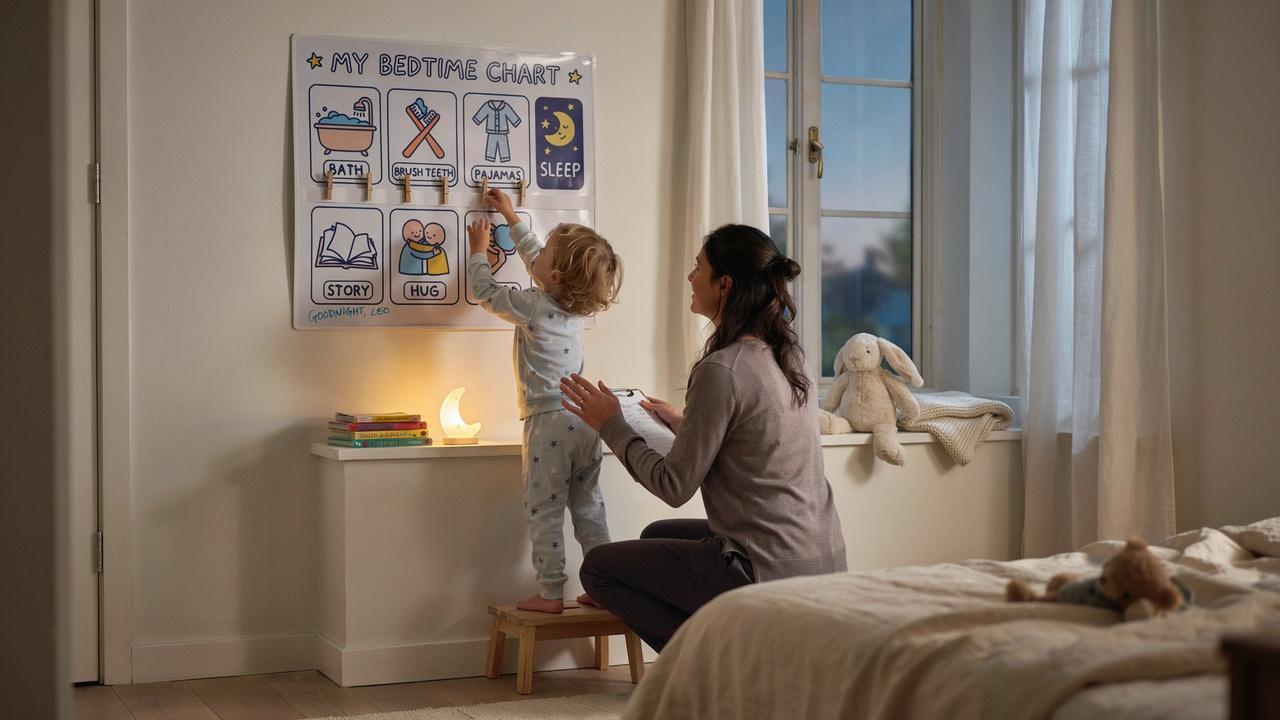
Set a five-minute visual timer before the routine begins so your child has a clear signal that play is ending. A visual bedtime chart keeps the routine moving and gives toddlers a sense of accomplishment when they check off each step.
A simple version can be made at home using a printed list, small pictures of each step, and a magnet or sticker your child moves along as the routine progresses.
Sleep Training Solutions recommends building common stalling steps like a potty visit and a sip of water directly into the chart so they become part of the routine rather than late-night requests.
When a child tries to revisit a completed step, simply point to the chart and move on.
Giving Choices That Feel Big but Stay Small
Toddlers push back when they feel no control over anything. Offering two pajama options from a pre-selected drawer, or a choice between two books from a short stack, gives them real decision-making without opening the door to negotiation.
As Bella Luna Family sleep consultant Alex Warrack found, keeping only two pajama options in the drawer stopped her daughter from stalling by going through every pair she owned.
The same principle applies across the routine:
- Two toothbrush colors to pick from
- Two book options on the nightstand
- Two stuffed animals to choose as a sleep companion
Small choices, fixed structure.
How to Handle the Potty Stall Specifically?
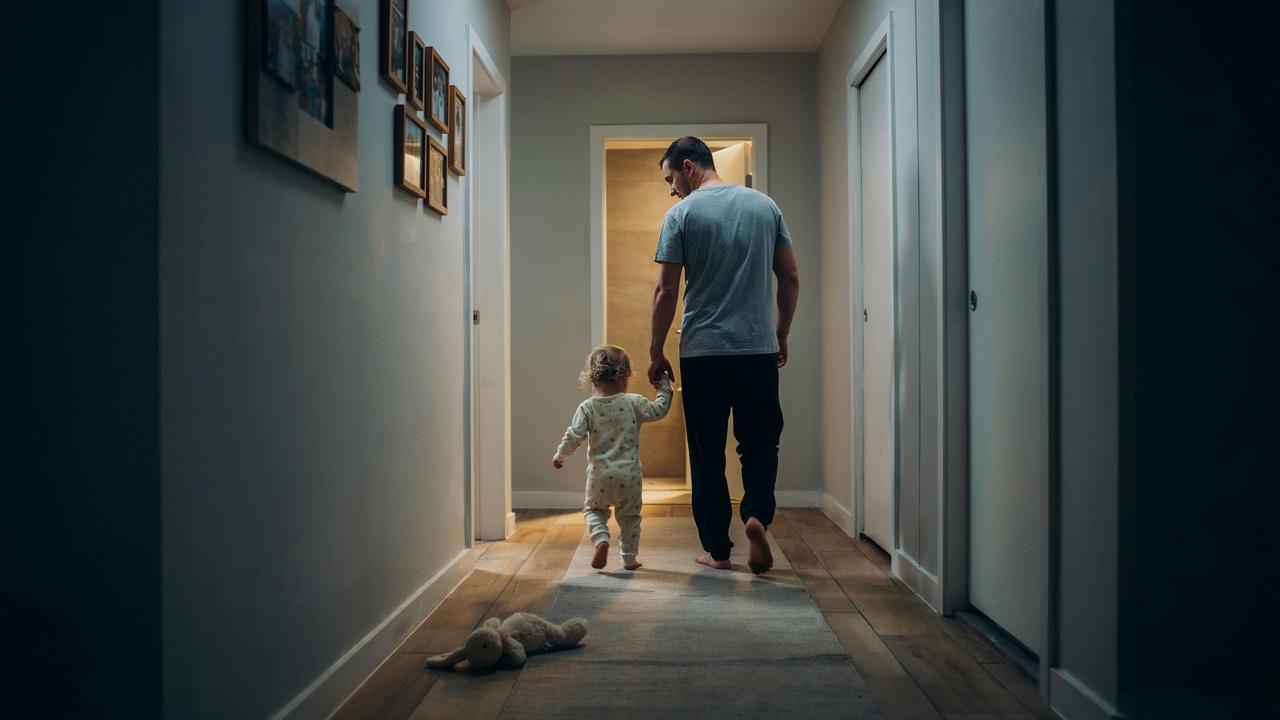
The potty stall puts parents in a difficult position. You cannot say no to a child who says they need the bathroom, but you also cannot let repeated visits take over the night.
The most practical approach is tomake potty visits a fixed part of the routine rather than a response to a request. Schedule one visit near the start of the routine and one at the very end.
Sleep Training Solutions notes that this double voiding approach also supports overnight dryness for children in the early stages of potty training, making it useful well beyond just preventing stalling.
If your child asks to go after lights out, allow one final attempt using a one minute timer, a calm tone, and no extra conversation. When the timer ends, the visit is over. Keep it short. Keep it dull.
Once the potty visit becomes a normal, boring part of the night, it stops working as a delay tactic.
What to Say When Your Toddler Says They Are Scared
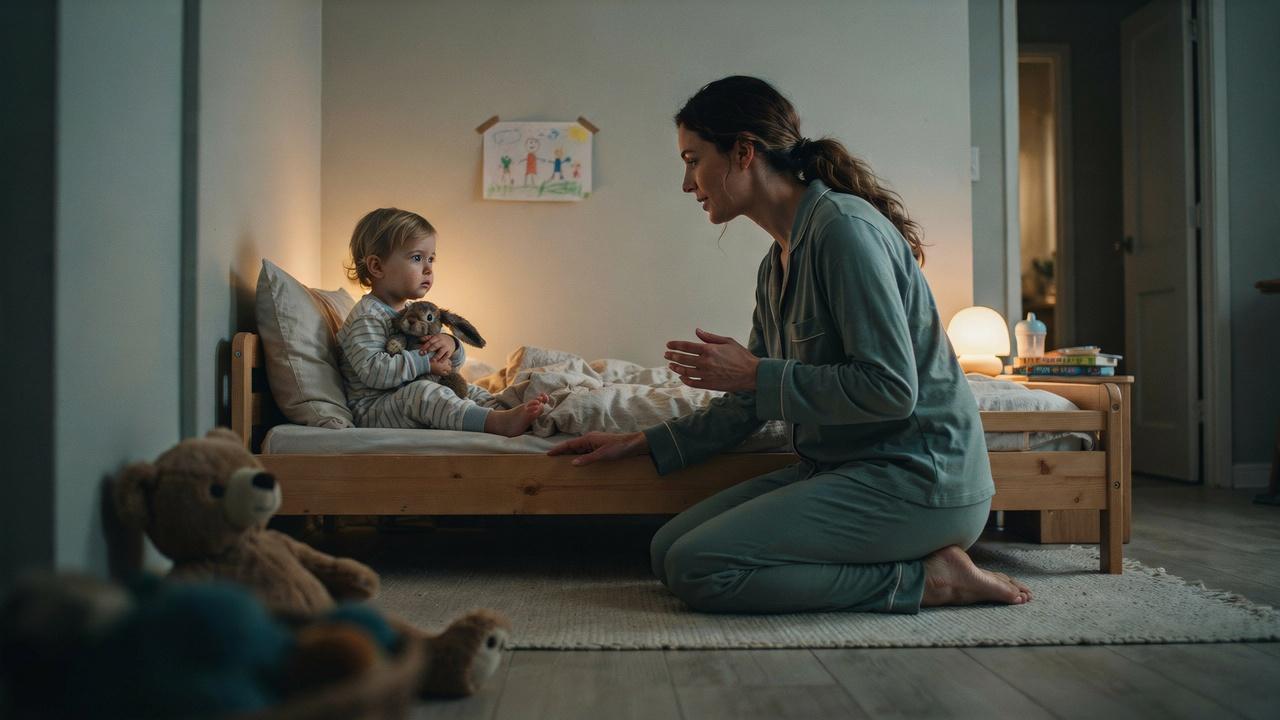
The most effective first response to bedtime fear is simple: say the feeling back to your child before offering any reassurance.
Saying "I hear that you feel scared" helps your child feel understood rather than dismissed.
Dr. Becky Kennedy, in her guidance on emotional validation in children, explains that a child who feels genuinely heard is far more likely to accept comfort and settle than one who is immediately told there is nothing to be scared of.
Follow it with a calm, simple statement like "you are safe and I am nearby." Avoid long conversations about what is scary. These extend the interaction and give the stall more reward.
During the day, practice a specific calming skill together and give it a name your child can remember. You might call it the squeeze and breathe, where your child squeezes their stuffed animal and takes three slow breaths.
Or try a calm place visualization, where you help them picture their favorite spot so they can return to that image at night.
Practicing in calm moments means the skill is already familiar when fear shows up after dark.
How Long Before Bedtime Actually Gets Easier
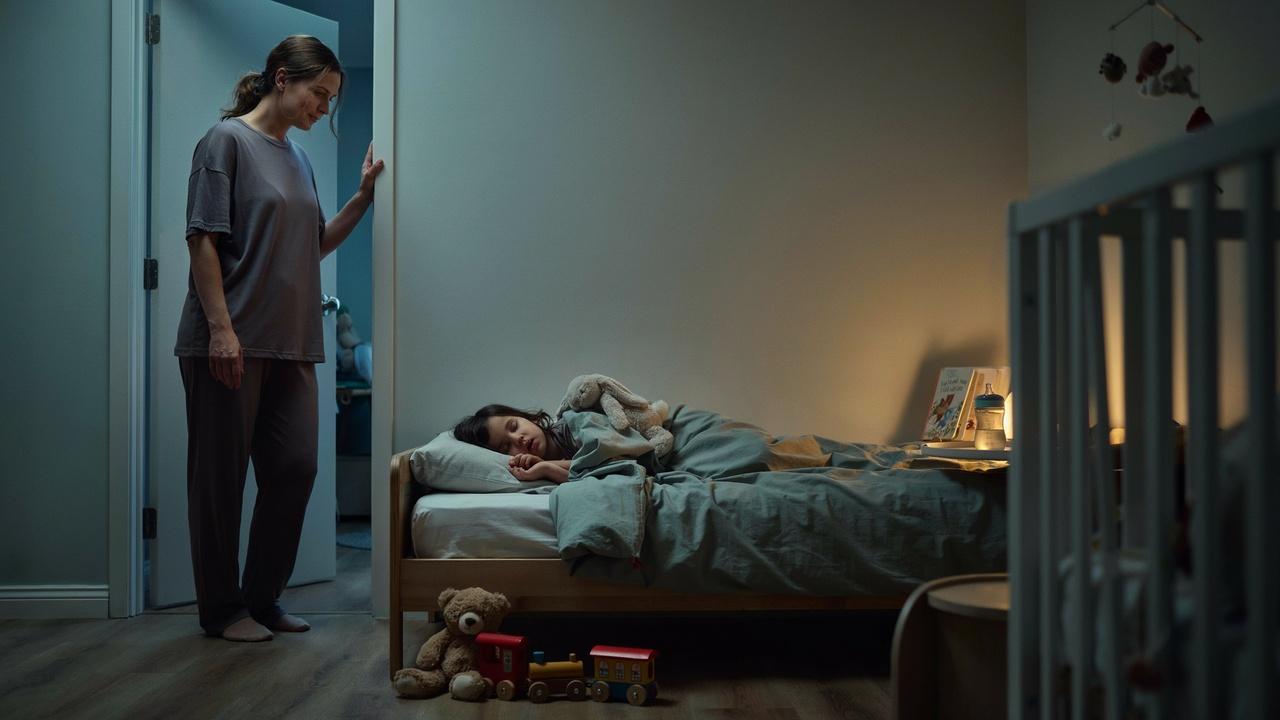
This is the question every tired parent wants answered, and the honest answer is that it depends on how consistent you are.
Most sleep consultants, including those at Rooted in Routine and Sleep Tight Consultants, say parents should expect to see real change within one to two weeks of holding firm every single night.
This aligns with behavioral research on habit formation in young children, which suggests that consistent responses repeated over seven to fourteen days begin to shift a child's expectations and reduce testing behavior.
The first two or three nights are often the hardest because toddlers push harder before they settle. This is normal. It means the old strategy is not working anymore, not that the new one is failing.
Every night counts. One inconsistent response can set progress back by several days. But when the routine is calm, predictable, and followed through without negotiation, most toddlers adjust faster than their parents expect.
If your toddler gets out of bed repeatedly, treat each exit the same way. Walk them back calmly, say a brief "it is bedtime, back to bed," and leave. No long explanations, no extra hugs. The consistency of the response matters more than anything else.
Conclusion
Toddler stalling bedtime is exhausting, but it does not last forever.
The one thing worth holding onto is this: your toddler is not giving you a hard time. They are having a hard time. A calm, consistent routine is the most powerful response you can offer them.
If this helped you, share it with a parent who needs it tonight. And drop a comment below telling us your toddler's most creative stalling tactic!
Frequently Asked Questions
Is bedtime stalling a sign of a sleep disorder in toddlers?
Not usually. Bedtime stalling is most often a normal behavioral and developmental phase, not a medical concern.
However, if your child also snores loudly, wakes frequently gasping, or seems exhausted despite enough hours in bed, speak with your pediatrician to rule out conditions such as obstructive sleep apnea, which the American Academy of Pediatrics identifies as an underdiagnosed cause of disrupted sleep in young children.
Should I stay in the room until my toddler falls asleep?
There is no single right answer here. Some families find a gradual exit works best. This approach, sometimes called chair fading or the sleep lady shuffle, developed by sleep consultant Kim West, involves the parent sitting closer to the door each night until the child falls asleep independently.
What matters most is that whatever approach you choose stays consistent every night.
At what age do most toddlers stop stalling at bedtime?
Most children naturally stall less as they move past age four or five, when self-regulation skills improve.
This aligns with research from the Center on the Developing Child at Harvard University, which shows that executive function and self-control develop significantly between ages three and five, making it easier for children to accept limits and follow routines without resistance.
Can screen time before bed make toddler stalling worse?
Yes. Blue light from screens suppresses melatonin, the hormone that signals the brain it is time to sleep. The American Academy of Pediatrics recommends turning off all screens at least one hour before bedtime to support your toddler's natural sleep drive.
A child whose melatonin is suppressed at bedtime will genuinely feel less sleepy, which makes settling harder and gives stalling more fuel.
Does having a second parent take over bedtime help with stalling?
It can, especially if your toddler has become very attached to one parent's bedtime presence. Several parents in sleep communities report that switching which parent handles bedtime, even temporarily, resets the dynamic and reduces the intensity of the stalling within a few nights.
Sleep consultant Kim West also notes that toddlers sometimes fall asleep faster for a less familiar caregiver simply because the usual negotiation patterns have not been established with that person yet.