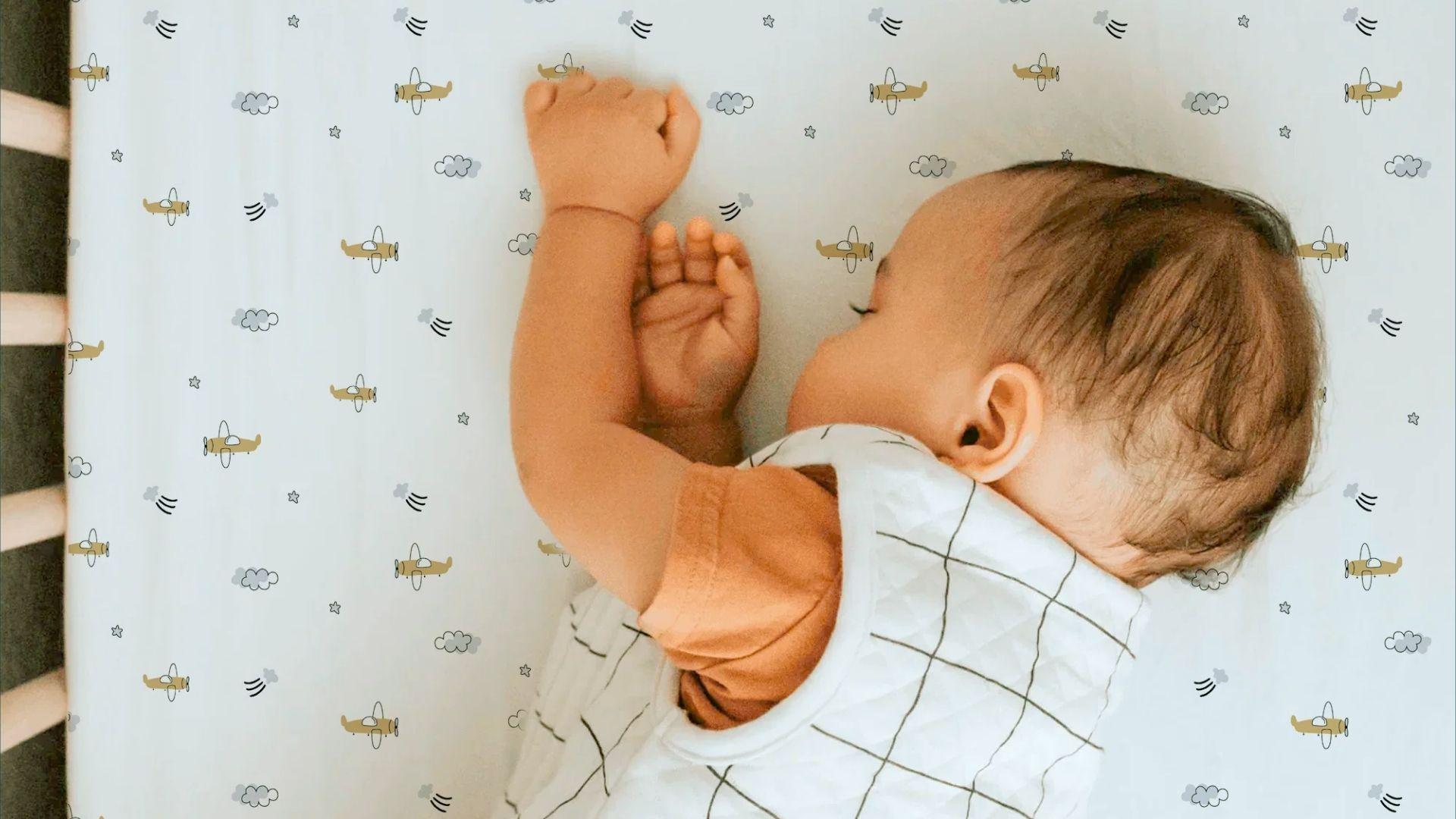
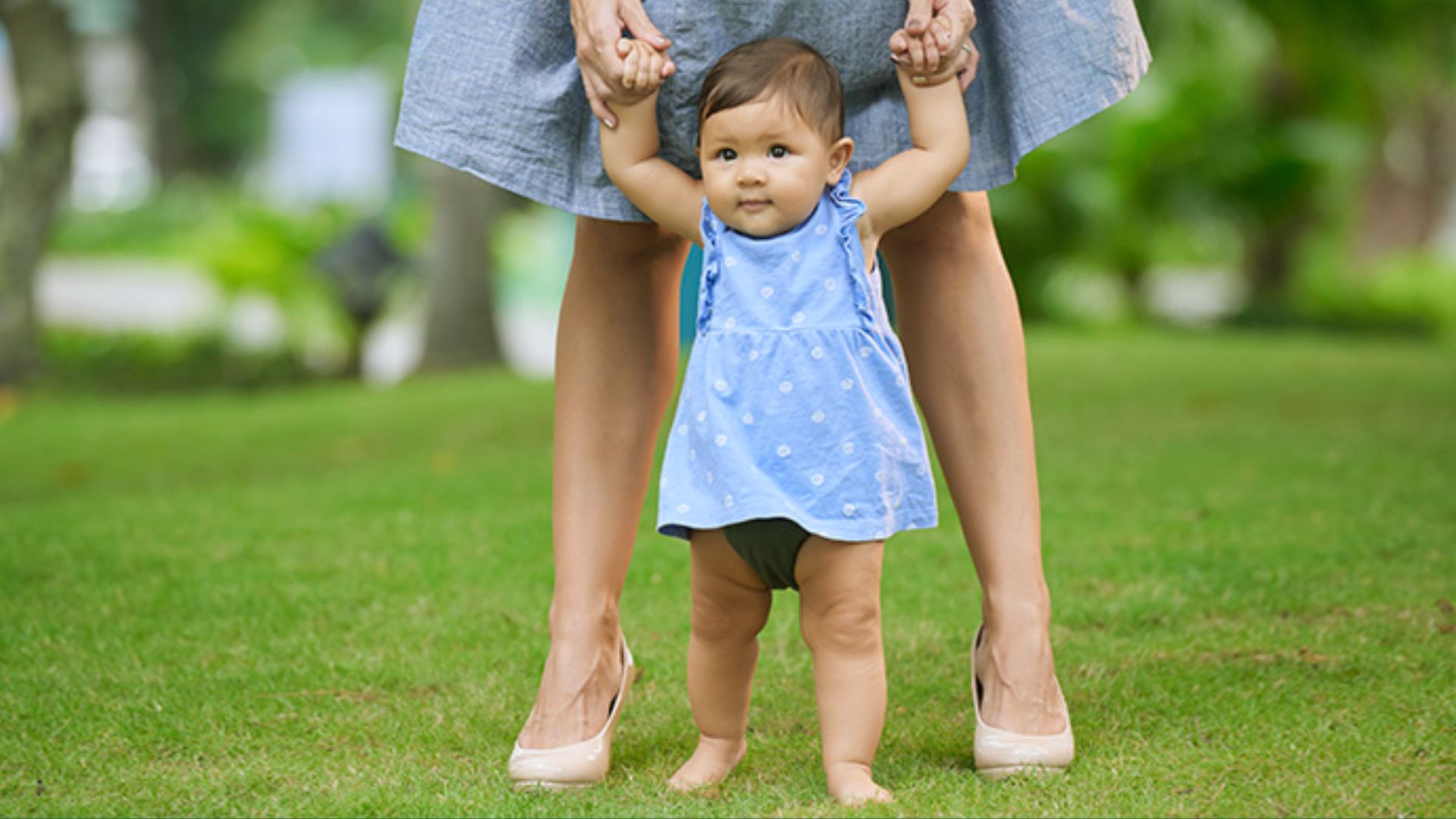
Watching your baby take those first wobbly steps is a moment you never forget, but the wait can feel long, especially when other babies seem to be walking already. If you keep asking yourself what age babies start walking, you are not alone.
Most babies take their first independent steps between 9 and 18 months, with many walking around their first birthday, according to guidance most pediatricians follow.
This article explains the typical walking timeline, early signs your baby is ready, factors that influence walking, and simple ways to support healthy gross motor development without rushing the process.
Why Every Baby Starts Walking at a Different Age
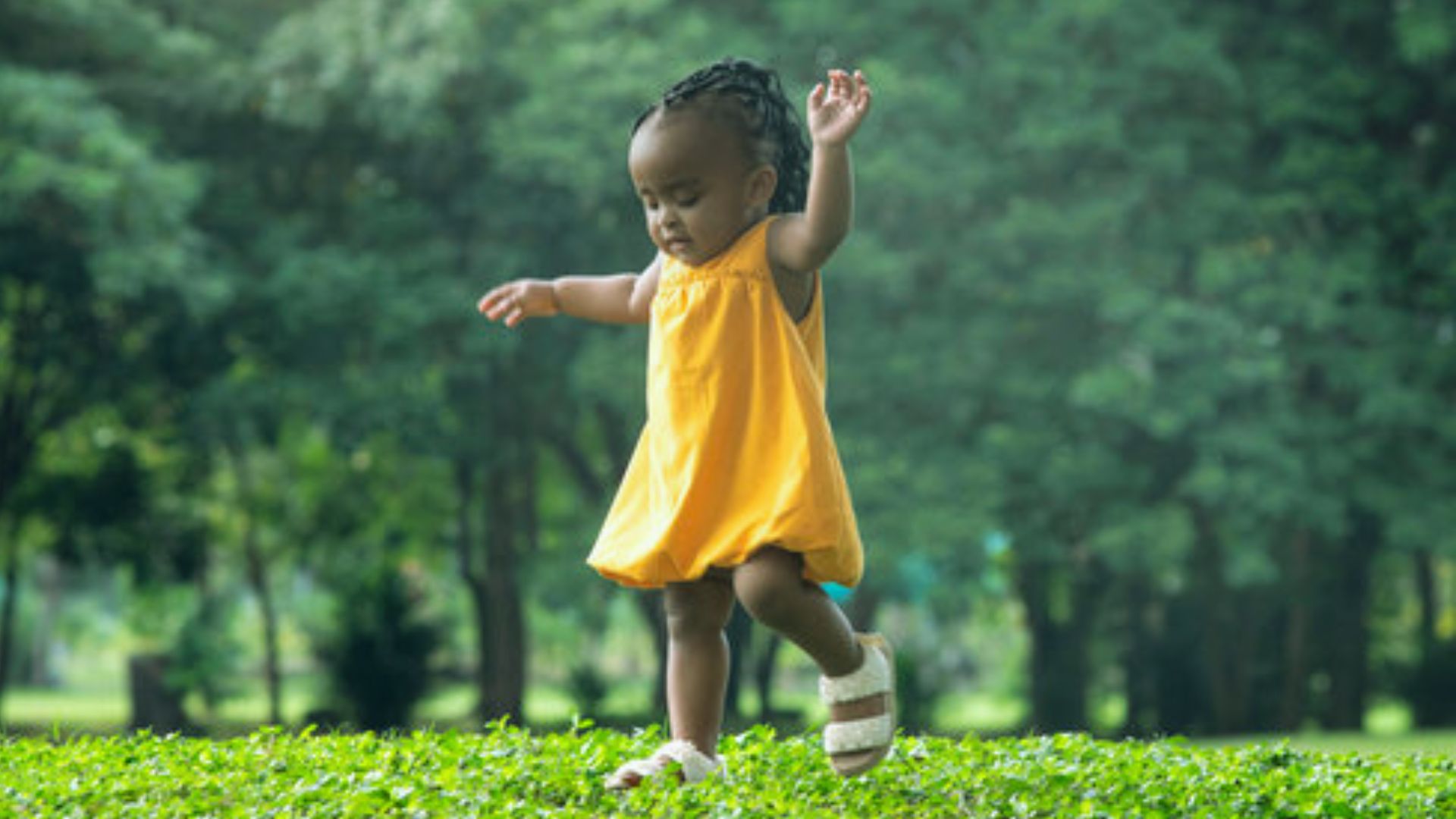
Most babies begin walking between 9 and 18 months, but reaching this milestone depends on several skills developing together. Strong muscles, balance, coordination, and confidence all play an important role.
Because these abilities develop at different rates, some babies walk earlier while others take a little longer.
Every baby also has a unique personality. Some are eager to explore and attempt standing as soon as possible, while others spend more time crawling until they feel confident. Both approaches are considered normal and support healthy development.
Genetics can also influence when a baby starts walking. If parents walked earlier or later as infants, their child may follow a similar pattern.
Body size, muscle tone, opportunities for floor play, and overall physical development also contribute to when those first independent steps happen.
Early Signs Your Baby Is Ready to Walk
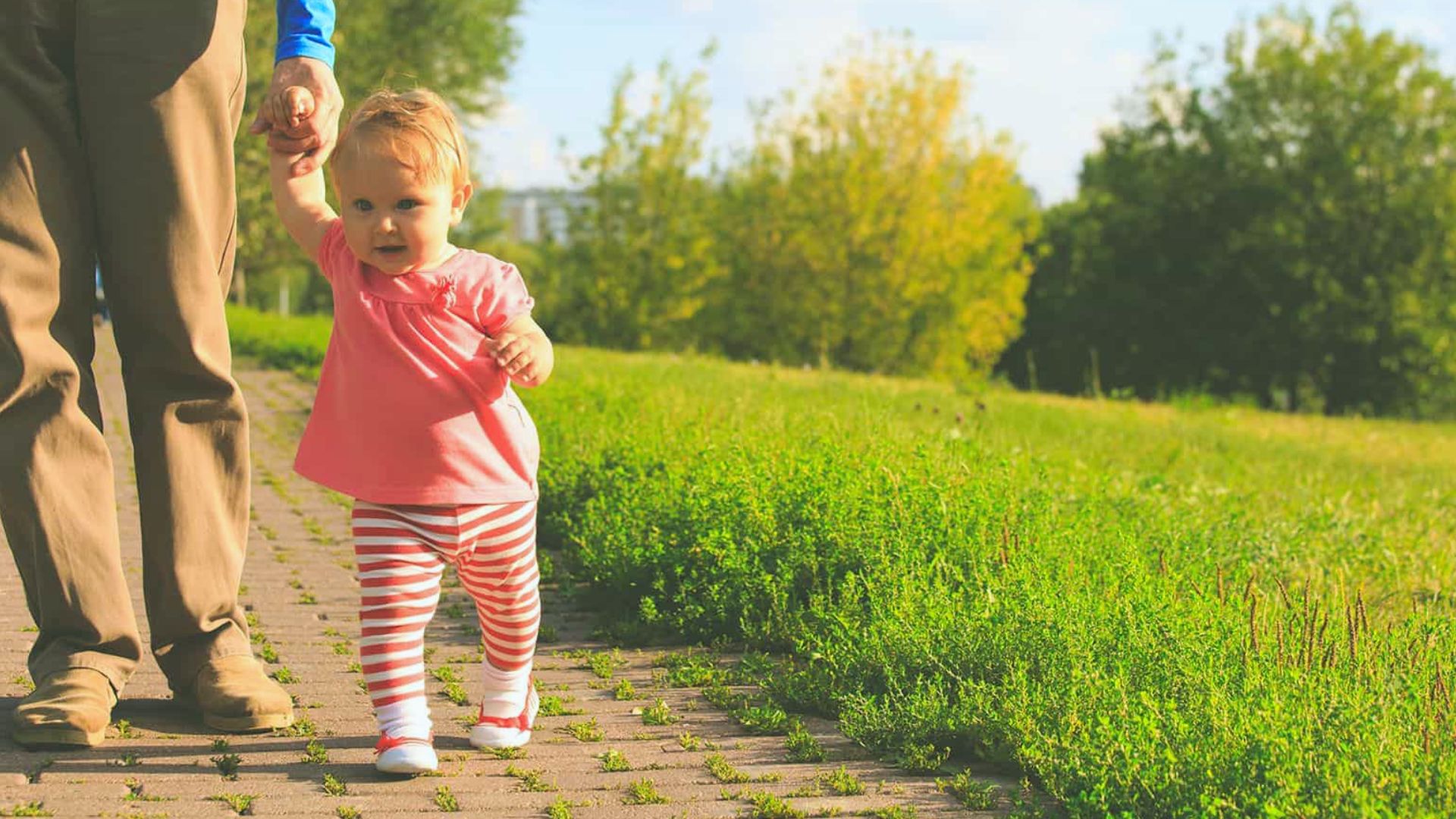
Before babies take their first independent steps, they usually develop several skills that prepare their bodies for walking. Recognizing these signs can help you understand where your baby is in their development.
Pulling Up and Standing With Support
One of the earliest signs is pulling up using furniture, a crib rail, or a parent's legs. At first, babies may stand only for a few seconds before sitting back down. As their muscles become stronger, they remain standing longer and appear more stable.
This stage commonly develops between 8 and 10 months, and pediatricians often call this the biggest milestone right before independent walking begins.
Cruising Along Furniture
After becoming comfortable standing, many babies begin cruising. They move sideways while holding onto furniture, learning how to shift their weight from one leg to the other.
Cruising strengthens the legs, improves coordination, and builds confidence before independent walking.
Standing Without Holding On
Another important milestone is standing alone for a few seconds without support. Babies gradually improve their balance by making small adjustments with their legs and feet.
Once they become comfortable standing independently, they are often ready to try their first steps, even if those first steps come with a wide-based gait as they figure out their balance.
Baby Walking Milestones Month by Month
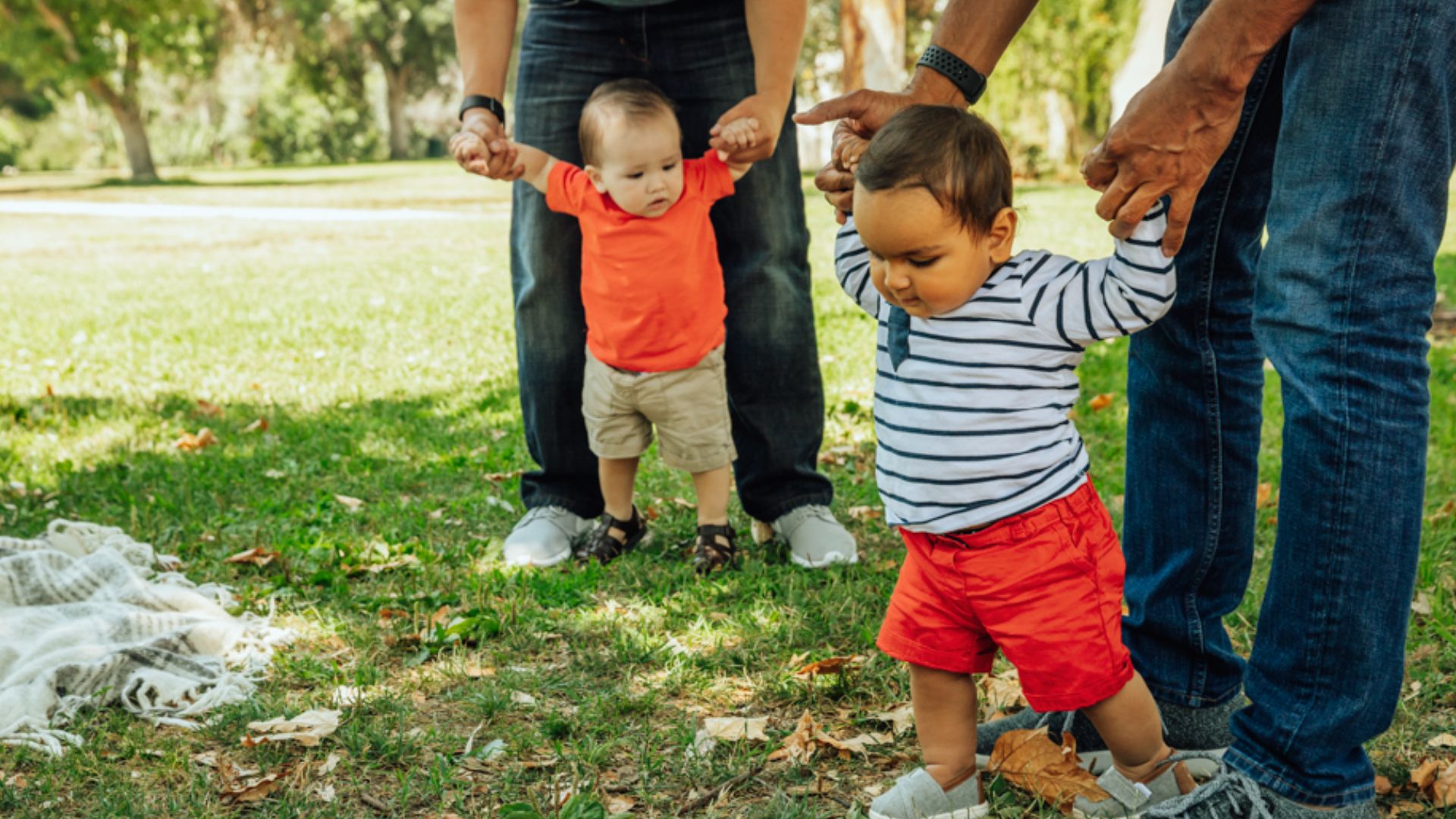
Although every baby develops differently, most follow a similar progression toward walking, moving through the same string of gross motor milestones.
6 to 9 Months
This stage focuses on building strength rather than walking itself. Babies develop their core muscles through rolling, sitting, tummy time, and reaching for toys.
Independent sitting, which most babies master by the end of this window, matters more than parents realize, since a steady seated base is what lets babies free up their hands to reach, twist, and eventually pull to stand.
Many babies also begin crawling or moving on their hands and knees, while some enjoy bouncing when supported in a standing position. These activities strengthen the muscles needed for future walking.
9 to 12 Months
Physical development often speeds up during this stage. Babies commonly pull themselves to a standing position, cruise along furniture, and briefly stand without support.
Some take one or two independent steps shortly before or around their first birthday, although many continue practicing for several more weeks.
12 to 18 Months
Most babies begin walking independently during this period. Their first steps are usually short and unsteady, often with that same wide-based gait mentioned earlier, but confidence grows quickly with regular practice.
As balance improves, toddlers learn to change direction, stop without falling, carry small toys while walking, and eventually attempt short runs.
What Helps Babies Learn to Walk?
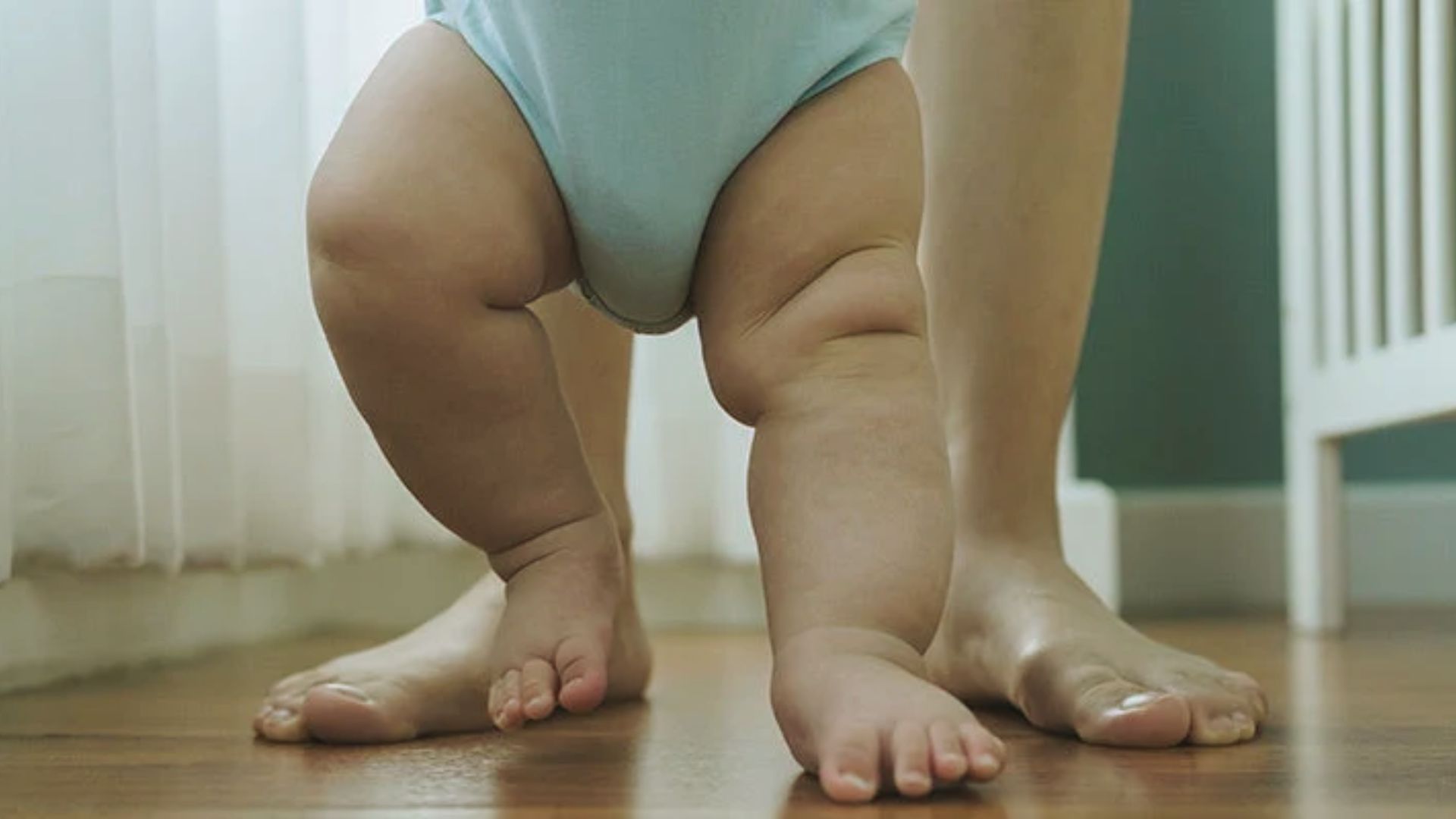
Walking develops through regular movement and practice rather than special equipment. Creating opportunities for safe exploration allows babies to strengthen the muscles and coordination they need.
Activities That Build Strength and Balance
Simple daily activities encourage healthy movement and prepare babies for walking, including:Helping your baby stand while holding your hands.
Encouraging squatting to pick up toys. Placing favorite toys slightly out of reach. Allowing your baby to push a sturdy push toy, a stable chair, or even a flipped-over laundry basket.
Giving plenty of supervised floor time throughout the day. These activities strengthen the legs, improve balance, and increase confidence.
Why Tummy Time Still Matters
Tummy time remains valuable long after the newborn stage. Spending time on the floor strengthens the neck, shoulders, back, and core muscles that support standing and walking.
Babies who enjoy regular floor play often develop better posture, balance, and overall coordination.
Why Barefoot Practice Is Best Indoors
Walking barefoot indoors helps babies grip the floor naturally and strengthens the small muscles in their feet. It also provides sensory feedback that improves balance and coordination.
If bare feet feel too cold on the floor, socks with rubber grips on the bottom work as a good middle ground. Shoes become important outdoors, but inside the home, bare feet usually provide the best support for early walkers.
Baby Walker vs Push Walker: What's the Difference?
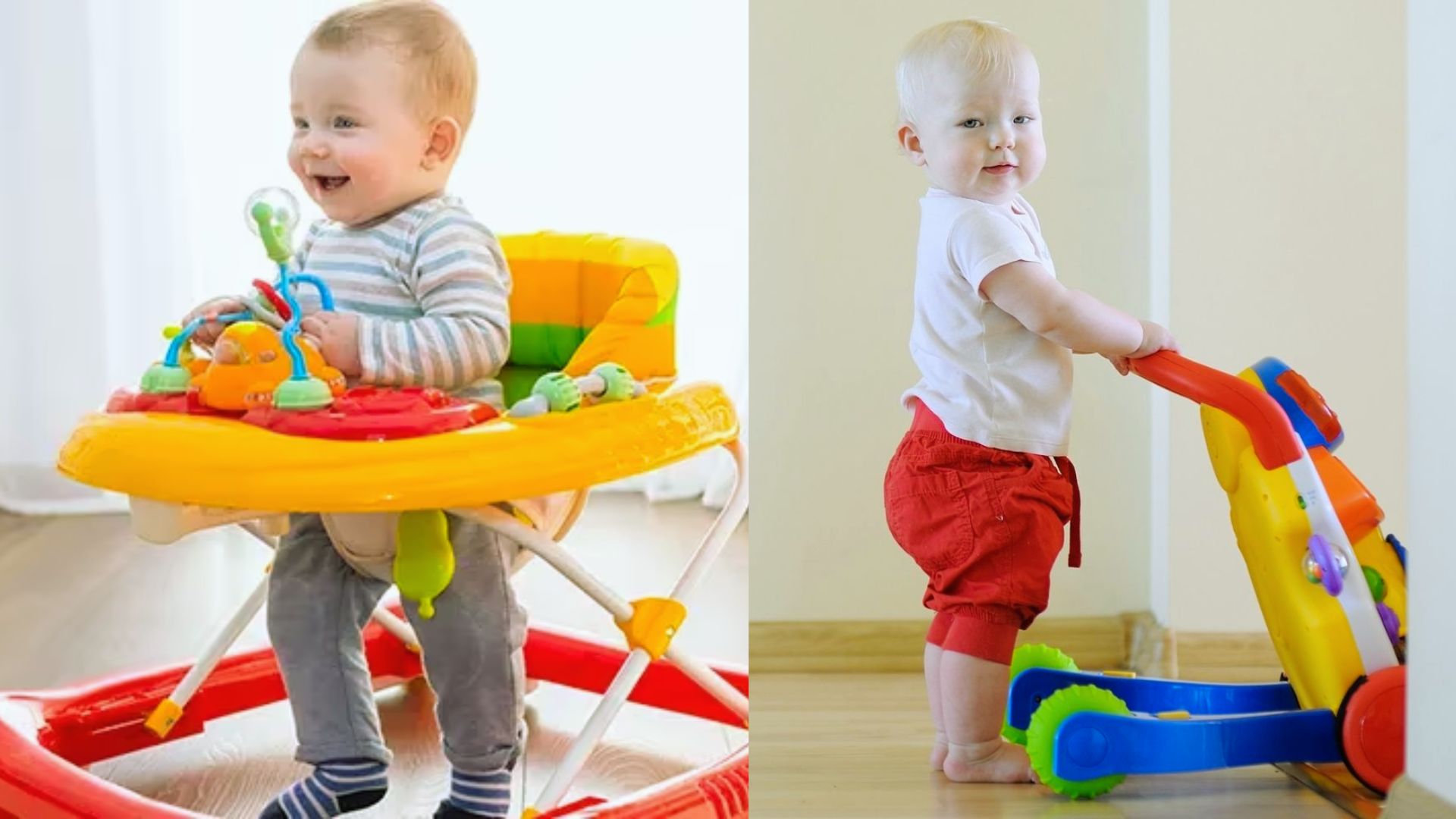
This comparison explains the key differences between traditional baby walkers, push walkers, and safer alternatives for walking practice.
| Walking Option | How It Works | Benefits or Concerns |
| Traditional Baby Walker | Allows babies to move around while seated before they develop full balance and muscle control. | May encourage poor walking habits and is linked to injuries, especially around stairs and open doors. |
| Push Walker | Allows babies to stand upright and push the walker while supporting their own body weight. | Can encourage balance, coordination, and leg strength for babies already pulling up and cruising. |
| Stable Sofa or Coffee Table | Gives babies a sturdy surface to hold while cruising. | Supports natural movement and helps babies practice balance. |
| Parent's Hands | Provides support while babies practice standing and taking steps. | Offers a safe way to build confidence during supported walking. |
| Soft Play Blocks | Creates a short, safe path for babies to move between objects. | Encourages movement while maintaining natural body positioning. |
| Stable Activity Cube | Gives babies a steady object to hold or push. | Supports walking practice when the cube remains stable during use. |
What Can Delay Walking?
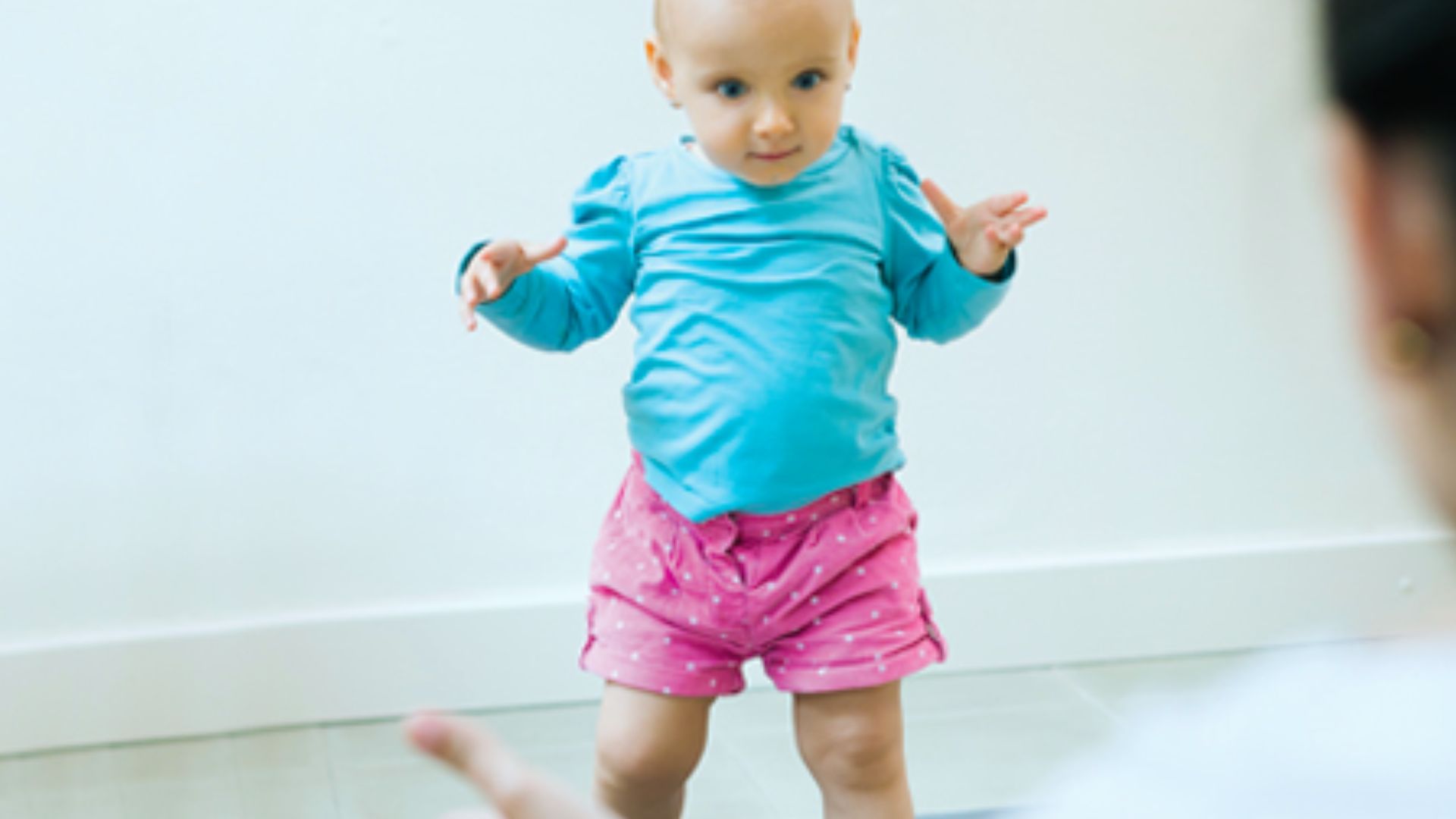
The age at which a baby walks depends on many factors. While most babies begin walking between 9 and 18 months, some naturally take a little longer without it indicating a developmental problem.
Premature Birth
Babies born prematurely often reach developmental milestones based on their adjusted age, meaning the age they would be if born on their due date, rather than their actual birth date.
As a result, walking may happen a little later than it does for full-term babies.
Personality and Confidence
Some babies are eager to explore and attempt standing as soon as they can. Others are more cautious and spend extra time crawling before trying independent steps.
Both approaches are completely normal.
Physical Development
Muscle strength, muscle tone, balance, coordination, and body size all influence walking.
Babies need enough strength to support their weight and enough balance to move confidently from one step to the next.
Opportunities to Practice
Babies who have plenty of supervised floor time can practice rolling, crawling, standing, and cruising more often.
These everyday activities naturally strengthen the muscles needed for walking.
How to Encourage Your Baby to Walk Safely
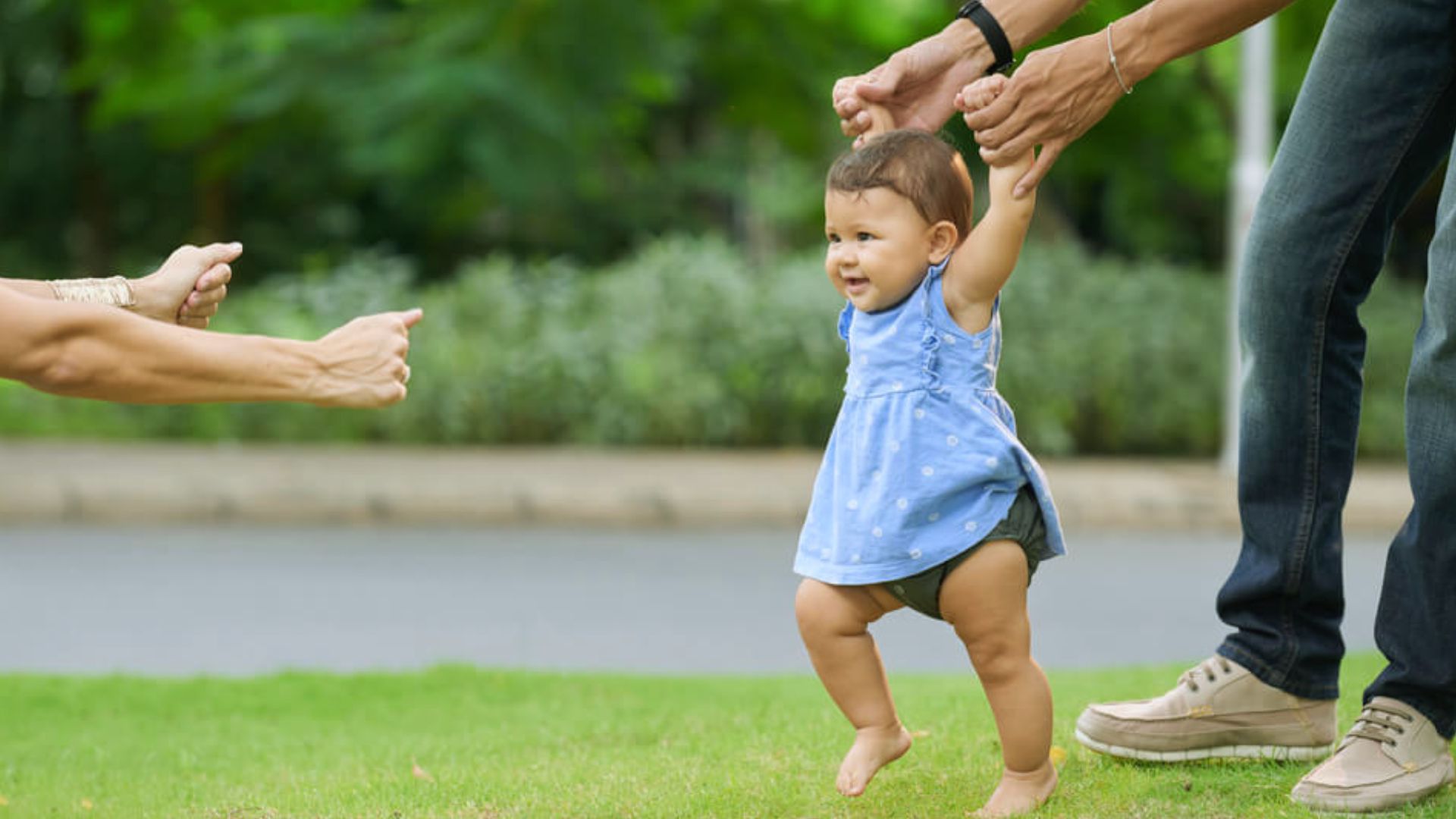
A supportive environment helps babies gain confidence while reducing the risk of injury. Small daily opportunities to practice are often more effective than long practice sessions.
Build Confidence Through Play
Sit a short distance away and encourage your baby to walk toward you. Hold out a favorite toy or clap when they attempt a few steps.
Celebrating small achievements encourages babies to keep practicing without feeling pressured.
Create a Safe Practice Area
Choose a flat area free of sharp furniture corners, loose rugs, and other tripping hazards. Soft play mats or carpets can cushion minor falls while your baby learns to balance.
Make sure furniture used for cruising is stable and cannot tip over.
Mistakes Parents Should Avoid
Parents can support healthy walking by avoiding a few common habits:Comparing their baby's progress with other children.
Using seated baby walkers. Expecting long practice sessions before the baby is ready. Putting shoes on for indoor practice too early. Pulling a baby's arms while trying to make them walk.
Allow your baby to progress at their own pace while offering plenty of encouragement.
Walking Milestones Comparison Table
This table outlines typical walking milestones by age and practical ways parents can support each stage of development.
| Age Range | Typical Milestone | What Parents Can Do |
| 6–9 months | Builds core strength, sits independently, crawls | Encourage tummy time and floor play |
| 9–12 months | Pulls up, cruises, stands with support | Provide sturdy furniture for cruising |
| 12–15 months | Takes first independent steps, often with a wide-based gait | Celebrate small successes and practice daily |
| 15–18 months | Walks more confidently | Encourage walking on different safe surfaces |
| 18–24 months | Runs, climbs, changes direction | Support active play and outdoor exploration |
When Should You Be Concerned About Delayed Walking?
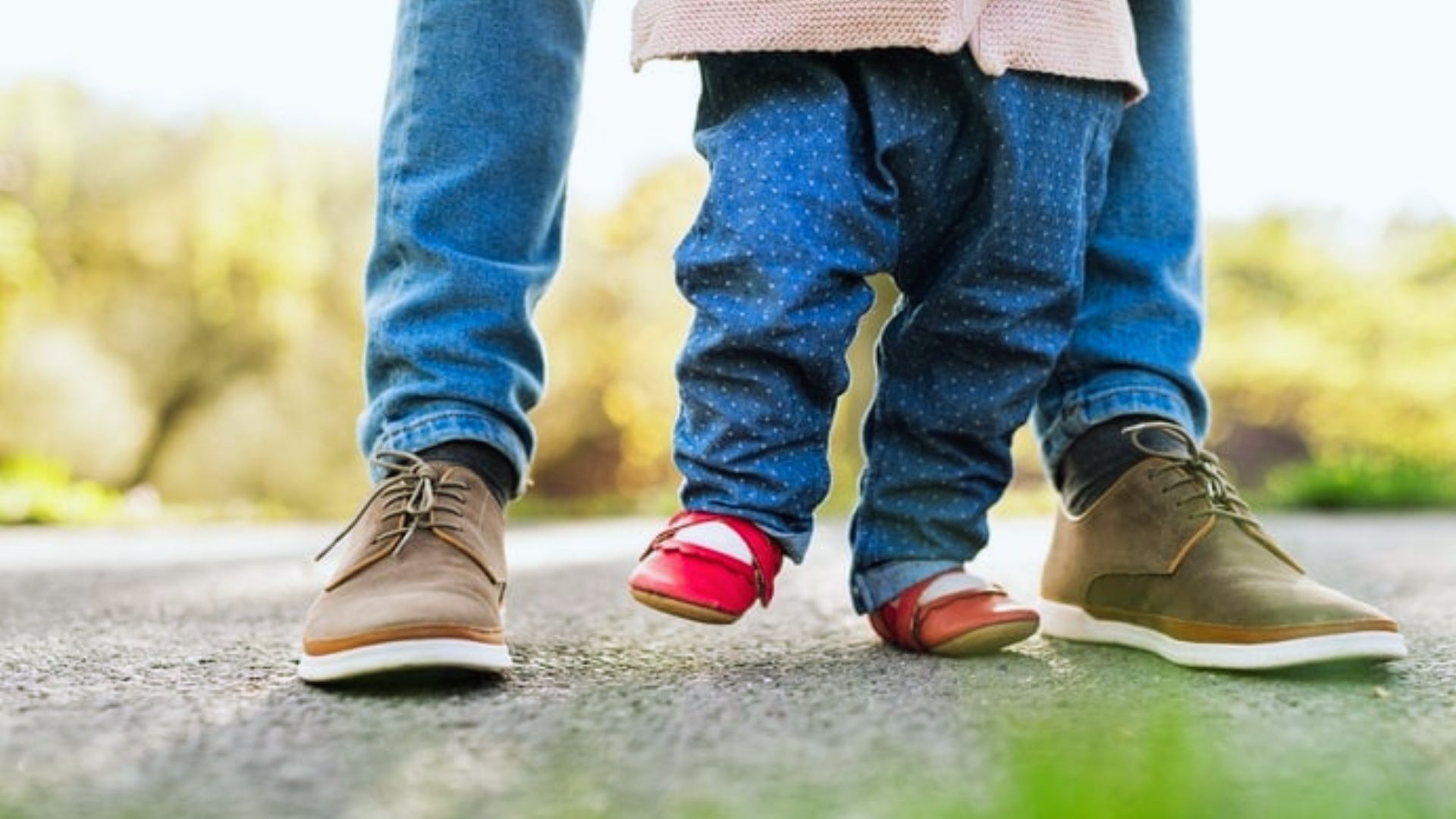
Most babies begin walking within the typical age range, but some signs may warrant medical evaluation.
Contact your pediatrician if your baby cannot bear weight, has very stiff or floppy muscle tone, uses only one side of the body while moving, is not pulling up or attempting to stand by 15 to 16 months, or has not taken independent steps by 18 months.
These signs do not always indicate a serious problem, but they should be discussed with a healthcare professional.
During an evaluation, your pediatrician may check your baby's muscle tone, strength, coordination, reflexes, and overall movement.
If needed, your child may be referred to a pediatric physical therapist or another specialist for further assessment.
Expert Tips for Supporting Your Baby's First Steps
Simple ways to support your baby’s first steps include safe floor play, barefoot practice, encouragement, and regular developmental checkups.
- Let your baby spend plenty of time barefoot indoors, or in grip-bottom socks, to strengthen foot muscles and improve balance.
- Encourage daily floor play instead of relying on swings, bouncers, or carriers for long periods.
- Place a favorite toy a short distance away to motivate your baby to move independently.
- Praise effort instead of focusing only on successful steps. Positive encouragement helps build confidence.
- Keep regular well-baby appointments so your pediatrician can monitor your child's gross motor development and answer any questions.
Conclusion
Most babies take their first independent steps between 9 and 18 months, with many walking around their first birthday. However, every child develops at their own pace, so there is no need to compare your baby’s progress with other children.
Encourage walking through regular floor play, safe exploration, and barefoot practice indoors. Give your baby plenty of opportunities to stand, cruise, and move independently in a safe space.
If your baby has not taken independent steps by 18 months or you notice concerns with strength, balance, muscle tone, or movement, talk with your pediatrician.
For more helpful baby development tips and milestone guides, explore our latest parenting articles.
Frequently Asked Questions
Is it normal for a baby to skip crawling and go straight to walking?
Yes. Some babies skip crawling and move directly to standing and walking. As long as they continue meeting other developmental milestones, this is usually considered a normal variation.
Do heavier babies walk later than smaller babies?
Sometimes. Babies with a larger body size may need a little more time to develop the balance and leg strength required for independent walking. However, many heavier babies still begin walking within the typical age range.
Can wearing shoes too early affect walking development?
Shoes do not usually cause developmental problems, but barefoot walking indoors gives babies better grip and allows natural foot movement. Lightweight, flexible shoes are best once your baby begins walking outside.
Should I worry if my baby only walks while holding my hand?
No. Walking with support is a normal stage between cruising and independent walking. Most babies gradually become confident enough to walk on their own with continued practice.
Does birth order affect when a baby starts walking?
Birth order can influence development, but it is not a reliable predictor. Some younger siblings walk earlier because they imitate older children, while others follow their own timeline.