



If your 2 year-old is so clingy all of a sudden, you are not alone – and you are not doing anything wrong.
I have been there, standing at the door while my toddler cried just because I walked to the kitchen. It is exhausting, confusing, and sometimes a little heartbreaking.
In this article, I will walk you through why this happens, what it really means, when to be concerned, and simple ways to help.
You can trust what you read here – every section is grounded in child development research and real parenting experience.
Understanding Why Your 2 Year-Old Is So Clingy All of a Sudden

If your 2 year-old is so clingy all of a sudden, the first thing to know is that this is completely normal. Most toddlers go through waves of clinginess, and age 2 is one of the most common times for it to spike. Sudden clinginess is rarely a sign that something is wrong.
More often, it is your child’s way of saying they feel uncertain, overwhelmed, or just in need of comfort. At this age, toddlers are becoming more aware of the world around them, and that awareness can feel like a lot.
What looks like clinginess on the outside is actually your child reaching for the one person they trust most with you.
Research in early childhood development consistently shows that children who feel securely attached to a caregiver are more likely to grow into confident, independent kids. So that tight grip on your leg? It means you are doing something right.
Is It Normal If My 2-Year-Old Is So Clingy All of a Sudden?

Sudden clinginess at age 2 is more common than most parents expect. Here is why.
Why Clinginess Is Common at Age 2
Two-year-olds are in the middle of one of the biggest developmental periods of early childhood. Their brains are growing fast. They are starting to understand that the world is bigger than they thought – and that can feel scary.
At this age, toddlers are not yet able to manage big feelings on their own. So they turn to the one person who makes them feel safe.
What Sudden Clinginess Usually Means
When clinginess seems to come out of nowhere, it is almost always a response to something. A change in routine. A growth spurt. A new skill they are working on.
Even something small like a different babysitter, can trigger a wave of clinginess. It is not a behavior problem. It is a communication.
Why Being Clingy Can Be a Healthy Sign
This might surprise you, clinginess often means your child has a secure attachment to you. They cling because they trust you. They know you are safe. That is actually a good thing. Research in attachment theory shows that children who feel close to their caregivers are more likely to build confidence over time, not less.
Common Reasons Your 2 Year-Old Is Suddenly Clingy

Several everyday factors can cause a toddler to become more clingy without warning.
Life Changes and Separation Anxiety
Separation anxiety does not always fade and stay gone. It can ease up around 18 months and then come back strong at 2. Big shifts like starting daycare, a new sibling, or even a change in routine can trigger it.
Your toddler is not being difficult. They are adjusting to a world that suddenly feels less predictable. They need more reassurance during these times, and that is okay.
Development, Health, and Temperament
Around age 2, toddlers go through major leaps in language and emotional awareness. These leaps can feel overwhelming, and clinging to you is how they cope. On top of that, illness, teething, or poor sleep can shrink their ability to handle stress.
Some children are also naturally more sensitive and simply need a little extra support. None of this means something is wrong – it just means your child is growing.
Why Clinginess Often Peaks Around 2 Years Old

Age 2 brings a mix of new awareness and emotional immaturity that makes clinginess peak.
Increased Awareness and Imagination
At 2, children start noticing more – strangers, shadows, loud sounds, unfamiliar places. Their imagination is growing, but they do not yet have the tools to sort out what is real or safe.
Fear of Losing Control
Toddlers want control over their world, but most things are still decided for them. This gap between wanting independence and not having it creates frustration and a need for closeness.
Regression During Milestones
When a toddler is working hard on a new skill like potty training or talking more, they often regress in other areas. Clinginess during milestones is one of the most common forms of regression.
Strong Attachment Before Independence
Before a child can move toward independence, they need to feel fully secure. The clinginess you see now is often the foundation being laid for the confidence you will see later.
When Should I Worry About My 2 Year-Old Being So Clingy?

Most clinginess is normal, but there are a few signs worth paying closer attention to.
Signs That Clinginess May Be More Than Typical
Occasional crying at drop-off is normal. But if your child is panicking for long stretches, refusing all comfort, or unable to calm down even when you are right there that is worth paying attention to.
The same goes for toddlers who cannot play alone for even a few minutes, stop eating or sleeping due to anxiety, or scream when left in a room by themselves. These patterns can signal that the clinginess has gone beyond the typical phase.
When to Speak With Your Pediatrician
If your child has lost skills they once had – like speech, self-feeding, or toilet habits and this came alongside intense clinginess, bring it up with their doctor. Also trust your gut.
If something feels off, or the clinginess is paired with other changes that concern you, a quick conversation with your pediatrician is always the right call.
You are not overreacting. Getting clarity early is always better than waiting and wondering.
Supporting Independence Without Pushing Too Fast

Helping your toddler grow more confident takes patience, not pressure.
Why Secure Attachment Leads to Independence
It feels counterintuitive, but meeting your child’s need for closeness is what helps them eventually move away from it. Children who are pushed toward independence too fast often become more anxious – not less.
Small Daily Steps That Build Confidence
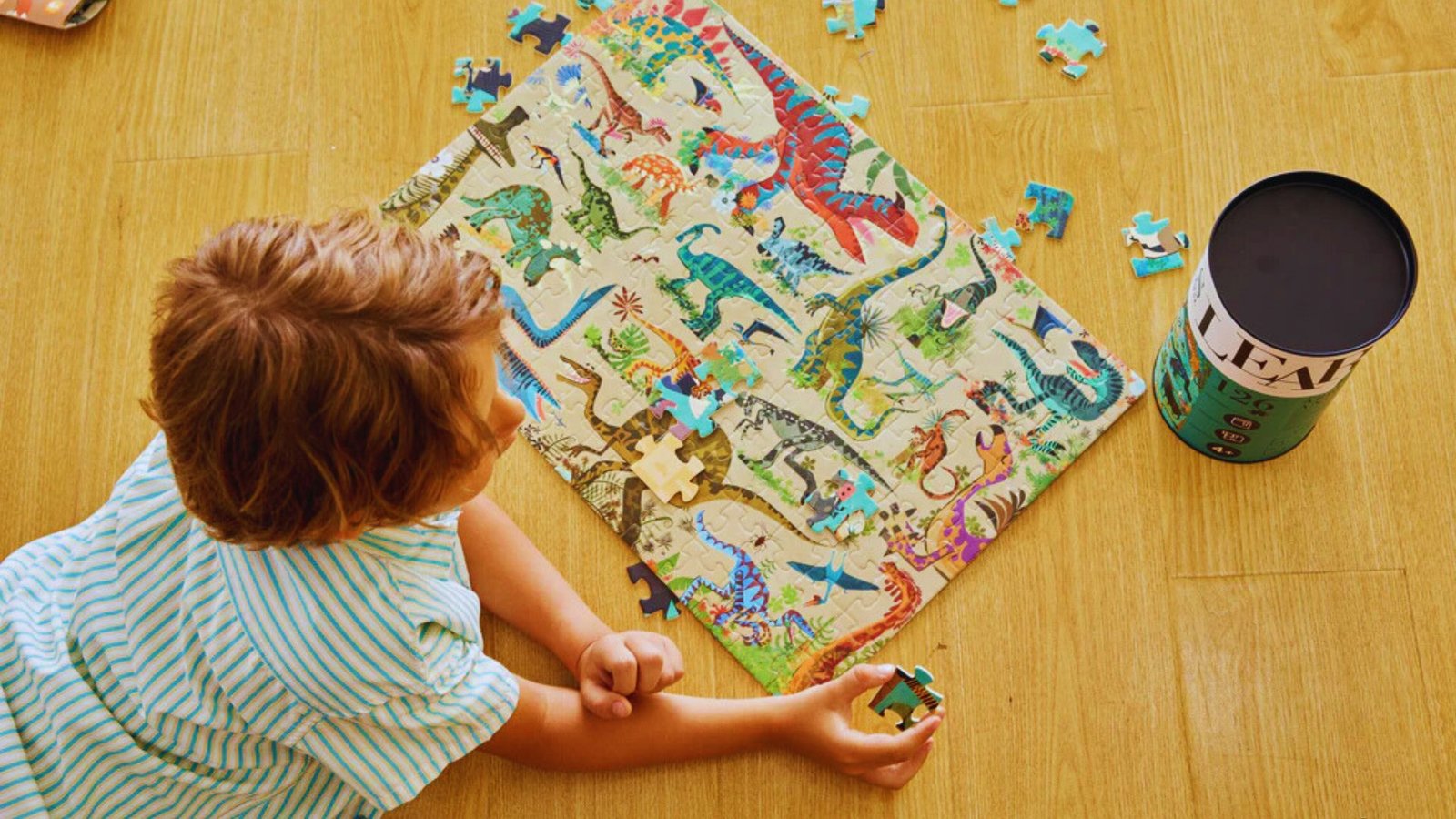
Let your toddler try things on their own in low-stakes moments. Opening a snack. Picking a shirt. Completing a small puzzle. These tiny wins build real confidence over time.
What Most Parents Notice by Age 3
Most parents find that the intense clinginess of age 2 softens significantly by 3. Language improves. Emotional regulation grows. And children start showing more curiosity about the world around them.
Tips to Help a Clingy 2 Year-Old Feel Secure and Independent

Practical steps that work in real life, not just in theory.
- Acknowledge their feelings. Say “I know you miss me, and that is okay.” Keep your tone calm and do not make goodbyes a big deal.
- Stick to a daily routine. Toddlers feel safer when they know what comes next. Predictable days lower anxiety over time.
- Always say a proper goodbye. Never sneak out. It feels easier but makes anxiety worse. Keep goodbyes short and warm.
- Build independent play slowly. Start with 5 minutes of solo play nearby. Add more time little by little as your child gets comfortable.
- Try a comfort object. A stuffed animal or soft blanket can help your toddler feel close to you when you are not around.
- Stay calm at drop-off. Your child reads your energy. A steady smile and a quick goodbye tell them that everything is okay.
Conclusion
If your 2 year-old is so clingy all of a sudden, know this it usually means you have built something strong with your child. That closeness is not the problem, it is the starting point.
I remember feeling worn out by the constant need to be held, but looking back, those were moments of real connection.
Be patient with yourself and with them. If this helped you, I would love for you to leave a comment below, share it with another parent who needs it, or check out more of our toddler tips.
Frequently Asked Questions
How long does the clingy phase last in 2-year-olds?
Most toddlers move through this phase within a few weeks to a few months. It tends to ease as language and emotional skills improve.
Should I hold my toddler more when they are clingy?
Yes, responding to clinginess with comfort helps build the security your child needs to eventually feel okay on their own.
Can starting daycare make a 2-year-old more clingy?
Absolutely. New environments are a common trigger. Give your child a few weeks to adjust, and keep routines consistent at home.
Is it okay to leave a clingy toddler with a caregiver?
Yes, as long as your child is safe and cared for. Short separations with warm goodbyes help toddlers learn that you always come back.
What should I avoid doing when my toddler is very clingy?
Avoid sneaking away, dismissing their feelings, or forcing independence too quickly. These can make anxiety worse rather than better.