
Watching your baby cry through teething is hard enough. But when vomiting joins the mix, worry sets in fast.
Is it just teething, or something more serious? This guide breaks down the real link between teething and vomiting.
You will learn the common signs of teething, the symptoms that point to something else, and when to call your doctor.
We will also cover safe ways to comfort your baby and tips to manage rough days.
As parents who have been through sleepless nights and fussy babies ourselves, we know how scary these moments feel.
You are not alone, and you will find clear answers here.
Does Teething Cause Vomiting?

Teething can cause mild stomach upset, but it rarely causes true vomiting on its own.
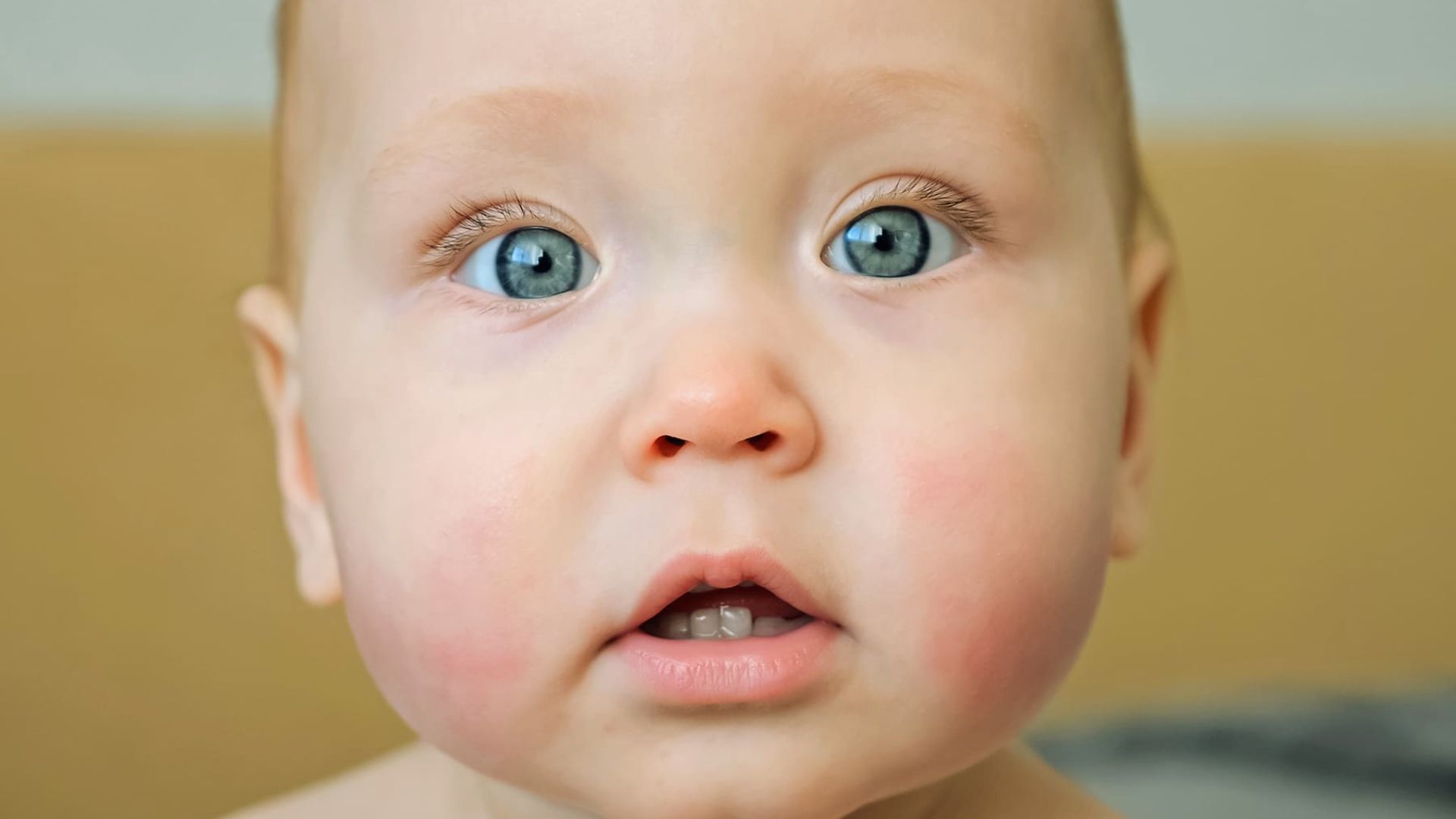
Teething brings drooling, fussiness, and sore gums. Some babies swallow extra saliva, which can lead to a little spit up or gagging.
But full vomiting is usually a sign of something else going on, like a virus or infection. It helps to know the difference so you do not miss other warning signs.
What Happens During Teething?
Here is what your baby's body goes through as new teeth push in.
When Do Babies Start Teething?
Most babies start teething around 6 months old. Some start as early as 3 months, while others do not get their first tooth until closer to 12 months.
Every baby has their own timeline, and that is normal.
Common Signs of Teething
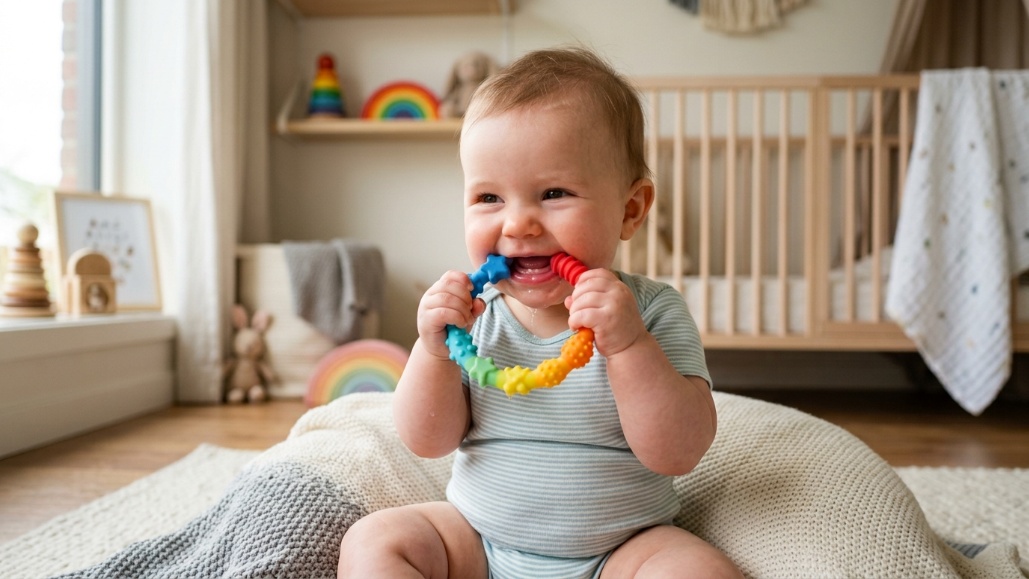
Babies who are teething often drool more than usual. They chew on toys, fingers, or anything nearby. Gums may look swollen or red.
Many babies get fussy, especially in the evening, and some have trouble sleeping.
Symptoms That Are Not Caused by Teething
High fever, watery diarrhea, and forceful vomiting are not normal teething signs. A bad cough, rash, or trouble breathing also points to something else.
These symptoms need a closer look from your pediatrician.
Why Is My Baby Vomiting While Teething?

Vomiting during teething is often a coincidence, not a direct cause.
Viral or Bacterial Infections
Babies have weaker immune systems, and teething months often overlap with cold and flu season.
A stomach bug or virus can cause vomiting that has nothing to do with new teeth coming in.
Spitting Up vs. Vomiting
| Feature | Spitting Up | Vomiting |
| Force | Gentle, flows out easily | Forceful, comes out with pressure |
| Amount | Small amount of milk or saliva | Larger amount of stomach contents |
| Baby's mood | Stays calm, often unbothered | Often fussy, uncomfortable, or crying |
| Frequency | Can happen several times a day | Usually occurs as a one-off or repeated episode tied to illness |
| Cause | Normal digestion or extra drooling | Often linked to infection, allergy, or stomach upset |
| When to worry | Rarely a concern on its own | Worth watching if frequent, forceful, or paired with fever |
Food Allergy or Food Intolerance
If your baby just started solid foods, a new ingredient could be the cause.
Watch for vomiting that happens shortly after eating, along with rashes or swelling.
Other Possible Causes
Ear infections, acid reflux, and motion sickness can all cause vomiting in babies.
Teething can make babies more sensitive overall, but it is rarely the root cause.
When Should You Worry About Vomiting?

Knowing the warning signs helps you act fast when it matters most.
Signs Your Baby Needs Medical Attention
Call your doctor if vomiting lasts more than a day, happens repeatedly, or comes with a high fever. Blood in vomit or stool is also a reason to seek help right away.
Symptoms of Dehydration to Watch For
Watch for fewer wet diapers, a dry mouth, or no tears when crying. A sunken soft spot on the head is also a serious sign that needs quick attention.
When to Seek Emergency Care
Go to the emergency room if your baby is very lethargic, has trouble breathing, or cannot keep any fluids down. Severe belly pain or a swollen stomach also calls for urgent care.
How to Comfort a Teething Baby Safely

Simple, safe steps to ease your baby's teething pain at home.
Cooling Teething Remedies
A chilled teething ring or a cold, wet washcloth can numb sore gums. Keep items cool, not frozen, since extreme cold can hurt sensitive gums.
Gentle Gum Massage
Wash your hands and gently rub your baby's gums with a clean finger. This light pressure can ease discomfort and calm a fussy baby.
Pain Relief Options
Ask your pediatrician about infant pain relievers like acetaminophen if your baby is in real distress. Always follow the dosage your doctor recommends.
Remedies to Avoid
Skip teething necklaces, numbing gels with benzocaine, and frozen teethers. These can pose choking risks or other health concerns for babies.
Can Teething and Illness Happen at the Same Time?

Yes, and telling them apart takes a closer look at the full picture.
Why Babies Get Sick During the Teething Months
Teething often happens between 6 months and 2 years, the same window when babies put everything in their mouths and lose some immunity from their mother.
This overlap makes illness more common during this stage.
How to Tell the Difference Between Teething and Illness
Teething symptoms stay mild and centered around the mouth. Illness usually brings fever above 101°F, vomiting, diarrhea, or a rash.
If symptoms feel intense or spread beyond drooling and fussiness, it is likely not teething alone.
Tips for Parents Managing a Teething Baby
Small habits that make teething days easier for you and your baby.
- Stay consistent with comfort items like a cool washcloth or teething ring during fussy spells.
- Track your baby's symptoms in a simple note so you can spot patterns or changes.
- Offer extra fluids to keep your baby hydrated, especially if they are eating less.
- Stick to a calm bedtime routine to help your baby settle despite the discomfort.
- Trust your gut and call your pediatrician anytime something feels off.
Conclusion
Teething is rough, but you are doing a great job getting through it.
When my own nephew went through this stage, the worst nights always passed faster than they felt in the moment.
If your baby is vomiting along with teething, watch closely and trust your instincts. You know your baby best.
Drop a comment if this helped, and share it with another tired parent who needs it.
Want more baby care tips? Check out our other guides on newborn health.
Frequently Asked Questions
Can teething cause a fever along with vomiting?
Teething may cause a very mild temperature rise, but not a true fever. If your baby has both fever and vomiting, it is likely an infection.
How long does teething-related discomfort usually last?
Discomfort from a single tooth coming in usually lasts a few days. The full teething process can stretch on for months as more teeth come in.
Is it normal for a teething baby to refuse food?
Yes, sore gums can make babies less interested in eating. Offer soft, cool foods and do not force meals during flare ups.
Can teething cause diarrhea in babies?
Teething does not directly cause diarrhea. Extra drooling can loosen stool slightly, but true diarrhea usually points to illness.
What is the best way to soothe nighttime teething pain?
A cool teething ring before bed can help. A consistent bedtime routine also keeps your baby calm even on tough teething nights.