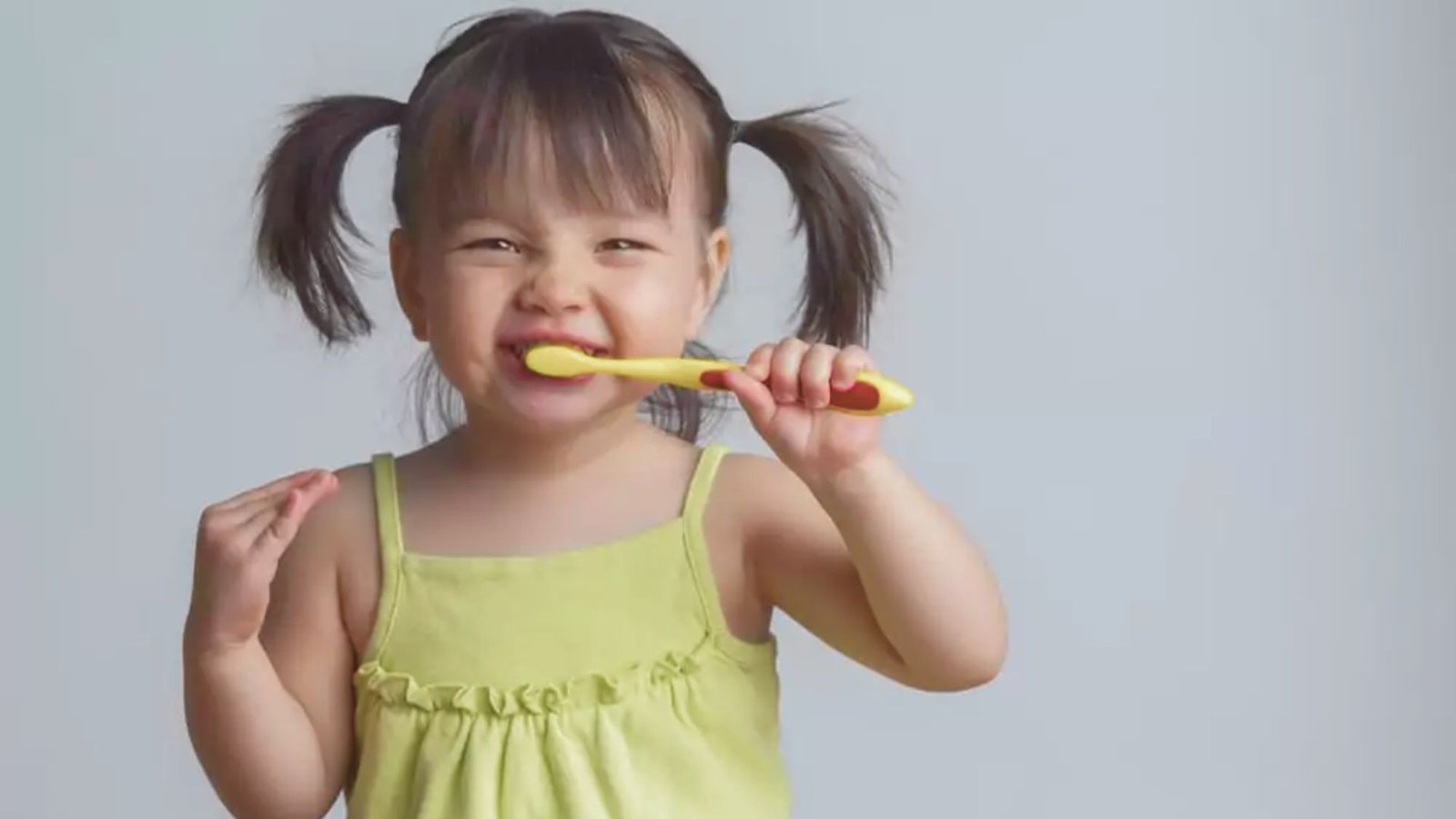
If your child fights you every time it’s time to brush, you’re not alone. Kids that don’t brush their teeth are one of the most common parenting challenges out there.
I’ve been there too, standing in the bathroom, toothbrush in hand, wondering if tonight will be another battle. Some nights it went smoothly. Other nights, not so much.
What I’ve learned is that fighting harder rarely helps. Understanding what’s really going on usually does.
Kids resist brushing for real reasons, and once you know what those reasons are, it gets a lot easier to handle.
Why Kids Don’t Brush Their Teeth

Most kids push back on brushing for a reason. It’s rarely just stubbornness. It might be a need for control, sensitivity to taste or texture, teething pain, or fear from a past dental visit.
Transitions and routines are hard for little ones too, and brushing happens twice a day, every day, which means it’s one of the most repeated battles in the house.
Some kids hate the feeling of the toothbrush on their gums. Others can’t stand the flavor of toothpaste.
Younger children are still figuring out how to handle discomfort, and they don’t yet understand why brushing matters. That combination can make refusal feel like the easiest option for them.
Understanding the “why” behind the refusal makes it much easier to respond in a way that works.
Once you know what’s driving the pushback, you can find a fix that fits your child, rather than turning brushing into a nightly standoff that leaves everyone frustrated.
What Happens to Kids That Don’t Brush Their Teeth

Skipping brushing lets plaque build up fast. Bad breath is usually the first sign. Tooth decay and cavities come next, often without any obvious warning until the damage is already done.
Gums can become inflamed and painful over time. A child with sore gums is going to resist brushing even more, which turns into a cycle that’s hard to break.
In serious cases, infections can make eating and sleeping uncomfortable.There’s also a longer-term concern. Kids with ongoing dental pain are more likely to develop anxiety around dentists later on.
Starting good habits early protects their teeth and their confidence around dental care for years to come.
How to Help Kids That Don’t Brush Their Teeth Willingly

Small changes to how you approach brushing can make a bigger difference than you’d expect.
Make It Feel Like a Game
A little fun goes a long way when it comes to kids and brushing.
Nobody wants to do something boring twice a day. Try playing a two-minute song, using a sand timer, or turning brushing into a simple challenge.
When it feels fun, kids are far more likely to go along with it.
Give Them Some Control
Letting kids have a say makes the whole process feel less like a battle.
Let your child pick their own toothbrush or toothpaste flavor. Having a say in the process makes them feel involved rather than forced.
That small bit of choice can take a lot of the fight out of the routine.
Brush Together as a Family
Kids learn best by watching the people they love most.
Kids copy what they see. Brushing alongside your child makes it feel like something everyone does, not just a rule aimed at them.
It also gives you a chance to model the right technique without making it a lesson.
Praise the Effort, Not the Perfection
A calm and positive reaction after brushing does more than any reminder ever could.
Focus on what your child did right rather than what they missed. A warm response after brushing goes a long way in building a habit.
Pressure usually backfires, but encouragement tends to stick.
Do Visuals Help: For Kids That Don’t Brush Their Teeth?
Sometimes showing kids is more effective than telling them.
Use Age-Appropriate Images to Explain Cavities

The right image can help a child understand what’s at stake without frightening them.
Age-appropriate pictures showing what cavities look like help kids connect brushing to real results.
When children can see what happens to teeth that aren’t cared for, the habit starts to make sense to them in a way that words alone often don’t.
Try Sticker Charts for Daily Motivation

A small reward system can turn brushing into something kids actually look forward to.
Sticker charts give kids something to work toward each morning and night.
Watching their chart fill up feels like an achievement, and that sense of progress keeps them coming back to the routine without much pushing from you.
Post Brushing Diagrams Near the Sink

A simple visual reminder in the right spot can quietly do a lot of the work for you.
Simple brushing diagrams posted near the sink give kids a reference point every time they brush.
They serve as a gentle, pressure-free nudge that keeps technique and routine top of mind without any nagging needed.
When to See a Dentist

Sometimes brushing refusal goes beyond stubbornness. If your child cries, flinches, or complains of mouth pain during brushing, it could be a sign of cavities or gum sensitivity rather than just resistance to routine.
If you notice swelling, discoloration, spots on their teeth, or persistent bad breath, book an appointment. These are signs a dentist needs to check, not something to wait on.
Regular dental visits also help kids get comfortable with professional care over time.
A child who sees the dentist consistently is far less likely to develop fear around it, which makes both dental visits and home brushing easier as they grow.
Tips to Build Healthy Brushing Habits That Last
Small, steady steps every day add up to a lifetime of healthy teeth.
- Stick to morning and bedtime brushing every day. Consistency builds the habit faster than anything else. Even on busy days, keeping the routine in place matters more than getting it perfect.
- Keep the experience calm and low-pressure. If brushing feels stressful, kids will resist it more. A relaxed approach makes it easier for everyone and keeps the routine feeling safe rather than forced.
- Stay steady when your child pushes back. Giving in occasionally teaches kids that resistance works. Hold the routine calmly and firmly, without escalating, and the pushback usually fades over time.
- Swap toothbrushes every few months. Old toothbrushes don’t clean as well and can feel uncomfortable on gums. Let your child pick a new one each time to keep the excitement going.
- Make dental care feel normal and positive at home. Kids who grow up seeing oral hygiene as a regular, no-drama part of the day are far more likely to carry those habits with them into adulthood.
Conclusion
Raising a child who brushes without a fight takes time, and that’s completely okay. Kids that don’t brush their teeth aren’t being difficult on purpose.
They just need patience, consistency, and a little creativity from us.
I’ve found that the nights I made brushing feel fun were the nights we skipped the battle entirely. Start small, stay consistent, and celebrate the wins.
Have a tip that’s worked for your child? Drop it in the comments. I’d love to hear what’s helped your family.
Frequently Asked Questions
Is it normal for kids that don’t brush their teeth to resist daily brushing?
Yes, it’s very common, especially in toddlers and preschoolers. With patience and consistency, the refusal usually does get better over time.
What age should kids brush their teeth properly on their own?
Most children are ready to brush independently around age 7 or 8. Before that, parents should supervise to make sure the job is getting done properly.
Can skipping brushing once in a while cause cavities?
One missed session won’t cause a cavity, but regular skipping allows plaque to build up fast. Over time, that leads to decay and other problems.
How long should kids brush their teeth each time?
Kids should brush for two full minutes, twice a day. A song or a simple timer makes hitting that mark much easier.
What toothpaste works best for kids that don’t brush their teeth willingly?
Let your child pick the flavor. Many kids prefer fruity options over mint, and using a toothpaste they actually like can reduce a lot of the resistance.