Size 70 shows up on tags from Japanese brands, US labels like Hanna Andersson, and many online marketplace listings. If you’re used to seeing “6 to 9M” on a onesie, it stops you cold.
What size is 70 in baby clothes, and does it actually match what your baby is wearing right now? That’s the confusion.
The tricky part is that size 70 doesn’t follow age. It follows height, which means two babies the same age can need completely different sizes.
Get it wrong and you’re either returning a gift or watching a baby squeezed into something too small. This article gives you the exact numbers and the context to use them.
What Is Size 70 in Baby Clothes?
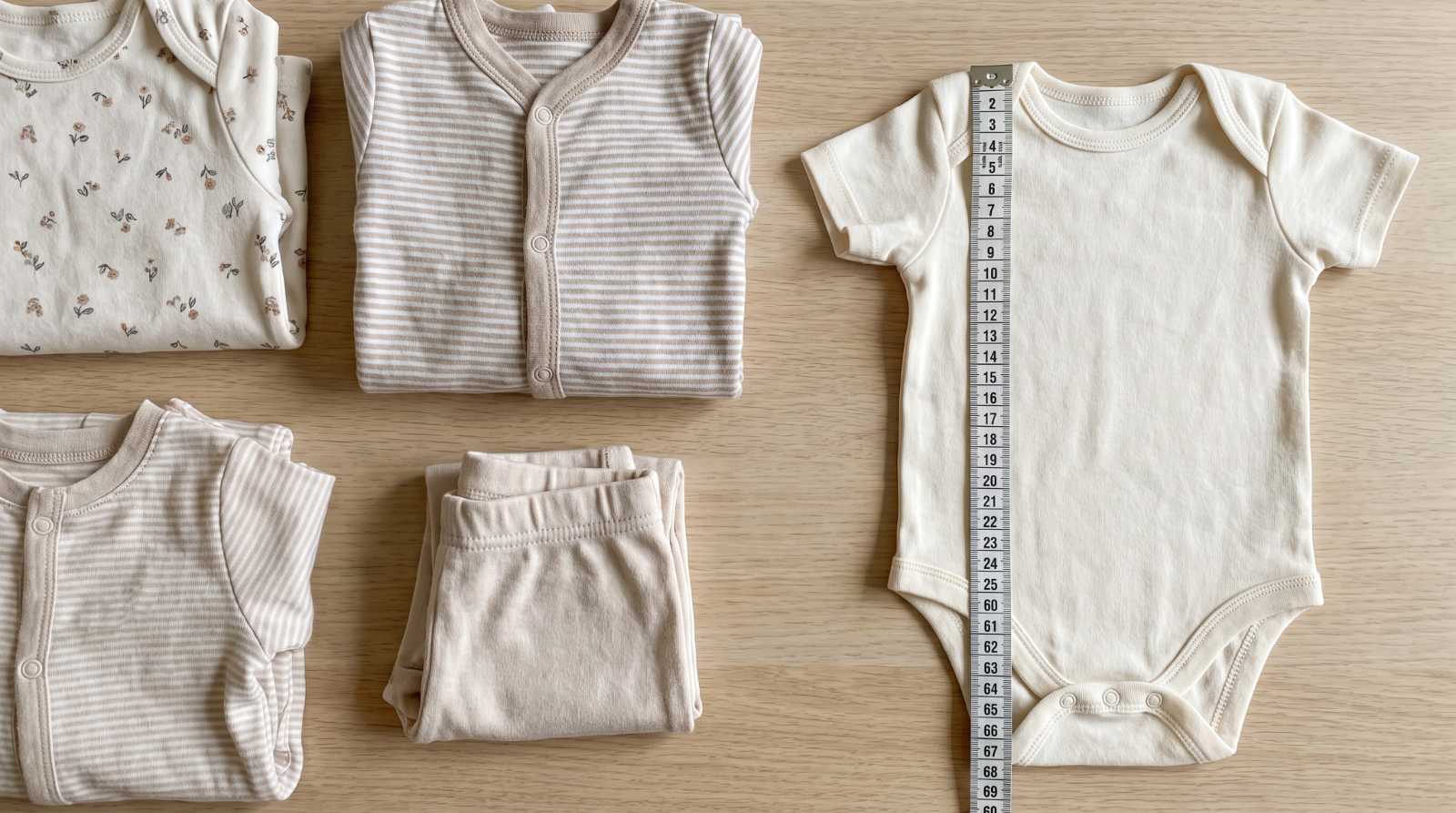
Size 70 in baby clothes is a height-based metric size designed for babies around 66 to 74 cm tall, roughly 26 to 29 inches.
In the US, that lines up with the 6 to 12 month range, though the fit depends on your baby’s build, not just their age.
The “70” refers to your baby’s approximate height in centimeters. So if your baby measures 68 to 70 cm, size 70 is the right call.
Most European brands, such as H&M, don’t make a size 70 at all. They use 68 and 74 instead, so it helps to know which system a label comes from.
Size 70 typically suits babies weighing between 16 and 22 lbs, but weight alone shouldn’t drive the decision. Height is always the more reliable guide when you’re working with metric sizing.
Size 70 in US Terms: Age, Height, and Weight
Converting a metric size into something familiar takes more than a quick swap. The two systems measure different things entirely.
Height and Weight Range at Size 70
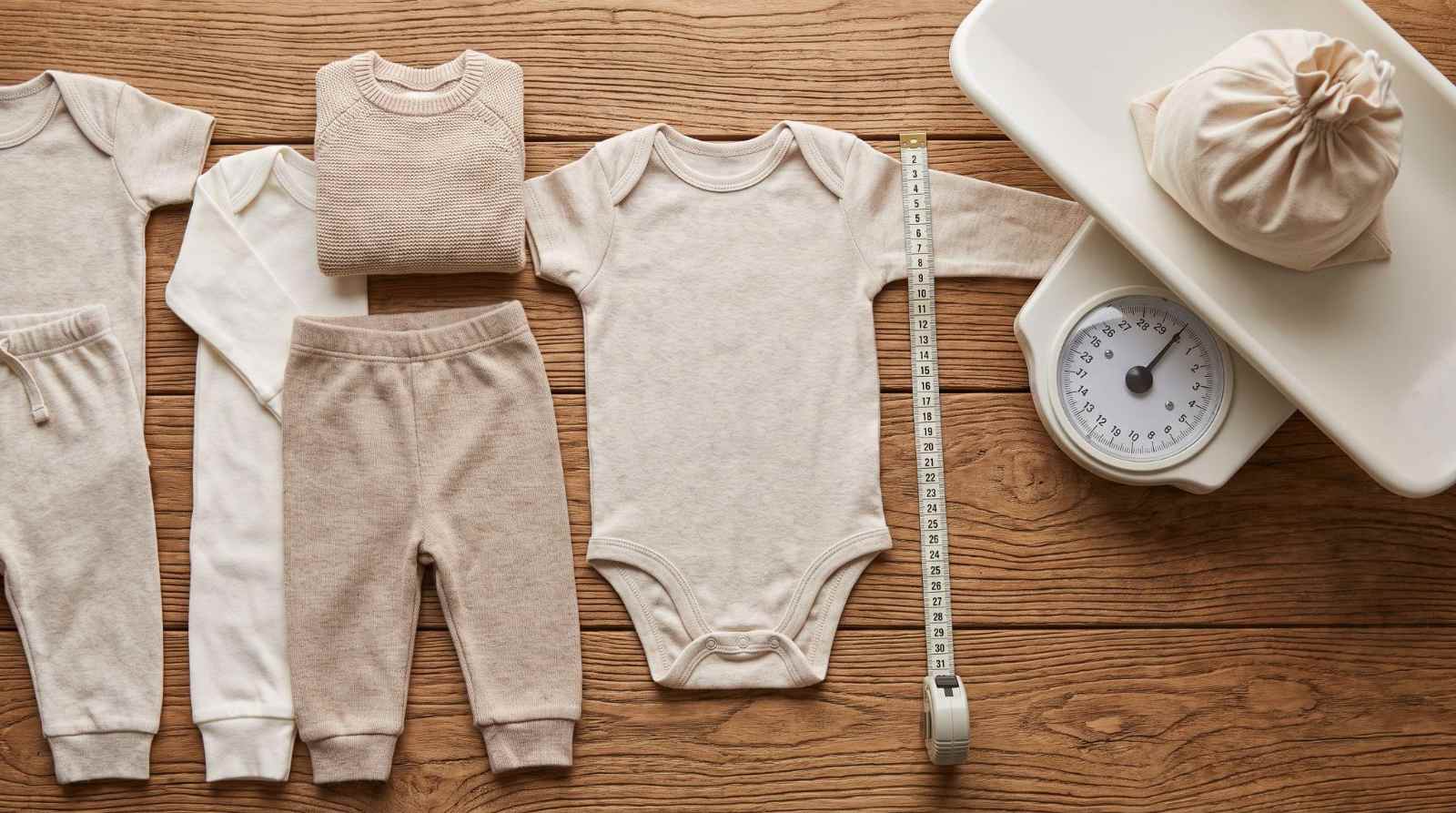
Size 70 is built for babies standing between 66 and 74 cm, which is roughly 26 to 29 inches. In terms of weight, most babies in this height range fall between 16 and 22 lbs, but that window is wide for a reason.
A baby who’s tall and lean might hit 70 cm before they reach 16 lbs. A shorter, heavier baby might weigh 20 lbs and still fit comfortably.
This is why height wins every time when you’re picking a size. If you only have a weight to go on, use it as a secondary check, not the main one.
How US Month Sizes Compare to Size 70
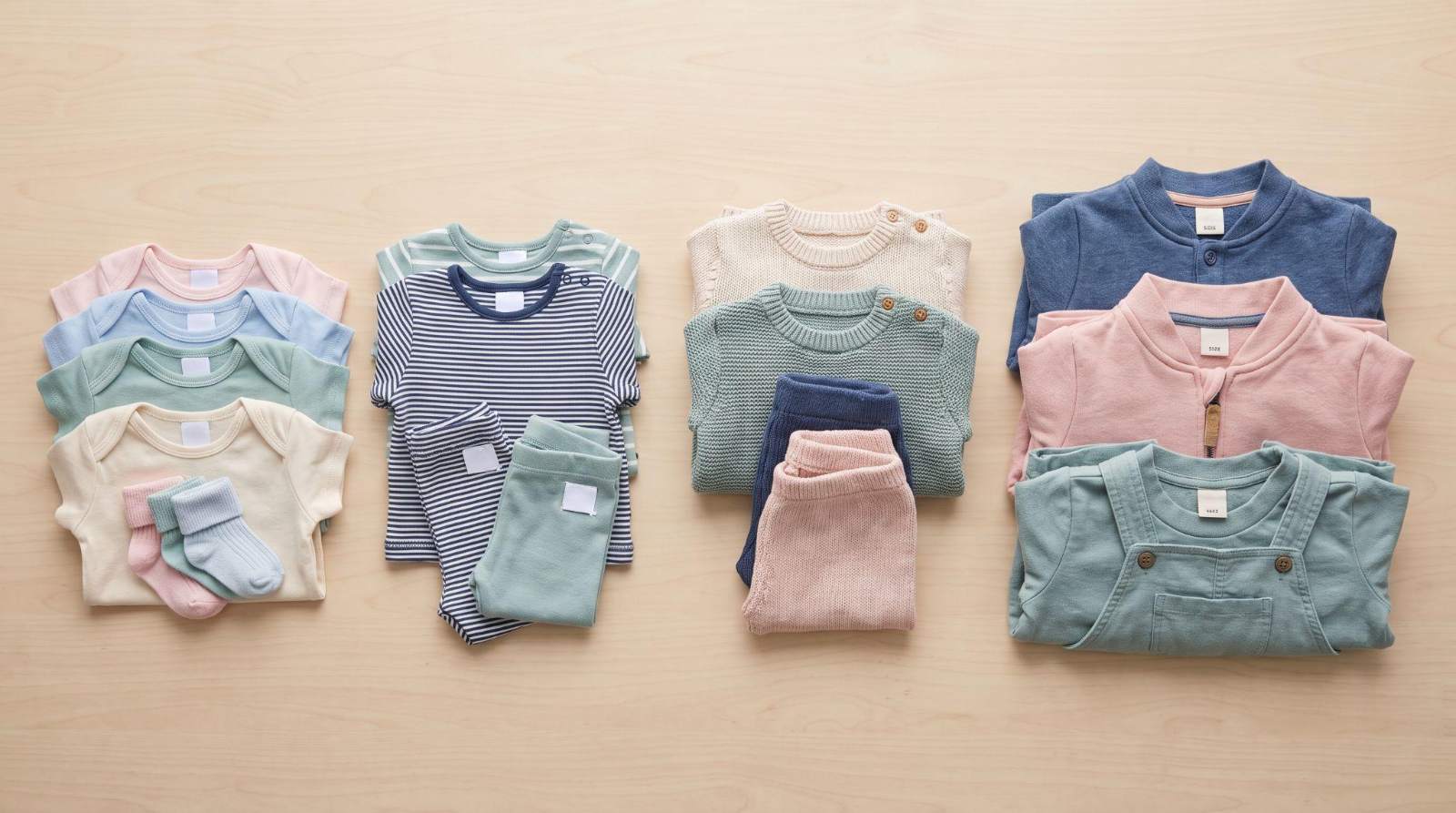
US baby clothes use age as the label (6M, 9M, 12M), but those labels are really just height and weight ranges dressed up as months. Size 70 sits closest to the US 6 to 12 month range.
WHO growth standards put the average 12-month-old at about 74 cm for girls and 76 cm for boys. That’s why size 70 tends to cover the 6 to 12 month stretch before most babies need to move up.
More specifically, Japanese size charts generally place 70 at about 6 to 9 months, while Hanna Andersson and Gap’s charts place it at 6 to 12 months.
The overlap exists because American sizing rounds to broader age bands. If a US tag says “6 to 12M” and lists a height of 26 to 28 inches, that’s your size 70 equivalent.
How Size 70 Varies by Brand
Not every brand cuts size 70 the same way, and some don’t use it at all. Here’s how the major options compare so you buy the right one the first time.
| Brand / System | Size Label | Height Range | Weight Range | US Equivalent |
| Hanna Andersson | 70 | 26 to 28 in (66 to 71 cm) | 16 to 20 lbs | 6 to 12 months |
| Gap (Japan size) | 65 to 70 | 27 to 29 in (69 to 74 cm) | 17 to 22 lbs | 6 to 12 months |
| Japanese brands (general) | 70 | About 27.5 in (70 cm) | About 18 to 20 lbs (8 to 9 kg) | 6 to 9 months |
| European brands (e. g., H&M) | No 70; uses 68 or 74 | 68: 63 to 68 cm; 74: 69 to 74 cm | Varies by brand | 68: about 4 to 6 months; 74: about 6 to 9 months |
| Carter’s (US) | No 70; closest is 9M | 27 to 28.5 in (69 to 72 cm) | 17 to 21 lbs | 9 months |
Numeric sizes from online marketplace sellers are the least consistent of all (more on those in the FAQs below). Always check the brand’s individual size chart before buying. The number alone isn’t enough.
When to Size Up From 70 to 80
There’s a point where size 70 stops working, and it usually shows up in the body before it shows up in the height chart.
Before you make the switch, checking what size 80 covers in height range and proportions helps you time the move correctly.
- Snaps won’t close at the crotch: This is the first sign. If the bottom snaps are pulling or won’t fasten flat, the body length has run out even if the shoulders still fit.
- Sleeves end above the wrist: Arm length grows fast at this stage. If you’re seeing a gap between the cuff and the wrist, the garment has been outgrown.
- The waist digs in after a feed: Elastic waistbands that leave marks after wearing are a sign the torso room is gone.
- Your baby is at or above 74 cm: Once they hit the top of the size 70 height range, move up to 80 (or 75 in brands like Hanna Andersson that make an in-between size). Don’t wait for the fit to become uncomfortable.
- They’re heavier than 22 lbs: Weight puts pressure on seams and snaps even when height is borderline. At this weight, size 80 will give more room in the right places.
Between sizes? Go up, not down. Baby clothes in the next size up are worn baggy for a few weeks at most. Clothes that are too small get uncomfortable fast and can restrict movement.
Buying Size 70 as a Gift
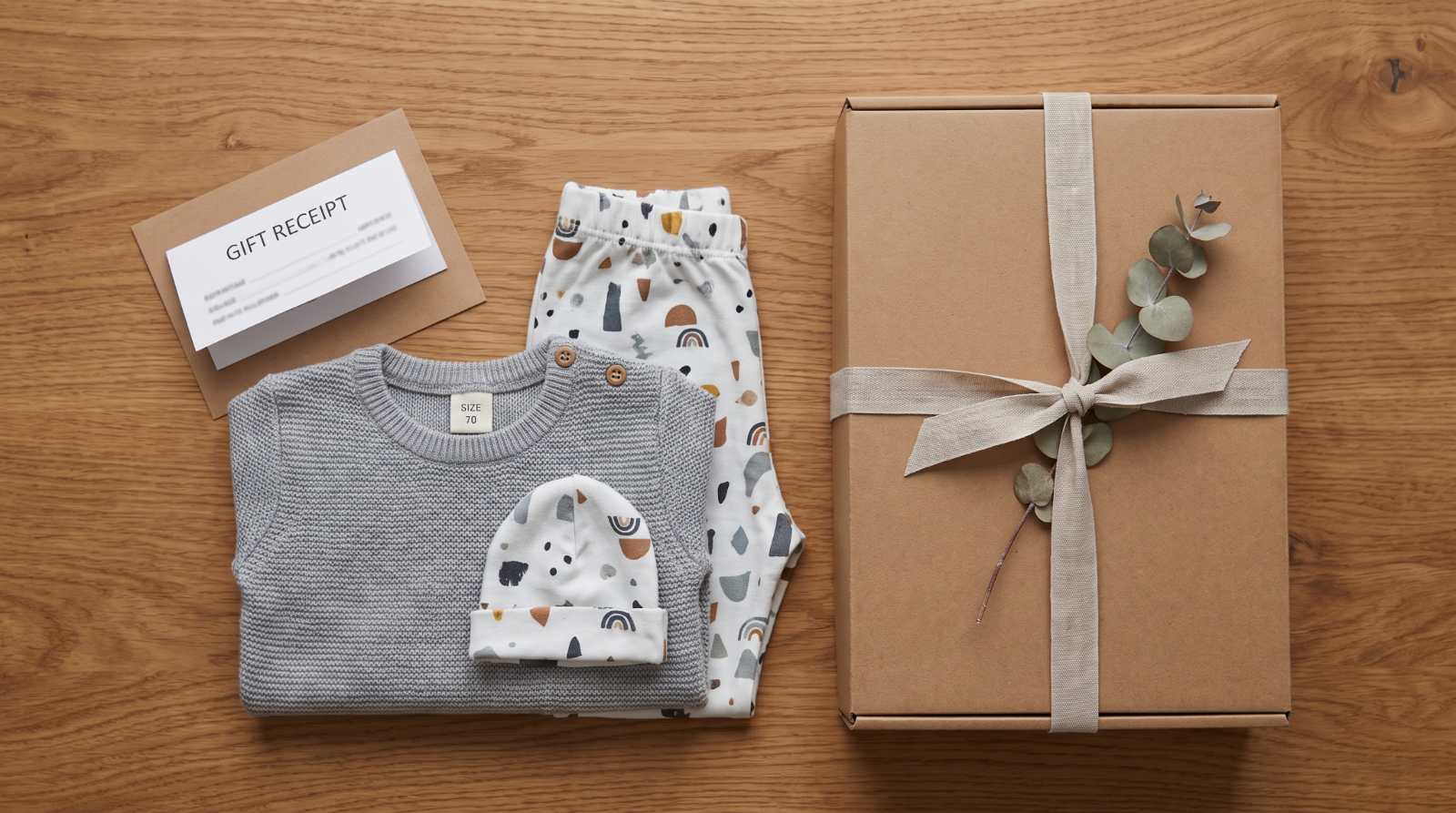
Buying baby clothes as a gift feels straightforward until you’re standing in front of a rack of metric sizes with no idea how tall the baby actually is.
Size 70 is one of the safer gift sizes to pick. It covers the 6 to 12 month window, which most newborn gifts completely skip. Newborns are flooded with tiny clothes, so size 70 fills a gap that actually gets used.
If you know the baby is around 4 to 5 months old, size 70 will likely fit within a month or two and get plenty of wear.
If you’re unsure, pair it with a gift receipt. That’s not a hedge, it’s practical. Babies grow at their own pace, and a size that fits one baby at 7 months might fit another at 10.
Closing Thoughts
Size 70 in baby clothes is a height-based metric size that fits babies roughly 66 to 74 cm tall, the equivalent of the US 6 to 12 month range depending on the brand.
The number tells you your baby’s approximate height in centimeters, not their age. That one detail clears up most of the confusion.
When in doubt, measure height first, check the specific brand’s chart second, and size up if your baby is anywhere near the top of the range. If you’re already planning ahead for the toddler stage, our guide to size 90 baby clothes covers the next big jump.
If this helped you figure out what size is 70 in baby clothes, pass it along to a parent who’s staring at the same confusing tag.
Frequently Asked Questions
What size is 70 in baby clothes on Amazon?
On Amazon, size 70 varies by brand. European brands follow the standard 66 to 74 cm range, but Chinese brands often run smaller. Always check the individual listing's size chart.
What is Chinese size 70 in baby clothes?
Chinese size 70 typically fits babies around 64 to 69 cm tall, which runs smaller than European size 70. It's closer to a US 3 to 6 month size.
What is size 70 on Shein baby?
Shein's size 70 uses Chinese sizing standards, fitting babies around 64 to 69 cm. If your baby fits a European size 70 comfortably, order Shein size 80 instead.
What size is 70 in baby clothes, girl?
Size 70 fits girls the same way as boys, 66 to 74 cm tall, roughly 6 to 12 months. There is no height difference in how the size is measured between genders.
What size is 70 in baby clothes boy?
For boys, size 70 covers the same 66 to 74 cm height range. Some brands cut boy styles slightly wider in the body, but the height and age range stays the same.