
The most useful toddler blocked nose at night home remedy is a short bedtime routine: saline drops to loosen mucus, gentle suction to clear it, moist air, and steady sips of fluid.
None of these cures a cold, but together they can help your toddler breathe more easily and settle back to sleep while the virus runs its course.
It’s 3 a.m., the monitor crackles, and your toddler is gulping air through an open mouth like a tiny snorer.
The hardest nights also tend to come early, because the CDC says cold symptoms usually peak within 2 to 3 days.
Below, you’ll find five gentle remedies for toddlers aged 1 to 3, how to handle a stuffy nose versus a runny one, and the signs that mean home care should give way to a call to the doctor.
What Causes a Toddler’s Nose to Get Blocked at Night?
A toddler’s nose may feel more blocked at night because mucus builds up, indoor air is dry, or a cold causes swelling inside the nasal passages. A few everyday triggers can be behind it:
- Viral infections: Colds are among the most frequent causes, and swollen tissue can block airflow even when there is little mucus to see.
- Allergies: Household triggers like dust or pet dander can add to the problem.
- Dry indoor air: Dry air may play a part in how stuffy the nose feels.
- Irritants: Smoke and similar irritants may contribute too.
At bedtime, the house goes quiet, and your toddler lies flat, so a stuffy nose that barely registered during play can suddenly feel much harder to ignore.
Babies follow stricter sleep rules than toddlers, so if a younger sibling is congested too, check the best position to sleep for a congested baby before changing anything in the crib.
Most of these causes ease with time, and a few bedtime steps can make the nights more comfortable while they do.
Toddler Blocked Nose at Night Home Remedy: 5 Gentle Ways
Saline loosens thick mucus, and suction clears it, so pairing the two before bedtime helps your toddler go to sleep with a clearer nose.
None of the five steps below involves medicine, and each tends to go more smoothly when you start calmly, a little before the usual bedtime rush.
1. Use Saline Nasal Drops Before Bed

Plain saline drops moisten the nasal passages and can help thin thick mucus, which makes it easier to clear.
Lay your toddler on their back with the head tilted slightly, place the number of drops listed on the package in each nostril, and hold that position for a few seconds so the drops can settle.
Some toddlers resist this step, so a calm voice, a favorite song, or letting your child hold the bottle first can help. Choose plain saline with no added medication.
2. Remove Excess Mucus With a Nasal Aspirator

Suction works best once the saline has had a minute or two to loosen the mucus.
Use a bulb syringe or a toddler-safe nasal aspirator and keep the pressure light, since too much suction can irritate the lining of the nose.
- Squeeze the bulb first, then place the tip gently at the edge of one nostril.
- Release the bulb slowly to draw out the mucus.
- Wipe the tip clean and repeat on the other side.
- Wash the device with warm, soapy water after each use.
3. Run a Cool-Mist Humidifier
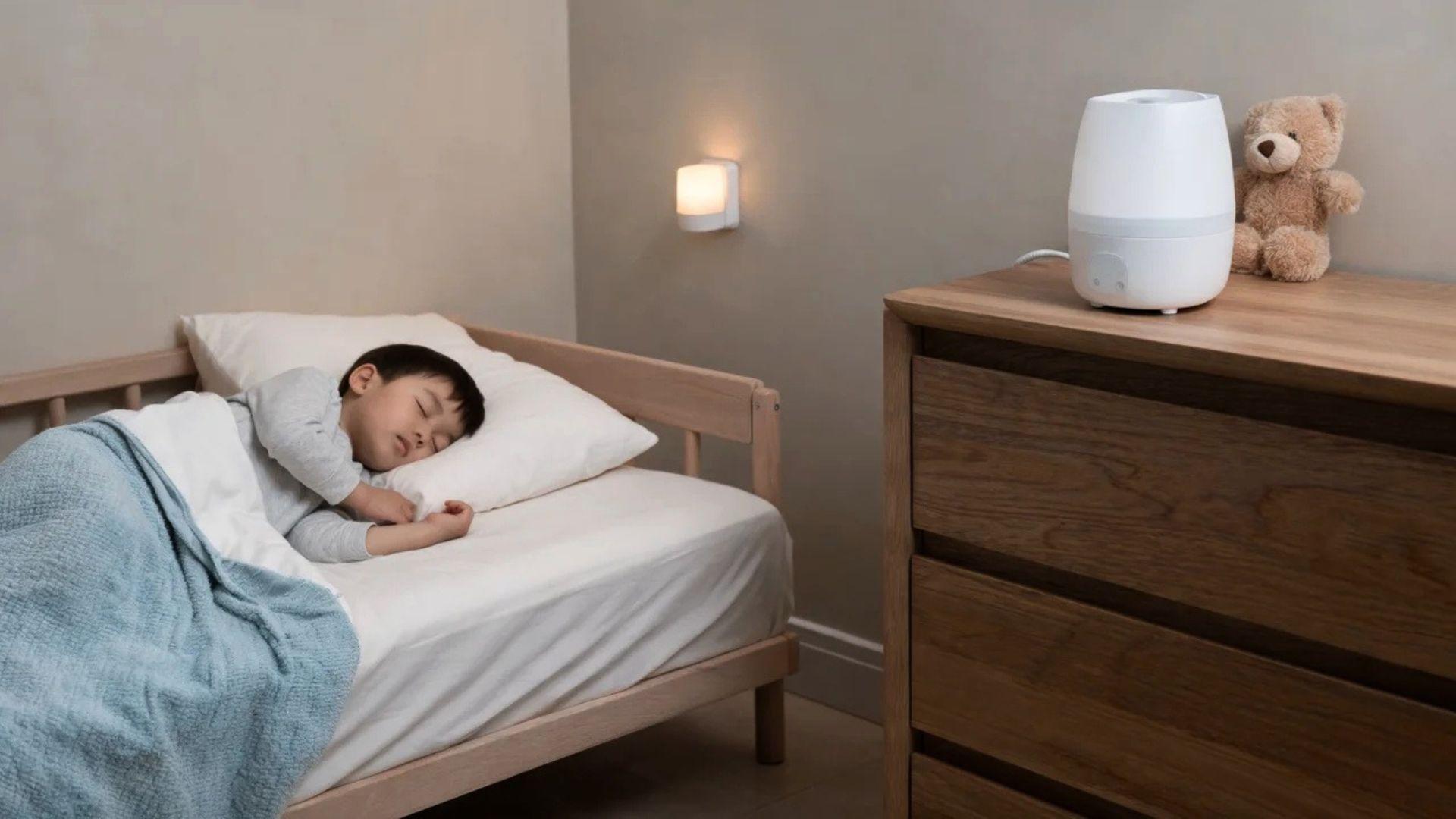
A cool-mist humidifier adds moisture to dry bedroom air and may make breathing feel more comfortable, which is why the CDC includes a clean humidifier or cool-mist vaporizer in its cold care tips.
Choose cool mist, since warm-mist units heat water and can burn a curious toddler, and set the unit several feet from the bed.
Empty and dry the tank every day, because bacteria can grow in standing water.
If an infant shares the home, nursery setups follow stricter rules on humidity, placement, and cleaning, so read up on using humidifiers for babies safely before running one there.
4. Try a Short Steamy Bathroom Routine

Close the bathroom door, run a warm shower, and sit with your toddler in the steamy room for a few minutes, well away from the water.
The CDC suggests this routine for young children with colds, though it offers short-term comfort rather than treatment.
Skip bowls of hot water and kettles, because steam and boiling water can cause burns.
5. Offer Water and Other Suitable Fluids

Drinking plenty of fluids is a standard cold-care tip, and it may help keep mucus thinner so it drains more easily.
Offer water, warm broth, or other fluids suited to your toddler’s age in small, regular sips through the day and again before bed. If your toddler pushes the cup away, try again later instead of forcing it.
These five steps help with both a stuffy nose and a runny one, though each symptom calls for a slightly different focus.
How Do You Manage a Kid’s Stuffy Nose and a 2-Year-Old’s Runny Nose?

A kid’s stuffy nose and a 2-year-old’s runny nose often show up in the same cold, but they come from different processes.
Congestion comes from swollen nasal tissue, thick mucus, or both, while a runny nose is the body flushing the virus out. Knowing which one is bothering your child tells you where to focus.
- Stuffy nose: When thick mucus is the problem, the saline-and-suction routine above does the most good. When the lining is swollen and little comes out, moist air and fluids can keep your toddler comfortable while the swelling settles with the cold.
- Runny nose: If you are wondering how to dry up a 2-year-old’s runny nose, keep in mind that the drip is part of how the body clears a cold, since the CDC says clear mucus helps wash viruses from the nose. Gentle wiping and regular drinks support comfort rather than stopping mucus on command.
Skip over-the-counter cough and cold medicines, too.
The FDA warns that products with decongestants or antihistamines should not be given to children under 2, and CDC cold care guidance does not recommend OTC cough and cold medicines for children younger than 6.
Ask your pediatrician before giving your toddler any medicine.
If symptoms keep worsening or seem unusual for a cold, your pediatrician can assess your child sooner, rather than you repeating home care night after night.
Most colds fade with time and comfort care, but a few signs mean it’s time to stop and call someone.
When Should You Contact a Doctor About Your Toddler’s Blocked Nose?
A blocked nose is usually manageable at home, but breathing difficulty, dehydration, unusual drowsiness, or worsening symptoms need medical attention.
The two lists below separate emergencies from the problems your pediatrician should hear about soon.
Call 911 or go to the emergency room if your toddler shows any of these signs of a breathing emergency:
- Fast or labored breathing, or skin pulling in around the ribs or neck with each breath
- Blue or gray color on the lips, skin, or nails
- Unusual sleepiness, confusion, or difficulty waking
Contact your pediatrician if your toddler has:
- A fever lasting longer than 4 days
- Signs of dehydration, such as a dry mouth, no tears when crying, or noticeably fewer wet diapers
- Ear pain
- Symptoms lasting more than 10 days without improvement
- Symptoms that improve and then return or get worse
Many parents’ first question about a congested toddler is whether they should be worried, and the nose itself rarely gives the answer.
Your toddler’s behavior, drinking, and breathing tell you more than the congestion alone, and a child who is playing, drinking, and breathing comfortably is in a different situation from one who is fussy, refusing fluids, or working hard to breathe.
With those warning signs clear, most nights with a congested toddler come down to a steady routine.
Getting Through Nights With a Stuffy Toddler
Choosing a toddler blocked nose at night home remedy rarely calls for more than patience and a few gentle habits: saline and suction before bed, cool, moist air, and steady fluids.
The goal is not a nose with no mucus at all, since some mucus is the body doing its job, but a child who can breathe comfortably, drink, and rest.
Before bedtime tonight, set out saline drops, a clean aspirator, and a cup of water, and jot down when symptoms started so you can describe the pattern clearly if you ever need to call your pediatrician.
This guide is for general information and does not replace advice from your child’s pediatrician.
Frequently Asked Questions
Is Green Snot Normal in Toddlers?
Yes, thick yellow or green mucus is common during a cold. The CDC says mucus may change to white, yellow, or green after 2 to 3 days, and this color change is normal.
Is It Normal for Toddlers to Get So Many Colds?
Yes, frequent colds are common in early childhood. The CDC says adults average two to three colds a year and children often have more, and more than 200 viruses can cause a cold.
Do Antibiotics Help a Toddler’s Cold?
No. Colds are caused by viruses, and the CDC says antibiotics won’t help your child feel better, even when mucus turns green. Antibiotics can also cause side effects, so give them only with a prescription.
How Long Does a Blocked Nose Last in Toddlers?
Colds usually last less than a week, according to the CDC, though a stuffy nose or cough can linger for up to 10 to 14 days. Those lingering symptoms should keep improving over time.