


Your baby has been zipped into a sleep sack since the early weeks, and now they are walking, climbing, and telling you exactly what they think of bedtime.
It is natural to wonder when to stop using a sleep sack, especially when a friend's toddler seems to have moved on already.
Children outgrow theirs somewhere between 18 months and 3 years, although there is no single cutoff that suits every child.
The right moment depends on safety, size, and how your child sleeps.
Here is what other parents did, how to tell your child is ready, what to watch for safety-wise, and how to switch to a blanket.
What Age Do Most Children Stop Using a Sleep Sack?
Most children stop using a sleep sack somewhere between 18 months and 3 years, or around the time they leave the crib.
That is a range and not a deadline, so a child who keeps theirs a little longer is not behind. Brand limits also play a part, because some sacks are only rated to around 18 to 24 months.
The one fixed line is 12 months, but that is the earliest age for a loose blanket, not a deadline for the sack.
The AAP advises against loose blankets in the sleep space before then, and a sleep sack is the safe alternative until that point.
If your child wants a comfort item in the meantime, here is when they can sleep with a lovey.
The one exception is climbing: if your child tries to climb out of the crib, stop using a footless sack at any age.
A walker or pant-style sleep bag with foot openings is a safer step in between.
Swaddles follow a different rule, and you should stop swaddling once your baby shows signs of rolling, usually between 2 and 4 months.
The two are easy to mix up, which can make parents feel they need to drop the sack much sooner than they do.
What Are the Signs Your Child Is Ready to Stop Using a Sleep Sack?
Readiness shows up in behaviour more than in birthdays, and a real signal repeats night after night while a passing protest fades within a day or two.
One night of unzipping during teething or illness is not readiness, but consistent resistance over a couple of weeks is a much stronger sign.
1. Climbing Out of the Crib or Moving to a Toddler Bed
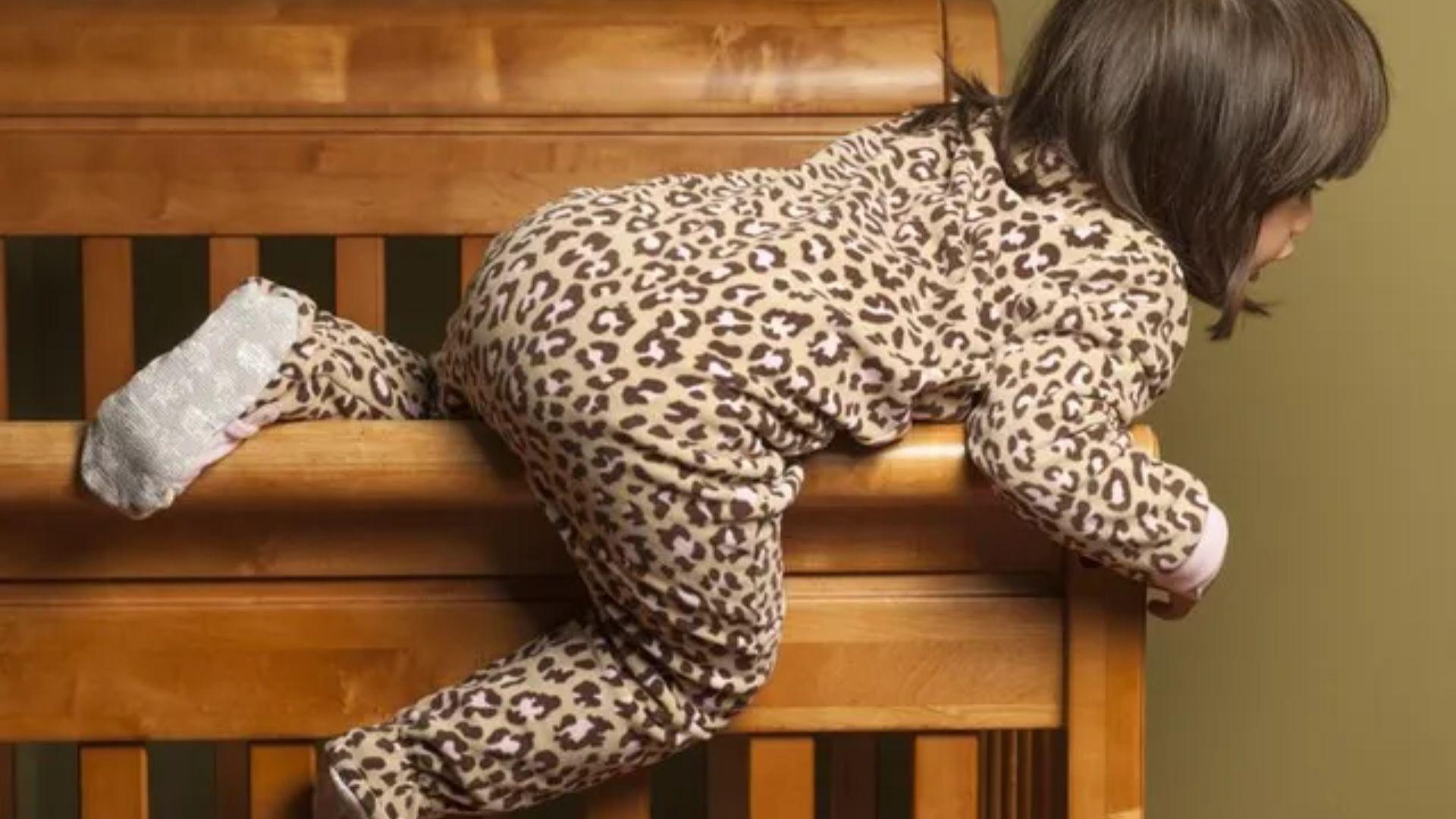
This is the one sign that is driven by safety, so it should not wait for any of the others. A sleep sack closes around the legs, which is exactly what makes it helpful for a baby who stays put.
A closed sack can make climbing harder, but once a child gets over the rail anyway, a footless sack turns into a fall risk, because they cannot put a foot out to brace for the landing.
The same applies to a toddler bed, since a child who can get up at night needs free legs to walk to the door or the bathroom without tripping.
That freedom can also bring toddler stalling at bedtime, so it helps to expect it.
If your child is attempting to climb out or has already moved to a bed, it is time to move on from the footless sack, even if every other sign is missing.
A walker-style sleep bag with foot openings can fill the gap while you sort out the next step.
2. Outgrowing The Size
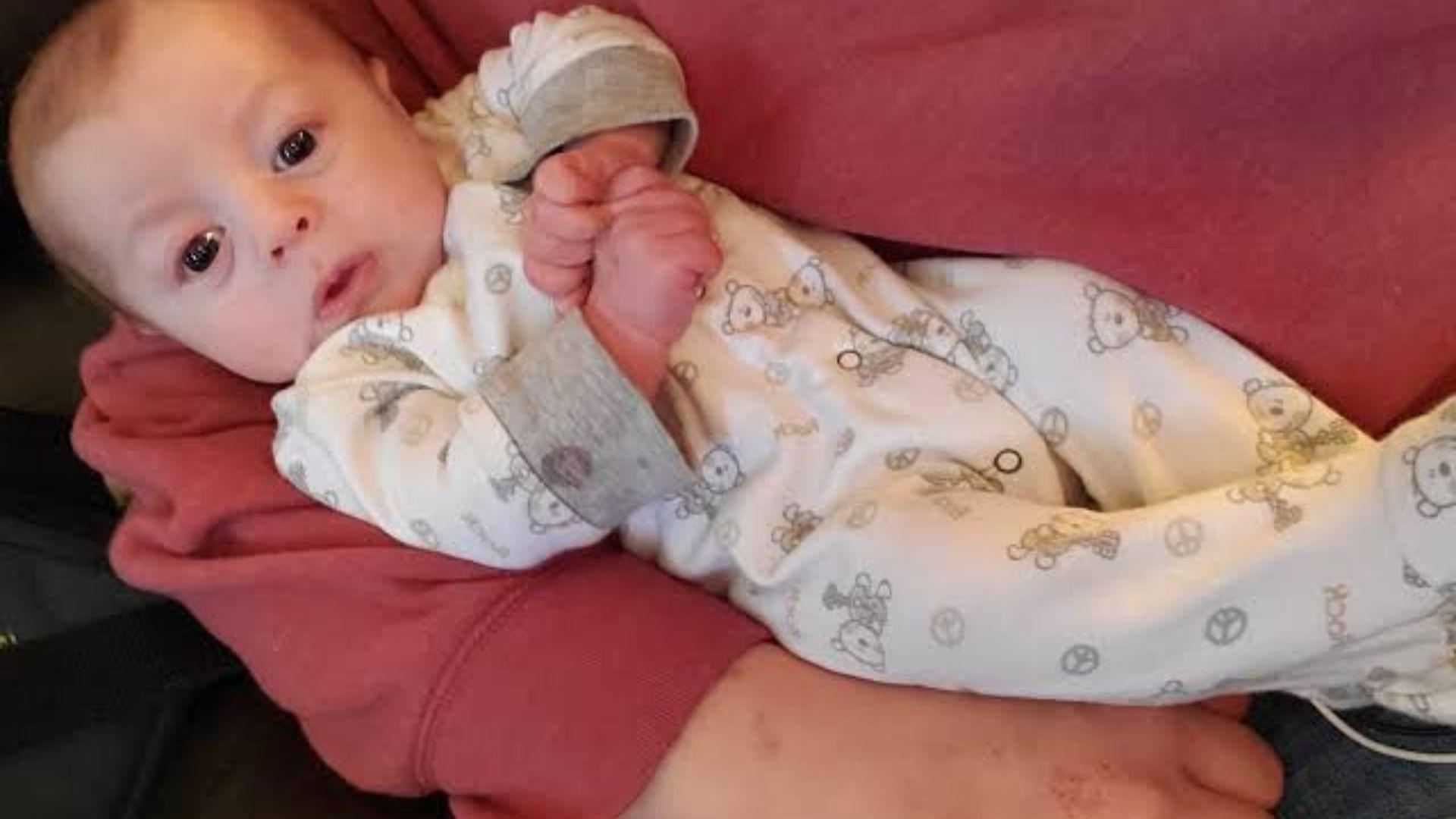
A sack that is too small is uncomfortable and can pull across the shoulders. If your child's toes press against the bottom seam, or the zip strains across the chest, they have outgrown it.
Size limits vary by brand, so check the label on yours instead of relying on one general number. Halo, for example, lists its extra-large size for children up to about 36 lb and 40 in, while some other brands set lower caps.
Some brands also sell a toddler or “big kids” size, so outgrowing the XL does not always mean the end of the sack.
This is also where the question "how many sleep sacks do I need for a baby" gets a new answer, because if your child is only a few months from moving on, buying another size up is rarely worth it.
3. Fighting The Sack or Asking For a Blanket

Some children start unzipping, wriggling out of the sack, or getting visibly frustrated when it goes on.
Others simply ask for a blanket, which is a very clear signal. To tell whether this is real, watch for a couple of weeks.
If the resistance is consistent and happens when your child is well and not cutting a molar, it is probably time.
If it appears on one rough night and then disappears, you are most likely seeing a protest linked to teething, illness, or a busy day.
Keep the sack going until the pattern is clear, and then move on to the transition steps below.
When Did Other Parents Actually Stop Using Sleep Sacks?
In parenting forums and groups, parents give a wide spread of answers, and the trigger matters more than the age.
Here is what they commonly report:
- Around 9 to 12 months:A small group stopped early, usually because their baby was pulling to stand and tripping in the sack. Loose blankets are still off the table until 12 months, so a walker or pant-style sleep bag is the safer fix here.
- Around 18 months to 2 years: Most stories land here. Some parents let the sack go for good at around 18 months when warmer weather arrived, others stopped when their child moved to a big bed at about 2, and one parent’s 20-month-old still uses the sack but tries a blanket now and then during the day.
- 2 years and beyond:Plenty of parents kept going. One child was simply “over it” by 27 months, and another parent with a 2½-year-old only owns two sacks and rotates them.
How Do You Transition From a Sleep Sack To a Blanket?
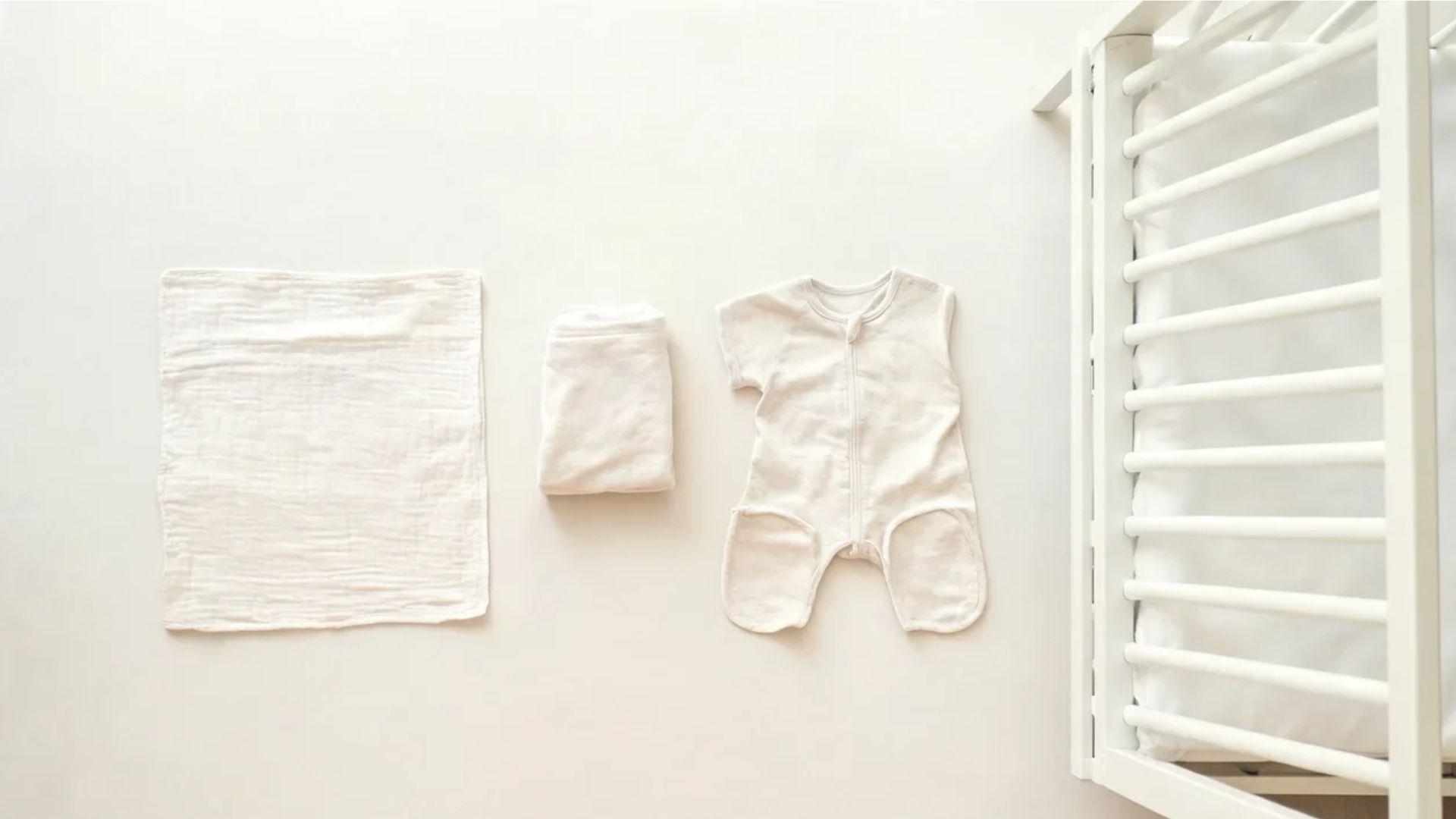
Switch in stages once your child is at least 12 months old (some experts suggest closer to 18 months) and can move their own covers, because the main challenge is replacing a warmth layer that cannot be kicked off with one that can.
- Choose a calm period. Avoid potty training, room moves or a new sibling, and change only one thing at a time so you can tell what affects sleep.
- Start with naps. Use a small, light cotton or muslin blanket over the chest, kept away from the face, and watch whether your child leaves it in place.
- Try it at night. Check that pyjamas and room temperature keep your child warm, and feel the chest and neck instead of the hands and feet.
- Keep the sack as a fallback. Hold on to the sacks you already own for a couple of weeks until the blanket sticks, so there is no need to answer "how many sleep sacks do I need for a baby" with a new purchase.
- Bridge with a walker or pant-style sleep bag. If the blanket keeps coming off, this option keeps the warmth but frees the legs, and works best as a temporary step.
Final Takeaway
Knowing When to Stop Using a Sleep Sackcomes down to safety and your child's cues, not a birthday.
Wait until 12 months before any blanket, then watch for climbing, a bed move, a tight fit, or steady pushback over a couple of weeks.
Parents’ own stories follow one of those same triggers, which is why their timelines vary so widely.
When you try a blanket, start with naps and keep the sack handy until it sticks. I know it can feel like a big step, but every child moves on at their own pace.
Pick a calm week, try one nap, and tell me in the comments how it goes. Browse more Sleep & Behavior guides for your next question.
Frequently Asked Questions
Can a 1-year-old sleep with a blanket?
Usually yes, once they're at least 12 months old, though some experts suggest waiting until closer to 18 months. The AAP advises keeping loose blankets out of the crib for the first year. Start with a small, light blanket over the chest and away from the face, beginning with naps.
Do sleep sacks hinder development?
A roomy sack that lets the hips and legs move freely is designed to support healthy hip development, and the International Hip Dysplasia Institute recognizes some infant sacks, like HALO's, as hip-healthy.
Does a baby need a sleep sack in summer?
It isn't required, but a 0.5 TOG sack over a onesie or just a diaper suits rooms around 75°F or warmer, while 1.0 TOG suits about 72 to 75°F.