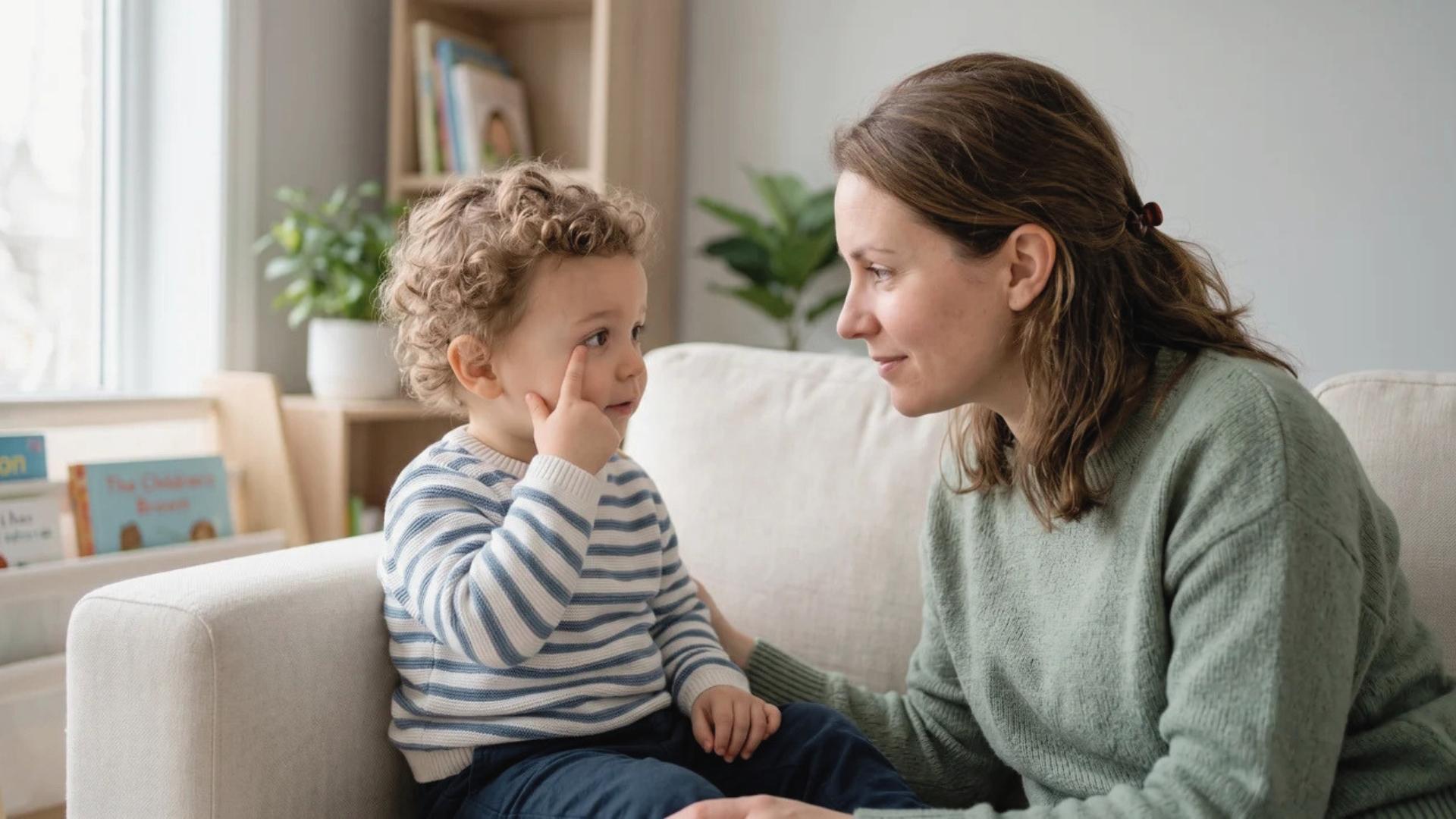


A toddler complaining of eye pain, usually with a hand clamped over one eye, leaves most parents guessing, because a two-year-old cannot always say where it hurts or why.
It often happens at bedtime or in the middle of a park visit, and the urge to fix it fast can make things worse.
One detail surprises many parents: Eyes can often clear tiny specks, like eyelashes, through blinking and tearing, according to MedlinePlus.
That makes the first few minutes count, so it helps to know where to begin.
What Should You Do When Your Toddler Complains of Eye Pain?
If your toddler is complaining of eye pain, prevent rubbing, check the eye gently for visible changes, and look for warning signs before attempting home care.
Rubbing comes first, because MedlinePlus advises against pressing or rubbing an injured eye, and rubbing may make a scratch or irritation worse.
Wash your hands, then look at the eye in good lighting for redness, swelling, discharge, visible irritation, or an object on the surface, without pressing on the eyeball.
While you check, leave out these three:
- Leftover eye drops from an earlier illness, which may not suit this problem
- Any attempt to pull out an object that looks stuck, which needs medical help
- Home remedies with no reliable source behind them
With the rubbing stopped and the eye checked, you probably have a few clues already. Which eye hurts, how it started, and what came with it all add up to a pattern.
What Should You Check When a Child Is Complaining of Eye Pain?
When a child is complaining of eye pain, check which eye hurts, when the discomfort started, and whether other symptoms appear alongside it.
Is the Pain in One Eye or Both Eyes?
Pain in one eye often points to something local, such as an eyelash, a scratch, or a stye.
Symptoms in both eyes, especially with itching or sneezing, can fit allergies or a cold. Treat these as patterns to describe to a doctor, not as a diagnosis.
What Other Eye Symptoms Are Present?
Extra symptoms help narrow down what a doctor will look for:
- Redness with watery or sticky discharge can go with pink eyes.
- Itching, watery eyes, and sneezing can fit allergies.
- A tender red bump on the eyelid is typical of a stye, and a firm, painless lump may be a chalazion.
- A gritty feeling with tearing can come from a speck on the eye surface, a scratch, or dry eyes.
Pain is not always the only sign, either, since a toddler who blinks a lot without complaining may be reacting to dryness, irritation, or even a tic.
When Did the Eye Pain Start?
Sudden pain after playing outside can fit a speck or a scratch on the eye, while pain that builds over a day or two with swelling or discharge may fit an infection or an eyelid problem.
Complaints that keep returning deserve a closer look instead of a guess, even when each episode passes quickly.
Are There Other Symptoms Along With Eye Pain?
Headaches, fever, cold symptoms, and light sensitivity all add context, since a stuffy-nose illness may bring pressure around the eyes.
Squinting or covering one eye deserves a vision check rather than an eye strain assumption, and the CDC suggests one for children who squint, rub their eyes, or complain of headaches after doing schoolwork.
A few of the signs above matter more than the rest, especially swelling, fever, or any vision change. Those need their own list, because they change what you do next.
When Should You Contact a Doctor for Toddler Eye Pain?
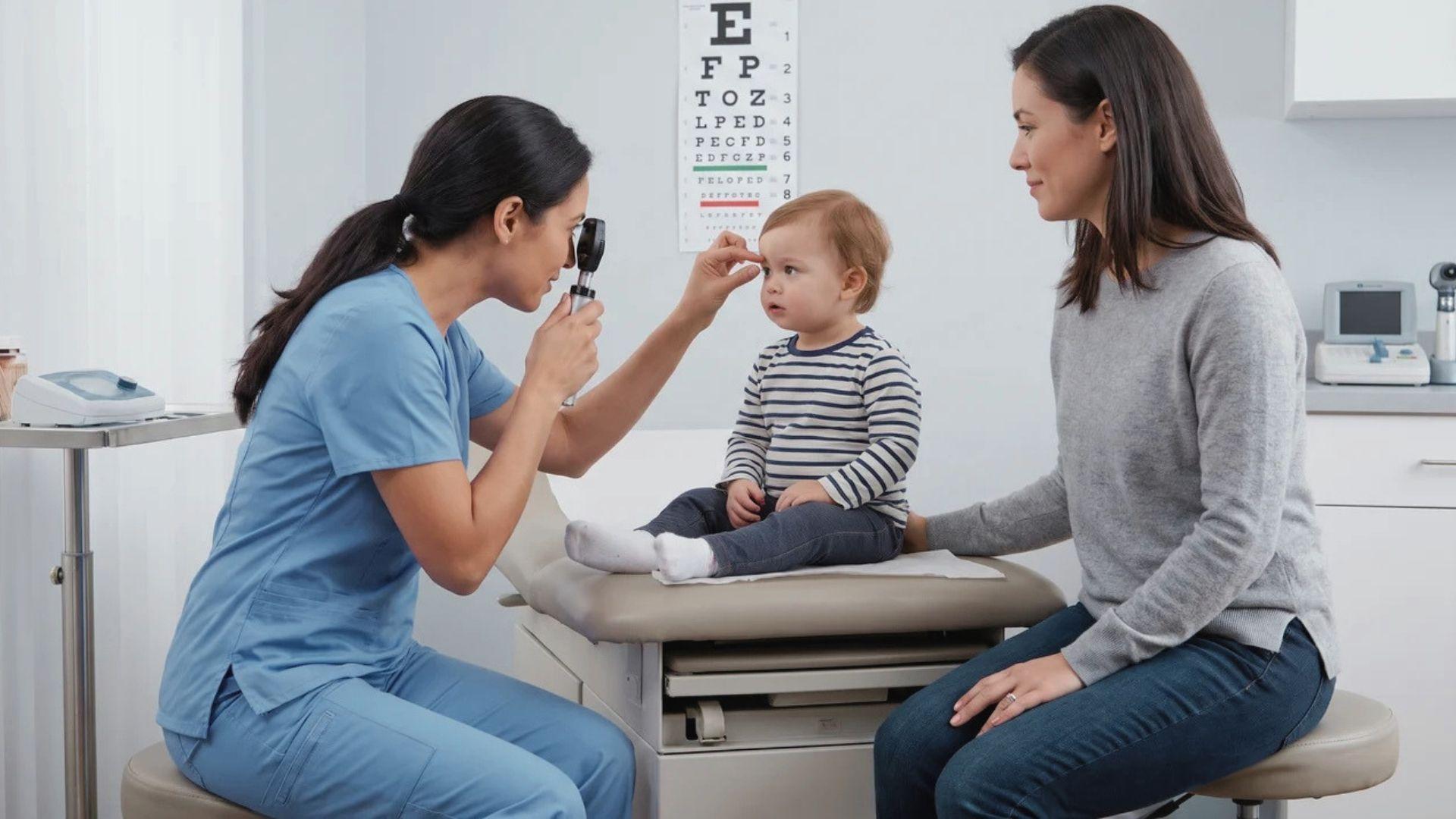
Seek immediate medical attention if your toddler has eye pain with vision changes, severe light sensitivity, a bulging eye, or difficulty moving the eye.
Other symptoms call for a prompt appointment instead, and both groups are laid out below.
Which Eye Pain Symptoms Need Immediate Medical Attention?
Seek emergency assessment when eye pain comes with any of these:
- Changes in vision or trouble seeing
- Severe sensitivity to light
- A bulging eye
- Marked swelling of the eyelids, especially with a fever
- Pain or difficulty when moving the eye
These signs overlap with MedlinePlus's description of orbital cellulitis, an infection around the eye that it calls a medical emergency and says may get worse quickly in children.
A suspected stuck object, an eye injury, or a sudden vision problem should never be handled with home treatment alone.
When Should You Schedule a Pediatrician or Eye Doctor Visit?
Book a prompt visit when pain, redness, discharge, or eyelid swelling lasts, keeps returning, gets worse, or has no clear cause.
For suspected pink eye, the CDC lists eye pain, light sensitivity, blurred vision, intense redness, and symptoms that worsen or do not improve as reasons to see a doctor.
If you are unsure which group your toddler falls into, a call to the pediatrician's office is a reasonable first step.
Which Doctor Should Examine Your Toddler's Eye?
Your pediatrician is a sensible first call and can refer you onward. The CDC says an ophthalmologist or optometrist can diagnose and treat a child's eye or vision problem.
Ask which one, or whether a pediatric ophthalmologist, suits your toddler.
Those are the signs that call for a doctor. If none of them are present and the discomfort is mild, a few gentle steps at home can keep your toddler comfortable while you watch.
What Home Care Is Safe for Mild Eye Pain in Toddlers?
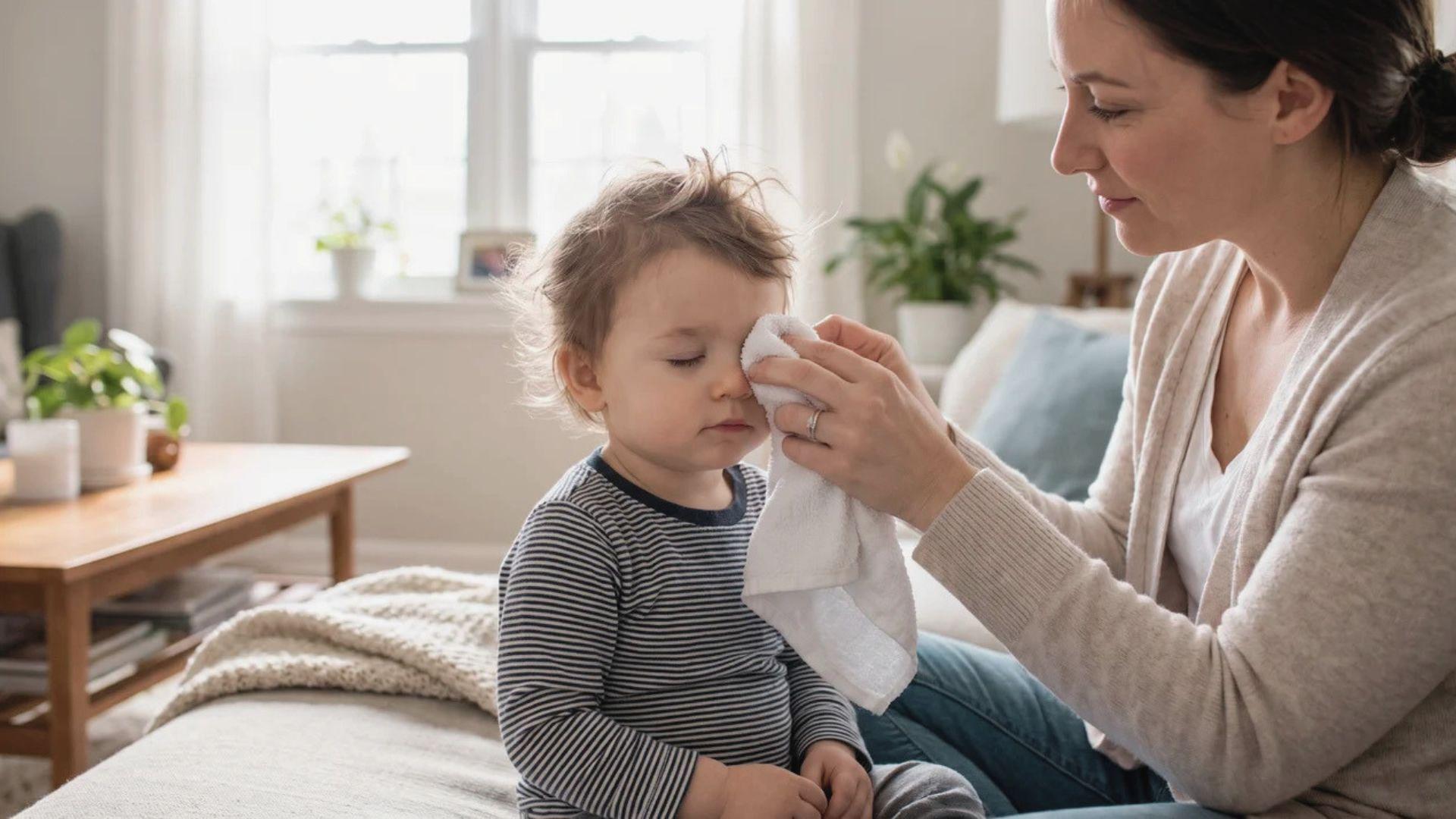
For mild eye irritation without warning signs, parents can use a clean, damp compress and gentle eyelid cleaning while monitoring their toddler's symptoms.
Use a Clean Compress for Mild Irritation
Wet a clean cloth with clean water, wring it out, and rest it lightly on your toddler's closed eyelid without pressing on the eye.
For a bump on the eyelid, MedlinePlus lists lukewarm compresses as the first treatment for a chalazion, so ask your pediatrician which temperature fits.
Keep the Eye Clean and Prevent Rubbing
Wash your hands before and after touching the area.
Wipe away discharge with a clean, damp cloth, moving from the inner corner outward and using a fresh part of the cloth each time.
Keep towels and clothes unshared, and give small hands a toy or a story, since toddlers rub without thinking.
Know When Home Care Is Not Enough
Home care has limits. If the pain lasts, grows, follows a bump or injury, or arrives with any warning sign from the section above, stop home care and call your toddler's doctor.
A cloth and clean hands help with comfort, but they cannot tell you what is causing the pain.
Final Takeaway on Toddler Eye Pain
A toddler complaining of eye pain is describing something you can only partly see, which makes your observations the most useful thing a doctor receives.
Noting which eye hurts, when it began, and what came with it turns a vague complaint into a clear report.
A clear photo of the eye each day can also show whether things are improving or getting worse. Keep the gentle home steps within reach, and let the warning signs outweigh any guess.
If the pain lingers, worsens, or shows any warning sign from this post, call your pediatrician or an eye doctor.
Frequently Asked Questions
Can a Toddler Have Eye Pain Without Redness?
Yes, a toddler can complain of eye pain even when the eye looks unchanged. Dryness or a small irritant may be behind it, so mention lingering pain to your child's doctor.
Should I Rinse My Toddler's Eye With Water?
For a speck, MedlinePlus says to gently rinse with clean water. After a chemical splash, flush with water for 15 minutes and get medical help right away.
Is Pink Eye Contagious in Toddlers?
The CDC says pink eye from viruses or bacteria is often highly contagious, while allergy or irritant types are not. A doctor can confirm the cause and advise on daycare.
When Should a Toddler Have Their Vision Checked?
The CDC notes that a pediatrician will likely screen vision at regular checkups and may refer to an eye doctor. Ask which visit includes a vision screening.