
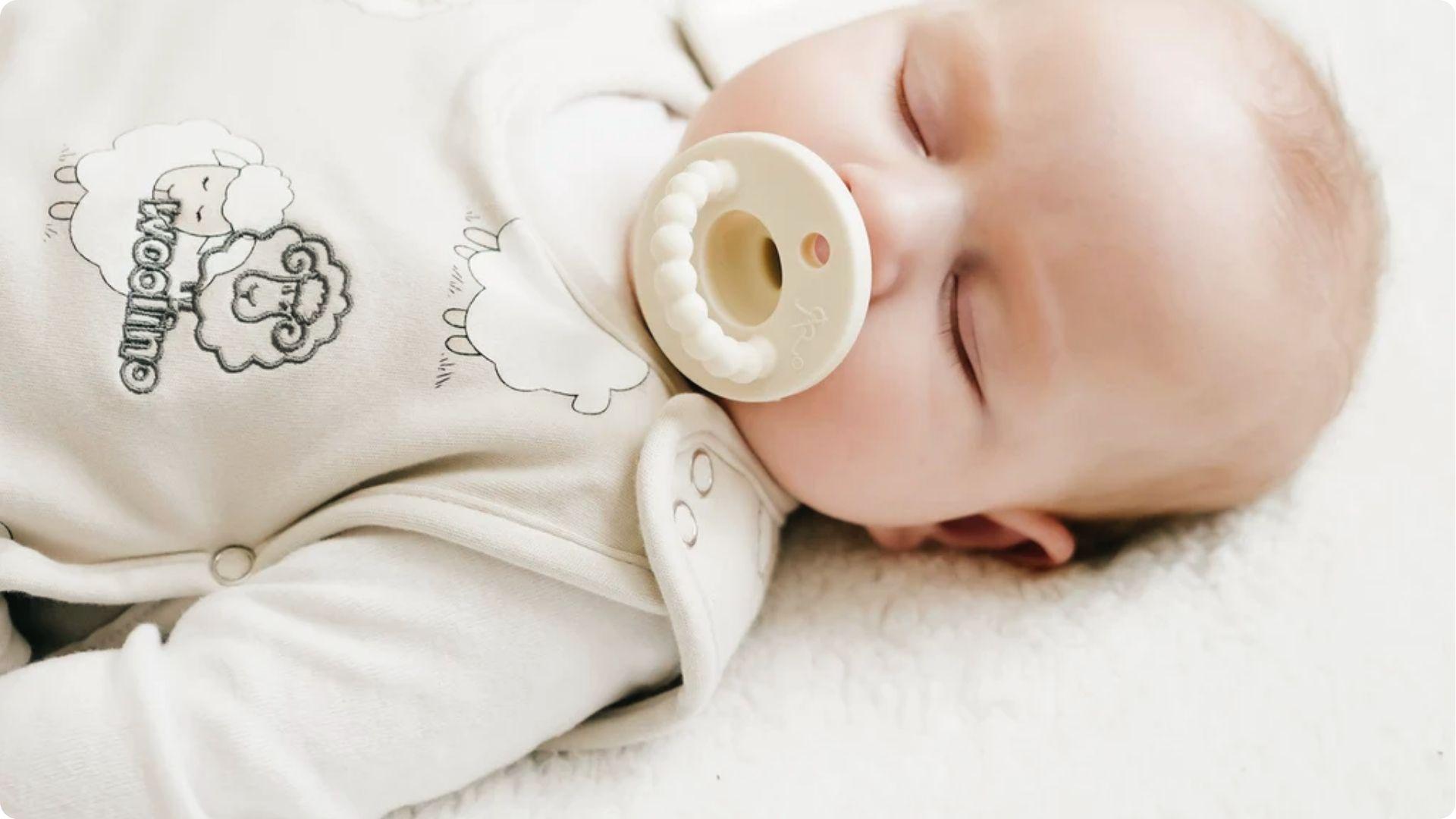


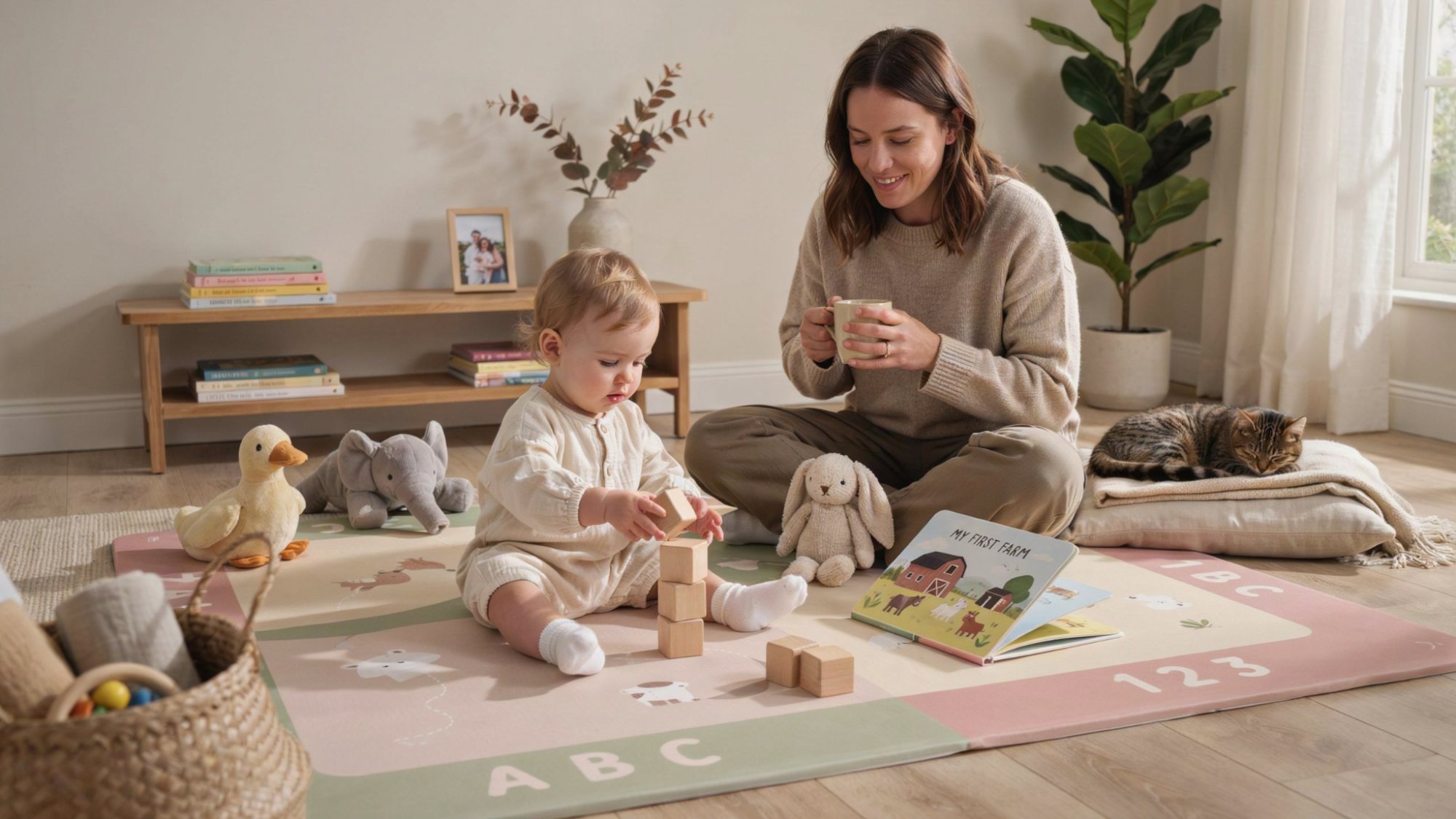
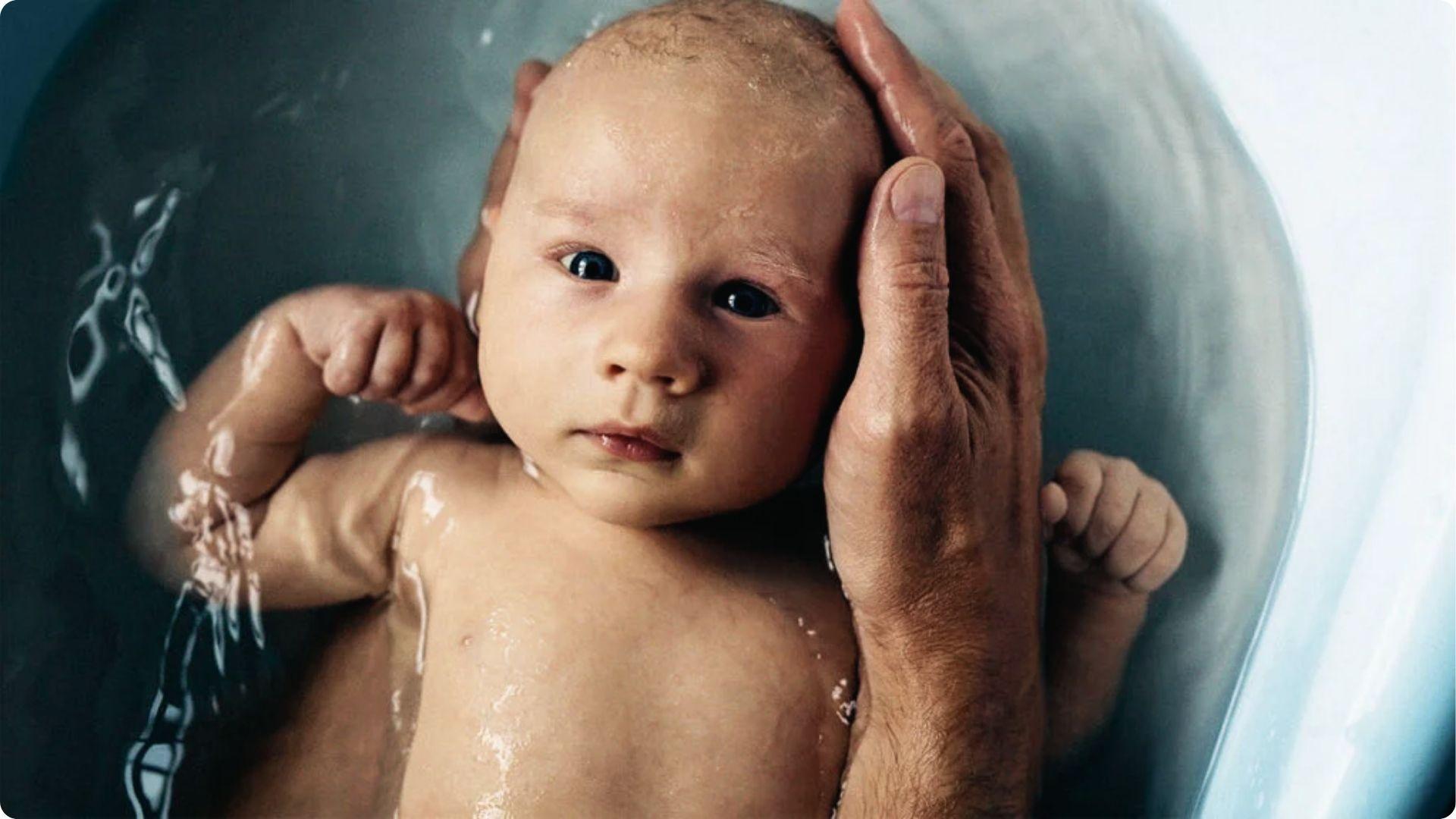
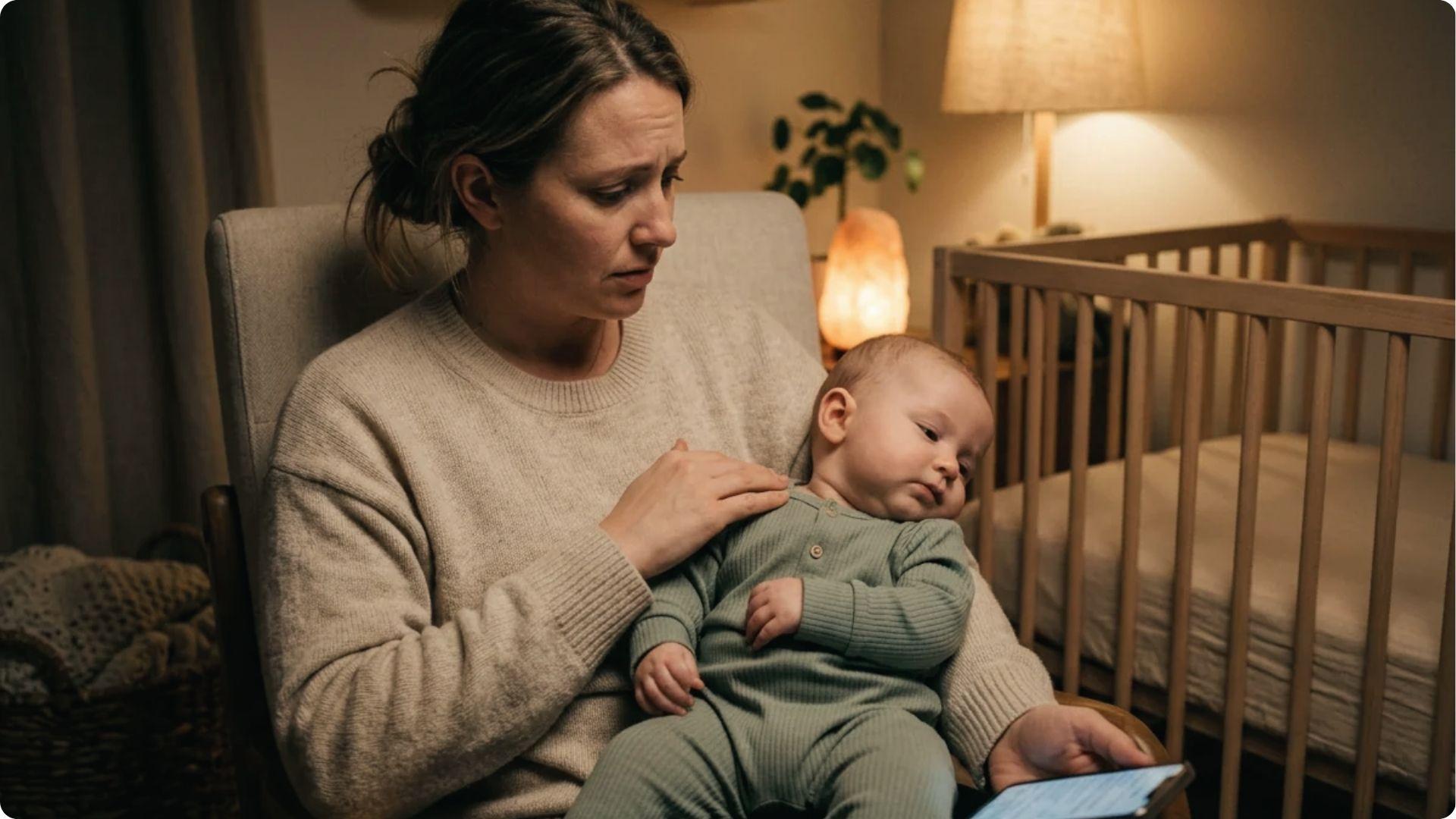
Are pacifiers good for babies? It is one of the first questions I had as a new parent, and I know I am not alone.
You want to do what is right for your baby, but the advice out there can feel confusing and contradictory.
I have spent time looking into what pediatric experts actually say, and I want to share what I found with you.
In this article, you will get a clear, honest look at pacifier benefits, risks, safety tips, and how to wean your baby off one.
As someone who has been through this, I want to make this as simple and helpful as possible.
I have consulted trusted pediatric guidelines to bring you accurate, reliable information.
Why Parents Have Concerns About Pacifier Use

Many parents feel unsure about pacifiers, worrying about dental issues or dependency. These are valid concerns, and it makes sense to ask questions.
The good news is that most concerns are manageable when you use pacifiers the right way and at the right time.
The American Academy of Pediatrics supports pacifier use, especially in the first year, noting they can reduce SIDS risk during sleep.
Pediatricians suggest waiting three to four weeks before introducing one if you are breastfeeding.
Yes, pacifiers can be good for babies, but they come with some risks like ear infections and dental issues with long-term use.
Everything Parents Should Know About Pacifiers

Before deciding, it helps to understand what pacifiers actually do and why babies respond to them.
What Is a Pacifier and Why Do Babies Love It?
A pacifier is a rubber or silicone nipple attached to a shield and handle. Babies love them because sucking brings comfort.
It is not just about hunger. Sucking is a built-in soothing behavior that helps babies feel calm and secure.
Understanding a Baby's Natural Sucking Reflex
Babies are born with a sucking reflex. It helps them feed, but it also helps them self-regulate.
When a baby is overstimulated or fussy, sucking can calm their nervous system.
A pacifier taps into this natural instinct and gives babies a way to soothe themselves without constant feeding.
When Parents Should Consider Using a Pacifier
Pacifiers are most helpful during the first six months of life.
You might consider one if your baby is fussy after feeding, has trouble falling asleep, or needs comfort during medical procedures.
They are also worth trying if your baby seems to want to suck even after a full feeding.
Pacifier Pros and Cons: What Every Parent Should Know
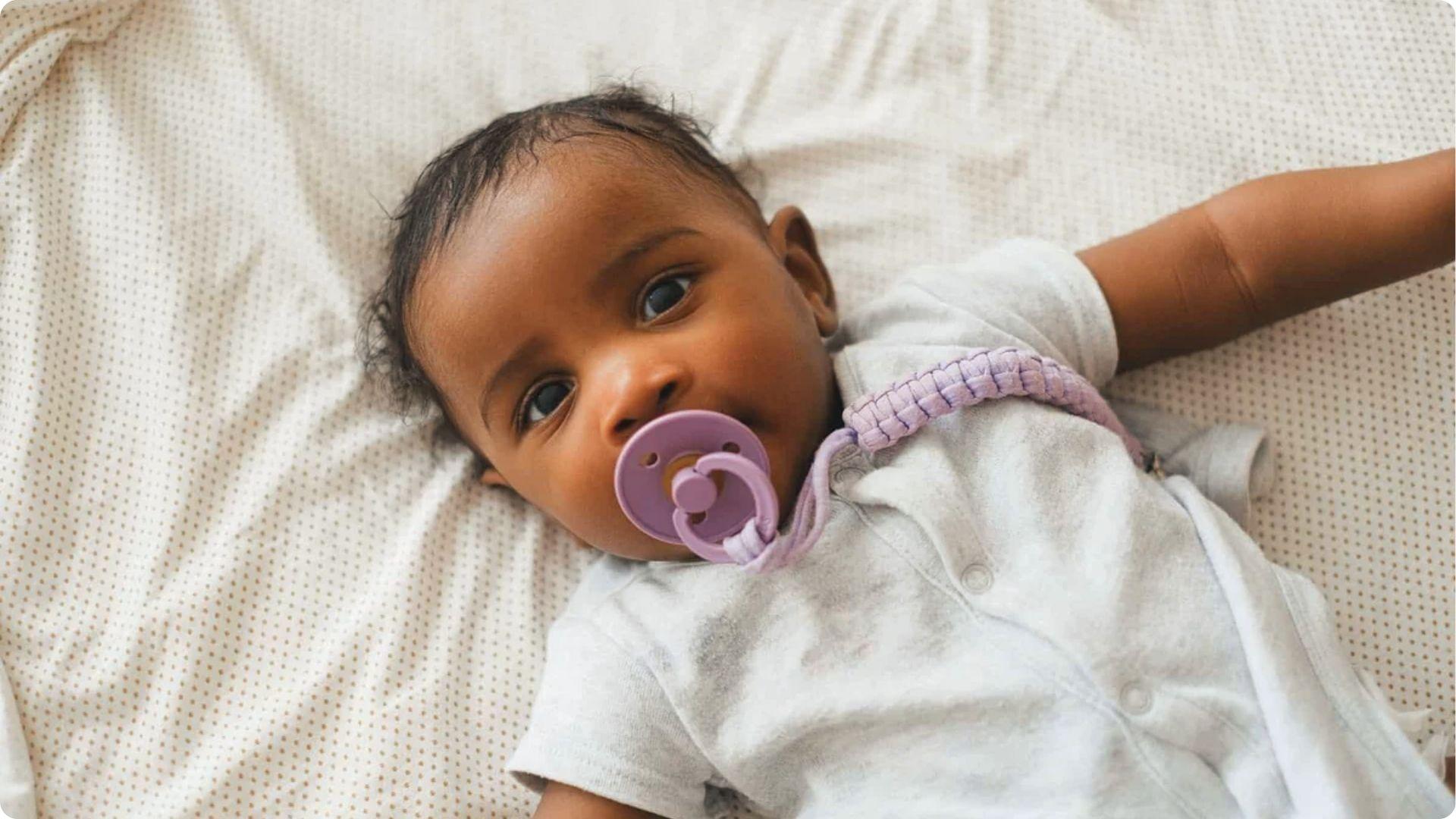
Knowing the benefits and risks side by side helps you make a smart, informed choice for your baby.
| Pros | Cons |
| Soothes and calms fussy babies quickly | Can increase the risk of ear infections after six months |
| May lower the risk of SIDS during sleep | May cause nipple confusion if introduced too early during breastfeeding |
| Helps babies fall asleep faster at nap and bedtime | Long-term use can affect dental alignment |
| Provides pain relief during vaccinations and medical procedures | Babies may wake frequently if the pacifier falls out at night |
| Easier to wean off compared to thumb-sucking | Can create a dependency that becomes harder to break over time |
Are Pacifiers Good for Babies? Benefits and Risks Every Parent Should Know

Understanding both sides of the pacifier debate helps you make a confident choice for your baby.
The Biggest Benefits of Pacifier Use
Pacifiers soothe fussy babies, support sleep, reduce SIDS risk, and provide pain relief. They are easy to clean, come in different sizes, and can be removed when the time comes.
For many families, the benefits during infancy are hard to overlook.
The Potential Downsides of Using a Pacifier
Pacifiers can increase the risk of ear infections, especially after six months.
Long-term use can affect dental alignment. Some babies become dependent on them and wake up frequently if the pacifier falls out at night.
Nipple confusion is also a concern for breastfeeding moms in the early weeks.
When the Benefits Outweigh the Risks
During the first six months, the benefits of pacifier use generally outweigh the risks. SIDS risk is highest in early infancy, so using a pacifier during this window makes sense.
After six months, you can begin to gradually reduce use.
When Pacifier Use May Become a Problem
Pacifier use becomes a concern when it goes beyond age two or three. Extended use can affect how teeth grow and align.
Frequent nighttime use can also disrupt sleep patterns as babies rely on it to fall back asleep.
How to Use a Pacifier Safely

Safe pacifier use comes down to choosing the right product and following a few simple rules.
Choosing the Right Pacifier for Your Baby's Age
Pacifiers come in different sizes for different age groups. Using the right size matters for both comfort and safety.
Look for silicone or latex nipples and a shield wide enough that it cannot fit entirely in your baby's mouth.
How to Clean and Sterilize Pacifiers Properly
Boil new pacifiers before first use. After that, wash them with soap and water regularly.
Do not clean a pacifier by putting it in your own mouth, as this can transfer bacteria to your baby.
Replace pacifiers every four to six weeks or sooner if damaged.
Expert Tips for Healthy Pacifier Use
Small, smart habits can make pacifier use work better for you and your baby.
- If breastfeeding, wait three to four weeks before introducing a pacifier to let feeding get well established
- After six months, limit pacifier use to sleep and stressful moments only to avoid ear infections and speech delays
- Help your baby learn to self-soothe through gentle rocking, soft blankets, or a comfort toy
- Start reducing pacifier use gradually so your baby adjusts without too much fuss
- Talk to your pediatrician or pediatric dentist if you have concerns about teeth alignment or the right time to wean
Conclusion
Are pacifiers good for babies? In most cases, yes, especially in the first six months.
They offer real comfort, support sleep, and may lower SIDS risk. Every baby is different, and I remember feeling unsure about this decision myself.
But once I understood the facts, it felt much easier to make a choice that felt right. Use pacifiers safely and know when to stop.
Trust yourself and stay informed. Talk to your pediatrician when you need guidance.
Drop a comment below and share how pacifiers have worked for your family. Share this post with another parent who might find it helpful.
Frequently Asked Questions
Can I give my newborn a pacifier right away?
It is best to wait three to four weeks if you are breastfeeding. This helps ensure breastfeeding is well established before introducing a pacifier.
How long should a baby use a pacifier each day?
There is no strict time limit, but limiting use to sleep and comfort moments is a good approach. Constant all-day use can increase the risk of ear infections.
What happens if I give my baby a pacifier too early?
Introducing a pacifier too early during breastfeeding may lead to latch problems or nipple confusion. For formula-fed babies, early introduction is generally considered safe.
At what age should I take away the pacifier?
Most experts recommend weaning between one and two years of age. Stopping before permanent teeth come in helps avoid long-term dental concerns.
Are some pacifiers safer than others?
Yes. One-piece silicone pacifiers are considered the safest option. Avoid pacifiers with small detachable parts and always check for wear and damage before each use.