If your baby keeps shaking their head, it is natural to wonder whether something is wrong.
Although the movement can seem worrying, it is very common in babies and is often a normal part of development.
Depending on your baby's age and the situation, head shaking may be linked to feeding, self-soothing before sleep, excitement, or temporary discomfort such as teething.
In some cases, it can also signal a medical issue that needs attention.
This article explains why babies shake their heads, what the behavior can mean at different ages, when parents commonly notice it, the warning signs to watch for, and when it is time to speak with your pediatrician.
Why Do Babies Shake Their Head?
Babies shake their heads for many reasons, and most of the time it is a normal part of development.
The meaning often depends on your baby's age, the situation, and whether any other symptoms are present.
Most parents first spot it during feeding or right before sleep. The baby moves their head side to side quickly or repeatedly, almost like a "no" motion.
Others notice it during playtime when the baby seems happy and stimulated. It often looks sudden and repeated, which is why it grabs attention fast.
Pediatricians see this behavior often and most cases turn out to be normal developmental behavior.
Babies begin exploring their bodies and the world around them from just a few weeks old, and head movement is one of the earliest ways they do this.
Much of this early movement is tied to gaining head control, which is one of the first major motor milestones a baby reaches.
If your baby seems happy, is feeding well, and hitting other milestones, head shaking is usually not a red flag.
Common Situations When Babies Shake Their Head
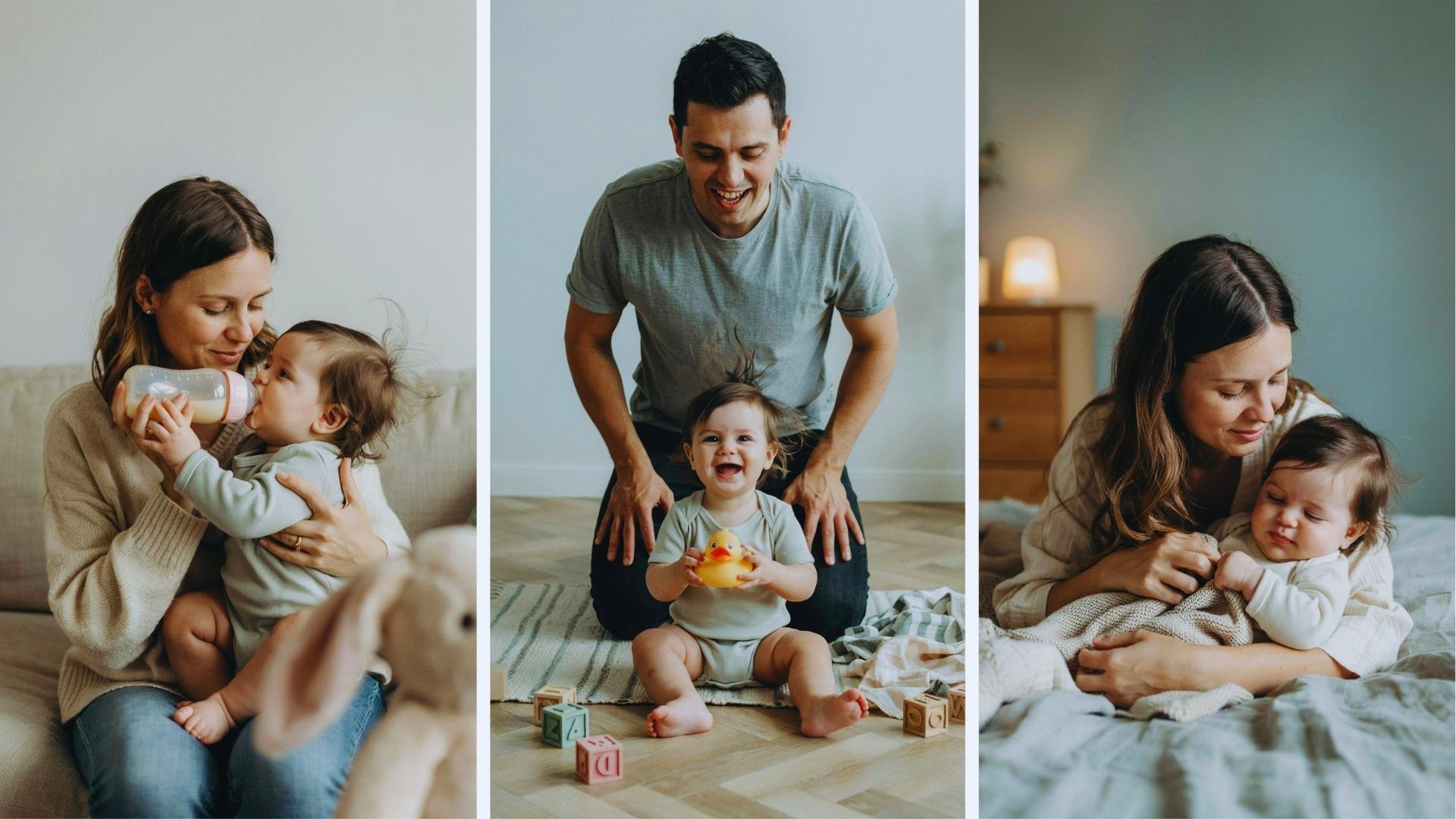
Parents report noticing head shaking in specific situations. Each one usually has its own reason behind it.
During Feeding
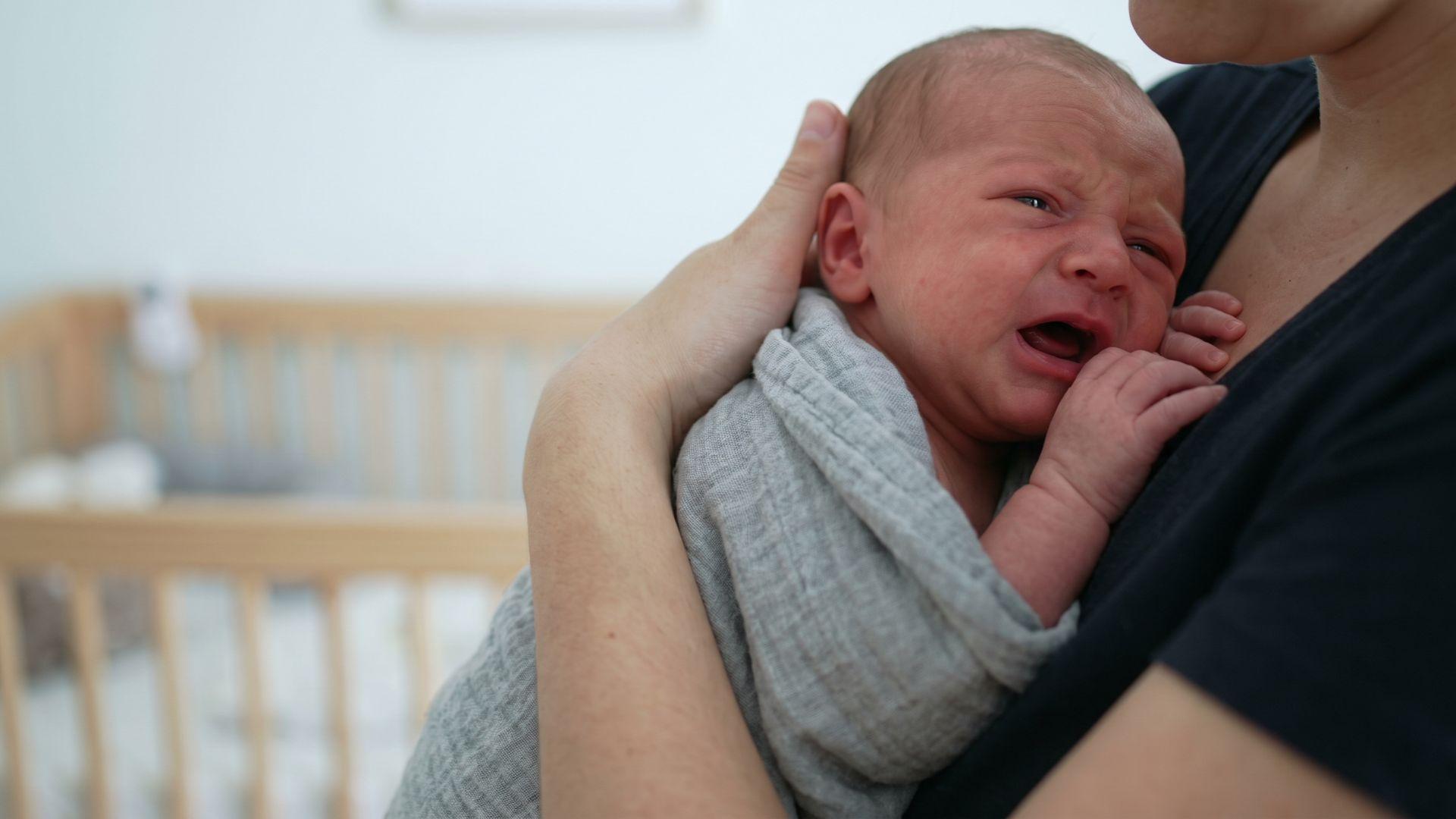
Many parents notice their baby shaking their head while breastfeeding or bottle feeding. In very young babies, this is often connected to the rooting reflex, where they turn their head searching for the nipple.
A little later, it may be the baby trying to latch, pulling away from a strong letdown, or simply showing they are full.
Some babies shake their heads to reposition. It does not usually mean the baby is refusing to eat, especially if they go back to feeding right after.
Before Falling Asleep
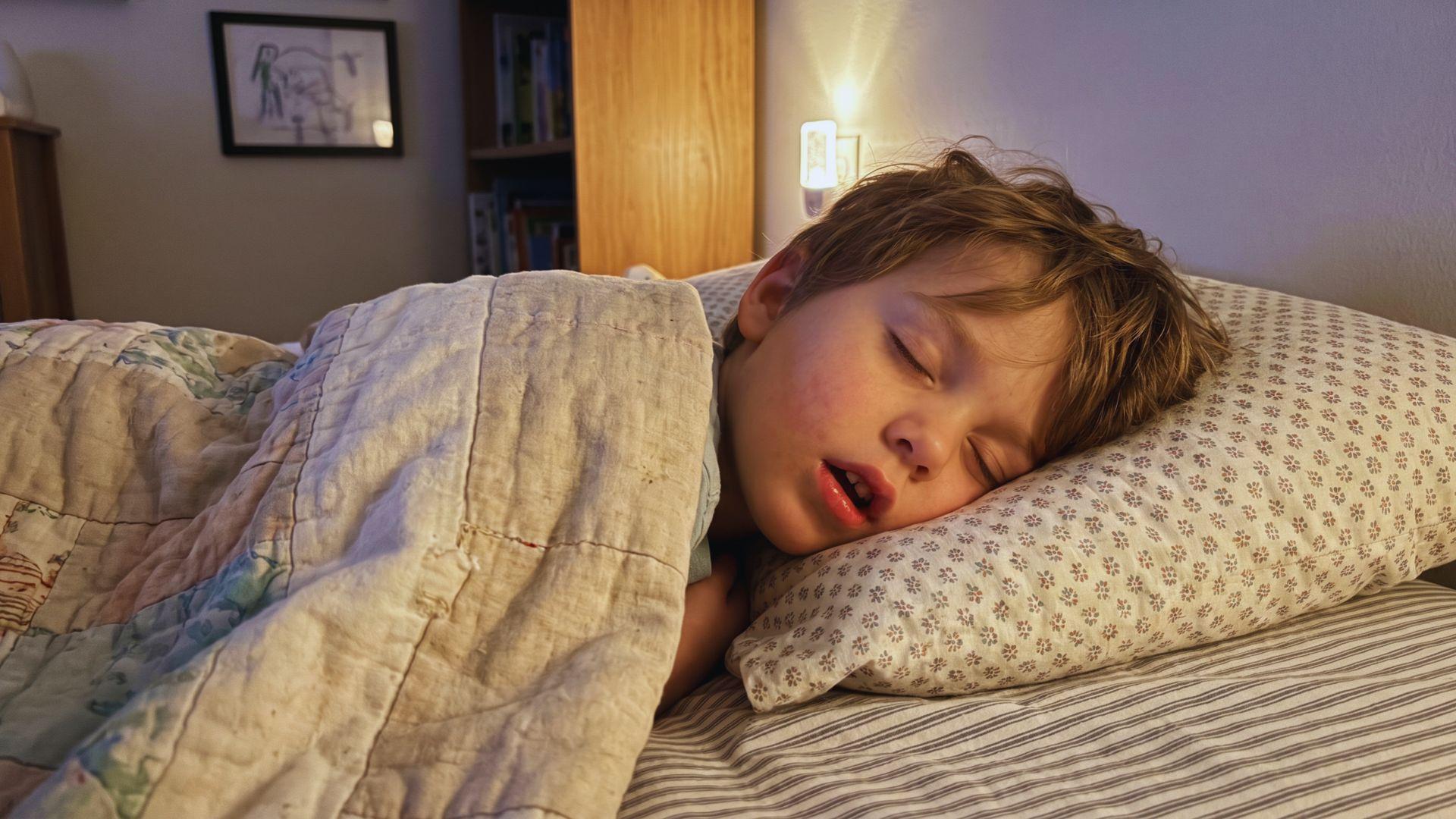
A lot of babies shake their heads rhythmically as they wind down for sleep. This is a self-soothing behavior. The motion can feel calming to them, similar to rocking.
Parents often describe it as the baby doing it on repeat until they drift off. Babies who seem overstimulated after a busy day are especially likely to use rhythmic movement this way.
It tends to go away on its own as the baby gets older.
While Playing or Feeling Excited
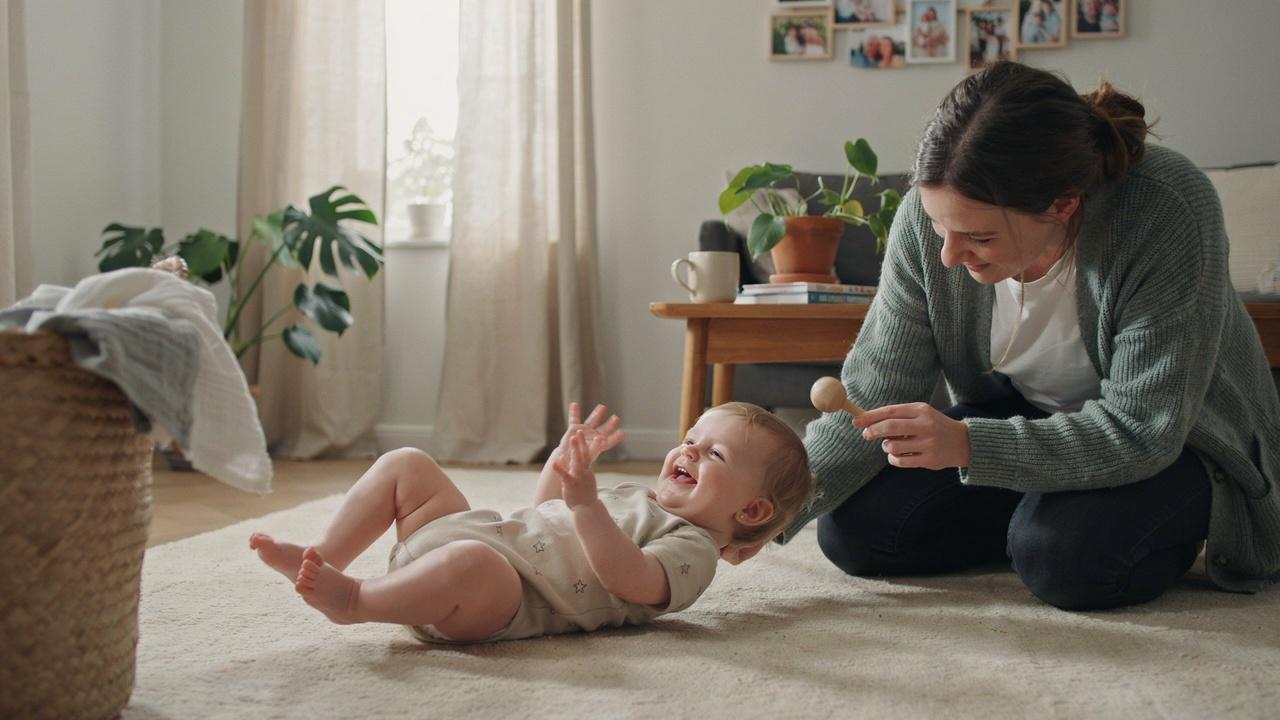
Babies get excited and do not always know what to do with that energy. Head shaking during play is often a sign of joy or stimulation.
You might see it when you make a funny face, play music, or show them a new toy. It is usually paired with smiling or laughing, which is a good sign.
During Teething or Discomfort
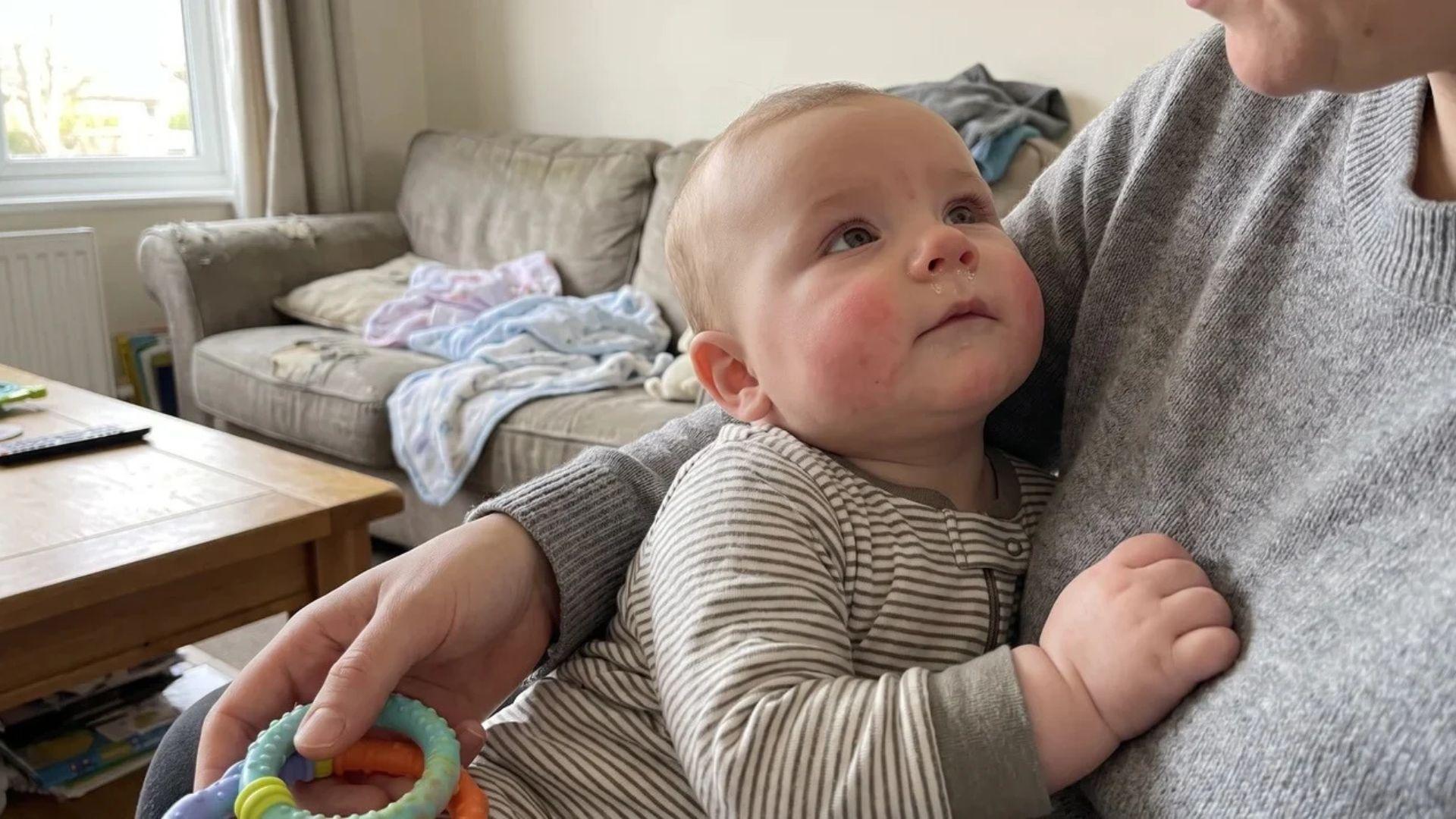
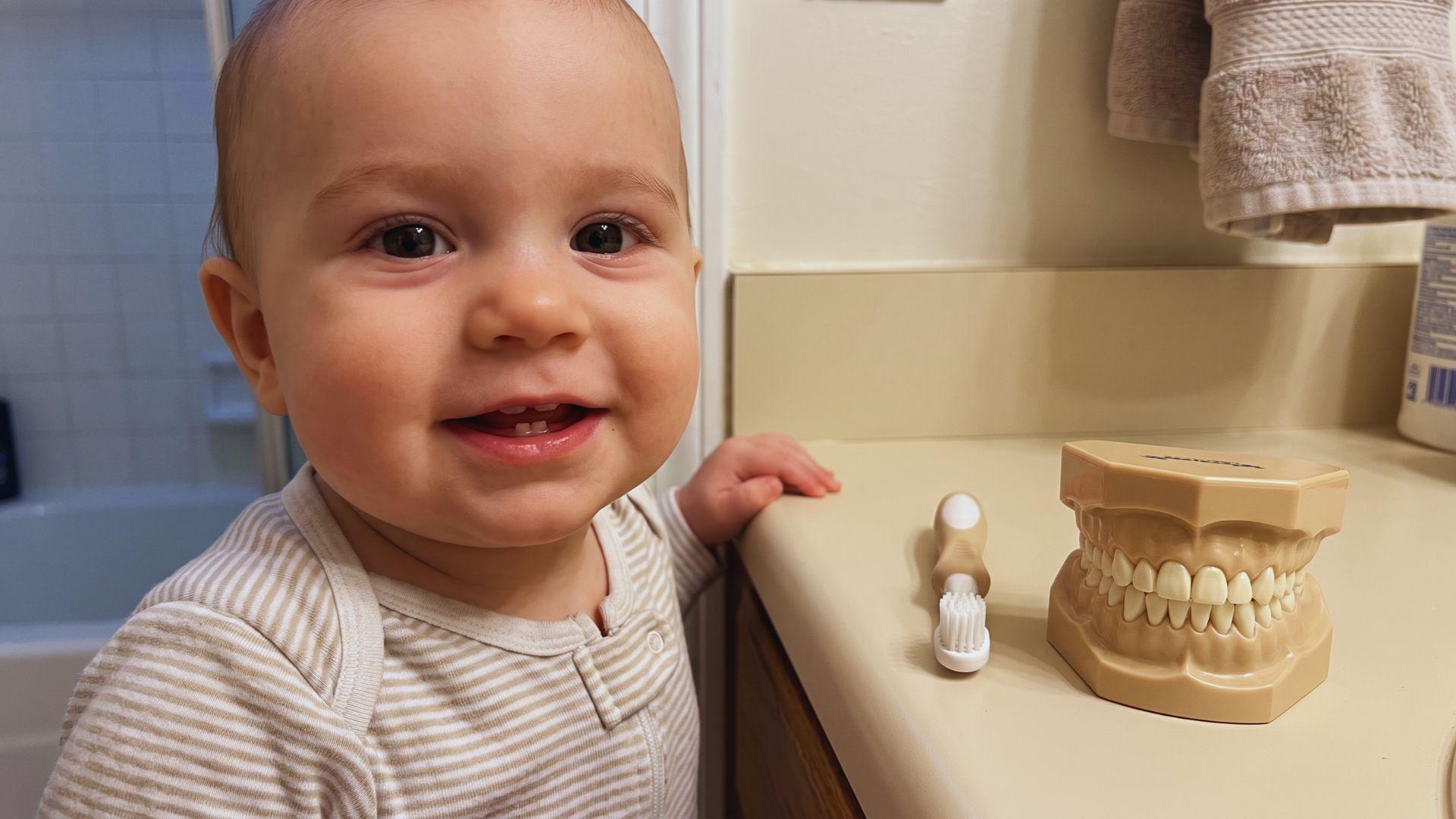
When babies are teething or have ear discomfort, they sometimes shake their heads because of the pressure or irritation. It is their way of trying to relieve the feeling.
If the head shaking appears alongside drooling, fussiness, or trouble sleeping, teething may be the cause. Ear infections can also cause this, so watch for other signs like tugging at the ears or fever.
Nasal congestion is another source of discomfort that can trigger head shaking, as babies try to relieve the blocked feeling through movement.
Head Shaking at Different Ages

The reasons behind head shaking change as babies grow. Knowing what is normal at each stage helps a lot.
Newborn to 3 Months
Very young babies have limited head control. You may notice some side-to-side movement during feeding or when they are rooting.
At this age, it is mostly reflex-based. It is not usually a cause for concern unless it is very forceful or constant.
4 to 6 Months
Babies at this age are starting to gain more muscle control, especially in the neck and shoulders.
They shake their heads as a way to practice movement and strengthen the muscles they need to hold their head up independently.
They are learning what their bodies can do. This is also when self-soothing habits can start to appear.
7 to 12 Months
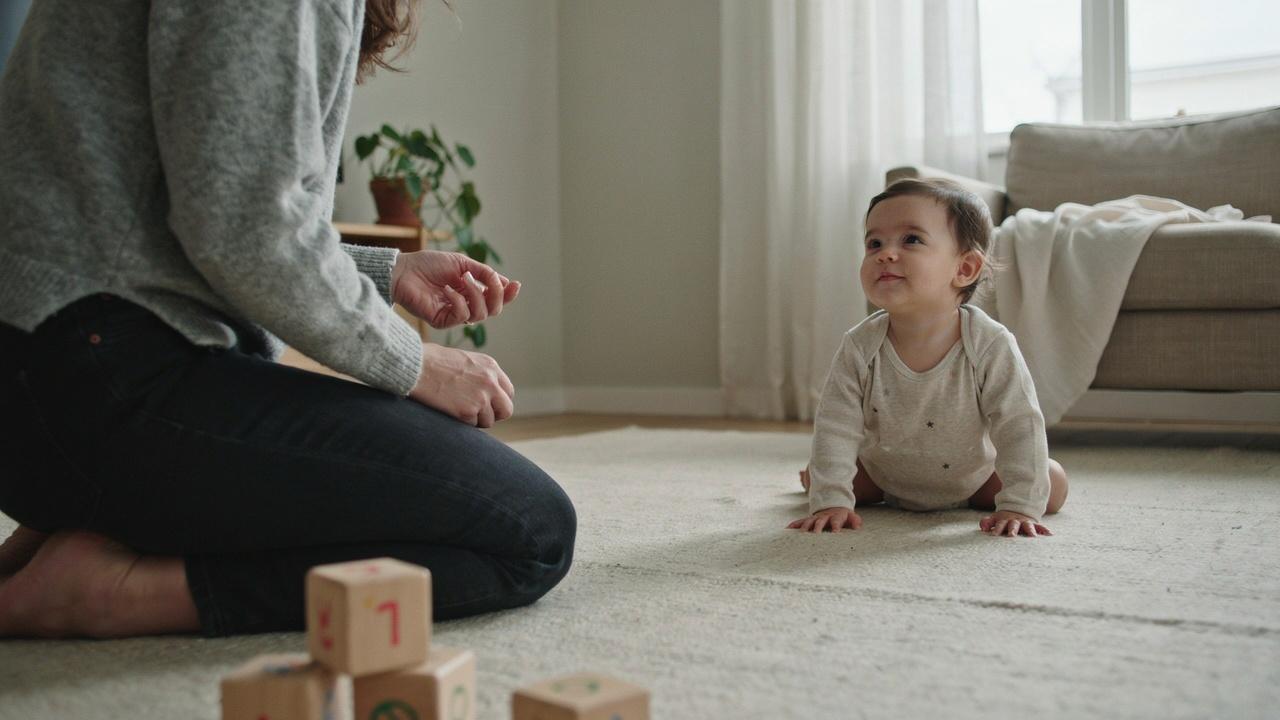
By this stage, head shaking can become more intentional. Babies may shake their head to mean "no" even before they can say the word.
They are also more interactive, so head shaking during play or social engagement becomes more obvious. Teething often starts around this time too.
Toddlers
Toddlers who shake their heads are often communicating. The "no" gesture becomes more deliberate.
Some toddlers continue rhythmic head shaking as a comfort habit, especially before sleep. If it started in infancy and has continued without other symptoms, it is usually harmless.
What Baby Head Shaking Can Mean

Baby head shaking usually falls into one of four categories, and most of them are completely harmless.
Not all head shaking looks the same, and the meaning behind it depends on the situation and what else is happening. Most of the time it is simply normal developmental behavior.
Babies are constantly learning, growing, and testing their motor skills, and moving the head is part of that process. Some babies also shake their heads as a self-soothing habit.
Rhythmic movements like rocking, head shaking, and body rolling are their version of unwinding, especially before sleep or when they feel overstimulated.
Other times, the shaking is linked to temporary discomfort and comes with fussiness, changes in appetite, or disrupted sleep. Once the discomfort passes, the shaking usually stops too.
The one thing worth paying attention to is when behavior that seemed normal starts to change.
Shifts in intensity, frequency, or timing can be meaningful, and keeping a simple log of what you observe helps you spot patterns and gives your doctor useful information when needed.
When Should Parents Be Concerned?

Head shaking is usually harmless, but certain signs mean it is time to call your pediatrician without waiting.
Most cases resolve on their own, but there are situations where checking in with a doctor makes sense.
Look for head shaking that is very forceful, happens constantly throughout the day, or comes with loss of eye contact, delayed speech, or no response to sounds or their own name.
Also take note if it started suddenly with no clear trigger or if your baby seems to be in pain during the episodes.
Symptoms like fever, ear pulling, significant changes in feeding, excessive crying, or loss of previously gained skills should not be ignored.
In some cases, very forceful and sudden head movements that seem outside the baby's control may point to myoclonic jerks, a type of brief seizure that a doctor needs to evaluate.
Any developmental regression is something to take seriously and bring up with a professional right away. If you are unsure about anything, it is always okay to call your pediatrician.
You do not need a clear reason to reach out. Simply describe what you are seeing, how often it happens, and when it started, and a doctor can help you decide whether an in-person visit is needed or offer reassurance over the phone.
A scheduled well-child visit is also a good time to raise any new behaviors you have been tracking.
What Parents Can Do Next

You do not need to do anything dramatic when you notice head shaking. Simple observation and small steps go a long way.
Start by paying attention to when the head shaking happens. Is it always before sleep? Only during feeding? Tied to excitement? Patterns give you context, and context helps you and your doctor make sense of what is going on.
Once you start noticing patterns, write them down. You do not need a fancy app. A notes file on your phone works fine. Jot down the date, time, what was happening, and how long it lasted.
A week of notes can tell you a lot and takes the pressure off trying to remember details during a doctor's visit.
If the head shaking seems tied to teething or ear discomfort, shift your focus to comfort. A cold teething ring, gentle gum massage, or extra cuddles can help ease the feeling.
If you suspect an ear infection, get it checked out early so treatment can begin if needed.
Tips for Parents
Parenting comes with a lot of moments that feel scary and turn out to be fine. Head shaking is often one of them.
- Babies pick up on stress, so stay calm when you notice head shaking. Take a breath first, observe quietly, and then decide if any action is needed.
- Look at your baby as a whole, not just one behavior. If they are eating, sleeping, growing, and smiling, isolated head shaking is less likely to be serious.
- One symptom rarely tells the full story. Context matters more than a single behavior, so always consider what else is or is not happening alongside the head shaking.
- Trust your instincts if something feels off. Parents notice things others miss, and a phone call to your pediatrician is never a wrong move when you are genuinely worried.
- Avoid searching for symptoms late at night when you are already anxious. Write down what you observed and bring it up calmly with your doctor at the right time.
Conclusion
Why do babies shake their head is one of the most common questions new parents ask, and the answer is almost always reassuring.
Most of the time, it is a normal part of how babies develop, communicate, and self-soothe.
Pay attention to patterns, note any changes, and reach out to your pediatrician when in doubt.
If this guide helped answer your questions, share it with another parent who may find it useful, or leave a comment with your experience below.
Frequently Asked Questions
Can baby head shaking be linked to autism?
Head shaking by itself is not considered a sign of autism. Healthcare professionals assess a child's overall development, communication, social interaction, and behavior rather than relying on a single movement or habit.
Does head shaking affect a baby's brain development?
Normal rhythmic head shaking does not harm brain development. It is a self-soothing behavior most babies outgrow naturally without any intervention.
At what age do babies usually stop shaking their heads?
Most babies reduce head shaking by 18 to 24 months as they develop better communication skills and other self-soothing habits replace it.
Can a stuffy nose cause a baby to shake their head?
Yes, nasal congestion can cause discomfort that leads to head shaking. Babies try to relieve the blocked feeling through movement.
Should I stop my baby from shaking their head before sleep?
No, it is not necessary. Pre-sleep head shaking is a self-soothing habit. Interfering may actually make it harder for your baby to settle down.