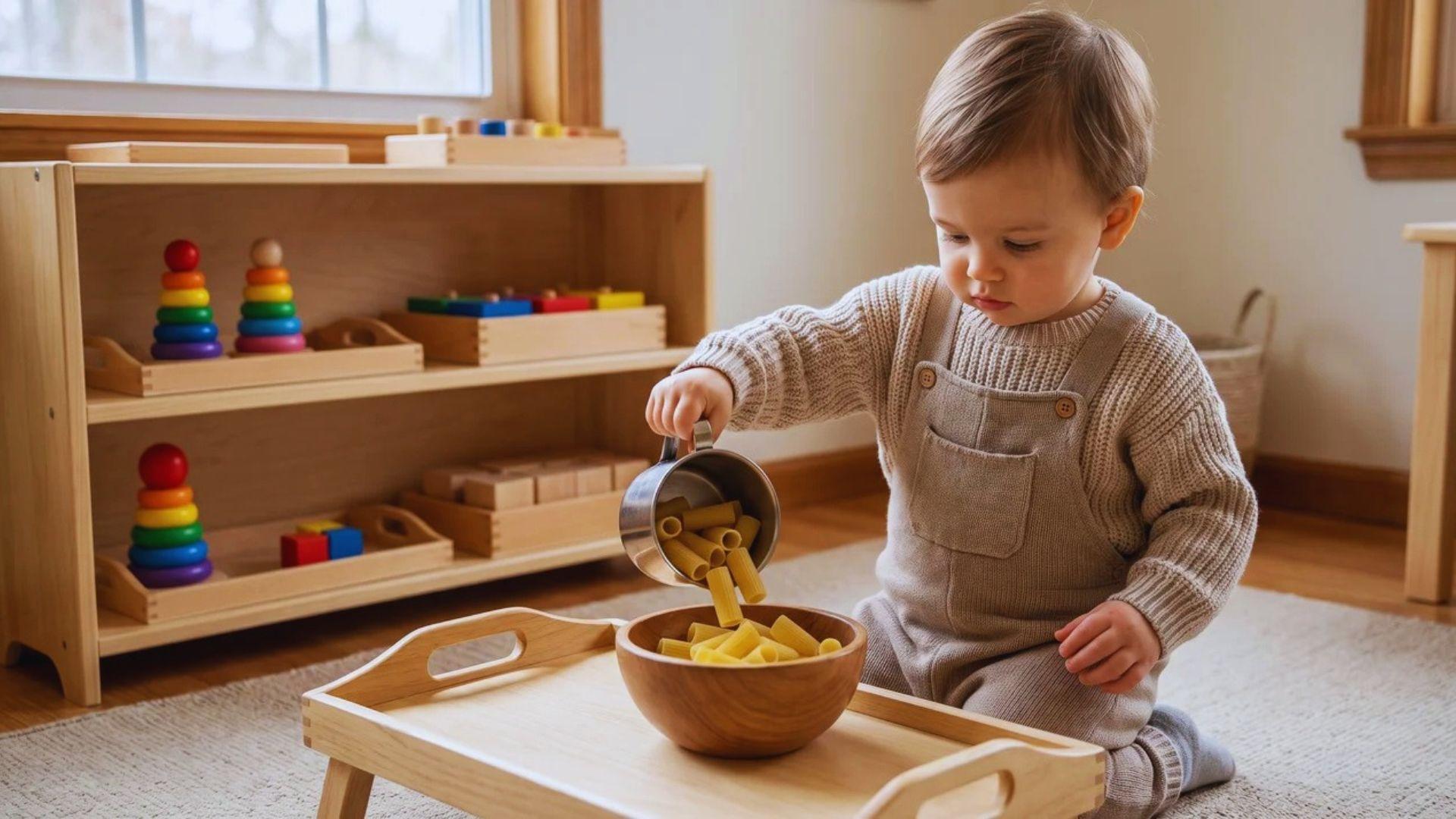
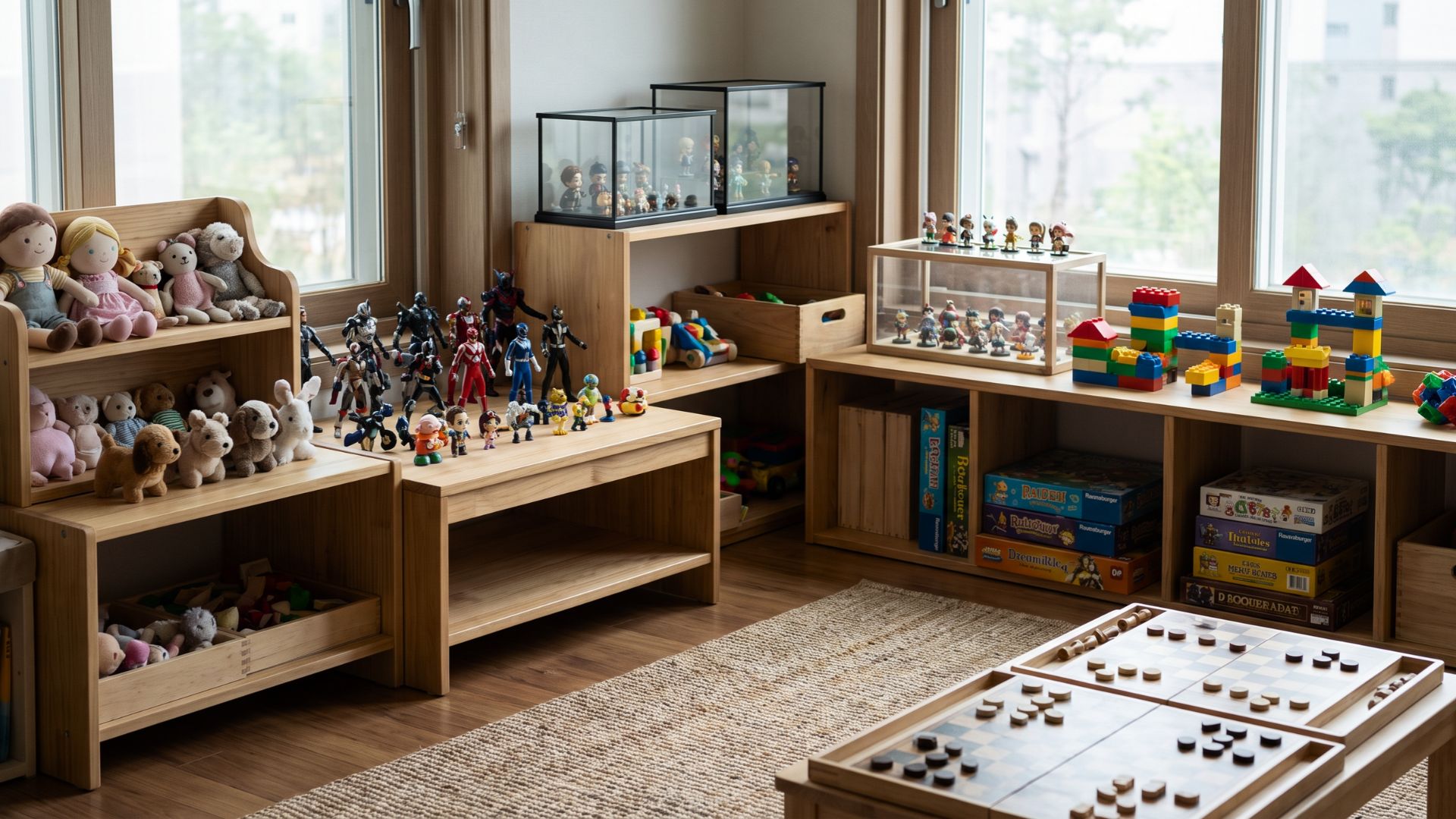
The toy bin that used to spill across the living room floor every afternoon now sits untouched. The dollhouse has quietly become a shelf for earbuds and a library book.
In more than 12 years of studying how children grow, I’ve found this is when parents start asking one question in a dozen different ways: when do kids stop playing with toys, and is my child moving on too soon or too late?
Most children let go of toys gradually through the elementary and tween years. The change usually signals growth, not loss.
A new stage of thinking and friendship is taking shape, and toys are one of the first places it shows.
Read on to learn when different kinds of play tend to fade, what is changing in your child’s mind and social world, and how to tell a typical timeline from one that needs a closer look.
When Do Kids Stop Playing With Toys?
There is no single age when kids stop playing with toys. Ages three to five are considered the peak season for imaginative play, though pretend play continues into middle childhood.
After that, it slowly gives way to games with rules, collecting, building, and time with friends.
For many children, the clearest drop comes in the late elementary and tween years, but the timing varies widely.
In my work, I encourage families to set the calendar aside and look at where their child is in the transition. Is your child still building whole worlds out of figures and blankets?
Starting to prefer board games with rules and a clear winner? Choosing a friend’s company over solo play?
Each answer tells you more than a birthday does, especially once you factor in your child’s personality, siblings, and surroundings.
So an 8-year-old who has boxed up her dolls and a 13-year-old who still spends Saturday afternoons on a large building set can both be right on track.
The shift is real, but it follows the child rather than a fixed schedule. Once you understand what drives it, the timing becomes much easier to read.
Children don’t stop playing with toys because something goes wrong. They stop because something goes right.
Their thinking matures, their interests expand, and toys simply stop keeping pace.
I’ll break down when kids stop playing with toys, what actually drives the shift, and how to tell whether your child’s timeline is something to think about or something to let go of.
Why Do Kids Lose Interest in Toys?
Children stop playing with toys not because they’ve grown out of play itself, but because their cognitive development outpaces what physical toys can offer.
That mismatch, not peer pressure, is what drives the shift.
The Cognitive Shift: When Toys Can No Longer Keep Up
Around ages 9 to 12, something shifts in how children’s thinking develops, and they begin reasoning in hypotheticals.
They can hold abstract ideas, weigh outcomes, and think through complex scenarios in their heads.
Physical toys are concrete. A doll is a doll. An action figure moves the way you move it. For a younger child, that’s enough to build rich imaginative worlds around.
For a child whose brain is now working at a higher level, the toy stops keeping up.
It’s not that the toy becomes boring exactly. It’s that it stops offering the right kind of challenge. The brain gravitates toward whatever stretches it at its current level.
When toys can no longer do that, interest fades. This isn’t a preference shift. It’s a cognitive fit problem.
Social Pressure: What It Actually Does (and Doesn’t Do)
Peer influence is real, but it doesn’t start the process. By the time a child feels embarrassed to admit they still play with action figures, the interest was likely already fading.
What social pressure does is bring it to the surface. It’s what makes a child finally say out loud what they’d quietly felt for months.
Parents who see that moment often treat it as the cause. It isn’t. It’s the announcement.
Which Types of Toys Do Kids Abandon First?
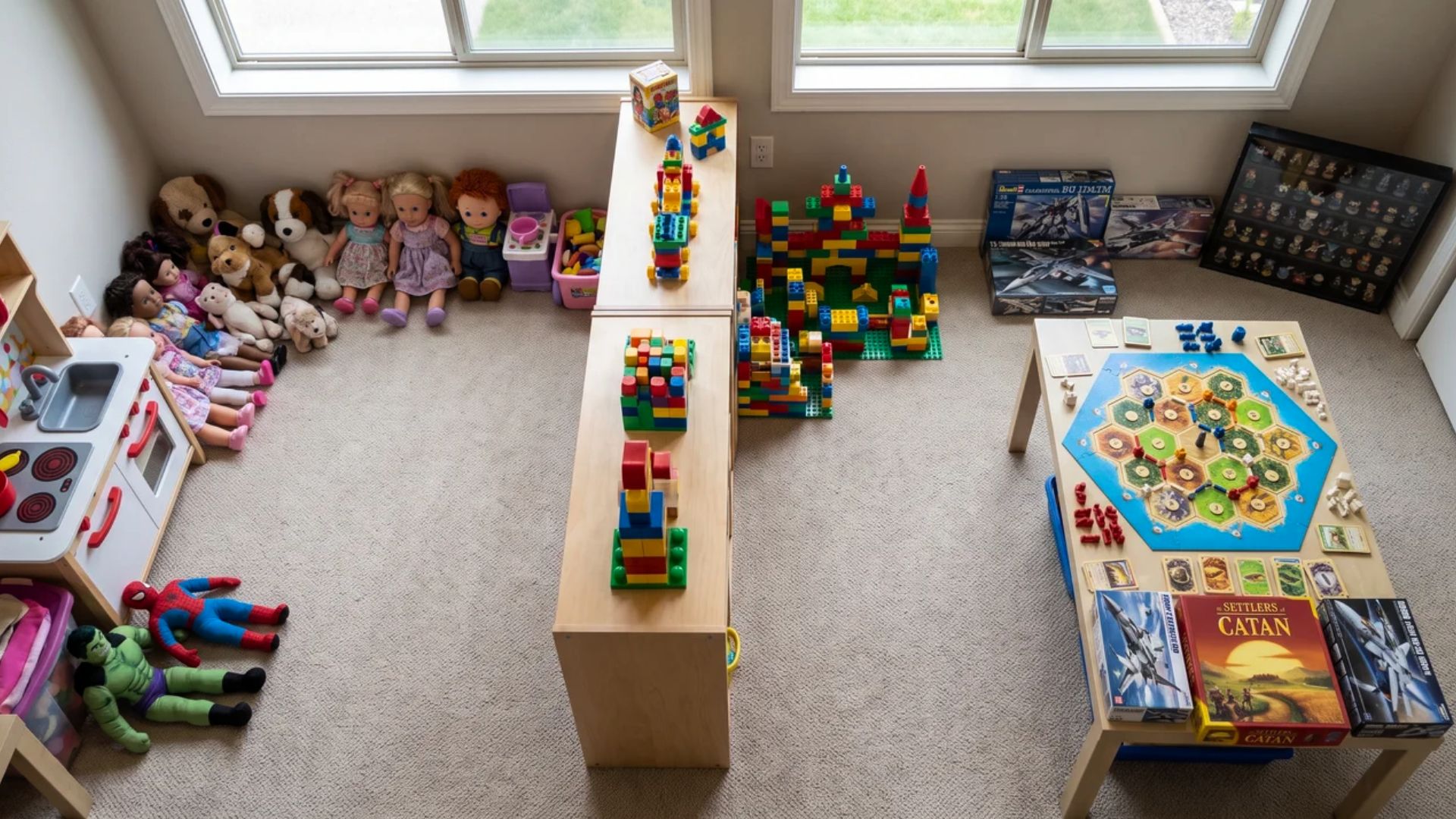
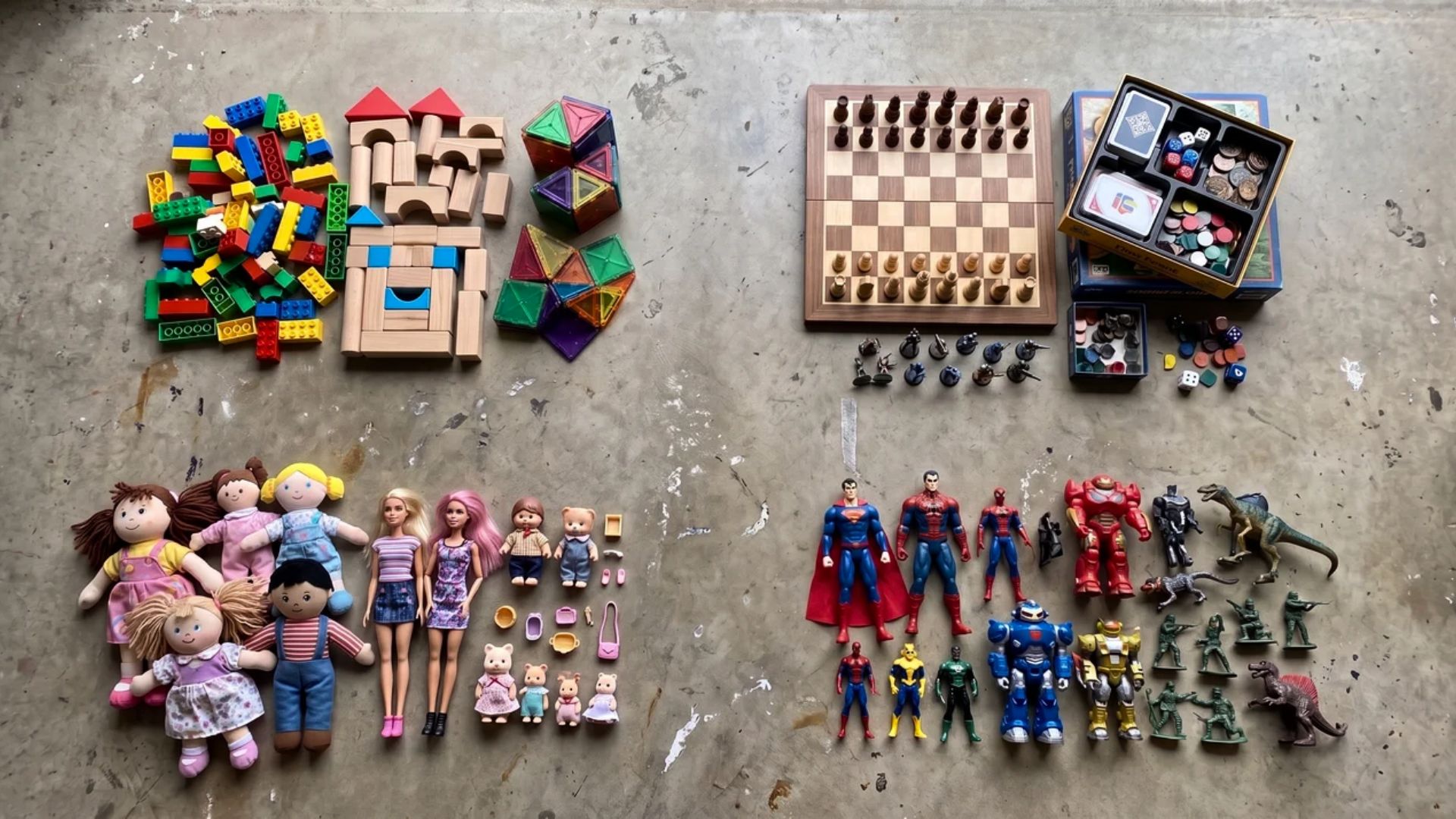
Not all toys are abandoned at the same time. Pretend and imaginative play typically fades years before complex building or strategy play does.
Understanding the sequence helps you see how much structured play continues past age 10.
Pretend and Imaginative Play
This is usually the first to go. Dolls, action figures, role-playing scenarios, characters with voices and storylines. Most children start pulling away from this type of play between ages 7 and 9.
It’s also the most socially visible kind of play, which makes it the most subject to peer judgment. That visibility accelerates the fade.
Complex and Open-Ended Play
This holds on much longer. LEGO, building sets, collectibles, strategy board games. These can stay genuinely engaging well into the mid-teens without any developmental concern.
They offer something pretend play stops providing at that age: rules, problem-solving, and outcomes that require real thinking.
That’s why children who have long abandoned dolls and action figures are often still deeply engaged with building or strategy games.
Parents who notice pretend play ending sometimes assume all play is ending. It usually isn’t. Recognising the sequence means you don’t clear out items a child is still actively using.
What Replaces Toy Play as Kids Get Older?
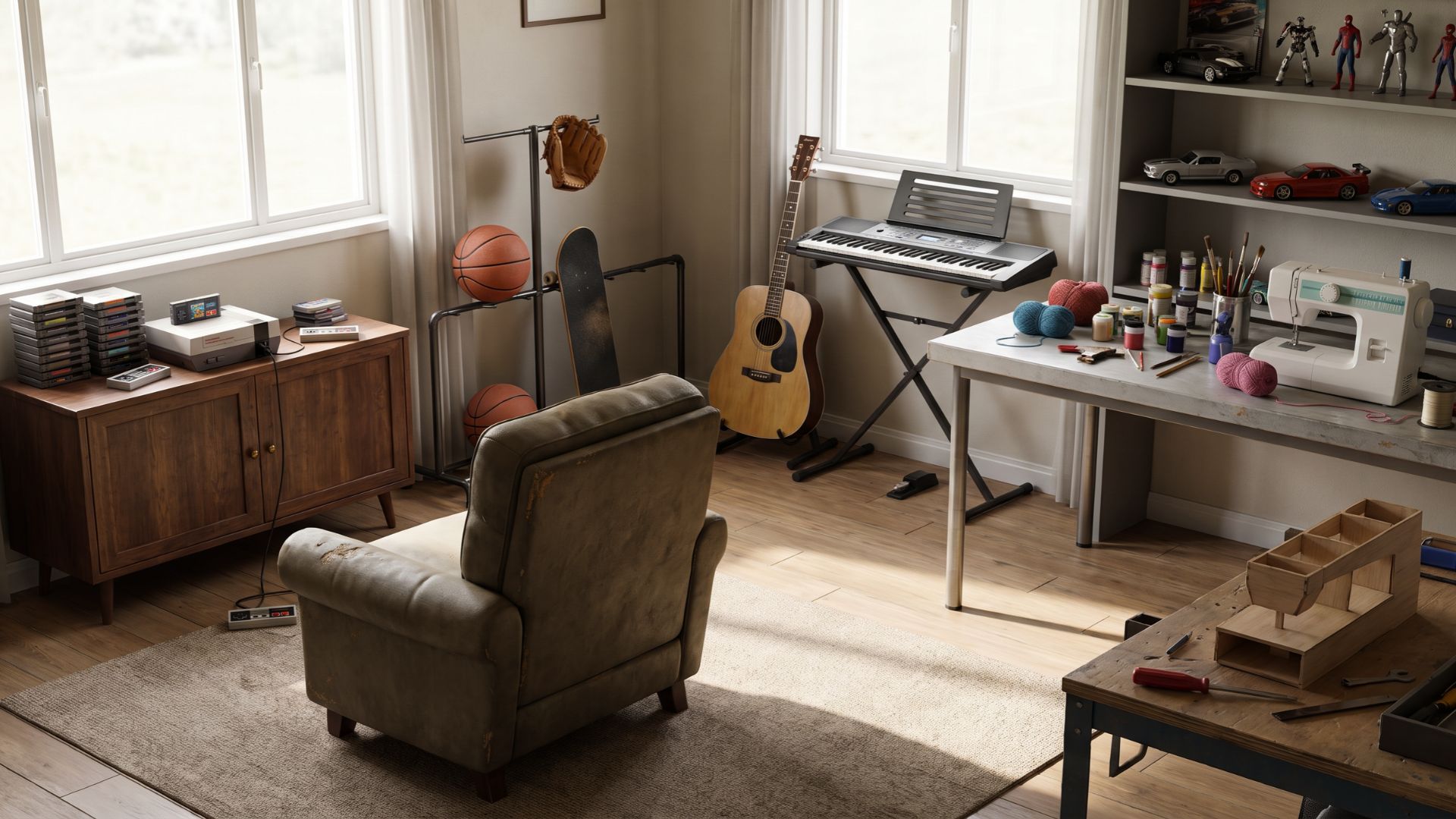
When children stop playing with toys, they don’t stop playing. The same needs for challenge, creativity, and engagement shift into new formats that better match where their development is.
Video games, sports, music, crafts, collecting, building projects these are activities that support kids in the same ways toys once did, and they’re not lesser substitutes for toy play.
These aren’t lesser substitutes for toy play. They’re the next stage of it.
They offer the complexity, strategy, and social dimension that traditional toys stop providing around this age.
A child who loved constructing elaborate LEGO cities might move toward Minecraft or model building.
One who acted out stories with figures might gravitate toward drama, writing, or tabletop role-playing games. The form changes. The underlying need doesn’t.
For parents, the more useful thing to track isn’t what a child is walking away from. It’s what they’re walking toward.
The replacement activity usually tells you exactly what cognitive and social needs are being met. That’s worth paying attention to.
Is My Child’s Timeline Normal?
There is no age at which a child should have stopped playing with toys.
The transition looks different for every child, and a variation of a year or two in either direction carries no developmental significance.
The 9 to 12 window is a median range, not a rule. A child who starts pulling away from toys at 7 isn’t losing childhood early.
A 13-year-old still engaged with building sets or strategy games isn’t behind. Both fall well within the range of normal development.
The more useful thing to watch isn’t toy play specifically. It’s the broader picture.
Is your child engaged socially? Are they curious, motivated, and developing emotionally? Toy play is one small signal among many. It doesn’t come with a pass or fail date.
If that broader picture looks healthy, the toy question usually answers itself.
Final Verdict
The moment kids stop playing with toys isn’t a loss. It’s a signal that development is doing exactly what it should.
Every child moves through this transition at their own pace, in their own order, toward their own next thing.
Knowing when kids stop playing with toys matters less than understanding why it happens and what comes next.
Your job isn’t to manage the timeline. It’s to stay curious about where they’re headed.
If you’re still unsure about your child’s timeline, speak with their pediatrician or a child development specialist. A single conversation can replace months of second-guessing.
Frequently Asked Questions
Is it normal for a 12-year-old to still play with toys?
Yes, many children at 12 continue engaging with building sets, strategy games, or collectibles. The typical window extends to 12 and beyond for many children.
When do kids stop playing pretend?
Pretend and imaginative play typically fades between ages 7 and 9 for most children. It is often the first play type to decline.
Should I encourage my child to keep playing with toys longer?
There is no developmental benefit to pushing a child to stay interested past their natural shift. Following their lead toward new interests is more useful than preserving old ones.
Should I be worried if my child stopped playing with toys at 8?
Not necessarily. If your child is socially engaged and curious in other ways, an early loss of interest in toys is not a sign of a problem.