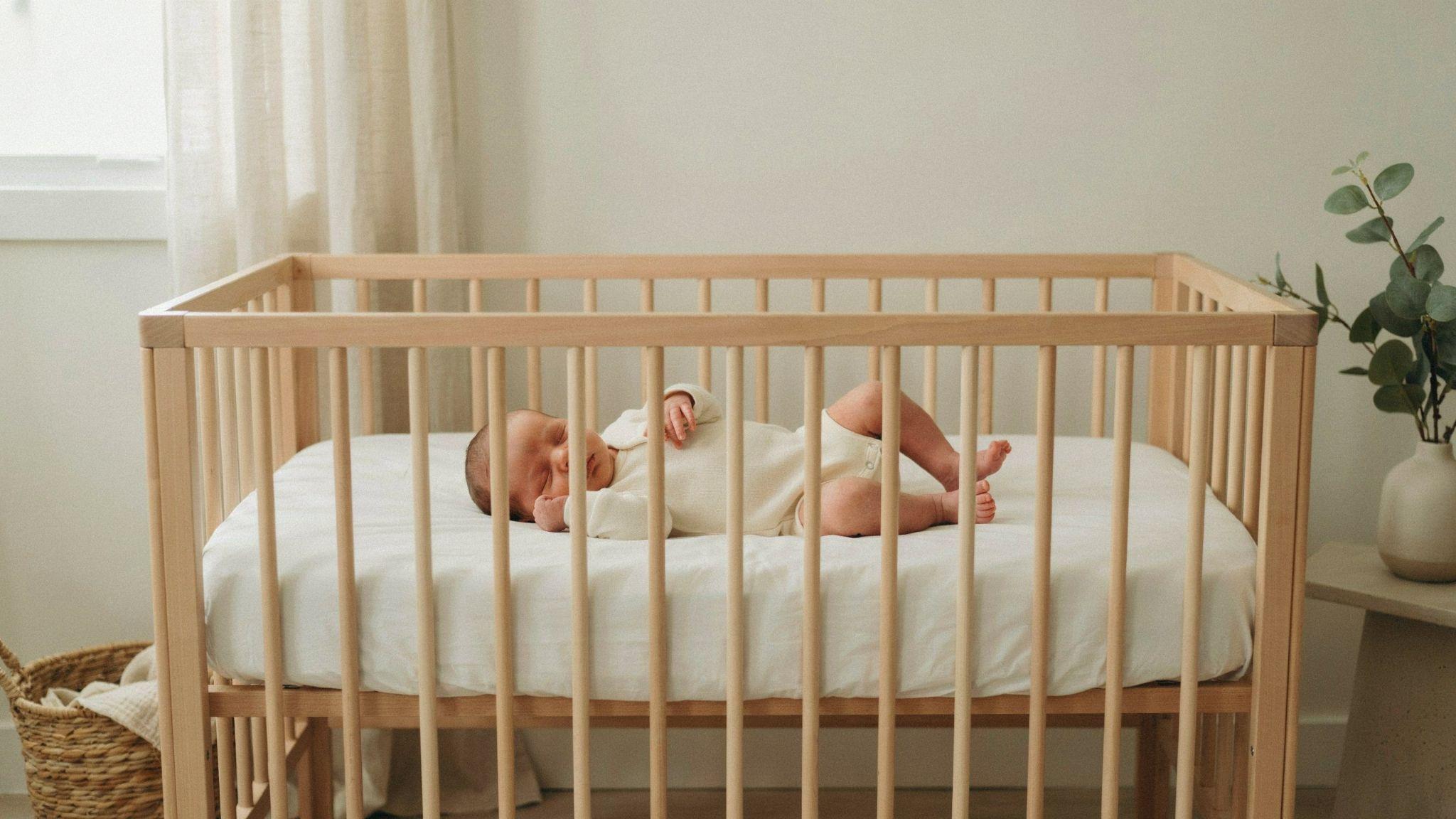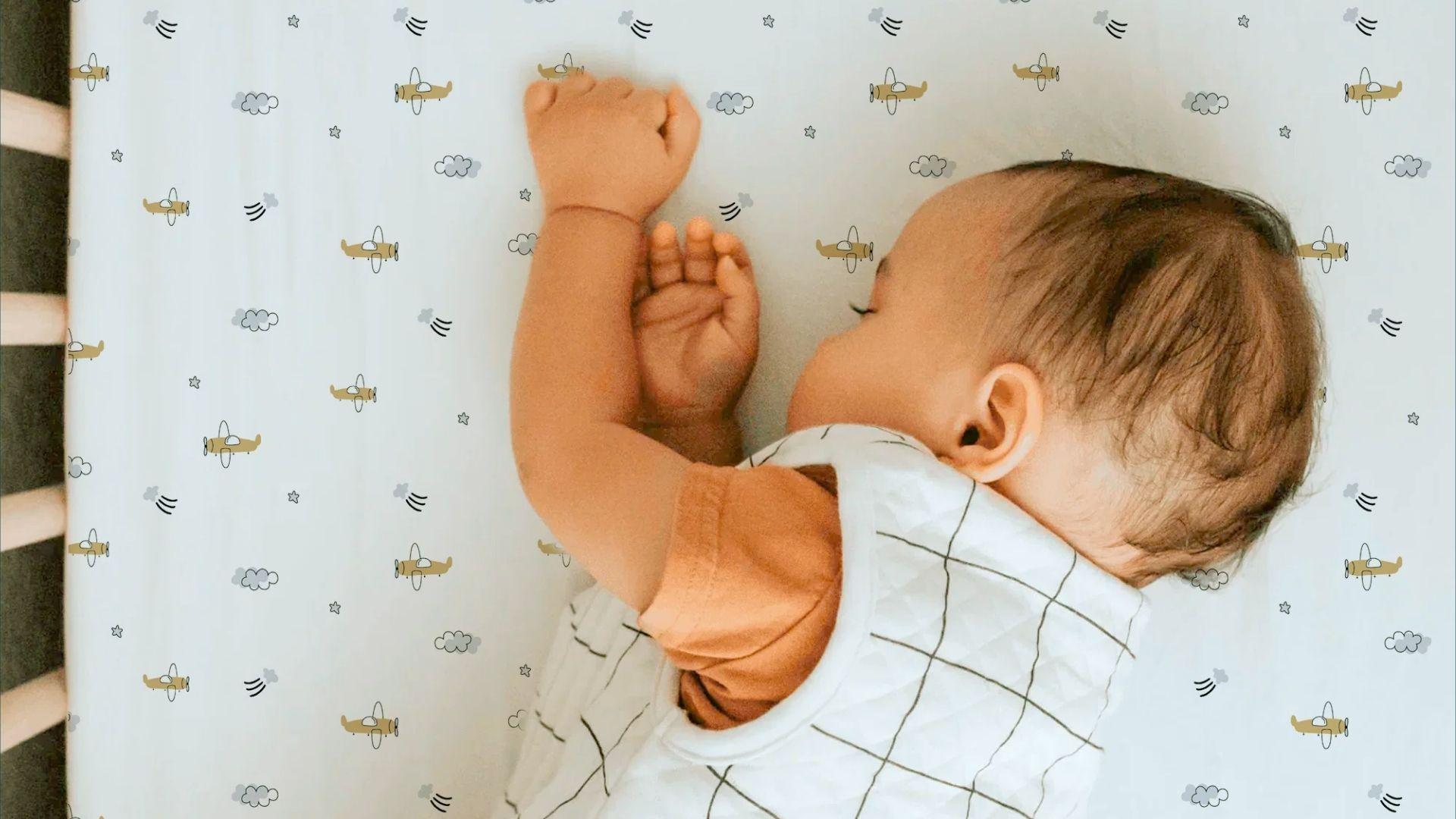

You glance at the crib and notice a small, gentle smile spreading across your baby's face while they are fast asleep. No one made a funny sound or tickled them, yet they seemed to be smiling. If you have wondered why babies smile in their sleep, you are not alone.
Many parents notice this and wonder whether it has a deeper meaning or if it is simply a normal part of infant sleep. In most cases, sleep smiles are completely normal and reflect your baby's developing brain and nervous system.
This guide explains the common causes, what research says about infant dreams, and when a sleeping smile might need medical attention.
Is Smiling During Sleep Normal for Newborns and Older Babies?
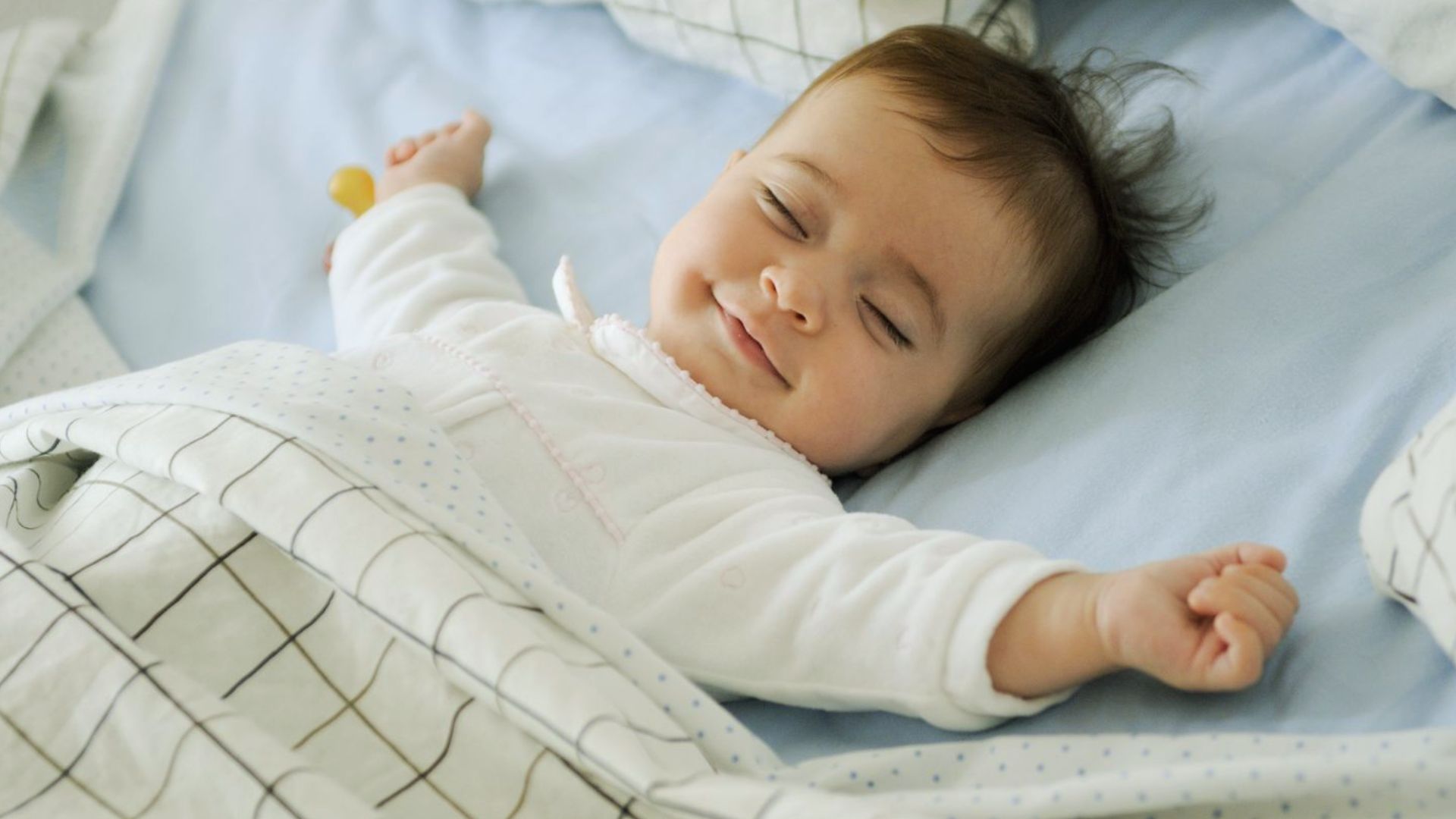
Yes, smiling during sleep is normal for both newborns and older babies. It is a natural part of infant development and usually reflects normal brain activity rather than a conscious emotional response.
Sleep smiling often happens because of reflexes, active sleep, and the gradual development of the nervous system. Unlike a social smile, which appears when your baby responds to your face or voice, a newborn sleep smile usually happens automatically during sleep.
Doctors and sleep researchers consider these brief facial expressions a healthy part of early development.
They are especially common during the first few months of life and gradually change as babies gain more control over their muscles and facial expressions.
Why Do Babies Smile in Their Sleep? Common Reasons
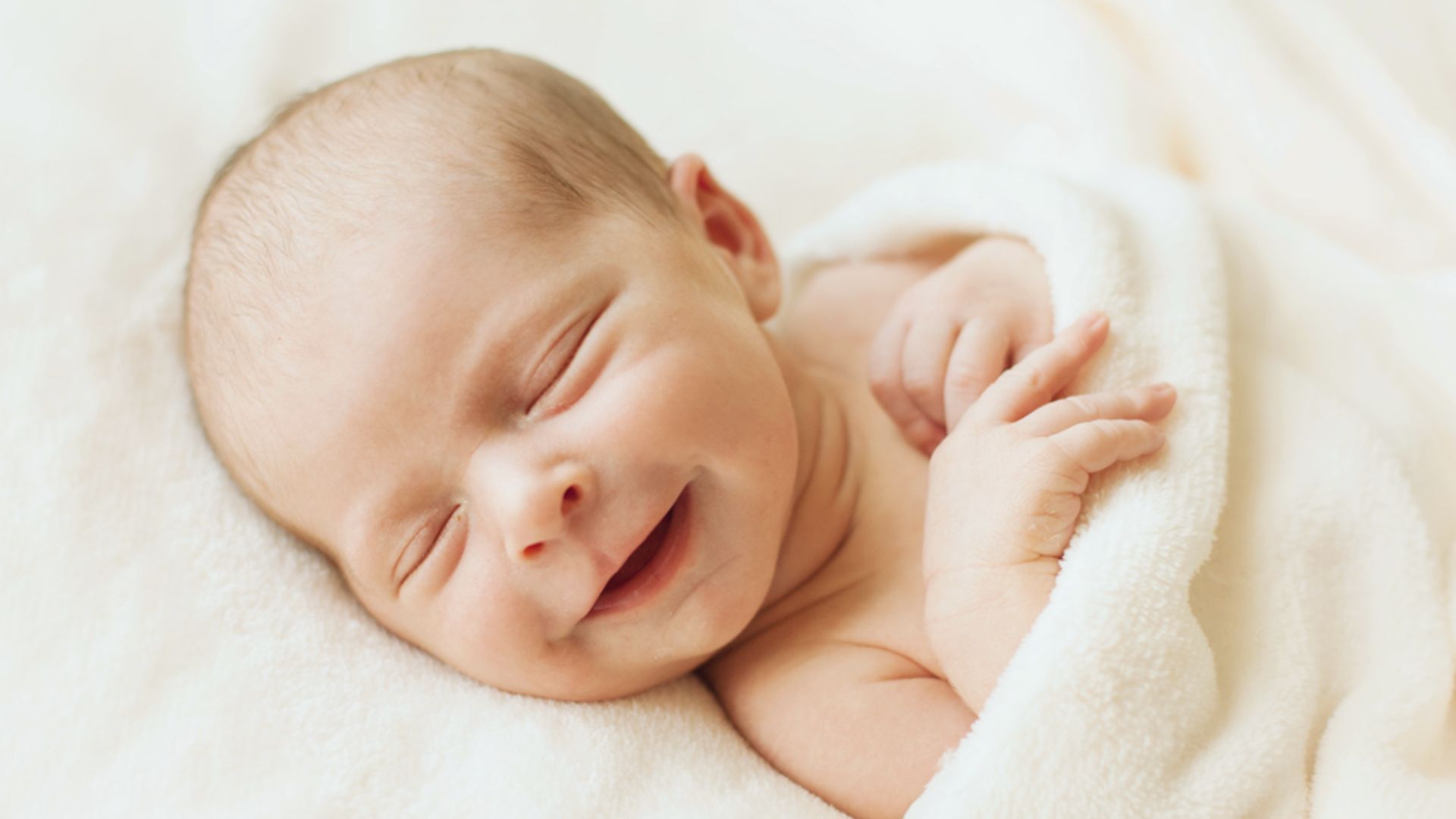
There is no single explanation for why babies smile in their sleep. Instead, several normal developmental processes can cause these brief facial expressions.
Sleep Reflexes in Newborns
During the first few weeks of life, many of a baby's movements happen automatically rather than intentionally. Sleep smiling is one of these natural reflexes. As the nervous system develops, facial muscles may move on their own while the baby rests.
This type of reflex-based smile is similar to the Moro reflex, where babies suddenly stretch or jerk their arms after a loud sound or unexpected movement.
These early smiles are not linked to emotions or thoughts. Instead, they reflect the body's natural practice of coordinating muscles and nerve signals during early development.
Active (REM) Sleep and Facial Expressions
Babies move through different sleep stages, including quiet sleep and active sleep. During quiet sleep, breathing becomes steady and the body relaxes. Active sleep, which is similar to REM sleep in adults, is when the brain becomes much more active.
During active sleep, you may notice rapid eye movements beneath closed eyelids, uneven breathing, small body twitches, and baby smiling during sleep. These facial expressions are a normal response to increased brain activity rather than a sign of a particular emotion.
Because newborns spend much more time in active sleep than adults, these brief smiles often appear several times throughout the day.
Brain Development and Nervous System Maturation
As your baby's brain grows, the connections between nerves and muscles become stronger and more organized. During the first few months, these pathways are still developing, so movements often appear random or jerky.
Some researchers suggest that early sleep smiles may involve activity in different parts of the developing brain, although the exact mechanism is still not fully understood. As the nervous system matures, these involuntary facial movements become less frequent.
Over time, smiles gradually shift from automatic reflexes to intentional expressions of emotion and social interaction.
Emotional Responses as Babies Grow Older
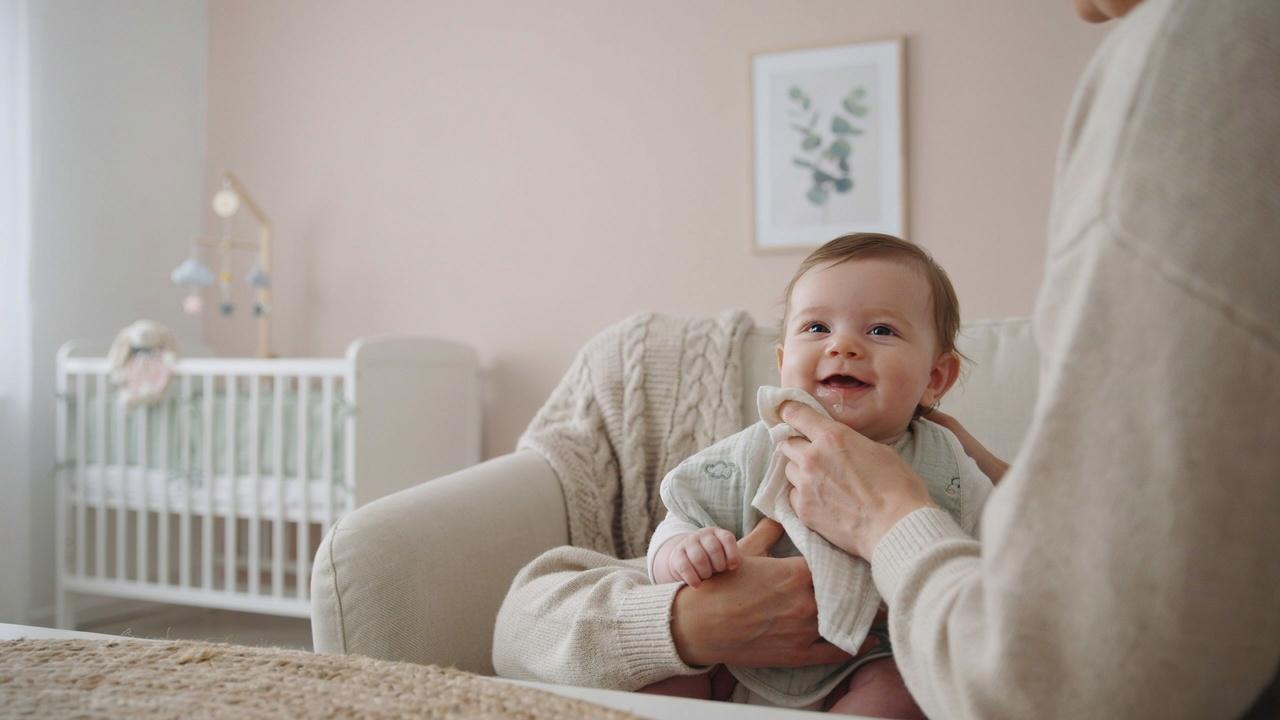
By about two to three months of age, babies begin smiling socially while they are awake. These smiles usually appear in response to familiar faces, voices, or playful interaction.
Some experts think older babies may also process daily experiences during sleep, although direct evidence is still limited.
While sleep smiles may occasionally reflect this developing brain activity, researchers cannot confirm that they represent specific emotions or memories.
Do Babies Dream When They Smile in Their Sleep?
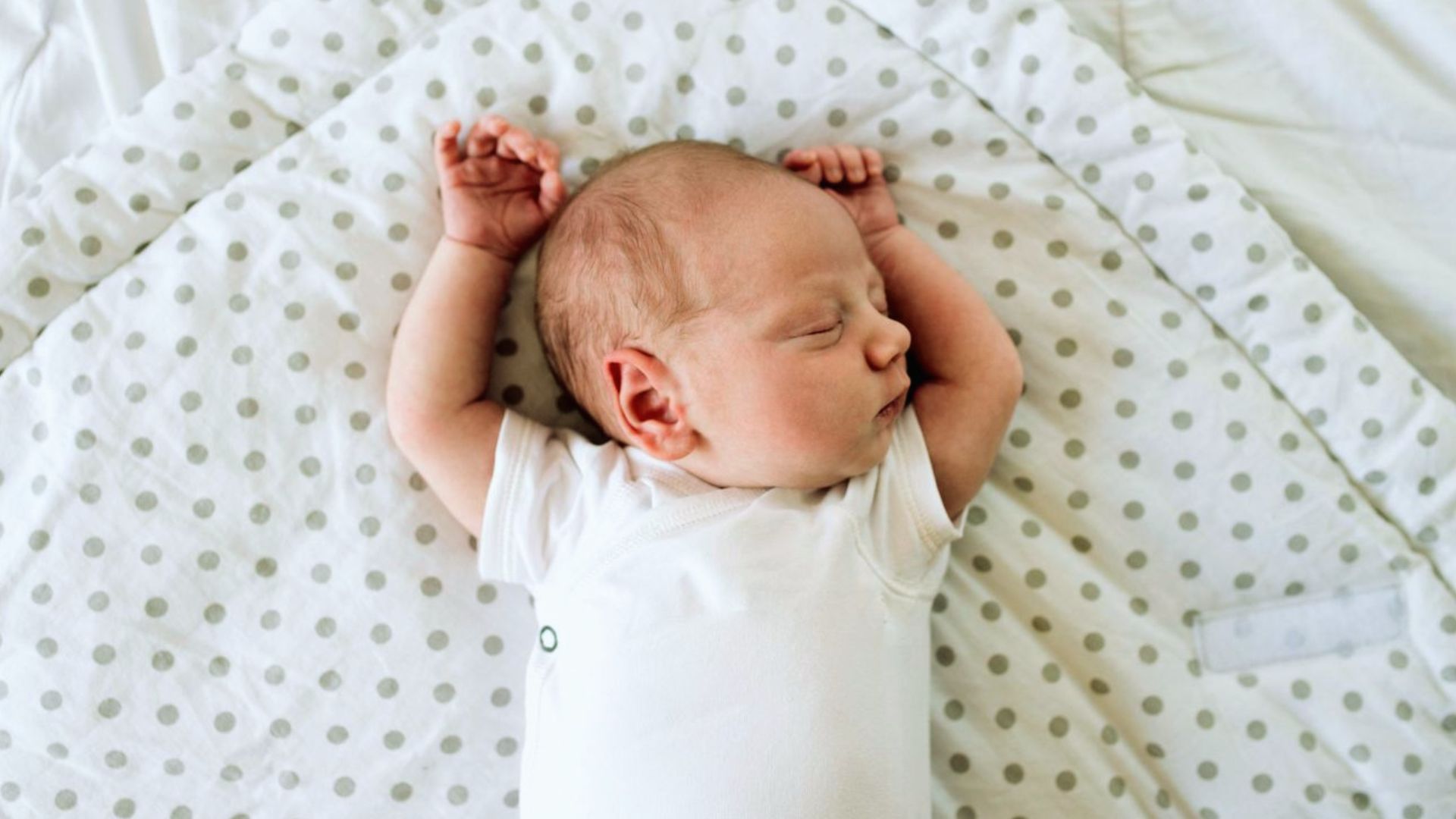
Many parents wonder whether a smiling baby is having a happy dream, but researchers still do not know for certain. Dreaming requires complex brain development, including the ability to create and remember mental images, and these abilities continue developing after birth.
Babies also spend much more time in active sleep than adults. Since dreaming in adults usually occurs during REM sleep, some scientists believe infants may experience simple sensory experiences during sleep.
However, there is currently no direct evidence that young babies have story-like dreams similar to those of older children or adults.
Does Age Affect Why Babies Smile in Their Sleep?
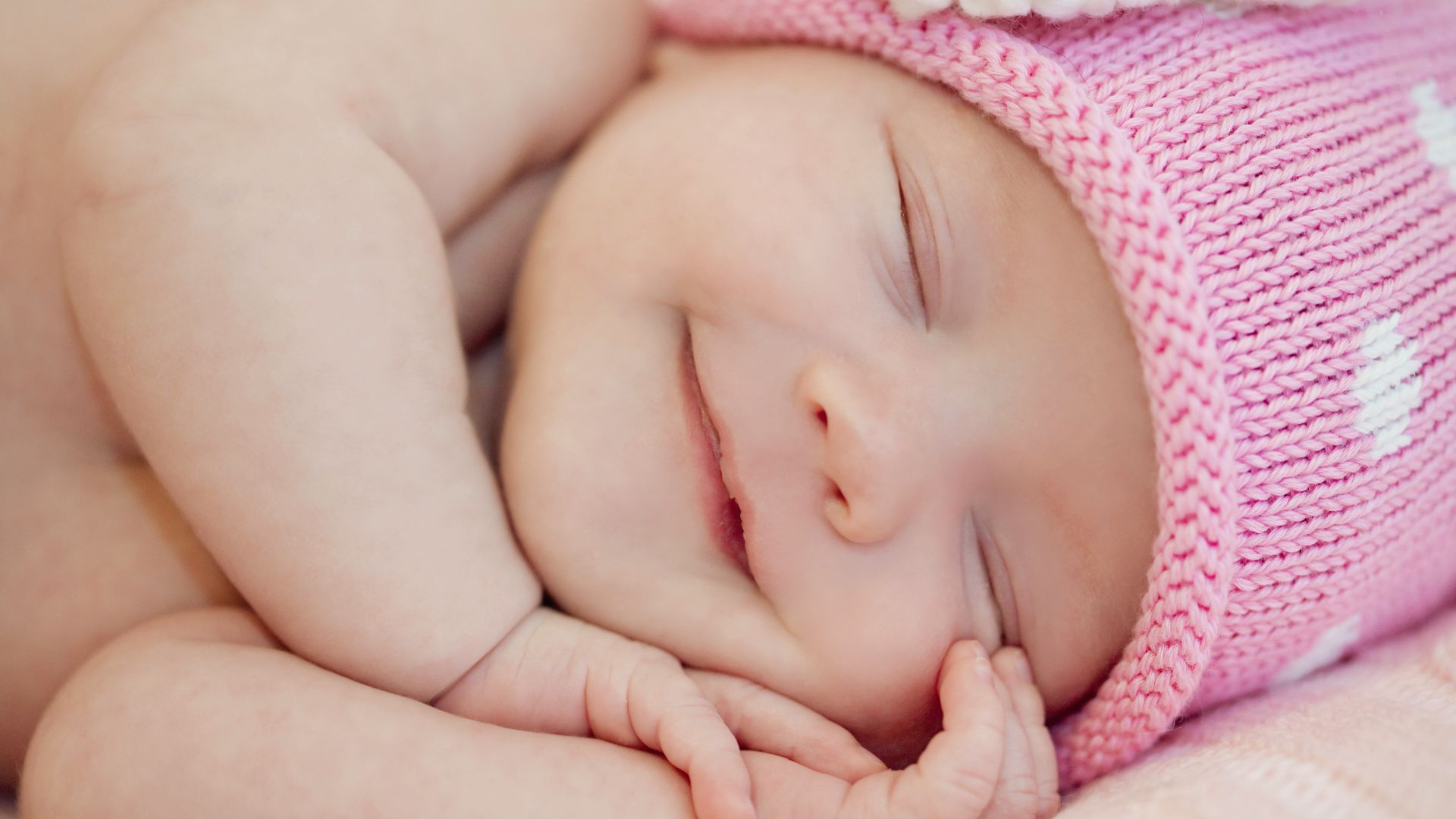
Yes. The reason babies smile during sleep changes as they grow and their brains continue developing.
Newborns (0–2 Months)
During the newborn stage, sleep smiles are almost always reflex-based. Babies spend much of their day in active sleep, making these brief facial expressions very common.
At this stage, the smiles are not linked to emotions or social interaction.
Babies 3–6 Months
Between three and six months, babies begin smiling socially while they are awake.
Sleep smiles may also appear slightly more expressive, although they are still mainly connected to active sleep and ongoing brain development rather than conscious thoughts or memories.
Babies Older Than 6 Months
By six months, babies have stronger emotional connections and greater awareness of the people around them.
Sleep smiles may occasionally occur as the brain processes daily experiences, although researchers are still studying this possibility.
Regardless of the exact cause, smiling during sleep remains a normal part of healthy development throughout the first year of life.
Smiling While Sleeping vs. Smiling When Awake
Although they may look similar, sleep smiles and social smiles develop for different reasons. Understanding the difference can help parents know what is normal at each stage of development.
| Feature | Sleep Smile | Social Smile |
| When it happens | During sleep | While awake and alert |
| Main cause | Reflexes, active sleep, and brain development | Response to people or surroundings |
| Typical age | From birth onward | Usually begins around 6–8 weeks |
| Triggered by | Brain activity during sleep | Faces, voices, eye contact, or interaction |
| What it means | Normal sleep-related movement | Healthy emotional and social development |
A sleep smile is usually brief and may appear alongside normal sleep movements, such as fluttering eyelids, gentle twitches, or small hand movements. It does not usually respond to people or things happening around the baby.
A social smile is different because it happens while your baby is awake and engaged with you. Your baby may smile after seeing your face, hearing your voice, or enjoying playful interaction.
Most babies begin smiling intentionally between 6 and 8 weeks, which is an important early social milestone. If your baby has not started smiling socially by around 3 months, mention it to your pediatrician.
Babies develop at different rates, but your doctor can provide reassurance and determine whether further evaluation is needed.
When Should Parents Be Concerned?
Most sleep smiles are completely harmless. However, it helps to understand the difference between normal sleep movements and signs that may need medical attention.
Signs That Are Usually Harmless
The following behaviors are considered normal during infant sleep:
- Brief smiles that last only a few seconds
- Gentle lip or facial movements
- Small muscle twitches
- Fluttering eyelids during active sleep
- Occasional irregular breathing that quickly settles
These movements are common during active sleep and usually do not require any treatment.
Symptoms That May Need a Pediatrician's Evaluation
Although uncommon, certain movements deserve medical attention.
Contact your pediatrician if your baby has:
- Repeated rhythmic jerking that does not stop
- Stiffening of the entire body
- Persistent abnormal eye movements
- Episodes where they are difficult to wake afterward
- Repeated unusual movements that become more frequent over time
In very rare cases, uncontrollable laughing episodes during sleep may be associated with a gelastic seizure. A pediatrician can evaluate these symptoms and determine whether additional testing is necessary.
How Unusual Movements Differ From Normal Sleep Smiles
Normal sleep smiles involve only the face and disappear within a few seconds. They usually occur during active sleep and are not followed by unusual behavior.
Movements involving the whole body, lasting much longer, or occurring in a repetitive pattern should be discussed with a healthcare professional. Some newborns also experience benign neonatal sleep myoclonus, which causes brief muscle jerks during sleep.
Although these movements may appear alarming, they are different from seizures and are generally harmless.
What Should You Do If Your Baby Smiles in Their Sleep?
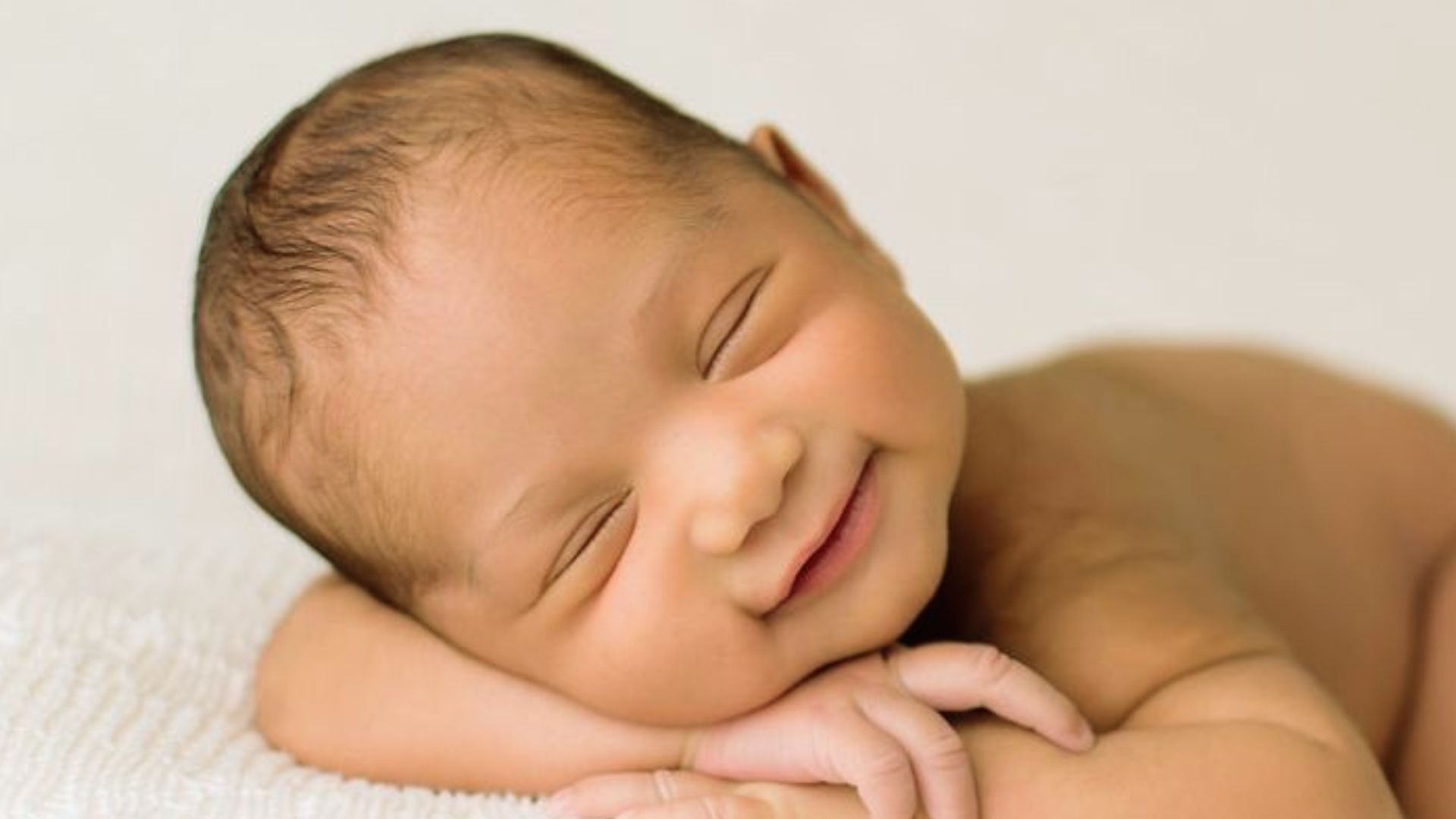
In most situations, the best response is simply to let your baby continue sleeping. Sleep smiles are a normal part of development and rarely require any action.
Should You Wake Your Baby?
No. There is no reason to wake your baby because they smiled while sleeping.
Interrupting sleep can make it harder for babies to settle back into their normal sleep cycle. Unless your pediatrician has advised otherwise, allow your baby to continue resting peacefully.
How to Support Healthy Infant Sleep
Healthy sleep habits encourage normal sleep patterns and support brain development.
You can help by:
- Following a consistent bedtime routine.
- Placing your baby on their back for every sleep.
- Keeping the crib free of pillows, blankets, and toys.
- Maintaining a dark, quiet, and comfortable sleep environment.
- Including calming bedtime routines, such as gentle cuddling or a lullaby.
These habits support healthy sleep stages where sleep smiles naturally occur.
Tips for Parents
- Notice patterns if you are curious, but avoid worrying about every smile or twitch.
- Focus on healthy sleep routines instead of trying to interpret each facial expression.
- Remember that every baby develops differently, so sleep smiles may happen more often in some infants than others.
- Trust your instincts if movements seem unusual or repetitive, and speak with your pediatrician.
- Most importantly, enjoy these quiet moments. They are a normal part of your baby's early development and often become treasured memories.
Common Myths About Babies Smiling in Their Sleep
Babies can smile during sleep for several normal reasons, but many myths surround this behavior.
Here are the common misconceptions and the facts parents should know.
| Myth | Fact |
| Babies smile in their sleep because they miss their parents. | There is no scientific evidence to support this. Sleep smiles are more often linked to normal brain activity and active sleep. |
| Every sleeping smile means a baby is having a happy dream. | Researchers do not know whether newborns dream like older children and adults. Sleep smiles are more likely caused by reflexes or normal neurological activity. |
| Smiling during sleep means your baby is sleeping better than usual. | Smiles, twitches, and brief facial movements are common during active sleep and do not indicate better or worse sleep quality. |
| Only newborns smile while sleeping. | Babies can continue smiling during sleep throughout their first year, although the reasons may change as their brains develop. |
| You should wake your baby whenever they smile in their sleep. | There is no need to wake a baby because of a brief sleep smile. Healthy sleep should generally be allowed to continue. |
| Sleep smiles always mean your baby has gas. | Gas can cause facial grimacing or discomfort, but a relaxed sleep smile is usually unrelated and is a normal part of infant sleep. |
Conclusion
So, why do babies smile in their sleep? In most cases, these brief smiles are a natural part of healthy development. They usually happen because of reflexes, active sleep, and the ongoing growth of the brain and nervous system.
As babies get older, their smiles gradually become more intentional and socially meaningful, but sleep smiles remain a normal behavior throughout infancy. Rather than worrying about every smile, enjoy these special moments and continue supporting healthy sleep habits.
If your baby also has unusual movements, prolonged stiffening, or repeated rhythmic jerking, speak with your pediatrician for reassurance and evaluation.
For more helpful baby development tips and parenting guides, explore our latest articles.
Frequently Asked Questions
How long do sleep smiles usually last?
Sleep smiles usually last only a few seconds. They often appear during active sleep and disappear on their own without waking the baby or requiring any action from parents.
Do premature babies smile in their sleep too?
Yes. Premature babies can smile during sleep as their nervous systems continue developing. The timing and frequency may differ slightly from full-term babies, but sleep smiles are generally considered normal.
Can teething affect sleep smiles?
Not usually. Teething commonly causes fussiness, drooling, and disrupted sleep rather than smiling. Sleep smiles are generally linked to normal brain activity and sleep development instead of teething.
Is it safe to take a photo when my baby smiles while asleep?
Yes. Taking a quiet photo is perfectly safe as long as you avoid using a bright flash or making sudden movements that could wake your baby.
Do all babies smile in their sleep?
Most babies smile during sleep at some point, although the frequency varies. Some babies smile often, while others do so only occasionally. Both patterns are considered normal and healthy.