If your baby was sleeping well and suddenly started waking every hour, you are far from the only parent awake at 2 a.m. wondering what changed.
A sleep regression is a stretch of a few weeks when a baby or toddler who slept fairly well starts waking more, fighting naps or resisting bedtime, usually around a developmental leap.
The hardest part is often not knowing what you are dealing with. Hunger, teething, illness and a new sleep habit can all look alike in the middle of the night.
In this post, you will learn the sleep regression stages explained age by age, from 4 months to 2 years.
It also covers how long each stage tends to last, how to tell a regression from something else, and calm ways to support your child through it.
What Is a Sleep Regression?
A sleep regression is a temporary period when a baby or toddler who was sleeping well starts waking more often, resisting sleep or taking shorter naps.
The term is not a medical diagnosis, but parents and sleep specialists use it to describe sleep changes that often arrive alongside new physical, mental or emotional skills.
Babies change quickly in their first two years, and the brain’s work on rolling, crawling, walking and talking can spill into the night.
Not every baby has a clear regression at every age, so treat the ages below as common windows rather than fixed dates.
How Long Does Sleep Regression Last?
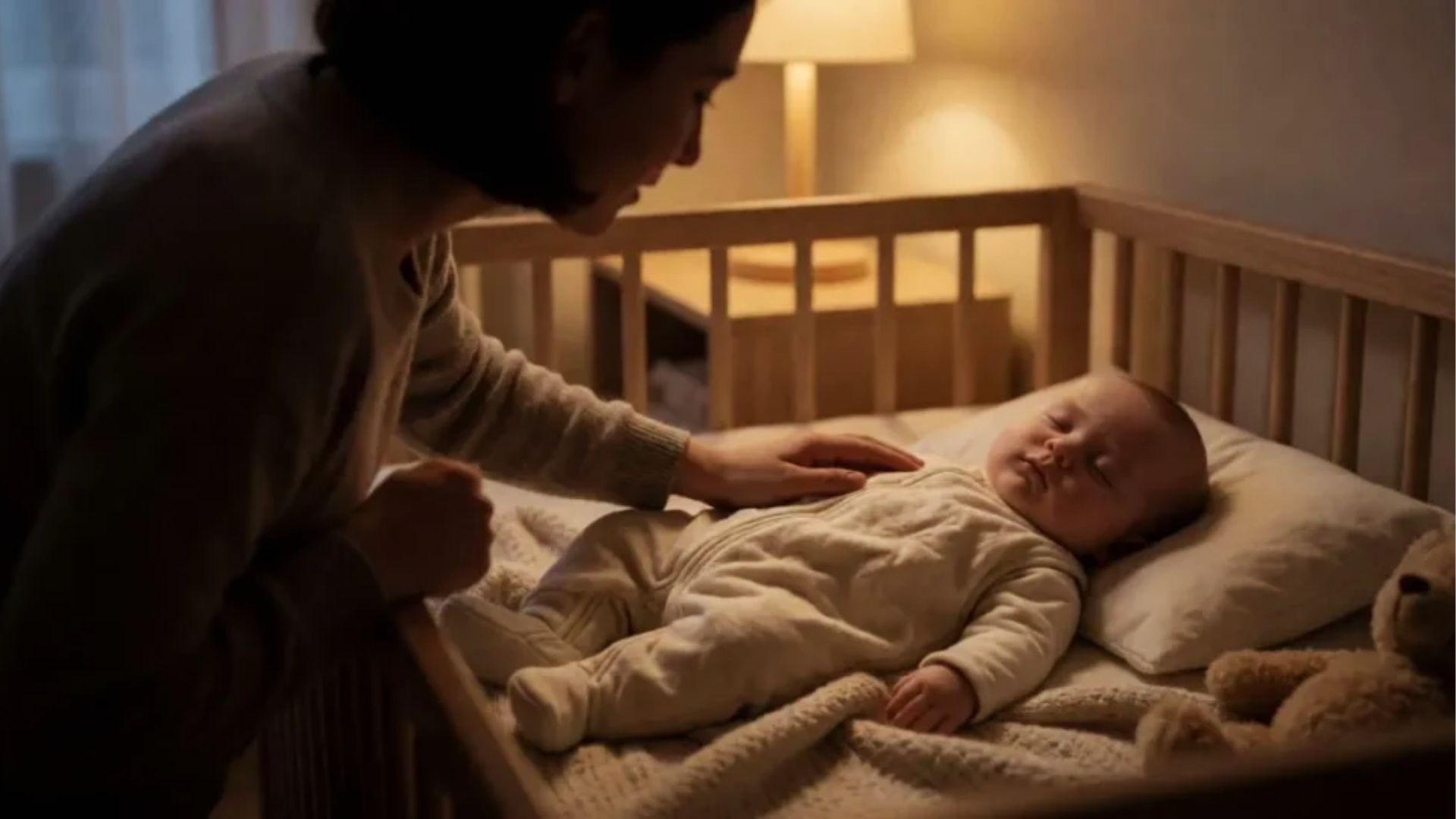
Most sleep regressions last about 2 to 6 weeks, though the timing varies with the child, the stage and how sleep is handled during it.
These durations are common reference ranges used by parents and sleep consultants, since no official body publishes a set timeline for each stage.
The 4-month stage works a little differently. The rough patch usually settles within weeks, but the change in sleep structure behind it is permanent, because your baby’s sleep is maturing rather than going backward.
Now that you know a regression is usually short, the next step is learning to spot one.
What Are the Signs of Sleep Regression?
Sleep regression signs look a little different in every child, but a few patterns show up across most stages:
- Frequent night waking, even in a baby who had been sleeping in longer stretches
- Trouble falling asleep despite clear tired cues such as yawning or eye rubbing
- Short or skipped naps
- Early morning waking, often before 6 a.m.
- More fussiness or clinginess as bedtime gets close
- Needing more help to settle, such as rocking or feeding, after settling with less support before
In toddlers, the same pattern often shows up as protests, extra requests and delays at lights-out. If that becomes the nightly routine, these ideas for toddler bedtime stalling can help.
When several of these signs appear together and last more than a few nights without any signs of illness, a regression is a likely explanation.
Because timing matters so much during these weeks, wake windows are worth a closer look.
Baby Wake Windows by Age During Sleep Regression
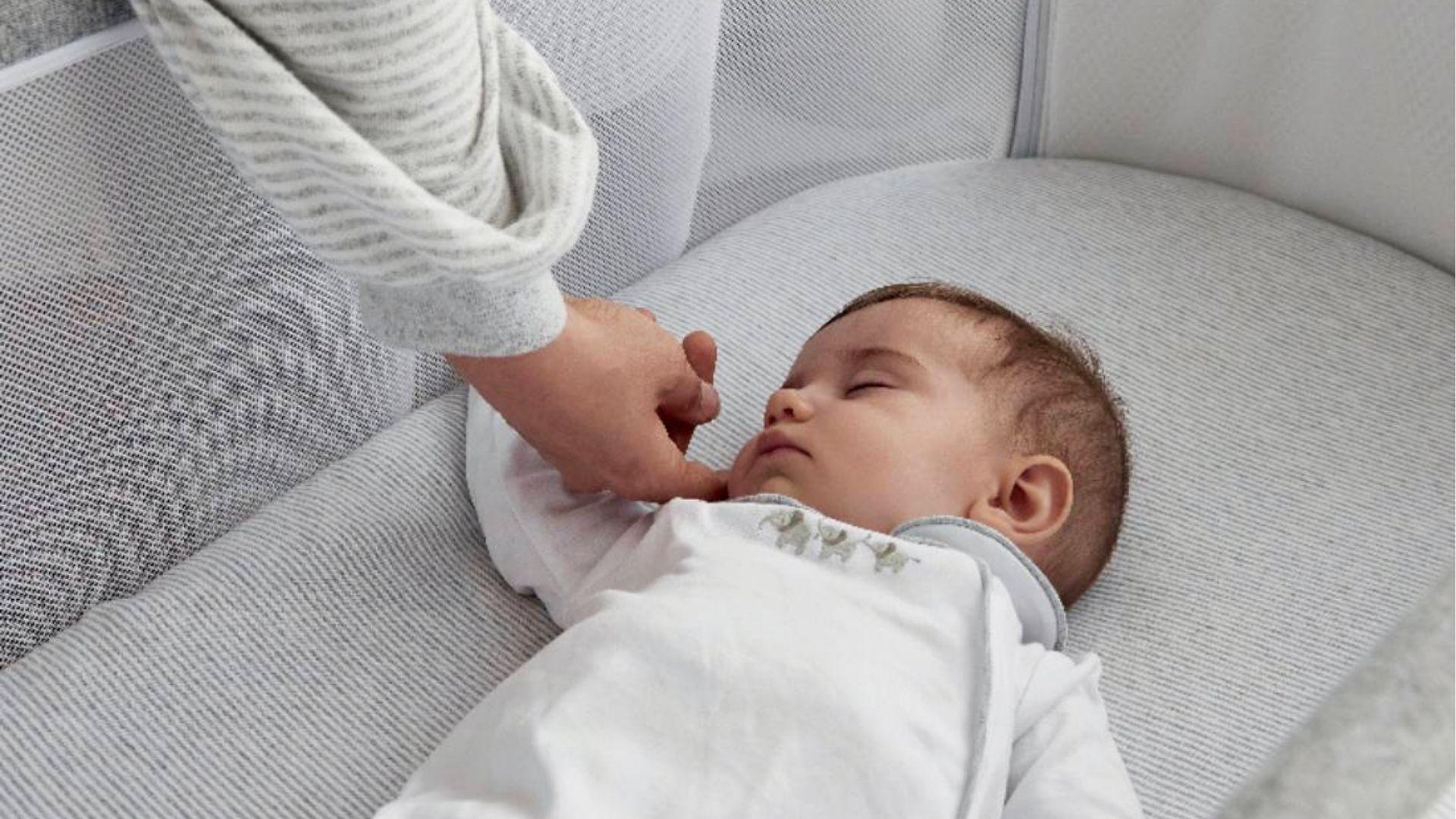
Wake windows are the stretches of awake time between sleeps, and getting them roughly right can make settling easier during a regression.
The ranges below are common starting points that many families and sleep consultants use. They are not an official AAP chart, so your child’s sleepy cues should guide you more than the clock:
- 4 months: 1.5 to 2 hours
- 6 months: 2 to 2.5 hours
- 8 months: 2.5 to 3 hours
- 10 months: 3 to 3.5 hours
- 12 months: 3 to 4 hours
- 18 months: 4 to 6 hours
- 2 years: 5 to 6 hours
Wake windows stretch noticeably around the 2-to-1 nap transition. By age 2, many toddlers follow a one-nap day like this 2-year-old daily schedule.
During a regression, some parents find a slightly shorter window helps for a week or two, since a child working hard on new skills can tip into overtiredness quickly.
Sleep Regression Stages by Age

Each of the common sleep regression ages tends to line up with a burst of development, though your child may reach them a little earlier, a little later or not at all.
1.4-Month Sleep Regression
Around 4 months, sleep starts to settle into regular cycles, according to the AAP’s baby sleep tips. These cycles include lighter stages and brief natural wake-ups between them.
Babies who were rocked or fed fully to sleep may now wake between cycles looking for that same help, which is why night waking often jumps at this stage.
This is also the age to watch swaddling closely. AAP safe sleep guidance says to stop swaddling once a baby looks like they are trying to roll, which usually happens around 3 to 4 months.
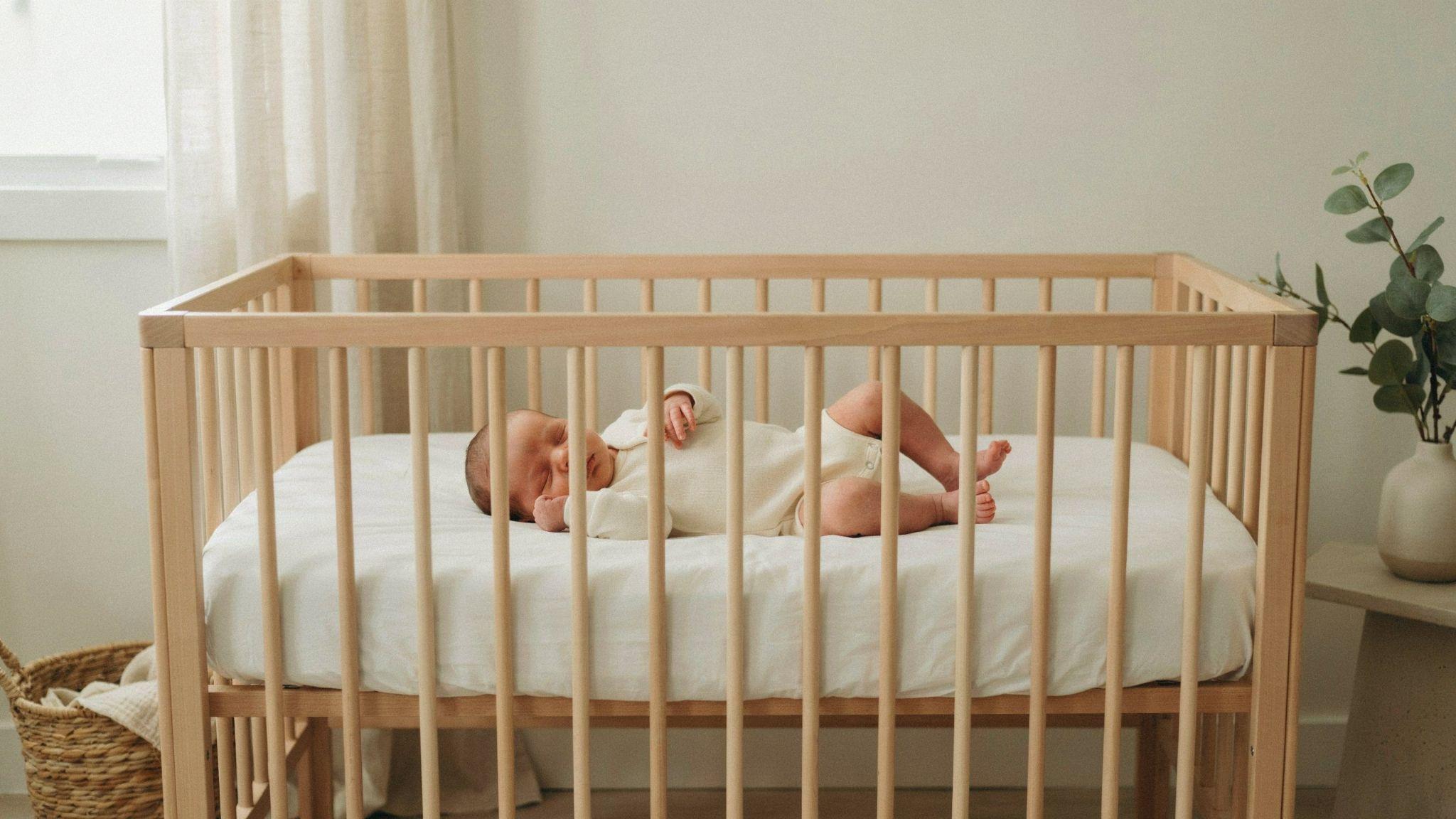
Keep placing your baby on their back in a bare crib for every sleep until age 1, even when nights feel long.
2.6-Month Sleep Regression
Not every baby has a clear regression at 6 months, but many are busy learning to roll, sit and push up, and practicing those skills can carry into the night.
If your baby can roll both ways on their own, the AAP says you do not need to keep turning them onto their back, as long as the crib has no blankets, pillows, bumpers or toys.
Wake windows also lengthen around now, so a schedule that suited your 4-month-old may leave your 6-month-old not tired enough at bedtime.
3.8-Month Sleep Regression
The 8-month stage often arrives with crawling, pulling to stand and a growing understanding that people still exist when they leave the room.
That awareness can bring separation anxiety, which MedlinePlus describes as a normal stage of development, with fear of new people and places common from about 8 to 14 months.
You may see more night waking, a harder time settling and stronger protests when you leave the room at bedtime.
4.10-Month Sleep Regression
The 10-month stage can feel like a continuation of the 8-month one, as many babies start cruising along furniture and babbling more.
Some babies resist their second nap or seem too wound up to settle, which often means the old schedule needs a small update rather than a full rework.
5.12-Month Sleep Regression
Around the first birthday, many babies are walking or close to it, and a growing sense of independence can make bedtime feel like a negotiation.
Some babies also start refusing one of their two naps around now, though many are not ready to drop to one nap until a few months later, so a short nap strike at 12 months does not always mean it is time to switch.
6.18-Month Sleep Regression
At 18 months, language is growing fast, molars may be coming in and many toddlers have started testing limits.
Common signs include refusing to lie down, calling out at night, early waking and loud protests at bedtime. Because your toddler can now walk and talk, the resistance is much harder to miss.
7.2-Year Sleep Regression
Sleep around age 2 is often shaped by big life changes such as potty training, a move to a toddler bed or a new sibling, along with 2-year molars and a growing imagination.
Bedtime resistance, night waking, early rising and new nighttime fears are all common. Since the causes vary more at this stage, it helps to look at what else has changed at home.
Can Babies Have More Than One Sleep Regression?
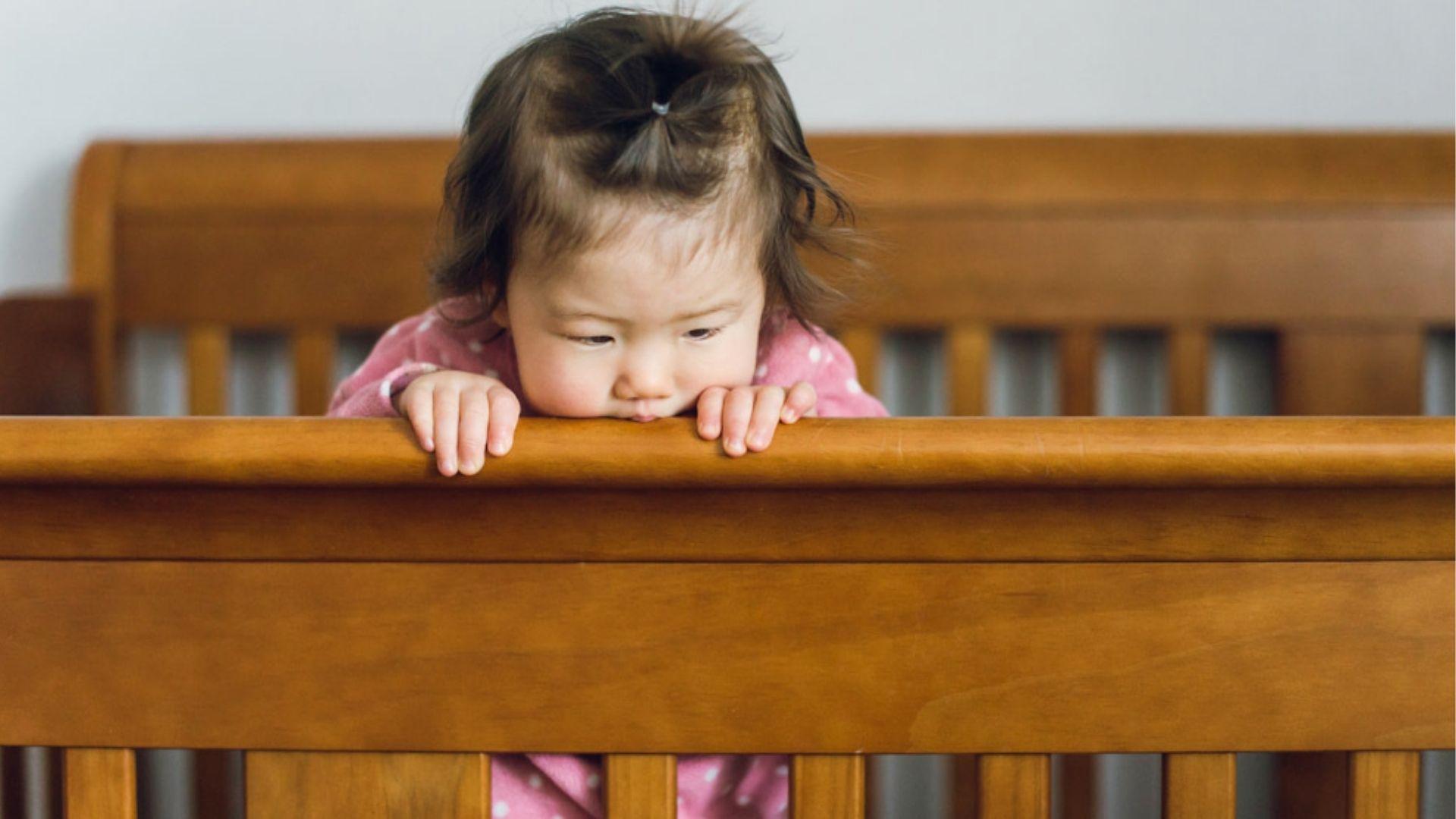
Yes, many babies have more than one sleep regression, and some have several across the first two years.
A baby who barely noticed the 4-month stage may struggle more at 8 or 18 months, because each new skill can disrupt sleep for a while before things calm down again.
Is It Sleep Regression or Something Else?
Not every rough stretch is a regression, and telling the difference helps you respond to what your child actually needs.
| Possible Cause | What Night Waking Looks Like | Other Clues |
| Sleep regression | Wakes often and mostly wants comfort | Sleep was settled before; timing matches a new skill |
| Hunger | Feeds eagerly, then settles quickly | Growth spurt or a change in daytime feeding |
| Teething | Fussy, chewing on hands or objects | Drooling, swollen or tender gums |
| Illness | Wakes uncomfortable or unusually upset | Fever, congestion, cough, ear pulling or feeding changes |
| Nap transition | Naps and bedtime become unpredictable | Fights one nap but still takes the other |
How Can You Help Your Baby During Sleep Regression?

Keeping routines steady and avoiding big changes are two of the most helpful things you can do during a sleep regression.
A short, predictable bedtime routine, protected naps and a calm, consistent response at night give your child the same signals every day while their sleep finds its footing again.
- Keep the routine the same: Follow the same bedtime steps in the same order each night, so your child knows what comes next.
- Protect naps: Skipped naps often lead to overtiredness, which can make nights harder.
- Watch for sleepy cues: Start winding down at the first yawn, stare or eye rub, before your child gets overtired.
- Put baby down drowsy but awake: From around 4 months, the AAP suggests this so babies can practice falling asleep in their own bed.
- Comfort without new habits: Feed, change or soothe when needed, but avoid starting a habit you will want to undo later.
- Keep the crib bare: For babies under 12 months, do not add blankets, pillows or soft toys, as the AAP advises.
- Rest when you can: Trade night shifts with a partner and accept help from people you trust.
What Should You Do If Sleep Regression Keeps Happening?
When disrupted sleep keeps coming back, review the schedule and rule out other causes before assuming it is another regression.
Check whether bedtime has drifted later, since a child who goes to bed overtired often wakes more overnight.
Keep a sleep log for about a week, noting naps, wake-ups and feeds, so you can spot real patterns and share them with your paediatrician if needed.
Look again at the clues in the table above, because ear infections, teething and feeding changes can all look like a regression from the outside.
Sleep Regression Mistakes to Avoid
A few understandable responses can make a regression feel longer than it needs to.
Cutting naps to improve night sleep tends to backfire, because babies and young toddlers still need daytime sleep, and an overtired child often sleeps worse at night.
Changing the whole routine at once adds more change to an already unsettled time, so adjust one thing at a time and give it several days.
Comparing your child with other babies rarely helps, since development and sleep vary widely from child to child.
Treating every waking as a regression can mean missing real needs, so check for hunger, discomfort or illness before deciding to wait it out.
When Should You Talk to a Paediatrician About Baby Sleep?
Talk to your paediatrician if sleep problems last longer than about six weeks or keep getting worse despite a steady routine.
Call sooner if your child seems ill or in pain beyond typical teething fussiness, is feeding less, is not gaining weight as expected, or shows big changes in mood, activity or behaviour.
Snoring most nights, gasping or long pauses in breathing during sleep should be checked promptly.
Call 911 if your baby has trouble breathing, turns blue or grey, or is hard to wake.
Getting Through the Sleep Regression Stages
Sleep regression stages are tiring to live through, but they are a common part of how babies and toddlers grow, and most pass within a few weeks.
Each one tends to arrive with a new skill, which means the broken nights usually reflect development rather than something you did wrong.
Keep the routine steady, follow safe sleep basics, watch your child’s cues and rest whenever you can.
As a next step, start a one-week sleep log tonight, and bring it to your paediatrician if nights are still hard after six weeks.
Frequently Asked Questions
Which Sleep Regression Is the Hardest?
Many parents find the 4-month sleep regression the hardest, because it is often the first and it reflects a lasting change in how babies sleep. Others struggle more at 18 months, when toddlers can walk, talk and protest loudly. How hard each stage feels varies from family to family.
Do All Babies Go Through Every Sleep Regression?
No. Many babies skip some stages or show only mild changes, while others notice more disruption at certain ages. Temperament, health, daycare, travel and how a child usually falls asleep can all play a part, so a quiet stage is not a sign that something is wrong.
Can You Sleep Train During a Sleep Regression?
Some families start gentle sleep training during a regression, while others wait until it passes or until their baby is at least 6 months old. Neither choice is wrong. Check first that your baby is healthy and feeding well, and ask your paediatrician which approach suits your child’s age.
Is There a 3-Year Sleep Regression?
Some parents notice sleep changes around age 3, often linked to dropping the nap, new fears, preschool or testing bedtime limits. It is not a formal stage, but adjusting nap timing, keeping bedtime calm and offering simple reassurance about fears may help your preschooler settle again.