Does your toddler cry the moment you leave the room? Do they cling to your leg at daycare drop-off or refuse to let anyone else hold them?
If you’re asking why is my toddler so clingy, the short answer is that clinginess is a normal part of growing up, tied to brain development, attachment, and your child learning to feel safe in the world.
This article breaks down the real reasons behind clingy behavior, when it’s typical, and when it might need extra attention. You’ll also find practical ways to respond that build your toddler’s confidence instead of feeding their worry.
After looking at what child development experts and pediatric guidelines say about this stage, here’s what every parent should know.
Understanding Clingy Behavior in Toddlers
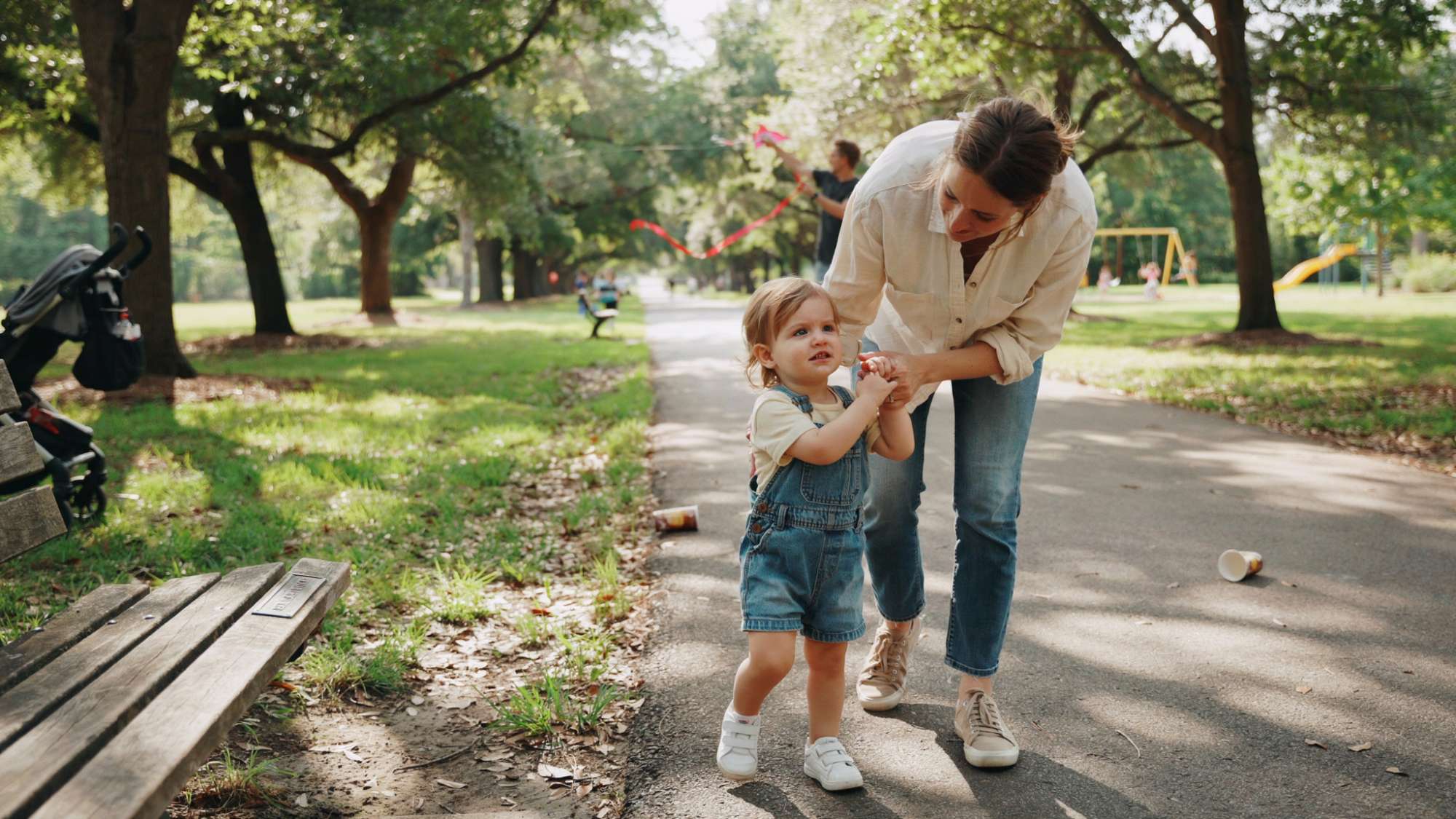
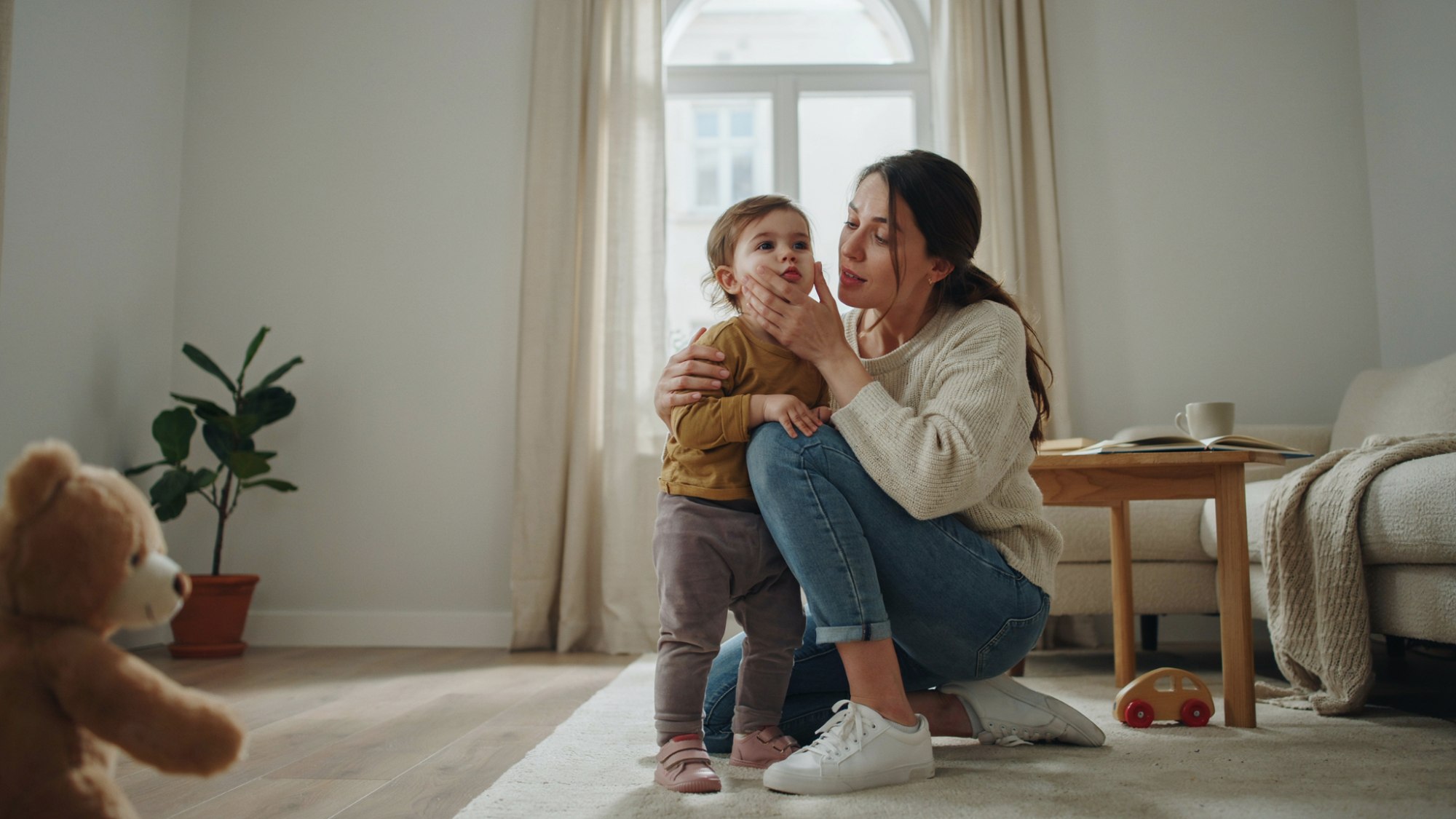
Clingy behavior usually means your toddler wants extra physical or emotional closeness with a trusted caregiver. They may follow you from room to room, cry when you leave, ask to be held, or hesitate to interact with unfamiliar people.
Clinginess can become more noticeable during separation, illness, tiredness, changes in routine, or unfamiliar situations. It can also vary with your toddler’s temperament, so one child may need more reassurance than another.
During the toddler years, children are still learning how to manage strong emotions and cope with situations they cannot fully control. Seeking a familiar caregiver can help them feel safe while they gradually build confidence and independence.
Clinginess by itself does not mean something is wrong. Looking at when it happens, what triggers it, and how your toddler responds to reassurance can give you a better idea of what they may need.
Why Is My Toddler So Clingy?

There is usually more than one reason a toddler becomes clingy. Separation anxiety, changes in routine, developmental changes, illness, tiredness, and temperament can all increase a child’s need for reassurance.
1. Separation anxiety and the need for security
Separation anxiety is common in young children and can continue through the toddler years. Your toddler may understand that you still exist when you leave, but that does not mean they can easily cope with being apart from you.
Clinging, crying, or following you can be ways of showing that separation feels difficult. With repeated, predictable separations and reunions, children gradually learn that you can leave and return safely.
2. Changes in routine or family life
A new sibling, house move, daycare change, new caregiver, or change in your daily schedule can make a toddler feel less secure. Even positive changes can require an adjustment period.
When familiar routines change, your child may seek more closeness while they figure out what to expect. Keeping daily routines predictable can help make those changes easier to manage.
3. Developmental changes and temporary regression
Toddlers are learning new physical, language, social, and emotional skills quickly. During a major developmental change, a child who was becoming more independent may temporarily want more help, attention, or physical closeness.
You may notice your toddler asking to be carried again, wanting you nearby during play, or needing more help with tasks they previously handled alone. Temporary regression does not necessarily mean they have lost their progress.
4. Illness, tiredness, or feeling overwhelmed
Clinginess often increases when a toddler is sick, overtired, hungry, or overwhelmed by too much activity. Young children may not have the words to explain exactly what is bothering them, so they may seek physical comfort instead.
If the clinginess improves after your child rests, recovers, or has some quiet time, the behavior may simply reflect a temporary need for reassurance.
5. Temperament and unfamiliar situations
Some toddlers are naturally cautious or slow to warm up around new people and places. They may watch from a parent’s side before joining an activity or interacting with someone unfamiliar.
This difference in temperament is not necessarily a problem. Giving your toddler time to observe and adjust can help them feel comfortable without forcing them into unfamiliar situations too quickly.
Why Is My Toddler Suddenly Clingy?
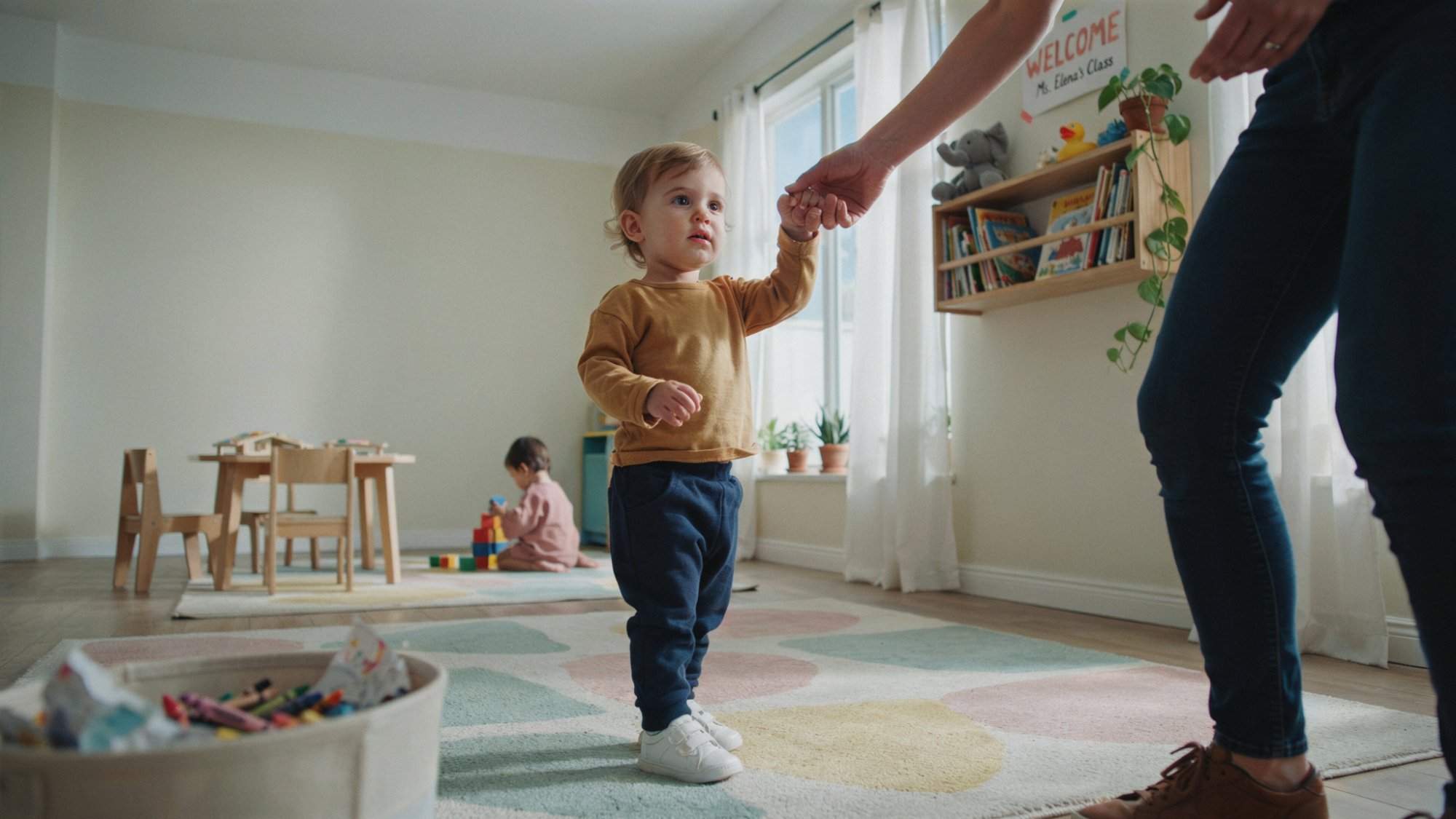
If your toddler was recently more independent and has suddenly started following you everywhere, look for a recent change or source of stress.
A new daycare, illness, disrupted sleep, family change, developmental milestone, or unfamiliar situation can temporarily increase their need for reassurance.
Sometimes there is no obvious trigger. Toddlers cannot always explain what is bothering them, so clinginess may be one way they show that they feel tired, worried, overwhelmed, or unsure.
Think about what was happening when the behavior changed. Did your toddler start a new routine, experience a separation, become sick, or face a new situation? Identifying the timing can help you understand what may be behind the sudden change.
If the clinginess is accompanied by a loss of previously learned skills, significant distress, ongoing physical symptoms, or major changes in everyday behavior, talk with your pediatrician.
Does Clinginess Mean My Toddler Is Insecure?
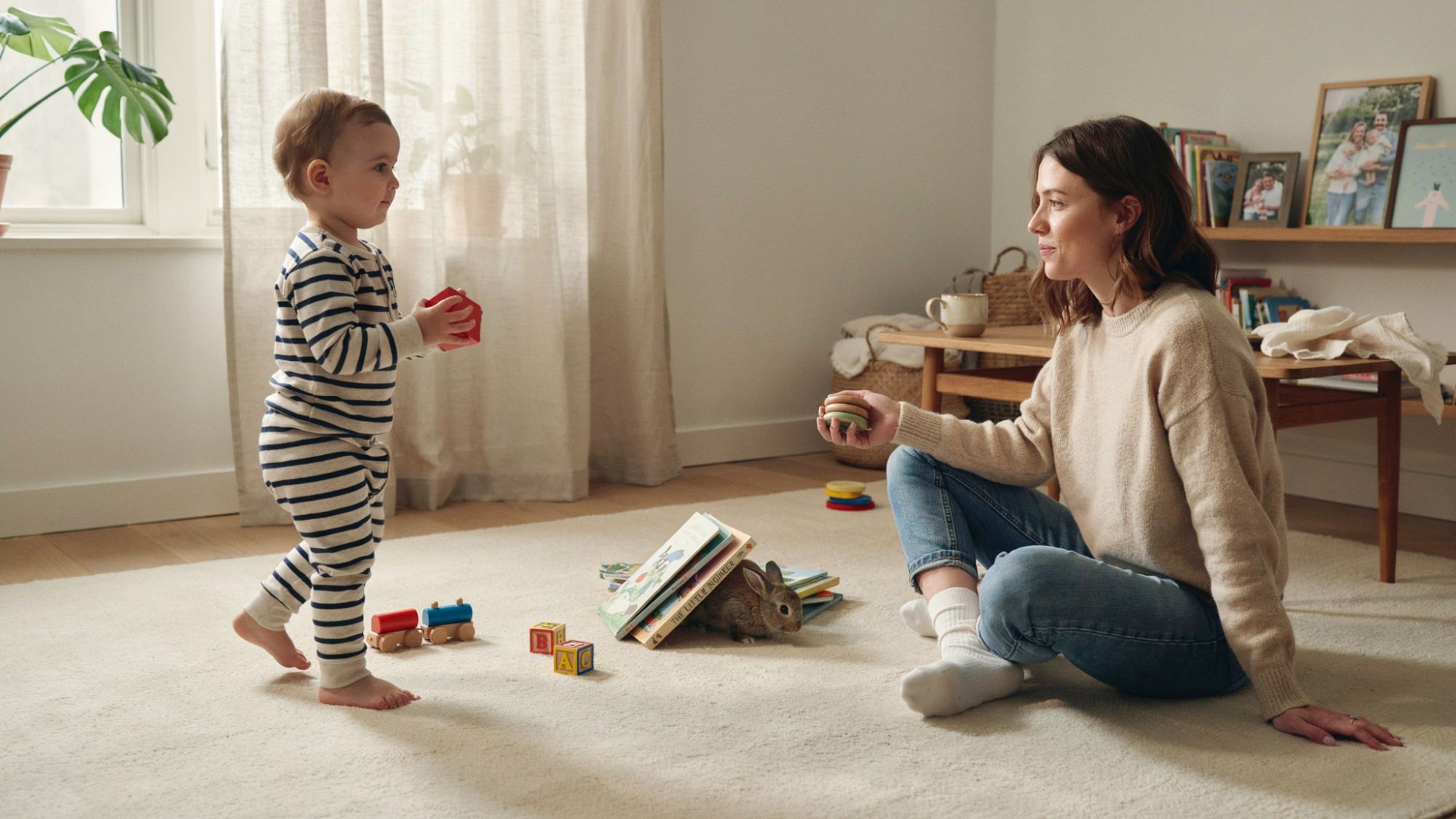
Not necessarily. Wanting extra closeness can be part of normal emotional development, especially when a toddler is tired, worried, sick, or facing a new situation.
A trusted caregiver gives a toddler a safe place to return to when something feels difficult. From that secure starting point, children can gradually move away, explore, and try new things.
The goal is not to eliminate clinginess as quickly as possible. Instead, offer reassurance while giving your toddler small opportunities to explore independently.
You might stay nearby while they play, encourage them to try a familiar activity alone, or gradually increase the time they spend apart from you.
Over time, these experiences can help your toddler become more comfortable with separation and new situations. Independence does not have to mean needing less comfort immediately; children can seek reassurance while still developing confidence.
When Is Toddler Clinginess Normal and When Should You Be Concerned?
Most clinginess is normal, especially during separation, illness, tiredness, or changes in routine. The key is whether your toddler can settle with reassurance and continue normal activities.
| Sign or Situation | What It Looks Like |
| Fussing at drop-off | Cries briefly but settles soon after. |
| Wanting extra cuddles | Seeks more comfort during transitions or illness. |
| Shyness with strangers | Watches from your side before warming up. |
| Following you around | Wants to stay close during daily routines. |
| Intense distress | Remains very upset despite reassurance or after you return. |
| Loss of skills | Suddenly loses previously learned skills. |
| Physical symptoms | Repeated headaches or stomachaches linked to separation. |
| Worsening clinginess | Becomes more intense or interferes with daily activities. |
If clinginess is severe, worsening, or accompanied by lost skills or ongoing physical symptoms, talk with your pediatrician for guidance.
How to Respond to a Clingy Toddler

The goal is not to force your toddler to stop being clingy. Instead, acknowledge their need for reassurance while giving them predictable opportunities to practice independence.
- Acknowledge their feelings: Use simple words such as “You want me to stay” before calmly moving through the transition.
- Keep goodbyes predictable: Tell your toddler when you are leaving and when you will return. Avoid sneaking away, even when they are upset.
- Keep routines consistent: Give your child a few minutes’ warning before transitions such as leaving the park, starting bedtime, or going to daycare.
- Practice short separations: Start with brief periods of independent play while you stay nearby, then gradually increase the distance or time apart.
- Praise independent moments: Notice when your toddler explores, plays, or completes a familiar task without needing you right beside them.
- Stay calm during difficult moments: If your toddler becomes upset, name the feeling, offer reassurance, and give brief one-on-one attention when they need comfort.
Conclusion
Clingy behavior is a normal, healthy part of toddlerhood, not a problem to fix overnight.
Understanding why is my toddler so clingy helps you respond with patience instead of frustration, whether it’s separation anxiety, a growth spurt, or a shift in routine behind it.
With steady reassurance, predictable routines, and small pushes toward independence, most toddlers move through clingy phases naturally.
Try one of the tips above this week and notice what works for your child. If this article helped, share it with another parent who might need it, or leave a comment with what’s worked for your toddler.
Frequently Asked Questions
Why is my toddler clingier with one parent than the other?
Toddlers often prefer one parent because they feel safest expressing emotions with that caregiver. This preference usually changes over time.
Can travel or vacations make my toddler more clingy?
Yes. New places, unfamiliar routines, and disrupted sleep can temporarily increase your toddler’s need for comfort and reassurance until they readjust.
Why is my toddler clingy after returning from daycare?
After spending time apart, many toddlers seek extra closeness to reconnect with their caregiver. This behavior is a normal part of re-establishing emotional security.
Can a clingy toddler still be confident and independent?
Yes. Many confident toddlers seek reassurance during certain stages while continuing to explore, learn, and develop independence at their own pace.
Does clinginess get worse during developmental milestones?
Yes. Toddlers may become temporarily clingier while learning new physical, social, or language skills as they seek extra comfort during periods of rapid growth.