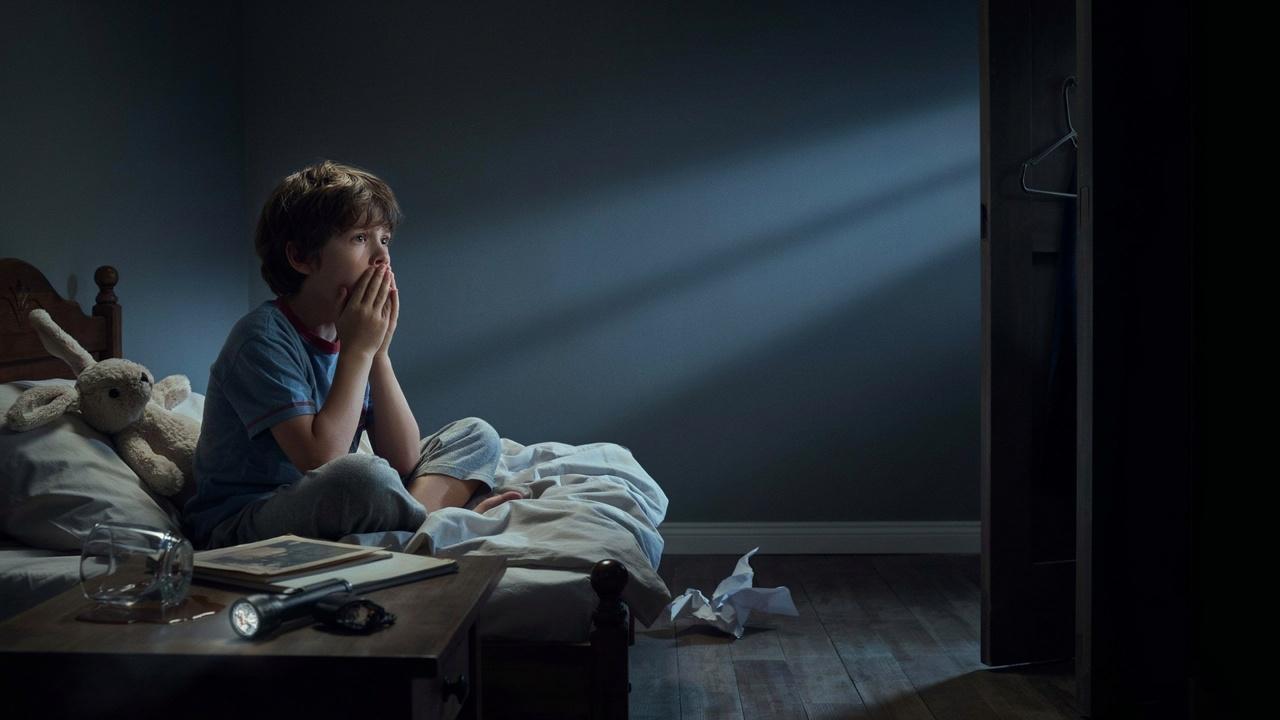
One night, your child was perfectly fine going to bed. The next night, they are terrified of the dark.
If that sounds familiar, you are not alone. Many parents ask: when do kids get scared of the dark, and is this normal? Fear of the dark is one of the most common concerns parents bring up, and it often appears without any warning.
Is this a phase or something more? And what can you do tonight to help?
You will find out exactly what age children start fearing the dark, why it happens, and what expert guidance says about helping them through it.
What Research Shows for Kids Scared of Dark?
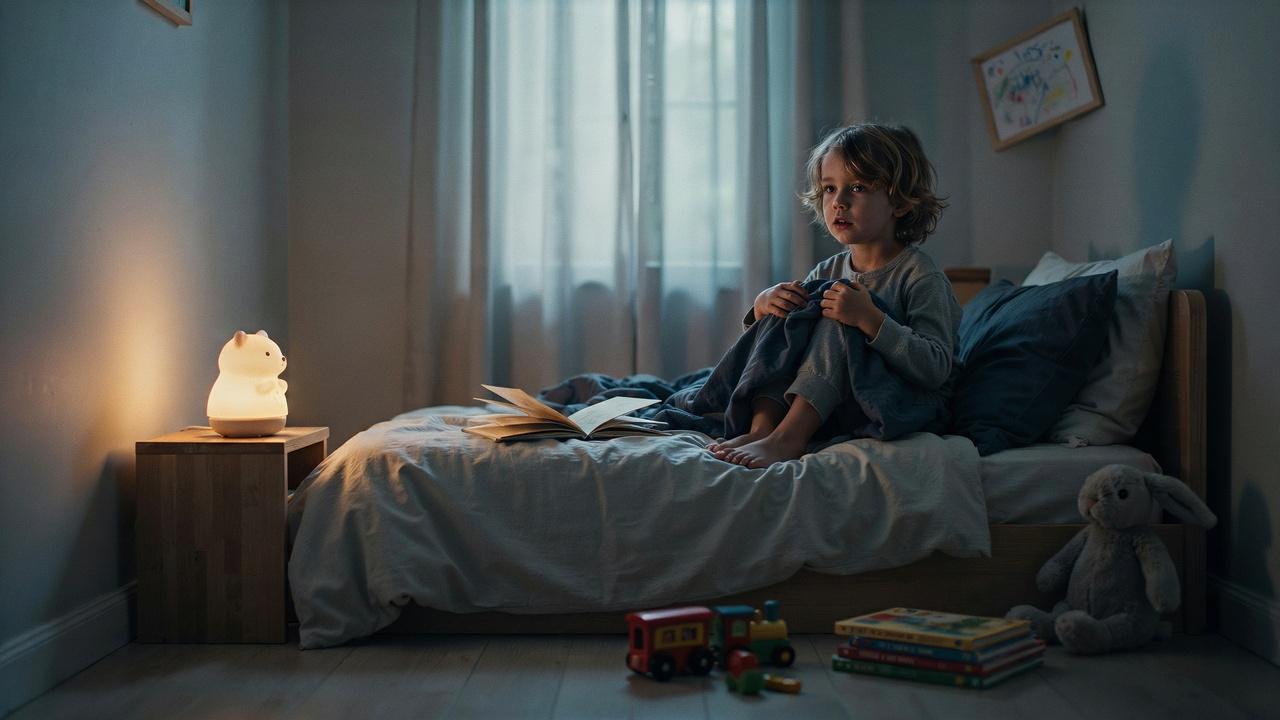
According to Children's Hospital Colorado, nearly 75% of children between ages 4 and 12 report having nighttime fears. Fear of the dark, clinically called nyctophobia, is one of the most common among them.
This fear is not a parenting failure. It is a well-documented, normal part of child development. Most children go through it. And most grow out of it with the right support.
At What Age Does Fear of the Dark Start and Stop?

Children do not all develop this fear at the same time. It follows a broad developmental pattern, and knowing that pattern helps parents know what to expect.
Ages 2 to 3: When it most often begins
This is the most common starting point. Taking Cara Babies and What to Expect both note that fear of the dark most often appears around age 2 to 2.5.
The imagination is growing fast. The ability to separate real from imaginary has not caught up yet. That gap is where the fear lives.
It is also worth knowing that if a baby under 2 is crying at night, it is more likely tied to separation anxiety, which typically peaks between 7 and 9 months, rather than fear of the dark.
Ages 3 to 5: When fear tends to peak
By ages 3 to 5, children are more verbal about their fears. They can name the monster, describe the shadow, and tell you exactly what they are afraid of. This age group also tends to have more intense reactions at bedtime.
Night terrors and nightmares both become more common in this stage. Here is how they differ:
| Nightmares | Night Terrors | |
| When they happen | Second half of the night | First half of the night |
| Child's awareness | Child can recall and talk about them | Child has no memory afterward |
| How they look | Child wakes up scared and aware | Child may scream or thrash but stays fully asleep |
| Age they begin | From around age 2 onwards | Most commonly ages 3 to 5 |
According to Taking Cara Babies, night terrors are far more alarming for parents than for the child, as the child remains completely unaware throughout.
Ages 5 to 12: When most children grow out of it
Children's Hospital Colorado confirms that nighttime fears are reported by children up to age 12.
But for most, the fear fades significantly once they start school and develop stronger reasoning skills. They begin to understand that shadows are just shadows.
When it carries into adulthood
A smaller number of people carry this fear into adulthood.
When fear of the dark is persistent, intense, and starts interfering with daily life, doctors may classify it as nyctophobia, a recognized anxiety disorder.
Gemma Coe notes this is far less common than the typical childhood experience and usually requires support from a mental health professional rather than parenting strategies alone.
What Is Actually Happening in Your Child's Brain

Understanding what is going on inside your child's developing brain makes this fear much easier to handle.
The imagination spike that changes everything
Around age 2, a child's imagination grows rapidly. This is the same time pretend play begins. But that same imagination that makes playtime fun also makes bedtime scary.
In the dark, the brain fills in what the eyes cannot see, and for a young child, what the brain fills in is rarely reassuring.
There is also a physiological reason the dark feels more threatening to children than to adults. Children's night vision is less developed. Objects look different. Shapes that are familiar in daylight become harder to read in the dark. That distortion feeds the fear directly.
Why fantasy and reality blur between ages 2 and 3
Between ages 2 and 3, children cannot yet clearly separate what is real from what is not. A monster in a storybook feels just as real as the family dog.
According to Taking Cara Babies, this blurring of fantasy and reality is one of the biggest reasons nighttime fears begin at this age. This shift happens alongside key developmental milestones in memory, language, and imaginative thinking.
How memory development plays a role in fear
As noted by What to Expect,toddlers have longer memories than babies. A single scary experience, like a frightening scene in a show, can stay with them for weeks. Their brain holds onto it, and at night, in the quiet and dark, that memory comes back.
Being overtired makes this worse. Taking Cara Babies notes that overtiredness triggers a rise in cortisol, the stress hormone, which sharpens anxiety and makes bedtime fears feel much bigger than they are.
Real Triggers Behind a Sudden Fear of the Dark in Kids
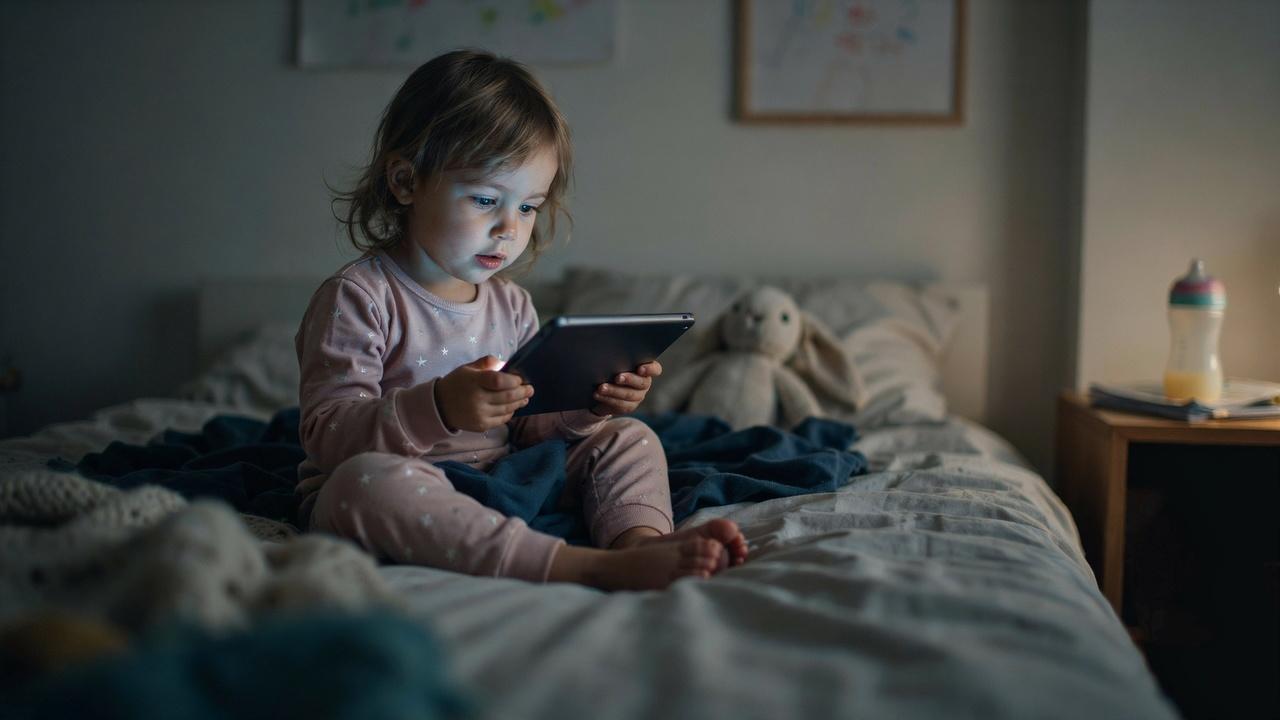
Fear of the dark rarely appears without reason. Something usually sets it off. Knowing the common triggers helps parents spot what may be behind their child's fear.
What your child watches and hears matters more than you think
Dr. Benjamin Mullin of Children's Hospital Colorado says that when children are asked what scares them about the dark, they often point to things seen on TV or online. Even content that seems harmless can be a trigger.
Gemma Coe, certified child sleep specialist, notes that characters like The Gruffalo or Funnybones have caused genuine fear in young children.
Fear can also spread from other children. If a friend at nursery talks about monsters or an older sibling mentions being scared, a younger child takes note.
Limiting screen time, especially in the hour before bed, can reduce how much scary imagery stays active in a child's mind at night.
Life changes that quietly fuel nighttime anxiety
A new home, a new sibling, or starting nursery can make a child feel unsettled. That unsettled feeling tends to show up most strongly at bedtime.
Dr. Mullin explains that when a child is already feeling anxious during the day, that anxiety often surfaces as fear of the dark at night.
Is It Genuine Fear or Clever Bedtime Stalling?

Not every cry of "I am scared" at bedtime means your child is truly afraid. Some children work out quickly that saying they are scared gets a longer visit from a parent.
Genuine fear is visible. You can see it in their eyes and body. They cling, cry, and resist being left alone in a way that feels different from their usual fuss.
According to Gemma Coe, a child with a genuine fear of the dark will show a clear change in behavior. Their need for support is much greater. You can see the fear in their face, not just hear it in their words.
Bedtime stalling looks different. It tends to be chattier and more energetic, full of requests for water, one more hug, or a toilet trip, with fear mentioned almost as a last thought. As Gemma Coe notes, both can sometimes happen at once.
How to Help Your Child Feel Safe in the Dark
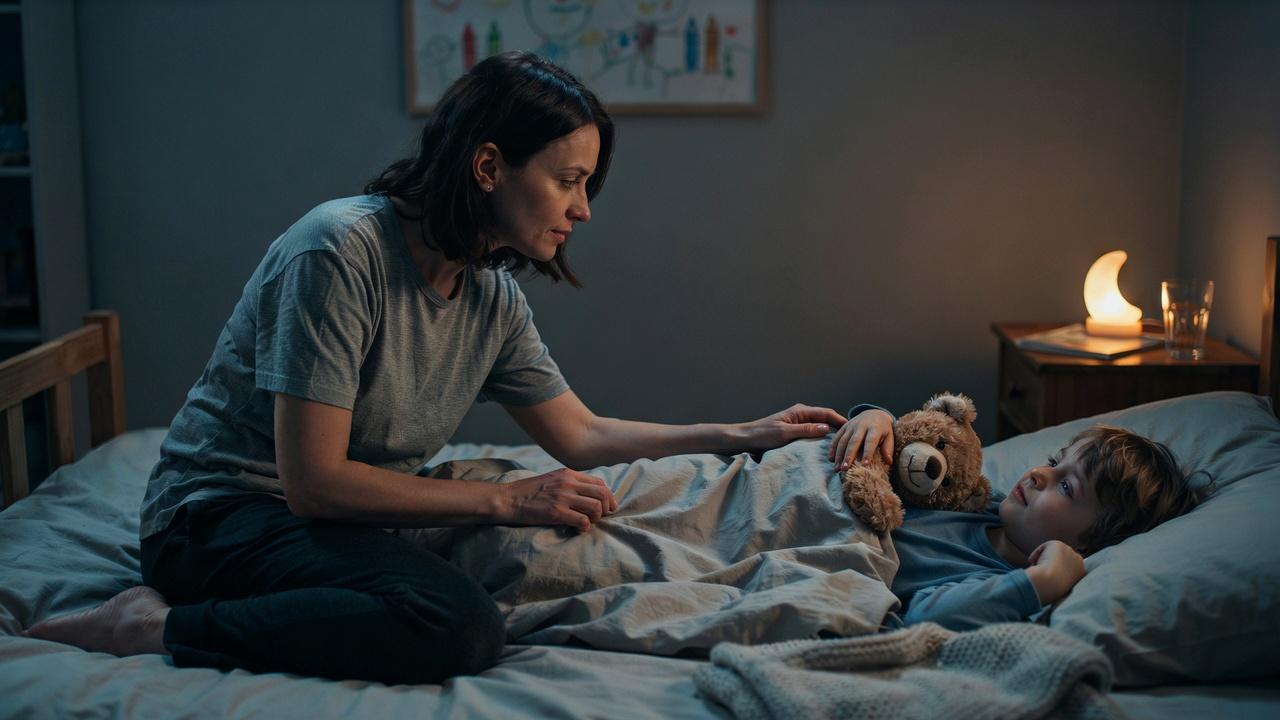
Knowing what age kids get scared of the dark is only part of the picture. What you do next matters just as much. The key is responding in a way that builds confidence rather than dependence.
Here is what works, backed by expert guidance.
How to respond in the middle of the night
Both Taking Cara Babies and Children's Hospital Colorado agree: do not bring your child into your bed. Comfort them in their own room instead.
Dr. Mullin explains thatco-sleeping as a response to fear can send the message that the child cannot handle it alone, which often makes the fear worse over time. Stay calm, offer reassurance, and guide them back to sleep in their own space.
As Dr. Mullin puts it, when you show confidence in your child's ability to handle fear, they start to believe it too.
Use their imagination as a tool, not just a problem
Children's Hospital Colorado recommends turning a child's imagination around and using it to fight the fear rather than feed it.
- Dr. Mullin suggests helping your child write an anti-monster contract, a simple set of rules the imaginary monster must follow. It puts the child in control.
- What to Expect also suggests making the dark fun during the day. A glow-in-the-dark treasure hunt or shadow puppets on the wall builds positive associations.
The dark stops being the enemy when a child has good memories connected to it.
Try breathwork at bedtime
Gemma Coe recommends adding a simple breathing exercise to the bedtime routine. Ask your child to place a stuffed animal on their chest and breathe slowly, watching it rise and fall.
This gives the body something calm to focus on and helps a child settle into sleep from a more relaxed state.
Daytime habits that reduce nighttime fear
Talk about the fear during the day, not right before bed.
Children's Hospital Colorado recommendspracticing short exposures to dark spaces during daylight hours, starting with just 30 seconds, and rewarding bravery each time.
A comfort object, like a favorite stuffed animal, can also help. Research cited by Taking Cara Babies shows that sleeping with a familiar comfort object reduces nighttime fears and sleep problems in young children.
The nightlight question: what color and how bright
A nightlight can help, but the type matters.
What to Expect recommends one between 4 and 7 watts in a yellow or amber tone. Sleep specialists including Gemma Coe and Katy Huyerman of Slumbertots both recommend warm red or amber tones.
Cool white or blue light suppresses melatonin, the hormone that signals the body to prepare for sleep, and disrupts sleep quality as a result. One dim, warm light is enough.
Why monster spray and closet checks can backfire
It feels kind to spray away the monsters or check under the bed. But as Taking Cara Babies, Gemma Coe, and Slumbertots all point out, these actions can make things worse. They send the message that the threat might be real.
A better approach is to show your child what is actually there. A toy. A shadow from a lamp. Help them see their room clearly and calmly.
That builds real confidence rather than temporary relief.
When to Stop Waiting and Talk to a Doctor
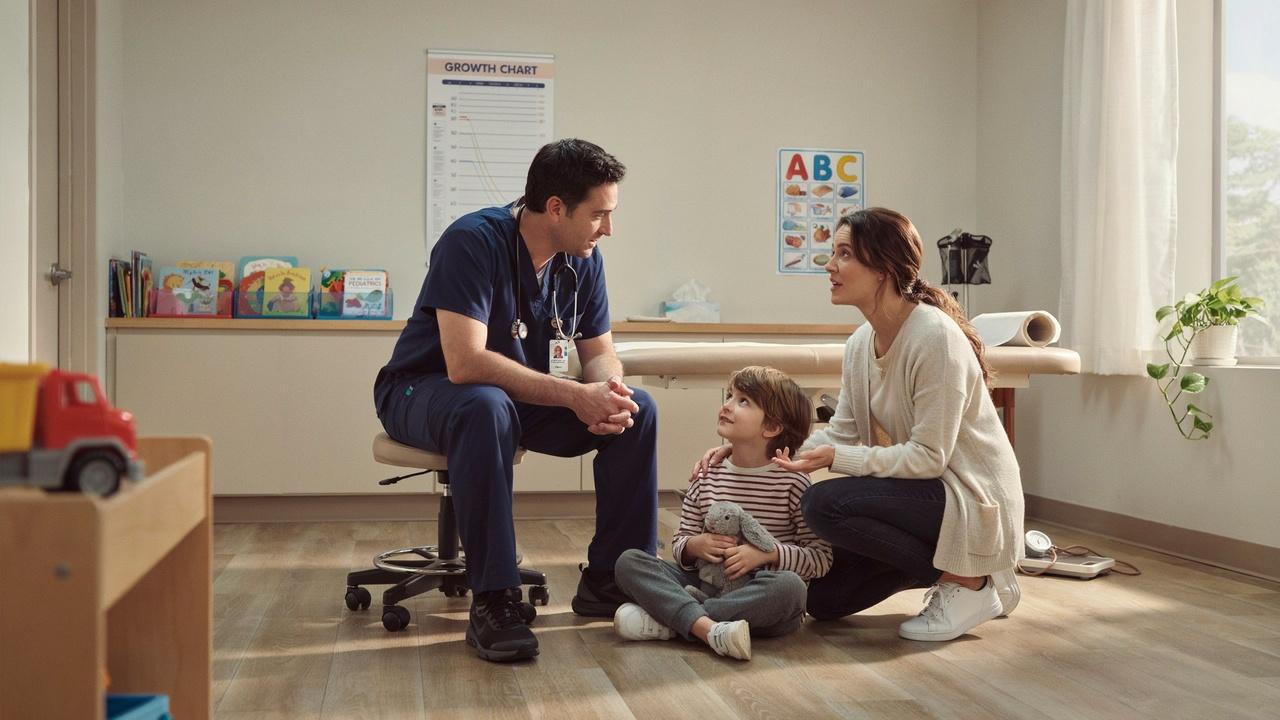
Most children move through this fear with patience and consistent support from parents. But there are times when the fear goes beyond a normal phase.
Watch for these specific signs:
- Your child starts avoiding dark spaces during the day, not just at night
- They refuse activities that involve dim lighting, like a school event or a friend's house
- They show physical signs of anxiety at bedtime, such as a racing heart, stomachaches, or difficulty breathing calmly
If the fear is getting more intense over weeks rather than fading, it is time to speak to a professional.
Children's Hospital Colorado advises consulting a pediatrician or child psychologist when fear consistently disrupts the whole household's sleep. Dr. Mullin notes that early support prevents the fear from developing into long-term sleep habits that are much harder to address later on.
Conclusion
Fear of the dark is not a sign that something is wrong. It is a sign that your child's mind is growing.
Staying calm and confident is the most powerful thing you can do. When you stay steady, your child learns that the dark is safe.
Did this help you understand your child better? Share this blog with a parent who needs it, or drop your experience in the comments below.
Frequently Asked Questions
Can fear of the dark affect a child's health or development?
Yes. When fear causes regular sleep loss, it can affect a child's mood, focus, and growth. Sleep is critical for brain development at every young age.
At what age should a parent stop worrying and let the fear pass?
Most children naturally move past this fear by middle childhood with calm, consistent support. If the fear is still intense after several months or is getting worse, that is the point to seek professional advice.
Can reading bedtime stories make fear of the dark worse?
It depends on the story. Books with chasing scenes, villains, or dark settings can trigger fear. Choosing calm, sleep-friendly stories makes a real difference.
Is it normal for a child to fear the dark but nothing else?
Yes, completely. Fear of the dark is its own developmental stage. A child can be confident and happy during the day and still struggle at night.
Does talking about monsters during the day make nighttime fear worse?
Talking about it calmly during the day actually helps. The problem is discussing it right before bed, when the child's mind is already winding down and more sensitive to worry.