Many parents wonder when can baby sleep with lovey safely. You want your little one to feel comforted at bedtime, but you also want to keep them safe.
It can feel confusing when official guidelines say one thing and other parents share something different.
This article covers what safe sleep guidance recommends, what real parents have experienced, and how families introduced loveys at different ages.
You will also find practical tips to help you make a confident decision for your baby.
Every family approaches this decision differently, so understanding both safety guidance and real parent experiences can help you decide when the time feels right.
When Can Baby Sleep With Lovey?
Most babies can safely sleep with a lovey after 12 months, but many parents start asking this question much earlier when sleep becomes a real struggle.
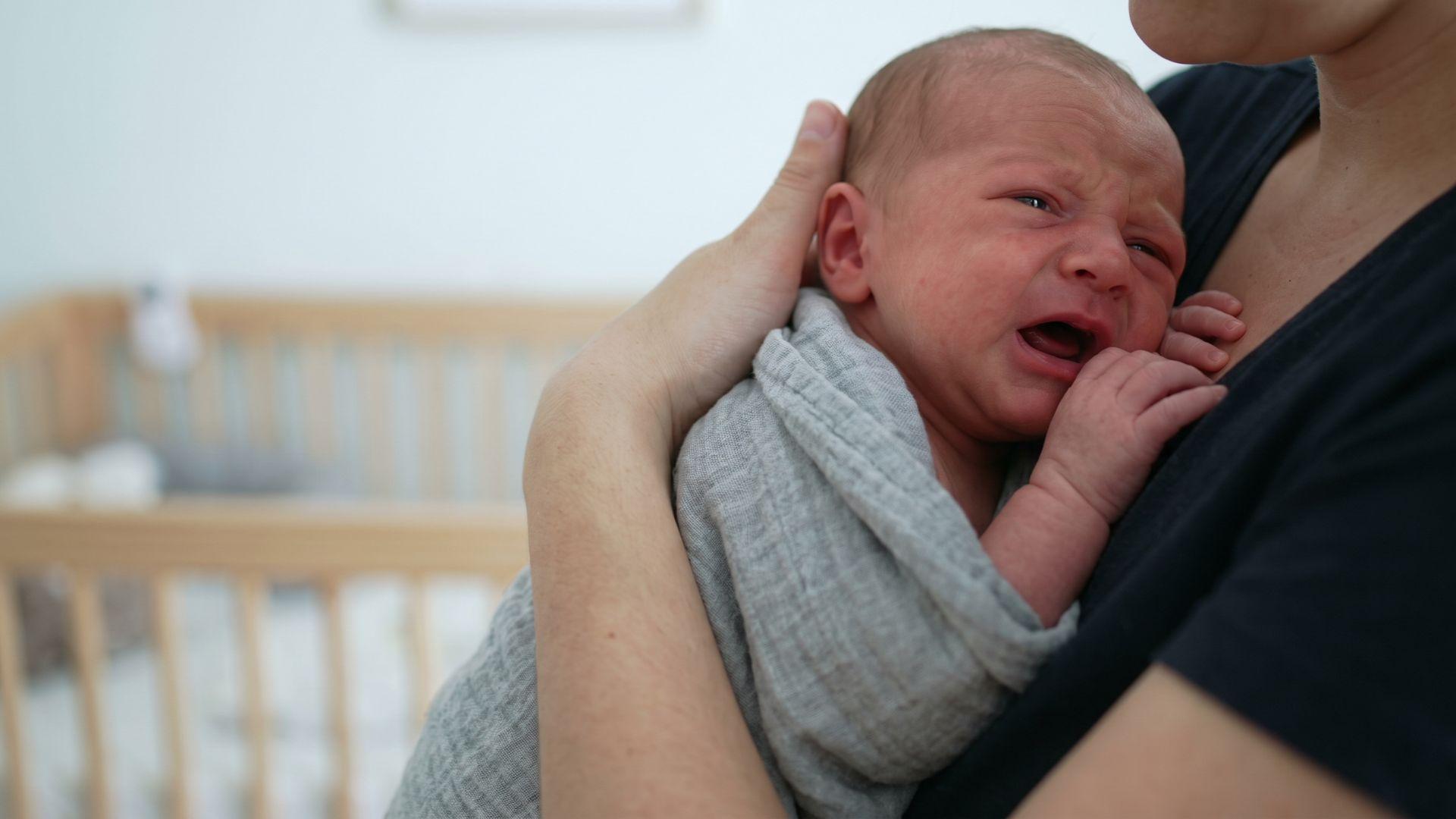
Most parents hit a point around the 6-month mark where nights get tough. The baby wakes often, cannot settle back down without help, and a lovey starts to sound like the answer.
Some parents hear 12 months, some hear earlier, and many feel stuck trying to figure out what is actually right for their child.
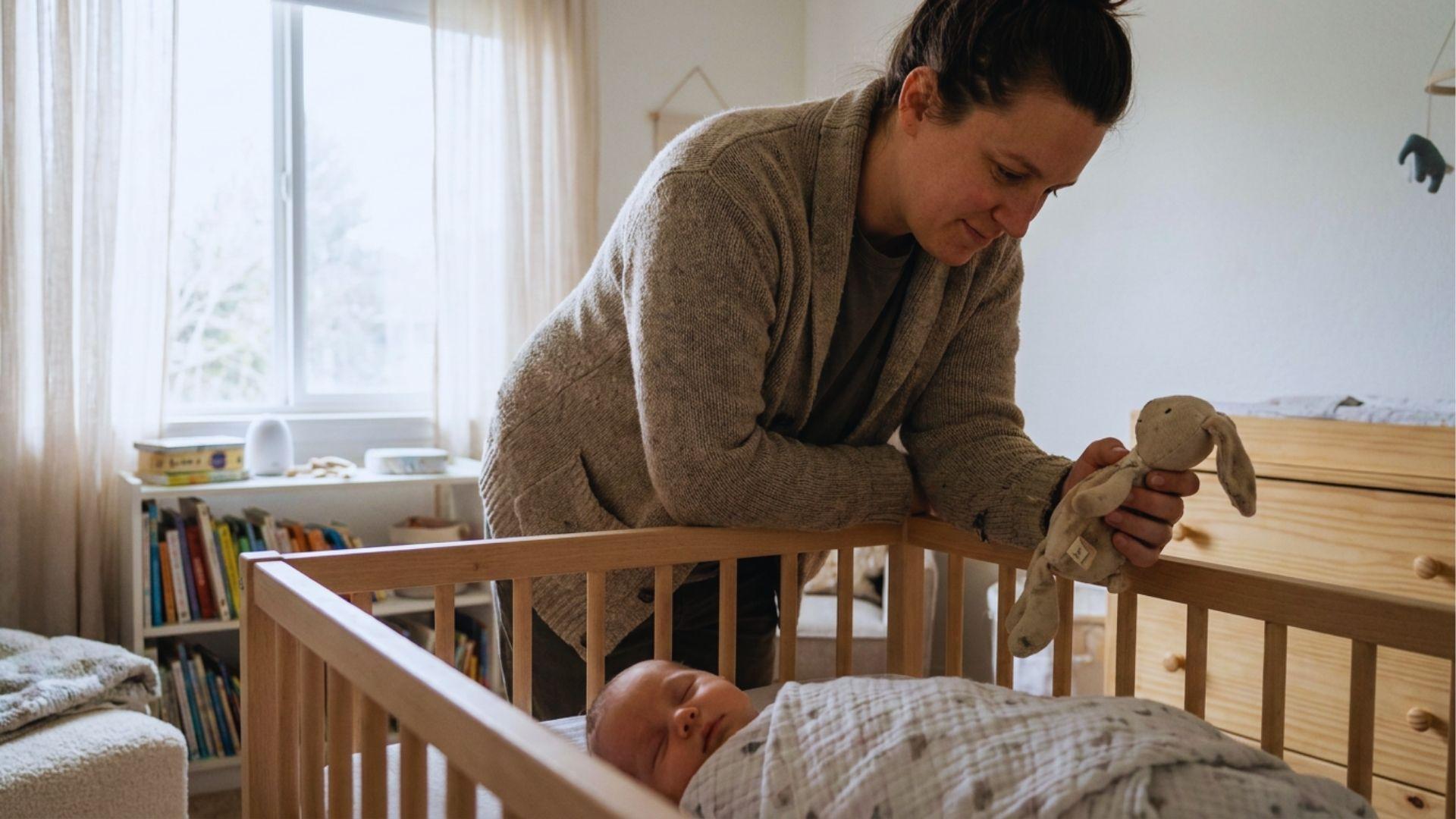
The AAP recommends keeping the crib clear of all soft objects, including stuffed animals and blankets, for the full first year because soft items can increase the risk of suffocation and SIDS.
Their guidance is simple: a firm, flat mattress with a fitted sheet is the safest setup under 12 months. Not every family follows this timeline strictly, though.
Some introduce a small, flat lovey earlier with close supervision, while others wait until 18 months or beyond.
Baby development, personal comfort, and individual research all shape these decisions, which is why you will find so many different timelines when you search for answers online.
Parent Experiences by Baby's Age
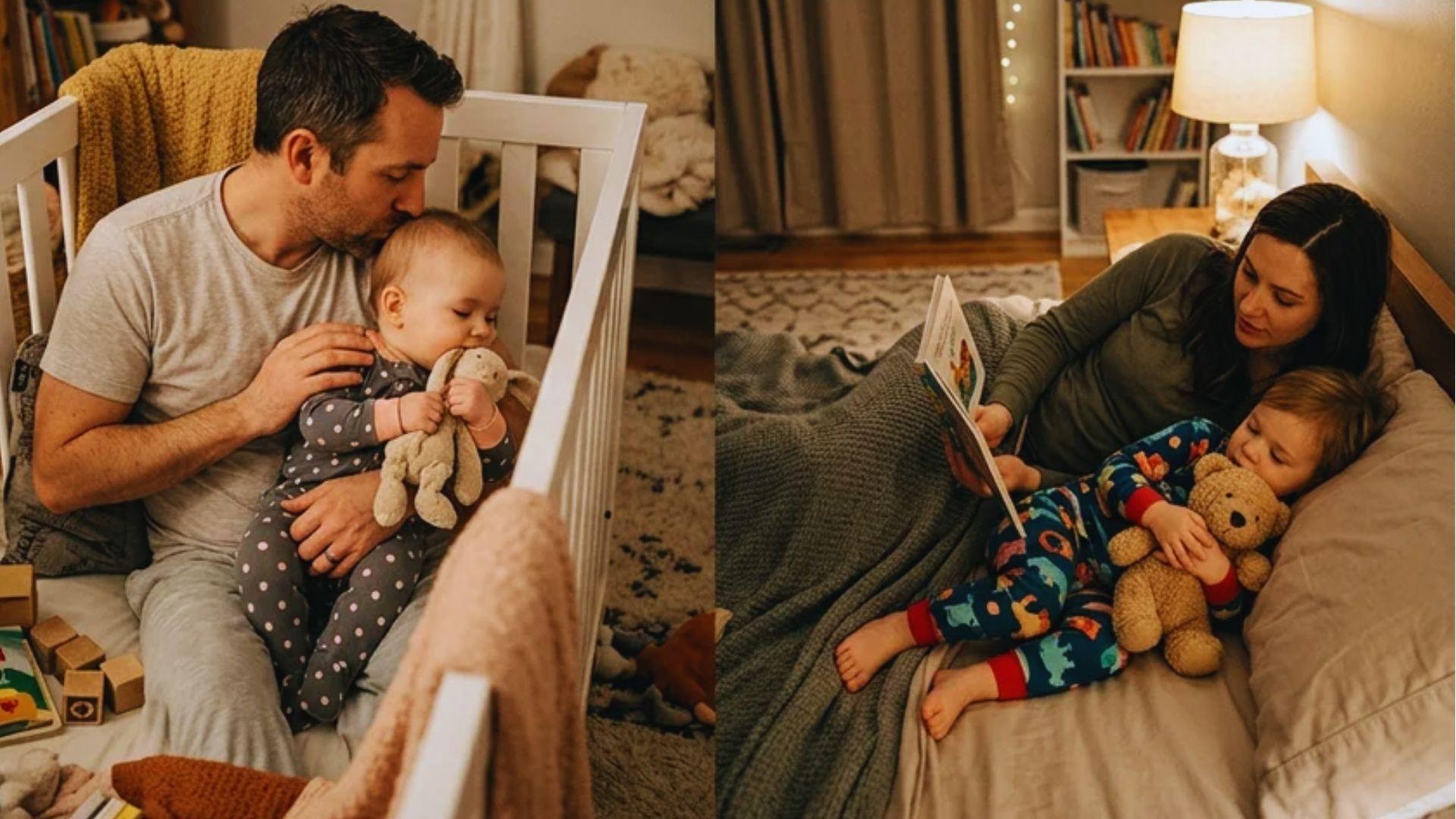
Every family's timeline looks a little different. Here is what parents commonly share based on when they introduced a lovey.
Before 12 Months
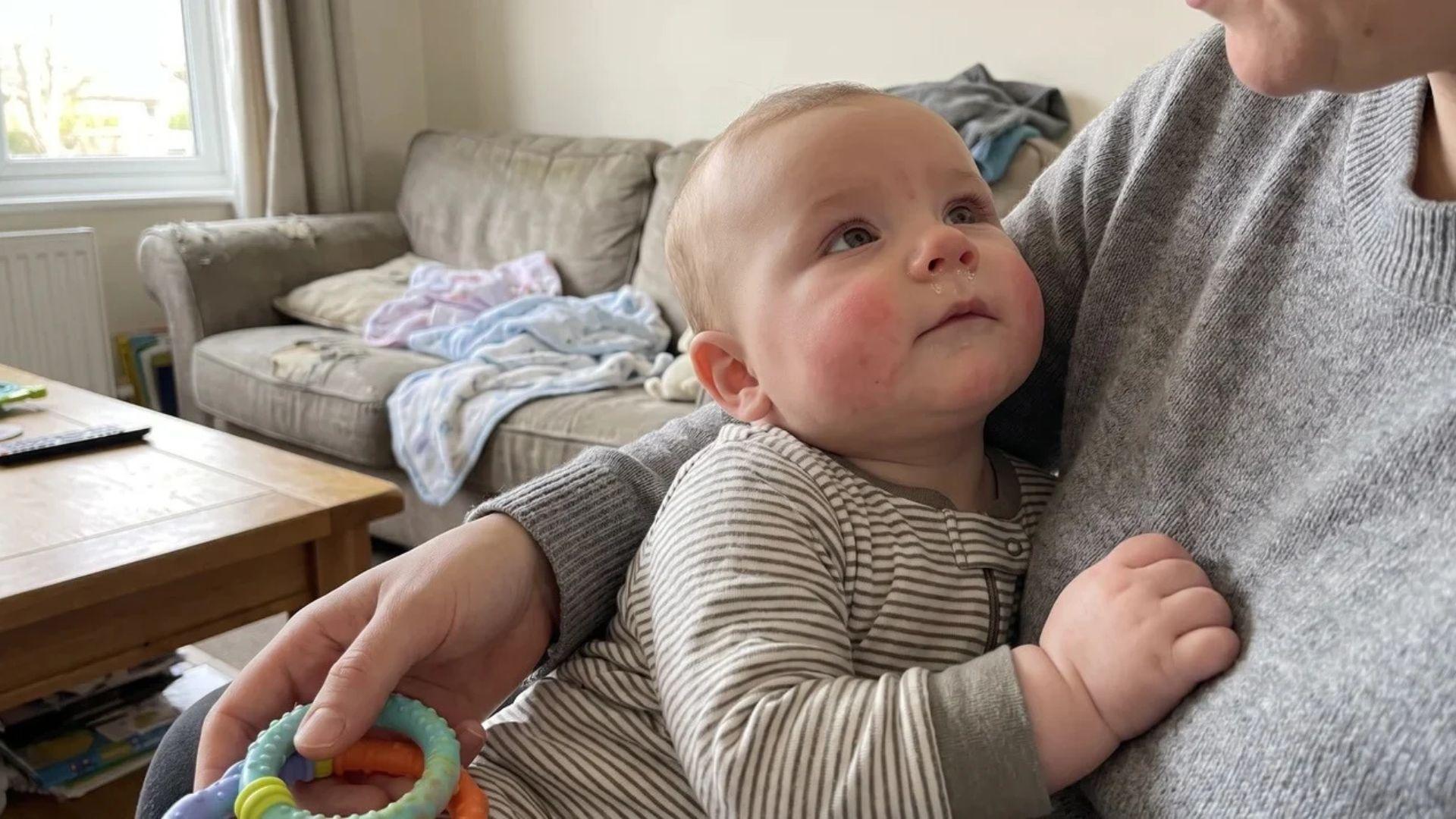
Many parents say they started letting their baby hold a lovey during awake time and supervised naps around 6 to 9 months.
They kept the lovey out of the crib during overnight sleep. Some parents slept with the lovey themselves first so it carried a familiar scent. This helped babies bond with it before it was ever placed in the sleep space.
A smaller group of parents did introduce a lovey into the crib before 12 months, usually choosing a very small, flat, breathable item.
They often did this after speaking with their pediatrician. These families watched their babies closely and felt their child had enough motor control to move the item away from their face.
Around the First Birthday
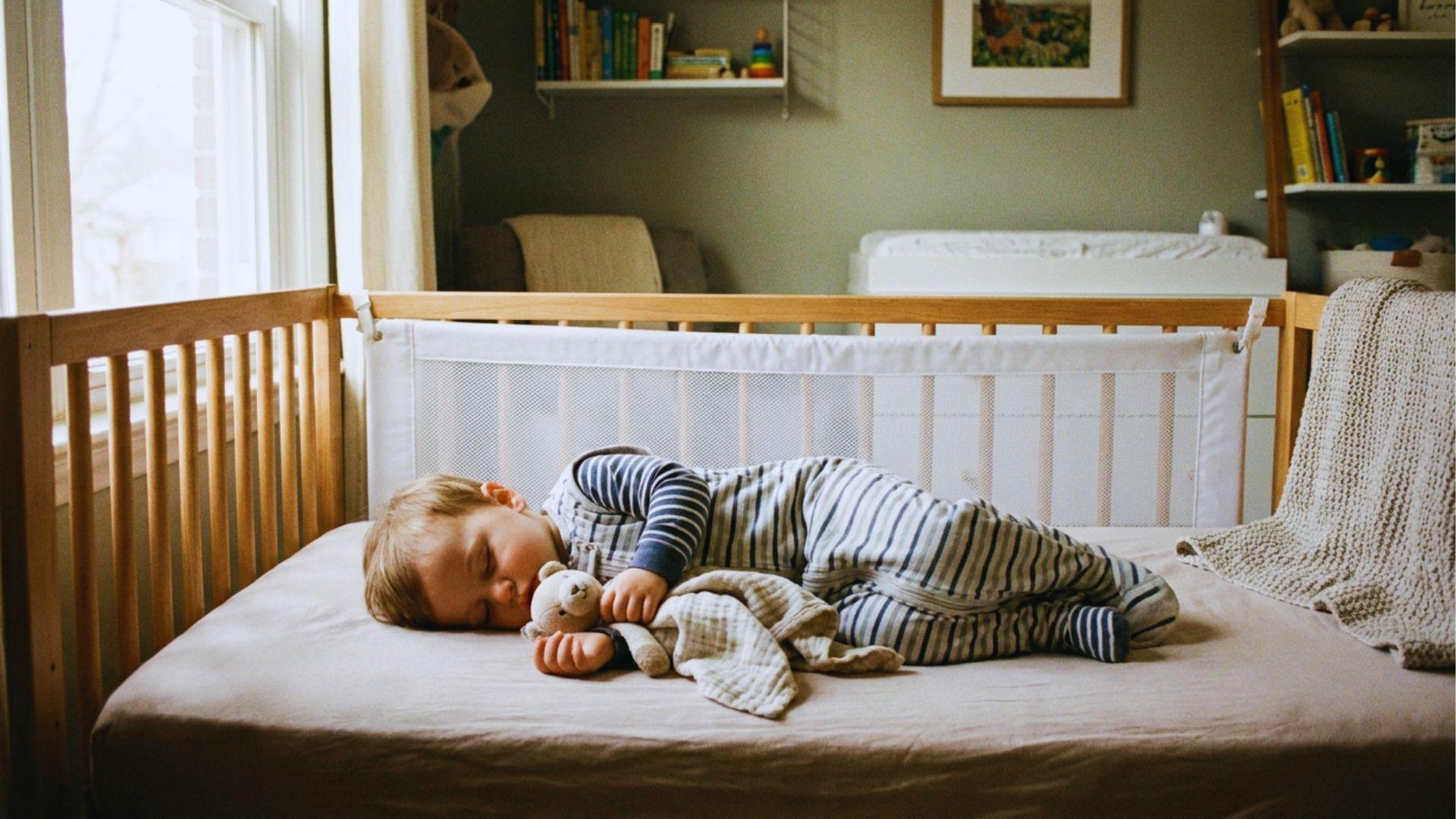
The 12-month mark is when many parents feel more confident making the switch. Babies at this age can usually roll, sit, and move objects away from their faces.
Several parents say their baby's sleep improved noticeably once a lovey was added to the crib around this time. Some describe it as a turning point for independent sleep.
A lovey also becomes a reliable sleep association at this stage, signaling to the baby's brain that it is time to wind down.
After 12 Months and Beyond
Plenty of parents waited until 18 months or even age 2. These families either felt their child was not ready or simply did not feel the urgency.
Toddlers who get a lovey later still form strong attachments to them. The comfort benefit does not disappear just because it starts a bit later.
What Parents Noticed After Using a Lovey
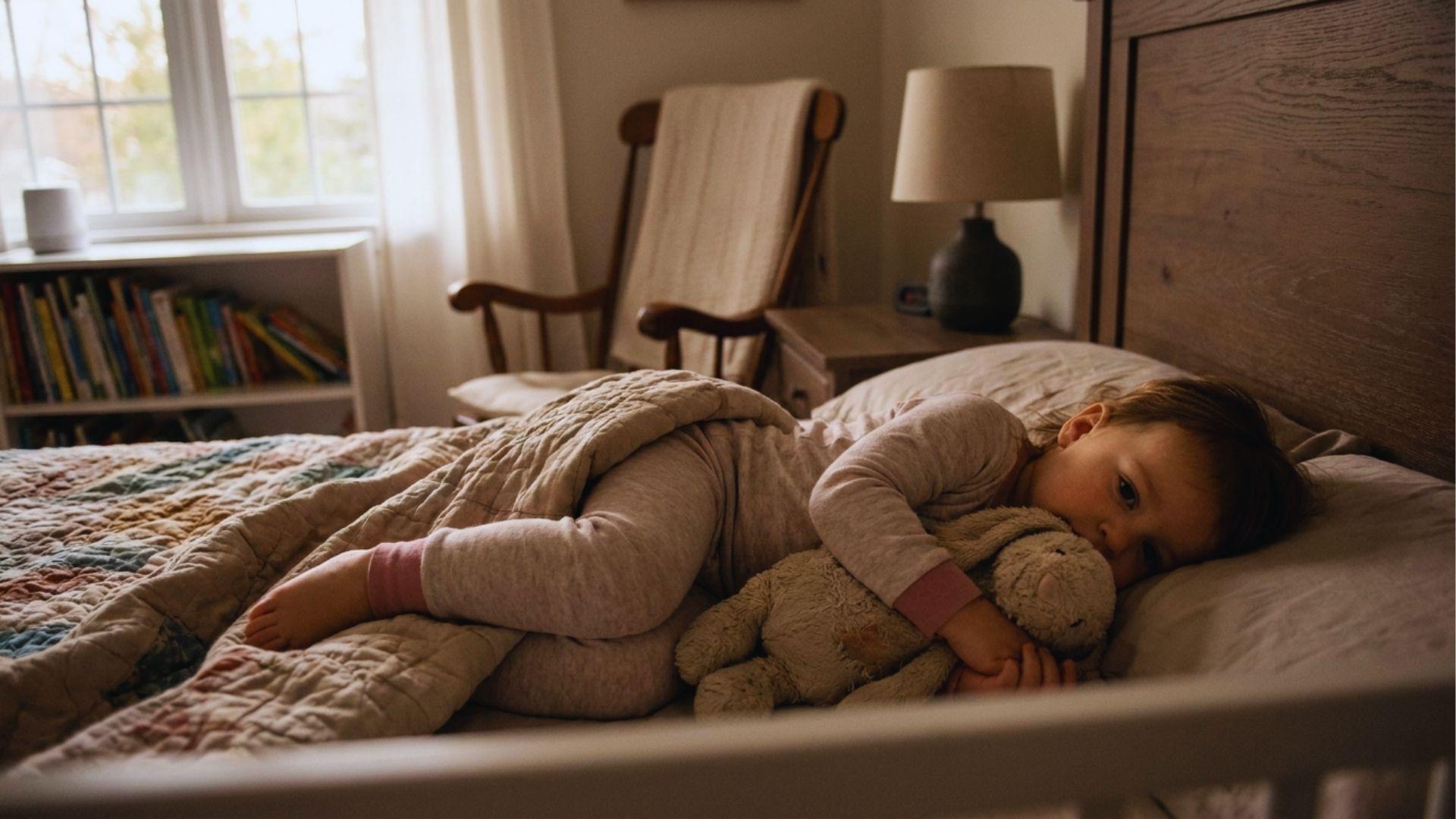
Most parents noticed that a lovey made bedtime calmer and helped babies self-soothe, though some families ran into challenges along the way.
Once a lovey became part of the sleep routine, things started to shift. Bedtime felt calmer for many families because babies had something familiar to hold and focus on while drifting off.
The lovey became a natural sleep cue, and over time just seeing it seemed to help babies settle faster.
Many parents felt their babies seemed calmer while holding a familiar lovey during bedtime. Although every baby responds differently, a familiar comfort item can become part of a consistent sleep routine over time.
Some parents felt their babies settled into naps more easily, reaching for their lovey between sleep cycles instead of calling out for help.
Many parents felt that small change helped make frequent wake-ups easier to manage. Not every experience was smooth, though.
Some babies ignored the lovey completely at first, while others became so attached that they woke up crying the moment it slipped out of reach during the night.
A few parents solved this by placing two or three loveys in the crib so one was always within reach.
Washing the lovey also became a challenge in many homes because some babies simply refused to sleep without it nearby.
Safe Sleep Advice vs Parent Experiences
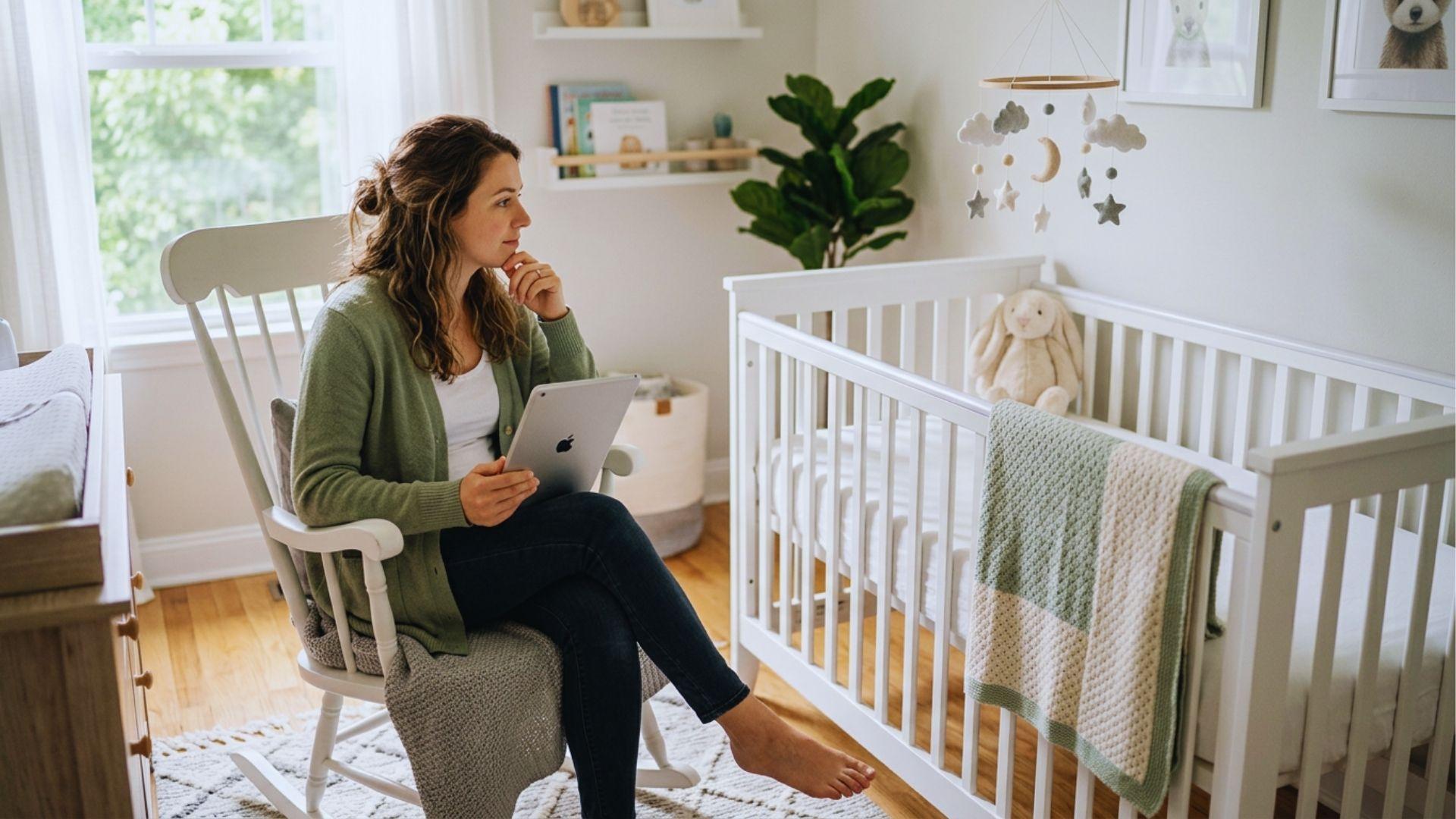
There is often a gap between what guidelines recommend and what families actually do at home. Both sides of this conversation matter.
| Safe Sleep Advice | Parent Experiences |
| The AAP recommends keeping the crib free of blankets, pillows, stuffed toys, and loveys for the first 12 months. | Some parents introduced a lovey before 12 months, while others waited until after the first birthday. |
| The guidance is based on reducing the risk of suffocation and other sleep-related hazards. | Parents who waited often said it gave them peace of mind and removed concerns about sleep safety. |
| Experts consider a lovey more appropriate once a baby is around 12 months old and can safely use it as a comfort item. | Many families reported their baby accepted a lovey easily even after waiting until 12 months or later. |
| Pediatricians recommend discussing exceptions with your child's doctor instead of introducing a lovey early on your own. | Some parents shared that their baby seemed to sleep better with a lovey, while others noticed little or no change. |
| Safety recommendations apply to every sleep, including naps and overnight sleep. | Families often balanced expert guidance with their baby's needs but generally agreed that safety should come first. |
How Parents Introduced a Lovey
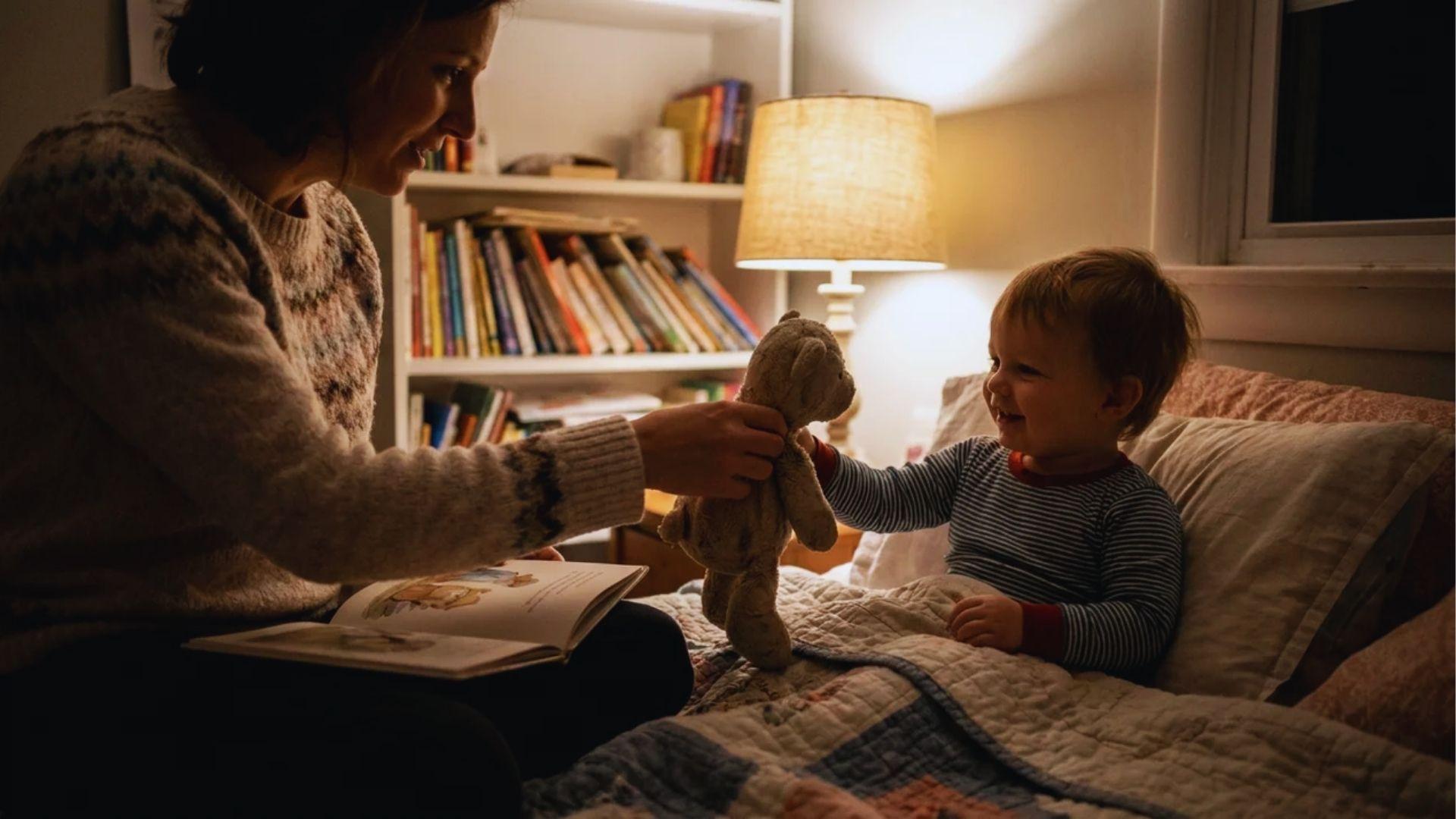
Getting a baby to bond with a lovey takes some patience. Most parents did not just drop it in the crib and hope for the best.
Bedtime Routines That Worked
Parents who had the most success made the lovey part of the whole bedtime routine. They handed it to the baby during feeding, held it during a lullaby, or tucked it into storytime.
The more the lovey showed up in calm, connected moments, the faster babies attached to it. A lovey used consistently this way becomes a powerful sleep association over time.
Helping Babies Accept a Lovey
One of the most popular tips parents share is to sleep with the lovey themselves for a night or two. The familiar scent of mom or dad made babies more willing to hold onto it.
Other parents rubbed the lovey against their skin before placing it near the baby during a nap. These small steps made the lovey feel safe and familiar.
A few parents also brought the lovey along during stroller walks and feeding sessions before it ever went near the crib, which helped build a bond during regular daily moments.
When Parents Decided to Wait Longer
Some parents tried introducing a lovey and their baby just was not interested. Others felt uncomfortable with anything in the crib before 12 months and chose to wait.
A few families had babies who were sleeping well and did not feel a change was needed. Waiting is a completely valid choice.
There is no rush, and many children form a strong attachment to a lovey even when it is introduced at 15 or 18 months.
Parents also found loveys helpful during sleep regressions and separation anxiety, so there is always a good moment to introduce one when the time feels right.
Tips for Introducing a Lovey Safely
If you are ready to introduce a lovey, here are some practical things to keep in mind.
- Pick a lovey that is small, lightweight, and made of breathable fabric. Skip anything with button eyes, long ribbons, or loose parts that could become a choking hazard or come off during sleep.
- Watch how your baby moves at night before adding anything to the crib. A baby who can roll both ways and move their arms freely is more ready for a small item nearby.
- Wash the lovey regularly and check it often for loose threads or damage. If your baby is very attached to it, practice short separations by washing it during awake time.
- Buy two or three of the same lovey early and rotate them so they all feel and smell similar. This saves you from a bedtime meltdown if one gets lost or needs a wash.
- Always check that the lovey stays in good condition over time. A worn-out or damaged lovey should be replaced before it becomes a safety concern in the sleep space.
Conclusion
Deciding when can baby sleep with lovey is a personal choice that depends on your baby's age, development, and your comfort level with the guidance available.
Most experts suggest waiting until 12 months, and many parents found that timeline worked well for them. Others made careful decisions earlier with their pediatrician's input.
Whatever path you choose, consider your baby's age and development, follow safe sleep guidance, and speak with your pediatrician if you have questions about introducing a lovey.
Have a lovey tip or experience to share? Drop a comment below. Other parents would love to hear what worked for your family.
Frequently Asked Questions
Can a lovey help with separation anxiety in babies?
Yes, a lovey can offer comfort when a parent is not present. It gives the baby something familiar to hold during stressful or new situations.
How many loveys should a baby have at one time?
Many parents keep two or three identical loveys so there is always a clean backup available when one needs washing or gets misplaced.
At what age do most children stop needing a lovey?
Many children naturally let go of their lovey between ages 3 and 5, though some keep it longer with no negative effects.
Can a lovey cause a baby to become too dependent on it for sleep?
A lovey supports self-soothing, which is positive. Most children gradually outgrow the need without it becoming a long-term sleep problem.
Should a lovey be introduced during the day or only at night?
Starting during the day works best. Daytime bonding with the lovey helps babies accept it more easily during bedtime and naps.