Parents who ask how many teeth a child has usually expect a single number, and the short answer is 20 baby teeth. The full answer depends on age.
A 9-month-old may have only a few; most 3-year-olds have all 20, and a 7-year-old can gain or lose a tooth from one month to the next as permanent teeth move in.
After more than 15 years of advising parents on growth and everyday health, I’ve found that tooth counts raise the same question as height charts: “Should I be worried?” Usually the answer is no, because the normal range is wide.
Below, you’ll find an eruption chart based on American Dental Association (ADA) guidance, typical tooth counts from toddlerhood to the teen years, why baby teeth need real care, and the signs that call for a pediatrician or dentist.
How Many Teeth Does a Child Have?
A child has 20 baby teeth, known medically as primary teeth, with 10 in the upper jaw and 10 in the lower.
According to the ADA, they usually begin coming in around 6 months of age and are all in place by about age 3. Starting near age 6, permanent teeth gradually replace them.
You may also hear them called milk teeth or deciduous teeth, the same word used for trees that shed their leaves.
A small number of babies born with teeth arrive with one or two already visible, but for most families the first tooth shows up in the second half of the first year.
All 20 are temporary. Gaps usually start appearing around age 6, which is when kids start losing teeth, and the lower front teeth that came in first tend to leave first.
Adults end up with as many as 32 teeth because the permanent set includes 12 molars that never had baby teeth in front of them, while the other 20 permanent teeth replace baby teeth one for one.
Those 20 baby teeth also fall into three groups, and knowing them makes any eruption chart easier to read.
What Types of Baby Teeth Are in That Set of 20?
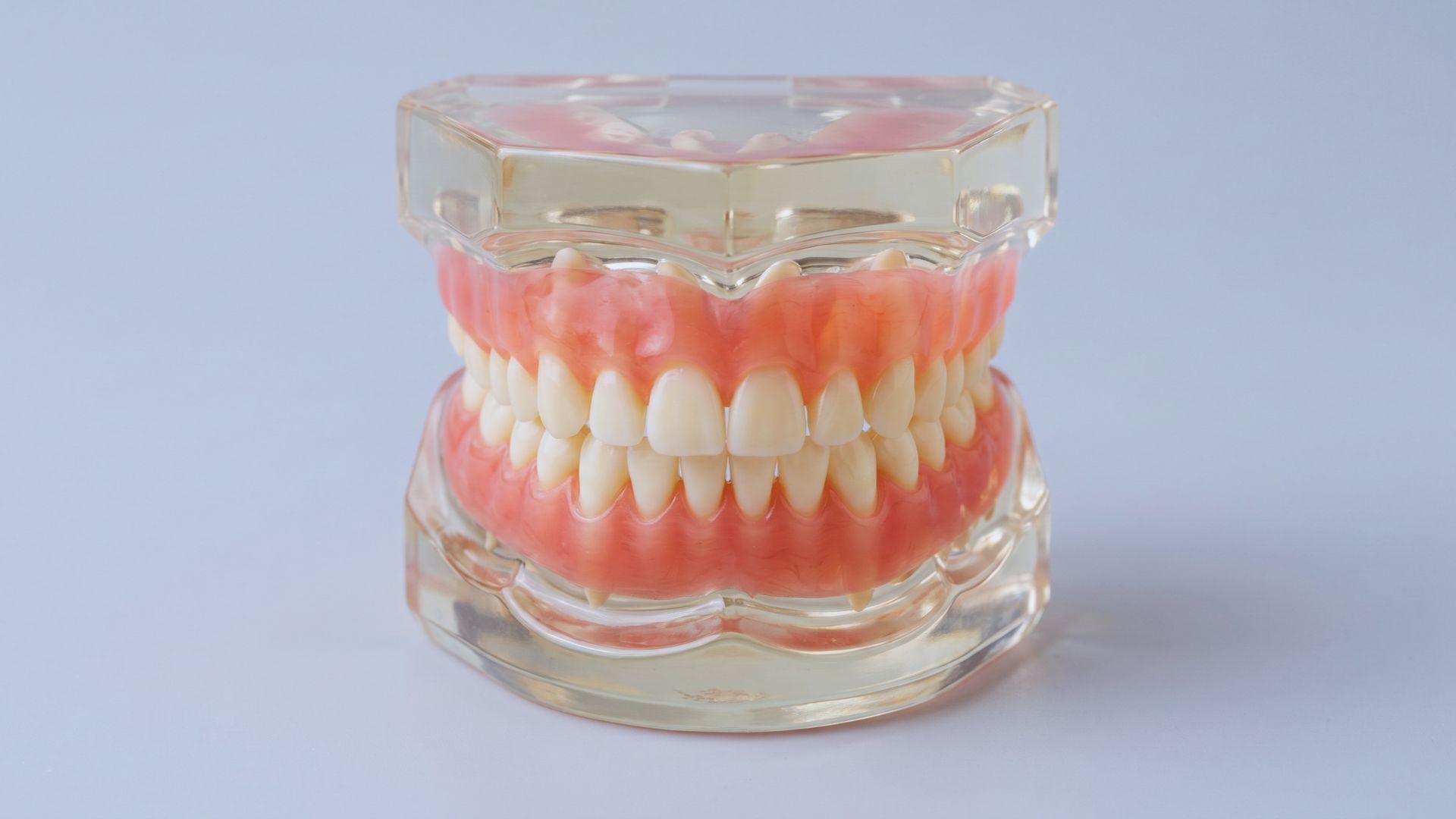
The 20 primary teeth come in three shapes, and each shape has its own job:
- Incisors (8): the four upper and four lower front teeth, with thin, flat edges for biting into food.
- Canines (4): the pointed teeth at each corner of the mouth, which grip and tear.
- Molars (8): the broad back teeth, two on each side of each jaw, which handle most of the chewing.
These types don’t arrive in the order many parents expect. The ADA chart shows incisors first, then the first molars, then the canines, and finally the second molars.
That is why a 15-month-old can have back teeth before the pointed canines fill the spaces beside the front teeth, giving the smile an uneven look for a while.
Teeth also tend to erupt in matching pairs, one on the left and one on the right, so the upper and lower counts usually stay close to even.
Baby Teeth Eruption Chart by Age
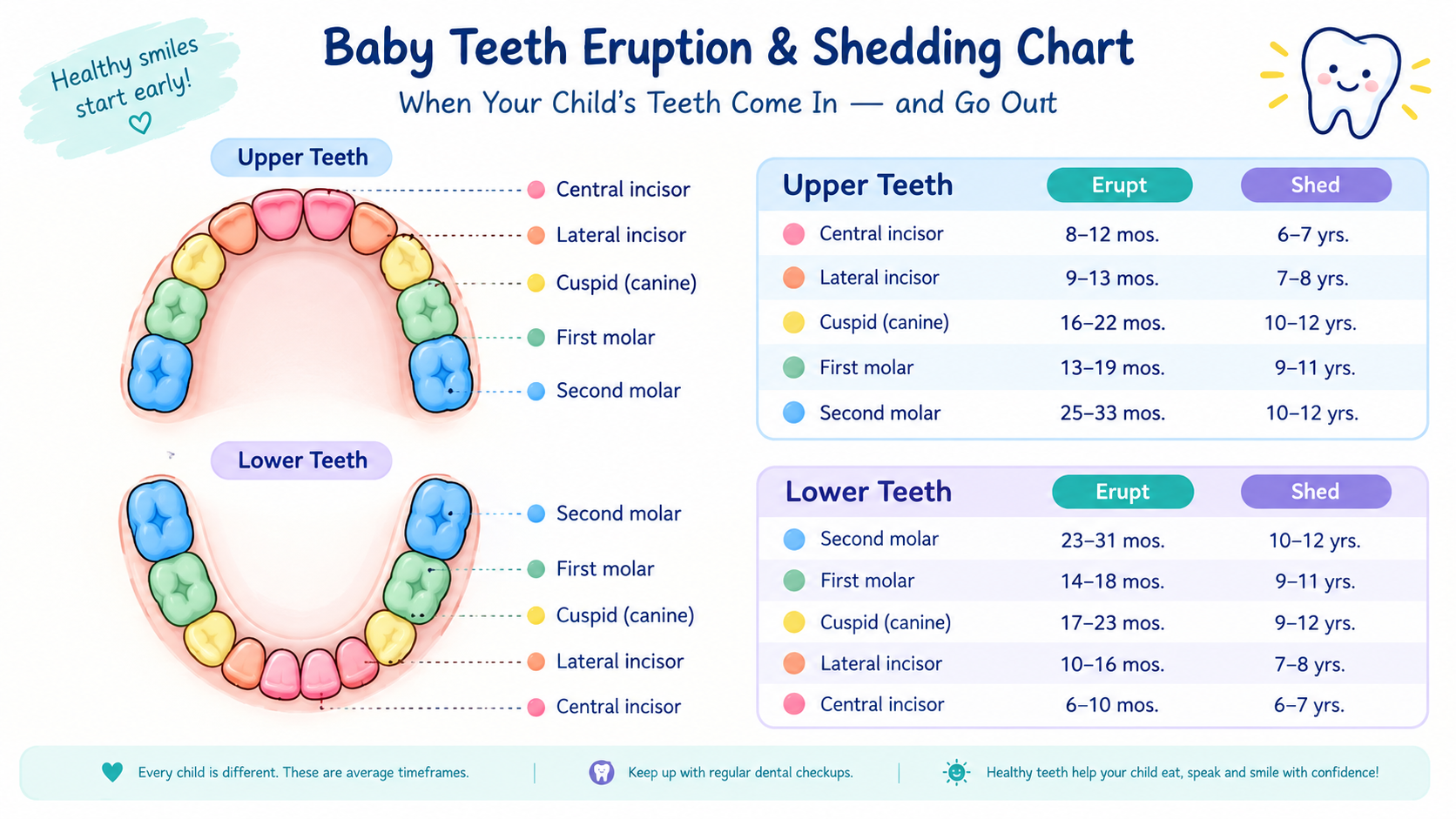
The ADA eruption chart lists the age range when each baby tooth usually comes in and falls out.
Lower central incisors lead at 6 to 10 months, and upper second molars finish the set at 25 to 33 months.
Shedding starts with the central incisors at 6 to 7 years and ends with the canines and second molars around 10 to 12.
| Baby Tooth | Upper Comes In | Lower Comes In | Falls Out (Upper / Lower) |
| Central incisor | 8 to 12 months | 6 to 10 months | 6 to 7 years / 6 to 7 years |
| Lateral incisor | 9 to 13 months | 10 to 16 months | 7 to 8 years / 7 to 8 years |
| First molar | 13 to 19 months | 14 to 18 months | 9 to 11 years / 9 to 11 years |
| Canine | 16 to 22 months | 17 to 23 months | 10 to 12 years / 9 to 12 years |
| Second molar | 25 to 33 months | 23 to 31 months | 10 to 12 years / 10 to 12 years |
Read these as ranges rather than deadlines. The ADA notes alongside its printable tooth eruption charts that every mouth is different, so teeth may come in or fall out earlier or later.
If your toddler starts gnawing on everything again between 13 and 19 months or after the second birthday, that timing lines up with the molars on this chart, and our guide on when kids get molars covers that stage in more detail.
How Many Teeth Do Children Have at Each Age?
The count climbs steadily until about age 3, holds still for a few years, then shifts almost monthly through the grade-school years before settling in the early teens.
1. Before Age 6: The Baby Teeth Phase

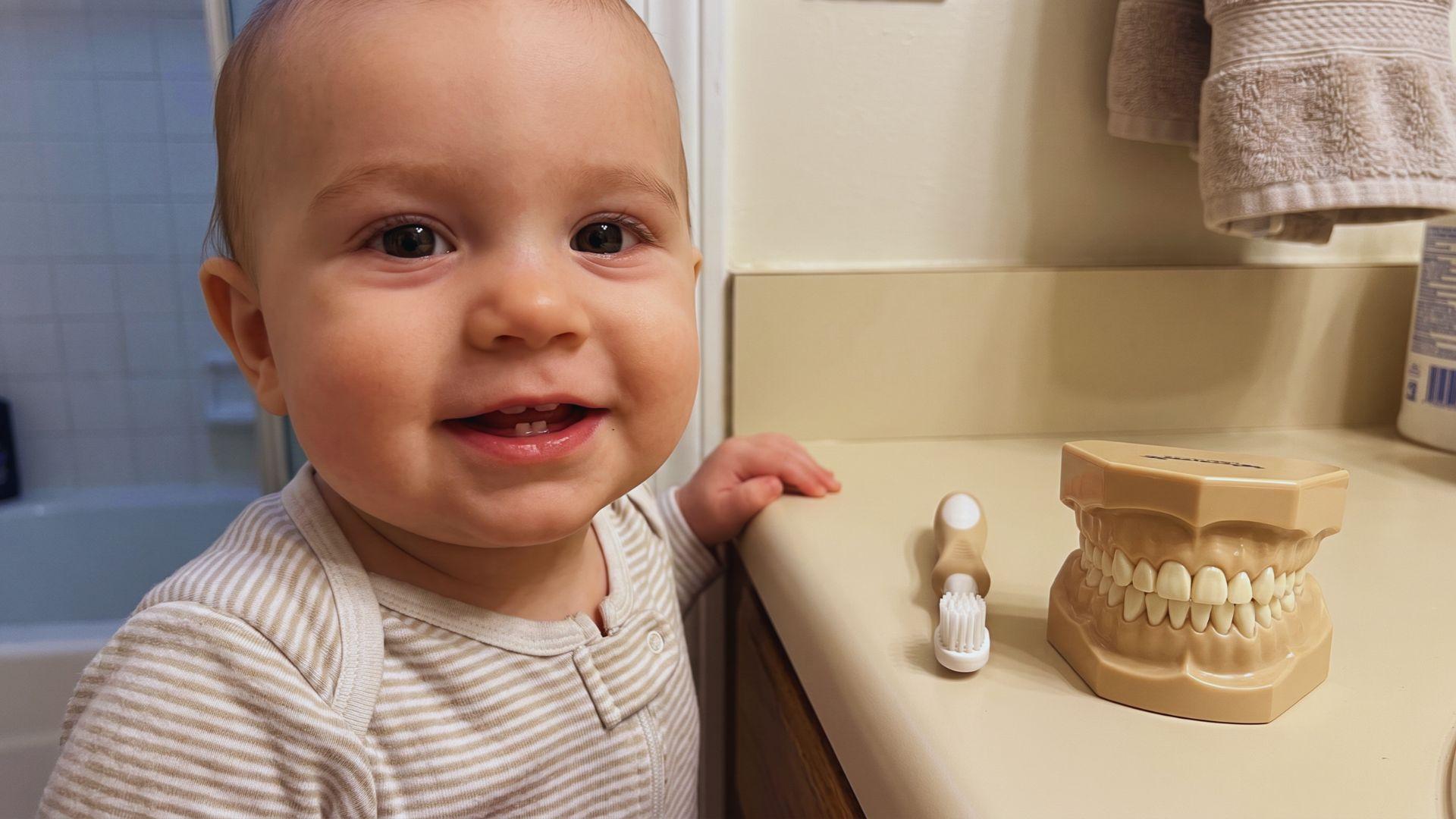
Most babies cut their first tooth around 6 months, usually a lower central incisor, and new teeth follow every few months as they move from the front of the mouth toward the back.
So how many teeth does a 2-year-old have?
Going by the ADA ranges, most children have their eight incisors, four first molars, and four canines by the second birthday, which often adds up to about 16.
The four second molars come in between 23 and 33 months and bring the total to 20 by around age 3.
A toddler running a few teeth ahead of or behind that count is usually still within the normal range.
From age 3 until about 6, the set stays complete and stable, which makes it a good window for building daily brushing habits.
For teething discomfort before then, the FDA advises against benzocaine numbing gels for children under 2 and against teething necklaces or bracelets.
It is advised because of choking and strangulation risks, so a chilled (not frozen) teething ring is a safer choice to discuss with your pediatrician.
2. Ages 6 to 12: The Mixed Dentition Phase
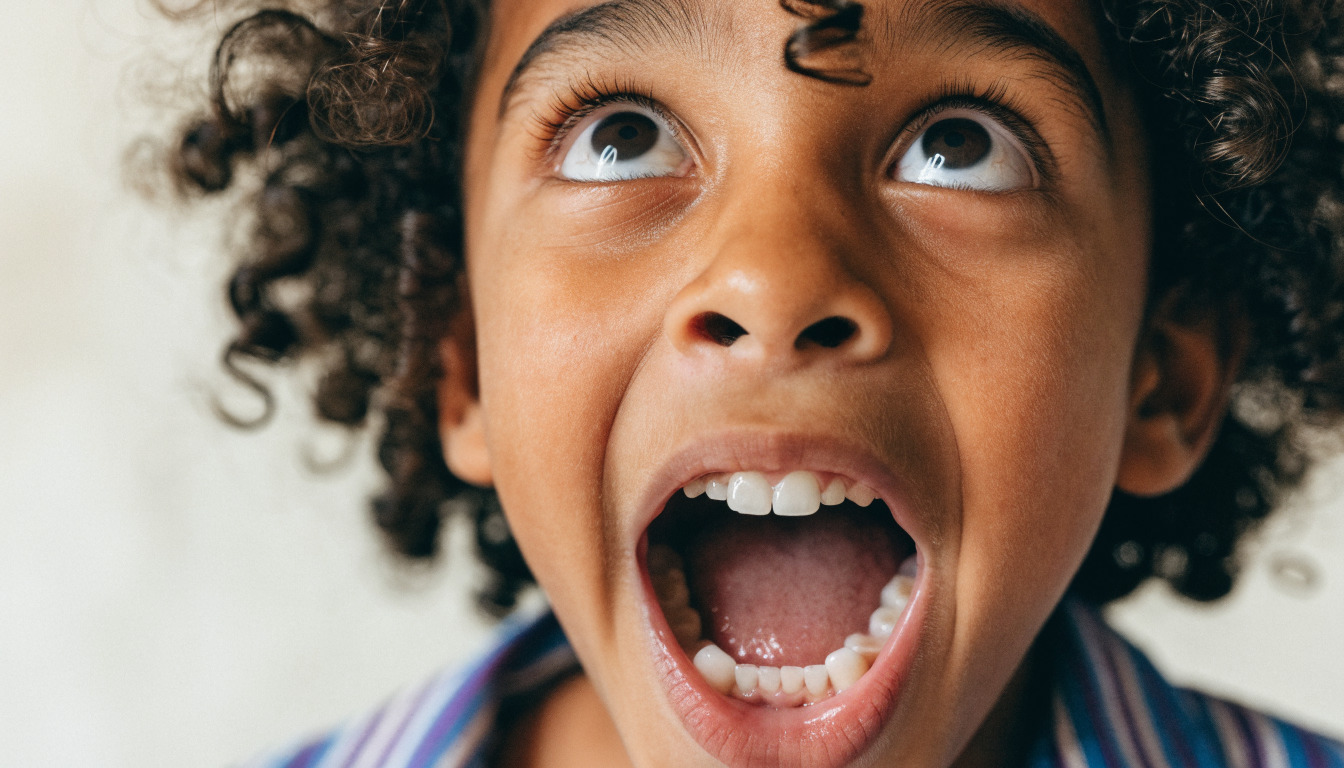
Around age 6, the first permanent teeth appear. The lower central incisors push out their baby versions, while the first permanent molars, often called 6-year molars, erupt behind the last baby teeth without replacing anything.
Because baby and permanent teeth share the mouth for the next six years, dentists call this mixed dentition.
A typical 6-year-old still has all 20 baby teeth and may be cutting the first permanent molars.
By 10, the eight permanent incisors and four first molars are usually in place, and the baby canines and molars are starting to loosen, so most 10-year-olds sit near 24 teeth with a few temporary gaps.
3. After Age 12: Permanent Teeth Take Over
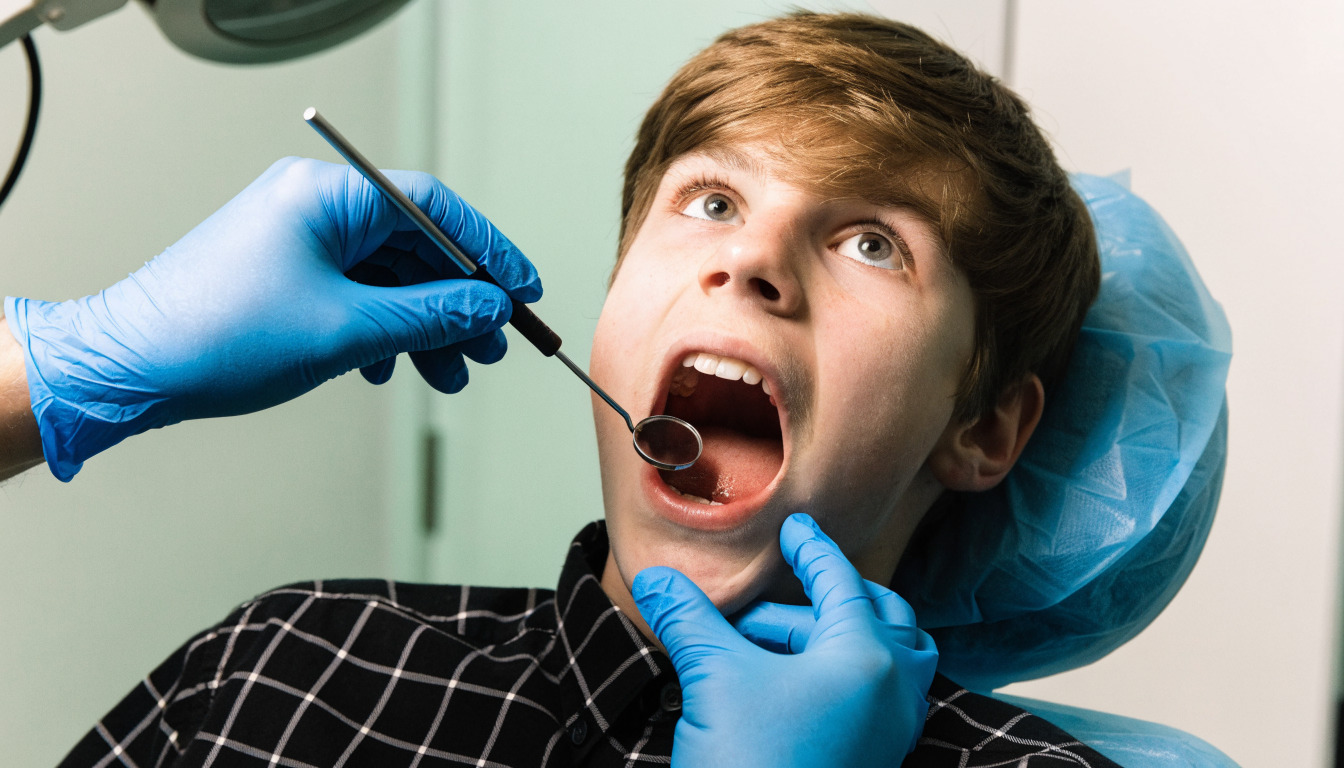
Once the last baby teeth are gone and the second molars are through, most children have 28 permanent teeth by about age 13: eight incisors, four canines, eight premolars, and eight molars.
The premolars are the teeth that took the place of the baby molars. Wisdom teeth, the third molars, usually come in between 17 and 21 years and can bring the total to 32.
The permanent set settling into place doesn’t mean the baby teeth were only placeholders in a passive sense, because how they were cared for shapes how well the adult teeth fit.
Why Do Baby Teeth Matter If They Fall Out Anyway?
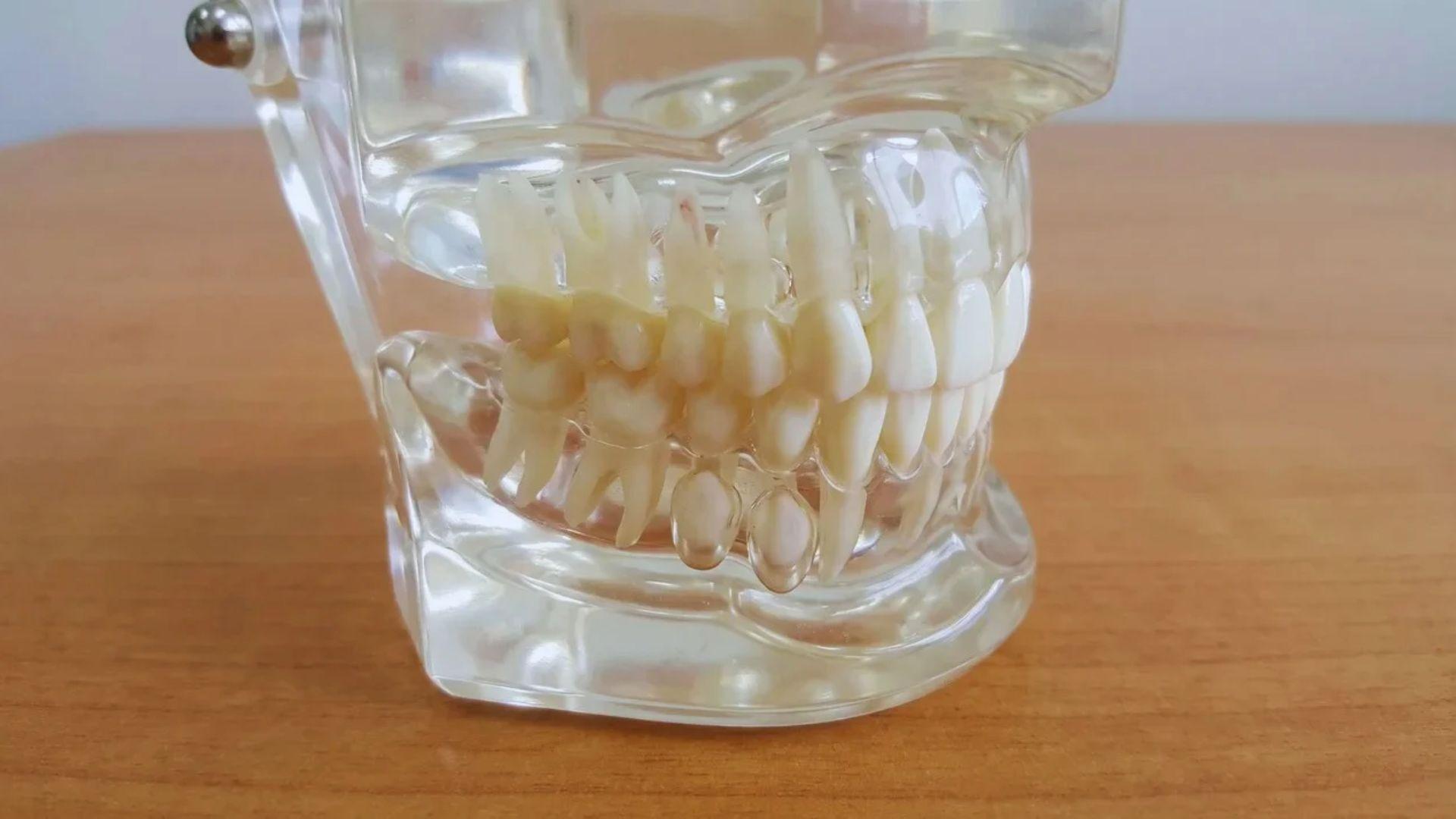
Baby teeth hold space for the permanent teeth growing beneath them, help children chew a variety of foods, and support clear speech.
A baby tooth lost early to decay or injury can let neighboring teeth drift into the gap, which may crowd the permanent tooth and lead to crooked or blocked adult teeth.
That is why a dentist sometimes places a space maintainer after an early extraction, holding the gap open until the permanent tooth is ready to come through.
Parents often ask me whether a cavity in a baby tooth is worth treating when the tooth will fall out anyway. The answer depends on timing.
A back baby molar may need to last until age 10 to 12, which is a long time to live with untreated decay, and a decayed tooth can cause pain and infection along the way.
Cavities in baby teeth are common, too: the CDC’s 2024 Oral Health Surveillance Report found that about 11% of children aged 2 to 5 had at least one untreated cavity in their baby teeth.
Prevention starts early. The AAP and ADA recommend brushing with fluoride toothpaste as soon as the first tooth appears, using a smear the size of a grain of rice until age 3 and a pea-sized amount from ages 3 to 6.
When to Call the Pediatrician or Dentist
Most differences in tooth timing are harmless, so the more useful question is which ones deserve a call.
Talk with your child’s pediatrician or dentist if your child has no teeth at all by 18 months, a threshold that children’s health guidance from the University of Vermont Health Network flags for an evaluation.
A permanent tooth coming in behind a baby tooth that isn’t loose, creating a double row, is also worth mentioning, as is any tooth that looks discolored or causes pain when your child eats sweets.
Injuries need quicker action. If a baby tooth is knocked out or pushed out of place, call the dentist, but don’t try to put it back in, because the AAPD advises against replanting baby teeth to protect the permanent tooth underneath.
A knocked-out permanent tooth is a dental emergency that needs a dentist right away. Swelling in the face or jaw with a fever needs prompt medical care, and if your child has trouble breathing or swallowing, call 911.
Counting Teeth Matters Less Than Caring for Them
So, how many teeth does a child have? Twenty baby teeth at first, about 28 permanent teeth by the early teens, and a total that shifts almost monthly in between.
A child who runs a few months ahead of or behind the eruption chart is common, and those ranges are there to reassure you as much as to guide you.
The bigger job is keeping those teeth healthy while they do their work.
If your child hasn’t had a dental visit yet, the AAPD recommends one when the first tooth appears and no later than the first birthday, so book that appointment this week.
Frequently Asked Questions
Should a 12 Year Old Have 24 Teeth?
Often, yes. Twenty-four teeth at 12 usually means the second permanent molars haven’t come in yet. If they still haven’t appeared after 13, the upper end of the ADA range, ask the dentist about an X-ray.
Why Do I Only Have 28 Teeth at Age 18?
Twenty-eight is a full permanent set without wisdom teeth. Some people never form all four third molars, and others have them blocked under the gum, which a dental X-ray can show. Neither is unusual at 18.
What Is the 2-2-2 Rule for Teeth?
It’s a memory aid: brush twice a day, for two minutes each time, and see the dentist twice a year. The ADA backs the brushing part, while your child’s dentist sets the right visit schedule.