
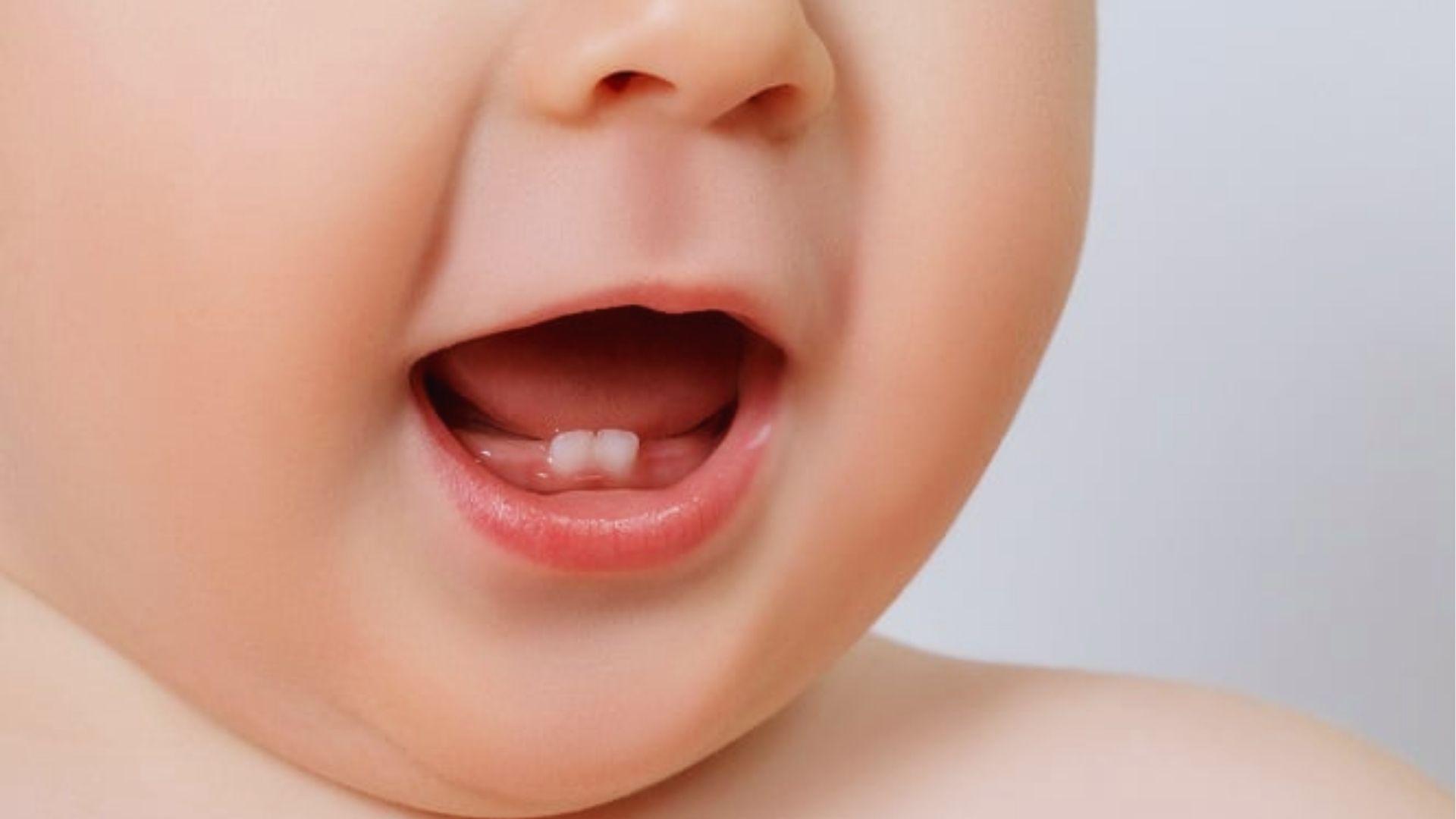
Every parent asks the same question at some point:when do molars come in for kids? Watching your little one deal with sore gums, drooling, or trouble eating can be worrying if you don't know what's normal.
This guide walks you through the full molar timeline, from the first baby tooth to the last permanent molar.
You'll learn how to spot the signs of eruption, tell baby molars apart from permanent ones, and handle the discomfort that comes with each stage.
Having guided many families through these milestones, and drawing on eruption ranges from the American Academy of Pediatric Dentistry, I know how much easier it gets once you understand what to expect.
When Do Molars Come In for Kids?
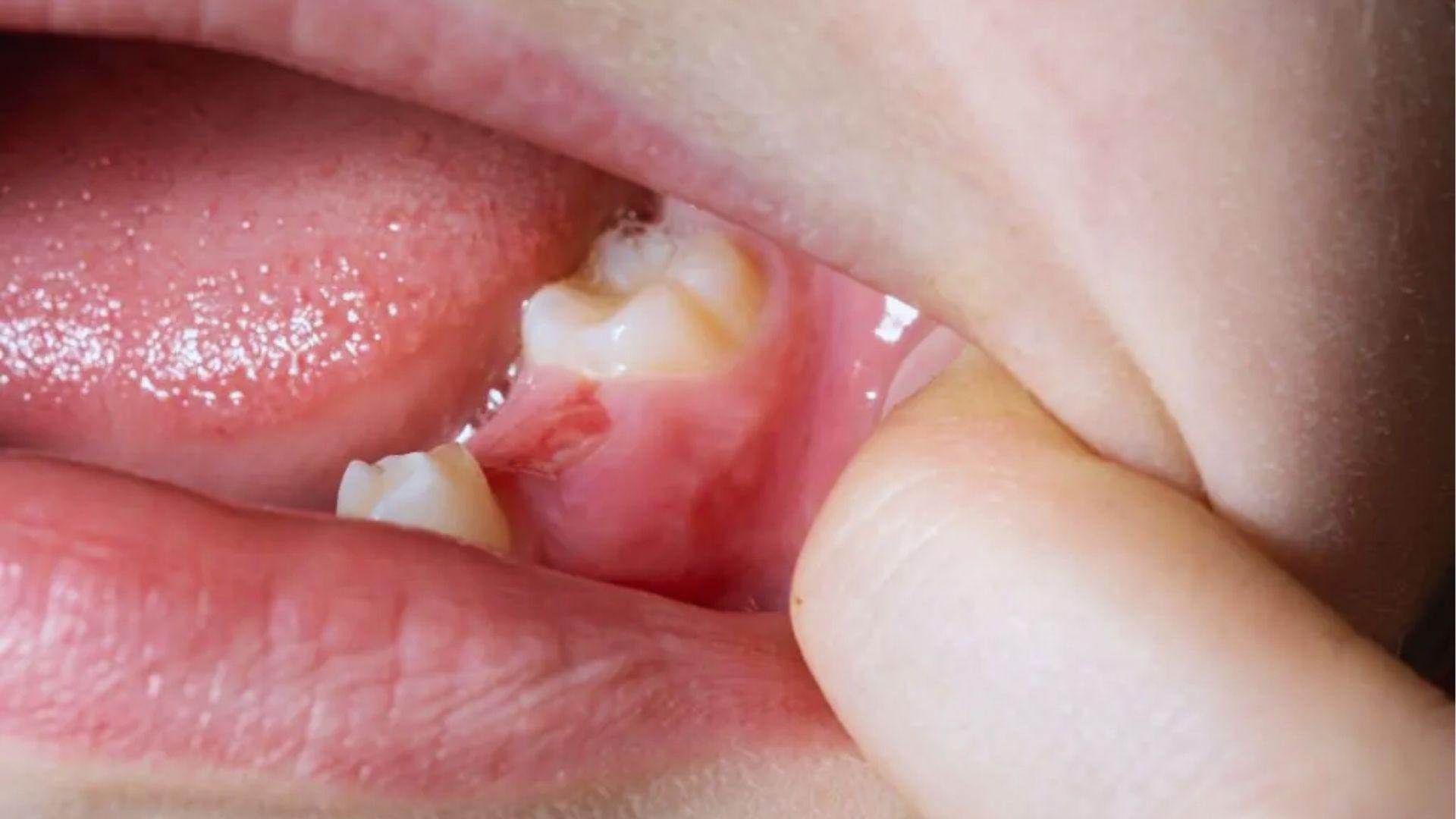
Molars are the flat, wide teeth at the back of the mouth. They handle most of the chewing and grinding work, so their arrival matters a lot for a child's diet and comfort.
Baby molars usually start coming in between 13 and 19 months for the first set, and between 25 and 33 months for the second set. Every child is different, so a few months earlier or later is still normal.
Permanent molars follow a separate schedule that starts much later, usually around age 6, and continues into the teenage years.
Understanding the Complete Molar Timeline
Here's a simple breakdown of when each molar tends to show up:
- First baby molars:13 to 19 months
- Second baby molars: 25 to 33 months
- First permanent molars (six-year molars): around age 6 to 7
- Second permanent molars (twelve-year molars):around age 11 to 13
- Third molars (wisdom teeth):typically between ages 17 and 25
This timeline is a general guide, not a strict rule. Genetics, gender, and even birth weight can shift the timing slightly.
If your child's molars come in a bit early or late compared to this list, there's usually no cause for concern unless a dentist points out a specific issue.
Baby Molars vs Permanent Molars
Baby molars and permanent molars look similar but serve different purposes and follow different timelines.
| Feature | Baby Molars | Permanent Molars |
| Number of teeth | 8 total (4 upper, 4 lower) | 12 total (including wisdom teeth) |
| Eruption age | 13 to 33 months | 6 to 25 years |
| Size | Smaller | Larger |
| Root structure | Shorter, dissolve over time | Longer, permanent |
| Replacement | Fall out and get replaced | No replacement once lost |
| Cavity risk | Softer enamel, higher risk | Stronger enamel, but still at risk |
Baby molars hold space for permanent teeth and help with early speech and chewing. When baby molars fall out, they are replaced by premolars, also called bicuspids, not by new molars. Once permanent molars arrive, they're meant to last a lifetime, so protecting them early matters.
What to Expect When Molars Are Coming In
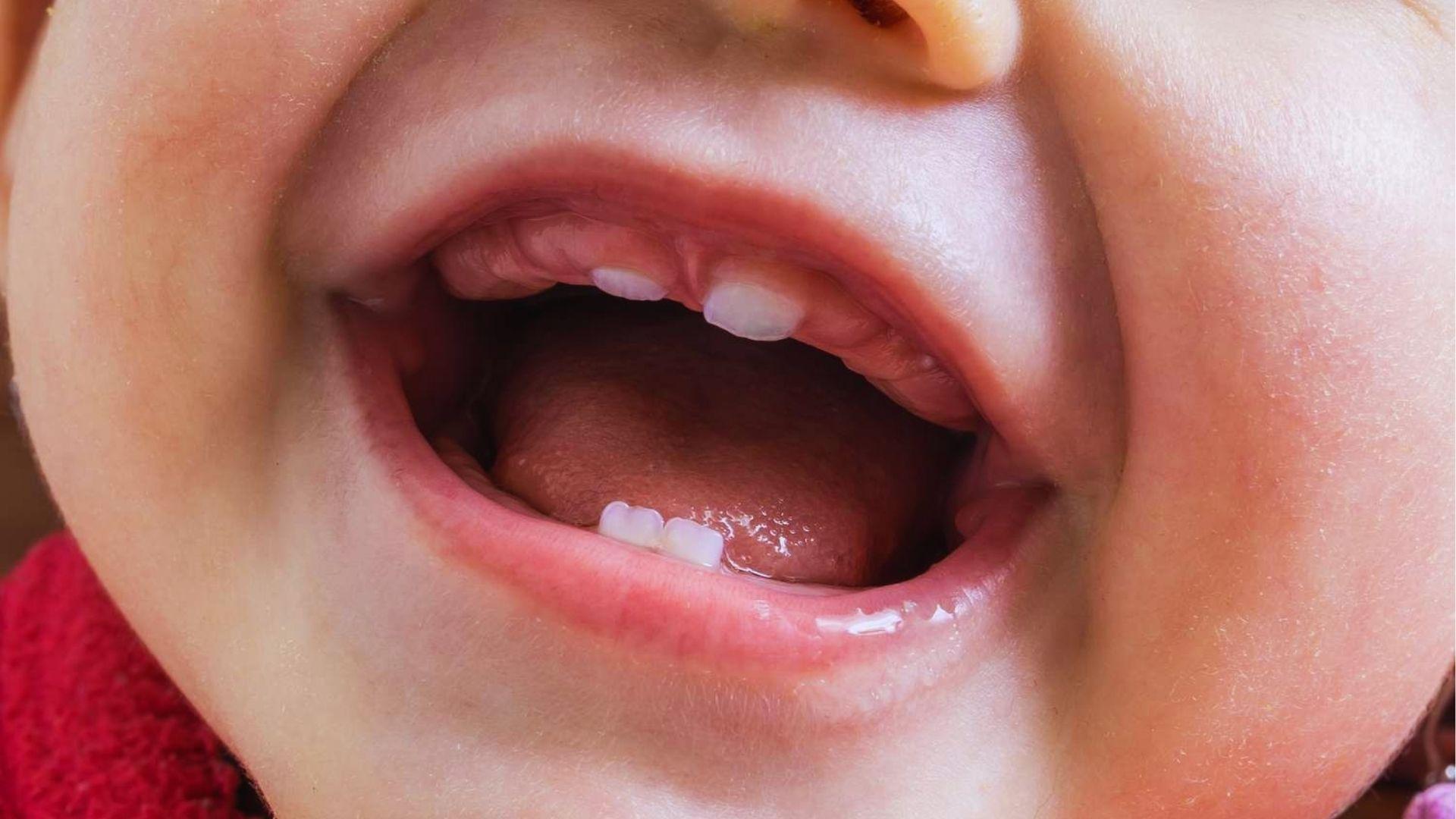
Molar eruption tends to cause more discomfort than other teeth because of their size and location. Here's what commonly shows up during this stage.
Swollen or tender gums are common right before a molar breaks through. You might also notice increased drooling, a mild change in appetite, or your child chewing on toys, fingers, or anything within reach. Some kids get a bit fussy or have trouble sleeping for a few nights.
Teething may cause sore or swollen gums, increased drooling, chewing, and fussiness, but a true fever is not considered a normal teething symptom. If your child has a fever or seems unwell, contact their pediatrician rather than assuming teething is the cause.
Molars can take longer to fully emerge compared to front teeth. The process may stretch over several days or even a couple of weeks as the tooth slowly pushes through the gum tissue.
How to Help Your Child During Molar Eruption
There are several simple ways to ease your child's discomfort while their molars come in.
Cold items work well because they numb sore gums. Offer a chilled (not frozen) teething ring, a cold washcloth, or refrigerated fruit in a mesh feeder for older babies. Gently rubbing the gums with a clean finger can also bring relief.
For toddlers, over the counter pain relief like children's acetaminophen or ibuprofen can help on tough days, but always check the dosage with your pediatrician first. Avoid teething gels with benzocaine, since health authorities have flagged safety concerns with this ingredient in young children.
Keep offering soft foods if your child seems reluctant to chew. Mashed potatoes, yogurt, and oatmeal are easy on sore gums while still providing good nutrition.
Why First Permanent Molars Need Extra Care
The first permanent molars, often called six-year molars, deserve special attention for a few reasons.
They come in behind the baby teeth rather than replacing one directly, so parents sometimes don't notice them right away. This means plaque and food particles can build up unnoticed, raising the risk of early cavities.
These molars also have deep grooves on their chewing surface, which makes them harder to clean fully with a regular toothbrush. Dental sealants, a thin protective coating applied by a dentist, can lower the risk of decay by about 80 percent in these teeth.
Since six-year molars are permanent, any damage done early can affect a child for the rest of their life, so prevention matters more here than with baby teeth.
When Should You See a Dentist?

Most molar eruptions are manageable at home, but certain signs call for a dental visit.
See a dentist if your child has a fever above 101 degrees Fahrenheit, refuses to eat or drink for more than a day, or shows signs of a swollen or infected gum area.
Persistent pain that doesn't improve with home care, or a molar that seems to be coming in at an unusual angle, also warrants a checkup.
Regular dental visits starting around the first birthday help catch problems early, even before molars fully appear. A dentist can track the timeline and flag anything that looks off compared to typical development.
Common Mistakes Parents Make During Molar Development
Avoiding a few common missteps can make this stage smoother for both you and your child.
- Ignoring early signs of decay because "it's just a baby tooth" that will fall out anyway
- Skipping dental checkups until a problem becomes obvious
- Using teething gels with benzocaine despite safety warnings
- Letting a child fall asleep with a bottle of milk or juice, which raises the odds of decay around new molars
- Not cleaning six-year molars carefully because they're harder to reach
- Assuming all molar pain is normal teething instead of checking for infection
- Waiting too long to introduce a proper toothbrushing routine for back teeth
Small habits early on, like consistent brushing and regular dental visits, go a long way in protecting these teeth long term.
Conclusion
Knowing when molars come in for kids helps you prepare for each stage instead of feeling caught off guard.
From the first baby molars around 13 months to permanent molars that arrive years later, each phase brings its own signs and challenges. Cold teething aids, soft foods, and routine dentist visits can make the process easier for your child.
Keep an eye on their gums, track the timeline, and don't hesitate to reach out to a dentist with questions.
If this guide helped you, share it with another parent going through the same thing, or leave a comment with your own experience.
Frequently Asked Questions
Can molars come in without any pain at all?
Yes, some children show no discomfort while others get fussy or sore gums. Pain levels vary widely from child to child during molar eruption.
Do girls get molars earlier than boys?
Some studies suggest girls' teeth may emerge slightly earlier than boys', though the difference is usually small and not significant for most families.
Can teething cause diarrhea or a runny nose?
Teething itself doesn't directly cause these symptoms, though increased drooling and hand to mouth behavior can sometimes lead to mild stomach upset.
Is it normal for molars to come in crooked?
Slight crookedness during eruption is common as teeth shift into place. If it persists or looks severe, a dentist can check for alignment concerns.
How many total molars will my child eventually have?
Children get 8 baby molars and later 12 permanent molars, including wisdom teeth, for a full adult total of 32 teeth.