
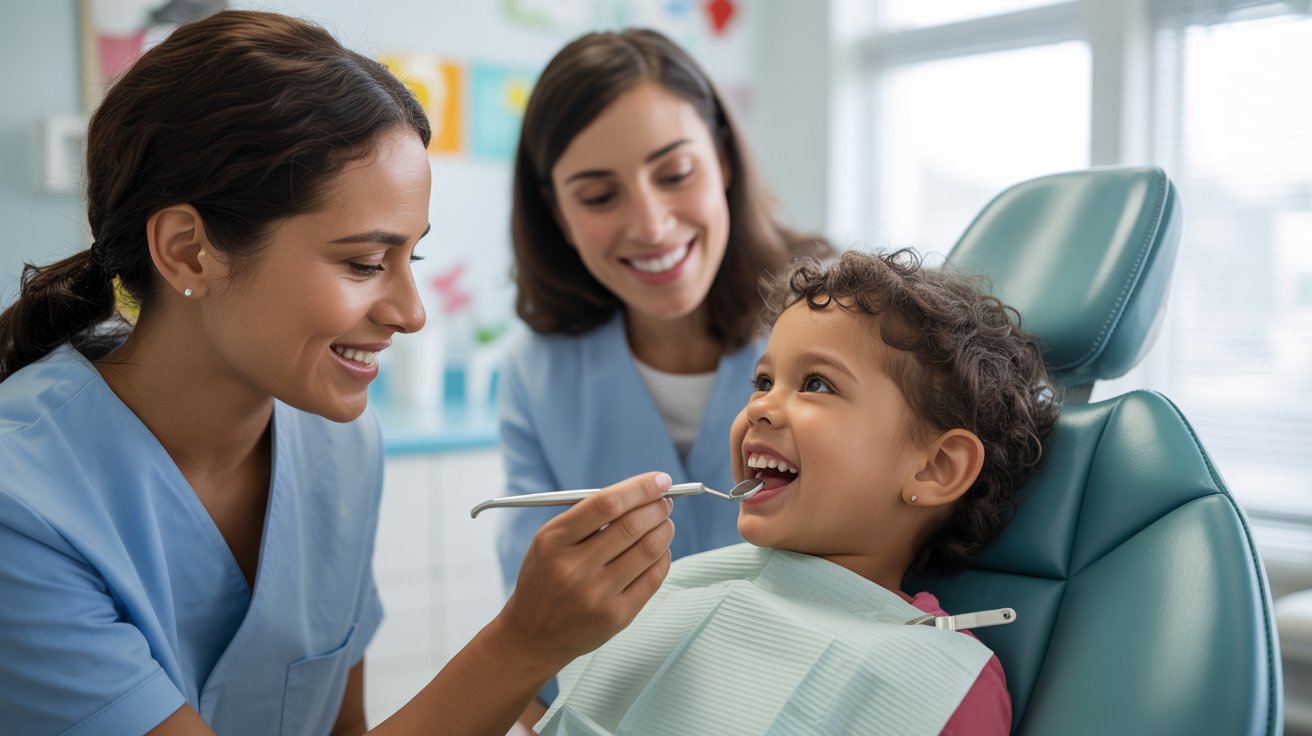





Watching your child's mouth change can feel confusing, especially when new teeth show up without warning.
If you have been asking, "when do kids get molars," you are in the right place.
This guide breaks down exactly when baby molars and permanent molars appear, what signs to watch for, and how to keep them healthy.
We will cover the full eruption timeline by age, common teething symptoms, care tips, and when a dental visit makes sense.
As parents who have been through the same sleepless nights, we know how stressful this stage can feel.
By the end, you will know exactly what to expect and how to help your child feel comfortable through it.
Understanding Molars and Their Role in Your Child's Smile
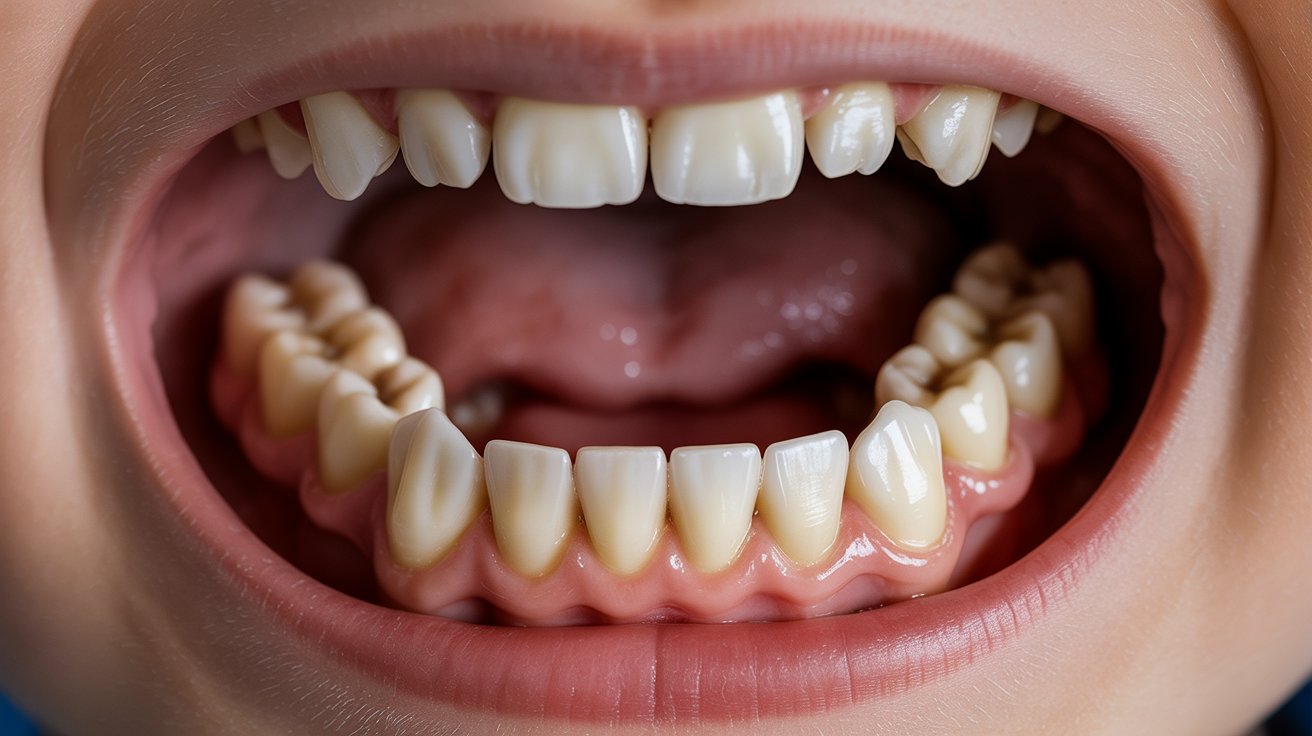
A quick look at why molars matter for chewing, speech, and long-term dental health.
Molars are the flat, wide teeth found at the back of the mouth. They do the heavy lifting when it comes to chewing food, especially tougher items like meat or raw vegetables.
Without strong molars, kids would struggle to break down food properly, which can affect digestion.
These teeth also help guide the jaw's growth and shape. They hold space for permanent teeth and keep the bite aligned.
Baby molars, even though they fall out eventually, play a big role in setting up a healthy smile later on.
Because molars sit further back, they are also harder to clean. This makes them more prone to cavities if brushing habits are not consistent.
When Do Kids Get Molars?

A breakdown of when each set of molars typically arrives.
When Baby (Primary) Molars Erupt
Baby molars usually start coming in between 12 and 18 months for the first set. The second set of baby molars follows between 20 and 33 months.
Every child is a little different, so some timelines shift earlier or later.
When First Permanent Molars Come In
The first permanent molars, often called six-year molars, usually appear around ages 6 to 7.
These come in behind the baby teeth, so parents sometimes miss them at first since no baby tooth falls out to signal their arrival.
When Second Permanent Molars Appear
Second permanent molars typically show up between ages 11 and 13.
These come in further back and complete most of a child's adult set of teeth, aside from wisdom teeth, which arrive much later.
Molar Eruption Timeline by Age

A simple breakdown of molar eruption stages from infancy through the teen years.
Ages 12–18 Months
This is when the first baby molars typically break through. Drooling, fussiness, and chewing on objects are common during this window.
Ages 20–33 Months
The second set of baby molars arrives here. This stage can be uncomfortable since these are the last baby teeth to come in.
Ages 6–7 Years
First permanent molars erupt quietly in the back of the mouth. Parents should keep an eye out since no tooth is lost beforehand.
Ages 11–13 Years
Second permanent molars finish out most of the adult smile. Regular checkups help confirm they are coming in straight and healthy.
Signs Your Child's Molars Are Coming In

How to spot molar teething and know when it needs extra attention.
Common Teething Symptoms
Watch for drooling, swollen gums, irritability, and a desire to chew on everything in sight.
Some kids also have trouble sleeping or eating during this time. Mild fever can sometimes happen too, though high fevers are not typically linked to teething.
When Symptoms May Need a Dental Visit
If your child has a high fever, severe pain, or swelling that does not improve, it is worth calling the dentist.
Persistent symptoms that last for weeks instead of days also deserve a closer look.
How to Care for Erupting Molars

Simple daily habits to protect new molars from decay.
Brushing and Flossing Tips
Brush twice daily using a soft-bristled brush and fluoride toothpaste sized for your child's age.
Pay close attention to the back teeth, where food tends to get stuck. Flossing between molars helps remove debris that brushing alone might miss.
Safe Ways to Relieve Teething Discomfort
Cold teething rings, chilled washcloths, and gentle gum massages can offer relief.
Over-the-counter pain relievers may help too, but always check with your pediatrician first before giving any medication.
Why Molars Get Cavities More Easily
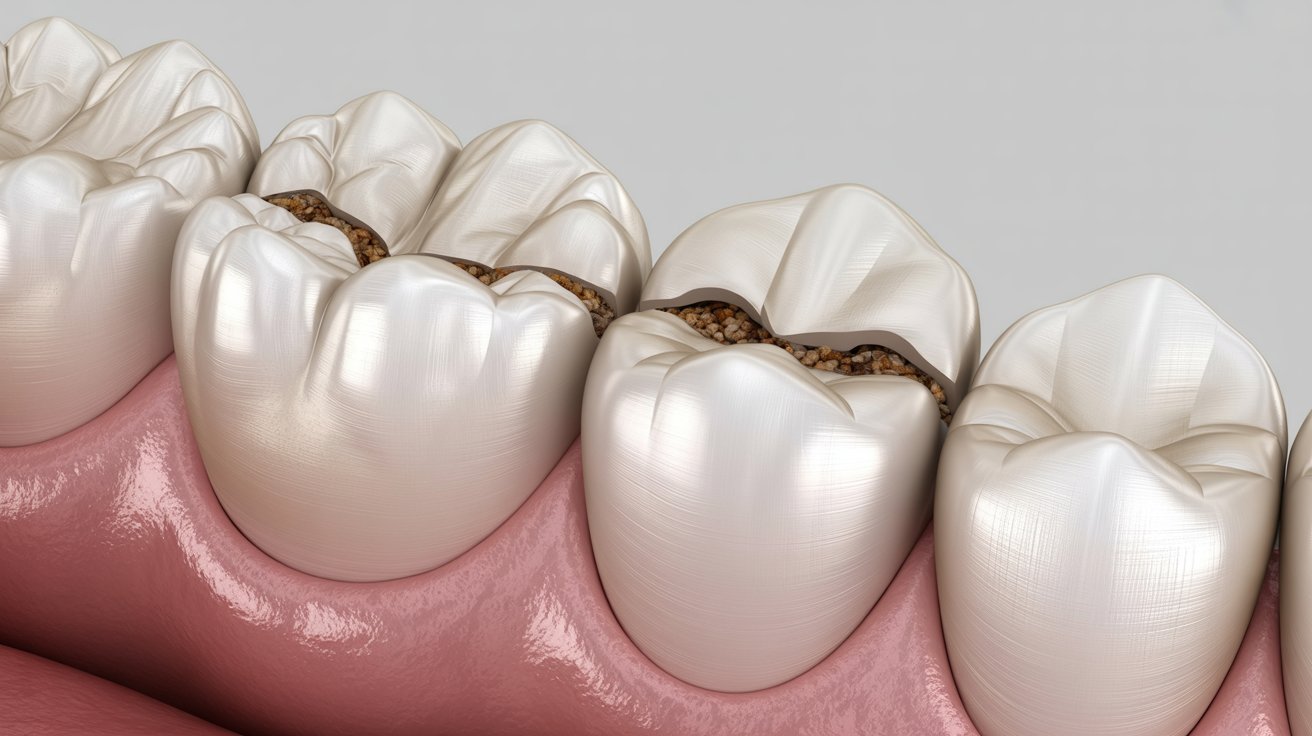
Understanding why these back teeth are more vulnerable to decay.
Deep Grooves and Food Traps
Molars have natural grooves and pits on their surface. These grooves are great for grinding food but also trap bacteria and leftover bits, making them harder to clean fully with just a toothbrush.
The Importance of Dental Sealants and Fluoride
Dental sealants act as a protective coating over those grooves, blocking out bacteria and food particles. Fluoride treatments strengthen the enamel, giving molars an extra layer of defense against cavities.
Common Molar Problems in Children

A look at issues that can affect molar development and health.
Delayed Molar Eruption
Some kids get molars later than average, and this is usually nothing to worry about. Genetics, nutrition, and overall growth patterns can all play a role in timing.
Impacted or Misaligned Molars
Sometimes molars come in at an angle or get stuck beneath the gum line. This can cause pain or crowding and may require a dentist's evaluation to correct.
Early Tooth Decay in Molars
Because molars are tricky to clean, cavities can form early if brushing habits slip. Catching decay early through regular checkups prevents bigger problems down the road.
Foods That Help Keep Molars Healthy

Diet choices that support strong, cavity-free molars.
Tooth-Friendly Foods
Crunchy fruits and vegetables like apples and carrots help clean teeth naturally while chewing. Dairy products like cheese and yogurt provide calcium for strong enamel. Lean proteins and whole grains round out a tooth-friendly diet.
Foods and Drinks to Limit
Sticky candies, sugary drinks, and frequent snacking can increase cavity risk. These foods cling to molar grooves and feed the bacteria that cause decay.
When Should You See a Pediatric Dentist?
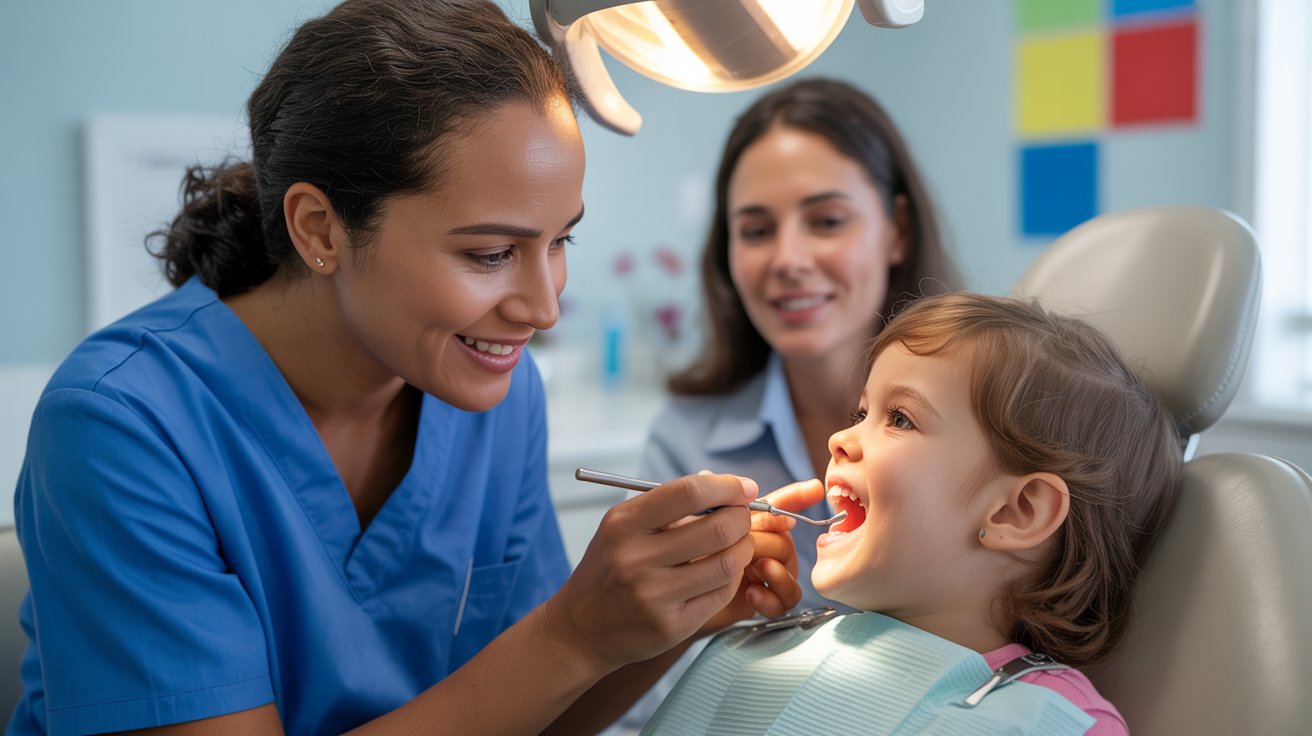
Guidance on routine visits and warning signs that need attention.
Routine Checkups During Molar Eruption
Regular dental visits every six months help track molar development and catch issues early. Dentists can apply sealants or fluoride during these visits as needed.
Signs Your Child Needs Professional Care
Persistent pain, visible dark spots on teeth, or gum swelling around a molar are reasons to schedule a visit sooner rather than later. Trust your instincts if something seems off.
Tips for Helping Your Child Through Molar Eruption
Simple daily care and soothing remedies can make molar eruption easier and more comfortable for your child.
- Offer cold teething toys or chilled washcloths to soothe sore gums
- Stick to a consistent brushing routine, even when your child resists
- Keep sugary snacks limited, especially during teething when comfort foods get tempting
- Schedule regular dental checkups to catch problems before they grow
- Stay patient and calm, since your child often takes cues from your reaction
Conclusion
Watching your little one go through molar eruption is never easy, but you are not alone in this.
My own kid went through rough nights during those six-year molars, and a cold washcloth became our best friend.
Hopefully, this guide gives you the confidence to handle whatever comes next.
If this helped you, drop a comment below and share your own experience.
Pass this along to another parent who might need it too, and check out our other dental care guides for more support.
Frequently Asked Questions
What age do kids usually get their first molars?
Most kids get their first baby molars between 12 and 18 months. This can vary slightly from child to child.
Are six-year molars baby teeth or permanent teeth?
Six-year molars are permanent teeth. They come in behind the baby teeth without replacing any existing tooth.
How long does molar teething pain typically last?
Discomfort usually lasts a few days to about a week per tooth. Symptoms often ease once the molar fully breaks through.
Can molars come in without any pain at all?
Yes, some kids show no symptoms at all during molar eruption. Every child experiences teething differently.
Why do molars get cavities more often than other teeth?
Molars have deep grooves that trap food and bacteria easily. This makes them harder to clean and more prone to decay.