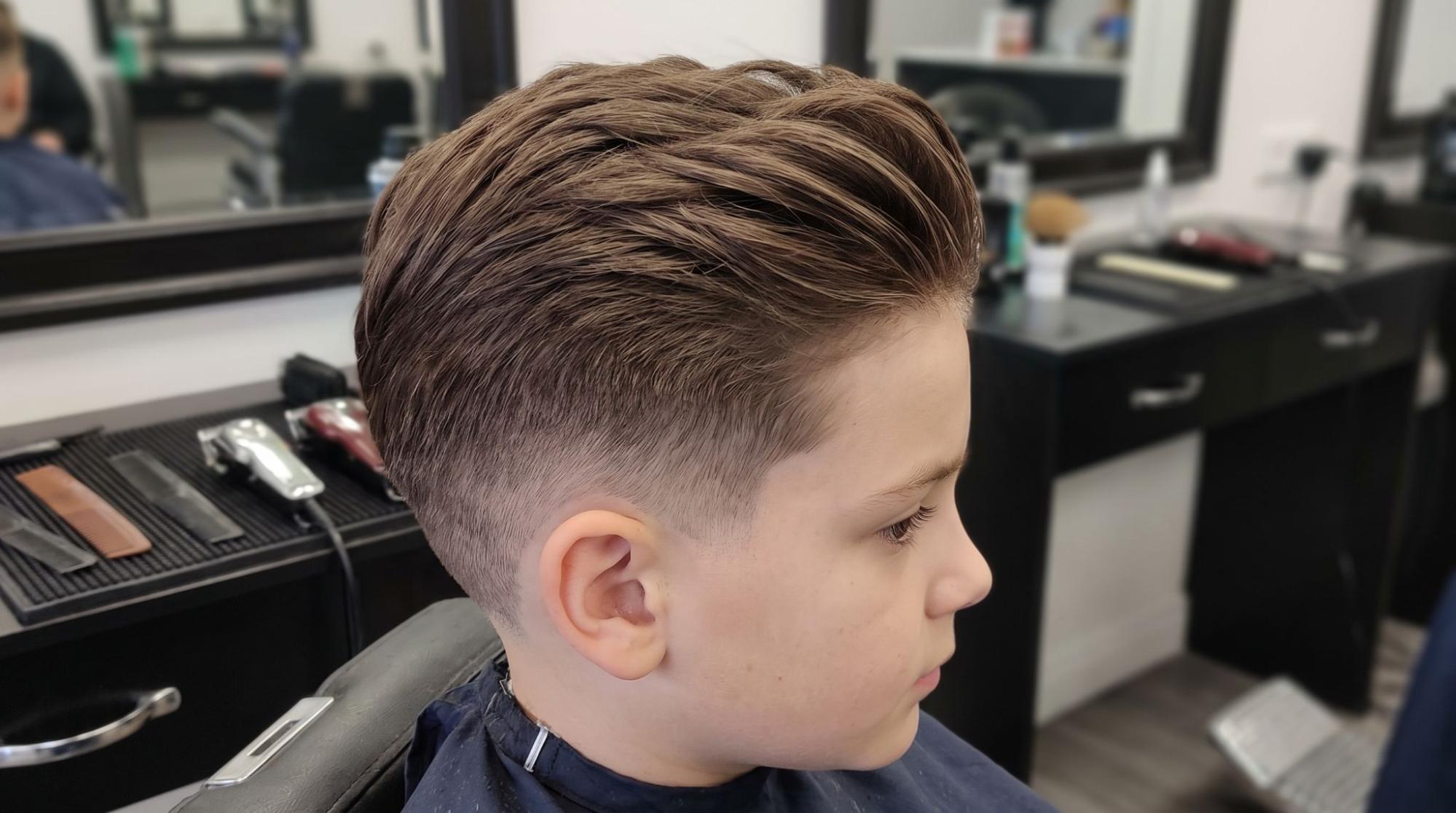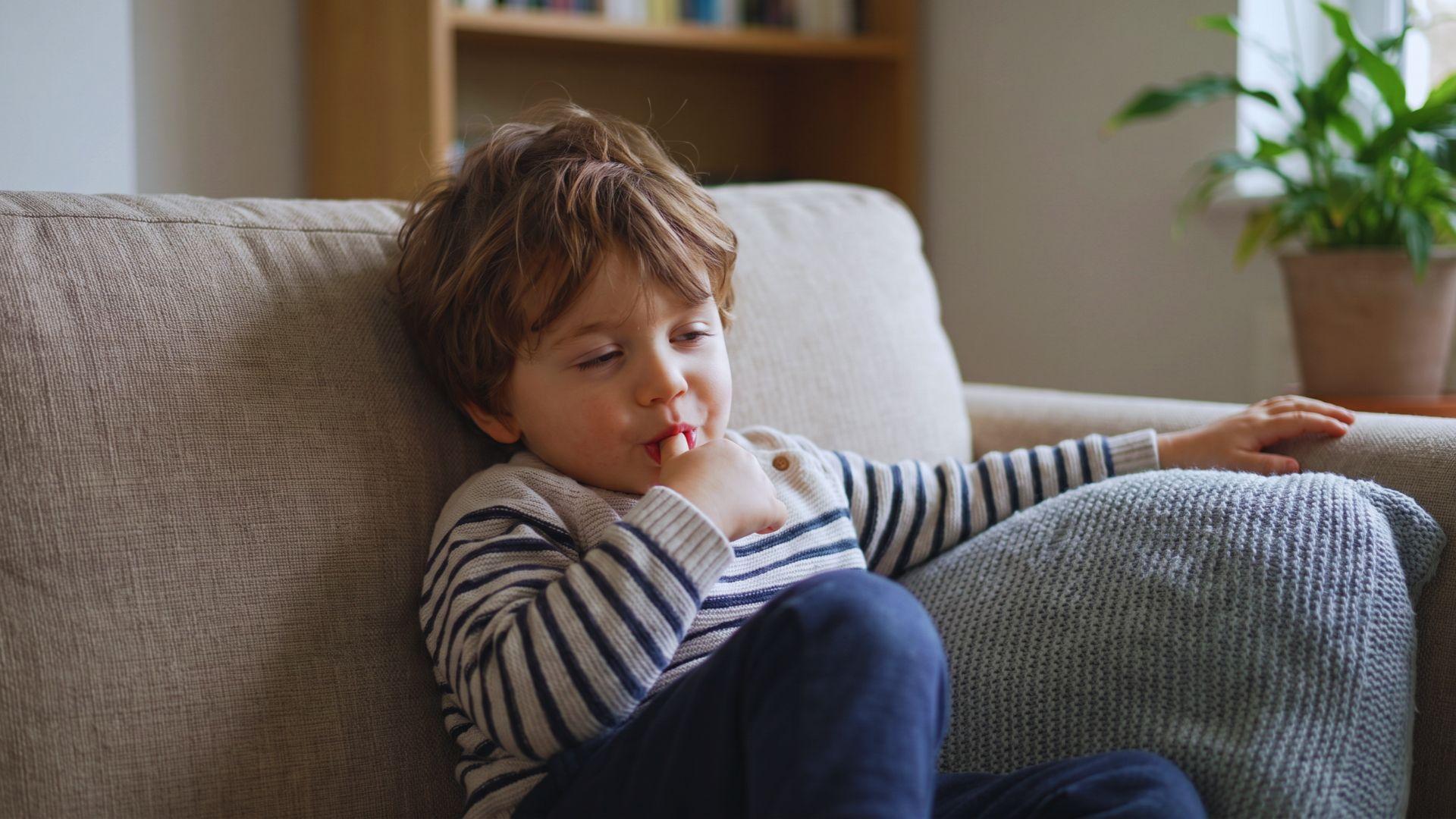
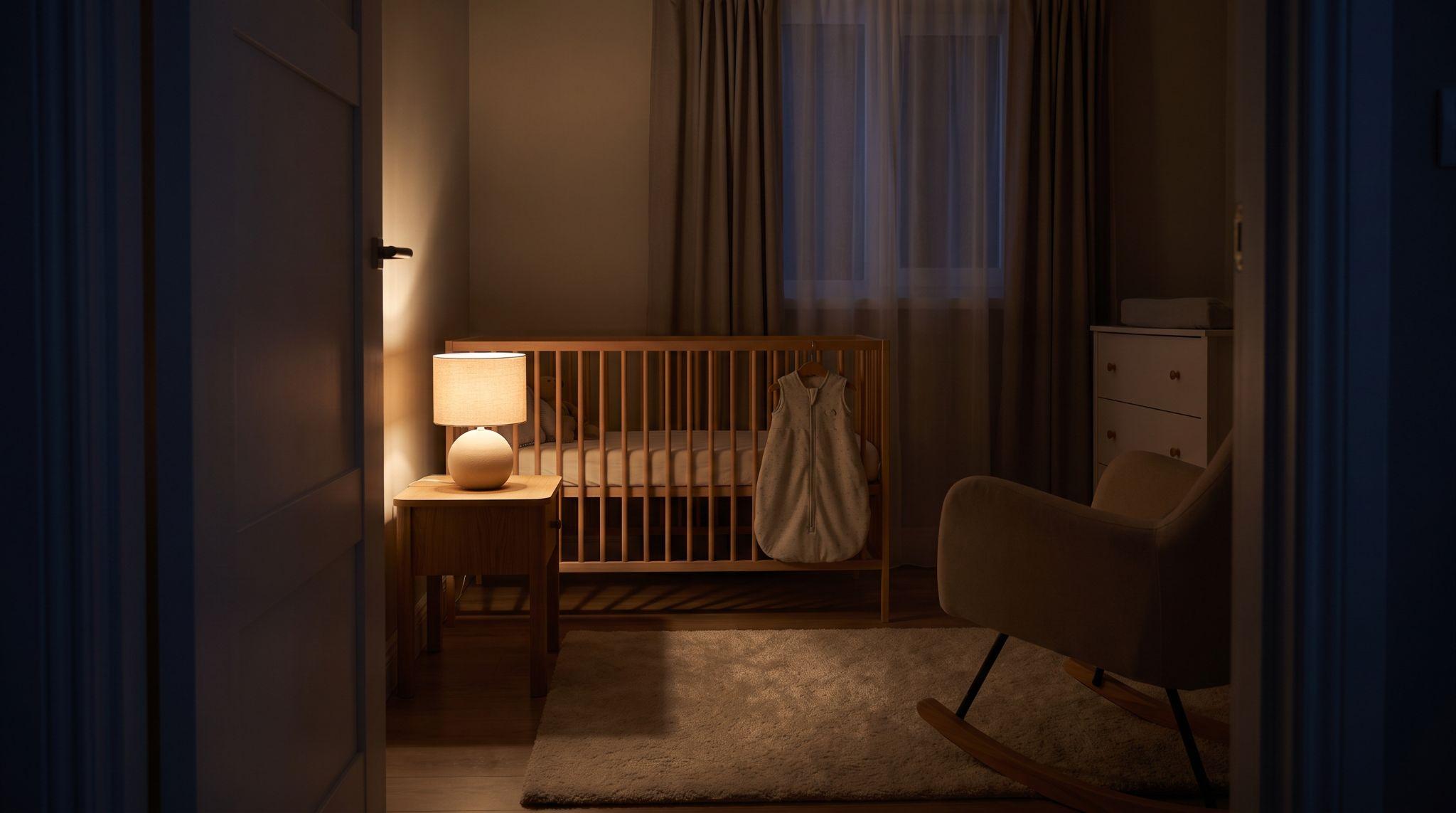
It’s 11 p. m., and your baby was calm in your arms, but the moment you laid them down in a dark room, the crying started.
Are babies scared of the dark, or is something else going on?
Darkness seems like the obvious cause, and that assumption feels logical.
Babies do feel fear, but fear of the dark is a specific kind that depends on imagining what might be hiding in a room you can’t see.
That ability is still developing in infancy, which is why darkness alone is rarely what upsets a baby, even when every instinct says it is.
By the end, you’ll know what is happening in your baby’s brain at night, which causes are more likely behind the tears, and the age when true fear of the dark begins.
Once you see how these stages unfold, nighttime crying starts to make a lot more sense.
What's Actually Going on in a Baby's Brain
Babies don’t yet have the thinking skills that fear of the dark requires, because that fear depends on imagination, which begins to take shape around age two.
When do babies get scared of the dark becomes relevant once this stage of development begins.
Before that point, a baby cannot picture a threat lurking in the shadows, because they can’t yet build mental scenes of things they can’t see.
Babies do experience other fears, though, such as stranger anxiety, which typically begins around 8 to 9 months.
What a baby most often feels at bedtime is discomfort or distress: being cold, hungry, overstimulated, or separated from you.
Those feelings are real, but they are not fear of the dark, and mixing the two up leads parents to fixes that don’t address the actual problem.
Why Your Baby Is Really Crying in the Dark
Darkness isn't the cause, but something real is. Here's what's more likely driving the tears.
Separation Anxiety
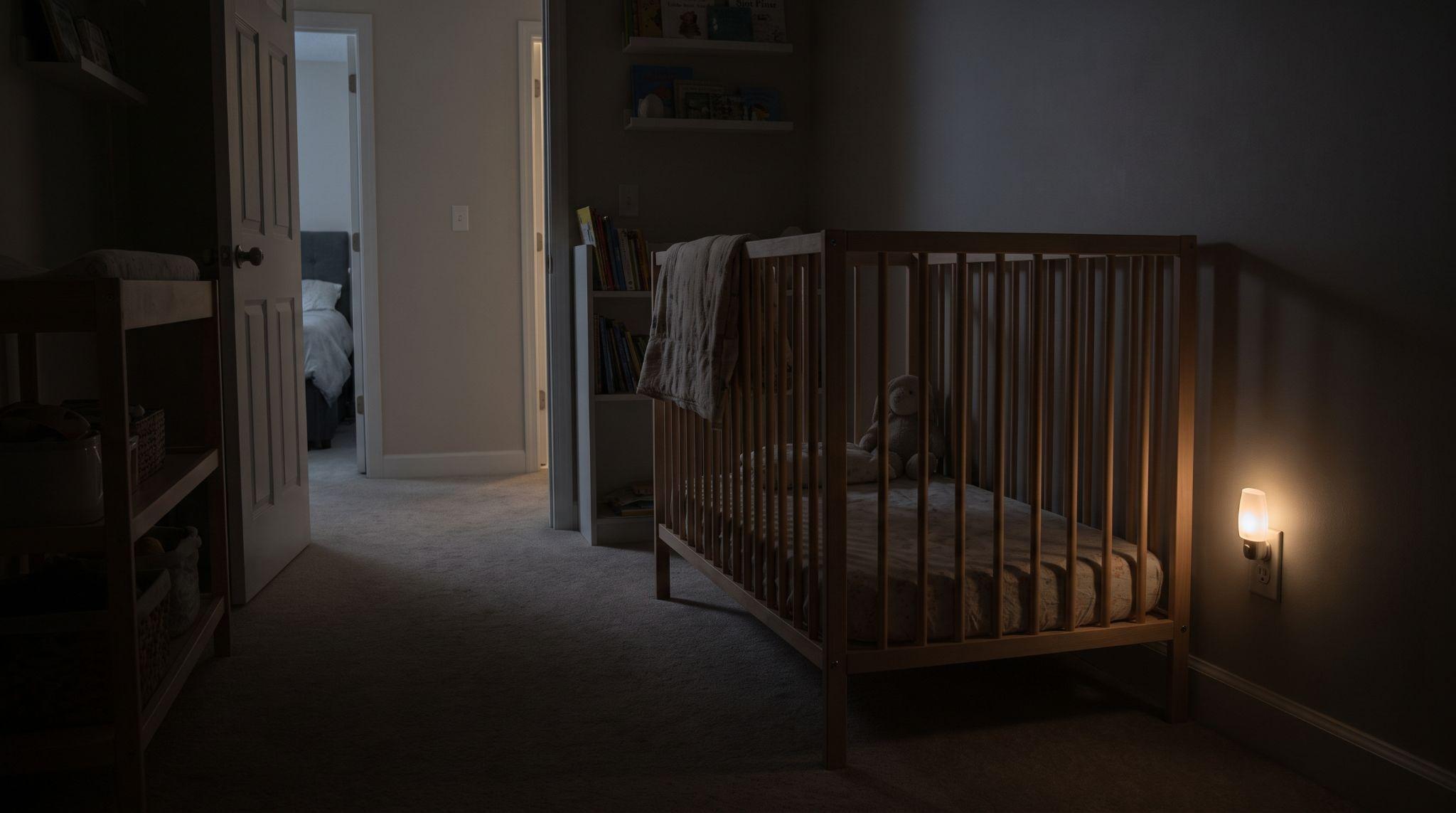
Separation anxiety typically begins around 8 months, peaks between 10 and 18 months, and usually eases by age 2.
At this stage, babies have not fully grasped that you still exist when they can’t see you, so leaving the room can feel permanent to them.
Separation anxiety commonly becomes stronger during the second half of the first year. Being alone in a dark room removes familiar sights, sounds, and smells that help your baby feel secure.
A calm, predictable bedtime routine can gradually teach them that your absence is temporary.
Overtiredness and Sleep Regression
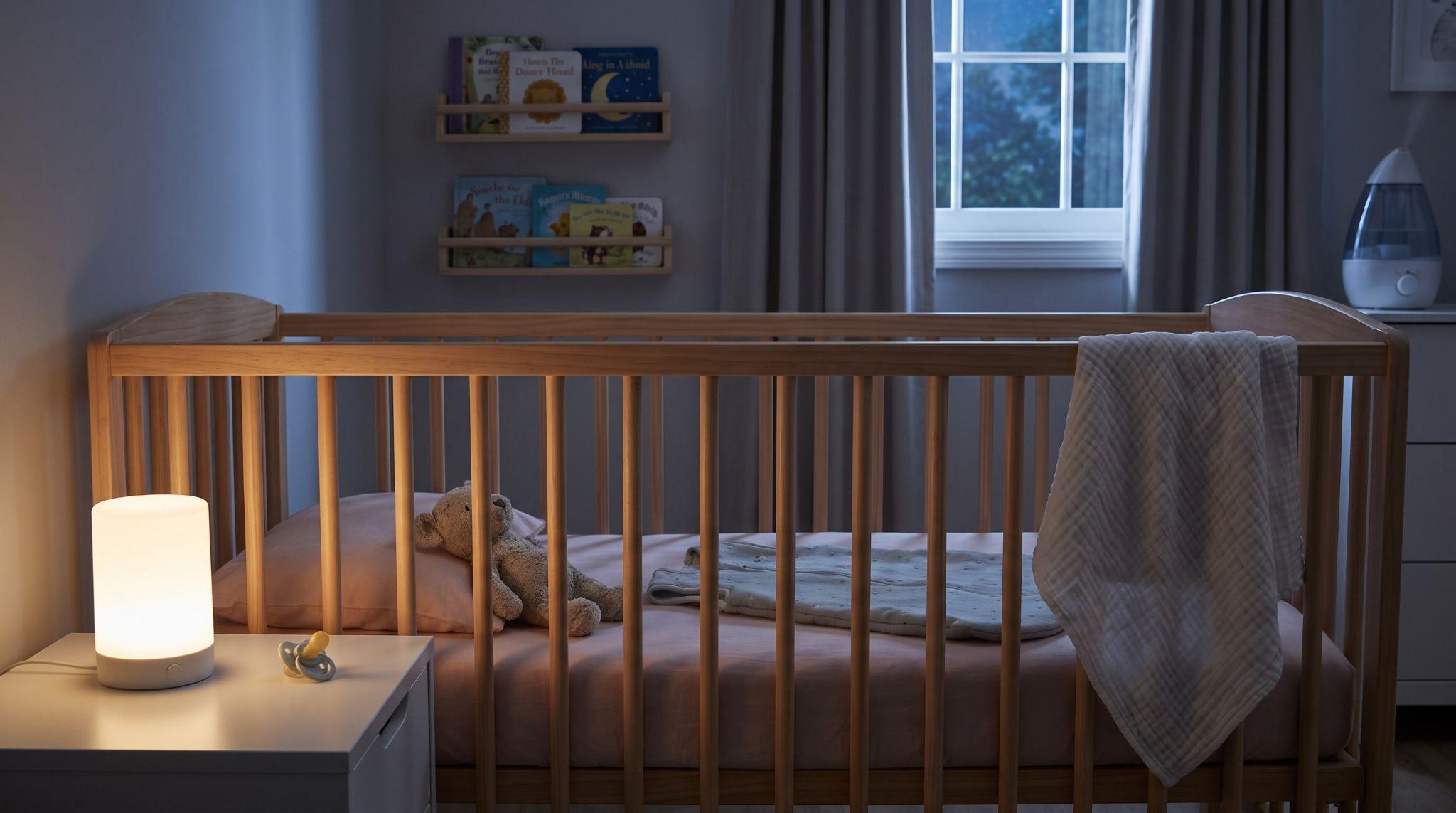
A baby who misses their usual sleep window may fight sleep so strongly that the crying looks like fear.
Overtired babies can become more irritable, startled, and difficult to settle. Changes such as turning off the lights may trigger an even bigger reaction.
Sleep disruptions during developmental changes can add to this problem. The dark room may simply be where the struggle becomes most noticeable.
Teething and Physical Discomfort
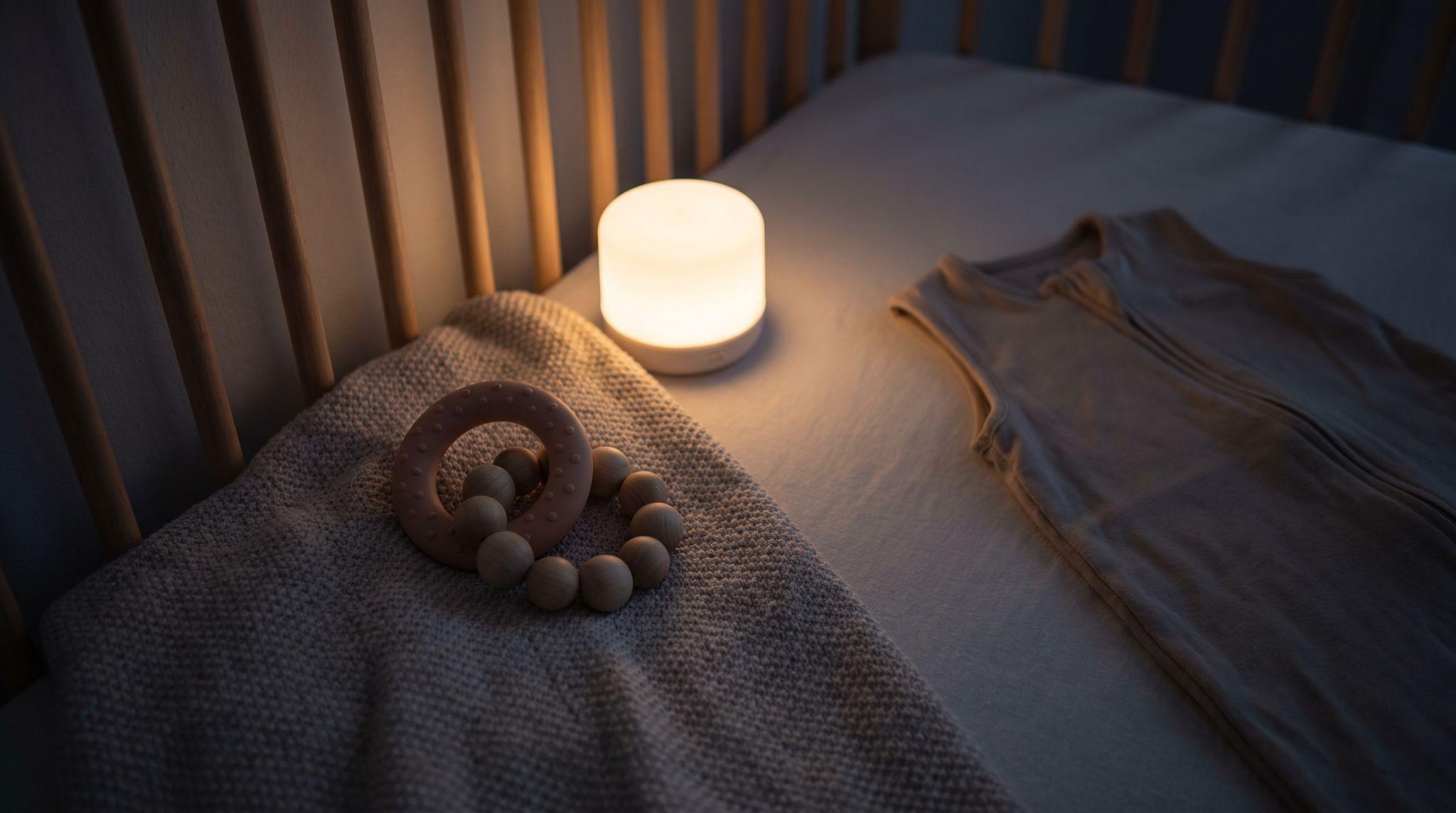
A baby experiencing teething pain or another physical discomfort may cry regardless of whether the room is dark or bright.
At night, fewer distractions can make discomfort seem more noticeable. Look for signs such as extra drooling, swollen or sensitive gums, frequent chewing, or increased fussiness.
If your baby suddenly becomes harder to settle, check for physical discomfort before assuming the darkness is causing the crying.
Teething does not cause a true fever, so a temperature of 100.4°F (38°C) or higher is a reason to call your pediatrician.
How to Tell If Toddler Fear Is Starting
Once your child reaches the toddler years, real fear of the dark becomes possible. Look for these signs that show the fear is more than simple bedtime fussiness.
- Refusing to enter a dark room alone: Your toddler avoids dark bedrooms or hallways and wants you to come along, showing that darkness feels threatening.
- Asking for the light to stay on: Your child specifically asks for the light because they dislike the darkness, suggesting a developing fear.
- Waking at night and calling out immediately: Your toddler wakes, notices the darkness, and quickly calls for you instead of settling back to sleep.
- Describing something in the dark: Your child talks about shadows, shapes, or something hiding, showing that imagination may be turning darkness into a perceived threat.
- Resistance increases over time: If bedtime resistance keeps getting stronger instead of easing, fear of the dark may be contributing to the problem.
When Fear of the Dark Actually Starts
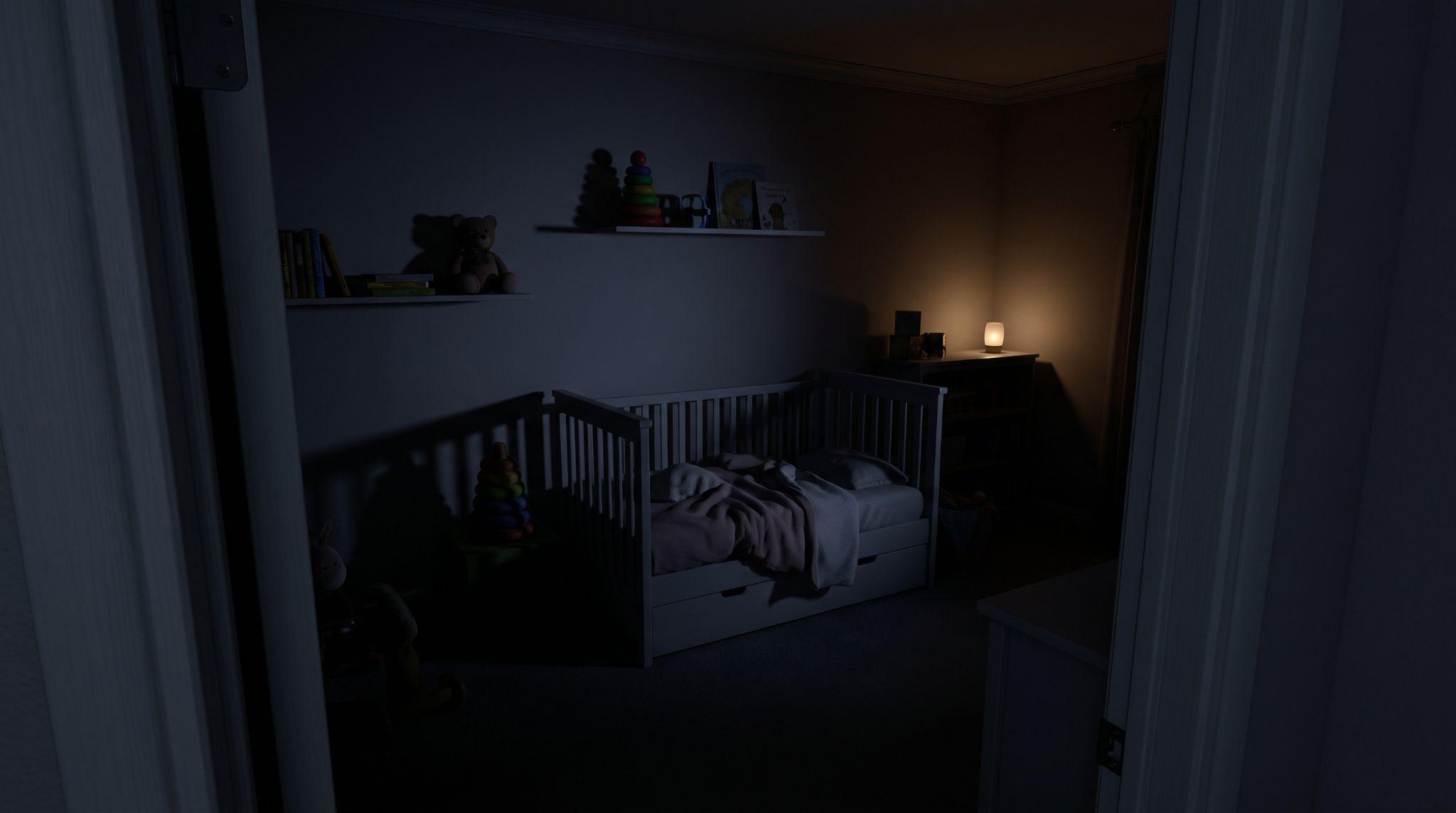
Fear of the dark doesn't arrive randomly. It's tied directly to a specific stage of brain development that happens in early childhood.
Tracing when kids fear darkness back to specific developmental ages makes it easier to separate nighttime behaviors that are genuine fear from those that are simply discomfort in disguise.
Ages 2 to 3: When Imagination Switches On
Around age two, children begin developing the ability to imagine things that are not physically present.
This makes fear of the dark possible for the first time. Before this stage, darkness is simply a change in what they can see.
As imagination grows, a child may start wondering what could be hiding in the shadows. They may believe imagined threats are real, even when nothing is there.
Ages 3 to 6: When the Fear Peaks
Between ages 3 and 6, fear of the dark often becomes more noticeable, because children’s imaginations are active while their ability to separate pretend from real is still developing.
A preschooler may picture monsters, shadows, or strange sounds as real dangers and often needs a parent’s reassurance to feel safe again.
A familiar bedtime routine and calm responses can help children manage these fears.
Keeping lights low in the hour before bed matters too.
In a 2018 CU Boulder study of 10 preschoolers, one hour of bright light before bedtime cut melatonin, the hormone that signals sleep, by 88%, and it stayed suppressed for at least 50 minutes after lights out.
A 2022 follow-up found that even dim light suppressed melatonin by an average of 78%.
If your child asks for a night-light, choose the dimmest setting that still comforts them.
Final Thoughts
Are babies scared of the dark? Rarely, since babies usually struggle because they are tired, uncomfortable, teething, or adjusting to separation, while toddlers and preschoolers can develop real fear of the dark as their imagination grows.
Knowing your child’s developmental stage helps you respond to what they need instead of assuming the dark is the problem.
Keep bedtime predictable, keep lights low before sleep, and offer comfort when your child needs reassurance.
Small, steady changes like these can make nights easier for the whole family. This article is for general information and isn’t a substitute for advice from your child’s pediatrician.
Frequently Asked Questions
How Do I Know if My Baby is Afraid of the Dark?
Watch when the crying happens. If your baby also cries when you leave a lit room, separation or tiredness is the likelier cause, since fear of the dark rarely appears before age 2.
Do Babies Sleep Better With or Without Light?
A dark room usually works best. For night feeds and diaper changes, use the dimmest light you can work with rather than overhead lights or a phone screen.
When do Toddlers Start Getting Scared of the Dark?
It usually appears around age 2 to 3, once imagination develops, and it can last for years. Children’s Hospital Colorado notes that nearly 75% of children ages 4 to 12 report nighttime fears.
What are Signs a Toddler is Afraid of the Dark?
Beyond refusing dark rooms, watch for fear that keeps growing, nightly panic, or worry spreading into daytime. Those patterns suggest the fear needs more support, so mention them to your pediatrician.