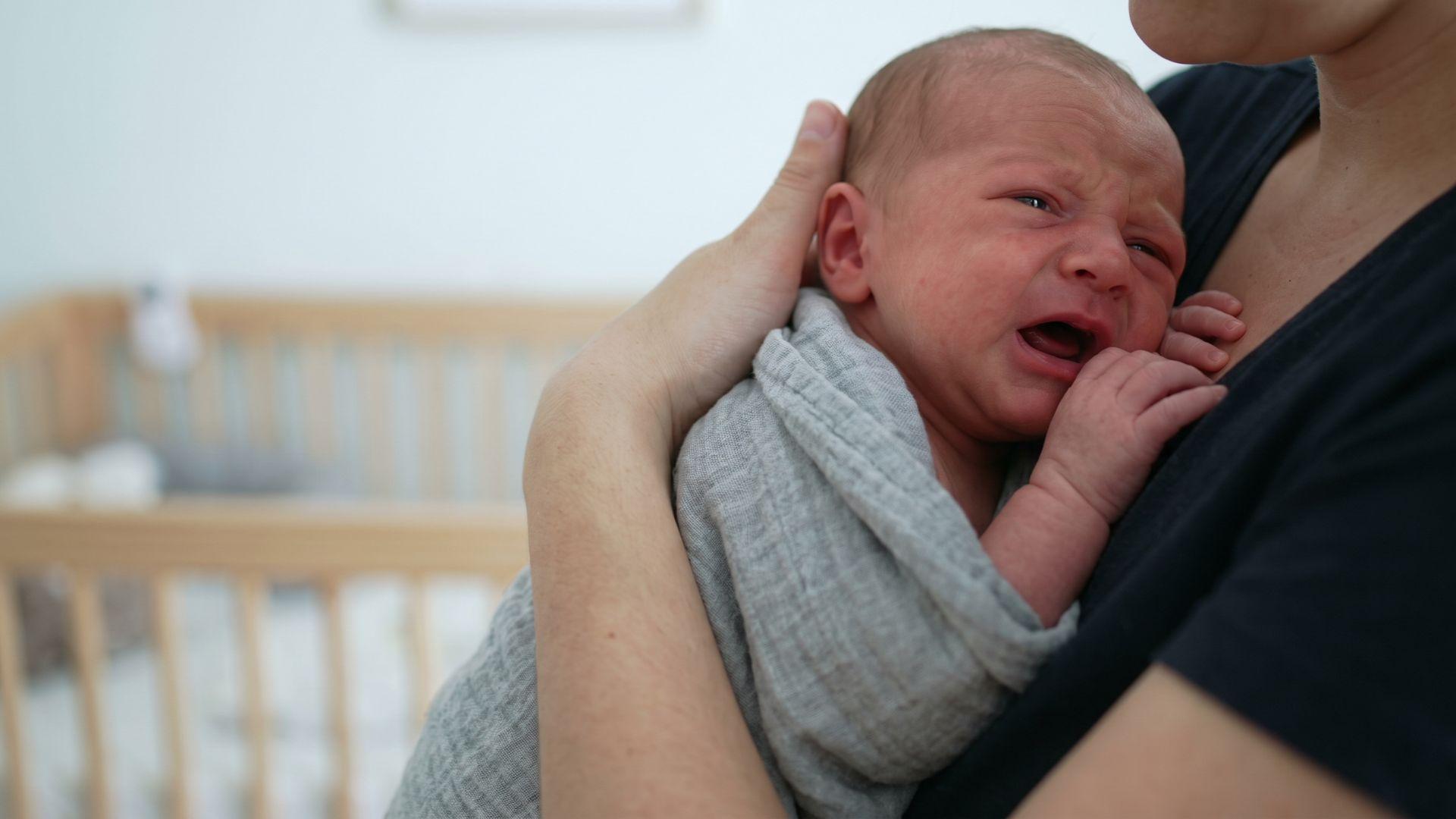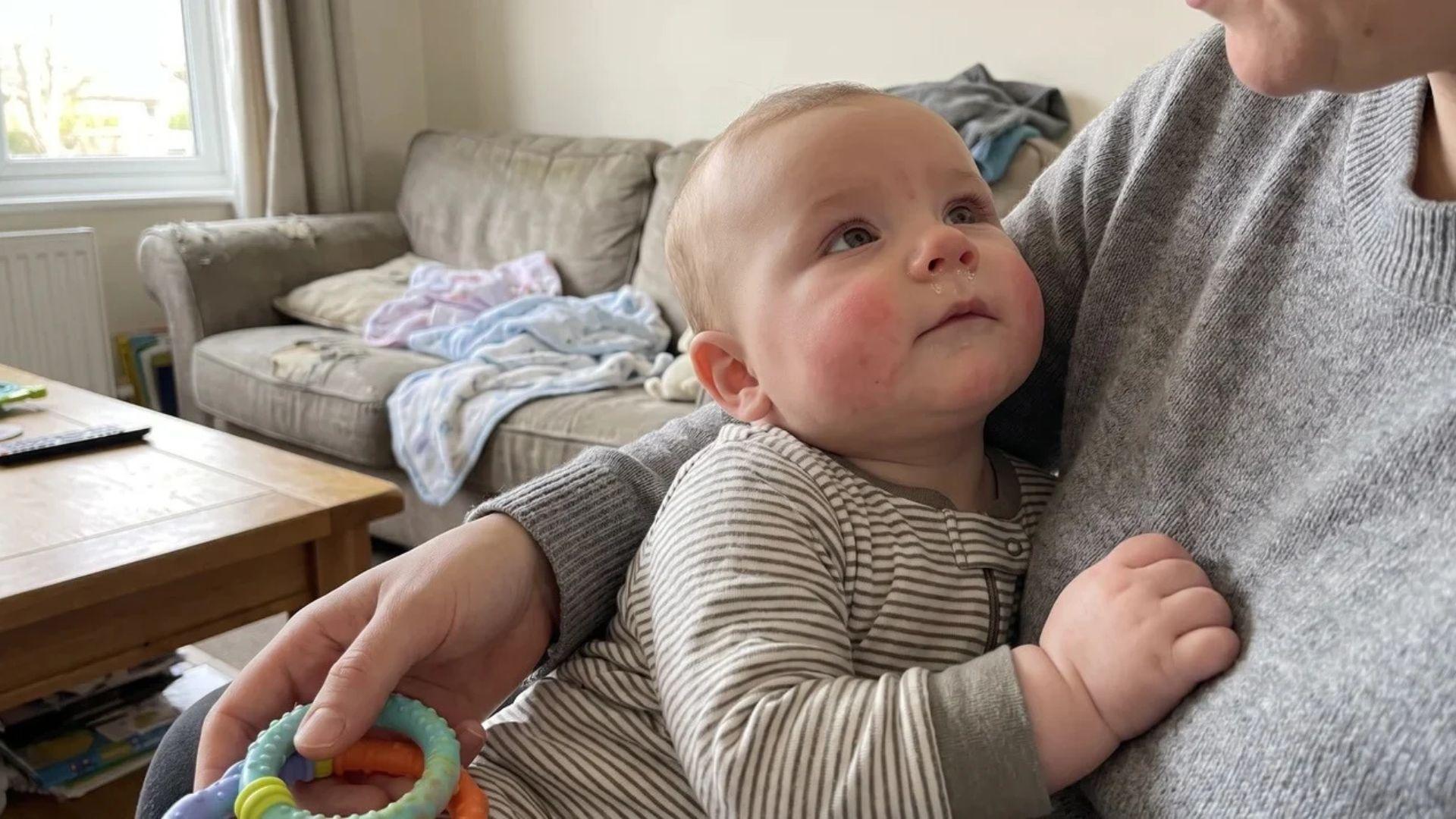
If you've ever stood in your baby's room at 7 a.m., outfit in hand, wondering if it's a one-layer day or a three-layer day, you're not alone.
Weather dressing for daytime is one of those things no one really prepares you for, and getting it wrong means a fussy, overheated, or shivery baby by noon.
Babies cannot regulate their own body temperature the way adults can, which means their clothing needs to be adjusted based on the environment and their own cues throughout the day.
This guide walks you through exactly what your baby should wear based on the temperature outside, the season, and if you're heading indoors or out, so you can feel confident every morning.
What Should Your Baby Wear During the Day?

Getting your baby dressed for the day is more than just picking a cute outfit.
Their bodies lose heat faster, and they cannot tell you when they are too hot or too cold. That makes it your job to dress them right, every single day.
So if you are comfortable in a light shirt, your baby likely needs that shirt plus a thin jacket or wrap.
How Should You Dress a Baby Based on Temperature?
Temperature is the clearest guide you have when choosing what your baby wears during the day.
What Should a Baby Wear Below 60°F (16°C)?
Below 60°F, your baby needs real warmth. Start with a thermal onesie or a long-sleeve bodysuit as the base.
Add a mid-layer like a fleece suit or thick cotton pajamas. Top it with a warm outer layer such as a padded snowsuit or a heavy zip-up jacket.
Cover their head with a snug hat and put socks and booties on their feet. Mittens can help protect your baby's hands during cold or windy outdoor conditions.
If your baby is in a carrier, close body contact can add warmth and reduce airflow, so avoid overdressing and check your baby's temperature regularly.
What Should a Baby Wear at 60–70°F (16–21°C)?
This temperature range can feel tricky because it is not quite cold but not warm either. A long-sleeve onesie paired with pants works as the base. Add a light jacket or a zip-up sweatshirt on top.
Bring a thin hat and keep socks on. If the sun is out and your baby is active, they may warm up quickly, so having an easy-to-remove layer helps.
What Should a Baby Wear at 70–75°F (21–24°C)?
At this range, your baby is likely comfortable in a short-sleeve onesie with light pants or leggings. A thin cardigan or long-sleeve layer is useful if you are going into air-conditioned spaces.
Skip the heavy layers but do not skip the socks if your baby's feet tend to run cold.
What Should a Baby Wear at 75–80°F (24–27°C)?
A short-sleeve onesie or a simple romper is usually enough. Light cotton pants or shorts work well underneath. Breathable fabrics like cotton muslin help your baby stay cool without getting sweaty.
For babies under 6 months, the best sun protection is shade, protective clothing, and limiting direct sun exposure. For babies 6 months and older, a baby-safe sunscreen can be applied to exposed skin when going outdoors.
What Should a Baby Wear Above 80°F (27°C)?
In hot weather, keep it minimal. A single lightweight layer is usually a practical starting point in hot weather, though you should still check your baby's chest and neck for signs of overheating.
A sleeveless onesie or a loose cotton romper lets air circulate without trapping body heat.
Shade, hydration, and cool indoor breaks matter as much as the clothing itself at this temperature.
How Many Layers Should a Baby Wear During the Day?

The one-extra-layer guideline is a useful starting point, but the right number of layers also depends on wind, humidity, your baby's activity level, and if they are being carried or resting.
Use the temperature ranges earlier in this article as guidance, then adjust based on how your baby's chest and neck feel.
What matters most is checking in regularly. A baby's temperature can shift quickly, especially moving between outdoors and air-conditioned buildings.
Feel the back of their neck or their chest. If it feels sweaty or very warm, remove a layer. If it feels cool or cold, add one.
How Should You Dress a Baby for Hot Weather?

Hot weather requires a light touch and smart fabric choices.
Best Clothes and Fabrics for Hot Days
Lightweight cotton is the best choice for hot weather. It absorbs sweat, breathes well, and is gentle on sensitive skin.
Muslin cotton is especially good because it is loosely woven and allows airflow.
Some synthetic fabrics can trap heat or moisture, so breathable natural fabrics are often more comfortable in hot conditions.
Loose-fitting clothes work better than tight fits. A simple cotton romper or a short-sleeve onesie with soft shorts gives your baby room to move and breathe.
How to Keep Baby Comfortable Outdoors
When you take your baby outside in hot weather, timing matters. Try to go out in the early morning or late afternoon when the sun is less intense.
Use a stroller with a canopy or an umbrella for shade. Dress your baby in light clothing and always add a wide-brim hat to protect their face and neck. If your baby is old enough (over six months), apply a baby-safe sunscreen to exposed skin.
Hydration matters in hot weather. Breast milk or infant formula remains the primary source of hydration for young babies. Breastfed babies may feed more frequently in heat.
After 6 months, small sips of water can be introduced alongside milk feeds, in line with infant feeding guidance.
Signs of Overheating to Watch For
Watch for physical signs that your baby may be too warm. If you are concerned about your baby's condition, seek medical advice promptly.
Watch for these warning signs:
- Skin that looks flushed or red
- Sweating on the back of the neck or head
- Rapid breathing
- Fussiness that does not settle easily
- A body that feels hot to the touch even in a cool room
- Unusual sleepiness or difficulty waking
If you notice these signs, move your baby to a cooler area, remove a layer, and offer a feed. If symptoms do not improve quickly, seek medical advice promptly.
How Should You Dress a Baby for Cold Weather?

Cold weather dressing is about layering smart, not just piling on clothes.
Best Layers for Cold Daytime Temperatures
Start with a thermal or long-sleeve base layer that sits close to the skin. Cotton or merino wool are both good options at this layer. Merino wool is naturally temperature-regulating and stays warm even when damp.
Over the base, add a mid-layer like a fleece suit or a thick knit sweater. Then add the outer layer, which should be wind-resistant and warm, like a padded jacket or a full snowsuit for very cold days.
Hats, Socks, and Other Cold-Weather Clothing
A hat can help keep your baby warm in cold outdoor conditions, but remove it when you come indoors or when your baby is sleeping, as overheating is a concern.
A well-fitting hat is not optional in cold weather. Choose one that covers the ears and stays on without being tight.
Socks and booties protect little feet, which cool down fast. Mittens can help protect your baby's hands during cold or windy outdoor conditions.
In a carrier, close body contact adds warmth, so check your baby's temperature regularly and avoid adding too many layers.
How to Keep Baby Warm Without Overheating
Overheating in winter is just as risky as being too cold. Babies dressed in too many layers can overheat even in cool temperatures.
Check the back of your baby's neck or chest regularly when outdoors, especially after changes in weather or activity, and remove a layer if they feel warm or sweaty.
Indoors, always take off the outer layer when you come in from the cold.
How Should You Dress a Baby in Each Season?
Each season brings different conditions, and baby clothing needs to shift with them.
Baby Clothing for Spring Weather
Spring weather is unpredictable. Mornings can be cool while afternoons warm up fast. Dress your baby in light layers you can easily add or remove throughout the day.
A long-sleeve onesie with a light jacket and soft pants is a good starting point. Keep a thin blanket or extra layer in your bag for temperature changes between shaded and sunny spots.
Baby Clothing for Summer Weather
Summer calls for minimal, breathable clothing. Short-sleeve onesies, rompers, and loose cotton outfits are your best options. Always add a sun hat when heading outdoors.
Watch indoor temperatures too. Air conditioning can make indoor spaces surprisingly cold, so keep a light layer available even on the hottest days.
Baby Clothing for Fall Weather
Fall temperatures drop gradually but can vary a lot day to day. Layers work best here. A base layer, a light sweater or hoodie, and a jacket give you flexibility as temperatures shift.
Look for clothes with snaps or zippers for easy removal. Fall is also a good time to check that last year's winter gear still fits before the cold sets in.
Baby Clothing for Winter Weather
In winter, warmth is the priority. A thermal base layer, a mid-layer fleece, and a waterproof outer layer cover most cold days. A snowsuit is worth having for very cold or snowy days.
Always remove bulky outer layers before placing your baby in a car seat.
Use thin layers under the harness. After securing the straps snugly, place a blanket over the harness for warmth if needed. Do not put bulky clothing or padding underneath the harness, as it can prevent a proper fit.
Do not put bulky clothing or padding underneath the harness.
What Should a Baby Wear Indoors vs. Outdoors?
Indoor and outdoor temperatures are often very different, and your baby's clothing should reflect that.
Indoors, most homes stay between 68°F and 72°F, which means one comfortable layer is usually enough.
The NHS recommends a room temperature of around 61–68°F for a baby's sleep environment at night. For daytime dressing indoors, use the room temperature and your baby's comfort as your guide rather than applying sleep-specific guidance to all indoor settings.
When heading outdoors, add layers based on the outside temperature and conditions. When coming back inside, remove those layers promptly to prevent overheating.
In public spaces like malls, grocery stores, or clinics, air conditioning can vary a lot. Always carry a light blanket or an extra layer so you can adjust quickly.
What Fabrics Are Best for Baby Clothes in Different Weather?
Fabric choice affects comfort, temperature regulation, and skin health more than most parents realize.
For warm weather, lightweight cotton and muslin are your best options since they breathe well, absorb sweat, and stay soft against sensitive skin.
Bamboo-based fabrics can feel soft and breathable, depending on how the fabric is made.
In cooler temperatures, merino wool regulates heat without feeling bulky, and fleece works well as a middle layer.
How Can You Tell if Your Baby Is Too Hot or Cold?
Your baby cannot tell you directly, but their body gives clear signals.
To check if they are too hot, feel the back of their neck or the center of their chest. If it feels damp or very warm, they are likely overheated. You may also notice flushing, fussiness, or rapid breathing.
Keep in mind that hands and feet can feel cool even when the baby's overall temperature is comfortable, so check the chest or back of the neck for a more accurate reading.
A room thermometer can help you monitor the environment, particularly during naps and overnight.
If your baby appears seriously unwell, has unusual difficulty waking, concerning changes in breathing, or you are worried about their temperature, seek medical care promptly.
What Are the Most Common Baby Dressing Mistakes?
Even experienced parents fall into some of these patterns. Here are the most common mistakes to avoid.
- Overdressing in warm weather with more layers does not mean safer. Overheating is a real risk, particularly for young babies.
- Forgetting to remove outer layers when coming indoors or getting into a heated car.
- Dressing based only on adult comfort without accounting for the baby's different temperature needs.
- Ignoring how conditions change throughout the day, such as morning cool giving way to afternoon heat.
- Choosing outfits based on appearance rather than comfort and appropriateness for the temperature.
- Placing a baby in a car seat in bulky outerwear, which can prevent the harness from fitting correctly in a crash.
What Should You Pack for a Baby When the Weather Changes?

Unexpected weather changes are easier to handle when you have a few key items in your bag.
For warm days, pack:
- A spare lightweight onesie or romper
- A wide-brim sun hat
- A thin muslin blanket for air-conditioned spaces
For cooler days, pack:
- A fleece jacket or zip-up layer
- An extra hat and socks
- Mittens for very cold or windy conditions
- A spare mid-layer in case one gets wet
If your baby is in a carrier, close body contact adds warmth, so you may need fewer extra layers than you expect.
The Best Tips for Dressing a Baby During the Day
Here are some practical tips that make daily dressing easier and safer.
- Check your baby's chest or the back of their neck, not their hands or feet, to get an accurate read on temperature.
- Dress for the full day's forecast each morning, not just the temperature when you step out.
- Choose clothes with easy snaps or zippers so you can adjust layers quickly without fuss.
- Remove outer layers each time you move indoors and add them back when heading out again.
- Use a room thermometer indoors to take the guesswork out of daytime dressing.
- Choose lightweight, breathable clothing in hot weather and insulating layers in cold weather.
Conclusion
Weather dressing a baby for daytime does not have to feel like a guessing game every morning.
With a simple understanding of temperature ranges, the right fabrics, and the one-extra-layer rule, you can dress your baby confidently in any condition.
Trust what your baby's body is telling you and adjust as the day changes.
If this guide helped you, share it with another parent who could use it, or drop your questions in the comments below.
For more practical baby care tips, take a look at our related guides on safe sleep dressing and outdoor baby gear.
Frequently Asked Questions
Can a Blanket Replace Extra Clothing Layers?
A lightweight blanket can be useful during supervised outings in a stroller, but loose blankets should not be used around a sleeping infant. Clothing layers are more reliable for keeping your baby appropriately dressed throughout the day.
How Should I Dress a Newborn Differently?
Newborns are more vulnerable to temperature changes because their thermoregulation is still developing. Pay close attention to the environment and your baby's cues, and check their chest or neck frequently. As babies grow, their ability to maintain body temperature improves, but it is still important to dress them appropriately for conditions.
Is it safe to dress my baby in wool directly against their skin?
Merino wool is fine for most babies since it is soft and non-scratchy. Standard wool can irritate skin, so always use a cotton base layer underneath.
What should my baby wear in a car seat in cold weather?
Remove bulky coats before buckling. Use a thin layer under the harness and place a blanket or car seat cover over the baby after securing the straps.
How often should I check my baby's temperature when outdoors?
Check every 20 to 30 minutes by feeling the back of the neck. In very hot or very cold conditions, check more frequently and adjust clothing as needed.