
Yes, babies can have dates. Both the American Academy of Pediatrics (AAP) and the World Health Organization (WHO) recommend introducing solid foods around 6 months of age, and dates can be part of that diet with the right preparation.
Dates are naturally sweet and soft when fresh, but they're also sticky and dense.
That texture needs to match your baby's eating skills. A brand-new eater needs very different preparation than a 10-month-old who's getting the hang of chewing.
The pit always comes out first. No exceptions. After that, it's about texture: mashed, pureed, or chopped depending on where your baby is in their solid food journey.
Here's a quick look at the most common questions parents ask before getting started.
Note: This article provides general guidance only. Every baby is different. Always speak to your pediatrician before introducing new foods, especially if your baby has any health conditions, allergies, or was born prematurely.
Quick Takeaways
| Question | Quick Answer |
| Can babies have dates? | Yes, around 6 months when ready for solids |
| Do dates need to be pitted? | Yes, always remove the pit |
| Can babies eat whole dates? | Avoid firm or difficult-to-chew dates; prep depends on age and skills |
| Are dried dates okay? | Yes, when fully softened and prepared appropriately |
When Can Babies Have Dates?

Around 6 months is when most babies begin solids, and that's generally when dates can come in too.
But the age is just a starting point, readiness signs matter more than a number on the calendar.
According to the AAP and WHO, key signs of readiness include being able to sit with minimal support, having good head and neck control, and showing interest in food by opening the mouth when food is offered.
Do not introduce any solid food, including dates, before your baby shows these signs.
A younger baby just starting out needs dates fully softened, mashed, or pureed. There's no room for chunks at this stage.
As your baby develops more eating skills, stronger jaw movement, and better hand-to-mouth coordination, you can slowly move toward finely chopped or softly textured pieces.
Fresh dates that are very soft and ripe are easier to work with early on.
Dried dates take more prep because they're firmer and more concentrated.
Either works, but dried ones need to be fully rehydrated before you do anything else with them.
Are Dates Safe for Babies?
Dates are safe when prepared correctly. The risks come from skipping steps.
Here's what actually matters for safety:
- Only offer solid foods once your baby can sit with support: A baby who cannot hold an upright seated position has a significantly higher risk of choking on any solid food, regardless of texture. This is a key readiness criterion from both the AAP and WHO before any solid food introduction.
- Remove the pit every single time: It's a hard, dense object that doesn't belong near a baby.
- Avoid firm or chewy dates: If you can't squish it easily between your fingers, it's not ready for your baby.
- Keep the texture age-appropriate: Sticky, dense food that hasn't been softened or mashed enough is a choking risk.
- Always sit your baby upright during meals: No eating lying down or in a reclined seat.
- Stay in the room and watch: Every bite, every time.
The safety checklist isn't complicated. It just requires consistency.
What Makes Dates a Choking Risk?

Three things: the pit, the stickiness, and pieces that are too big.
Dates cling to the roof of the mouth and don't break apart the way softer foods do.
A chunk that's too large, or a date that's still firm, can block the airway quickly. The pit is rigid and exactly the wrong size.
When you remove the pit, fully soften the date, and serve it in the right texture for your baby's age, the risk drops significantly.
How Should You Prepare Dates for a Baby?
Preparation changes as your baby grows. Here's a simple breakdown:
| Baby's Stage | Date Preparation |
| Starting solids | Fully softened, mashed, or pureed |
| Developing eating skills | Finely chopped or soft mashed pieces |
| Older baby or toddler | Soft, small pieces when safely manageable |
For dried dates:Remove the pit first. Then soak in warm water until fully soft, this is non-negotiable.
Once they're soft all the way through, mash, puree, or chop based on your baby's current skills.
For fresh dates: Check that they're genuinely soft. Squeeze one before serving. If it gives easily, it's ready to prep. If it feels firm at all, soften it before offering.
Are Dates Healthy for Babies?
Yes, dates bring some real nutritional value to the table.
Key nutrients found in dates:
- Fiber: supports digestion
- Potassium: important for heart and muscle function
- Folate: supports cell growth, though dates contain only small amounts (around 1 to 2% of daily value per date, per USDA data), so they should not be relied on as a primary folate source for your baby.
- Vitamin B6: contributes to brain development, dates contain a modest amount (around 4% of daily value per Medjool date, per USDA FoodData Central data).
- Polyphenols: dates contain small amounts of naturally occurring plant compounds including flavonoids and phenolic acids.
Dates work well as part of a varied diet. They're not a superfood that fixes everything, but they're a genuinely nutritious option compared to processed sweet foods.
One thing worth knowing: dried dates have more concentrated natural sugars than fresh ones because most of the water is gone. That doesn't make them off-limits, but it's worth keeping portions reasonable and balancing them with other foods.
How Much Date Can a Baby Eat?
Start small. A teaspoon or so of mashed date is a reasonable starting point when you're first introducing it, though there is no fixed rule.
Follow your baby's cues and ask your pediatrician if you are unsure about portion sizes specific to your baby's age and weight.
Watch how your baby responds over the next day or two. No reaction? You can gradually offer a little more over time.
There's no rigid weekly quota to follow. Focus on variety in your baby's overall diet rather than tracking dates specifically.
If your baby tolerates them well and enjoys them, they can appear regularly without any issue.
Can Dates Cause Gas or Loose Stools?

Possibly, yes, especially if your baby has a lot at once.
Dates contain fiber, and fiber moves things along in the digestive system. That's fine in appropriate amounts.
But too much fiber at once can lead to gas, bloating, or loose stools in babies.
The CDC recommends introducing new foods one at a time and waiting a few days before introducing another new food, so you can observe your baby's response.
The same principle applies to dates, start with a small amount and watch how your baby's digestive system responds before offering more."
Start with a small amount and pay attention to how your baby's belly responds.
If you notice discomfort or changes in stool consistency, pull back and try again with a smaller portion later.
Can Babies Have Date Syrup?

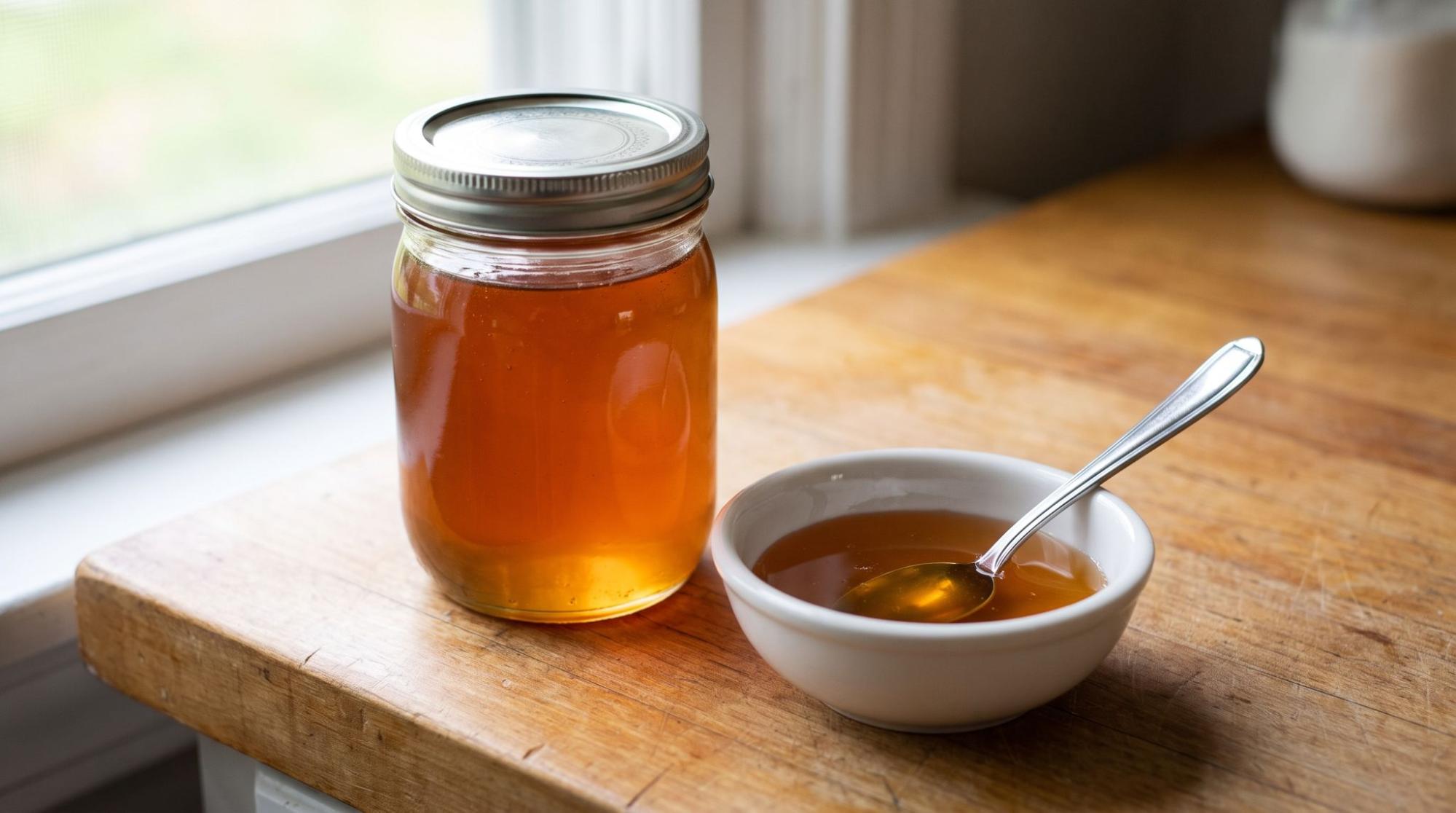
Date syrup is not the same as whole dates. When dates are processed into syrup, most of the fiber is removed.
Fiber in whole dates slows down how the natural sugars are absorbed by the body.
Without that fiber, the sugars in date syrup are absorbed more quickly, similar to how other fruit syrups and concentrates behave.
The WHO classifies sugars naturally present in syrups and fruit juice concentrates as 'free sugars,' meaning they behave differently in the body than sugars found in whole fruit.
Unlike honey, date syrup does not carry a botulism risk for babies.
However, for babies under 12 months, whole dates prepared as a mash or paste remain a better choice than date syrup, because they retain fiber and provide a more balanced nutritional profile.
If you want to use dates for your baby, whole fruit prepared appropriately is the better option.
Sum Up
Babies can have dates once they're ready for solid foods, usually around 6 months.
The key is always removing the pit, matching the texture to your baby's eating skills, and starting small.
Dates can be a genuinely good addition to your baby's meals when prepared right.
If you're still figuring out what other foods to introduce alongside dates, take a look at our guide on starting solids for practical next steps. Drop a comment below if you have questions, I'm happy to help.
Frequently Asked Questions
Can babies have Medjool dates specifically?
Yes. Medjool dates are soft and naturally sweet, making them one of the easier varieties to prepare for babies. Always remove the pit and mash or puree for younger eaters.
Can I add dates to baby oatmeal or porridge?
Yes. Mashed or pureed dates mix well into baby oatmeal and add natural sweetness without refined sugar. Start with a small amount to see how your baby tolerates it.
Are dates safe for babies with no teeth?
Yes, when fully softened and mashed. Babies don't need teeth to eat soft foods. Gums can manage well-mashed textures, so preparation matters more than tooth count.
Can I give my baby date paste?
Yes. Date paste made from pitted, softened, blended dates is a good option for younger babies and works as a natural sweetener in purees or porridge.