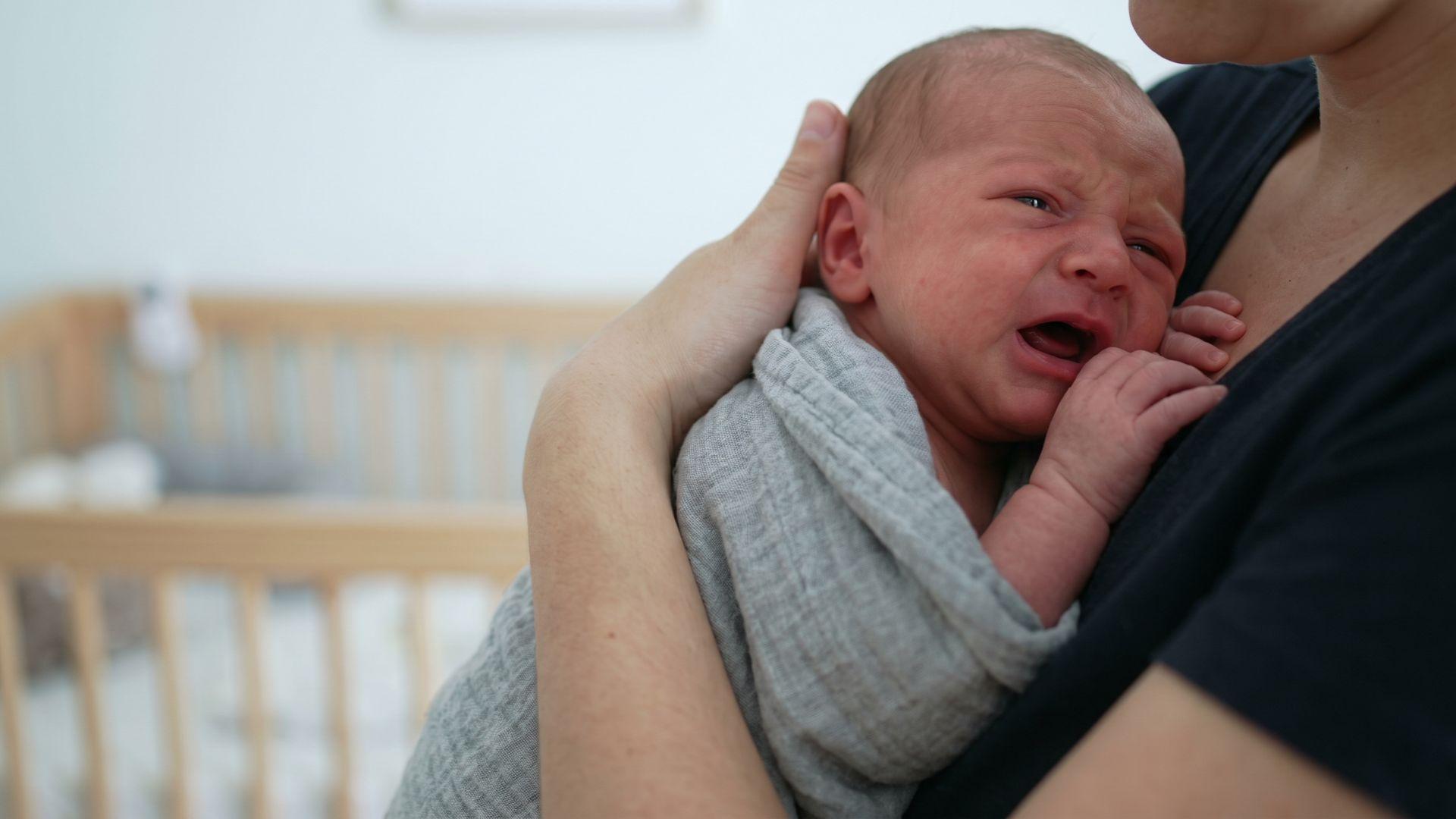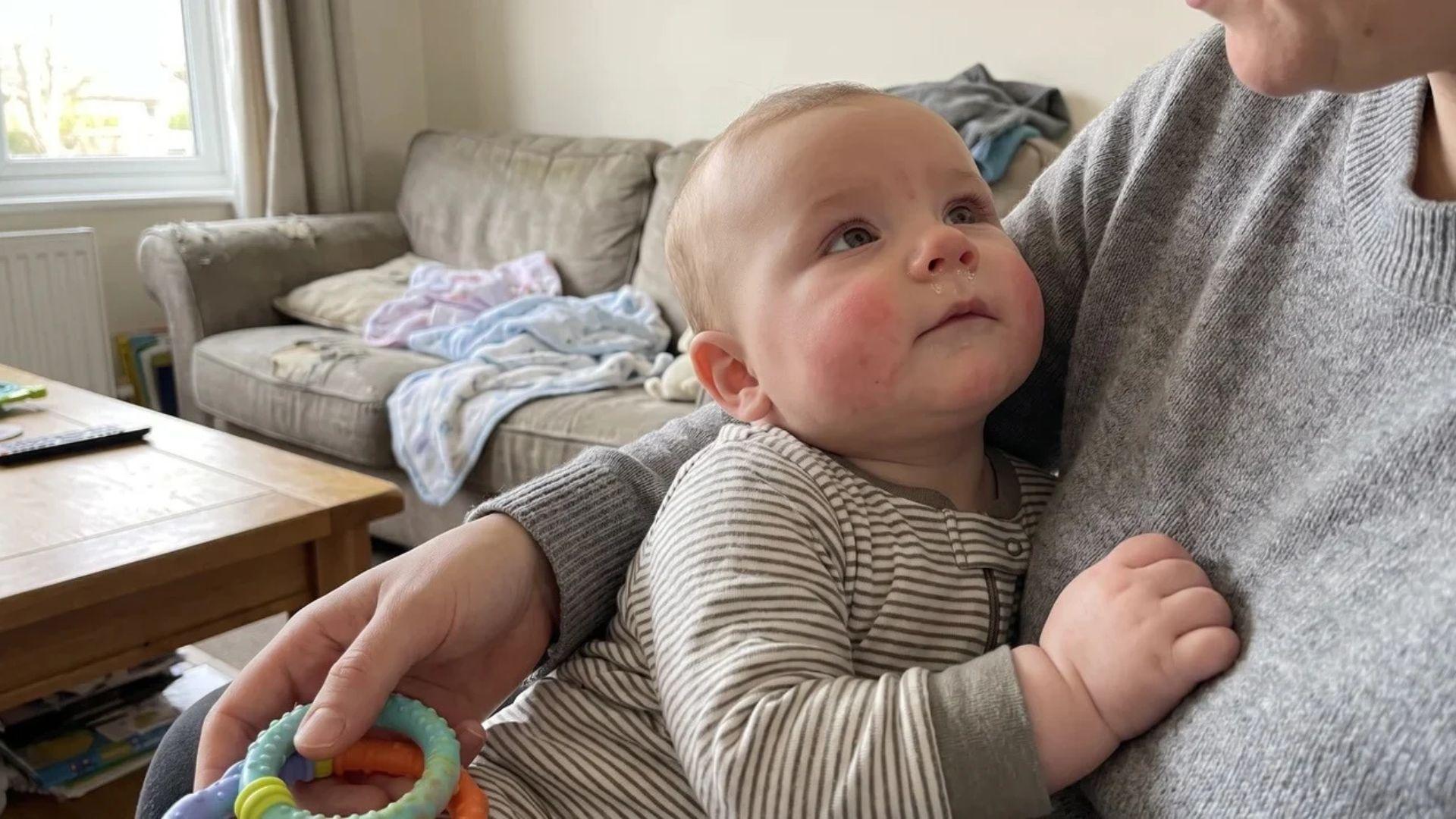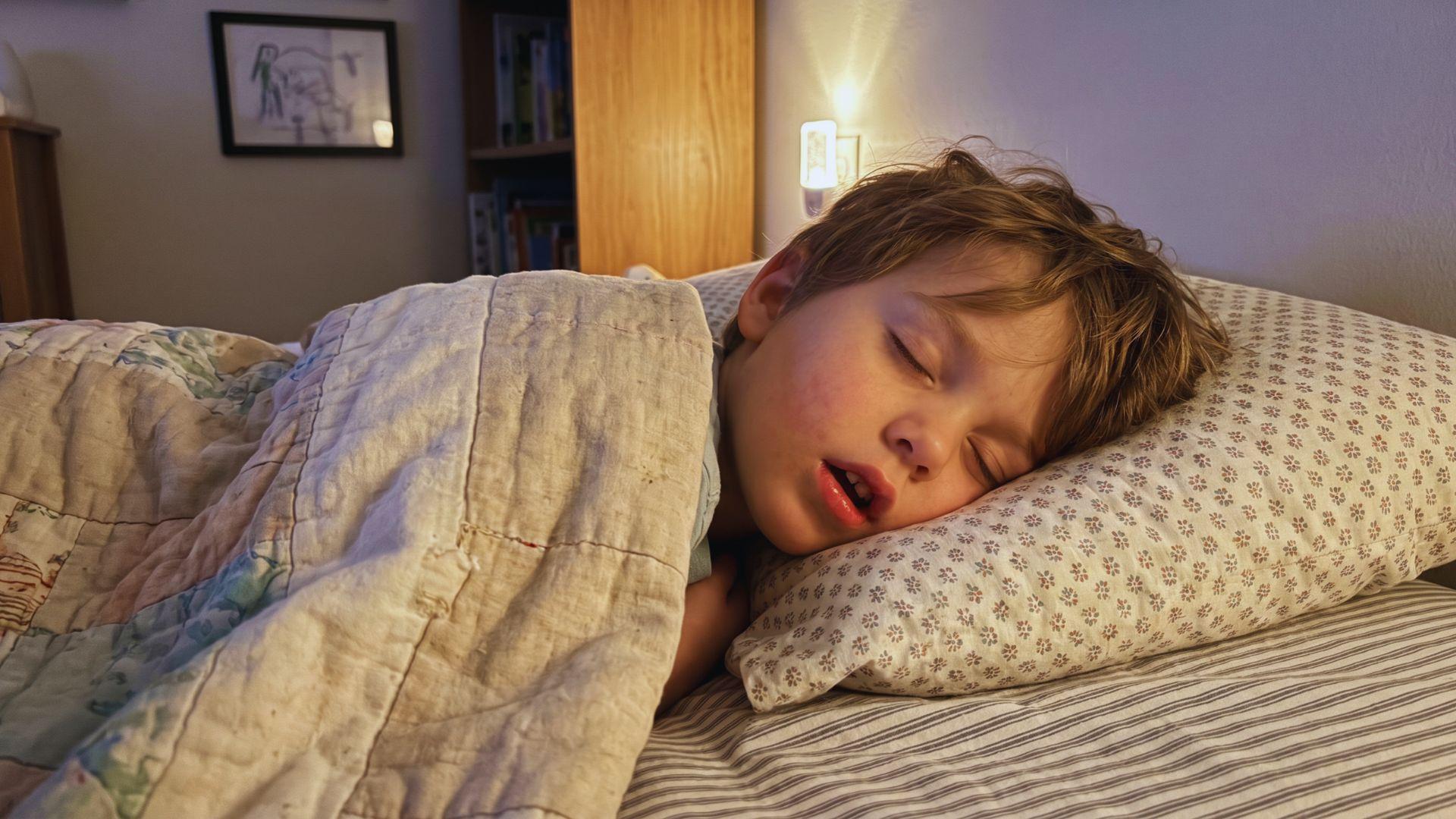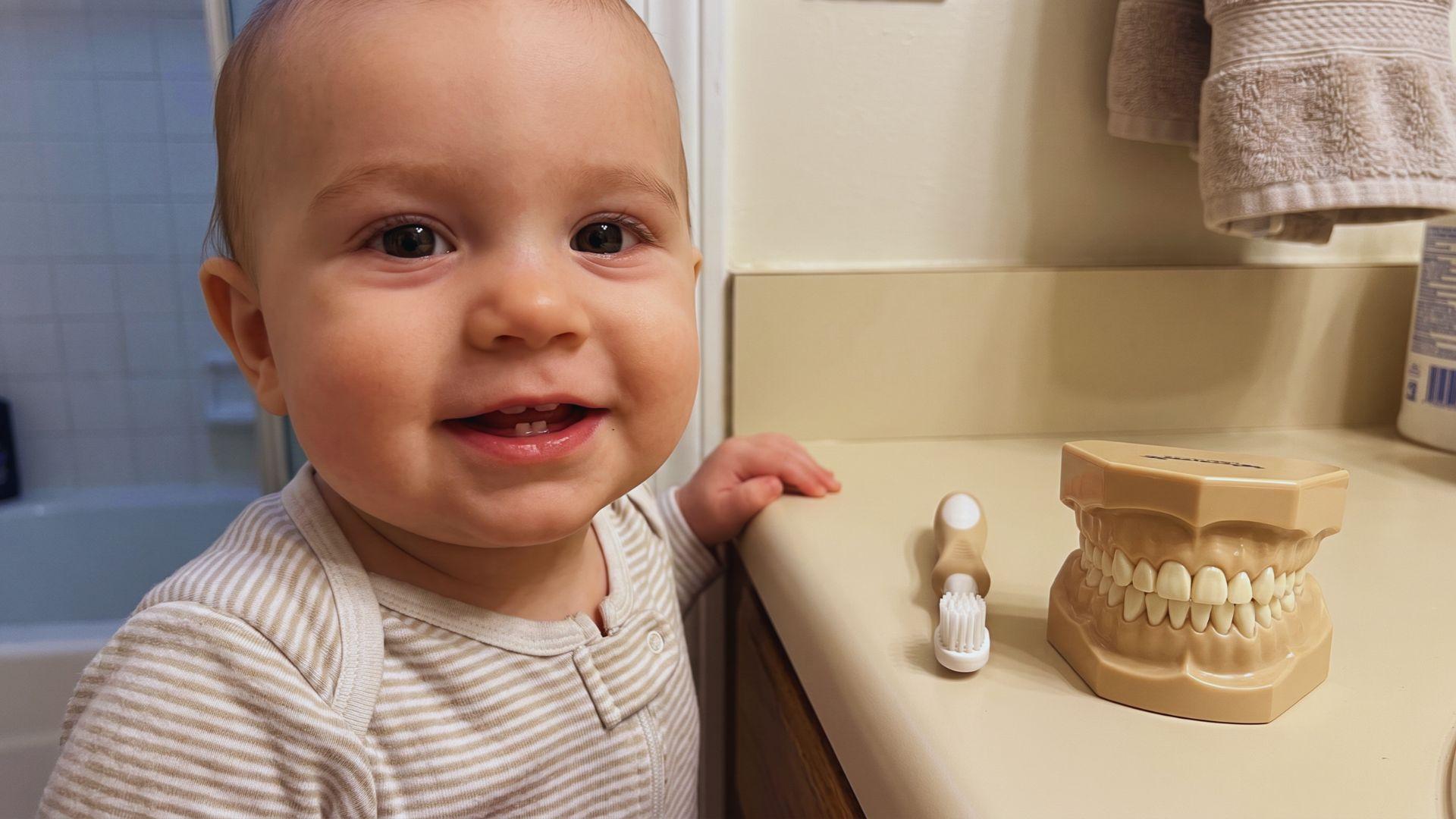
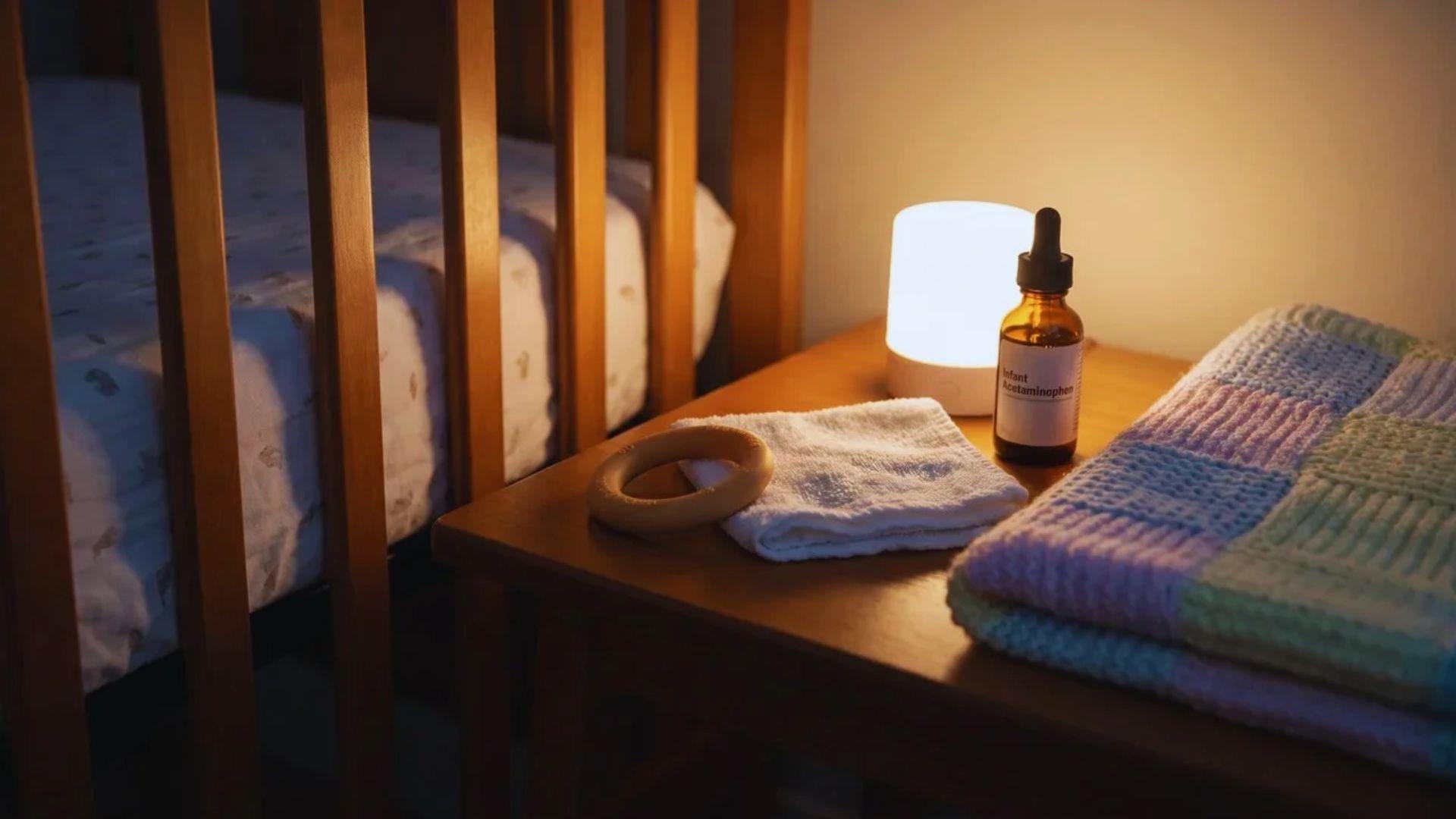
Teething nights are hard, for your baby and for you. The crying starts, you try everything within reach, and nothing seems to work for long.
Learning how to soothe a teething baby at night gets easier when you stop treating it as a list of options and start treating it as a sequence.
The methods aren’t the problem. Trying them in the wrong order is.
I’ll give you that sequence, so you spend less time guessing and more time getting your baby back to sleep.
Understanding Why Teething Feels Worse at Night
Teething pain feels worse at night because nothing is left to compete with it. During the day, feeding, movement, and noise compete with the discomfort.
By bedtime, none of that is there. The same level of inflammation that your baby handled fine at dinner becomes the only thing they can feel.
Some parents also notice unexpected shifts in their baby’s routine during this stretch.
Understanding whether babies sleep more when teething or less helps you read their cues more accurately before you even start.
That’s why soothing a teething baby at night works best as a sequence. Start with touch, move to cold if needed, and use medication only when physical methods aren’t working.
Starting with the least stimulating method keeps a drowsy baby from waking further, and each step escalates only if the one before it didn’t work.
The goal isn’t to stop the pain completely. It’s to bring it down enough that your baby can sleep.
The sequence works because each step is chosen for a reason. Here is exactly what to do and when to move on.
How to Soothe a Teething Baby at Night: Step-by-Step
Order matters here. Reaching for comfort before you’ve addressed the pain just delays relief and keeps your baby crying longer.
These four steps follow a clear sequence. Each one escalates only if the previous step didn’t settle things.
Step 1: Massage the Gums First
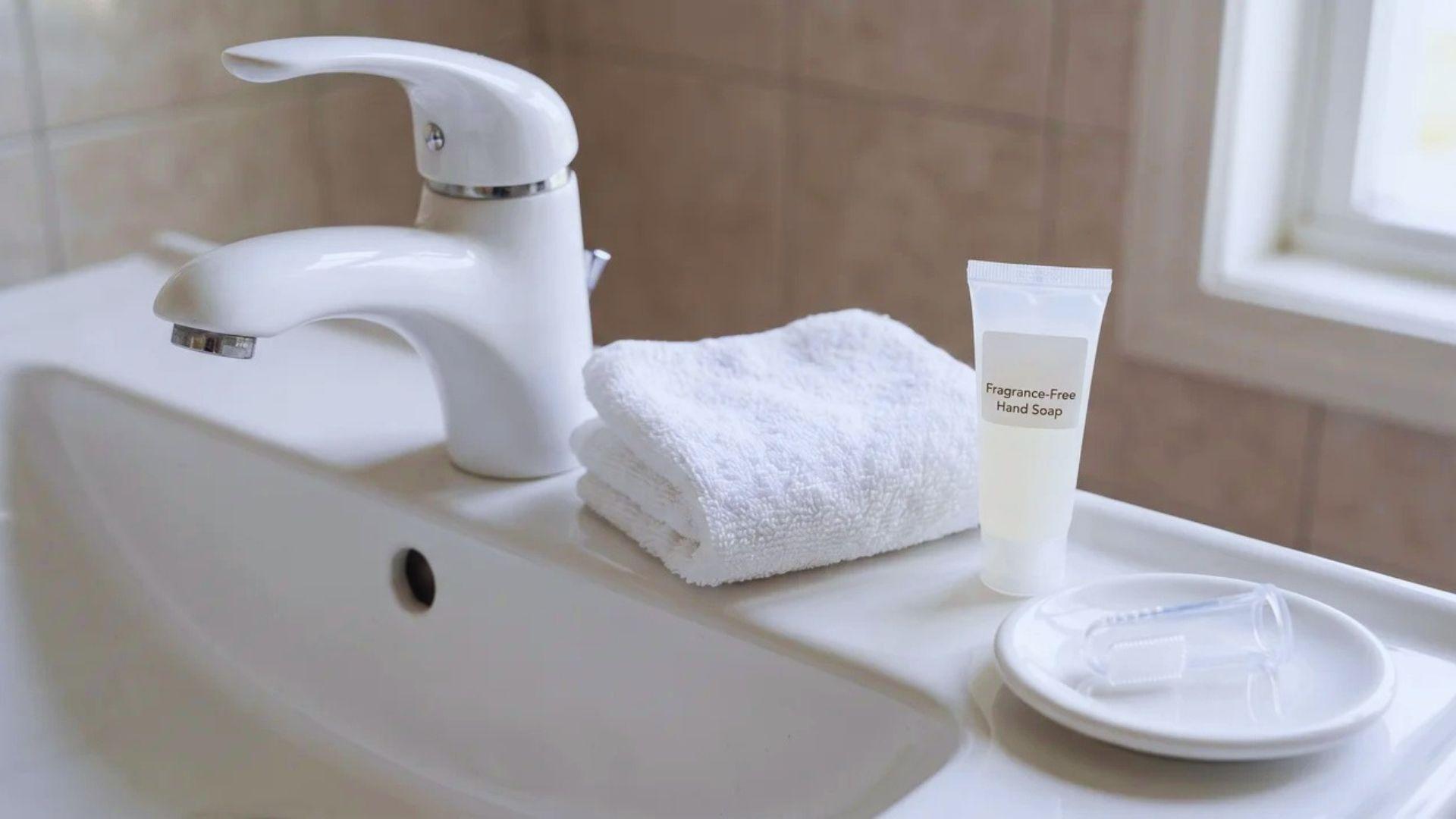
Wash your hands, then use one clean finger to rub your baby’s gums in small, firm circles.
Firm pressure works. Light stroking doesn’t. The pressure briefly overrides the ache; it’s not distraction, it’s direct physical relief.
This comes first because it needs nothing. No props, no light, no rustling around.
Anything that involves getting up and finding something risks waking your baby further when they’re already on the edge of sleep.
Step 2: Offer a Chilled Teether or Damp Washcloth
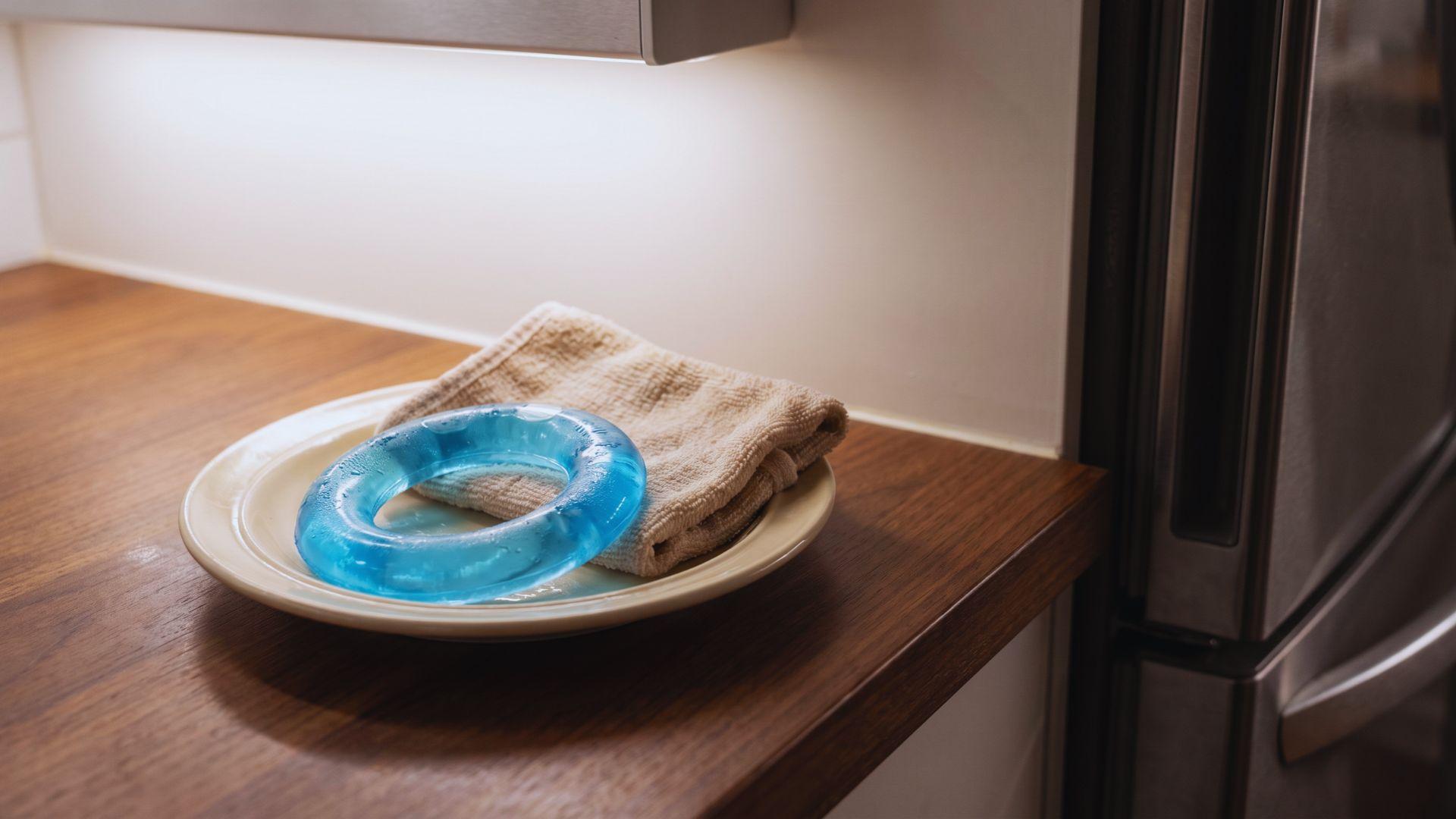
If massage alone hasn’t settled your baby within two to three minutes, move to something cold.
A teething ring or damp washcloth chilled in the refrigerator reduces inflammation in the gum tissue. That’s what makes it work.
Keep it refrigerator-cold, not frozen. Frozen crosses into a temperature that can damage infant gum tissue. The line between helpful and harmful is closer than most people expect.
One trade-off worth knowing: cold also stimulates. That’s why it comes second, not first. Use it once a massage hasn’t been enough.
Step 3: Use Comfort and Physical Settling
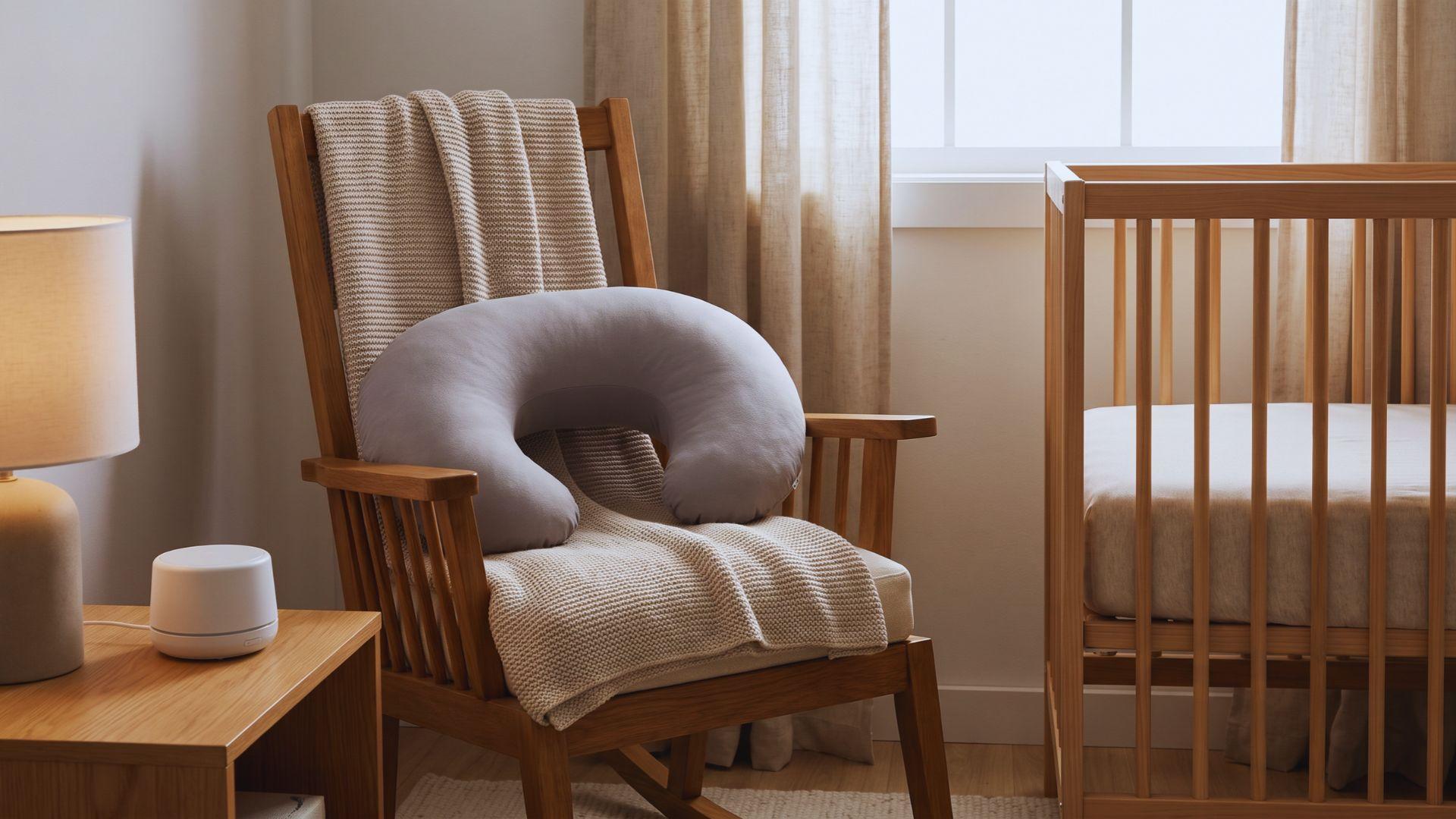
Rocking, feeding, skin contact, and white noise all help bring your baby’s arousal level down. But they work best after you’ve already reduced the pain, not instead of it.
If you go straight to rocking a baby who’s in real discomfort, you’re trying to calm a system that still has a physical reason to stay activated. Take the edge off the pain first. Then settle.
Step 4: Give Infant Pain Medication When Physical Methods Aren’t Enough
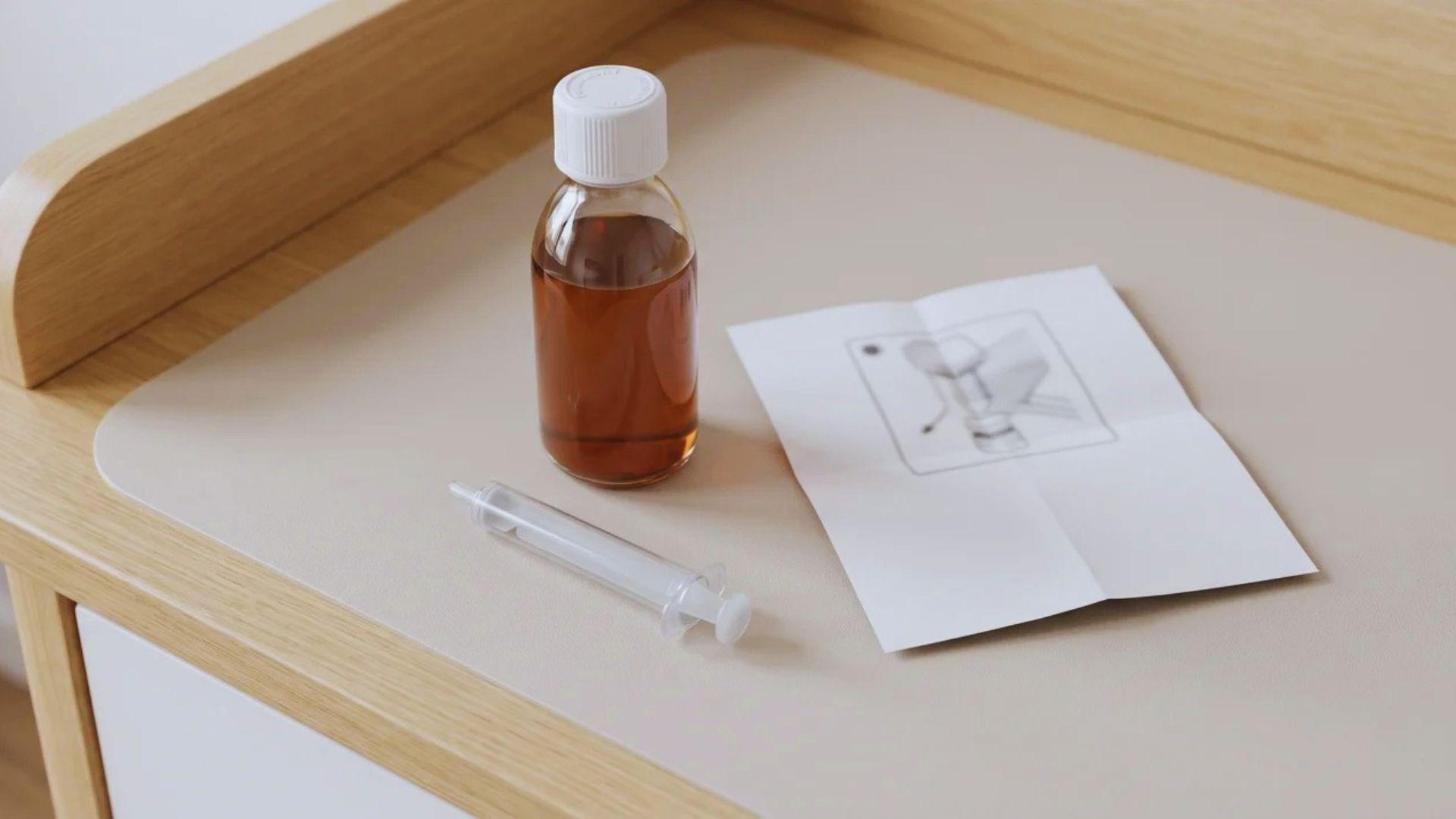
Infant acetaminophen is a safe, appropriate option for teething pain. It’s not a last resort.
If you know your baby is in a bad teething stretch, giving it early in the night works better than waiting for peak distress.
Once your baby is already crying hard, you’re looking at another 30 to 45 minutes before the medication takes effect.
Dose by weight, not age. Infants grow unevenly, and weight-based dosing is the standard for a reason. Always confirm the right amount with your pediatrician before using it.
Following the right steps matters, but so does avoiding the wrong ones. Some common remedies cause real harm, and the reasons are worth understanding.
What Not to Use on a Teething Baby at Night
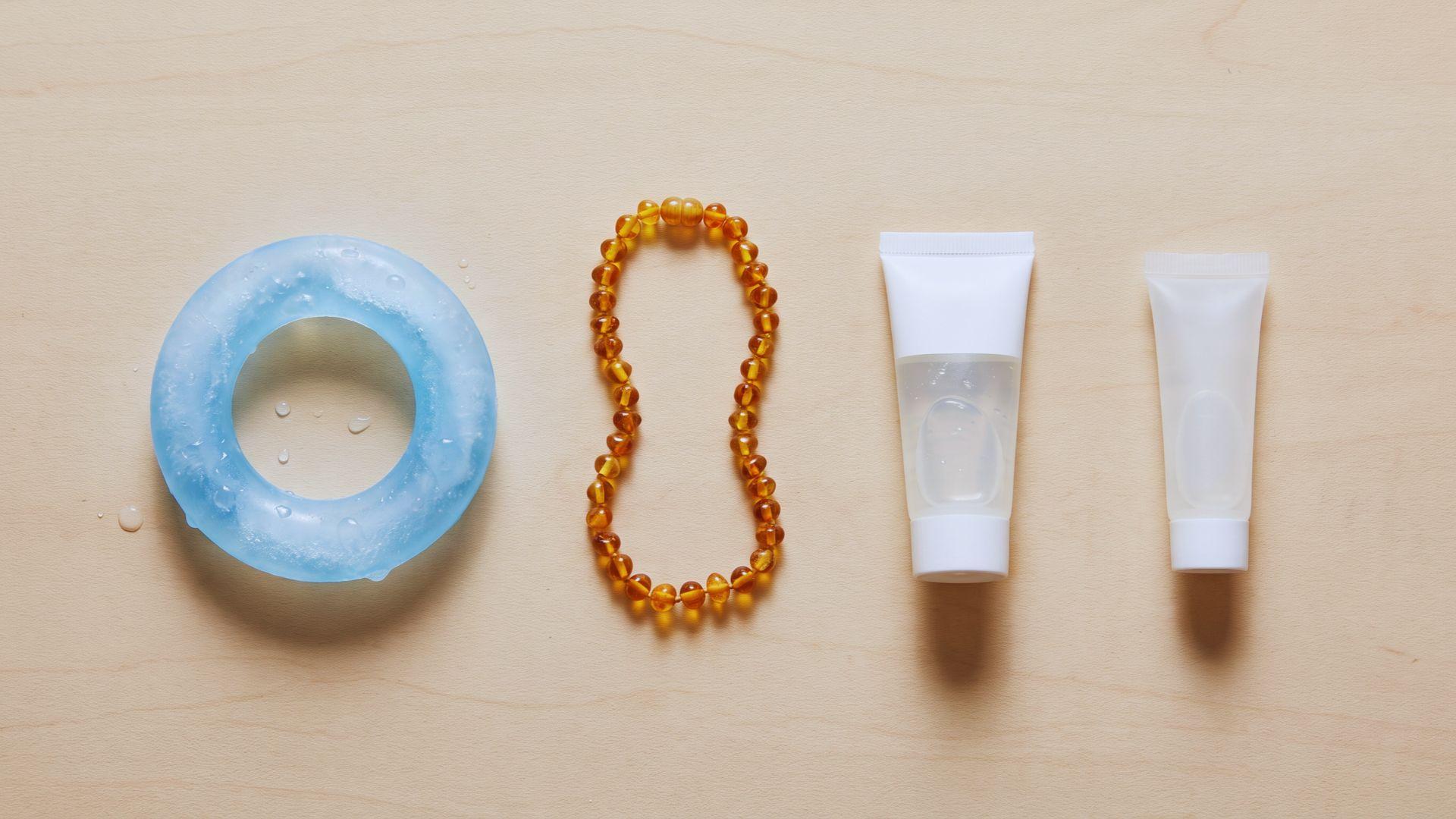
The risks here aren’t opinions or overcaution. Each item on this list has a specific way it can harm your baby.
Benzocaine Products (Orajel, Anbesol, Baby Orajel)
These can cause a condition called methemoglobinemia. That means the blood loses its ability to carry oxygen properly.
It is rare, but it can be fatal. The FDA advises against all benzocaine products for children under two for this reason.
Lidocaine Products
Lidocaine carries a different set of risks. If too much is applied, or if your baby swallows it, it can cause seizures, severe brain injury, and heart problems.
It can also spread with saliva toward the throat and affect the gag reflex. The FDA requires its strongest warning label on lidocaine products used in young children.
Frozen Teethers or Frozen Washcloths
Refrigerator-cold reduces inflammation. Freezer-cold damages tissue.
Infant gums have a lower tolerance for extreme cold than folks expect, and frostbite to already-inflamed gum tissue makes the soreness worse, not better.
The item feels harmless because it’s just cold. The harm is in the temperature, not the shape.
Amber Teething Necklaces
The debate about whether amber releases pain-relieving compounds through the skin is beside the point. The necklace itself is a strangulation and choking hazard.
It sits around an infant’s neck during sleep. That risk exists regardless of whether the pain-relief claim is true or false.
Even parents who don’t trust mainstream advice on the chemistry side should weigh the structural risk on its own terms.
Even with the right approach, there are times when home remedies are not the answer. Knowing when to stop and call your pediatrician is part of handling teething nights well.
When Teething Discomfort Needs a Pediatrician, Not a Home Remedy
Teething causes local gum discomfort. It does not cause systemic illness. Any symptom that goes beyond the mouth needs a call to your pediatrician.
Here are the signs that mean home remedies aren’t enough:
- Fever above 38°C (100.4°F). This is not a teething symptom. If your baby has a fever, it needs evaluation regardless of whether a tooth is coming in.
- Diarrhea or vomiting. These get blamed on teething often. They aren’t caused by it.
- Rash beyond the chin or cheek area. A little drool rash around the mouth is normal. Anything spreading further isn’t teething.
- Distress that won’t settle. If you’ve worked through every step and nothing is helping, that’s a signal worth acting on.
Pediatricians expect these calls from parents of teething infants. Calling when you’re unsure is the right move, not an overreaction.
Final Verdict
Knowing how to soothe a teething baby at night is less about finding the right remedy and more about trusting the sequence. The methods work.
What fails is reaching for too many things at once and never giving any of them a real chance. One step at a time gives your baby’s body something to respond to.
Start with the gum massage tonight, stay with it, and move on only if you need to.
You already have what it takes to get through this.
Frequently Asked Questions
At what age is teething pain the worst?
Most babies find the first tooth and the molars hardest. The molars cause more discomfort because of their larger surface area breaking through.
Can teething cause my baby to pull at their ears at night?
Yes, pain from the gums can radiate toward the ears and jaw. If the ear-pulling comes with fever or doesn’t ease after a few days, get it checked.
Should I wake my baby to give them teething medication?
Only if they’re clearly in distress. If they’ve fallen asleep on their own, let them sleep and reassess if they wake crying again.
How long does teething pain last at night?
Most episodes peak for a few days around each tooth breaking through. If your baby has been inconsolable for more than two to three nights, call your pediatrician.