

One parent in your group chat enrolled a two-year-old, another plans to wait until four, and the form on your counter asks for a birthdate that falls a week before the cutoff.
No wonder the question of what age is preschool rarely gets a straight answer.
The detail that gets overlooked: The same child can be among the youngest at one program and among the oldest at another, because each school sets its own cutoff date.
Getting this right depends less on one number than on what the label on the sign means.
What Age Is Preschool? The Typical Age Range
Preschool age ranges vary by program type, enrollment cutoff date, and local requirements, so the groups below work as a general guide:
- Age 2: Some child care centers open their preschool rooms to 2-year-olds.
- Ages 3 to 4: The most common group, and many school-based programs ask that a child turn 3 or 4 by a set date in the fall.
- Up to age 5: Some programs run through age 5, and federal Head Start preschool programs serve children ages 3 to 5.
Pre-K is the label that often appears next to preschool, and the two differ in focus:
- Preschool (ages 3 to 4): Puts more weight on play and social growth.
- Pre-K (ages 4 to 5): Commonly serves children who are 4 and turn 5 around the time kindergarten starts, and leans more directly toward getting ready for kindergarten.
Because programs use these names differently, the age listed on an enrollment page tells you more than the name does.
Once you have the age range, take a look at the learning areas in preschool to see what each day is meant to build.
That range is a guide rather than a start date. The question parents usually ask next is when within it to begin, and whether starting early helps.
Why Does Preschool Readiness Matter More Than Age?
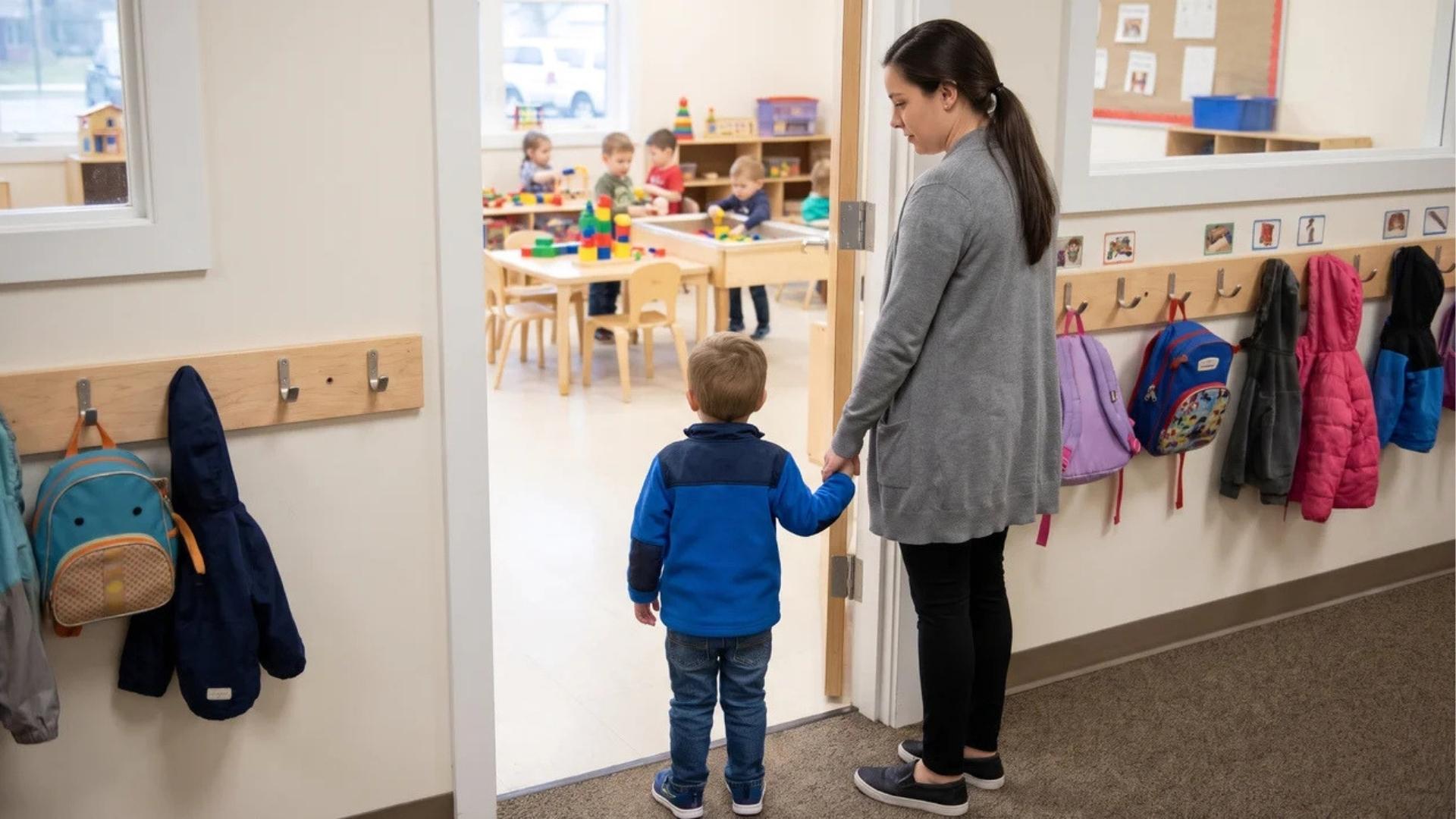
Age sets the earliest date a child can enroll, but readiness decides how well the classroom fits them.
Two children with the same birthday can differ widely in how they handle separation, play with peers, and follow routines, so chronological age alone cannot tell you whether a child is prepared.
Children grow at their own pace in different areas, and one area can move ahead of another:
- Emotional growth: One child waves goodbye at the door, while another needs more time to feel safe with a new adult.
- Social growth: Some 3-year-olds seek out other children right away, while others prefer to watch before joining in.
- Developmental growth: Language, motor skills, and attention can each progress on a different timeline within the same child.
This is why some children benefit from starting later, even when they meet a program’s minimum age.
A child who is still building comfort away from home or confidence in group play may find the classroom more enjoyable and less tiring after a few more months of growth.
The minimum age tells you when a program will accept your child, not when your child is ready.
Readiness sounds vague until it is tied to specific abilities. Emotional comfort, communication, and daily routines are where it shows up.
What Developmental Skills Does a Child Need Before Starting Preschool?
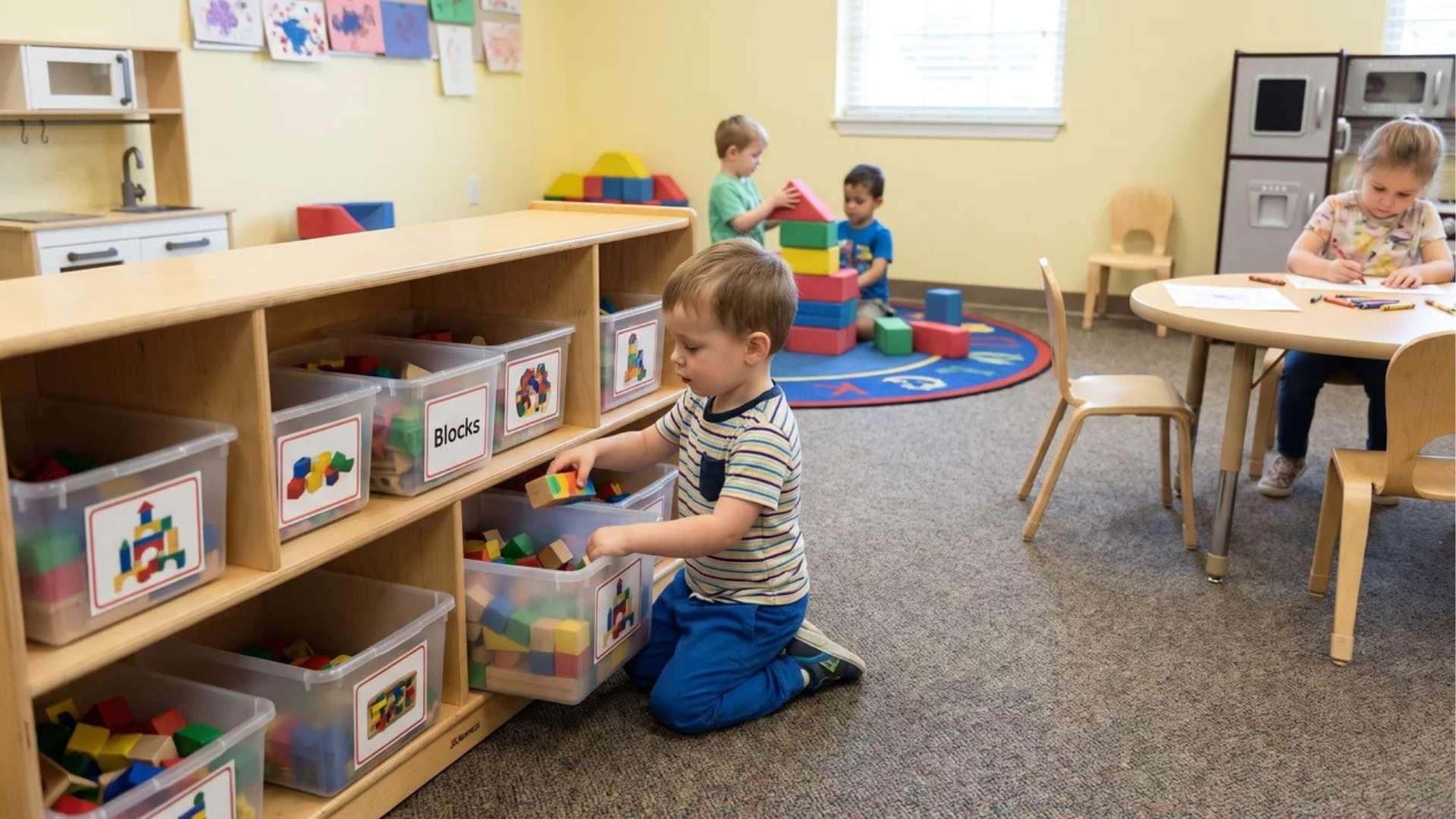
Children do not need to master every preschool skill before enrolling, but a few basic abilities can help them settle into the classroom.
Emotional Readiness and Separation
Preschool means spending part of the day away from a parent, so the way a child handles short separations matters.
A few hours with a grandparent, a babysitter, or in a drop-in class shows how your child settles with a caregiver outside the immediate family.
Tears at goodbye are common, especially when a 2-year-old suddenly gets clingy, and what often counts more is whether another caring adult can comfort your child and help them move on to an activity.
Social and Communication Skills
Classrooms run on talking and turn-taking, so a child who can tell a teacher what they need usually has an easier start.
The CDC’s milestones for 3-year-olds include noticing other children and joining them to play, holding a back-and-forth conversation, and being understood by others most of the time.
Following one-step directions, playing alongside peers, sharing, and taking turns also help, and classrooms are set up to build these skills over time, so children do not need all of them on day one.
Self-Care and Daily Routines
Self-care expectations differ from program to program, so they are not universal admission requirements.
Common ones include:
- Toileting: Some programs ask that children are toilet trained, while others support children who are still learning.
- Eating: Sitting for a snack and handling a cup or utensils, with help if needed.
- Handwashing: Washing hands with a reminder before snacks and after the bathroom.
- Routines: Following simple steps such as hanging up a coat or joining circle time.
Ask each program what it expects before you apply.
Most children are stronger in some of these areas than others. The real task is deciding what that mix means for your start date.
Should You Enroll Your Child in Preschool Now or Wait?
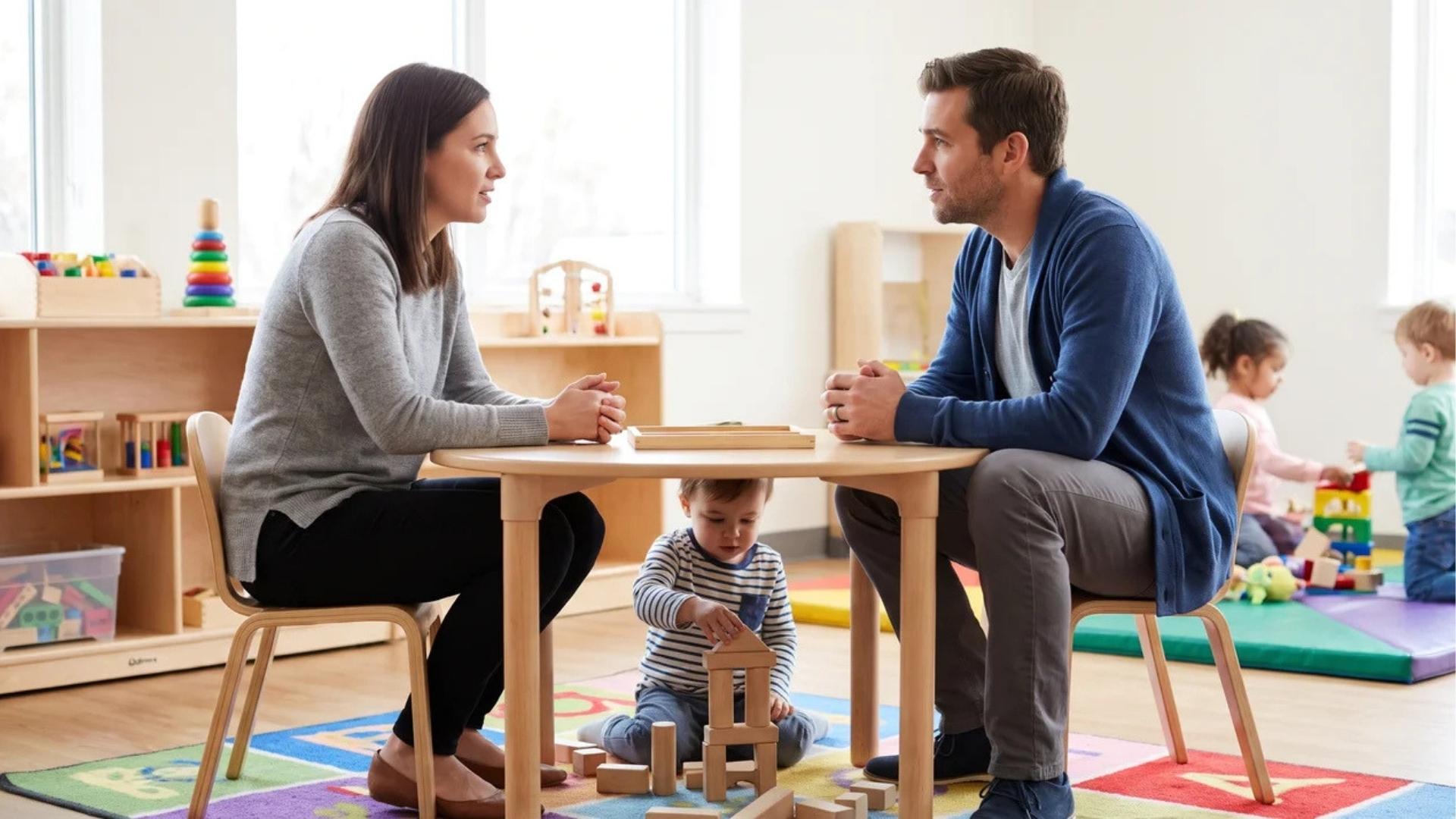
Enroll when your child can participate comfortably in age-appropriate group activities and manage basic classroom routines; consider waiting if these experiences remain consistently difficult.
Enrolling makes sense when a child shows interest in other children, can communicate basic needs, and adjusts to short separations, even if goodbyes involve a few tears.
Waiting can be the better choice when separation distress persists week after week, or when everyday routines in a group setting leave a child overwhelmed.
If the picture is mixed, a middle path often works:
- Shorter sessions: Start with two or three mornings a week and lengthen the time once your child settles.
- Gradual transitions: Visit the classroom first, then try a short stay with a parent nearby if the program allows it.
- A check-in after a few months: Talk with the teacher, or your child’s pediatrician if you want another view, and decide whether to continue, extend, or pause.
Choosing a Preschool Start Date That Fits Your Child
What age is preschool turns out to be a range, usually 3 to 4, and the birth date only gets a child through the door.
What tells you whether now is the right time is how your child handles a few hours with other children and a new adult, and a short trial visit shows that faster than any age chart.
This week, call two local programs, ask for their age cutoff and session lengths, and book a visit before you commit to a start date.
Frequently Asked Questions
Can a Child Start Preschool in the Middle of the Year?
Often, yes, if a spot is open. Some programs enroll year-round while others admit most children in the fall, so ask the director about openings and how new children join the class.
What Is the Difference Between Preschool and Daycare?
Preschool usually runs set class sessions built around early learning, while daycare typically provides longer hours of care for a wider age range. Many centers offer both, so compare schedules.
What Age Do Kids Start Kindergarten?
Most states set a cutoff date for turning 5, commonly in late summer or early fall, and a few leave it to districts. NCES lists each state’s kindergarten entrance requirements.
Does Every Child Need Preschool Before Kindergarten?
No. Preschool is not required in the United States, and children can enter kindergarten without attending it first.