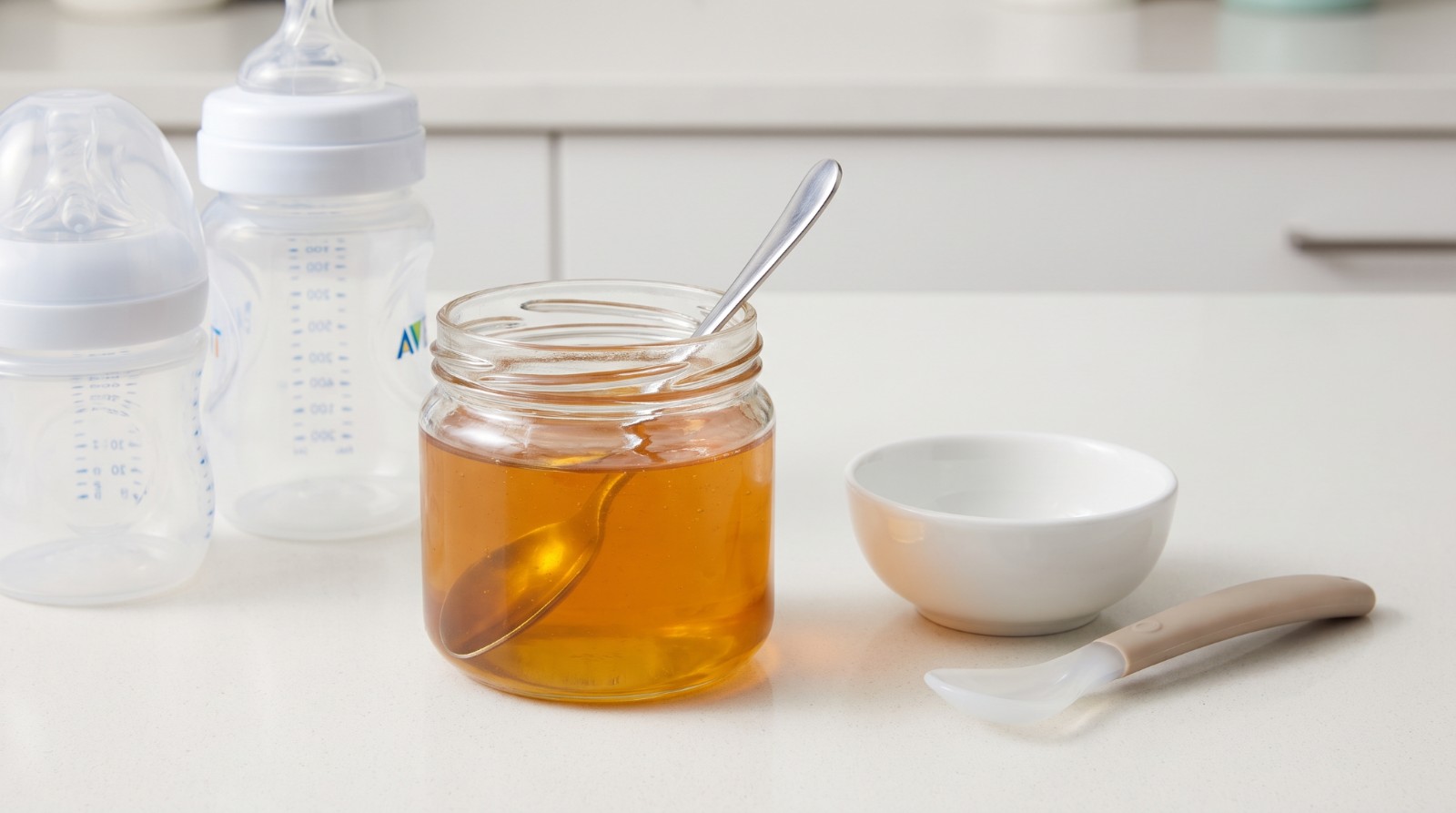
Honey sits in almost every kitchen, so a lick from a spoon or a bite of a sibling’s honey muffin can reach a baby before anyone notices.
If you’re asking, “My baby ate honey, what should I do?” the answer is to stay calm, call your pediatrician the same day if your baby is under 12 months, and watch for signs of infant botulism over the next few weeks.
The illness builds slowly, and symptoms can take up to a month to appear, which is why a clear plan helps far more than worry.
In this post, you will learn what to do in the first hour, why honey affects babies differently, which symptoms matter, and when a phone call should become a trip to the emergency room.
Under 12 Months? Do This Right Now
If your baby is younger than 12 months and ate honey, stop offering the food, note roughly how much they had and when, and call your pediatrician or Poison Control at 1-800-222-1222 the same day.
You don’t need to wait for symptoms to ask for guidance, and the AAP no longer recommends making a child vomit at home.
When you call, have your baby’s age, the food or product they ate, a rough estimate of the amount, and the time it happened ready.
Keep the jar, wrapper, or box nearby so you can read the ingredient list aloud if your pediatrician asks.
The CDC advises giving no honey before 12 months, including honey added to food, water, infant formula, or a pacifier.
Slips like this happen in busy family kitchens, and calling early is not overreacting, because it gives your pediatrician a clear starting point if anything changes later.
If your baby is 12 months or older, honey is generally safe, and no special action is needed unless your pediatrician advises otherwise.
Why Honey Is Dangerous for Infants
The concern with honey is not ordinary food poisoning from spoiled food.
Honey can contain Clostridium botulinum spores, which can cause infant botulism in babies under 12 months, and our guide on why babies can’t have honey explains the science step by step.
How Honey Can Lead to Infant Botulism
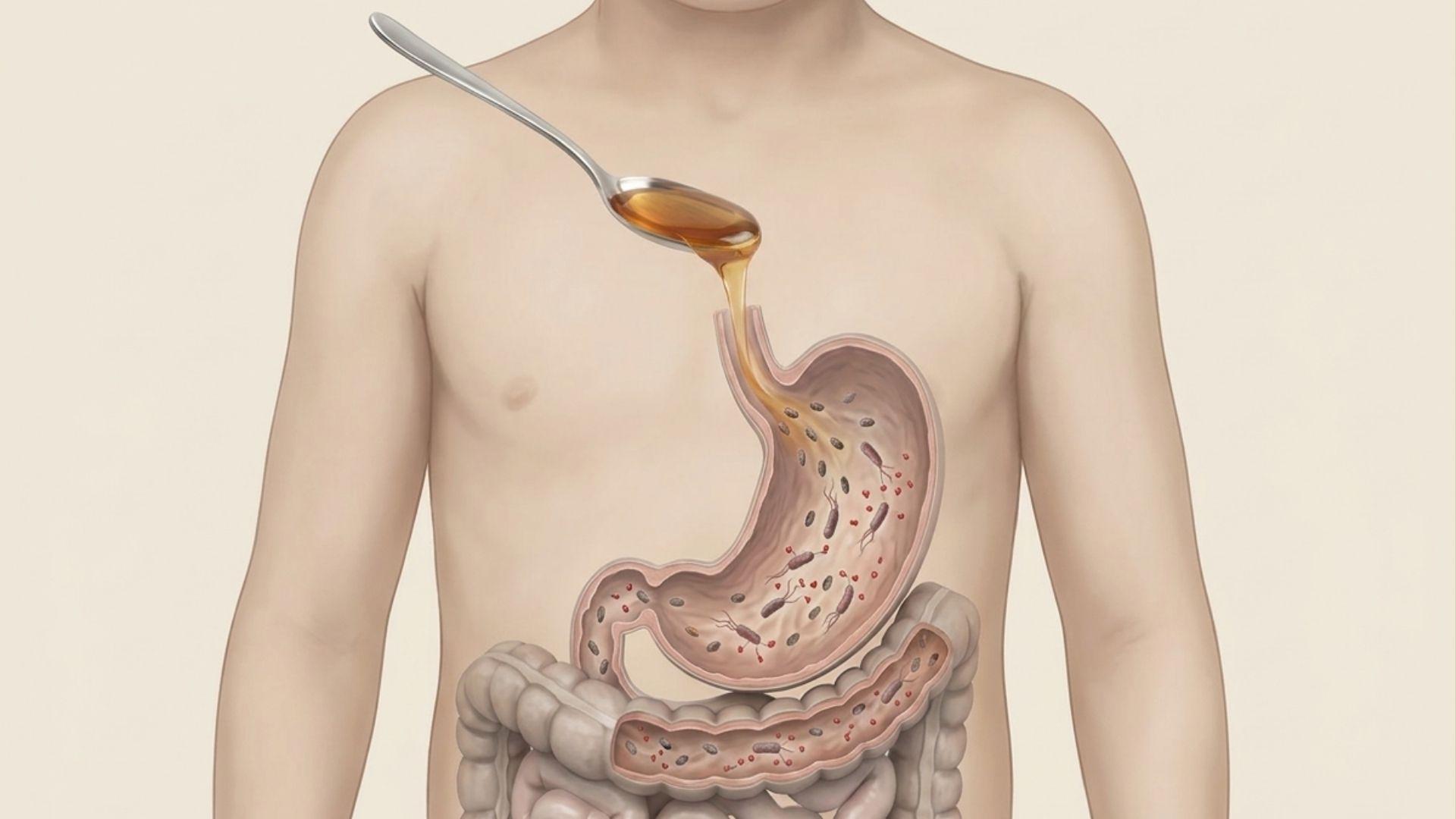
Honey can carry spores of Clostridium botulinum, a bacterium found naturally in soil and dust.
In older children and adults, healthy gut bacteria usually keep these spores from settling in, so they pass through without causing harm.
In a baby under 12 months, the spores can briefly take hold in the large intestine and produce botulinum toxin, according to the CDC.
That toxin blocks the signals nerves send to muscles, which is why the illness shows up as weakness that builds gradually.
Why Babies Under 12 Months Are More Vulnerable
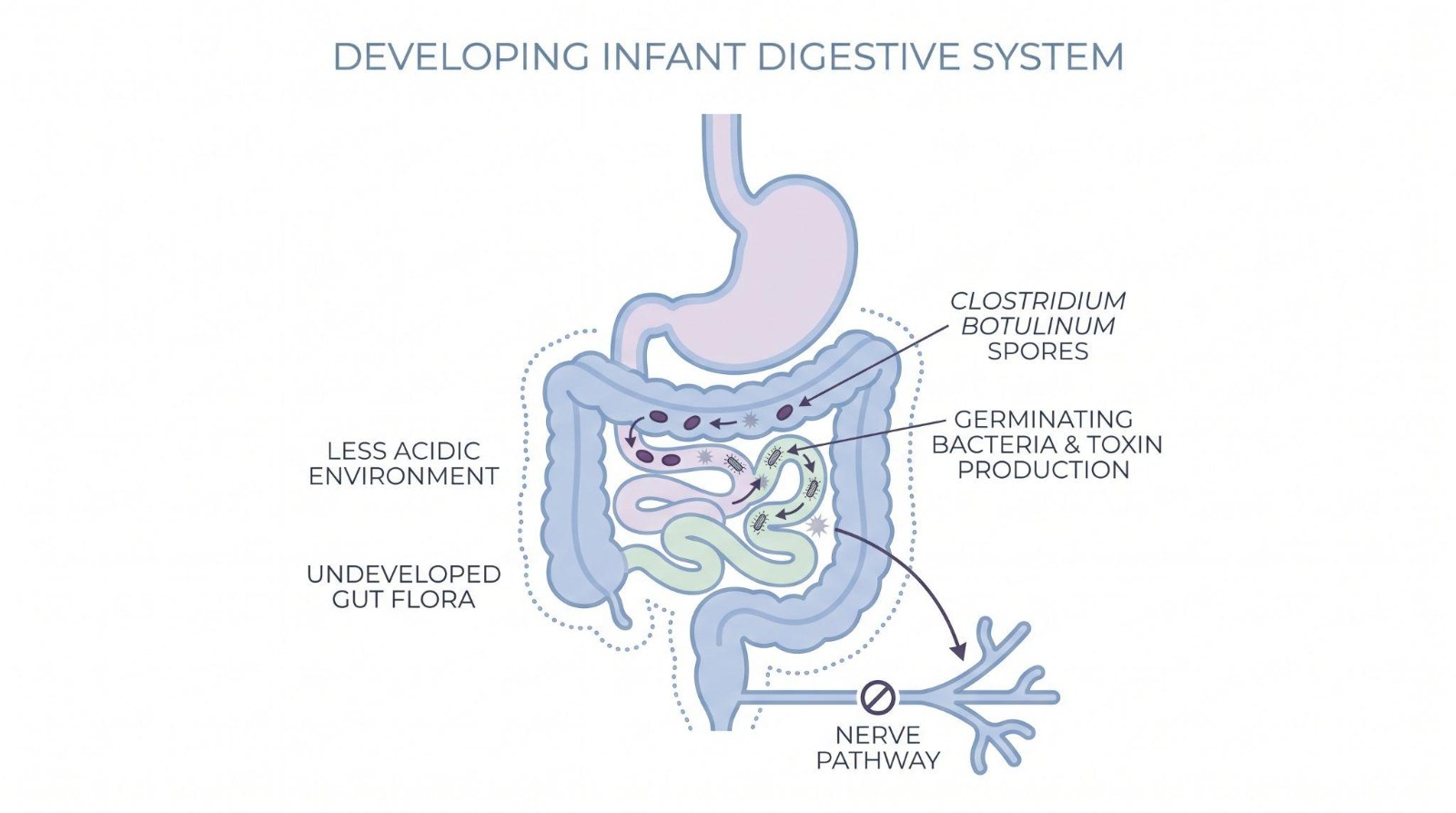
During the first year, a baby’s gut microbiome, the community of helpful bacteria in the digestive tract, is still forming.
With fewer of those bacteria in place, spores have more room to grow than they would in an older child’s gut.
About 95% of infant botulism cases occur in babies younger than 6 months, according to the Cleveland Clinic.
The risk does not end at 6 months, though, which is why the honey rule covers the entire first year.
Does the Amount of Honey Matter?
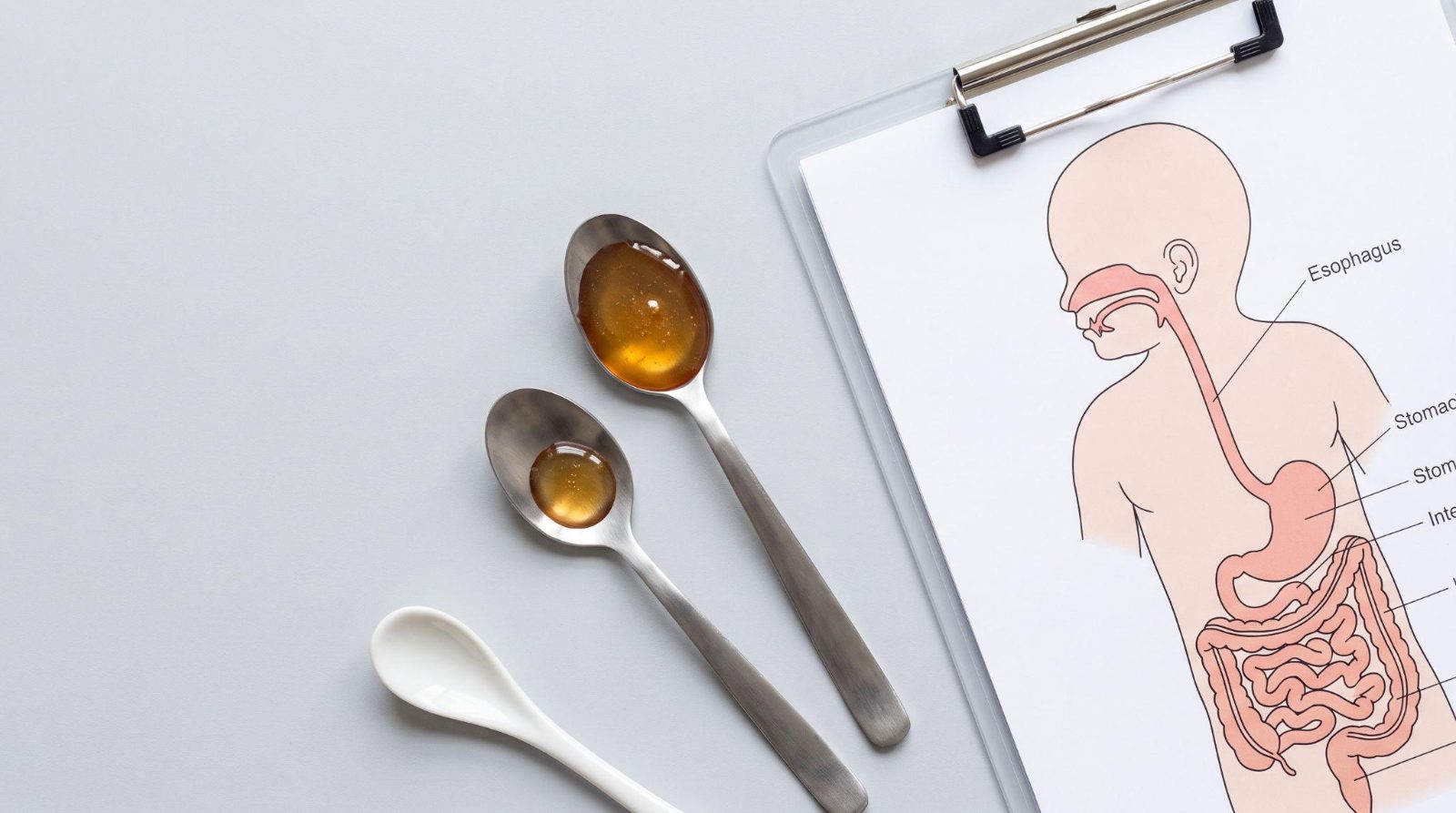
There is no established safe amount of honey for babies under 12 months. Even a small taste can carry spores, although most accidental exposures do not lead to illness.
You can’t tell whether honey contains spores by its look, smell, or taste, because finding them takes laboratory testing.
A 2024 review in Current Microbiology found spores in 173 of 4,310 honey samples tested worldwide, or about 4%, so no jar can be judged safe at home.
Packaged foods follow the same rule whenever honey shows up on the ingredient list.
Our guide to Honey Nut Cheerios and babies shows how to read the label on one of the most common pantry cereals.
Symptoms of Infant Botulism to Watch For

Infant botulism symptoms can appear anywhere from 3 to about 30 days after a baby swallows spores, according to the National Capital Poison Center.
Constipation is often the first sign, followed by weak sucking, a quieter cry, drooping eyelids, and floppiness, so keep a closer eye on your baby for the first month.
The CDC infant botulism symptom list also includes pupils that react slowly to light and a face that shows less expression than usual.
These are the signs of botulism in babies worth watching for at home:
- Constipation: Fewer bowel movements than usual is often one of the earliest signs. Because constipation has many everyday causes in babies, the CDC advises weighing it alongside other changes rather than on its own.
- Feeding or crying changes: Your baby may struggle to suck, swallow, or finish a feed. Their cry may also sound weaker, quieter, or different than usual.
- Unusual weakness: Your baby may seem floppy, less active, or less able to move their arms, legs, or face. The Cleveland Clinic notes that babies with infant botulism are often alert and fever-free, so weakness counts even when your baby otherwise seems well.
- Poor head control or drooping eyelids: Your baby may suddenly struggle to hold their head up, or their eyelids may look heavy even while awake. These are signs of muscle weakness that need prompt medical attention.
- Breathing problems: Shallow, labored, or difficult breathing is an emergency. Call 911 right away if your baby is struggling to breathe.
Call your pediatrician the same day if you notice constipation together with any feeding, crying, or muscle changes.
If your baby has trouble breathing or swallowing, or becomes very floppy, call 911 or go to the nearest emergency room without waiting for a callback.
What Happens If Your Baby Gets Botulism
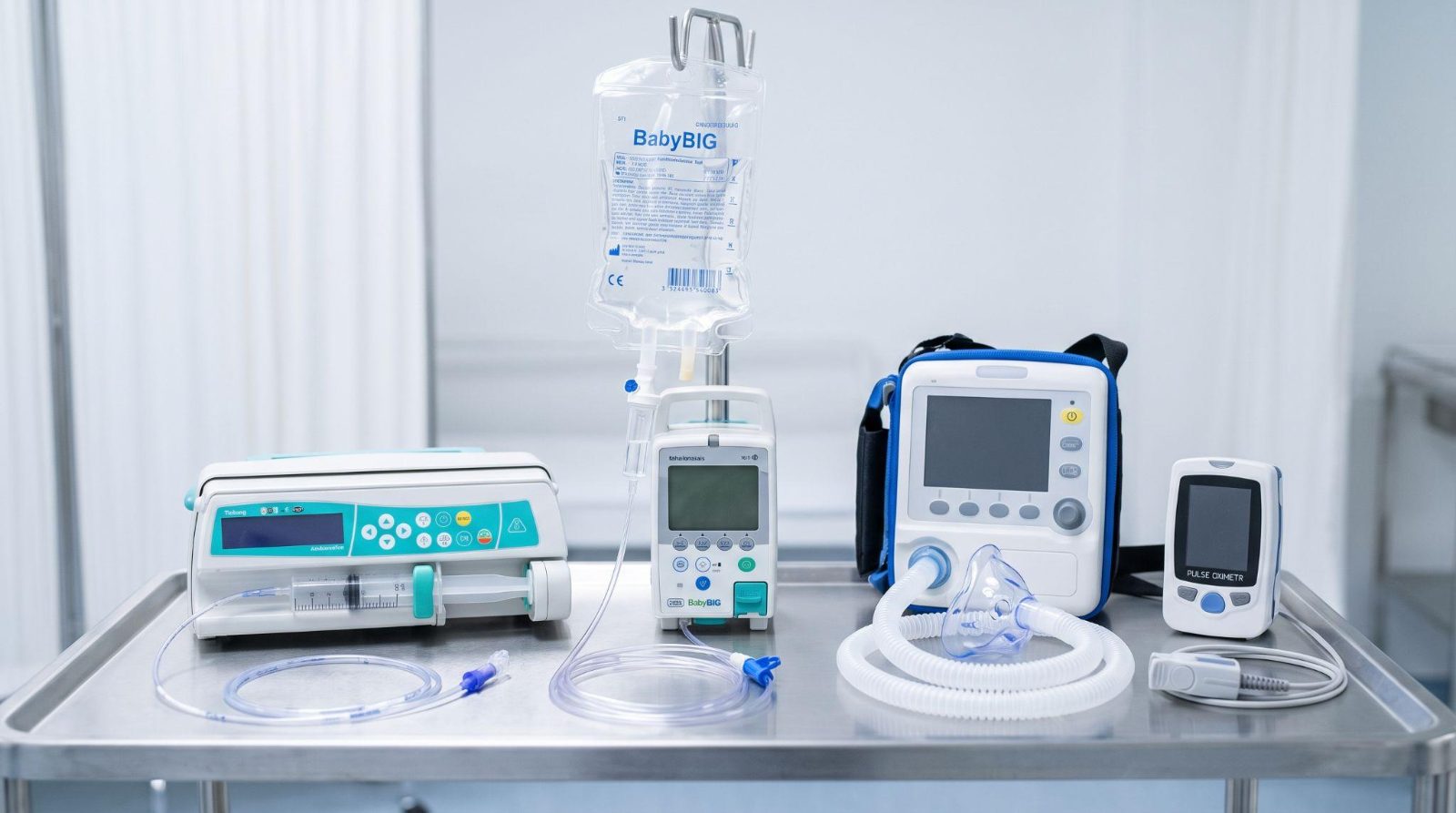
Infant botulism is treated in the hospital with BabyBIG, an antitoxin made from donated human plasma that neutralizes botulinum toxin in the blood.
In a 2006 trial published in the New England Journal of Medicine, babies who received it stayed in the hospital an average of 2.6 weeks, compared with 5.7 weeks for babies given a placebo.
CDC guidance updated in September 2026 tells doctors to start treatment based on symptoms rather than wait for lab results.
BabyBIG stops the toxin from causing further weakness, but it does not reverse weakness that has already started, which is why early care matters.
Some babies also need help with feeding or breathing while their muscles recover.
BabyBIG is supplied nationwide through the California Department of Public Health’s Infant Botulism Treatment and Prevention Program, and the Cleveland Clinic reports a survival rate of 98% to 100%, with most babies making a full recovery.
How to Keep Honey Off Your Baby’s Plate Until 12 Months
Once the first call is made, the next step is preventing a repeat, and that mostly comes down to how shared family food is planned.
In more than 8 years of working with families on feeding, these are the habits I suggest most often, because they fit into busy weeknights.
Plate your baby’s portion first, before honey goes on the oatmeal, toast, or roasted vegetables for everyone else.
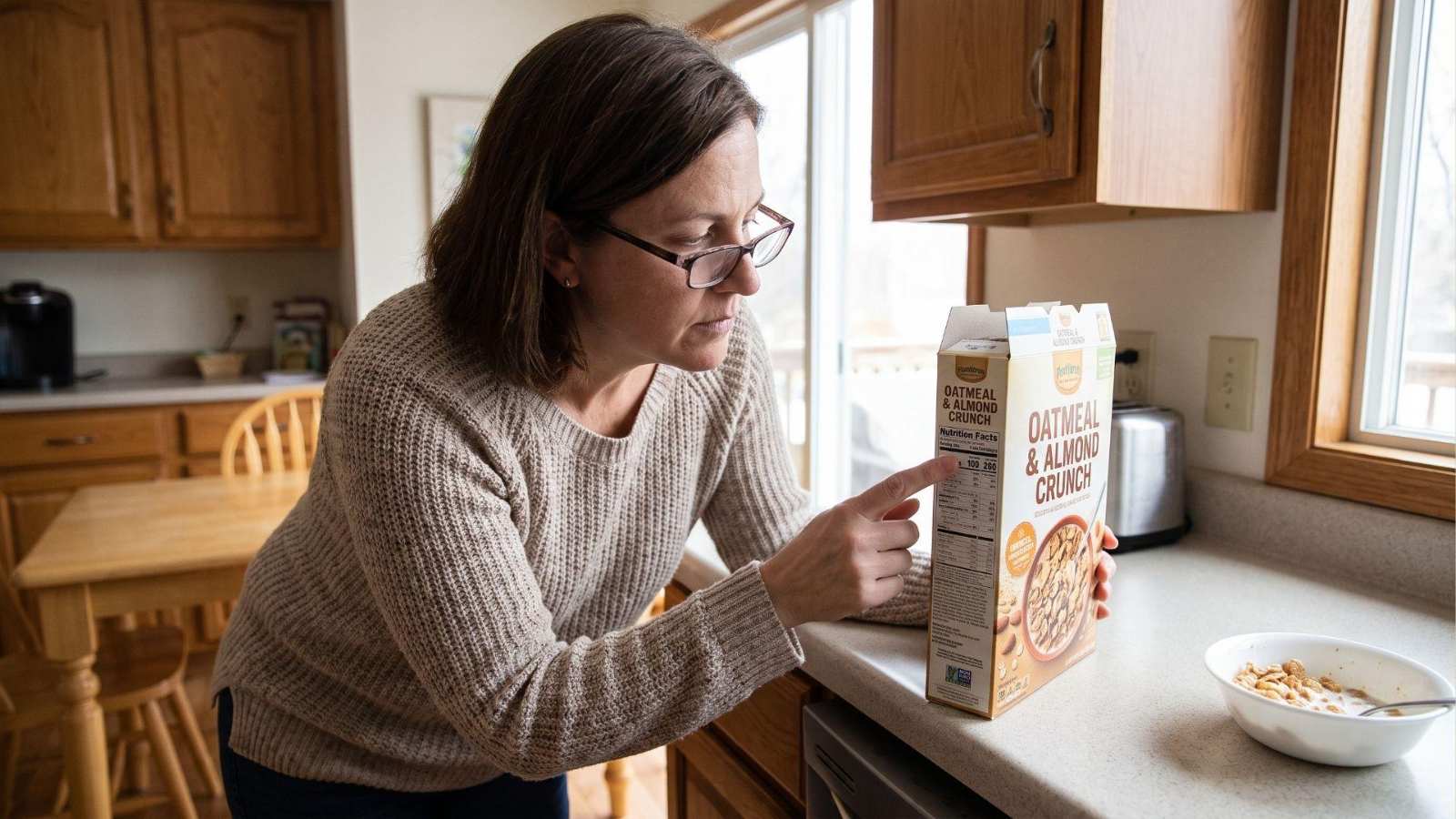
Check ingredient lists on shared snacks such as honey graham crackers, granola bars, and older siblings’ lunchbox items, since Nemours KidsHealth advises avoiding processed foods that contain honey until the first birthday.
Let grandparents, sitters, and child care staff know about the honey rule, and never dip a pacifier in honey.
If you want a little sweetness in your baby’s meals, mashed ripe fruit works well, since the CDC advises no added sugars for infants and young children.
What to Remember If Your Baby Ate Honey
If you find yourself thinking, “My baby ate honey, what should I do?” the answer comes down to calm, quick action rather than panic.
Call your pediatrician or Poison Control the same day, share your baby’s age and what they ate, and watch for constipation, feeding changes, a weaker cry, or floppiness over the following month.
Most accidental exposures don’t lead to illness, and infant botulism responds well to early hospital treatment when it does occur. Once your baby turns 12 months, honey is no longer a botulism concern.
Save the symptom list above on your phone, and send it to the grandparents or sitters who help with meals so everyone feeding your baby knows what to look for.
Frequently Asked Questions
How Long After 1 Can Babies Eat Honey?
No extra wait is needed after the first birthday for botulism reasons. Honey still counts as an added sugar, which the CDC advises avoiding before age 2, so most toddlers don’t need it regularly.
How Much Honey Can Cause Botulism in Babies?
No specific amount has been identified as the trigger. The CDC says experts still don’t understand why some exposed infants get sick while most don’t, which is why any amount is avoided.
How Common Is Infant Botulism From Honey?
It is rare. CDC surveillance records about 150 to 180 US infant botulism cases a year, most with no identified source, and honey-linked cases fell after the AAP’s 1981 advice against feeding honey to infants.
Is Honey Yogurt Safe for Babies Under 12 Months?
No. Skip any yogurt that lists honey, because commercial processing does not reliably destroy spores, and flavored yogurts also add sugar, so plain, unsweetened yogurt is the better choice before 12 months.
What Happens if a Baby Eats Honey and Shows No Symptoms?
Most exposed babies stay well. Once about a month passes without symptoms, the window for honey-related illness has generally closed, but still mention the exposure at your baby’s next checkup.