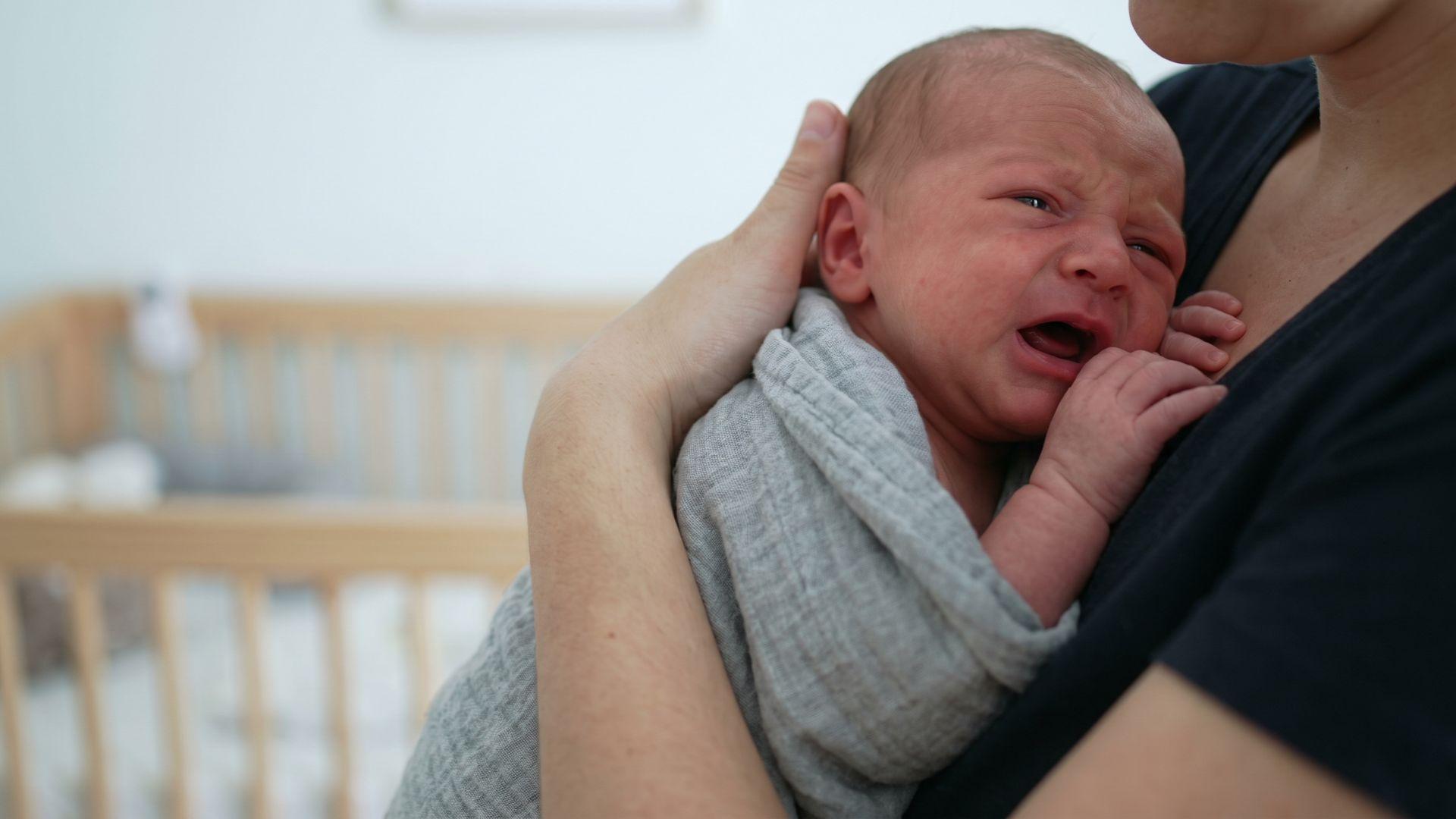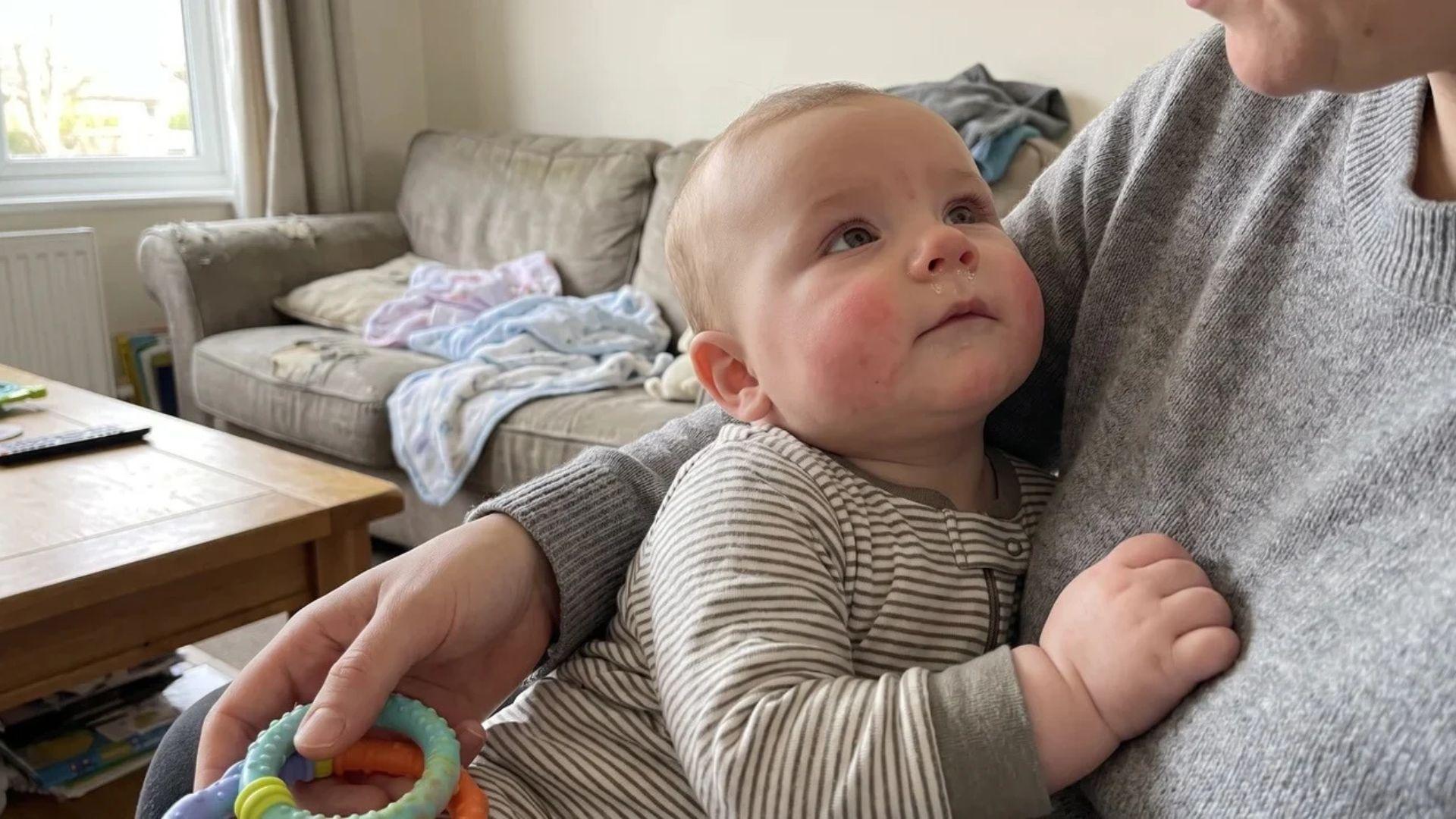
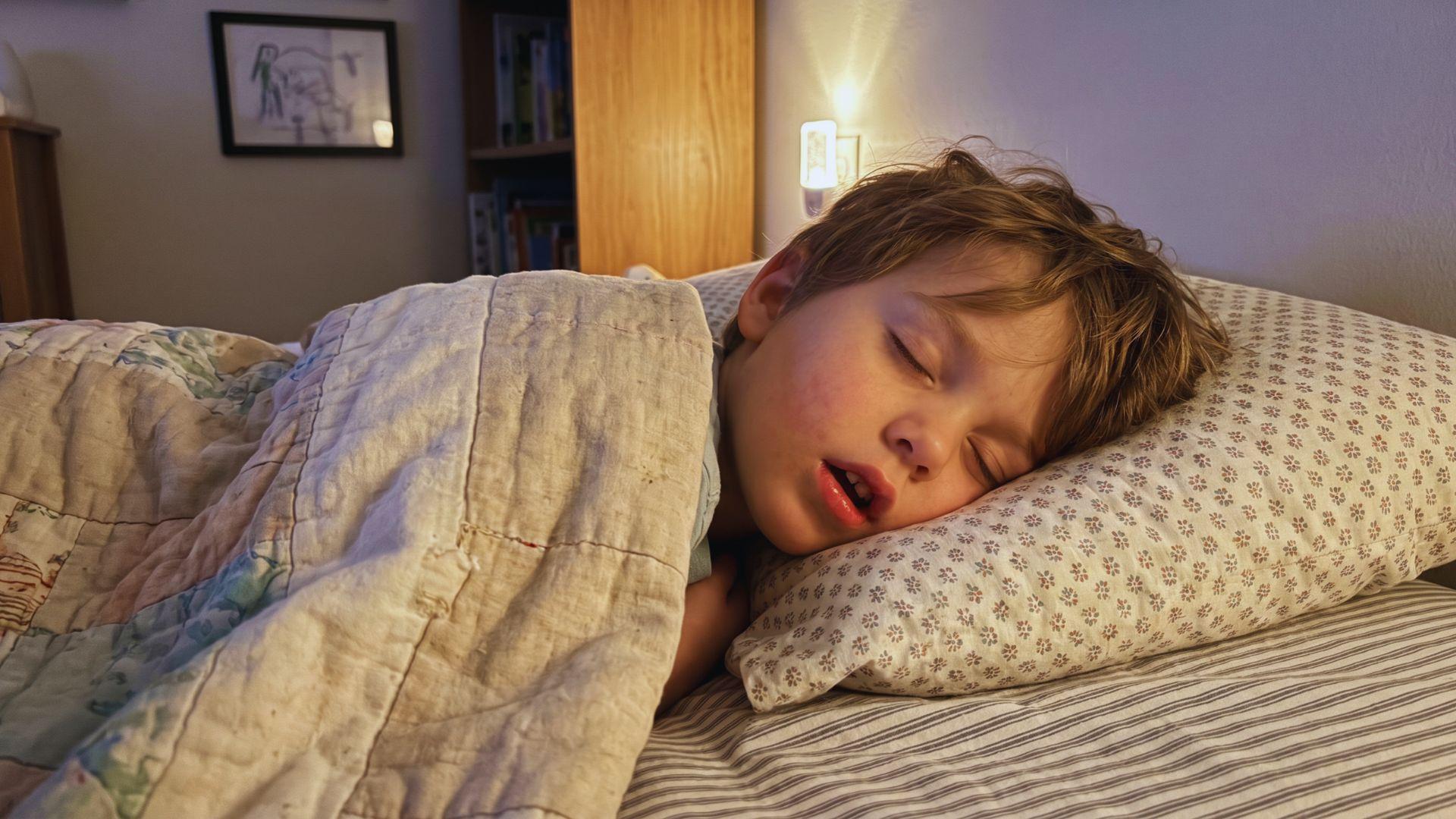
Hearing your 5 year old grinding teeth while sleeping is alarming. The sound carries through a quiet house, and the instinct to act arrives almost immediately.
Here’s what surprises many parents: louder grinding doesn’t predict more damage. Quiet, sustained clenching can generate more bite force with no warning sound at all.
This age sits near the peak of childhood bruxism. What follows covers what drives it, which signs to take seriously, and when action is genuinely warranted.
Is It Normal for a 5 Year Old Grinding Teeth While Sleeping?
Sleep bruxism is the medical term for grinding or clenching teeth during sleep. It affects anywhere from 14 to 38 percent of children. The large majority outgrow it without any treatment.
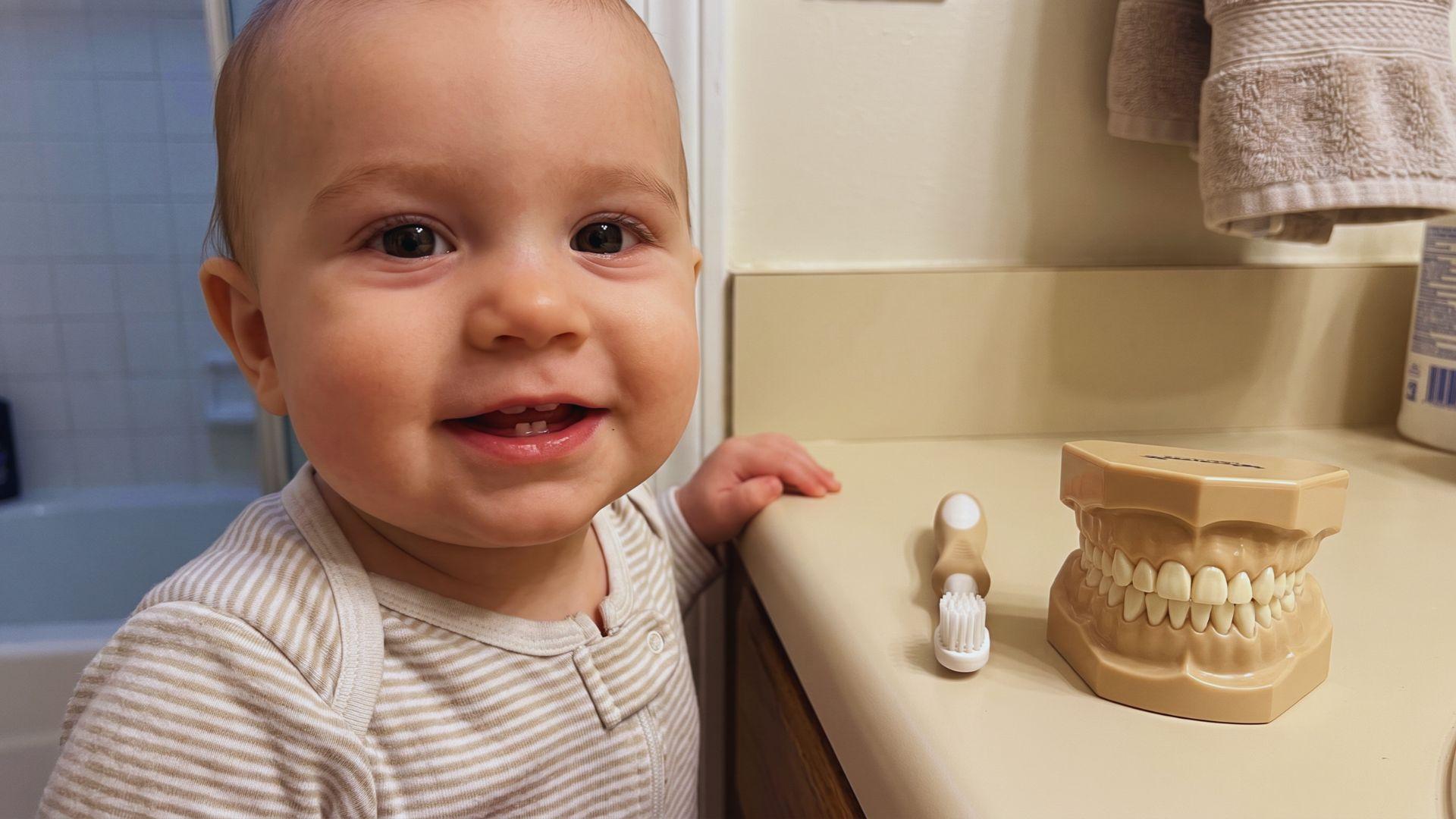
At five, a child’s mouth is in active transition. Baby teeth are shifting, loosening, and spacing out ahead of permanent ones.
That constant change in bite surface is why grinding is especially common at this age. The five-year-old window sits near the peak of childhood bruxism.
Grinding typically happens during lighter sleep stages, when jaw-muscle control loosens. Many children grind quietly enough that parents only notice when the sound carries.
Common and serious are not the same thing. Grinding at five is usually the jaw responding to a mouth in transition. Not a sign of damage, not a signal that something has gone wrong.
That’s also what shapes how to stop kids from grinding teeth; the right response depends entirely on identifying the right cause first.
What determines if it needs attention is what’s driving it. Real changes in the teeth, or in how your child breathes during sleep, are the signals worth watching.
Grinding being common tells you the baseline. It doesn’t tell you which trigger is actually behind what your child is doing at night.
Why Does a 5-Year-Old Grind Their Teeth at Night?
There are several causes, and they all produce the same output.
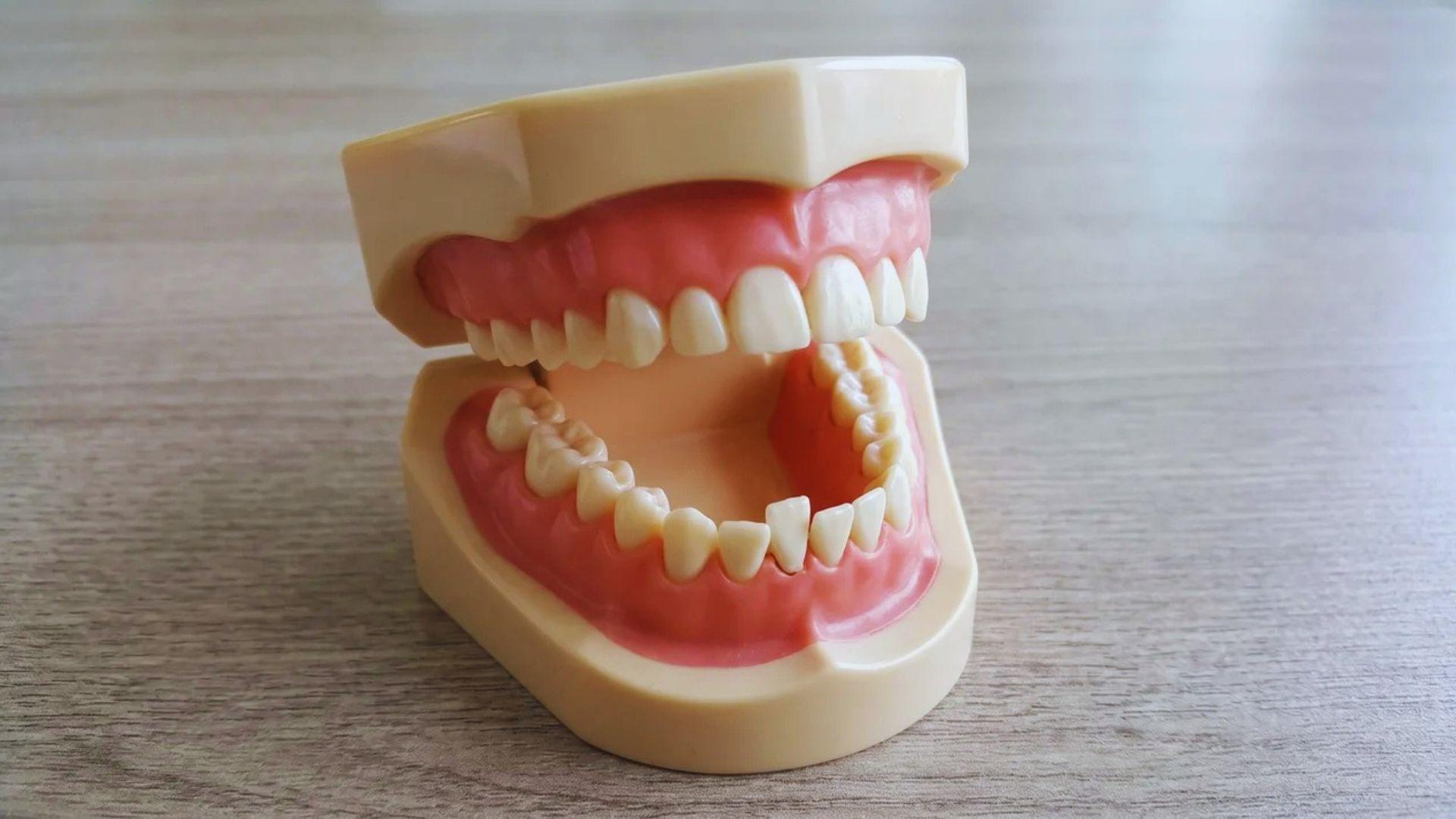
During lighter sleep, the brain’s usual control over jaw-muscle activity loosens. When that happens, any active trigger- a shifting bite, restricted breathing, stored tension- can set the jaw grinding.
That’s why the sound can come from such different places. One child grinds because a loose tooth changed their bite. Another grinds because their airway narrows at night.
The result looks the same. The source is not.
Knowing which cause applies to your child makes everything that follows easier to act on.
Developmental Changes in the Mouth
This is the most common cause in five-year-olds, and the one parents least often think of first.
Baby teeth are loosening and shifting position constantly at this age. That changes the bite surface, the way upper and lower teeth meet during sleep.
The jaw senses the mismatch and responds, often through grinding. In most cases, as permanent teeth come in and the bite stabilizes, the grinding fades on its own.
Sleep-Disordered Breathing and Airway
If your child snores, breathes through their mouth at night, or occasionally gasps during sleep, that changes the picture.
There’s a well-established link between airway obstruction and bruxism. Enlarged tonsils, a narrow palate, or persistent congestion can restrict the airway at night.
The jaw can respond by tightening and grinding, partly as a reflex to reopen it.
Grinding that shows up alongside these breathing signs needs a different response than developmental grinding does.
Stress, Overstimulation, and Routine
Stress can contribute to grinding, but it’s worth being clear about how much it drives it at this age.
Parents tend to reach for this explanation first. In reality, stress as a standalone cause is less common in five-year-olds than developmental changes.
It’s worth considering if grinding got noticeably worse during a big change, a new sibling, starting school, or a disrupted routine.
Pre-bedtime overstimulation also plays a role. Screens, active play, or sugar late in the day can keep the nervous system too activated at bedtime.
Physical Discomfort
A child with an earache or blocked sinuses may grind at night without knowing why. Discomfort a five-year-old can’t name often surfaces as jaw clenching during sleep.
The second molars often emerge between ages 4 and 6. That window overlaps directly with when bruxism is most common in children.
If grinding tends to worsen when your child is unwell, physical discomfort is worth adding to the likely causes.
Knowing the possible causes gets you halfway there. The other half is knowing which signs tell you damage is actually accumulating.
How to Tell If the Grinding Is a Problem
Not all grinding causes the same damage, and not all damage carries the same urgency. That matters before you look at any warning signs.
Baby teeth are going to fall out. Some enamel flattening on a baby tooth is a lower concern than the same finding on a permanent molar.
At five, most of your child’s teeth are still baby teeth. First permanent molars start coming in around age six.
That difference is what shapes how seriously to take what you’re seeing.
These are the signs worth taking seriously. They don’t all point to the same concern; some flag a dental issue, others flag an airway one.
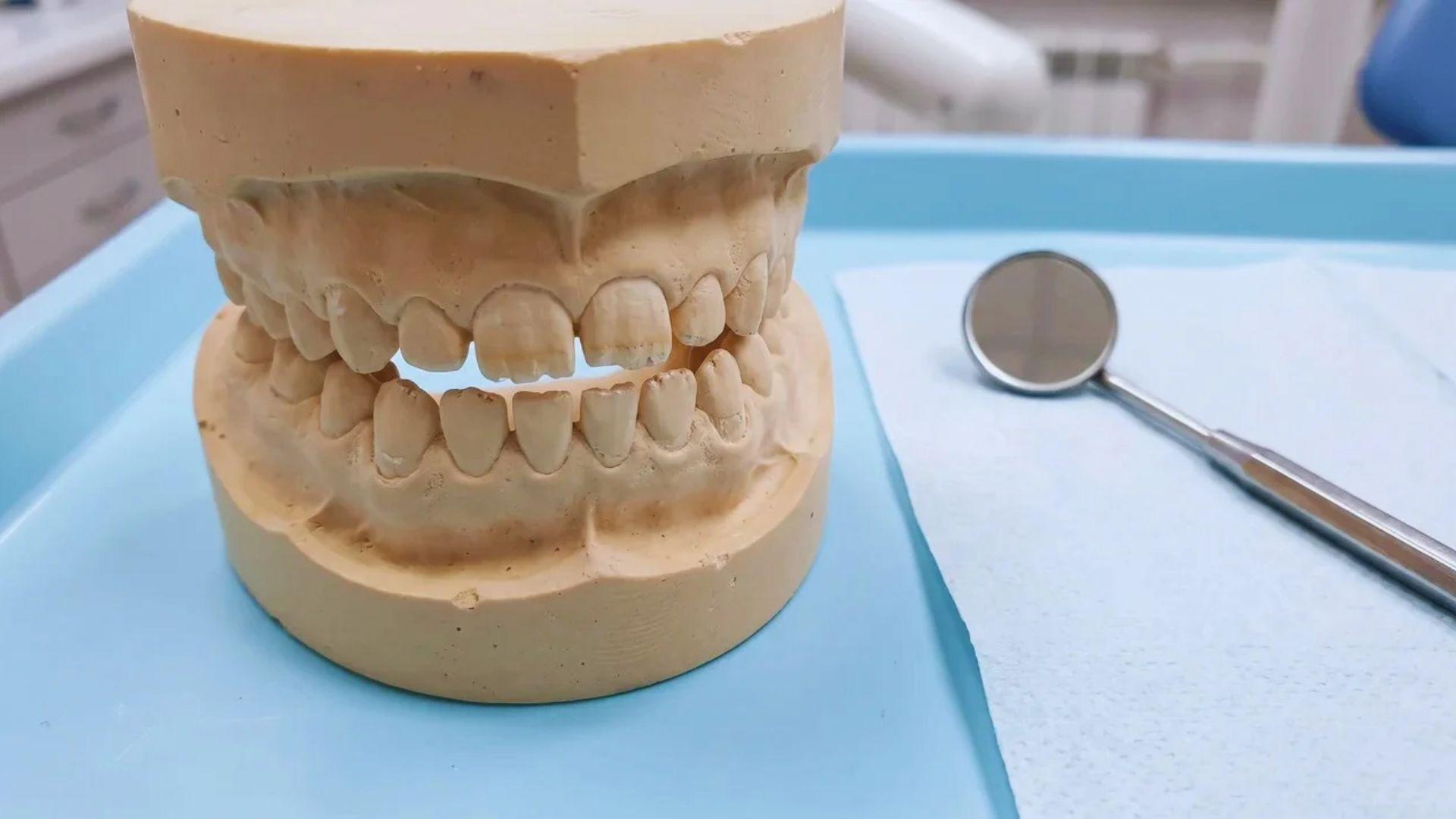
- Visible flattening or chips on the tooth surface
- Complaints of jaw tightness or facial pain in the morning
- Tooth sensitivity to hot or cold food or drinks
- Snoring, open-mouth breathing, or gasping during sleep
That last group is different from the others. It points toward airway evaluation, not just a dentist visit, but potentially a pediatrician or sleep specialist.
One thing parents frequently get wrong: loud grinding isn’t automatically the most serious kind. Quiet, sustained clenching can generate more force than audible grinding.
It can cause more wear with fewer warning sounds.
If you don’t hear much but your child wakes with a sore jaw, that’s worth noting.
With the warning signs mapped, the next question is sequencing the response correctly. The right starting point for the large majority of families is well before a dentist appointment.
What to Do When Your 5-Year-Old Grinds Their Teeth
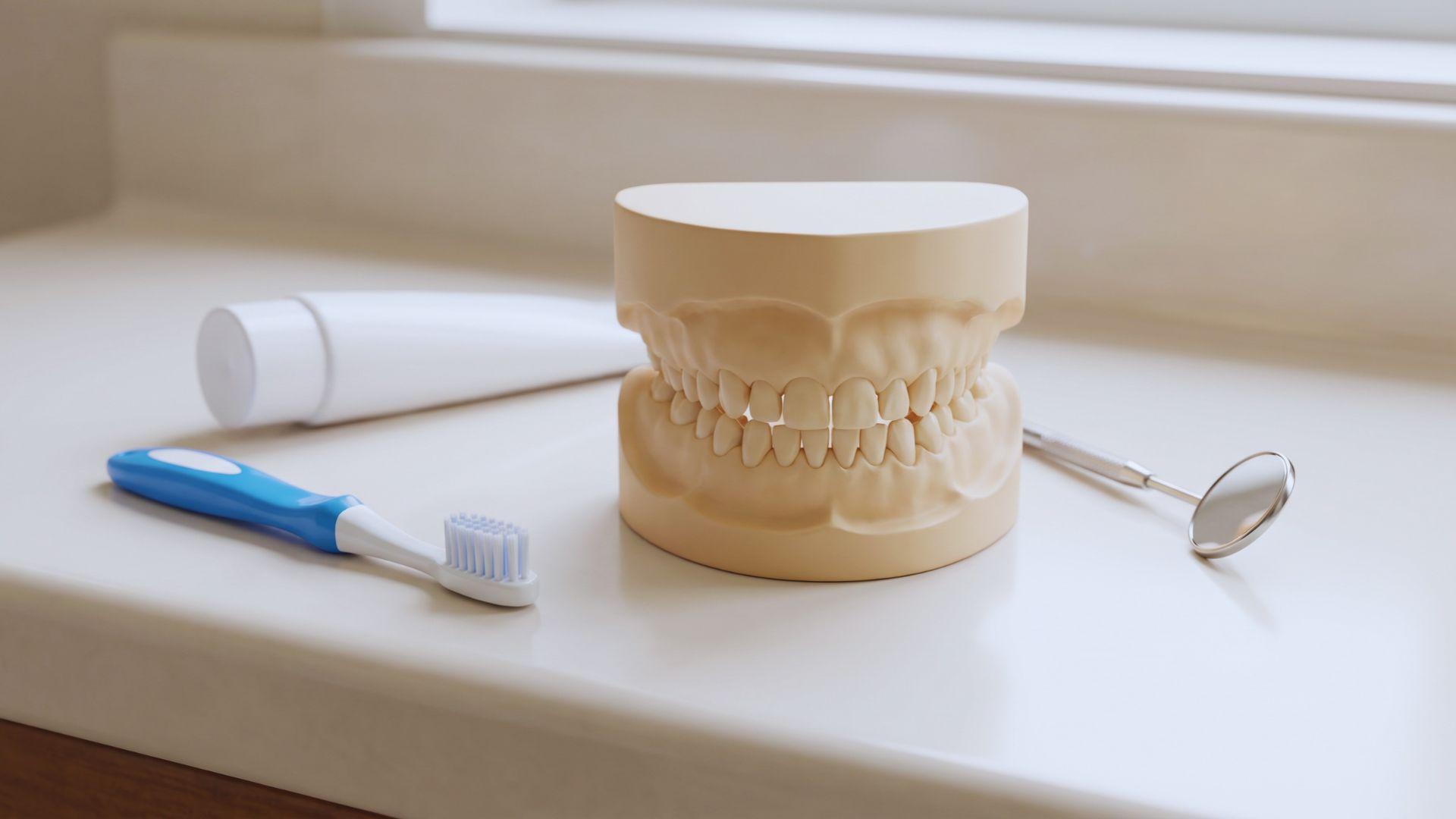
For most five-year-olds, the right first response is watchful monitoring, not a product, not an appointment, not a night guard.
If you’ve ruled out the breathing signs above, start with the bedtime routine. If grinding persists or you’re seeing wear, bring it to a dentist.
Acting too quickly is how parents end up with solutions their child doesn’t need. In the case of night guards, it can cause real harm.
Adjusting the Bedtime Routine
A calmer lead-up to sleep genuinely helps with grinding tied to stress or overstimulation. The goal is getting the nervous system settled before your child’s head hits the pillow.
A few things consistently make a difference here:
- No screens in the 30 to 60 minutes before bed
- Avoid sugar, soda, or anything caffeinated in the evening
- Build in a quiet wind-down: a warm bath, reading, or low-key conversation
- Talk through anything on your child’s mind; worries held in tend to surface at night
A calmer routine won’t stop grinding driven by a shifting bite. But it removes a real contributing factor where one exists.
The Night Guard Question for Baby Teeth
Night guards come up often as a bruxism option, and for adults, they make sense as a first-line tool. For a five-year-old, the situation is different.
Baby teeth are temporary. An over-the-counter guard sized for adult teeth sits wrong in a child’s mouth. It can interfere with how the jaw develops at a stage when it’s still actively forming.
A custom pediatric guard, fitted by a dentist, is occasionally appropriate when grinding is causing measurable damage.
For most five-year-olds, though, watchful waiting remains the right answer even after a dental visit.
If a dentist recommends a guard, ask whether it’s designed specifically for a developing bite. That question tells you a lot about the recommendation.
When to Call the Dentist or Pediatrician
Routine dental visits include a bruxism check. Your dentist will often notice wear patterns before you do.
That said, some signs are worth booking an appointment sooner rather than waiting:
- Visible chipping, flattening, or cracks on any tooth surface
- Your child complains of jaw pain or tight facial muscles in the morning
- Teeth that have become sensitive to hot or cold
- Snoring, mouth breathing, or gasping during sleep
That last point changes the routing. Breathing symptoms alongside grinding go to a pediatrician first, or to both at once. A dentist can assess wear on the teeth.
They’re not the right first call for a possible airway issue.
The action steps are clearer once you know if breathing is part of the picture. That single distinction changes both the urgency and the routing.
Final Verdict
A 5 year old grinding teeth while sleeping is rarely the emergency it sounds like. The more useful question isn’t the grinding itself. It’s what else is happening alongside it.
Breathing patterns tell you more than grinding sounds ever will. That’s the detail parents commonly miss, and the one that deserves the closest attention.
If your child grinds quietly, sleeps with their mouth open, or snores, start with your pediatrician. If the grinding is isolated and the teeth look intact, bring it up at the next routine dental visit.
Frequently Asked Questions
Will my 5-year-old outgrow grinding their teeth?
The large majority of children stop grinding before their teens without any treatment. Grinding that persists past age 8 or 9, or comes with snoring or visible damage, warrants a dental visit.
What deficiency causes teeth grinding in kids?
Low magnesium is the nutritional factor most linked to bruxism, as it supports muscle relaxation and nerve signaling. A pediatrician can confirm a deficiency through a blood panel before any supplementation.
Do kids with ADHD grind their teeth at night?
Children with ADHD grind at higher rates, likely tied to nervous system differences and disrupted sleep patterns. If your child has ADHD and grinds, mention it at their next pediatric or dental visit.
Does teeth grinding in children mean they have sleep apnea?
Not automatically, but grinding alongside snoring, gasping, or mouth breathing warrants airway screening. Grinding in isolation, with no breathing symptoms, more often reflects normal developmental causes.