
That low scraping sound coming from your child’s room at night can stop you cold.
If you’ve heard it, you’re not alone: according to the American Academy of Family Physicians, roughly 20 to 30 percent of children grind their teeth, though published estimates vary widely.
Wondering how to stop kids from grinding teeth? Most children outgrow it, and a calming bedtime routine, stress support, and regular dental checkups are the best first steps.
Below are seven practical tips, plus the causes, what changes by age, and the signs that it’s time to call a professional.
This guide draws on the AAFP, AAP, Mayo Clinic, and peer-reviewed studies. It is general information, not a substitute for advice from your child’s dentist or pediatrician.
What Can Help Stop Kids From Grinding Their Teeth?
The honest answer is that no single home remedy guarantees it will stop. But some practical steps can reduce how often it happens or limit the harm it causes.
The AAP says most children outgrow grinding, and Nemours KidsHealth notes that routine dental visits can help find and treat it.
Practical starting points:
- A calming, consistent bedtime routine
- Open conversations about stress at home or school
- A dental checkup to rule out pain or jaw issues
Monitoring without treatment is often the right first step when grinding is mild and there are no symptoms.
Even then, mention it to your child’s dentist early, since long-term grinding can damage permanent teeth. Frequent, loud grinding with other signs is the point where action is needed.
7 Ways to Stop Kids From Grinding Their Teeth
1. Create a Calming Bedtime Routine

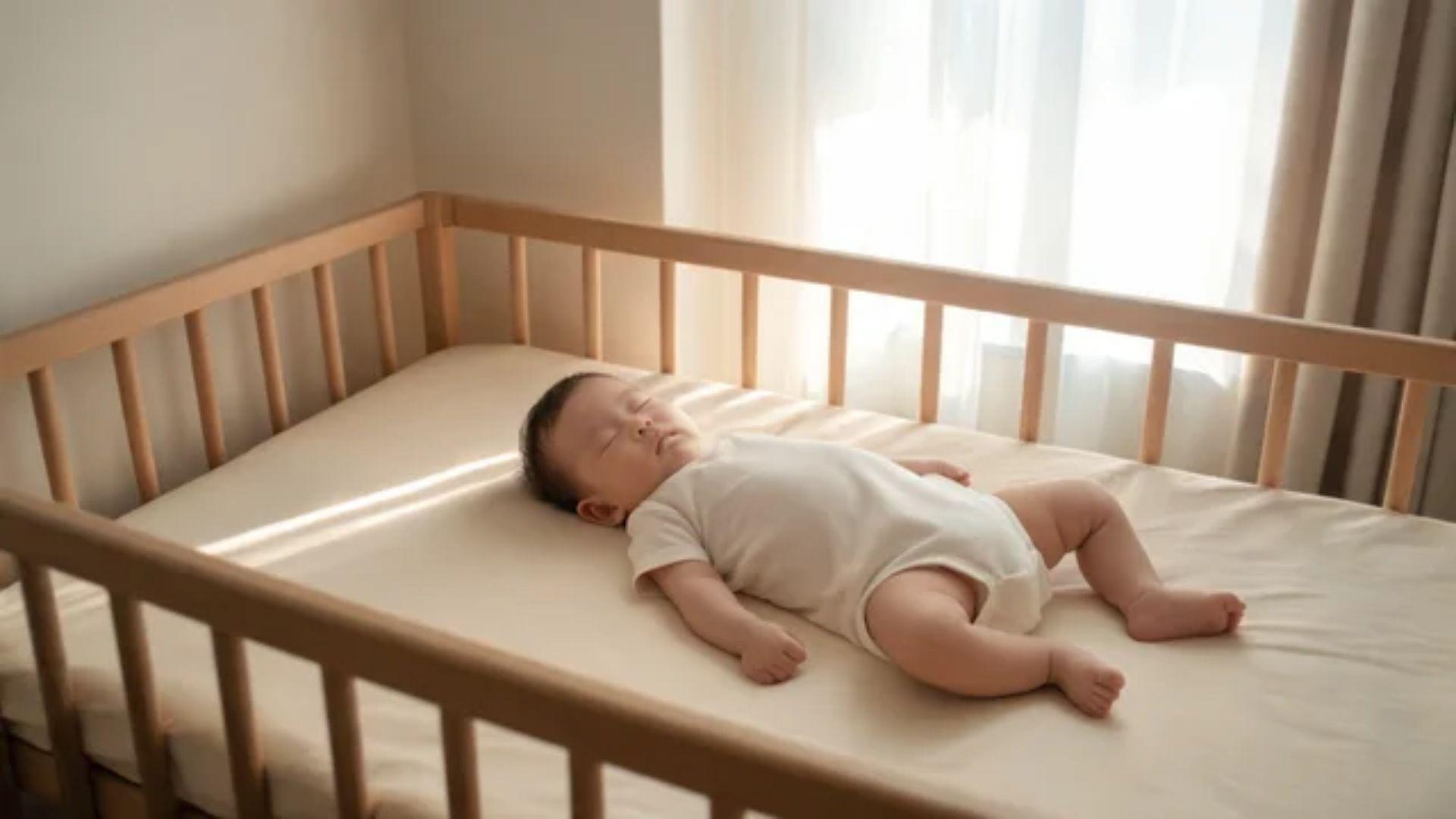
A predictable, calming bedtime routine helps a child's nervous system settle. Reading together, quiet music, or a warm bath all work.
The American Academy of Pediatrics recommends keeping screens off at least one hour before bedtime.
The AAP notes that screen exposure in the hour before sleep affects melatonin levels and can delay or disrupt sleep.
Mayo Clinic notes that good sleep habits may help lessen grinding. Keep bedtime consistent. The time matters as much as the routine itself.
2. Help Your Child Manage Stress

The Mayo Clinic notes that increased anxiety or stress can lead to teeth grinding. The AAP notes that grinding by itself is not a sign of a serious mental health problem, though stress can contribute to it.
Children don't always have the words for what's bothering them, but they feel it physically.
Ask open questions about school, friendships, or recent changes at home. Stay available without pushing for answers.
In the evening, calm activities such as drawing, reading, or quiet building work better than stimulating games or rough play right before bed.
3. Check for Pain or Dental Discomfort

Physical discomfort can drive grinding. Teething pain, a sore tooth, or jaw tension can all prompt a child to grind.
The American Academy of Pediatrics notes that pain from an earache or teething, or teeth that don’t line up well, can prompt grinding.
An ear infection can also be behind it, so mention any ear pain to your pediatrician.
Watch for jaw rubbing, sensitivity to hot or cold food, or complaints about tooth pain.
If those signs are there, do not assume it will pass. Let a dentist assess whether there is an underlying physical cause.
4. Review Your Child's Sleep Habits

A 2015 study in the journal CRANIO found a statistical association between sleep bruxism and obstructive sleep apnea syndrome in 496 preschoolers.
A 2026 study of 281 children found a positive but non-significant link between probable sleep bruxism and sleep apnea risk, so the evidence is still mixed.
Loud snoring, mouth breathing, or gasping during sleep are worth flagging, since people who grind their teeth in their sleep are more likely to have snoring or sleep apnea, according to Mayo Clinic. Keep a regular sleep schedule.
If you notice these breathing symptoms alongside grinding, discuss them with your child's pediatrician, who can check for a sleep condition that needs its own assessment.
5. Avoid Caffeine and Review Evening Habits

Caffeine is a stimulant that can interfere with sleep, and Mayo Clinic lists caffeinated drinks among factors that can raise the risk of bruxism.
The AAP concluded in a clinical report that energy drinks have no place in the diets of children and teens. Treat limiting caffeine as one part of good sleep habits, not a cure.
6. Protect Teeth With Regular Dental Checkups

A dentist is best placed to catch grinding-related damage early: worn enamel, chipped tooth edges, increased sensitivity, or jaw tension. The earlier this is spotted, the more options you have.
Regular dental checkups let your dentist monitor changes over time.
Follow their guidance on how often to come in and what protective steps, if any, are needed.
Some damage from grinding is gradual and does not cause obvious symptoms until it has progressed.
7. Ask Whether a Night Guard Is Appropriate

A dentist may recommend a custom-fitted night guard in some cases, typically when there is visible wear on permanent teeth or when symptoms are significant.
A night guard protects the teeth from grinding damage, though it may not stop the grinding itself.
The AAP says a custom guard made from a mold of your child's teeth is more comfortable and effective than over-the-counter options, so ask your dentist before buying one.
If a guard is needed, let a dentist fit one properly.
Why Do Kids Grind Their Teeth at Night?
Bruxism during sleep happens when the jaw muscles contract rhythmically or with force, producing that grinding or clenching sound. The exact cause is not always clear.
The Mayo Clinic explains that bruxism may be due to a mix of physical, mental health, and genetic factors, and that doctors do not fully understand all causes.
Here is what clinical sources point to consistently:
| Contributing Factor | What the Evidence Suggests |
| Stress or anxiety | Often seen as a contributing factor (AAP, Mayo Clinic) |
| Sleep-disordered breathing | Association observed in children (Mayo Clinic, CRANIO 2015) |
| Dental discomfort or misalignment | Pain or alignment issues can trigger grinding (AAP) |
| Growth and development | Often a natural reaction to growth (AAFP) |
| Certain medications | Some stimulant and ADHD medications are associated with bruxism (AAP) |
Because causes vary, a one-fix approach rarely works. A combination of sleep hygiene, stress management, and dental monitoring is the better path.
Teeth Grinding by Age: Toddlers vs. School-Age Kids

Babies and Toddlers
The AAP says grinding is common in toddlers and preschoolers and can start before a child's first birthday.
Pain from teething or an earache can be a trigger. Mention it at your child's next dental visit.
Preschool to Early School Years
The AAP says most cases end by about age 6, and Nemours KidsHealth and the AAFP say it often ends as baby teeth are lost.
Stress, such as worry about school or a change in routine, can contribute.
Older Kids and Teens
Grinding that continues once permanent teeth are in matters more.
Chipped or worn teeth are a sign permanent teeth need protection, and the AAP says a dentist may recommend a custom night guard.
When Should You Worry About Teeth Grinding in Kids?
Occasional grinding without symptoms usually just needs monitoring. These signs mean it is time to act:
- Grinding is loud, nightly, or happening very frequently
- Your child complains of jaw pain, facial soreness, or wakes with headaches
- Teeth look chipped, shorter, or are more sensitive than before
- Sleep is visibly disrupted, and your child wakes tired
- You notice snoring, gasping, or breathing pauses during sleep
The American Academy of Family Physicians lists worn or chipped teeth, a sore jaw, and headaches as symptoms of bruxism, and the Mayo Clinic advises seeing a dentist if your child has symptoms that could be caused by grinding.
Breathing-related symptoms during sleep, snoring, gasping, or pauses in breathing, should go to a pediatrician, as they can point to a sleep condition that needs its own evaluation.
At What Age Do Kids Stop Grinding Their Teeth?
Many children do stop on their own. The American Academy of Pediatrics says grinding disappears by about age 6 in most cases, though some children continue into their teen years.
The AAFP adds that it often ends around the time children lose their baby teeth.
There is no fixed schedule, and it does not happen for every child.
Once permanent teeth come in, the concern level rises. Adult teeth cannot be replaced.
If there is visible wear or damage to permanent teeth, that needs professional attention regardless of your child's age.
Final Thoughts on Helping Kids Stop Grinding Their Teeth
Teeth grinding in kids is more common than most parents realize, and steady monitoring plus regular dental visits is enough for the majority of cases.
The steps here, calming bedtime routines, stress check-ins, and regular dental visits, reflect what dental and pediatric professionals actually recommend.
If you see pain, visible tooth wear, or unusual breathing during sleep, talk to a dentist or pediatrician.
You know your child best, so trust that instinct. If this was helpful, I would love to hear from you in the comments, or share it with another parent who needs it.
Frequently Asked Questions
Should I wake my child when I hear them grinding?
Waking them is unlikely to help and cuts into the sleep they need. Most children don’t remember grinding in the morning. It is better to note how often it happens and mention it at the next dental visit.
Does teeth grinding run in families?
Often, yes. Children who grind frequently tend to have a parent or sibling who did too, which suggests family history may play a role. A family history doesn’t mean your child will have problems, but it is worth telling the dentist so they can watch for early wear.
Do worms cause teeth grinding in children?
This is a common belief, but studies haven’t shown that worms cause grinding. Grinding has many possible causes, and blaming parasites can delay the real fix. If your child has other symptoms, such as itching, stomach pain, or poor appetite, raise those with your pediatrician as a separate issue.