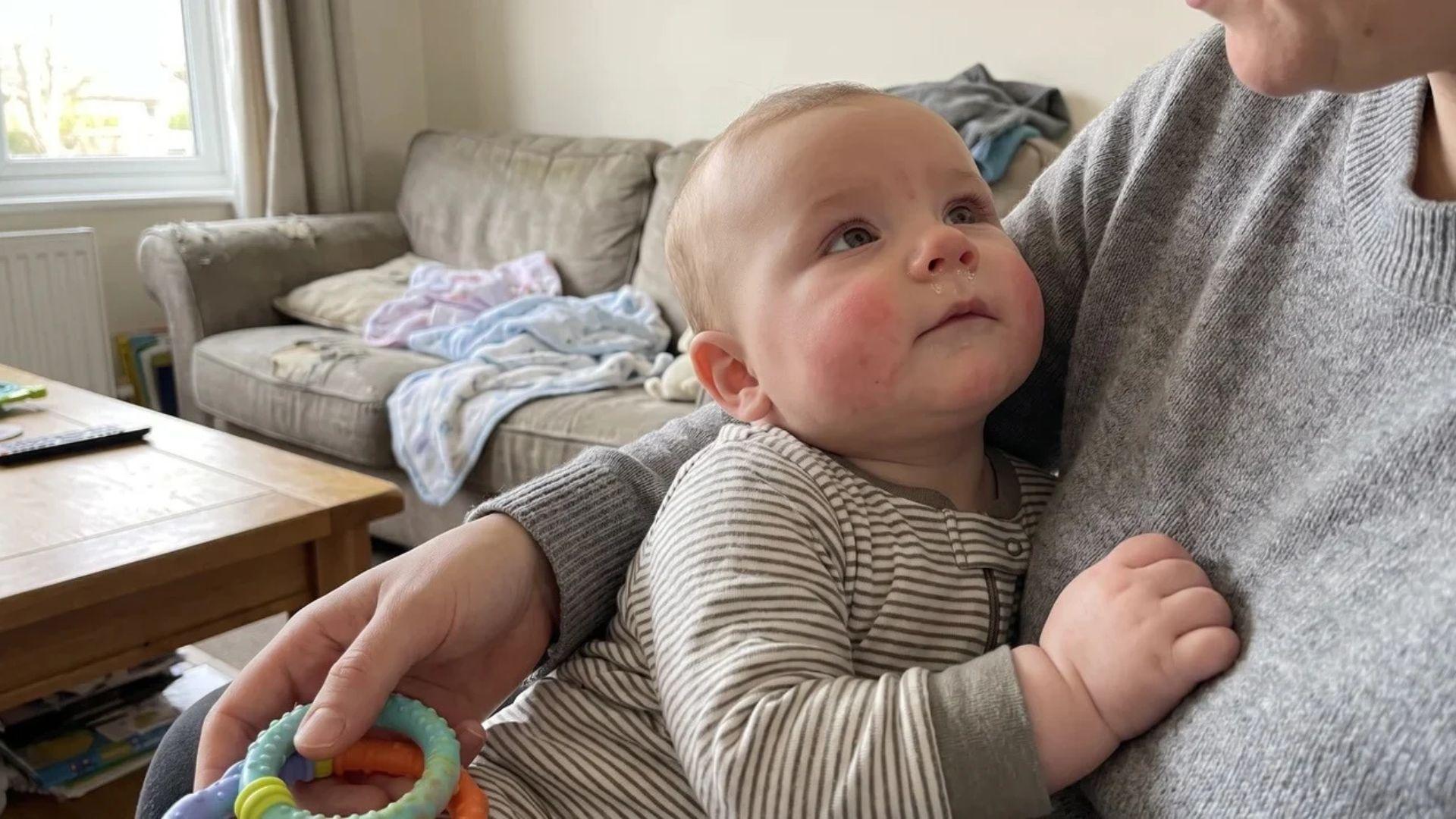
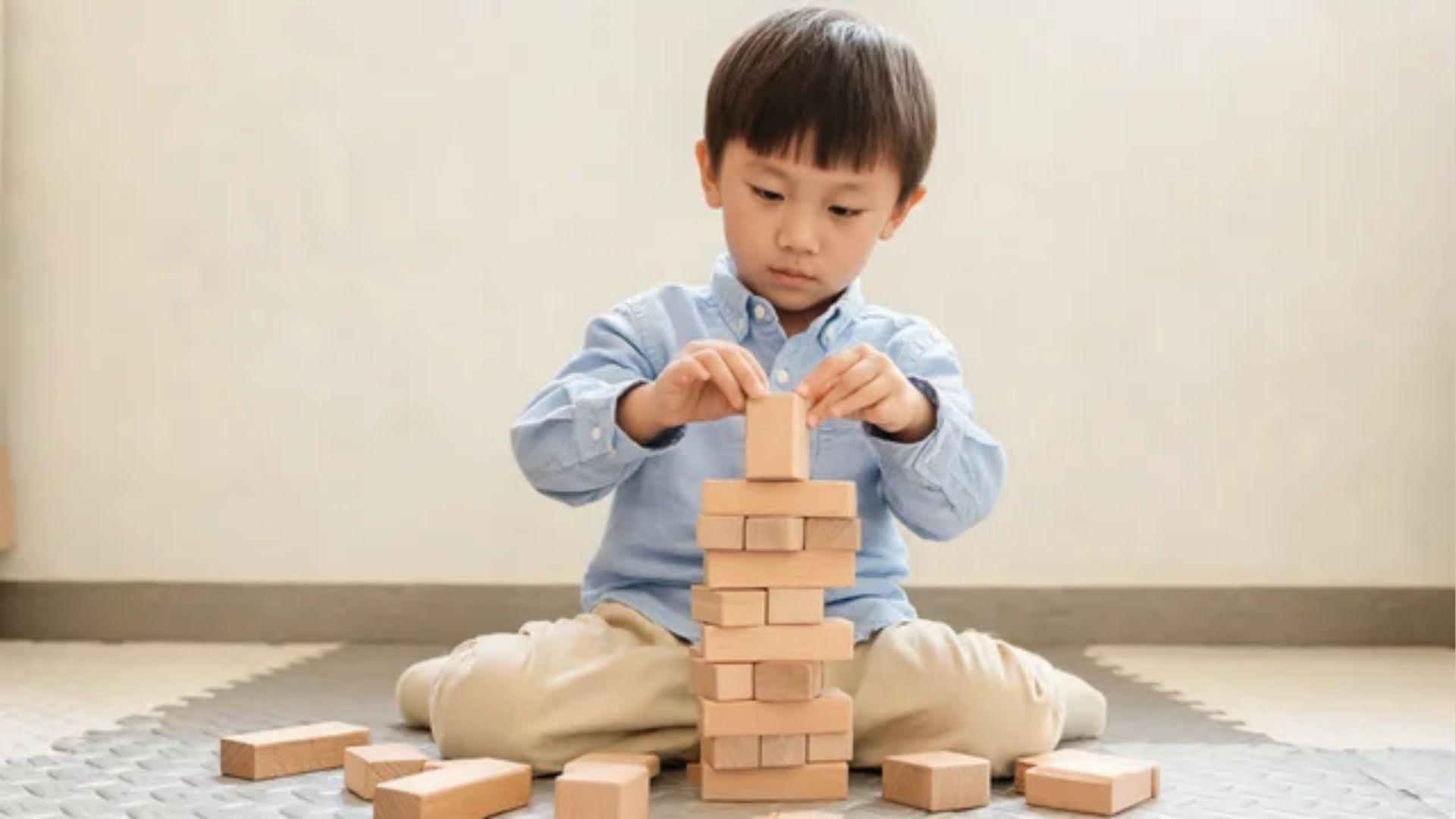
A four-year-old rebuilt her block tower for the fifth time while I watched, tongue between her teeth, never once sighing.
Most parents call that play, but I call it one of the clearest child strengths there is.
So how do you spot strengths like that in your own child, and tell them apart from skills? Why do some behaviors you worry about turn out to be strengths, and does testing help?
In this post I will show you what I look for. The part that surprised me most is simple: a strength rarely looks impressive, it looks repetitive.
Let’s start with how to tell a strength from a skill.
What Are Child Strengths and How Do You Tell Them From Skills?
Child strengths are the qualities a child shows again and again, with real energy, in more than one setting. They don’t depend on praise or good grades.
Here is the test I trust most. A strength is something your child chooses without being asked, and keeps choosing even when it gets hard.
A skill is different, because a child can do it well and still feel drained afterward.
A child who spells perfectly but never picks up a book has a skill. A child who reads under the covers has strength.
Strengths in a child look different at every age, but the quality underneath stays the same.
A preschooler rebuilding a fallen tower five times shows persistence. So does a ten-year-old who won’t quit a hard puzzle.
Watch for these qualities in four areas: character, social, thinking, and creative or physical. Qualities tied to feelings, such as how children manage big feelings, are a topic of their own.
One caution applies. If a behavior only appears to earn praise or avoid trouble, that is compliance, not a strength.
So notice what your child does when nobody is watching.
How Do You Spot a Child’s Strengths in Everyday Life?
You spot a child’s strengths by watching what they choose and repeat unprompted, in two or more settings. Mood and tiredness shift what you see, so one great or terrible day proves little.
A settled child shows you more, so a few minutes of calming activities for kids before you watch often helps.
Start With What Your Child Chooses Unprompted
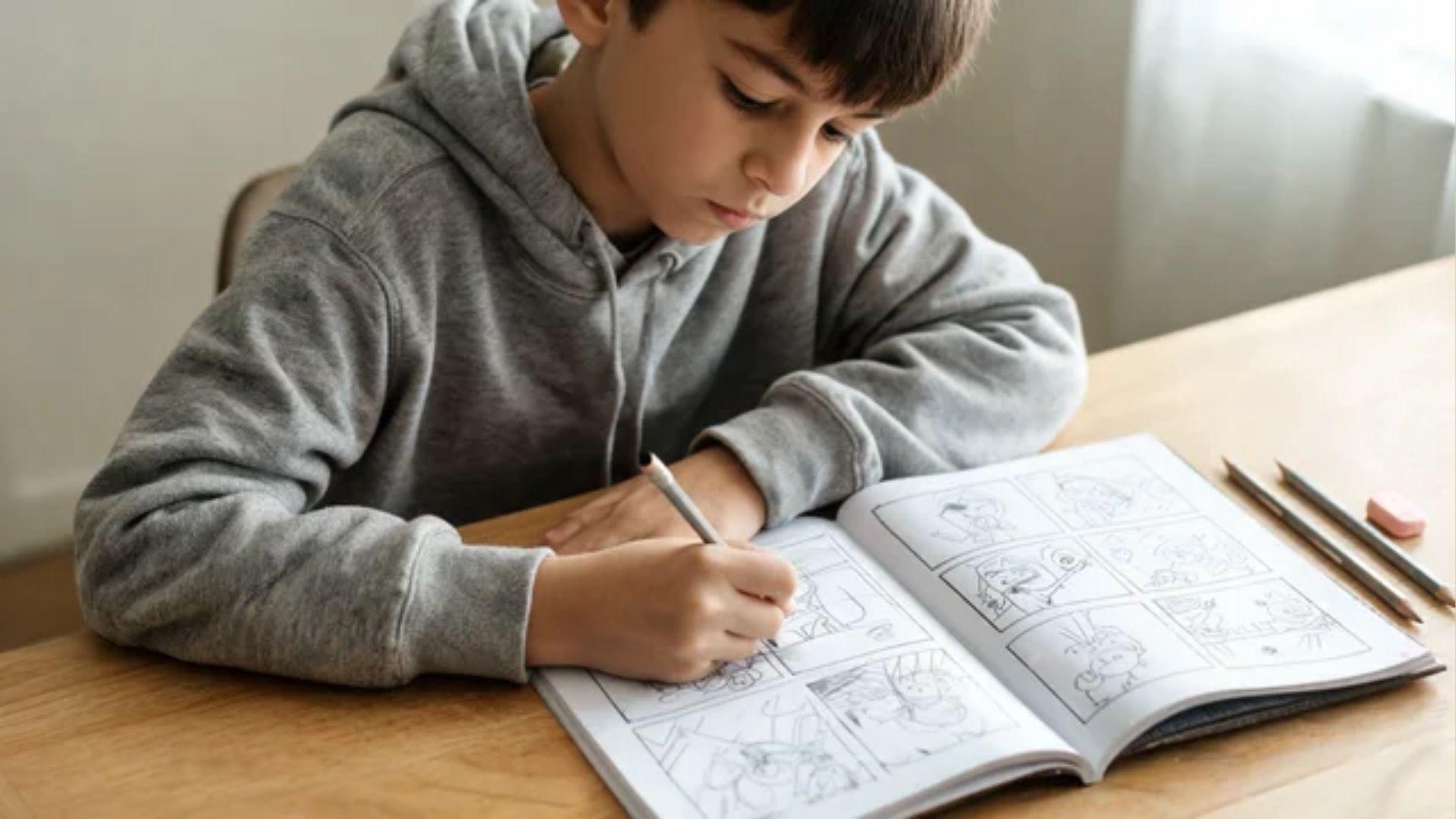
Free time is the best place to begin, because nobody is steering. Notice what your child returns to, how long they stay, and what they do when it gets hard.
Age changes how this looks. A three-year-old may stack and restack blocks for twenty minutes, while a nine-year-old may sketch comics for an hour.
For toddlers, staying close is often how they feel safe enough to explore, and that is why some toddlers cling.
The pull matters more than the polish. A messy drawing your child won’t stop making tells you more than a neat one they were told to do.
Look for Patterns Across Settings
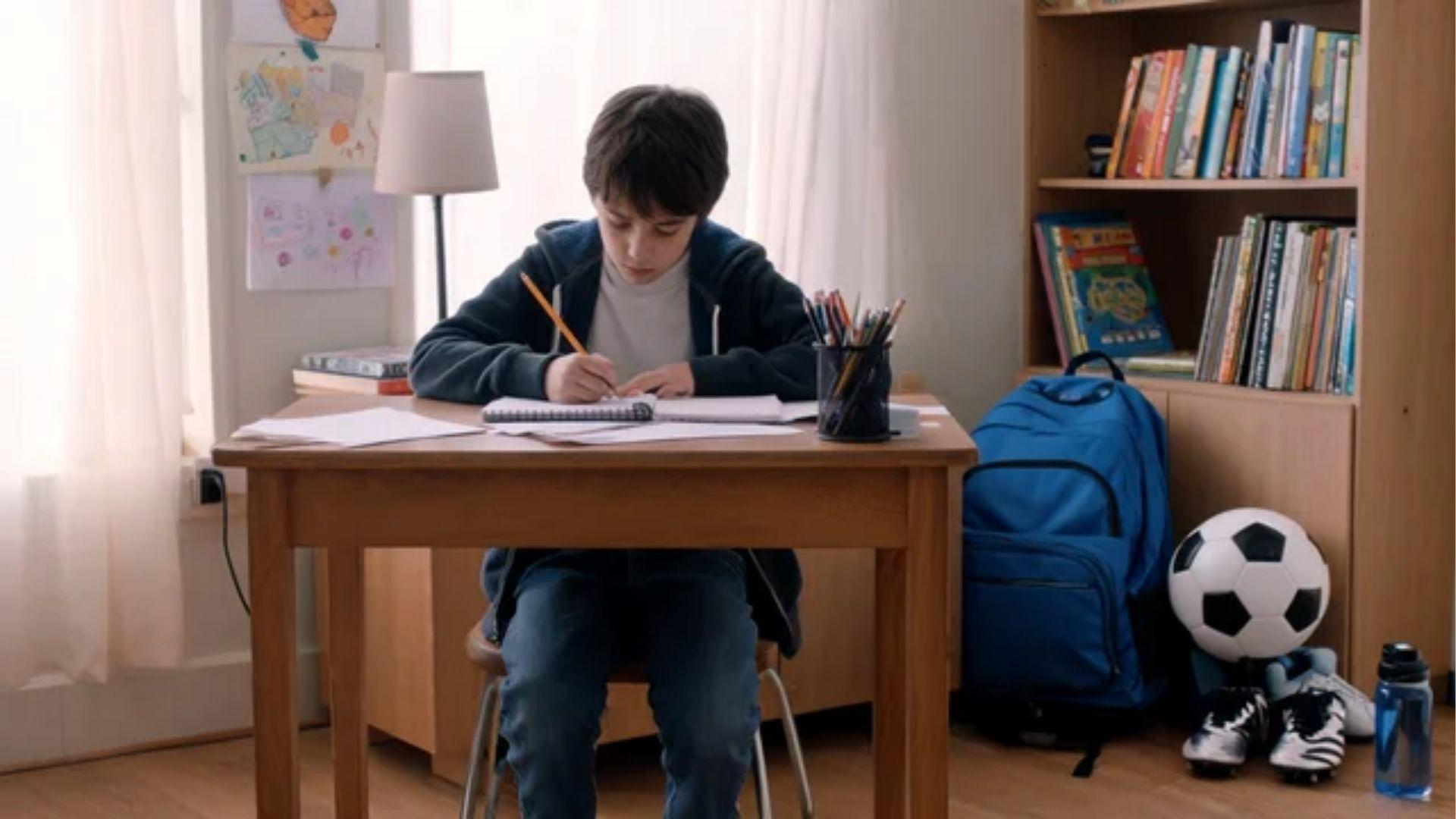
A strength seen in only one place may belong to that place, so widen your view. Ask a teacher or coach, “When does she look most absorbed?”
A specific question beats “How is she doing?”, which usually gets a polite, general answer. Then compare it with what you see at home.
A behavior that appears in both places counts. A child who leads at school but stays quiet at home deserves a closer look. If the quiet feels more like worry than preference, it helps to know the signs a child needs support.
Log Behaviors, Not Labels
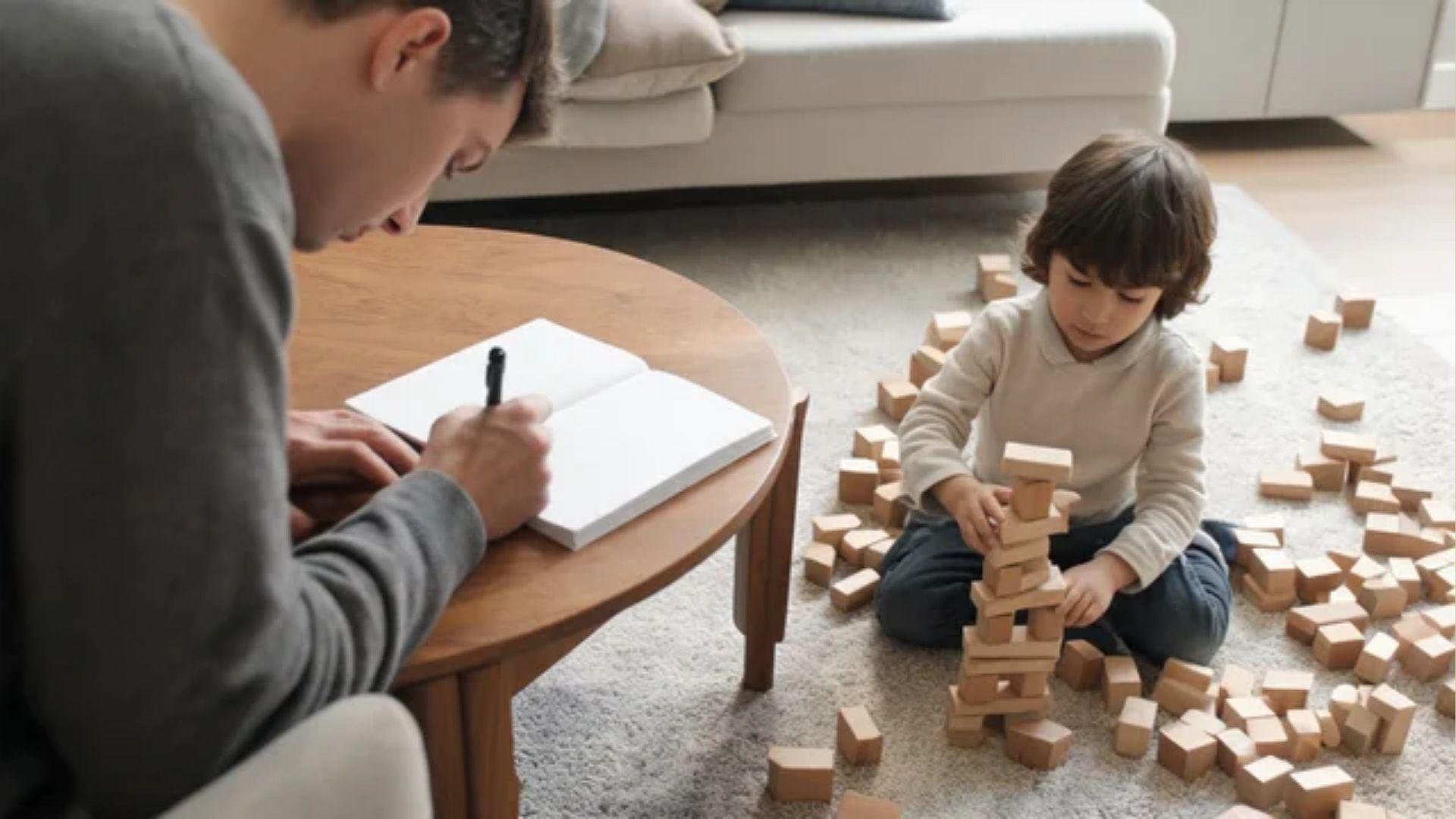
For two weeks, jot down a few lines each evening in a notebook or your phone. Write the situation, what your child did, and how long they stayed with it.
A label like “she’s creative” fades into a guess, but a logged behavior can be checked.
“She invented three rules for a new game” is something you can compare next week.
After two weeks, read the entries together. The behavioral strengths are the lines you keep writing in different words.
Which Behaviors Look Like Weaknesses but Hide Strengths?
Many behaviors parents label as weaknesses are the same traits that count as strengths in a different setting. The label depends on where the behavior shows up, not on the behavior alone.
Read through any list of child strengths and weaknesses and you will find the same behavior on both sides. The points below show how that happens and why the label shifts.
- Stubborn or persistent: A child who won’t drop an argument is often the same child who won’t drop a hard task. The behavior stays the same, and only the target changes.
- Bossy or leadership-minded: A child who directs every game may simply be good at organizing people. It can look bossy until they learn to share the role.
- Talkative or communicative: Constant chatter is often practice at putting thoughts into words. It grows into a strength once your child learns when to pause.
- Restless or energetic: A child who can’t sit still may have energy with no outlet yet. Give it somewhere to go, like running or building, and it looks very different.
- Age changes the meaning: A three-year-old’s firm “no” is a normal bid for independence. The same answer from a nine-year-old may show real conviction.
- Comparison muddies the picture: Beside a quiet sibling, a lively child looks like a problem. Beside a lively classmate, the same child looks typical.
Before you write something down as a weakness, ask where the same behavior would help your child. That question often uncovers behavioral strengths you were about to cross out.
Behaviors that regularly hurt your child or others need a response, not a reframe.
How Can You Verify and Record What You Have Found?
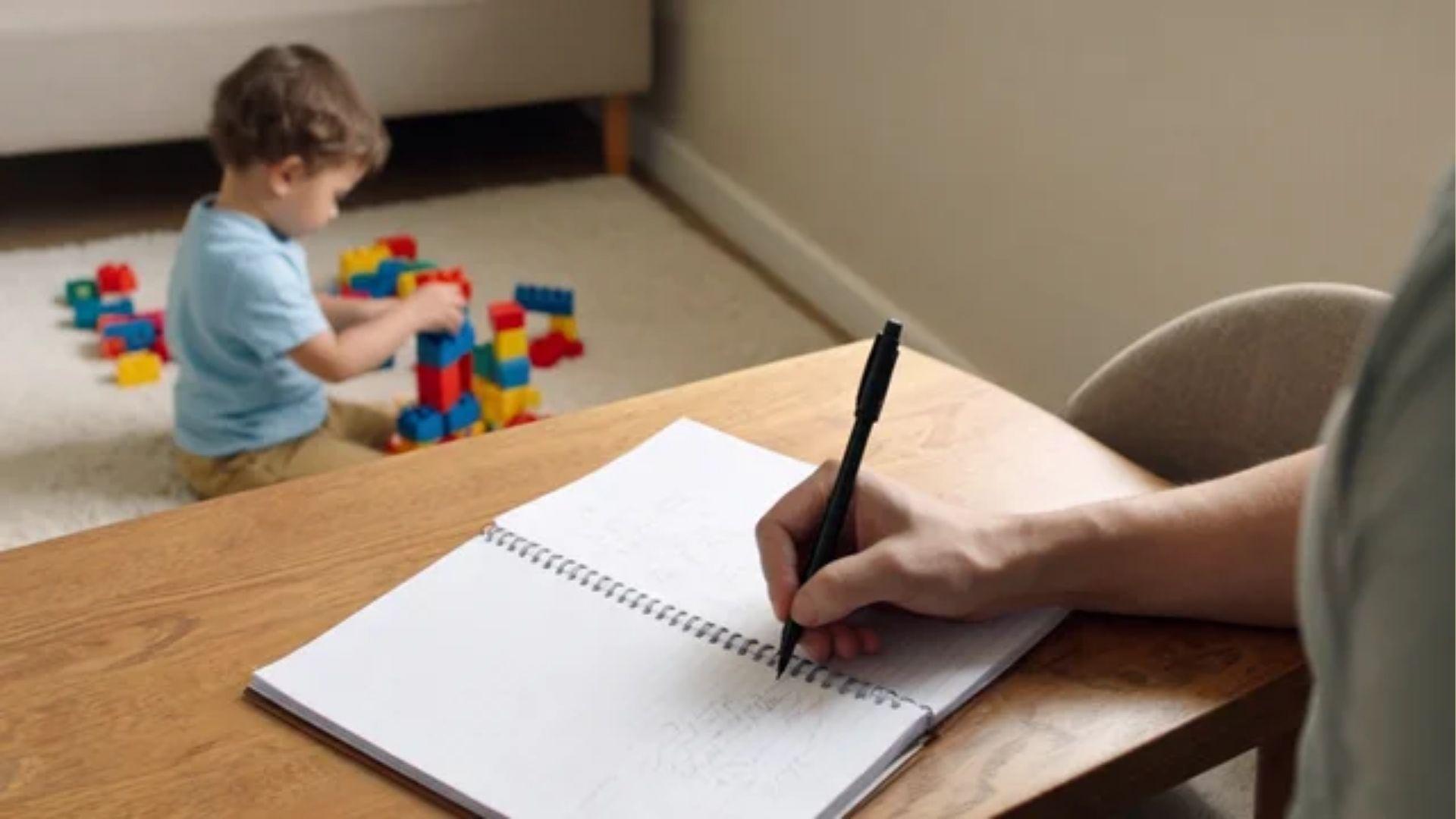
To verify a child’s strengths, check that the behavior repeats across weeks and in at least two settings.
A questionnaire can then add a second opinion, and your notes will make school forms easier to complete.
How Do Questionnaires and Screeners Fit In?
Questionnaires add a structured view, but they work best beside what you have already seen.
The VIA Youth Survey is built for older children and teens, who answer questions about their own character strengths.
The Strengths and Difficulties Questionnaire includes a scale for kind, helpful behavior, and parents or teachers can complete it.
DESSA is usually completed by school staff, so ask your child’s teacher or school psychologist about it.
Age ranges, access, and cost vary, so check each tool first. Treat any score as a snapshot of reported behavior, not a ranking or a diagnosis.
How Do You Describe Strengths on a School Form?
Forms often ask, “What are some of your child’s strengths?” and a blank box can make anyone freeze.
Pick two or three strengths and attach one real example from your log to each.
“Persistent” is only a label, but “rebuilt her bridge four times until it held” gives a teacher something to use. In the US, federal special education rules require IEP teams to consider a child’s strengths.
Where to Start This Week
Child strengths become visible when you watch what a child repeats, not what earns praise. That shift in attention is the real skill here.
Once you start looking, behavioral strengths appear in places you had stopped noticing, even behaviors you once filed as problems.
Your child doesn’t need a test or a talent to have strengths. They need an adult who pays attention long enough to see the pattern.
Starting tonight. Write one line about what your child chose to do unprompted. Share this with a parent who needs it, or comment with what you noticed.
Frequently Asked Questions
What Are Some Good Strengths for a Child?
Strengths can be curiosity, a good memory, storytelling, balance, humor, or behavioral strengths like fairness and follow-through. Grades are only one place they show up.
What Are the 6 Core Strengths for Children?
There is no single agreed list. The VIA framework groups 24 character strengths under six virtues: wisdom, courage, humanity, justice, temperance, and transcendence. Treat them as a lens, not a scorecard.
How Many Strengths Should a Child Have?
There is no set number. Most children show several, but a strength only appears in a setting that suits it, so a short list may just mean limited settings.
At What Age Can You Identify a Child’s Strengths?
Early hints appear in toddlerhood, but patterns usually become clearer in the preschool years. Strengths also shift as children grow, so revisit what you notice about once a year.