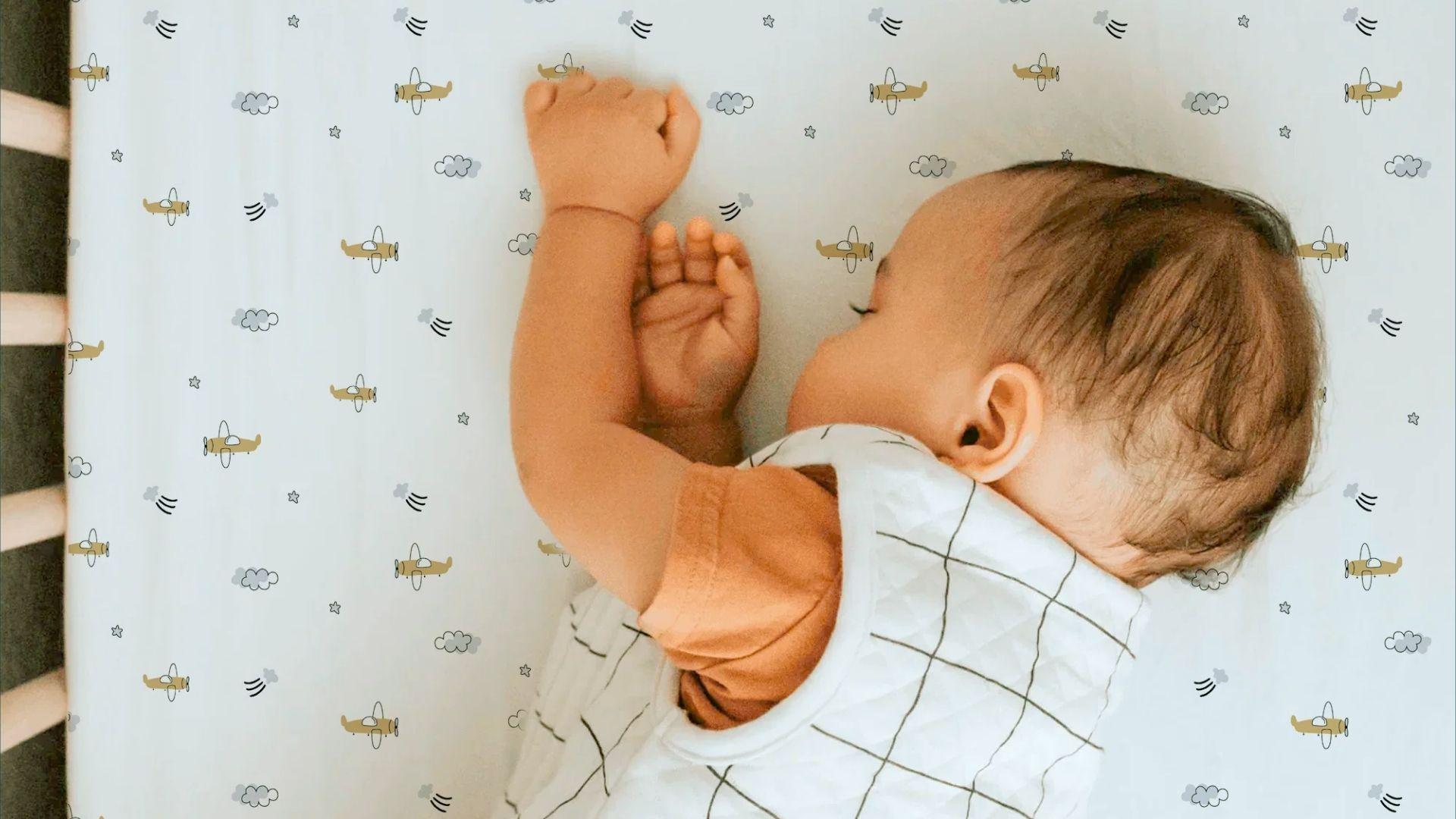
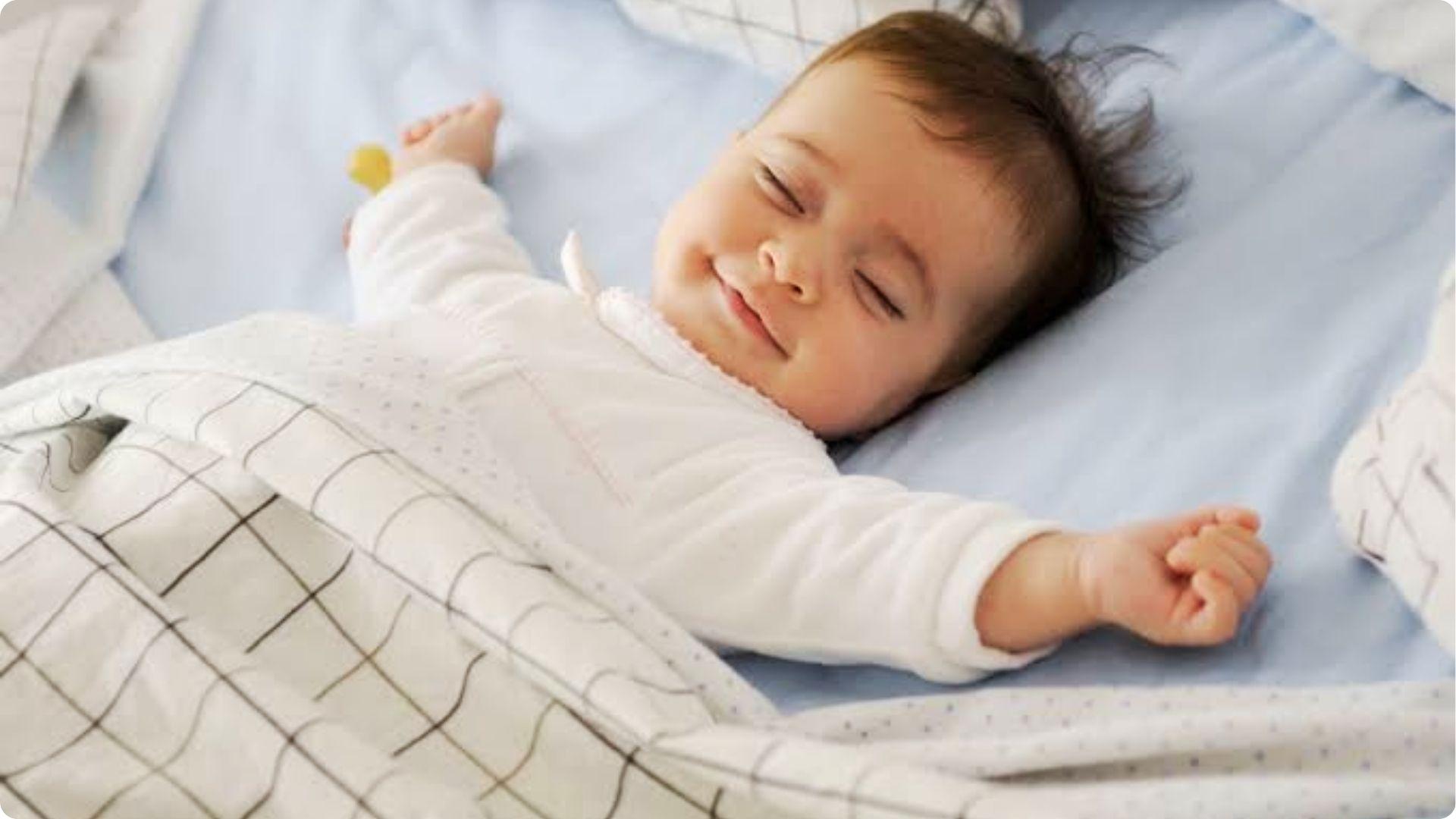
If you have ever watched your baby smile in her sleep, you probably felt your heart melt a little. It is one of those small moments that makes new parenthood feel magical.
But right after the smile comes the question: Why does my baby smile in her sleep, and is it normal? Many parents wonder the same thing, especially with newborns, since it can look so deliberate for something happening during rest.
This article covers everything you need to know, from what causes those little grins to when you should check with a doctor, so you can watch these moments with confidence instead of worry.
The Real Reasons Behind Sleep Smiles
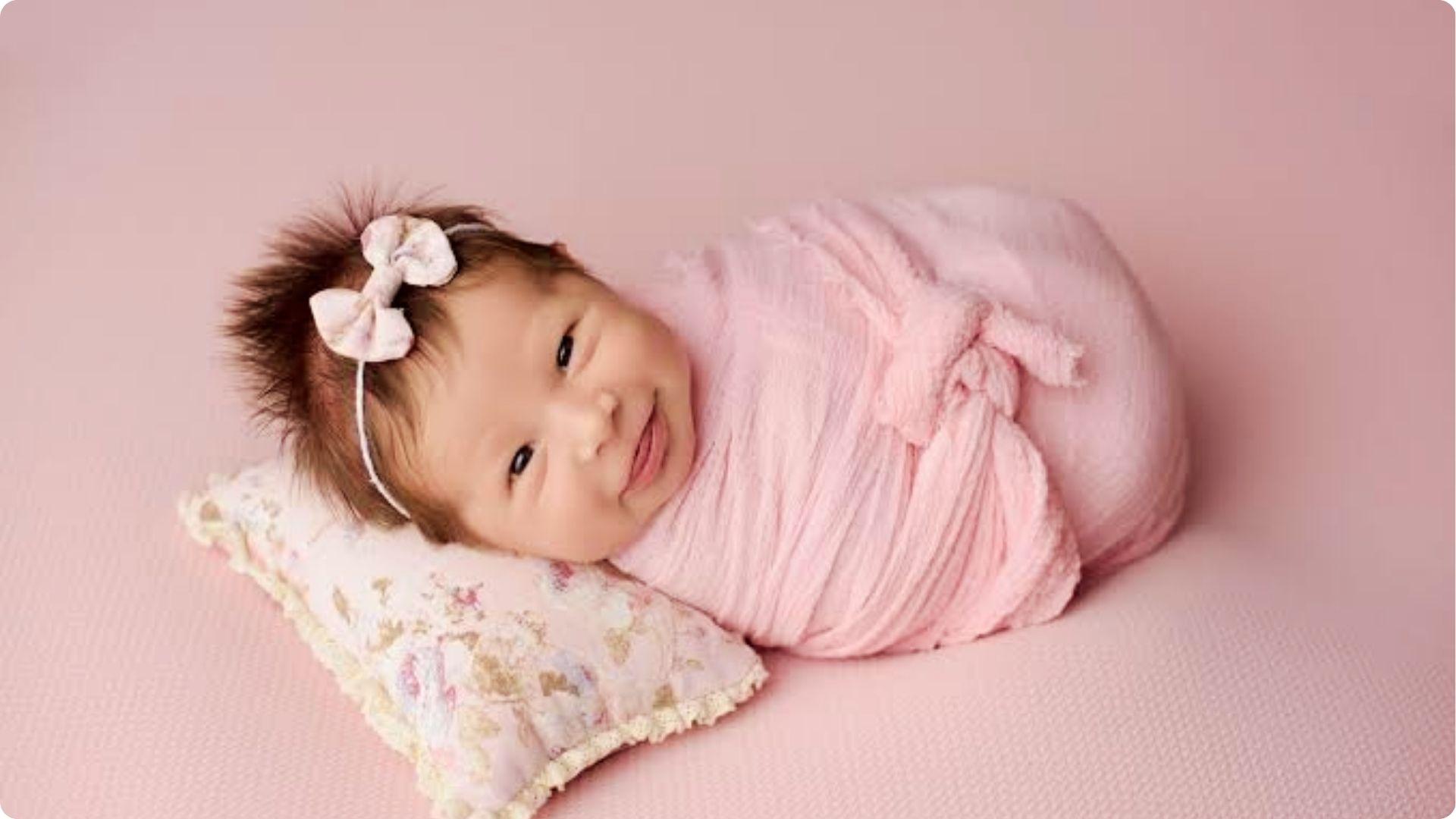
If you have ever caught your baby with a tiny grin while she was fast asleep, you are not imagining it.
Babies smile during sleep because of normal sleep activity, natural reflexes, developing facial muscles, and possibly some form of early dream-like brain activity.
It is one of the most common things parents notice in the first few weeks and months of life.
During sleep, a baby's brain is highly active. Her nervous system is still growing, and many of the movements and expressions you see, including smiles, are part of that process.
The brain is busy forming new neural pathways, and those processes can produce physical responses, including facial expressions.
These smiles are usually brief, soft, and appear out of nowhere. They are not a response to something happening in the room.
They come from within, and in most cases, they are completely normal.
Why Do Babies Smile, Laugh, or Giggle in Their Sleep?
Not all sleep smiles look the same, and some babies even giggle or laugh during sleep.
Active Sleep Can Cause Smiling and Facial Movements
Babies spend a large portion of their sleep in a stage called active sleep. This is the infant version of REM sleep, and it makes up roughly 50 percent of a newborn's total sleep time.
That is significantly more than the 20 percent adults spend in REM. During this stage, the brain is busy processing information, and the body often reacts.
You might notice twitching, small movements, and yes, smiling. The face is not still active during sleep.
It responds to what is happening in the brain, even if the baby is not fully conscious of it. This is why you may see a smile, a frown, or a look of surprise all within a few minutes of each other.
It also helps to know that the newborn sleep cycle works differently from an adult's. It has three stages: quiet sleep, indeterminate sleep, and active sleep. The active stage is where most of the visible expressions happen.
Newborn Reflexes Can Cause Sleep Smiles
Newborns are born with a set of built-in reflexes that help them survive and develop. You may have heard of the Moro reflex, also called the startle reflex, where a baby suddenly extends her arms in response to a loud noise.
Sleep smiles work similarly. The nervous system fires on its own, and the facial muscles respond without any emotional trigger. These are called reflex smiles. They are not connected to happiness or recognition.
This is very common in the first four to six weeks of life. A reflex smile tends to look quick and a little uneven. It fades just as fast as it appears.
Research also shows that babies begin mimicking facial expressions from their very first days of life.
These early imitation patterns, including smiles, help build the facial muscles they will use for social smiling later on.
Why Babies May Giggle or Laugh While Sleeping
Some parents report hearing small giggles or soft laughs from their sleeping baby. This can feel surprising, even a little funny.
The cause is the same:active sleep and spontaneous nervous system activity. The brain sends signals, the muscles respond, and sounds come out.
These are not intentional laughs. Your baby is not reacting to a dream joke. It is simply the body doing what developing bodies do. It is harmless and usually a sign of a healthy, active nervous system.
Do Babies Dream When They Smile in Their Sleep?
Scientists believe that babies do experience some form of brain activity during sleep that resembles dreaming.
Infants spend a significant amount of time in REM sleep, which is the stage most linked to dreaming in adults.
However, what a baby actually experiences during that time is impossible to measure. They cannot tell us.
Some researchers think newborns may process sensory memories like sounds, touch, and feeding cues during this stage.
Others believe true dreaming requires a level of cognitive development that very young babies have not yet reached.
The prefrontal cortex, which governs conscious thought and expression, is still very much under construction in a newborn brain. Either way, the sleep smiles you see are real, even if the dreams behind them remain a mystery.
What Does a Baby's Sleep Smile Mean at Different Ages?
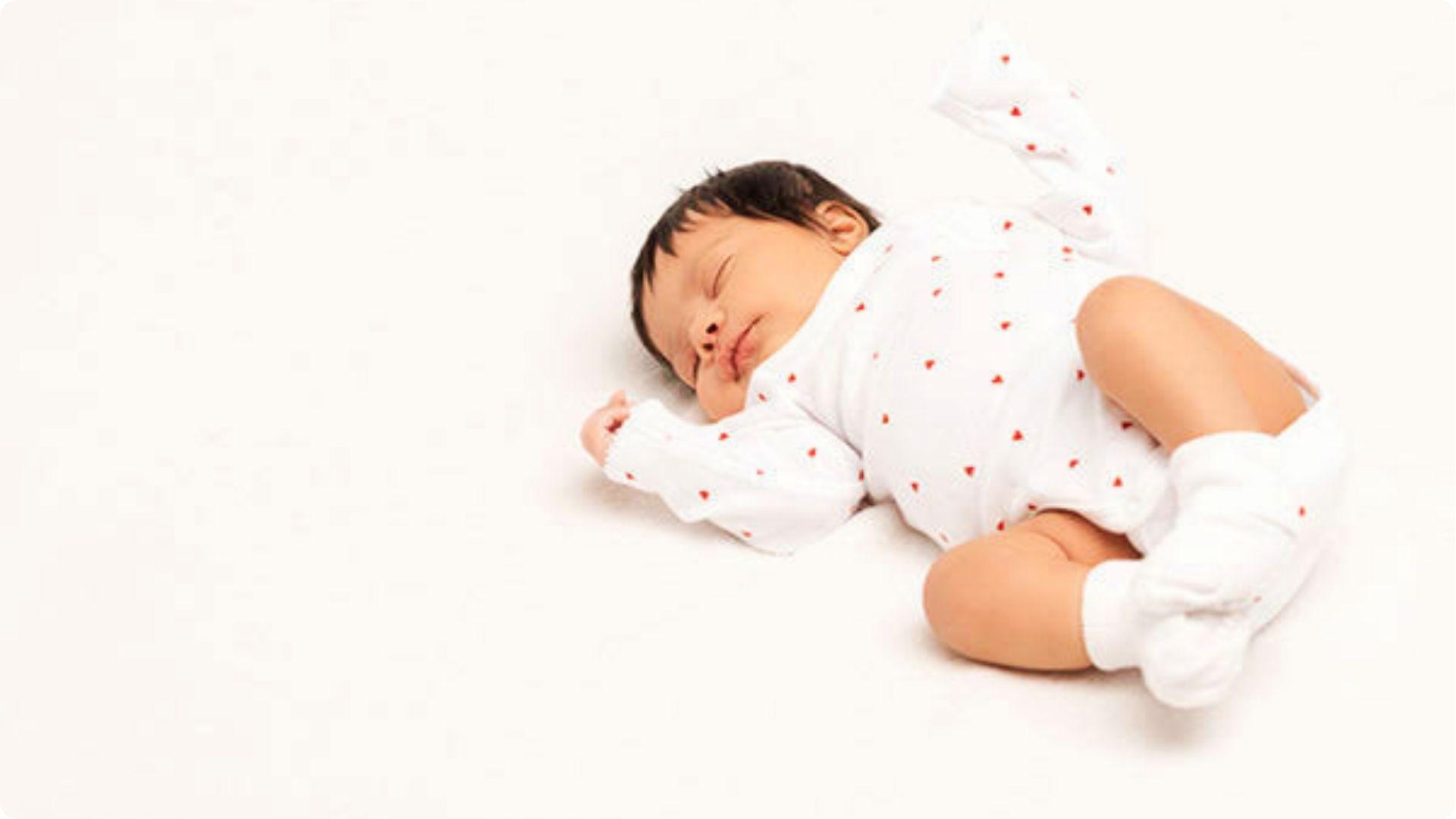
Sleep smiles shift as your baby grows, and understanding what is behind them at each stage can help you feel more at ease.
In the first few weeks, smiles are pure reflexes. They are brief, sometimes uneven, and happen on their own. By two to three months, the brain is growing fast and sleep activity gets richer, so smiles may look fuller.
After four months, sleep smiles tend to slow down as the nervous system becomes more organized.
Some babies keep smiling in their sleep well beyond this point, and that is completely fine.
It is also worth knowing that premature babies may show sleep smiles a little later than full-term babies, simply because their nervous system needs more time to catch up. This is normal and not a sign of any problem.
Why Does My Baby Smile in Her Sleep but Not When Awake?
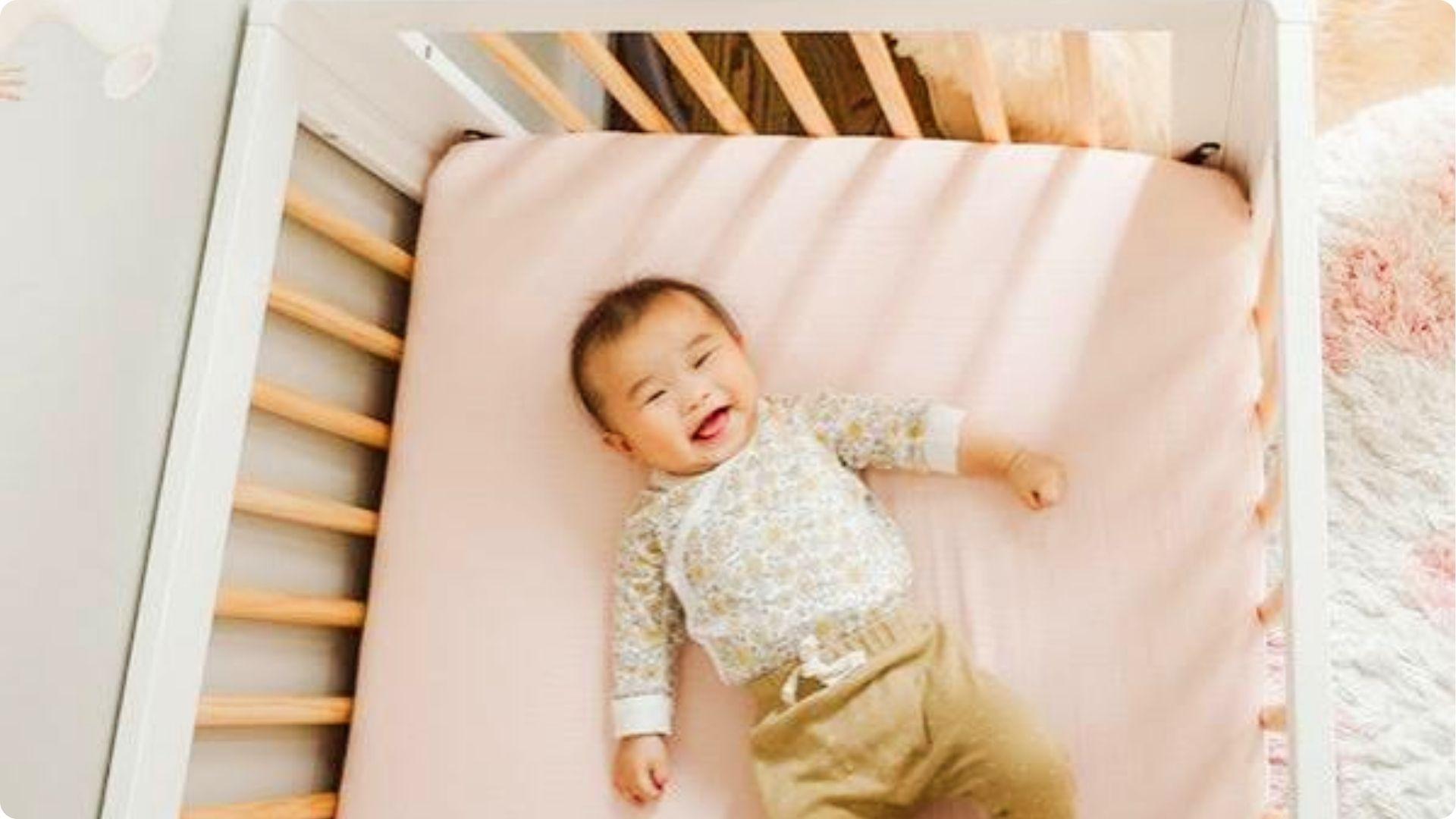
They happen automatically because of how the nervous system works during sleep. A social smile, the kind that happens when your baby sees your face or hears your voice, requires a higher level of brain development.
The social smile is considered a key developmental milestone and usually appears consistently around six to eight weeks of age.
So if your baby smiles in her sleep but not yet when you smile at her, it simply means her brain has not quite reached that milestone yet. It is not a sign that anything is wrong. It just means she is still getting there.
Is It Normal for a Baby to Smile While Sleeping?
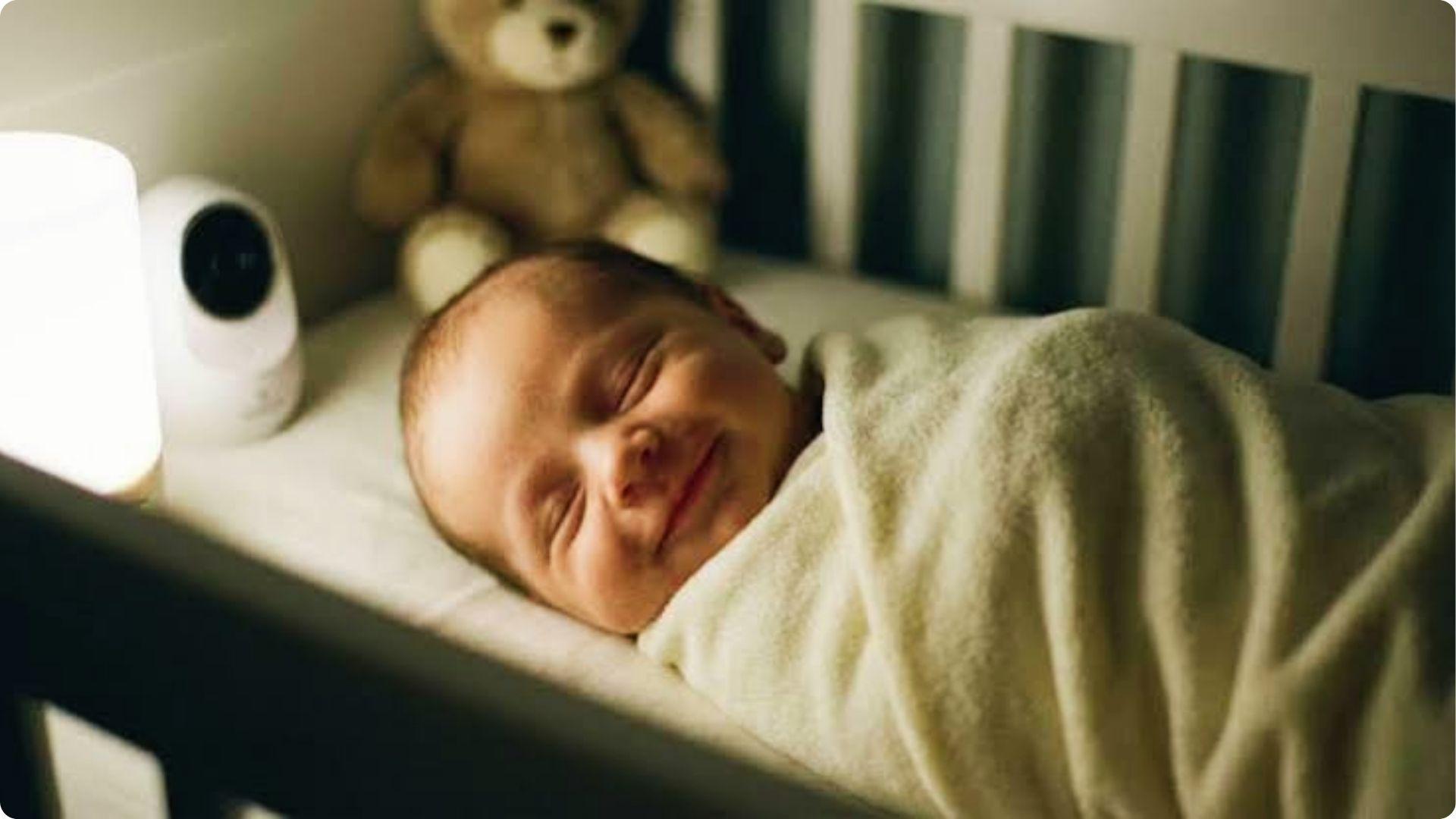
Sleep smiling is one of the most common infant behaviors. Pediatricians hear about it all the time.
It's well documented that most babies smile in their sleep before they smile while awake. As long as the smile is brief, the baby seems settled, and there are no other unusual signs, there is nothing to be concerned about.
A normal sleeping smile usually looks calm and soft. It often happens during active sleep, alongside other small movements.
It does not cause distress and does not wake the baby. If your baby smiles in her sleep and goes right to sleep peacefully, you can feel good about that.
When Should I Worry About My Baby Smiling in Her Sleep?
In most cases, sleeping while smiling is harmless. But there are some situations where it is worth paying closer attention.
Unusual Movements Along With Smiling
If your baby smiles and you also notice stiff or jerking limbs, repetitive movements, or anything that looks rhythmic and uncontrollable, that could be worth mentioning to a doctor.
In rare cases, repeated laughing or smiling fits during sleep can be linked to gelastic seizures. These are an extremely rare type of seizure that cause uncontrollable laughing, and they can sometimes begin in infancy.
A smile on its own is not a concern, but a smile paired with sudden body stiffness or unusual repetitive motion is something to flag.
Breathing or Skin Color Changes
Watch for any changes in how your baby breathes during sleep. If her breathing becomes very irregular, she pauses for more than a few seconds, or her lips or skin take on a bluish or gray tone, seeking medical attention.
These are signs that go beyond normal sleep behavior and need to be checked right away.
Difficulty Waking or Unusual Responsiveness
Most babies are reasonably easy to rouse from sleep when needed.
If you notice that your baby is unusually hard to wake, seems unresponsive, or does not return to her normal state after being woken, that is worth discussing with a doctor.
When to Contact a Pediatrician
You should contact your pediatrician if you notice:
- Smiling along with stiffening or jerking of the limbs
- Repeated laughing fits that last 10 to 20 seconds or that wake her from sleep
- Long pauses in breathing during sleep
- Skin color changes during or after sleep
- Difficulty waking or unusually deep sleep
- Anything that just feels off or different from her normal pattern
Trust your instincts. You know your baby better than anyone.
What Should I Do When My Baby Smiles in Her Sleep?
Most of the time, the best thing to do is simply enjoy it.
Should I Wake My Baby?
No. There is no reason to wake your baby because she is smiling. Sleep is incredibly important for a baby's development.
Waking her during active sleep to check on her can interrupt that process and make it harder for her to resettle. Unless you see a sign that something is wrong, let her sleep.
Should I Touch or Comfort Her?
Not necessarily. If she is sleeping peacefully and smiling, she does not need comfort. She is not distressed.
If you gently stroke her or speak softly, she may stir or wake up, which you probably do not want. The smile is not a signal that she needs you right now. She is simply doing what babies do.
How to Keep Your Baby Sleeping Safely
Safe sleep is always worth thinking about, especially in the early months.
A consistent bedtime routine also helps your baby feel secure before sleep, and research has found that babies who feel emotionally settled at bedtime tend to sleep better overall.
Here are a few reminders:
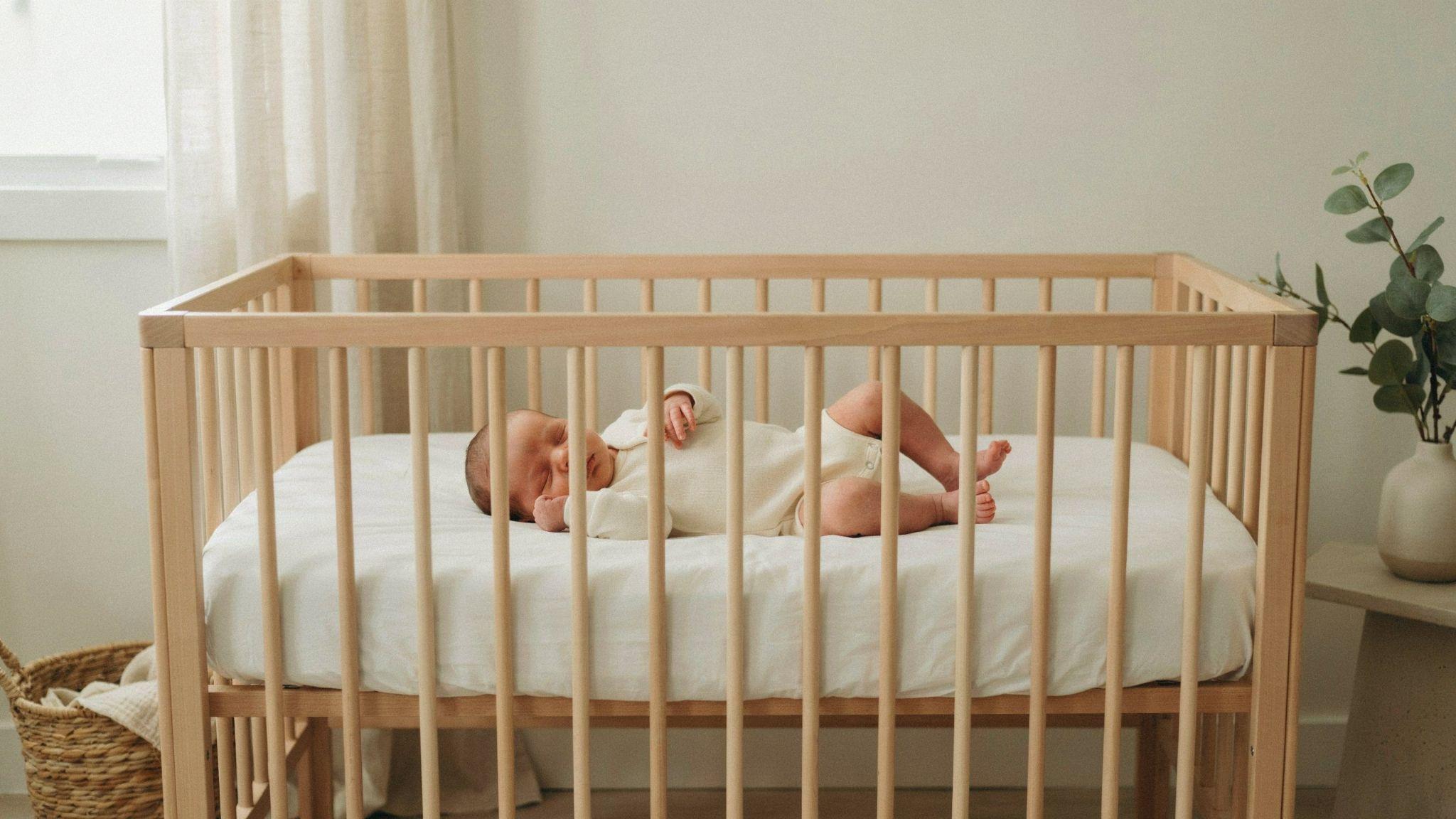
- Always place your baby on her back to sleep
- Use a firm, flat sleep surface with no soft bedding
- Keep the sleep area free of pillows, blankets, and toys
- Make sure the room temperature is comfortable, not too warm
- Keep your baby's sleep area in your room for at least the first six months
Baby Smiling in Sleep vs. Other Sleep Behaviors
Babies do a lot of things during sleep. Here is a quick look at how sleep smiling compares to other common behaviors.
| Sleep Behavior | What It Looks Like | What It Usually Means |
| Smiling and Giggling | Soft smile, sometimes a quiet laugh | Active sleep, reflex activity, normal brain development |
| Crying or Whimpering | Small cries, fussing sounds | Active sleep, hunger cues, or sleep cycle transitions |
| Facial Grimacing and Sucking | Scrunched face, sucking motion | Reflex activity, digestive movements, active sleep |
| Eye Movements During Sleep | Eyes moving under closed lids | REM sleep, active brain processing |
All of these behaviors are a normal part of infant sleep. They come and go as the baby moves through sleep cycles. Most parents find them reassuring once they know what is happening.
What to Remember About Your Baby Smiling in Her Sleep
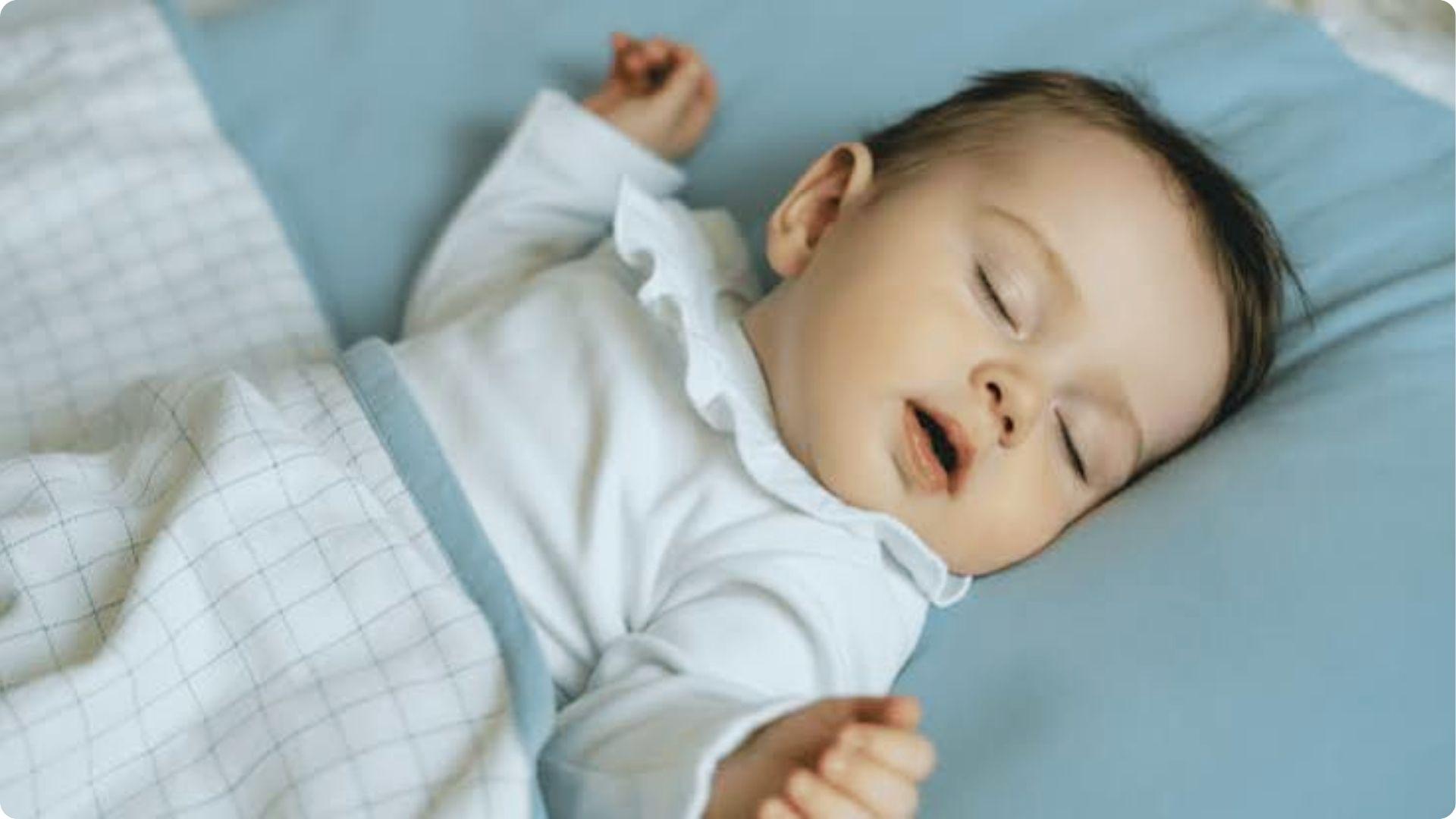
Those little grins are not random. They are a window into a developing brain that is busy growing, processing, and finding its way.
Whether the smiles come from reflex activity, active sleep, the formation of new neural pathways, or something in between, they are almost always a sign that your baby is healthy and developing as she should.
Most parents find that once they understand why it happens, they stop worrying and start enjoying it. And that is exactly what you should do.
Conclusion
Your baby smiling in her sleep is one of the most heartwarming things to witness as a parent. Now you know it is not random. It is a sign of a developing brain, active sleep cycles, and growing reflexes.
In most cases, why does my baby smile in her sleep has a simple and reassuring answer:She is healthy and her body is doing exactly what it should. If you ever feel unsure, do not hesitate to call your pediatrician.
Did this article help you? Drop a comment below, share it with a parent who could use some reassurance, or check out our related articles on newborn sleep patterns and baby milestones.
You might just find the next answer you were looking for.
Frequently Asked Questions
Can babies smile in their sleep from birth?
Yes, reflex smiles can appear from the very first days of life. They are driven by the nervous system, not emotion.
Does my baby smiling in her sleep mean she is happy?
Not necessarily. Sleep smiles are often reflexive rather than emotional, especially in the first two months of life.
How long do reflex sleep smiles last before real smiles start?
Reflex smiles are most common in the first six weeks. Social smiling usually begins consistently around six to eight weeks.
Is it possible for adults to see their baby smile in their sleep on a monitor?
Yes, many parents catch sleep smiles on video monitors. This is very common and is generally a normal sleep behavior.
Can teething or illness affect how often a baby smiles during sleep?
Discomfort from teething or illness may change sleep quality overall, but there is no direct link to changes in sleep smiling specifically.