



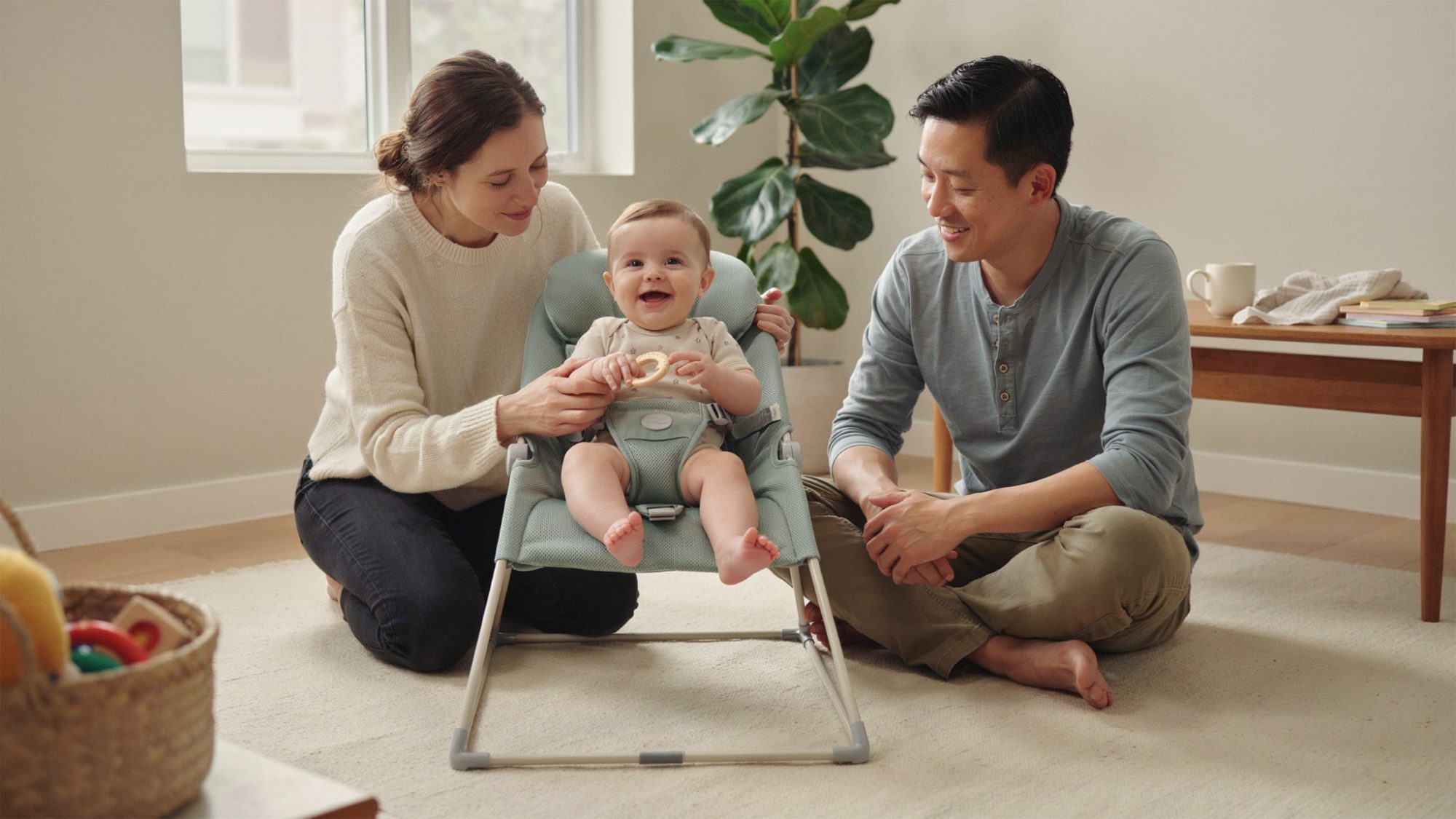

Starting your baby on solid foods can bring many questions, especially when can you start feeding a baby rice cereal safely?
You may wonder if your baby is ready, how much to offer, and what safety steps to follow.
This guide will help you understand the right age, readiness signs, feeding tips, and common mistakes to avoid.
You’ll learn how to introduce rice cereal in a safe and simple way while keeping your baby’s needs first.
With guidance based on trusted parenting and feeding recommendations, this article is here to make your baby’s first food journey easier and less stressful.
When Can You Start Feeding a Baby Rice Cereal?

Most babies are ready to start solid foods around 6 months of age, but every baby develops differently.
Before introducing rice cereal, it is important to look for signs that your baby is ready.
Your baby should be able to sit with support, control their head, show interest in food, and swallow food without pushing it out with their tongue.
Starting solids too early may not provide extra benefits and can be difficult for a baby’s developing digestive system.
Waiting until your baby shows these readiness signs helps make the transition smoother and safer. Always focus on your baby’s growth and comfort rather than only their age.
Signs Your Baby Is Ready for Rice Cereal and Solid Foods
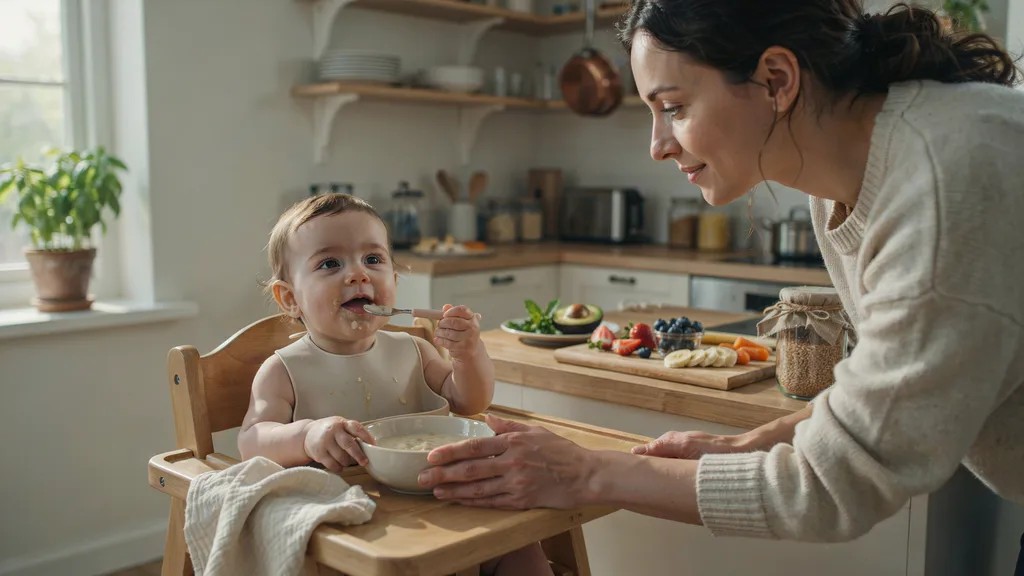
Before introducing rice cereal, look for these simple signs that show your baby may be ready to begin their solid food journey.
- Baby can sit upright with good head and neck control: This helps your baby stay safe and manage food better while eating.
- Baby shows interest in food: Your baby may watch you eat, reach for food, or seem curious about what you are having.
- Baby opens their mouth when food is offered: This can show they are ready to explore new tastes and textures.
- Baby has a reduced tongue-thrust reflex: They are less likely to push food out of their mouth automatically.
- Baby can swallow food instead of pushing it out: This shows they are learning how to move and handle food properly.
Is Rice Cereal a Good First Food for Babies?
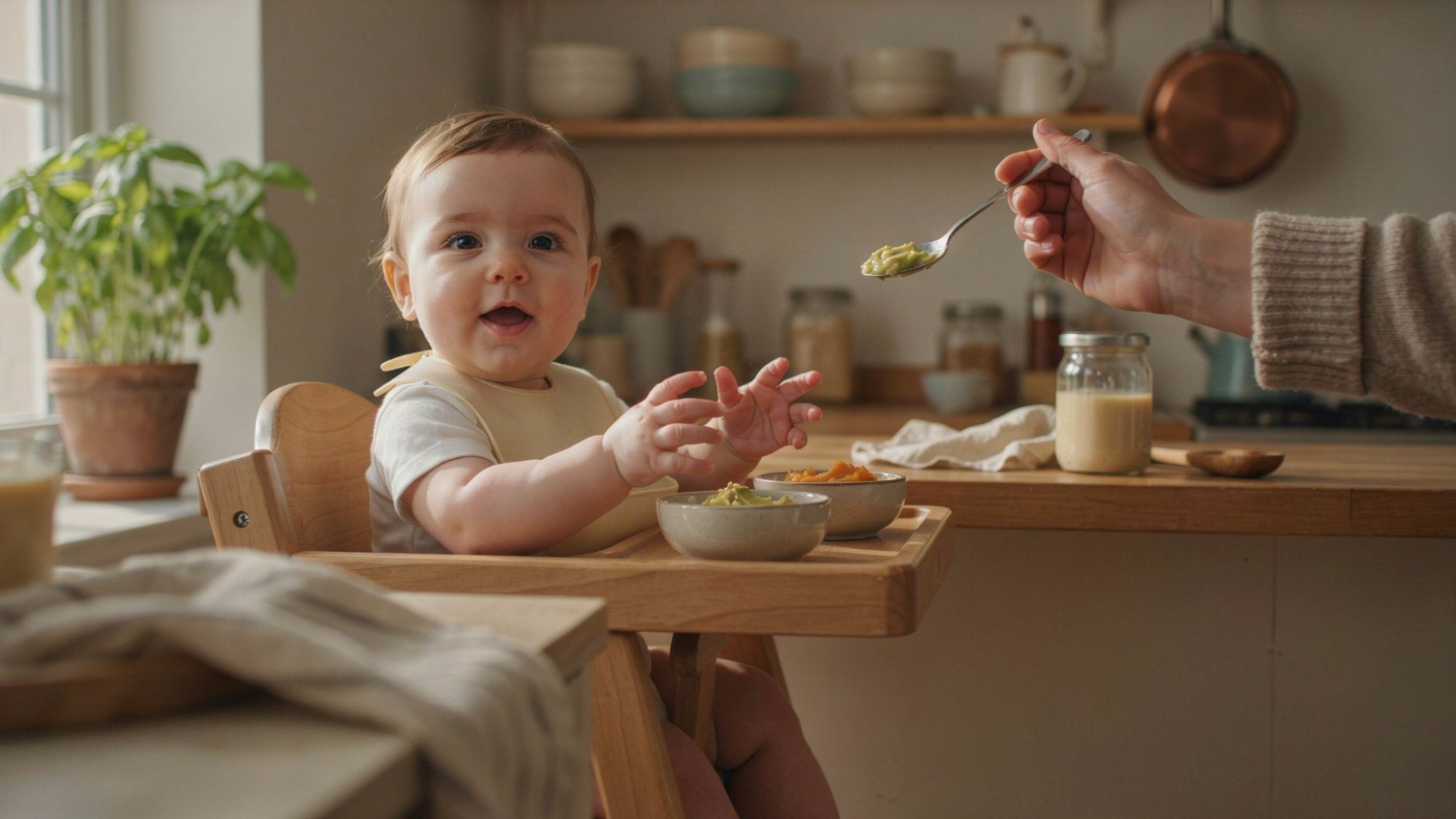
Rice cereal has traditionally been a popular first food because it is soft, easy to prepare, and gentle for many babies who are learning to eat.
Its smooth texture makes it easier for beginners to practice swallowing new foods.
Many parents choose it because it can be mixed with breast milk or formula to create a familiar taste and consistency. However, rice cereal does not need to be the only first food.
Babies benefit from trying different healthy foods over time, including fruits, vegetables, grains, and iron-rich options.
Offering a variety of foods helps support healthy eating habits as your baby grows.
How to Safely Introduce Rice Cereal to Your Baby

Introducing rice cereal slowly and carefully can help your baby adjust to this new experience in a comfortable way.
- Start with a small amount: Begin with a few spoonfuls and increase gradually as your baby becomes comfortable.
- Mix cereal with breast milk, formula, or water as recommended: This helps create a smoother texture that is easier for beginners.
- Offer it when the baby is calm and slightly hungry: A relaxed baby is more likely to enjoy trying new foods.
- Introduce one new food at a time to watch for reactions: This makes it easier to notice any possible food sensitivities.
How Much Rice Cereal Should a Baby Eat?
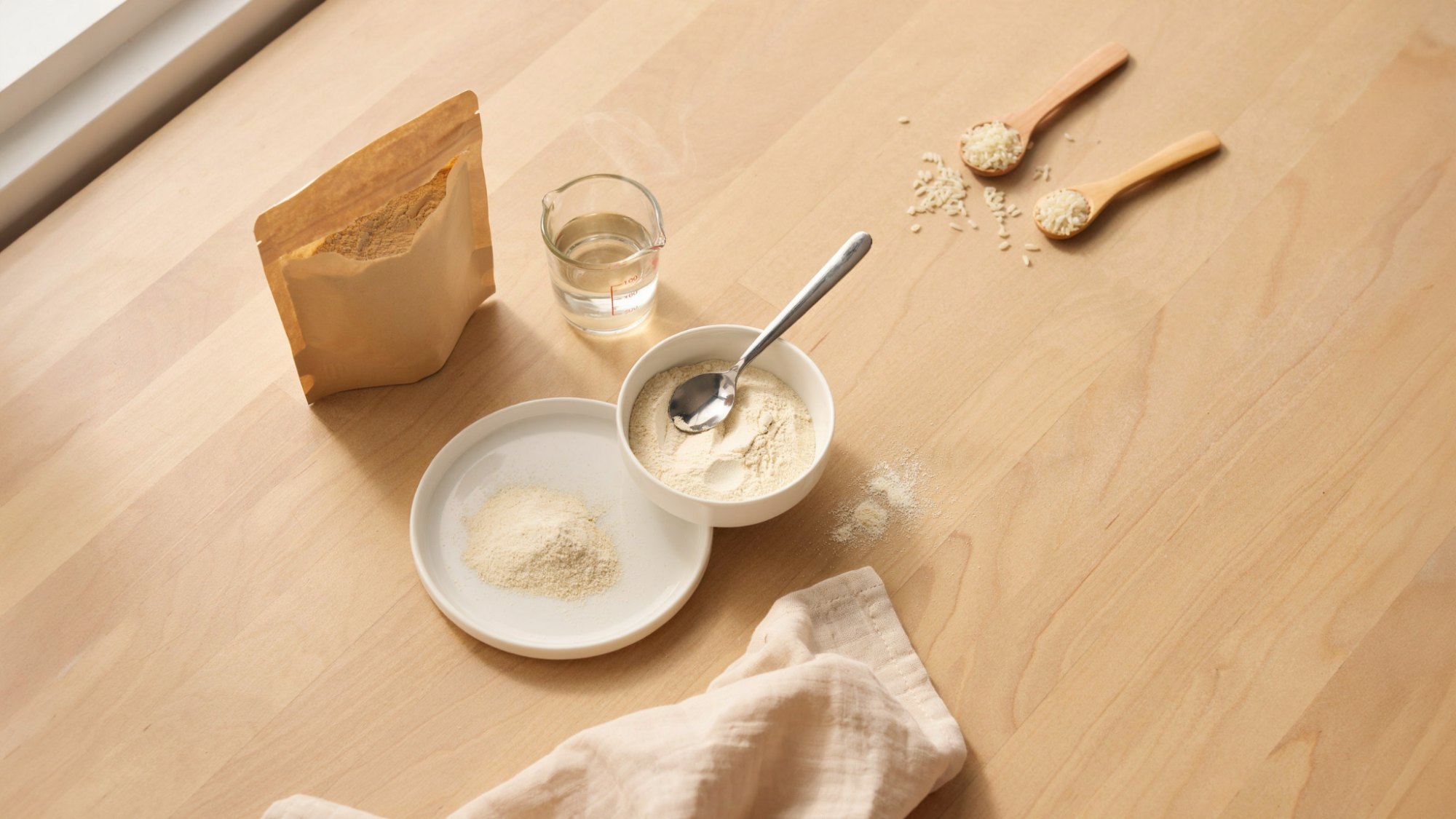
When starting rice cereal, babies usually need only a small amount at first. A few spoonfuls can be enough as they learn how to taste, swallow, and enjoy new textures.
During the early months of starting solids, breast milk or formula should still remain your baby’s main source of nutrition.
Rice cereal is only an addition to support their learning and development.
As your baby becomes more comfortable, you can slowly increase the amount based on their hunger, interest, and ability to eat.
Always follow your baby’s cues and avoid forcing food if they are not ready.
How to Prepare Rice Cereal for Babies
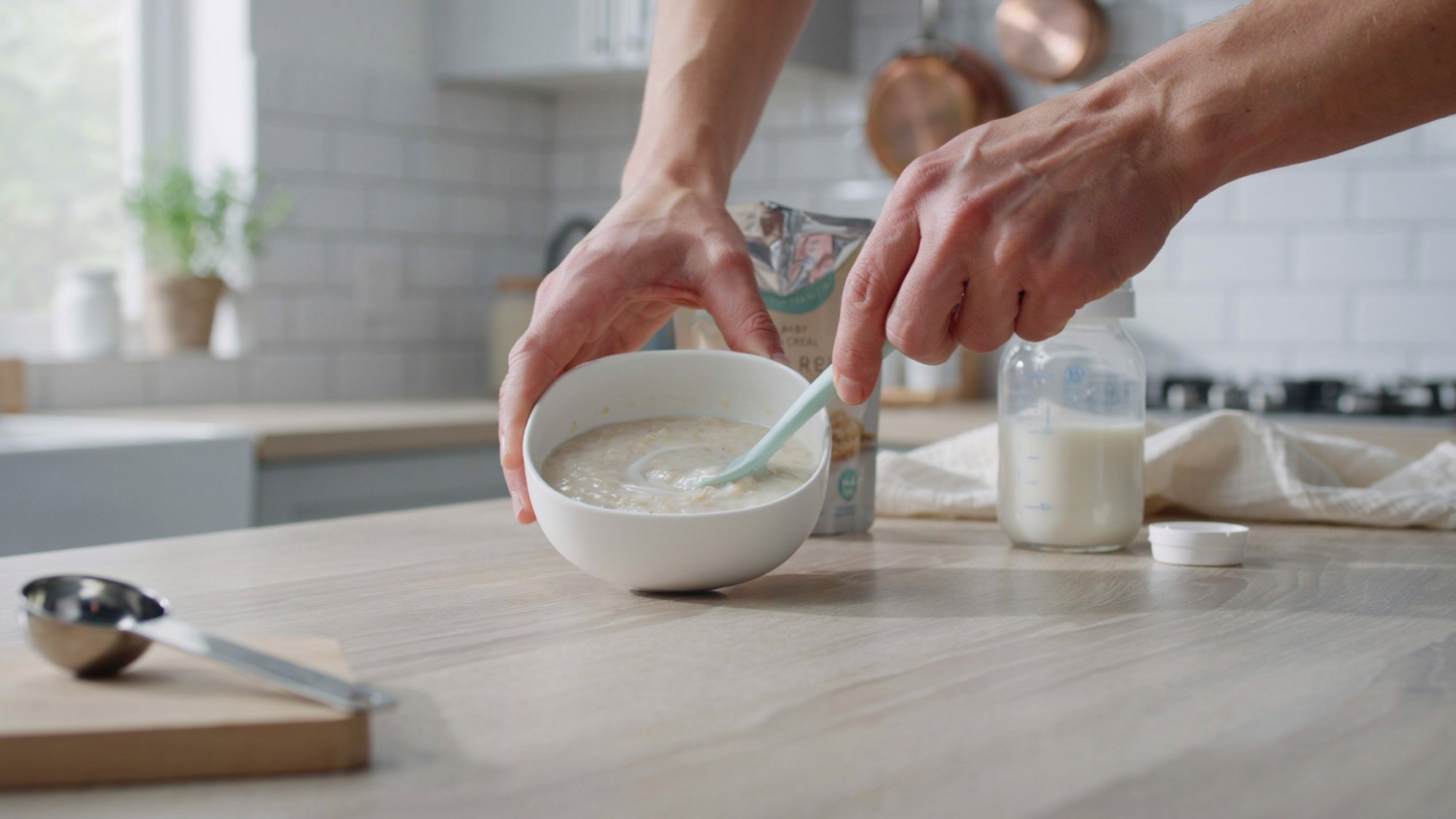
Preparing rice cereal for your baby is simple when you focus on a safe texture and age-appropriate ingredients.
- Choose an infant-specific rice cereal made for babies.
- Follow the instructions on the package for the correct amount and preparation method.
- Mix the cereal with breast milk, formula, or water as recommended to create a smooth, thin texture.
- Make sure the cereal is soft and easy for your baby to swallow.
- Avoid adding sugar, honey, salt, or extra ingredients, as babies do not need these added flavors.
- Always check the temperature before feeding and serve fresh.
Safety Tips When Feeding Rice Cereal
Keeping feeding safe and comfortable helps your baby enjoy learning new foods while reducing risks.
- Always supervise your baby while eating: Stay nearby and watch your baby during every feeding session.
- Feed the baby sitting upright: This position helps your baby swallow food more safely.
- Check food temperature before serving: Make sure the cereal is warm, not hot, before offering it.
- Avoid putting cereal in a bottle unless advised by a healthcare professional: Feeding cereal this way may not be suitable for every baby.
- Watch for signs of allergies or feeding difficulties: Look for unusual reactions or problems while eating.
Common Mistakes Parents Should Avoid
Avoiding these common mistakes can make your baby’s transition to solid foods smoother and safer.
- Starting solids before the baby is ready: Wait for signs of readiness instead of rushing the process.
- Feeding too much too soon: Begin with small portions and increase slowly.
- Replacing breast milk or formula too early: Milk remains important during the early stage of solid feeding.
- Offering only one type of food: Introduce different foods to support balanced nutrition.
- Ignoring baby’s hunger and fullness cues: Let your baby guide how much they want to eat.
Conclusion
Starting solids is a special milestone, and it is normal to have questions along the way.
When can you start feeding a baby rice cereal depends on your baby’s readiness, comfort, and growth.
I believe taking things slowly and following your baby’s cues makes feeding feel more natural and enjoyable. Imagine watching your little one try new flavors and learn at their own pace.
I hope this guide helps you feel more confident during this journey. Share your experience in the comments, share this post with other parents, or try more baby feeding tips.
Frequently Asked Questions
When can you start feeding a baby rice cereal?
Most babies can start rice cereal around 6 months when they show signs of readiness. Always focus on your baby’s development rather than age alone.
Can I give rice cereal to my baby before 6 months?
It is usually better to wait until your baby is ready for solids. Talk with your baby’s healthcare professional if you have concerns.
Should rice cereal replace breast milk or formula?
No, breast milk or formula remains the main source of nutrition early on. Rice cereal should be offered as an addition to milk feeds.
How much rice cereal should a beginner baby eat?
Start with a small amount and increase slowly as your baby becomes comfortable. Follow your baby’s hunger and fullness signals during feeding.
Can babies eat rice cereal every day?
Rice cereal can be included, but babies also need different foods over time. Offering a mix of grains, fruits, vegetables, and iron-rich foods supports variety.