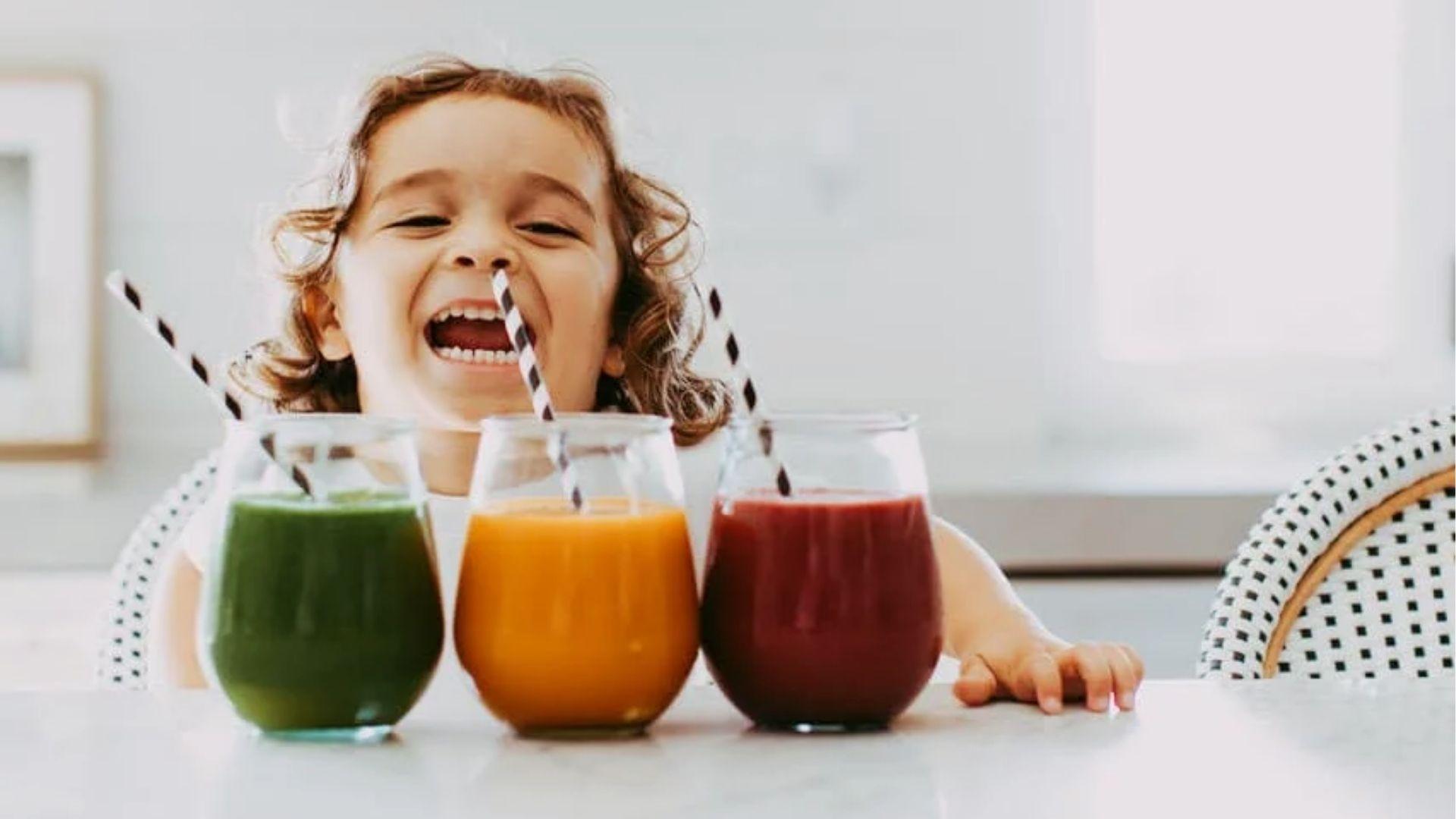
Most parents know soda is off the table, but beyond that, the guidance gets fuzzy fast.
What counts as a good drink for kids? Does juice actually help, or is it just sugar in disguise? And what about all those plant-based milks taking up space in the grocery aisle?
The answer is simpler than the labels make it look. For children ages 5 to 18, healthy drinks for kids come down to two main options: plain water and plain milk.
Everything else fits somewhere on a spectrum from "occasionally fine" to "skip it entirely." Here is what that actually looks like in practice.
Why Water and Milk Are the Top Choices for Kids
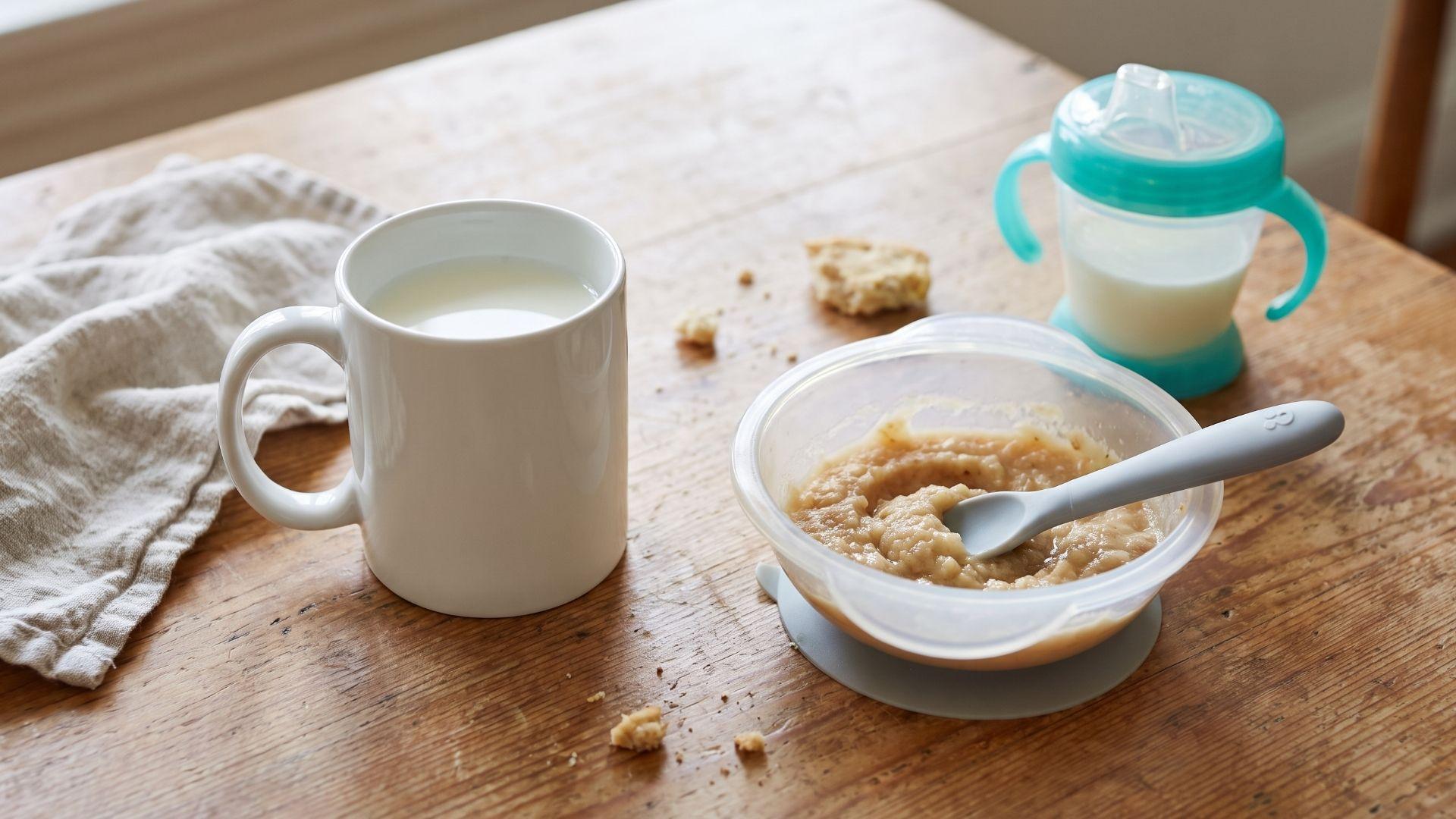
For children ages 5 to 18, plain water and plain, unsweetened pasteurized milk are the two main recommended beverages.
Water handles hydration without adding sugar or calories. Milk fills the gap with protein, calcium, vitamin D, and potassium nutrients the AAP identifies as commonly under-consumed by children.
Low-fat or fat-free milk is a good choice for kids ages 5 and older.
| Category | Examples |
| Recommended | Plain water, plain pasteurized milk |
| Limit | 100% fruit juice, fortified soy milk |
| Avoid | Soda, fruit drinks, energy drinks, caffeinated tea, diet drinks |
Drinks Kids Can Have, But Not Every Day
Some drinks can fit into your child's diet, but they work best as occasional choices, not daily defaults.
1. 100% Fruit Juice

Whole fruit is always the better option. It comes with fiber, takes longer to eat, and doesn't spike blood sugar the way juice can.
Juice isn't necessary in a child's diet, but if it's part of the picture, there are specific daily limits.
Age-specific juice limits:
- Ages 5 to 8: less than 4 to 6 oz per day
- Ages 9 to 13: less than 6 to 8 oz per day
- Ages 14 to 18: less than 8 oz per day
These limits apply to 100% juice only, not juice cocktails, juice drinks, or anything that lists juice as one of several ingredients.
Diluting juice with water is fine and still counts toward the daily amount.
Note: These are upper limits, not targets, according to the AAP, AHA, and Academy of Nutrition and Dietetics joint beverage consensus statement.
2. Plant-Based Milk
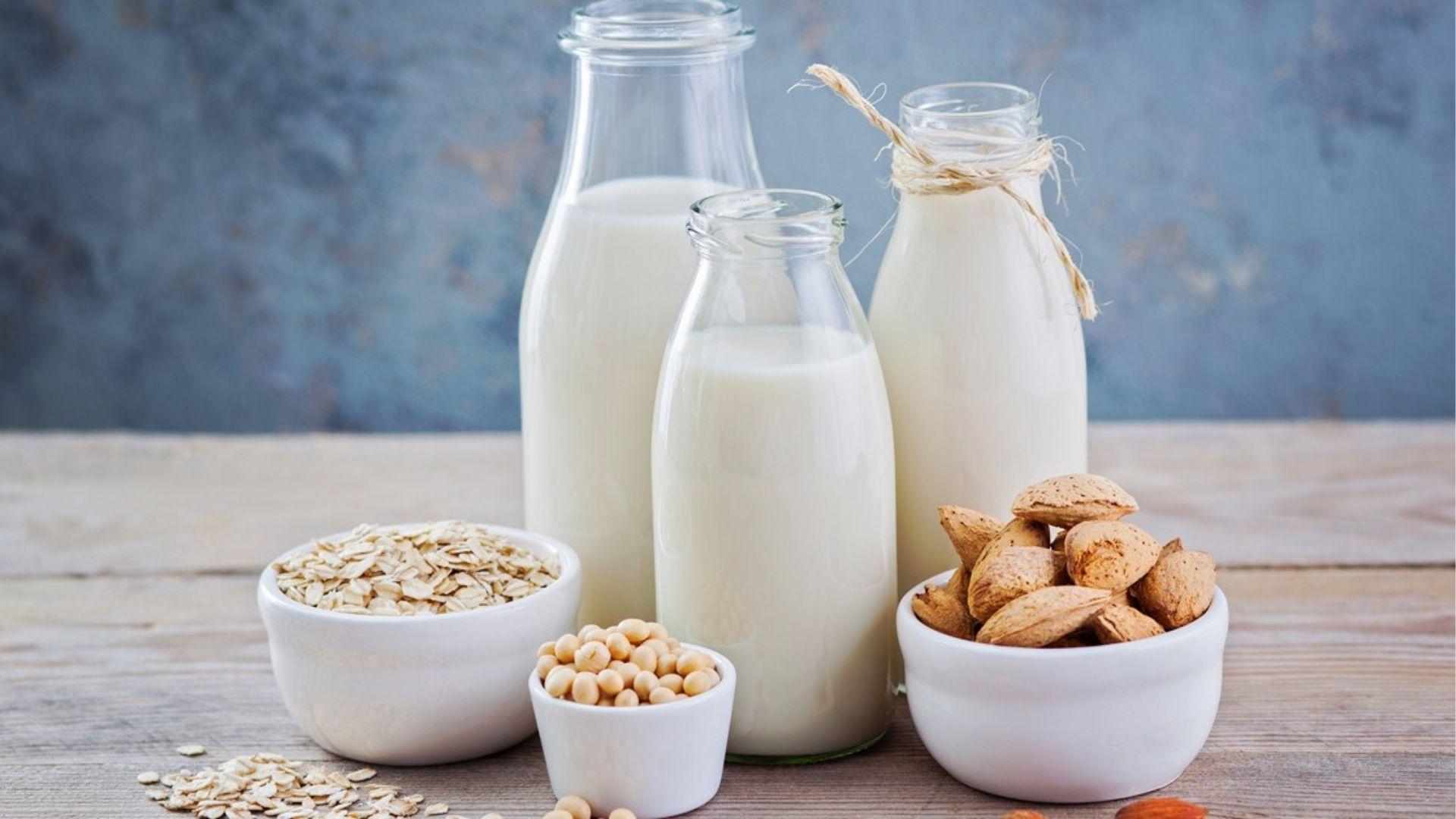
Not all plant-based milks are the same, and none of them are automatically a substitute for cow's milk.
Almond, oat, coconut, and rice milks tend to be lower in protein and often lack the full nutrient profile of dairy unless they're specifically fortified.
Fortified soy milk is the closest plant-based option to cow's milk in terms of protein and nutrient content, and is the only plant-based milk the expert panel considers a nutritional equivalent to dairy.
For children with allergies, lactose intolerance, or families following specific dietary practices, the right alternative is worth discussing with a healthcare professional rather than guessing at the grocery store.
3. Flavored Milk
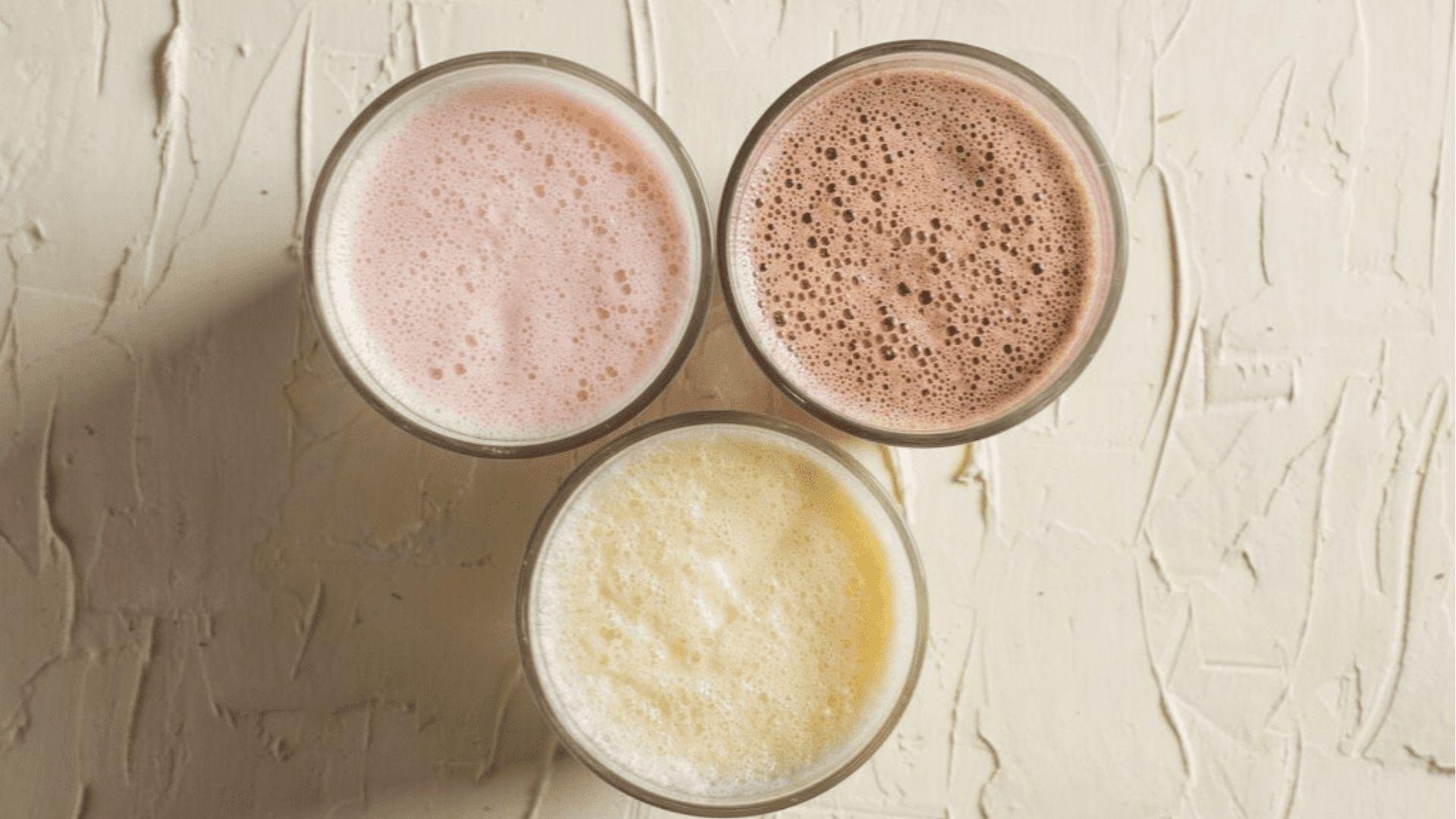
Chocolate milk, strawberry milk, and other flavored varieties add sugar, sometimes quite a bit of it. The nutrients from the milk are still there, but the added sugar tips the balance.
Plain milk is the everyday choice. Flavored milk works better as an occasional option rather than a routine one.
If a child will only drink flavored milk and refuses plain, that's a habit worth gradually shifting over time rather than a permanent fix.
4. Fruit-Infused Water
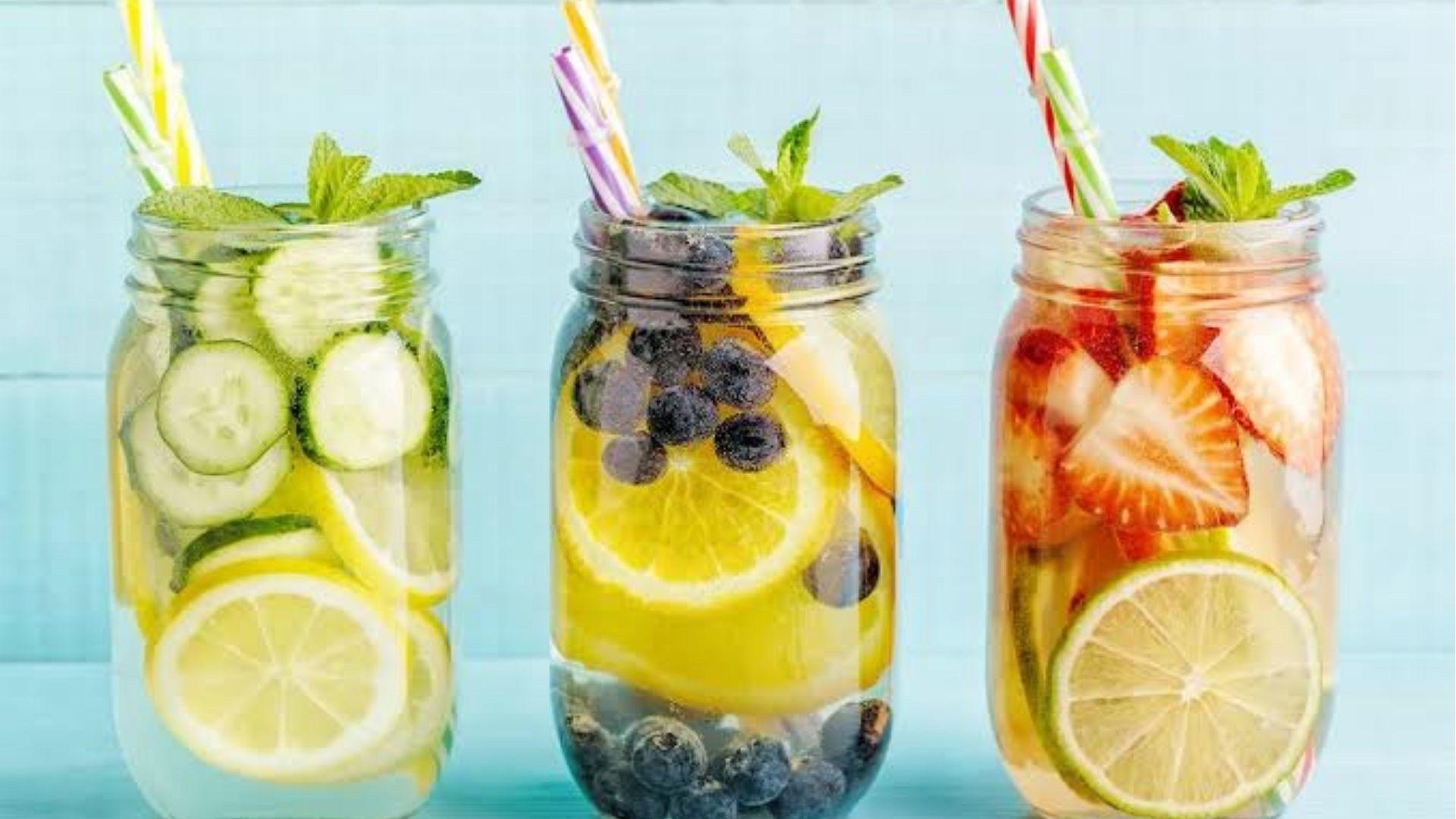
This is the easiest way to make plain water more interesting without adding sugar.
A few combinations that work well:
- Strawberry and mint
- Lemon and cucumber
- Orange and a few basil leaves
- Watermelon chunks with no additions needed
Let the fruit sit in a pitcher of cold water for an hour or two. The longer it steeps, the stronger the flavor. The fruit is for flavor, it doesn't add meaningful nutrition to the water, and that's fine.
5. Simple Fruit Smoothie
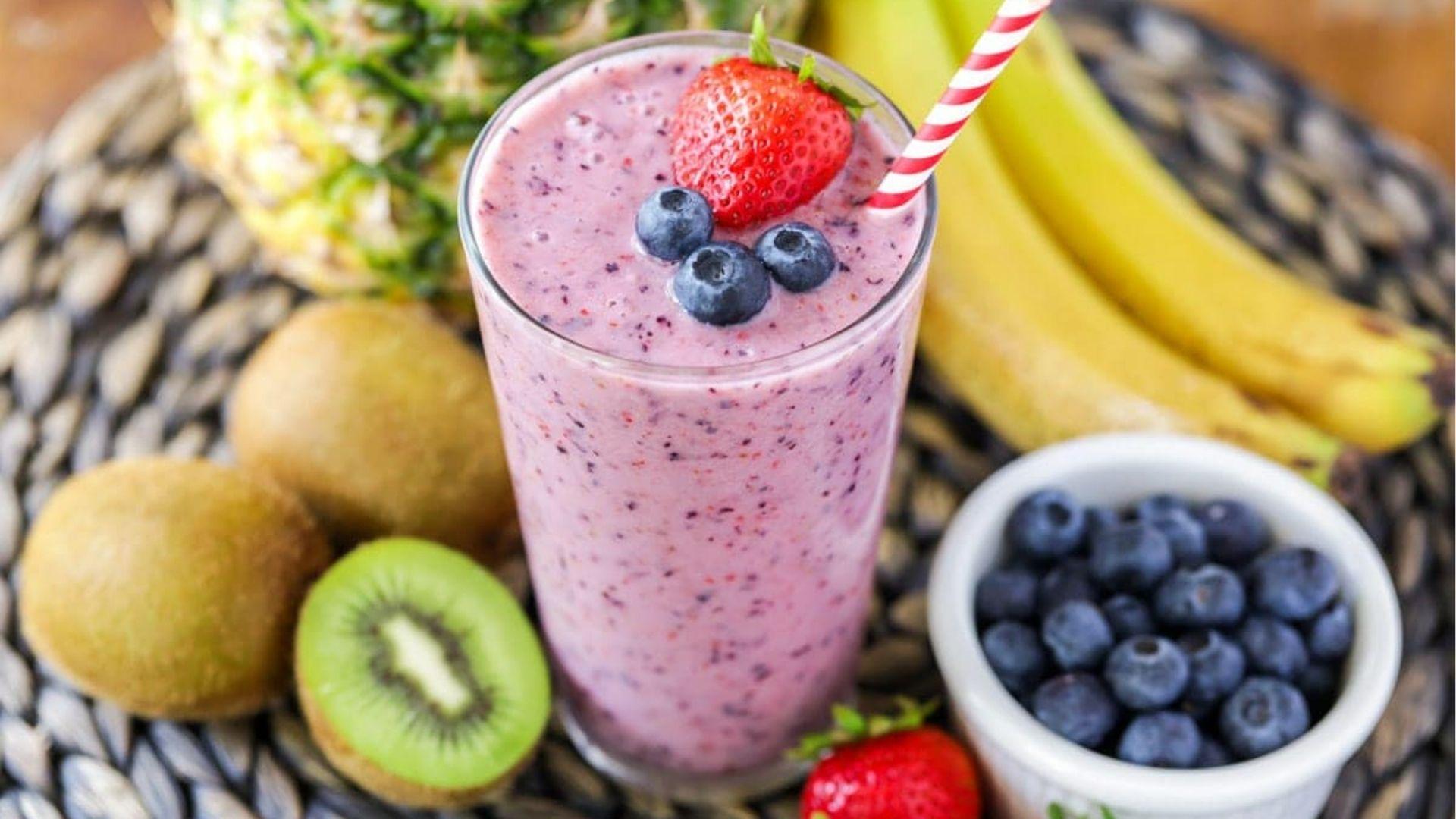
A smoothie made at home can work as a nutrient-containing snack, not as a primary hydration source, but as something useful and genuinely good for kids.
A simple base:plain yogurt , a handful of whole fruit (fresh or frozen), and a splash of plain milk or water. No added sugar needed. Frozen banana or mango adds natural sweetness on its own.
Keep the portions reasonable. A smoothie isn't a free pass, it still contains natural sugar and calories, and it doesn't have the fiber whole fruit does.
Drinks to Keep Off the Everyday Menu
These drinks don't have a regular place in a child's diet. They're not necessary for hydration, and most of them actively work against good health habits.
- Sugary drinks: Soda, fruit punch, sweet tea, lemonade, and flavored sports beverages. High in sugar, low in anything useful.
- Caffeinated drinks: Coffee, caffeinated teas, caffeinated sodas. The American Academy of Pediatrics recommends children under 12 avoid caffeine entirely, and teens ages 13 to 18 should have no more than 100 mg per day if they consume it at all. The 2025 expert panel goes further, recommending all children under 18 avoid caffeine as the safest approach, partly because caffeine amounts are often not listed on drink labels, making it easy to exceed limits without realising it.
- Energy drinks: These sit in a category of their own. Beyond caffeine, many contain stimulants, herbs, and compounds that are not safe for children. There is no appropriate amount.
- Drinks with non-sugar sweeteners: Current recommendations place artificially sweetened drinks in the avoid column for children. The long-term effects on appetite regulation and taste preferences are still being studied.
Do Kids Need Sports or Electrolyte Drinks?

For most children, no. A child who plays a typical hour of soccer practice, attends gym class, or spends time at the playground doesn't need a sports drink. Plain water is enough.
The calculus changes in a specific, limited situation: prolonged vigorous physical activity in heat or humidity. When a child is working hard for an extended period and sweating heavily, replacing electrolytes may actually be warranted.
When a sports drink may be justified:
- Activity lasting longer than 60 continuous minutes, per the AAP's clinical guidance on sports drinks for children
- High heat or high humidity conditions
- Significant fluid loss with visible sweating
Even in those cases, a sports drink is a practical tool for that situation, not a daily habit or a reward for normal activity. Water handles the rest.
How to Make Healthy Drinks More Appealing to Kids
Getting kids to choose water over something sweeter is mostly about access and habit, not persuasion.
Simple things that work:
- Keep a water bottle or cup filled and within reach throughout the day
- Serve water with every meal and snack, normalize it as the default
- Add something visual: fruit slices, cucumber rounds, or mint in the glass
- Let kids pick their own cup or bottle, small choices matter to children
- Involve them in prep: letting a child drop strawberries into a water pitcher makes them more likely to drink it
- Make water the easy, obvious option at home rather than something they have to ask for
The goal is for water to feel normal, not like a compromise.
The Bottom Line
When it comes to healthy drinks for kids, you don't need to overthink it.
Make water the default, keep milk in the picture, and everything else is a conversation about portion and occasion.
That straightforward approach covers most of what your child needs day to day.
If you found this useful, check out our related article on building balanced meals for kids; the same principles carry right over.
Frequently Asked Questions
Can kids drink herbal tea?
Some herbal teas are generally considered safe for older children in small amounts, but many herbs haven't been studied in children. Check with a pediatrician before making it a regular drink.
How much water should a 10-year-old drink per day?
According to the 2025 joint beverage consensus statement from the AAP, AHA, and nutrition experts, total daily fluid needs from beverages for children aged 9 to 13 are around 54 to 61 oz. This does not include water from food. Actual needs vary based on sex, activity level, and climate.
Can kids drink kombucha?
Most kombucha contains small amounts of alcohol and caffeine, making it unsuitable as a regular beverage for children. It's not recommended as a regular drink option.