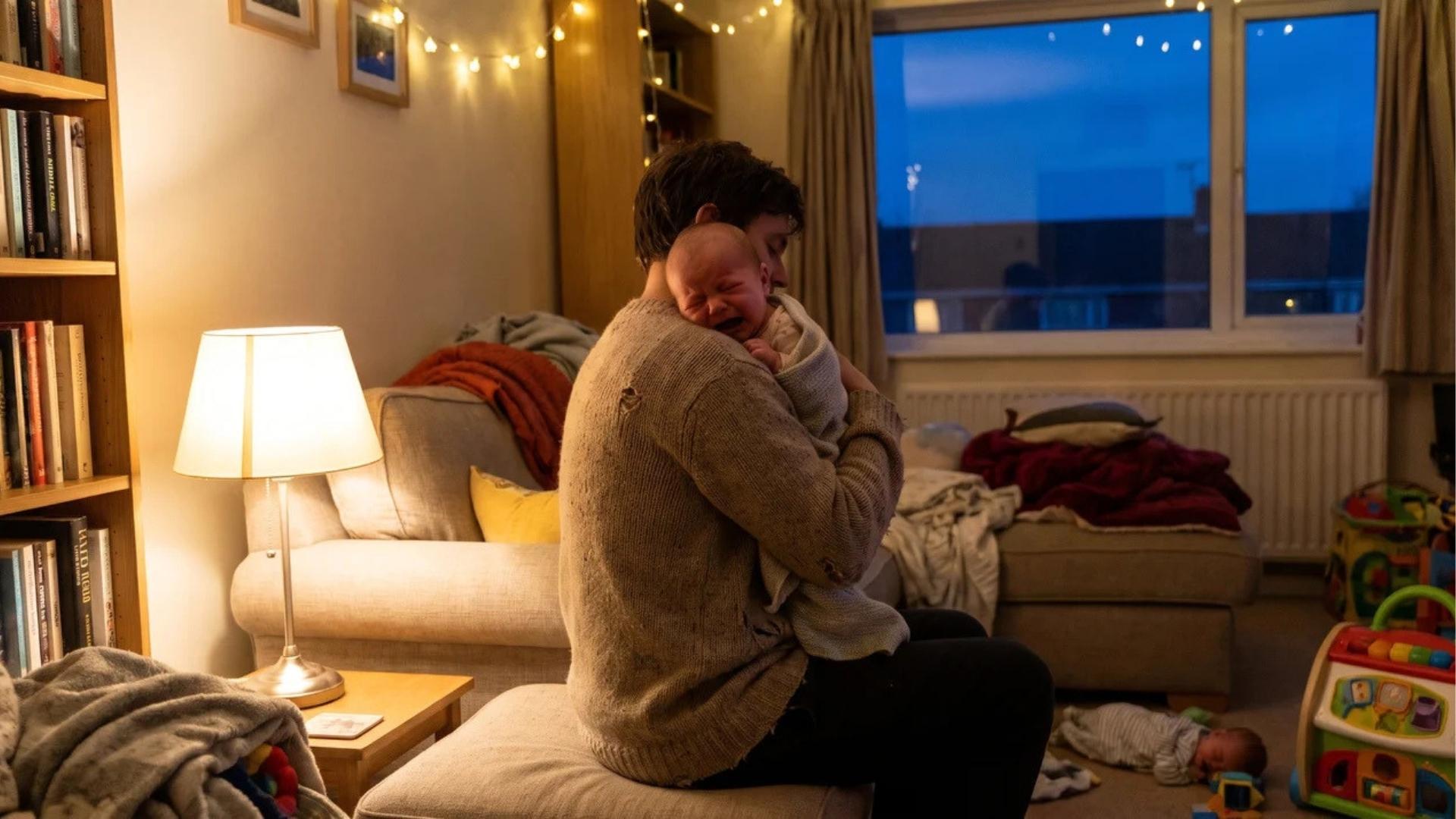



It is 9:15 p.m., the story is done, the lights are off, and you have just sat down when you hear small footsteps in the hallway for the fourth time tonight.
After weeks of broken evenings, many parents start to wonder whether something is wrong, yet getting out of bed is one of the most common sleep concerns of the toddler years.
It often comes from separation anxiety, a new sense of freedom, or a bedtime that does not match their body.
This guide explains why toddlers keep getting out of bed, what you can do to help them stay in bed, and when to seek advice from a pediatrician.
Why Does Your Toddler Keep Getting Out of Bed?
Toddlers often get out of bed because of separation anxiety, fear of the dark, a new sense of independence, or an unsuitable bedtime.
Physical discomfort can also make it harder for them to settle.
Common reasons include:
- Separation anxiety: Your toddler may get out of bed to check that you are nearby and feel reassured.
- Freedom of a big-kid bed: Without crib barriers, toddlers may keep getting up to explore their new independence.
- Wrong bedtime: Being overtired or not sleepy enough can make it harder to stay in bed.
- Seeking attention: Extra cuddles, conversations, or reactions can encourage repeated trips out of bed.
- Fear or discomfort: Darkness, nightmares, hunger, teething, or an uncomfortable room can interrupt sleep.
Understanding the cause helps you choose a bedtime response that works rather than treating every trip out of bed as defiance.
How to Get Your Toddler to Stay in Bed: Practical Tips
These strategies work best when you combine them and give each one about two weeks of steady use before judging the results.
Choose the ones that suit your child’s age and temperament, and then use them with the same calm tone every night.
1. Establish a Consistent Bedtime Routine

Pick three or four calm steps and do them in the same order every night. A bath, pajamas, teeth brushing, and one short story work well for most families.
Keep the whole routine to about 20 to 30 minutes, so it stays easy to repeat.
When your toddler knows what comes next, there is less to argue about, and their body starts to wind down on its own.
2. Set Clear and Simple Bedtime Boundaries

Toddlers do better with rules that are short and easy to remember.
Try a line like, “After the story, we stay in bed until morning.” Say it during the day as well, because a calm moment is easier to learn from than bedtime.
You can also allow one last drink and one last hug, which keeps requests from stretching on all night.
3. Use the Silent Return Method

When your toddler gets out of bed, walk them back calmly and say as little as you can. Do this every time, in the same gentle way.
Since nothing exciting happens, getting up slowly stops paying off.
The first few nights often take longer, because toddlers tend to push harder on a boundary before they accept it.
4. Create a Comfortable Sleep Environment

Keep the room dark, cool, and quiet so your toddler can settle and stay asleep. A temperature between 65 and 70°F suits most children.
Blackout curtains help if early light wakes them, and a white noise machine can cover sounds from the rest of the house.
If the dark worries your toddler, a dim nightlight with a warm glow can help without keeping them awake.
5. Offer a Familiar Comfort Object

A small stuffed animal or soft blanket can help your toddler feel secure when you leave the room. Let them pick one during the day so it feels like their own.
After 12 months, a small lovey in bed is fine for most toddlers. Loose items in the crib stay unsafe for babies under one, so wait until after the first birthday.
6. Introduce an Okay-to-Wake Clock

Most toddlers cannot read a clock, but many can follow colors from about age two and a half.
An okay-to-wake clock stays one color, often red, during sleep time and turns green when it is fine to get up.
Set it a few minutes before your toddler usually wakes, then add time slowly. Cheer for each green-light morning so it feels rewarding.
How to Handle Common Toddler Bedtime Challenges
Even with a solid routine, a few predictable hurdles tend to come up, and each one responds well to a calm and consistent approach.
- If your toddler keeps asking for water, a snack, or another hug, offer a drink and a bathroom visit before the routine ends, and then explain that those requests are finished for the night.
- If your toddler cries or calls out after you leave, wait a minute before responding and then offer a short, calm reassurance from the doorway, so they learn you are close without restarting the routine.
- If your toddler wakes in the night and arrives at your bedside, walk them back to bed with minimal conversation every single time, even when you are tired.
- If your toddler refuses to go to bed at all, offer two acceptable choices, such as which pajamas or which book, because a small sense of control often softens the power struggle.
- If illness, travel, or a sleep regression disrupts your progress, return to your usual routine as soon as your child feels well and expect a few nights of readjustment.
- If your toddler climbs out of the crib, first lower the mattress to its lowest setting and remove anything they could climb on. If they keep climbing out, or they are taller than about 35 inches, move to a low toddler bed, since falls are the most common crib injury and most happen when a baby tries to climb out.
How to Get Toddlers to Stay in Bed at Different Ages
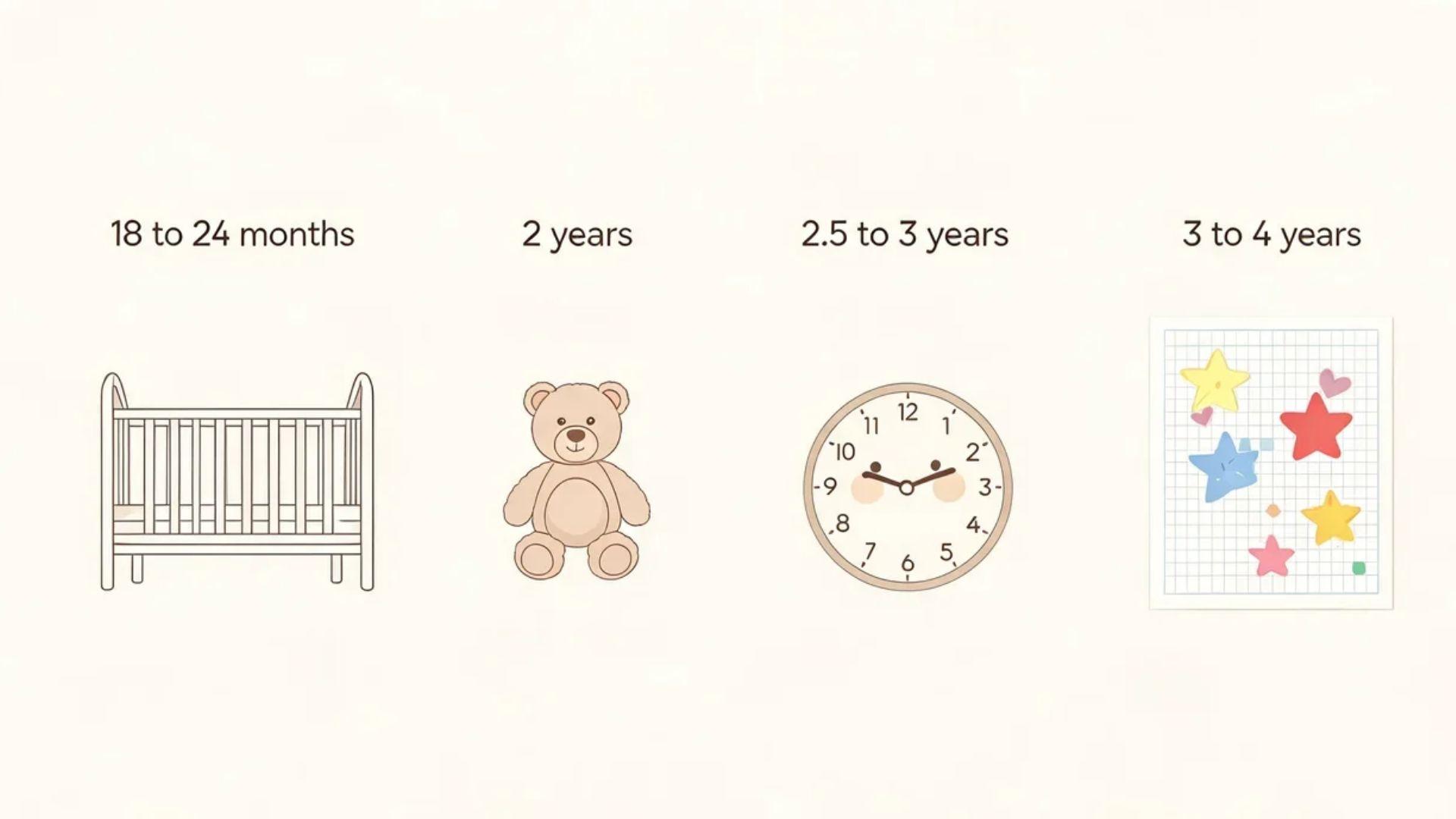
What works at bedtime changes as your toddler grows, so it helps to match your approach to their stage of development.
- 18 to 24 months: Many children are still in cribs at this age, so focus on a calm routine and a safe sleep space.If they begin climbing out, lower the mattress first. If they keep climbing, move to a low toddler bed in a fully childproofed room.
- 2 years: Boundary testing is at its peak, so short rules and the silent return method work especially well. Offer a comfort object and keep your response identical every night.
- 2.5 to 3 years: Language and imagination grow quickly, which makes bedtime fears more common. Talk through worries during the day and introduce an okay-to-wake clock.
- 3 to 4 years: Children can now understand reasons and rewards, so sticker charts and small bedtime choices usually work well. A simple reminder of the rules is often enough.
Common Mistakes Parents Should Avoid
Most bedtime setbacks come from a few well-meaning habits that quietly work against your progress, and the good news is that each one is easy to correct.
- Giving in after a long protest, since this teaches your toddler that persistence works and usually makes the next night harder.
- Changing the routine or the rules from night to night, which leaves your toddler unsure of what to expect.
- Setting bedtime too early or too late without checking the day’s naps, which can create an overtired child or one who simply is not sleepy.
- Using the bed or bedroom as a punishment, because toddlers then connect sleep with stress instead of safety.
- Allowing screens close to bedtime, since the stimulation and bright light make it harder for toddlers to settle.
How to Keep Your Toddler’s Bedroom Safe and When to See a Pediatrician
A safe toddler bedroom lets your child move around without reaching anything harmful.
Use these steps to get there:
- Anchor dressers, bookcases, and TVs to the wall.
- Cover outlets and use cordless window coverings.
- Keep the bed low and remove small objects, heavy toys, and climbable items.
- Lock windows or fit guards, and add a dim nightlight.
Talk to your pediatrician if sleep problems continue after about two weeks of a steady routine, or if your toddler seems unusually tired or irritable during the day.
Call sooner, without waiting two weeks, if you notice loud snoring, pauses in breathing, frequent night terrors, signs of pain or reflux, or restless legs, since a doctor can rule out causes such as sleep apnea or allergies.
Final Takeaway
Knowing how to get toddler to stay in bed comes down to three things: a steady routine, a calm response, and a bedtime that fits your child’s body.
Getting up is a common stage with clear causes, and it improves when you respond the same way every night.
That matters because good sleep supports your child’s mood and gives you the evenings back. I suggest you start small tonight.
Pick one tip from this list, such as the silent return method, and use it every night for two weeks. If nothing changes after that, talk to your pediatrician.
Frequently Asked Questions
What Are the Red Flag Behaviors for a 2-Year-Old?
Red flag behaviors include no two-word phrases, trouble following simple directions, little eye contact, no pointing, and losing skills they had before. Share any of these with your pediatrician.
How Do You Discipline a 2-Year-Old Who Doesn’t Listen?
Get down to their level, give one short instruction, and follow through calmly with a brief consequence, such as moving them away from the object. Praise listening as soon as it happens.
Is 2 Hours Too Long to Cry-It-Out?
Yes, for most families. Many sleep methods build in timed check-ins rather than hours of nonstop crying. If crying lasts that long, check in, rule out illness or fear, and try a gentler approach.