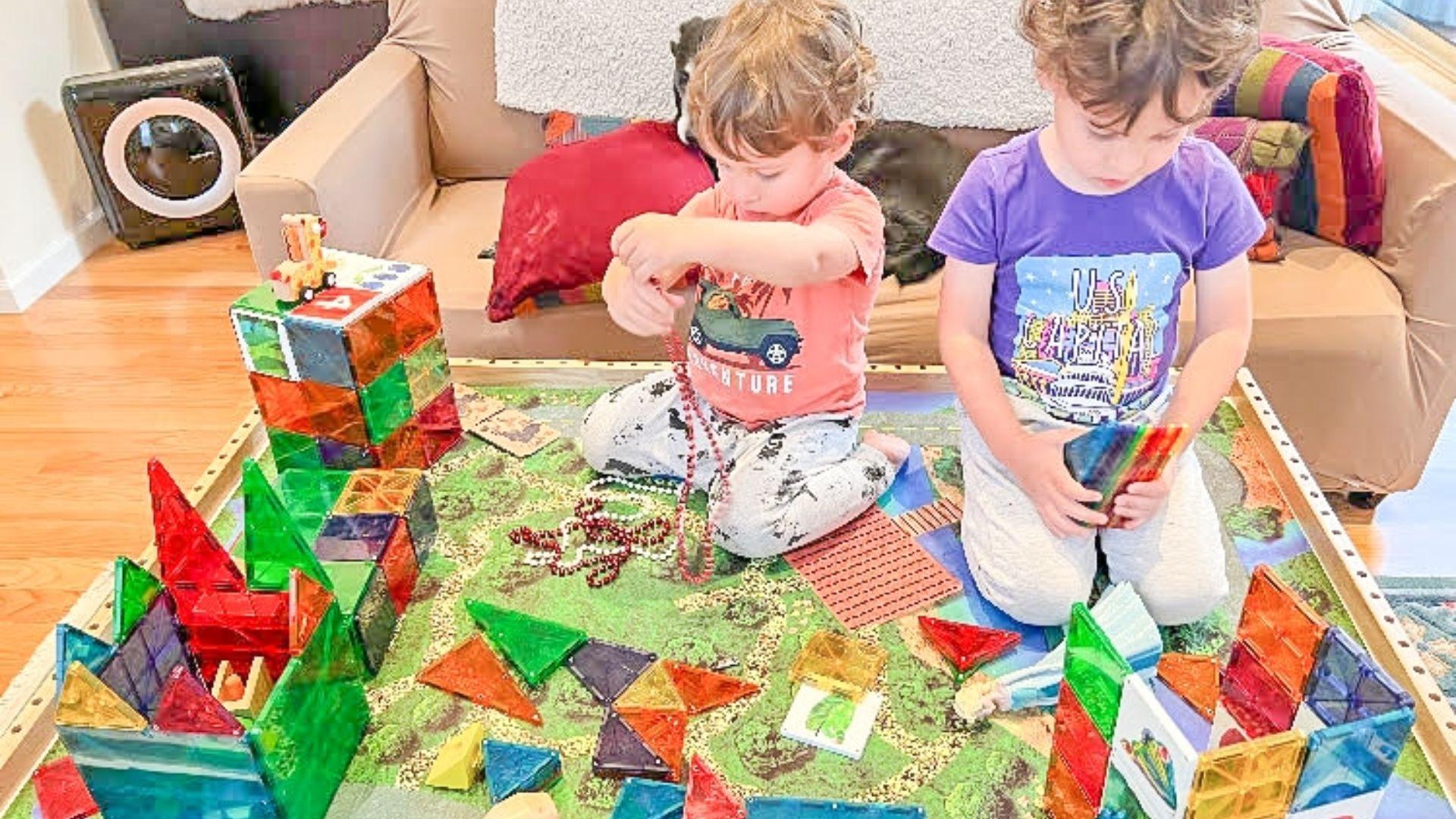
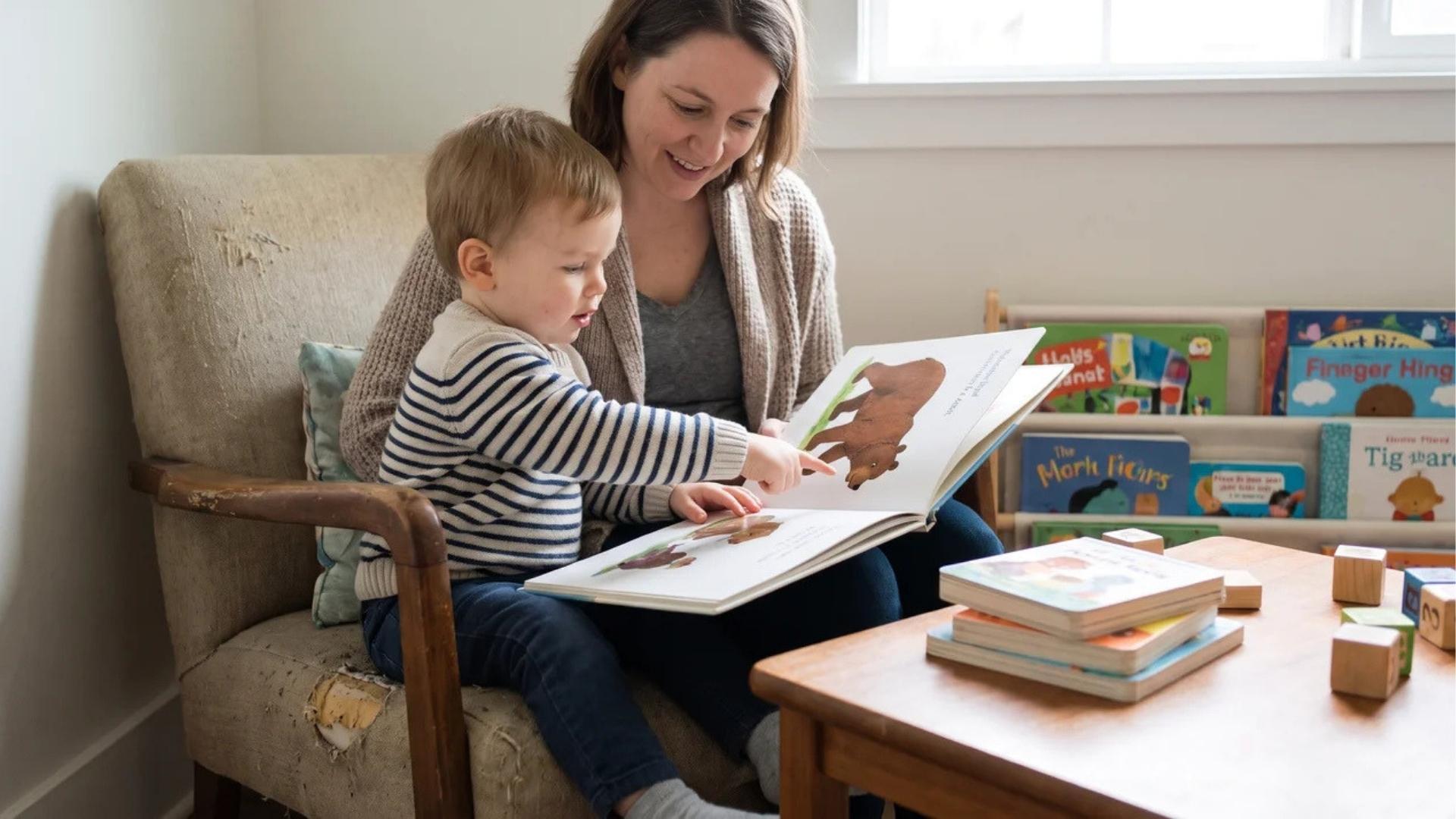


A neighbor's toddler names every animal in a picture book while your child points and says "da," and the family group chat feels like a scoreboard.
Parents compare because milestones are easy to count, yet language development begins long before the first word.
Research on infant speech perception shows that between 6 and 12 months, babies grow better at hearing the sounds of their home language and lose sensitivity to sounds they rarely hear.
That quiet sorting happens while a baby seems to do very little, so it helps to see the whole picture before judging any single word.
What Is Language Development?
Language development is the gradual process through which people learn to understand and use language to communicate thoughts, feelings, needs, and information.
In children, it covers learning to interpret and produce sounds, words, gestures, grammar, and sentences.
Two skills grow side by side: Receptive language, which is understanding what others communicate, and expressive language, which is sharing thoughts, needs, and ideas.
It also reaches past spoken words, because listening and nonverbal communication come first, with a benchmark from the First Words Project of at least 16 gestures by 16 months, well before many first sentences, and reading and writing join in as children mature.
Small physical milestones matter here too, like babies grabbing their feet, because they build the looking, reaching, and attention skills that sit alongside early communication.
What Are the Main Components of Language Development?
Language is built from several skills that grow together, and separating them makes it easier to see what a child is working on at any moment.
- Phonology: Understanding and producing the speech sounds of a language, such as telling "bat" from "pat."
- Semantics: Learning vocabulary and what words mean.
- Morphology and syntax: Understanding word forms, such as adding -s for plurals, and arranging words into sentences.
- Pragmatics: Using language appropriately in social situations, such as taking turns in a conversation or speaking differently to a friend than to a teacher.
These pieces rarely develop in separate boxes.
A toddler who learns a new word is using phonology to say it, semantics to know what it means, and pragmatics to decide when to use it.
None of these skills arrive all at once. They build in a loose order, and following a child from birth to the school years shows where each one fits.
What Are the Stages of Language Development?
The stages of language development describe how children progress from early sounds and gestures to meaningful words, connected sentences, and advanced communication.
Ages are approximate guides, not deadlines, because children develop at different rates, and the CDC milestone checklists are a handy reference.
If your child's speech worries you, ask a pediatrician.
1. Pre-Linguistic Stage (Birth to 12 Months)

Communication starts with crying, the first way newborns signal hunger or discomfort.
Babies soon calm to familiar voices and begin cooing, and by about 6 months many take turns making sounds with a caregiver.
Around 9 months, babbling turns into repeated syllables like "mamama," and by the first birthday many children wave bye-bye and pause when they hear "no."
These early exchanges connect sounds with attention and social interaction.
2. One-Word or Holophrastic Stage (12-18 Months)
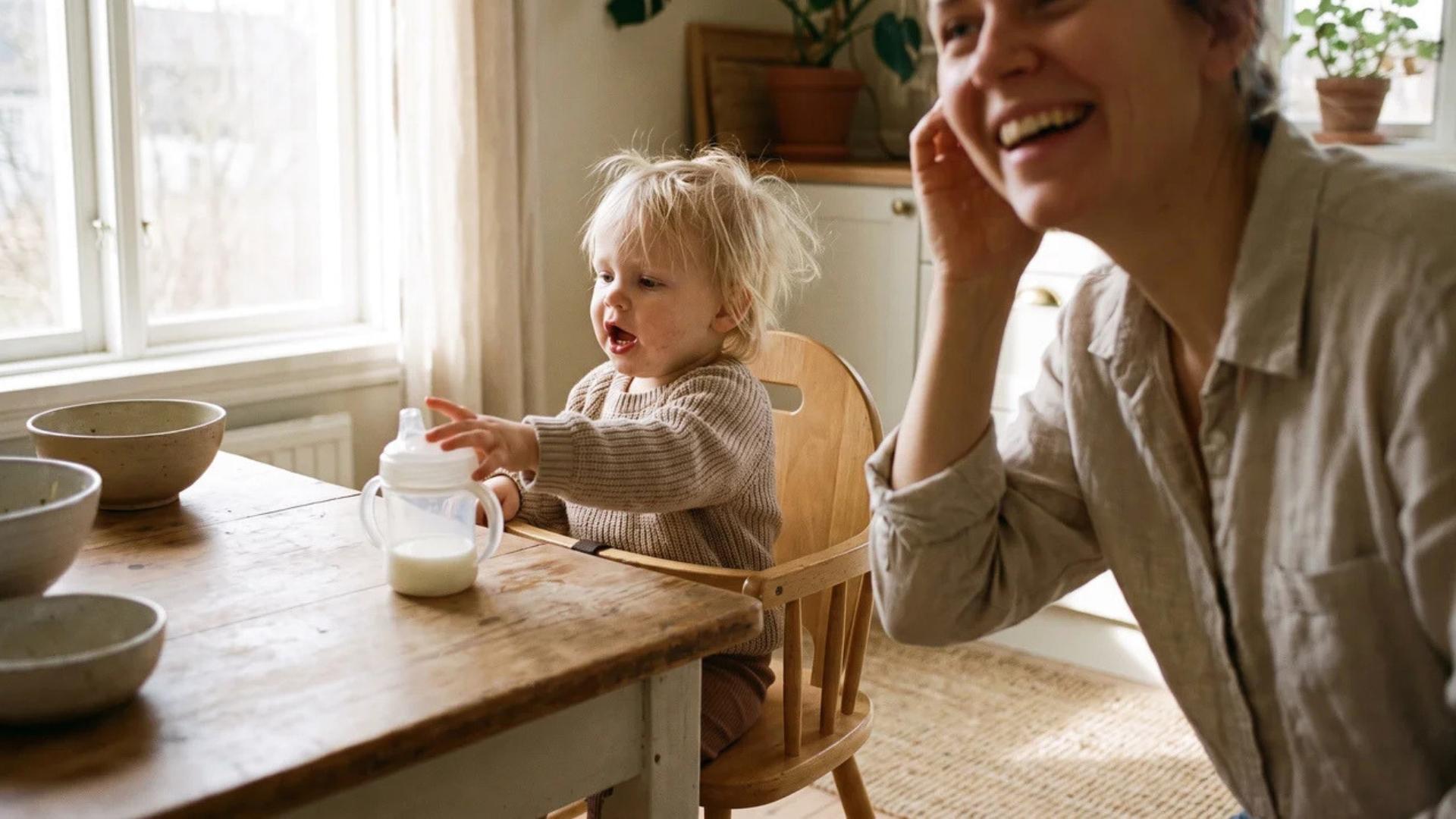
First recognizable words usually arrive around the first birthday, often naming familiar people and objects such as "mama" or "ball."
A single word can stand in for a whole thought, so "milk" might mean "I want milk."
By 15 months, many try one or two words besides "mama" and "dada," and by 18 months they try three or more while following simple one-step directions.
3. Two-Word and Telegraphic Stage (18-30 Months)
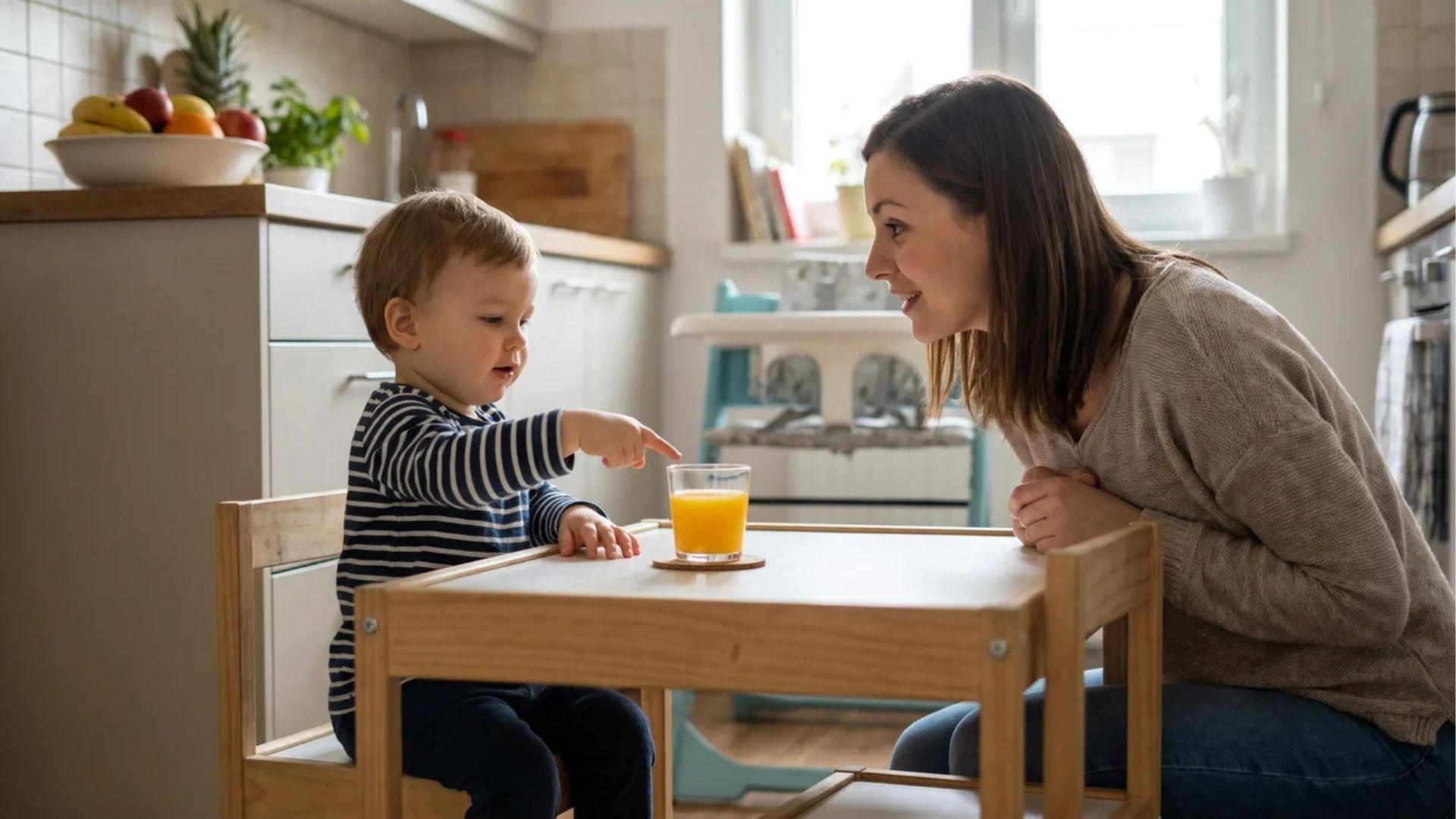
Between 18 and 30 months, vocabulary grows quickly, and children begin joining words into short phrases such as "more juice."
CDC milestones place two-word combinations at about 2 years and roughly 50 words by 30 months.
This clipped style is called telegraphic speech because it keeps key words and drops small ones like "the."
Our guide to typical vocabulary at 20 months shows what that growth can look like.
4. Early Multi-Word and Complex Sentence Stage (3-5 Years)
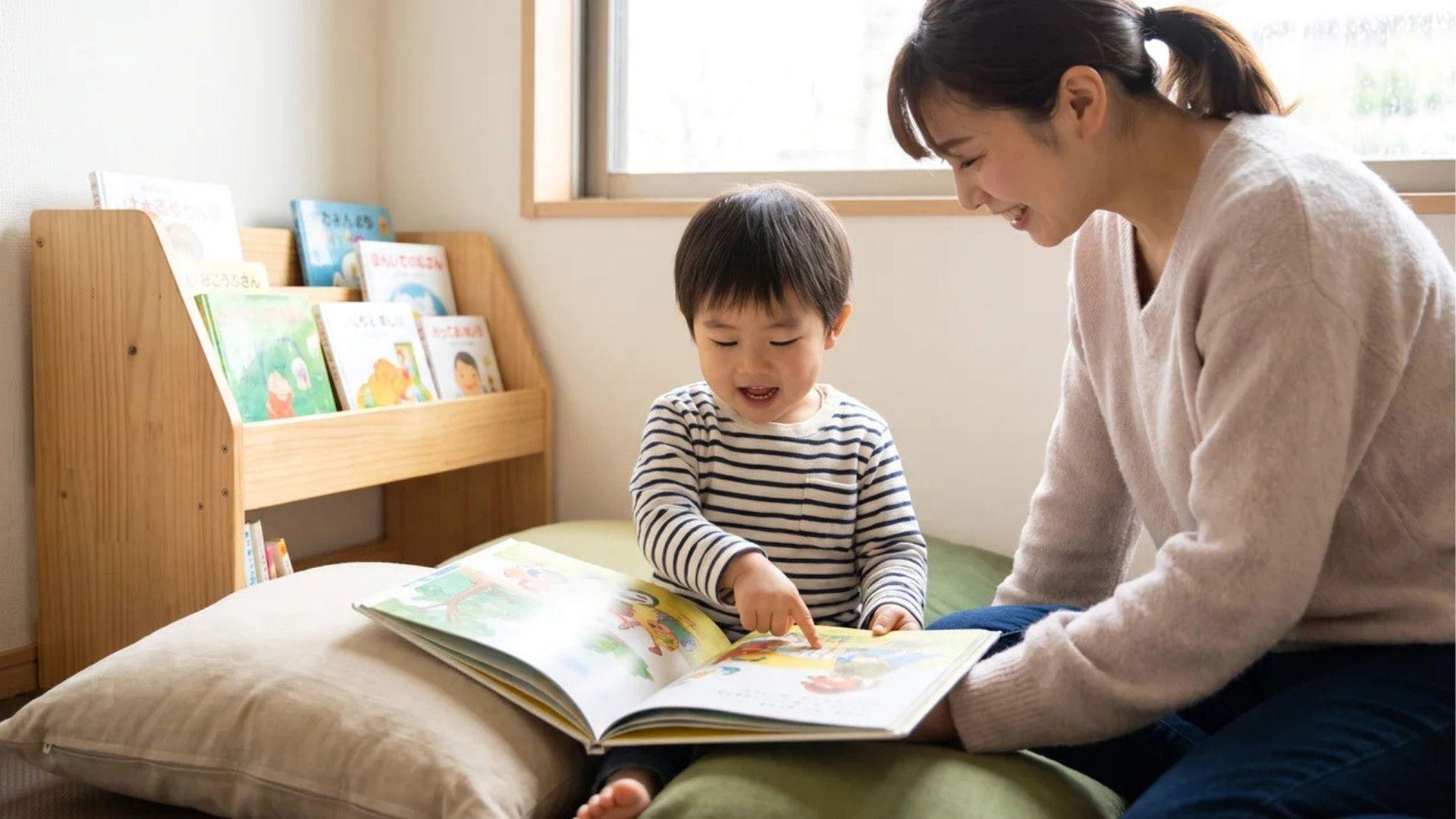
By age 3, most children hold a short back-and-forth conversation, ask who, what, where, and why questions, and talk clearly enough for others to understand most of the time.
By age 4, they typically use sentences of four or more words, and plurals, past tense forms, and pronouns grow more dependable.
By age 5, many tell a story with at least two events and keep a conversation going.
5. School-Age Language Development (5-8+ Years)
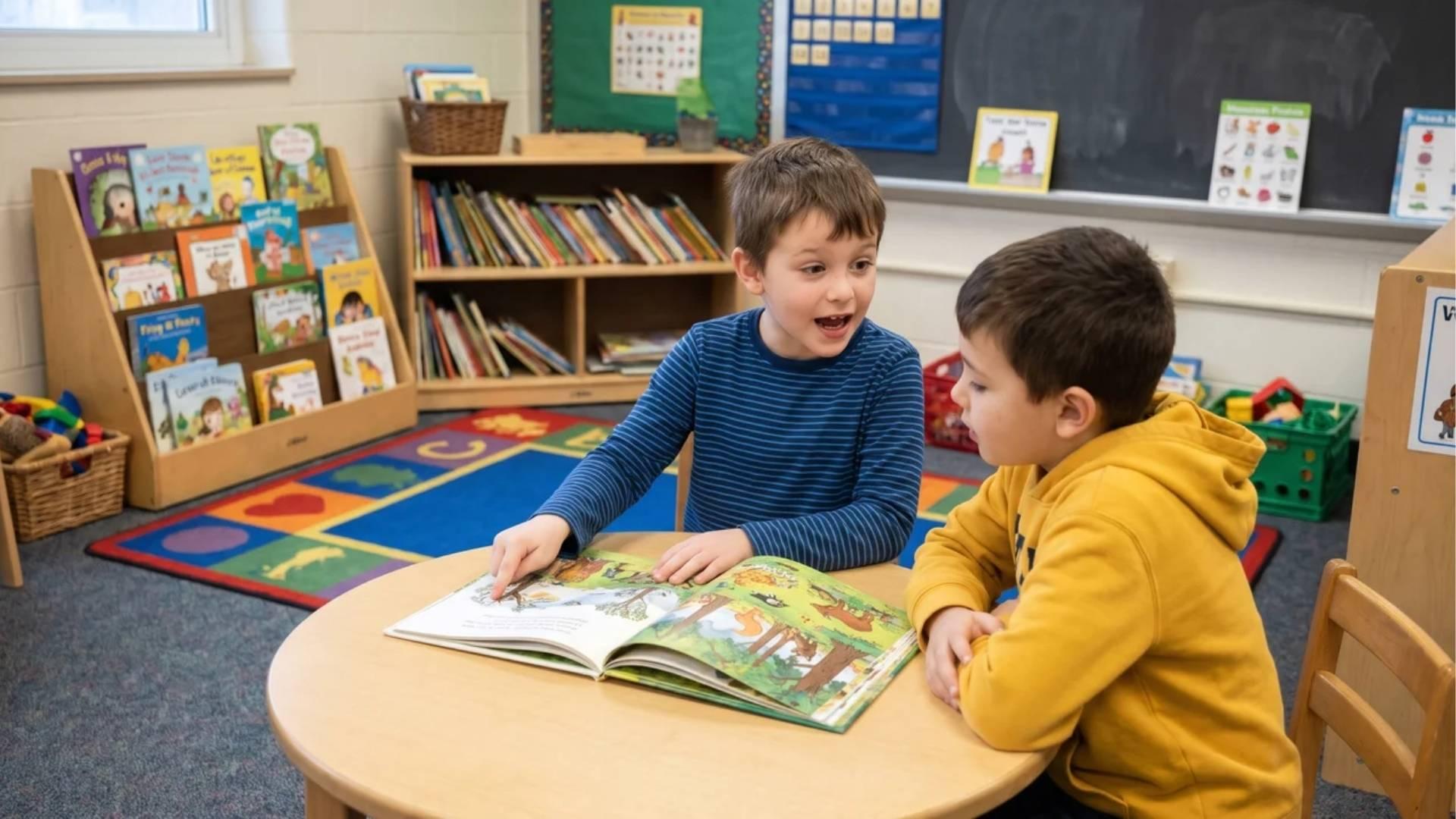
Language keeps growing after children start school, shifting from new sounds toward how words fit together.
Vocabulary expands, sentences become more complex, and stories gain a clearer beginning, problem, and resolution.
Many children start to enjoy jokes, idioms, and metaphors, and they develop metalinguistic awareness, the ability to think about language itself, such as noticing a grammar slip.
That is what children do and roughly when they do it.
What drives them from one stage to the next is a separate question, and researchers have been debating it for decades.
How Do Children Learn and Develop Language?
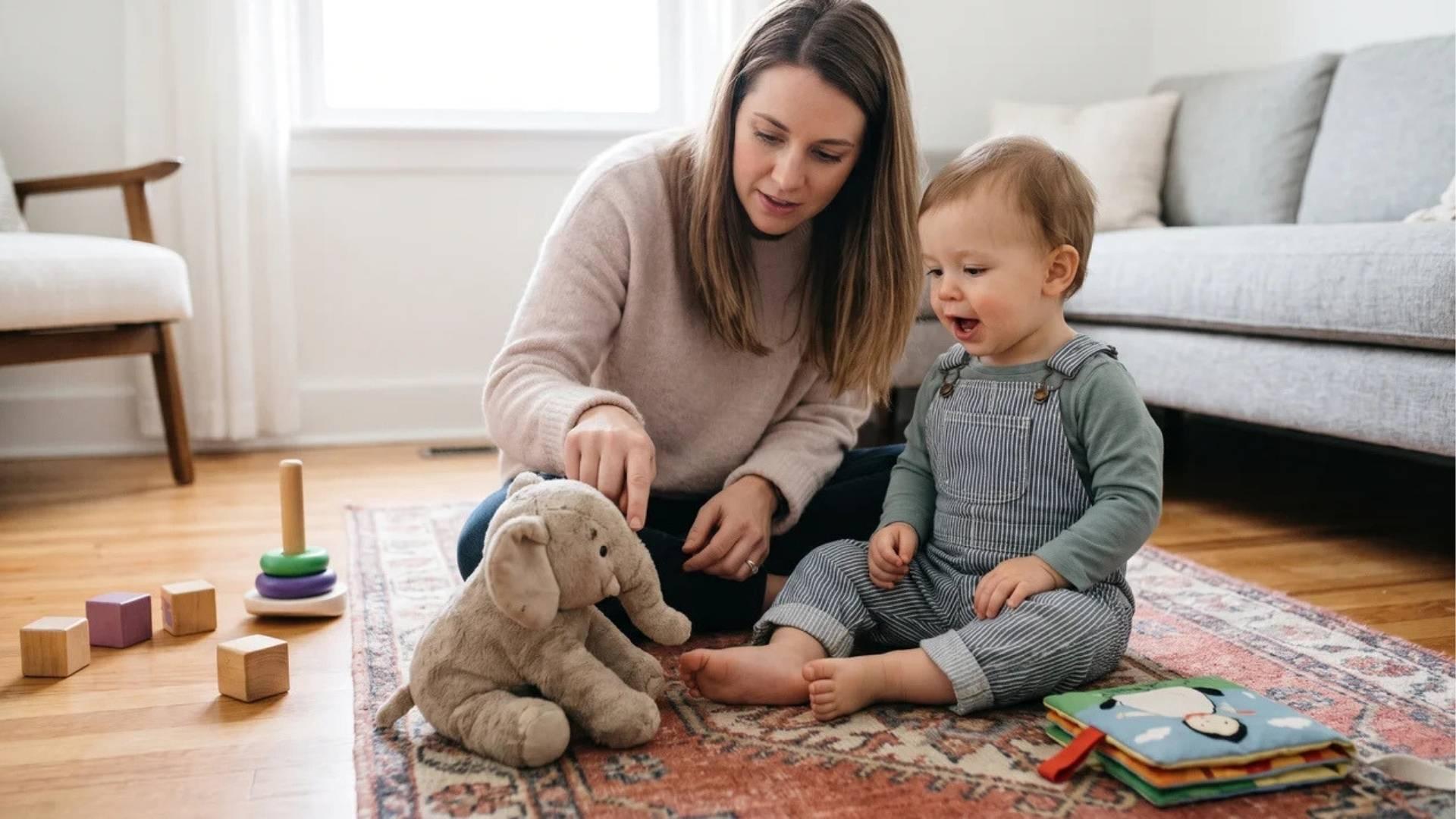
Children develop language through a combination of biological readiness, cognitive growth, repeated exposure to communication, and interaction with other people.
Brain maturation, hearing, memory, and pattern recognition help them connect sounds with meanings, and repeated exposure lets them work out the rules.
What Are the Major Theories of Language Development?
Four perspectives dominate the discussion, and each captures part of the picture.
- Behaviorist theory: B. F. Skinner proposed in Verbal Behavior (1957) that children learn language through imitation, repetition, and reinforcement, as adults respond to and encourage their sounds and words.
- Nativist theory: Noam Chomsky argued that humans have an inborn capacity for language, often called the language acquisition device, which helps explain how children master grammar from the imperfect speech they hear.
- Cognitive development theory: Jean Piaget connected language to children's growing thinking abilities and understanding of the world, so words follow the concepts a child has already formed.
- Social interactionist theory: This view stresses that communication and relationships with caregivers drive language learning, because children pick up language while doing things with other people.
No single theory explains everything, and many modern accounts combine elements from more than one.
What Does Research Say About How Language Develops?
According to the NIDCD speech and language milestones page, the first three years of life, while the brain is developing and maturing, are the most intensive period for acquiring speech and language.
Within that window, repeated exposure to meaningful speech, back-and-forth conversation, and shared attention helps children build vocabulary and understand what others mean.
Researchers describe learning as an interaction between biological readiness, cognitive development, and the language environment, not the product of any one factor.
What Factors Influence Language Development?
Hearing is one of the most direct influences, since children need to take in language to learn it.
Brain development and cognitive skills such as memory and attention shape how quickly new words and rules take hold, while exposure to language and responsive interaction with caregivers supply the material to learn from.
Social experiences like play with siblings and peers add more practice, and individual differences mean two children in the same household can follow different paths.
That is how language grows. Once it is in place, it shapes how children think, feel, make friends, and learn at school.
Why Is Language Development Important in Child Development?
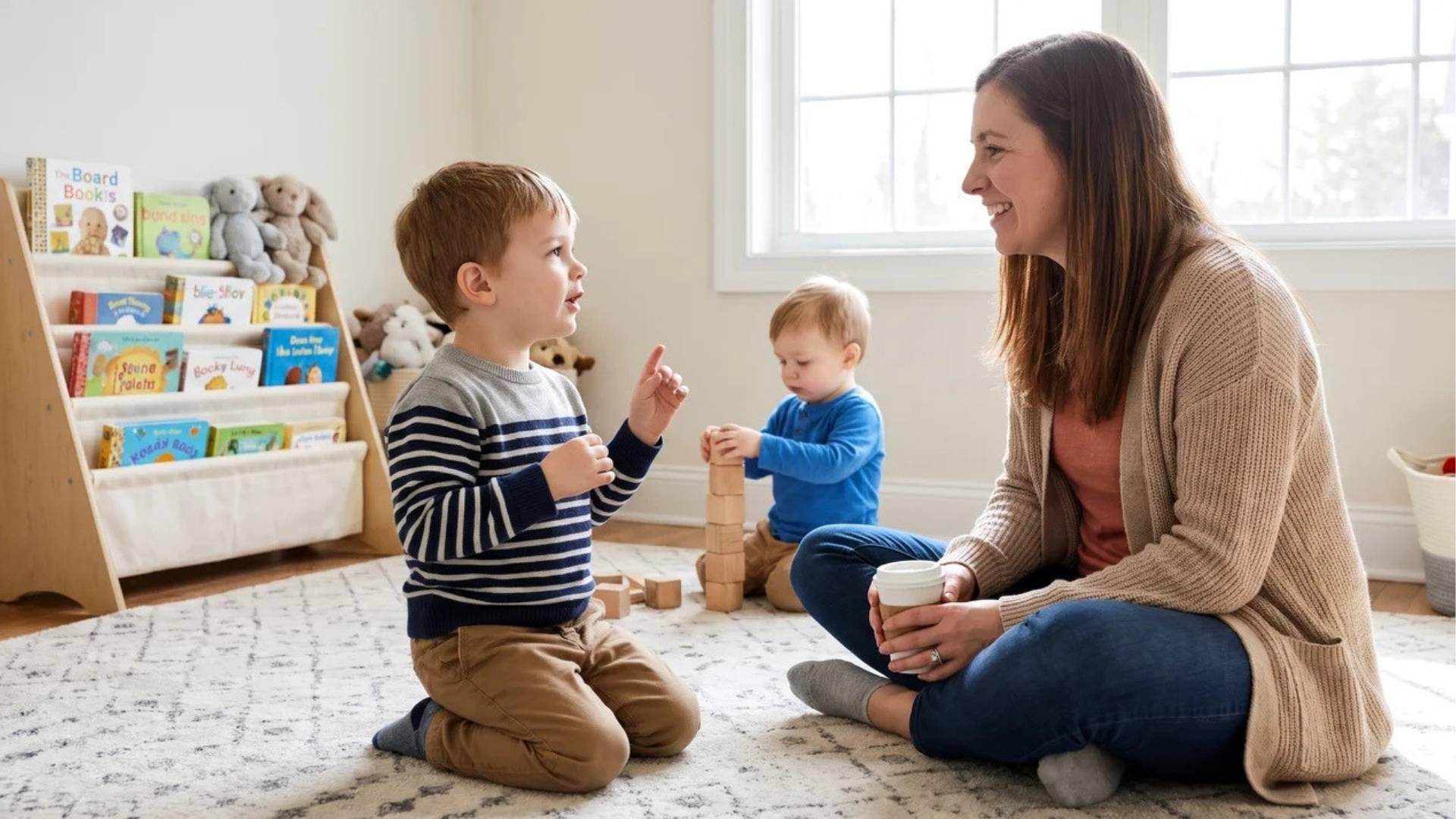
Language development supports children's overall growth by helping them think, express emotions, build relationships, and acquire academic skills.
How Does Language Development Support Cognitive and Emotional Growth?
Words give children a way to sort what they see and hear into ideas they can hold onto.
As vocabulary grows, children can remember information, reason about cause and effect, understand new concepts, and solve problems by talking them through.
Language also gives feelings a name.
A child who can say "I'm mad" or "I'm scared" has a tool for expressing what is going on inside, and over time that ability can help children begin to handle strong emotions with words instead of only through actions.
How Does Language Development Support Social and Academic Skills?
Friendships depend on language long before school starts, and the same skills carry into the classroom.
- Socially: Children use language to ask to join a game, take turns in conversation, listen to others, and understand how a friend feels.
- Academically: Vocabulary and language comprehension support learning to read, understand stories, write sentences, join discussions, and take in new concepts.
Reading comprehension draws on the words and sentence patterns a child already knows, which is why spoken language and literacy tend to grow together.
Letting Language Grow at Its Own Pace
The most useful thing to take from language development is that progress rarely looks like a straight line.
Babies sort sounds, toddlers test words, and school-age children play with meaning, and each quiet step counts even when it is hard to spot.
Milestone ages are guides that start conversations, not comparisons.
Tonight, choose one routine, such as bath time, a snack, or bedtime, and talk through it with your child, pausing so they can answer in their own way, even if the answer is a point or a sound.
Frequently Asked Questions
Why Do Toddlers Make Grammar Mistakes When They Talk?
Toddlers often apply a rule they have learned, like adding -ed for past tense, to irregular words such as "go." It usually shows they are learning grammar patterns.
Does Reading Aloud Help Language Development?
A 2024 University of Oslo study in the Journal of Child Language linked frequent reading to larger toddler vocabularies. It shows an association, not proof of cause.
What Is the Difference Between Speech and Language Development?
Speech is producing sounds and spoken words clearly, while language is understanding and using words, meanings, and grammar. A child may understand well yet struggle with pronunciation.
Do Deaf Children Learn Sign Language the Same Way?
Yes. Gallaudet University research shows deaf children with early ASL access reach typical milestones, including manual babbling, much like hearing children.