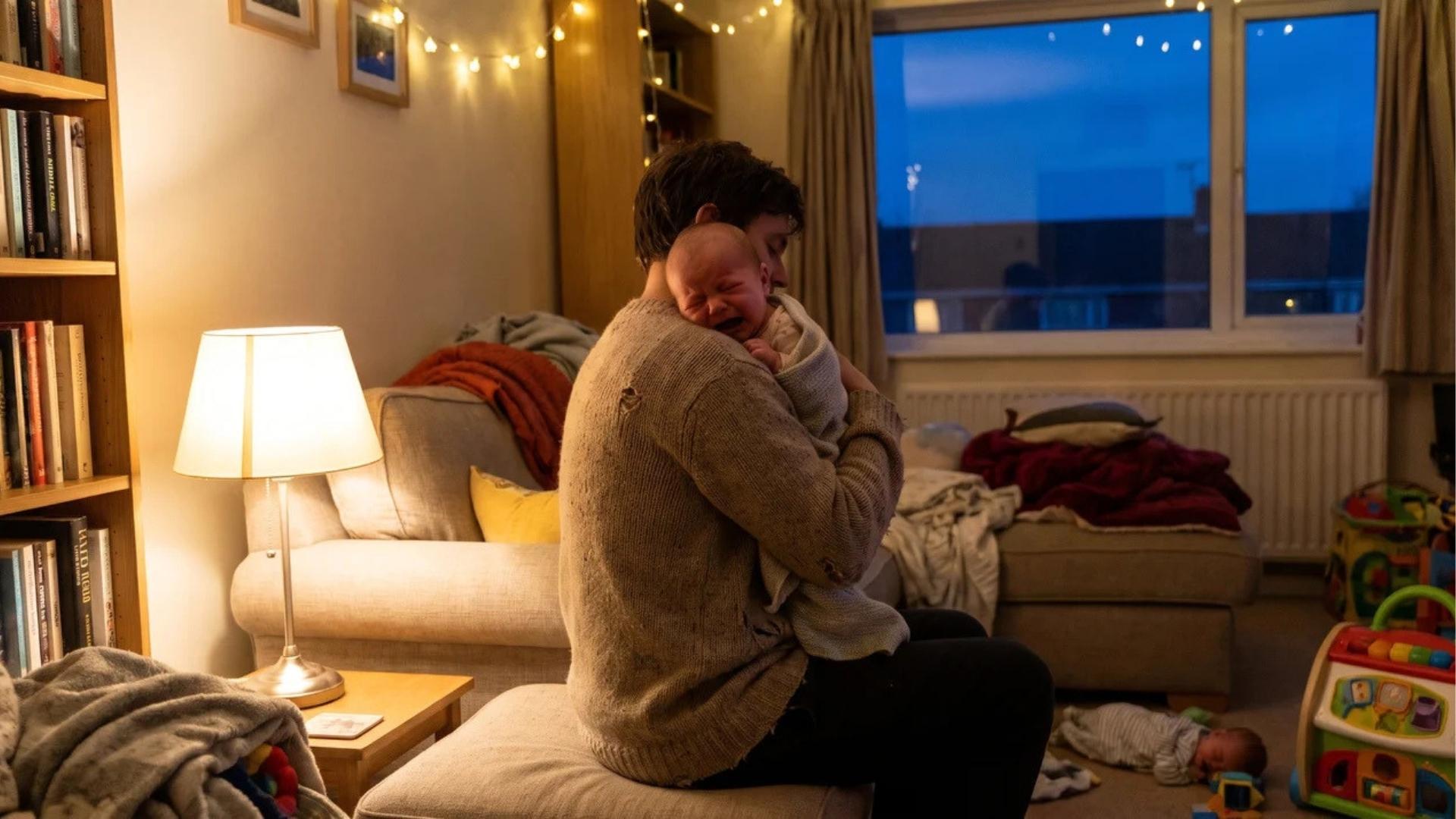
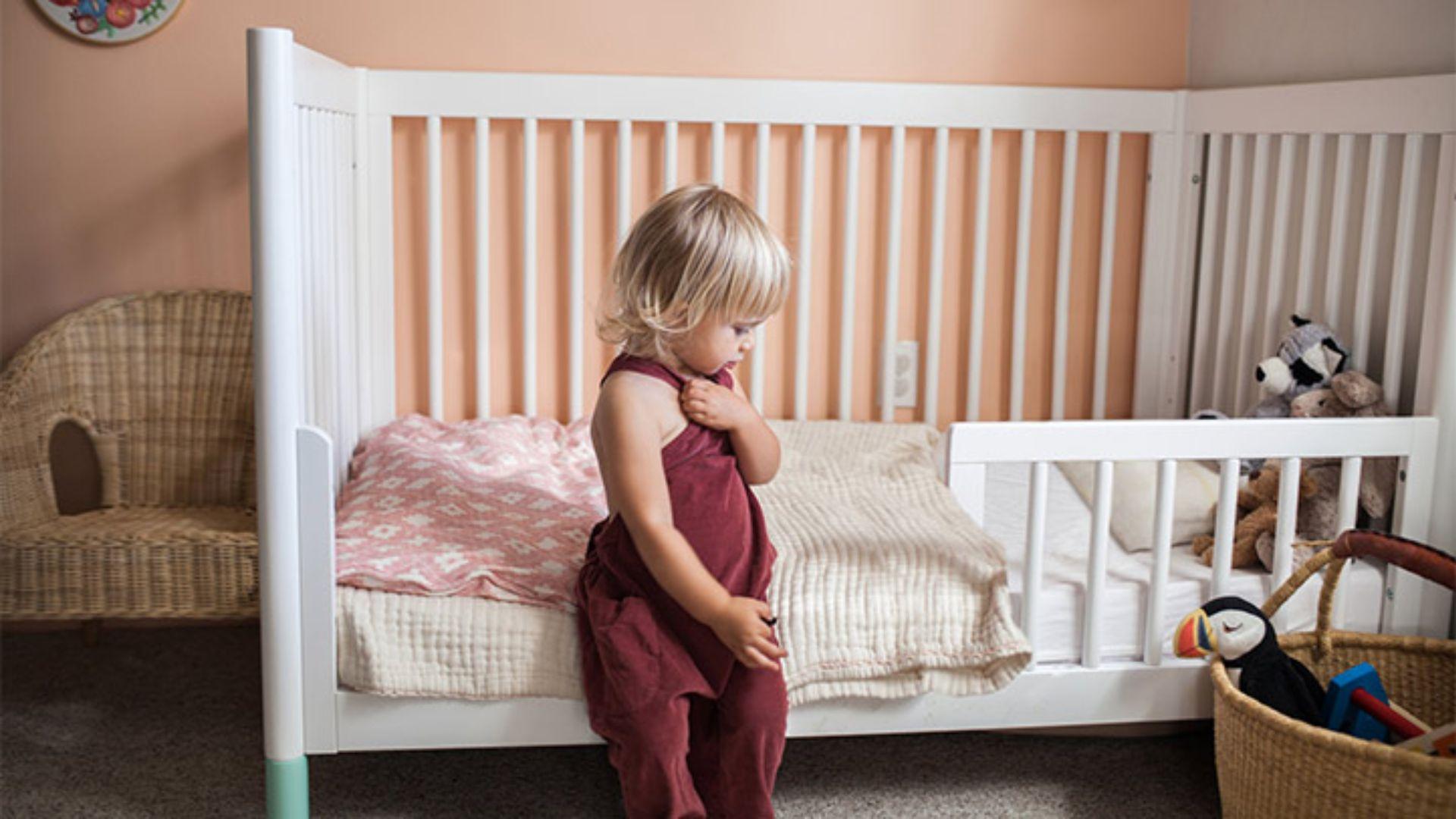


A toddler peering over the crib rail at 2 a.m. makes most parents wonder whether it is time for a big-kid bed.
Knowing when to transition to toddler bed matters because the move swaps a rail that keeps your child in place for self-control that many toddlers have not built yet.
Safety can force an early switch, while many sleep experts suggest waiting until closer to age 3 when it is safe to do so.
You’ll learn the best age for the transition, four signs your toddler is ready, and a five-step plan for the first week.
You’ll also get the sleep problems to expect after the switch, including bedtime resistance, night wakings, and getting out of bed, and how to fix each one, followed by how a toddler bed compares with a junior bed by age and size and essential safety checks.
When to Transition from Crib to Toddler Bed: What Is the Best Age?
Many families move from a crib to a toddler bed between 2 and 2.5 years. If your child isn’t climbing and is still under 35 inches, keeping the crib until closer to 3 is the better default.
When to transition a baby to toddler bed is a common question, and the answer is rarely before about 18 months.
Some toddlers can climb out of the crib between 18 and 24 months, but many children don’t reach 35 inches until around age 2 to 2.5.
The crib rail keeps a child in bed without any effort on their part.
Once it comes off, staying put depends on impulse control and understanding a bedtime rule, and both are often unreliable before about 2.5 to 3 years.
That is why younger toddlers often wander the room, call out for one more story, or get up repeatedly in a new bed.
An earlier move makes sense only when safety requires it, which the next section covers.
What Are the 4 Signs Your Toddler Is Ready for a Toddler Bed?
The first two signs make the move a safety decision at any age, and the last two make it a timing choice.
A forced switch usually needs a bedtime resistance plan, while a readiness-led switch tends to go more smoothly.
Sign 1: Your Toddler Keeps Climbing or Falling Out of the Crib

A toddler who climbs out of the crib needs a bed regardless of age.
Falls are the most common crib injury, and a drop from the top of a rail is much farther than a roll out of a bed close to the floor.
Lowering the mattress and clearing nearby furniture can buy a little time, but a child who has climbed out once usually tries again.
If the move comes early, place the mattress low, gate the doorway, and expect extra bedtime resistance, since the rail no longer holds your child in place.
Sign 2: Your Toddler Has Outgrown the Crib

Pediatric guidance, including the AAP, advises moving a child out of the crib at about 35 inches (89 cm) tall, or when the top rail sits at or below mid-chest while the child stands inside.
To measure height, stand your child barefoot against a wall, rest a flat book on their head, mark the wall, and measure from the floor to the mark.
For the rail check, set the mattress to its lowest position, stand your child on it, and see where the rail lands on their chest.
Either result means the crib no longer contains them, even if they have never tried to climb out.
Sign 3: Your Toddler Asks for a Big-Kid Bed and Follows Simple Instructions

Interest alone is not enough, because many toddlers ask for a big-kid bed long before they can stay in one. Readiness shows up in behavior you can observe.
Your child can follow a two-step request such as "get your shoes and bring them to me," understands a simple bedtime rule when you state it, and can sit through a short story without leaving the spot you chose.
A child who shows these skills and also asks about a bed usually adjusts faster, which is why this sign is most reliable closer to 2.5 or 3 years.
Sign 4: The Timing Fits Your Family

A child can be ready and still struggle if the move lands in the middle of other changes.
A new baby is the most common example, because a toddler who loses the crib just as a newborn arrives may link the two events.
Moving the toddler well before the due date, or waiting until the baby has settled, keeps those changes apart.
The same logic applies to starting daycare, potty training, or moving house. When safety is not forcing the switch, choose a calm stretch and change one thing at a time.
How Do You Transition Your Toddler to a Toddler Bed, Step by Step?
The steps below run in order, from the days before the switch through the first week.
Step 1: Tell Your Toddler About the New Bed a Few Days Early

Start three or four days before the switch by telling your toddler that a big-kid bed is coming.
Let your child pick a blanket or pillow so the bed feels like theirs, and read a picture book about moving to a bed if you have one.
Keep each talk short and positive, since toddlers usually learn through repetition.
On the first night, place the bed where the crib stood so the room still feels familiar and your child wakes up to the same view.
Step 2: Keep the Bedtime Routine the Same

Keep the routine your toddler already knows, with the same bath, pajamas, books, and song in the same order and at the usual time.
Only the bed should change, so the rest of the evening gives your child a familiar signal that sleep is coming.
Finish the last book or song in the bed itself, then say goodnight with the same words each night.
A predictable sequence takes pressure off the first week because your toddler does not have to adjust to a new bed and a new routine together.
Step 3: Set One Clear Rule About Staying in Bed
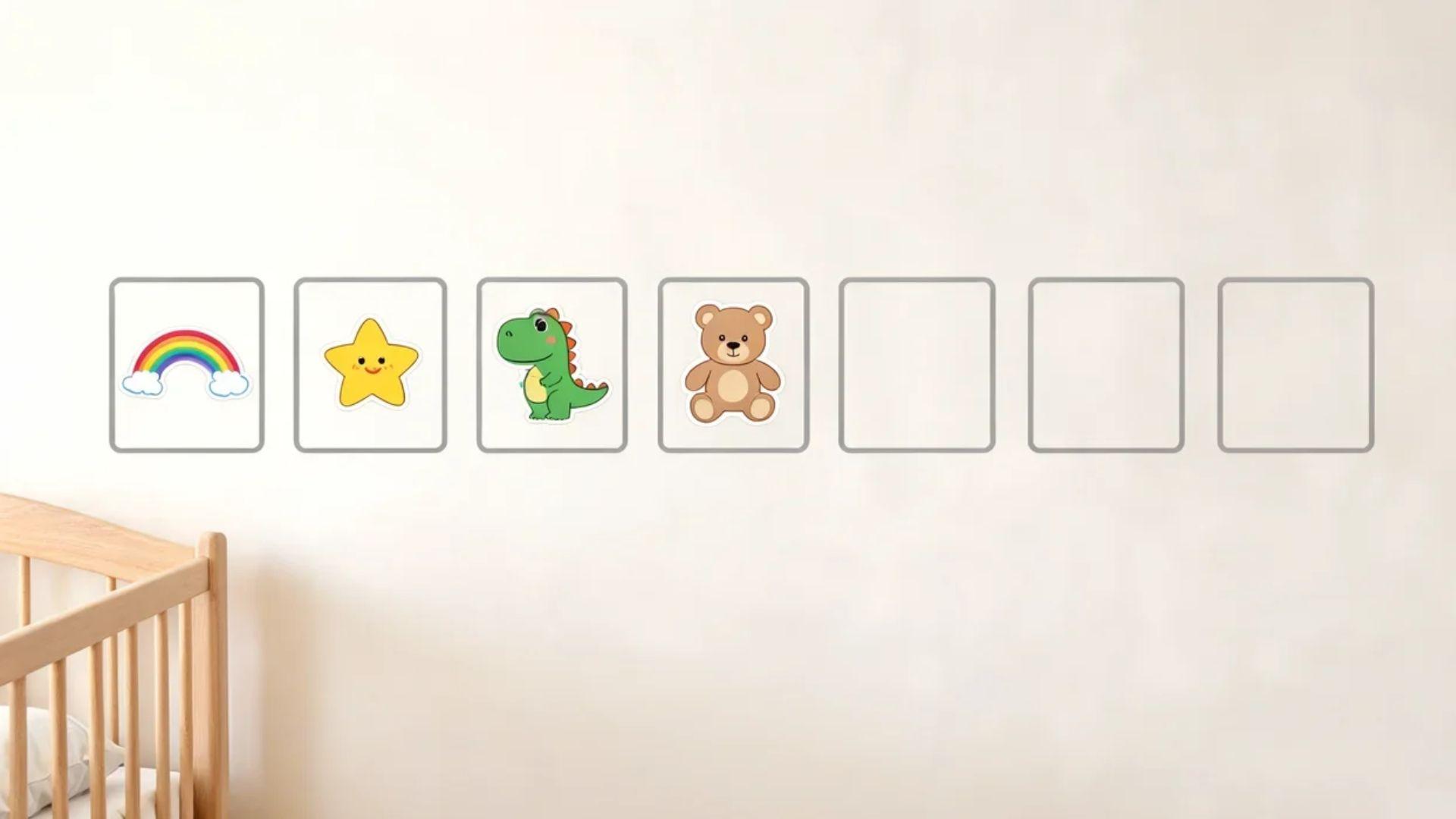
Choose one rule in simple words, such as "we stay in bed until morning," and say it the same way every night.
Because a toddler this age cannot yet hold a long list of rules, one short sentence works better than several instructions.
A toddler clock or night-light that changes color when it is time to get up gives your child something to see instead of a promise to remember.
Practice the rule during a daytime rest on the bed so it is not new at bedtime.
Step 4: Walk Your Toddler Back to Bed Calmly Every Time
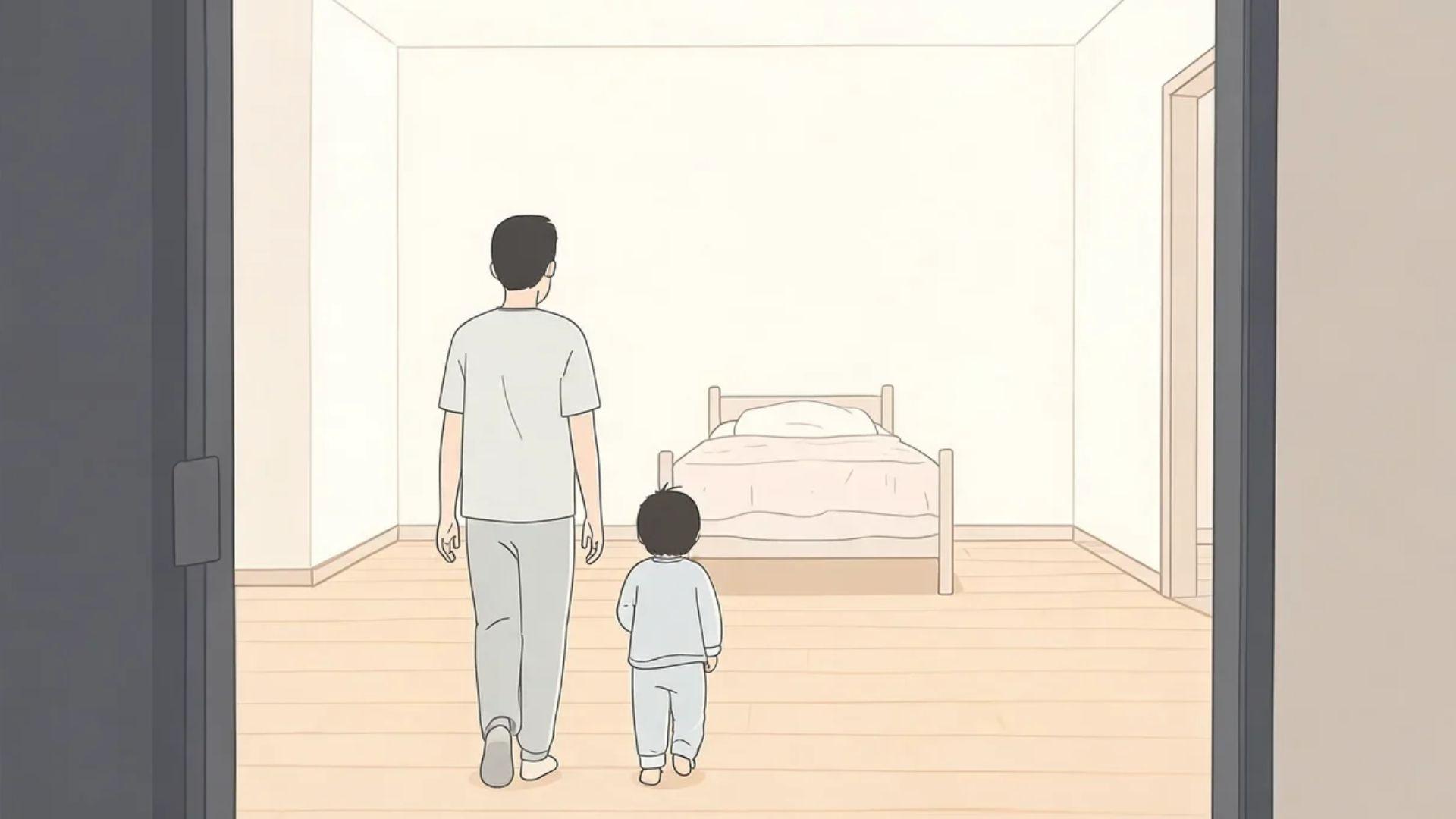
Expect your toddler to get up on the first night, and respond the same way each time.
Walk your child back to bed in a calm, quiet way, repeat the rule in one short sentence, and leave the room without a long conversation or a scolding.
A gentle, consistent return is the usual advice, and it helps because extra talk or attention can turn getting up into a game.
It may take many trips on the first night, so keep your tone steady.
Step 5: Praise Staying in Bed and Give the Change a Few Weeks

Greet your toddler in the morning with specific praise, such as "you stayed in your bed all night," so the rule feels like something your child can succeed at.
A sticker chart can help some children, though praise alone is enough for many.
Give the new bed a few weeks of the same routine, rule, and calm response before judging how it is going, since early nights are often the roughest.
Some children settle within days, and others need up to two months.
Toddler Bed vs. Junior Bed: Which Fits Your Child’s Age and Size?

Once you know it’s time to leave the crib, the next choice is the bed itself.
The right pick depends on your child’s age, height and weight, and on your room size. Check the manufacturer’s height and weight limits before buying.
| Factors | Toddler bed | Junior bed | Twin bed |
| Mattress | The same size as a crib mattress, about 27¼ × 51⅝ inches | No industry standard; sizes vary by maker, from about 27 × 63 inches up to 31 × 75 inches | About 38 × 75 inches |
| Typical age | Usually outgrown by about age 5 | Varies by size; check the maker’s limits | Toddler years through the teens |
| Weight limit | Often about 50 lb | Check the maker | Standard bed limits |
| Best for | Reusing your crib mattress; a smooth first move | Rooms too small for a twin, or when a sibling needs the crib mattress | Long-term use if you have the floor space |
Terminology varies. Some brands, especially in the UK and EU, use “junior bed” as another name for a toddler bed. Always compare the listed mattress dimensions, not the name.
How to choose:
- The child is 2 to 3, and you’re keeping the crib mattress: choose a toddler bed.
- The child is close to the toddler bed’s height or weight limit, or the room is small: choose a junior bed.
- You want one bed for years and have the space: go straight to a twin, with the low-bed safety checks below.
What Sleep Problems Are Normal After the Switch to a Toddler Bed?

Bedtime stalling, getting out of bed, night wakings, and wandering are all common after the move, and none of them means you chose wrong.
They share one root: Your toddler can now leave the bed, so your child tests whether the rule still holds, and your reaction either settles it or feeds it.
- Bedtime stalling: Requests for water, one more story, or another hug keep you in the room.
- Getting out of bed: Repeated trips to the door or your bedroom are most frequent on the first nights.
- Night wakings: A brief waking between sleep cycles can now end with a walk to your room.
- Wandering: Playing or exploring after lights out reflects curiosity more than defiance.
Younger or safety-forced switches, as the signs section above explains, usually bring more resistance than a readiness-led switch near age 3.
A calm, identical response each time often settles the testing within a few weeks, though some children take up to two months.
Tips for a Safe Transition to a Toddler Bed
A toddler bed removes the rail, so safety now depends on the bed and the room instead of the crib. Five checks cover most of the risks.
- Choose a low, snug bed: Pick a toddler bed or floor mattress so a roll-out is a short drop, and make sure the mattress fits the frame without gaps. Check the weight limit too, because crib-size beds are outgrown sooner than twins.
- Anchor the furniture: Secure dressers, bookcases, and TVs to the wall, and move anything climbable away from the bed. A child who can get out of bed can also climb, so tip-over risks matter more at this stage.
- Block the exits: Place a safety gate across the bedroom doorway, so night wandering stays inside a protected area and your child cannot reach the stairs, the kitchen, or other rooms while you sleep.
- Cover the hazards: Cover outlets, remove blind cords and other cords near the bed, and clear the floor of small objects and toys with small parts, since a toddler who wakes early may explore before anyone notices.
- Check the room at toddler height: Kneel at your child's eye level to spot reachable shelves, sharp corners, and breakable items, then add a dim night-light so your child can see the way to you and avoid bumping into furniture.
The Bottom Line
Knowing when to transition to toddler bed comes down to safety first, then readiness.
If your child climbs out or has outgrown the crib, it's time to make the switch.
If neither applies, waiting until closer to age 3 may make the transition easier, as your toddler is more likely to follow simple bedtime rules.
After the switch, keep the bedtime routine the same, set one clear rule, and calmly walk your child back to bed whenever they get up.
Give your toddler a few weeks to adjust, and up to two months for some children, before judging how things are going.
Have questions about your toddler's bedtime? Leave a comment, and I'll help you figure it out.
Frequently Asked Questions
When Should You Transition a Baby to a Toddler Bed?
Rarely before about 18 months. Move when your child climbs out, reaches 35 inches, or the rail sits at or below mid-chest.
Is a Junior Bed Better Than a Toddler Bed?
It depends on size and space. A junior bed lasts longer but needs a less common mattress size. A toddler bed reuses your crib mattress but is outgrown sooner.
How Long Does a Toddler Bed Last?
Usually until about age 5, or until your child reaches the bed’s weight or height limit.