


Buying a sleep sack in a size your baby hasn’t grown into yet is an easy mistake, and it can make an otherwise good sack unsafe.
The best sleep sack for 3 month old fits snugly at the shoulders and neck, opens with a two-way zipper for quick diaper changes, and uses a fabric matched to the room temperature.
A sack that is too loose can ride up toward the face, while one that is too tight can restrict natural hip movement, so getting the fit right matters more than any extra feature.
Since size charts vary from brand to brand, the smartest place to begin is with your baby's current weight and length.
Why Does Choosing the Right Sleep Sack Matter for a 3-Month-Old?
The best sleep sack for 3 month old babies keeps them at a steady, comfortable temperature without loose blankets, while leaving enough room for the arms and hips to move as they grow.
At this age, many babies no longer settle well in a swaddle because they have started to push, kick, and roll
A sack with free arms lets them practice these skills and still feel cozy, and it also replaces loose bedding in the crib, which keeps the sleep space clear.
The TOG rating helps you adjust warmth as room temperatures change, so your baby stays comfortable without overheating.
With that in mind, the picks below are matched to the needs parents raise most often.
Sleep Sack Options for a 3-Month-Old
The right sleep sack keeps your baby comfortable and safe through the night. Here are a few options worth considering, depending on your baby’s needs and your nursery setup.
1. Cotton Sleep Sack Option
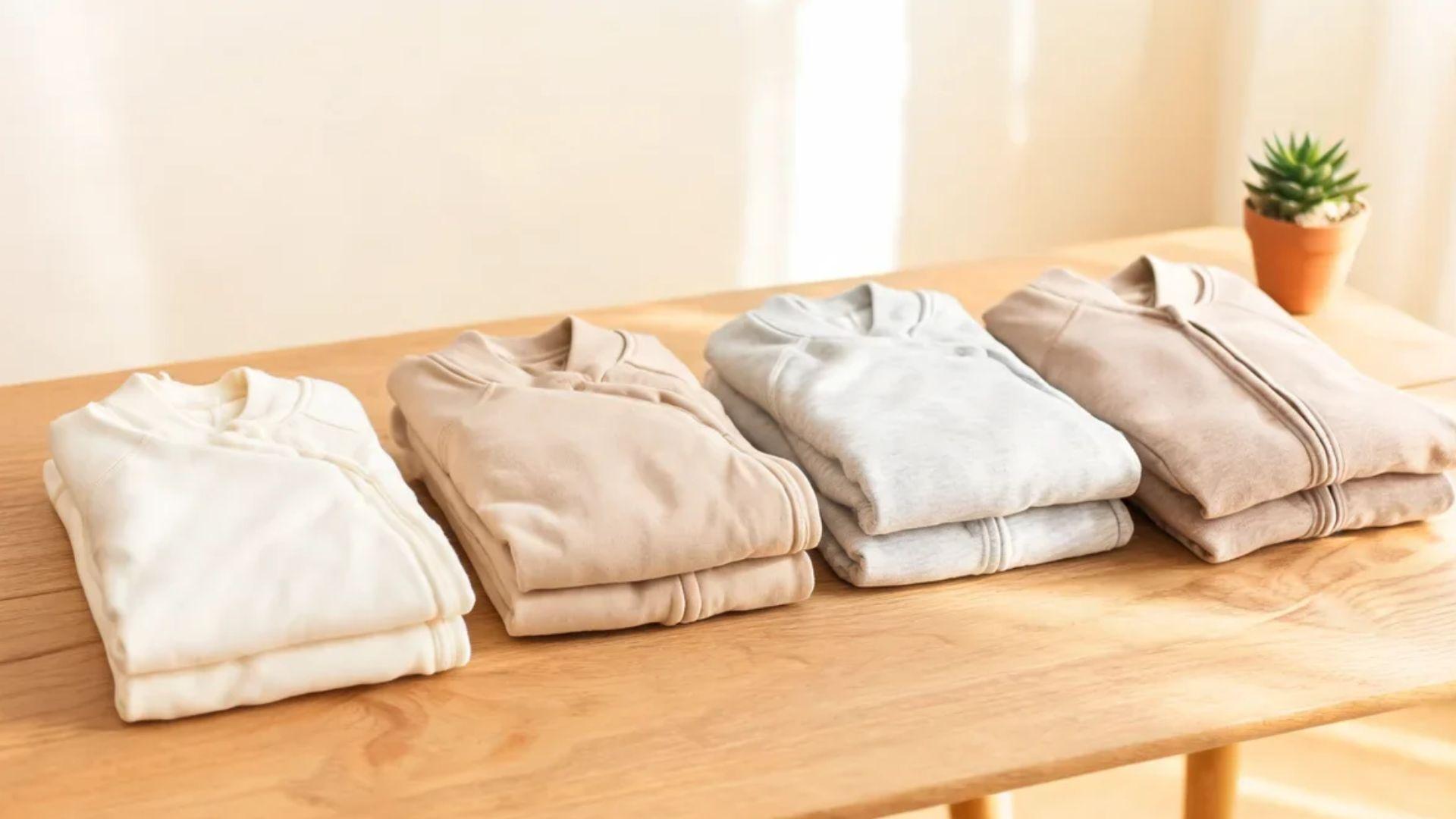
The Halo SleepSack Cotton is one option parents may want to look at first, since it uses a breathable 0.5 TOG fabric and a two-way zipper that can make middle-of-the-night diaper changes quicker and quieter.
The neck and armholes are shaped to help keep the sack from riding up toward your baby’s face, and the arms stay free, which can suit a baby who is learning to roll.
Halo also offers this design in several sizes, along with a fleece version for colder rooms.
2. Organic Cotton Sleep Sack Option
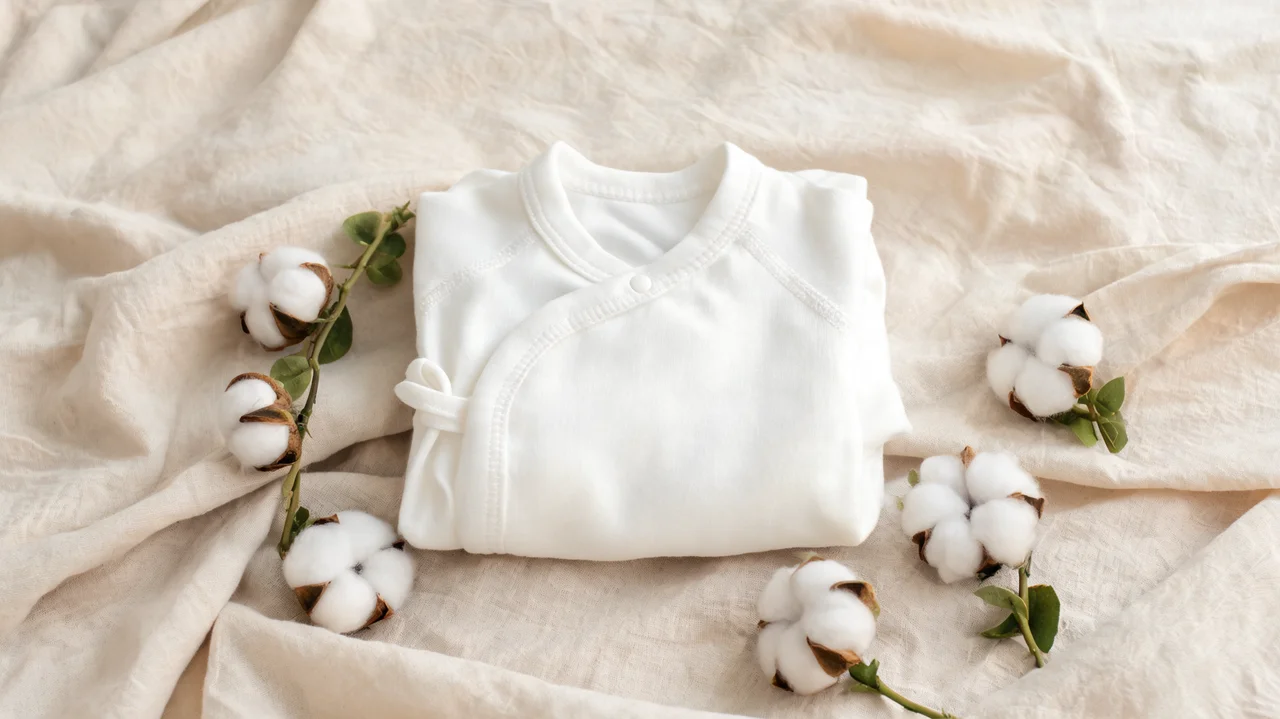
If you prefer certified fabric against sensitive skin, the Burt’s Bees Baby organic cotton wearable blanket is worth a look.
The cotton carries GOTS certification, which means it is grown and processed without harsh synthetic chemicals, and it feels soft while still letting air circulate your baby.
Because it is a standard-weight cotton sack, it tends to suit a nursery kept at a comfortable room temperature, and you can add a light sleeper underneath on slightly cooler nights.
3. Bamboo Sleep Sack Option
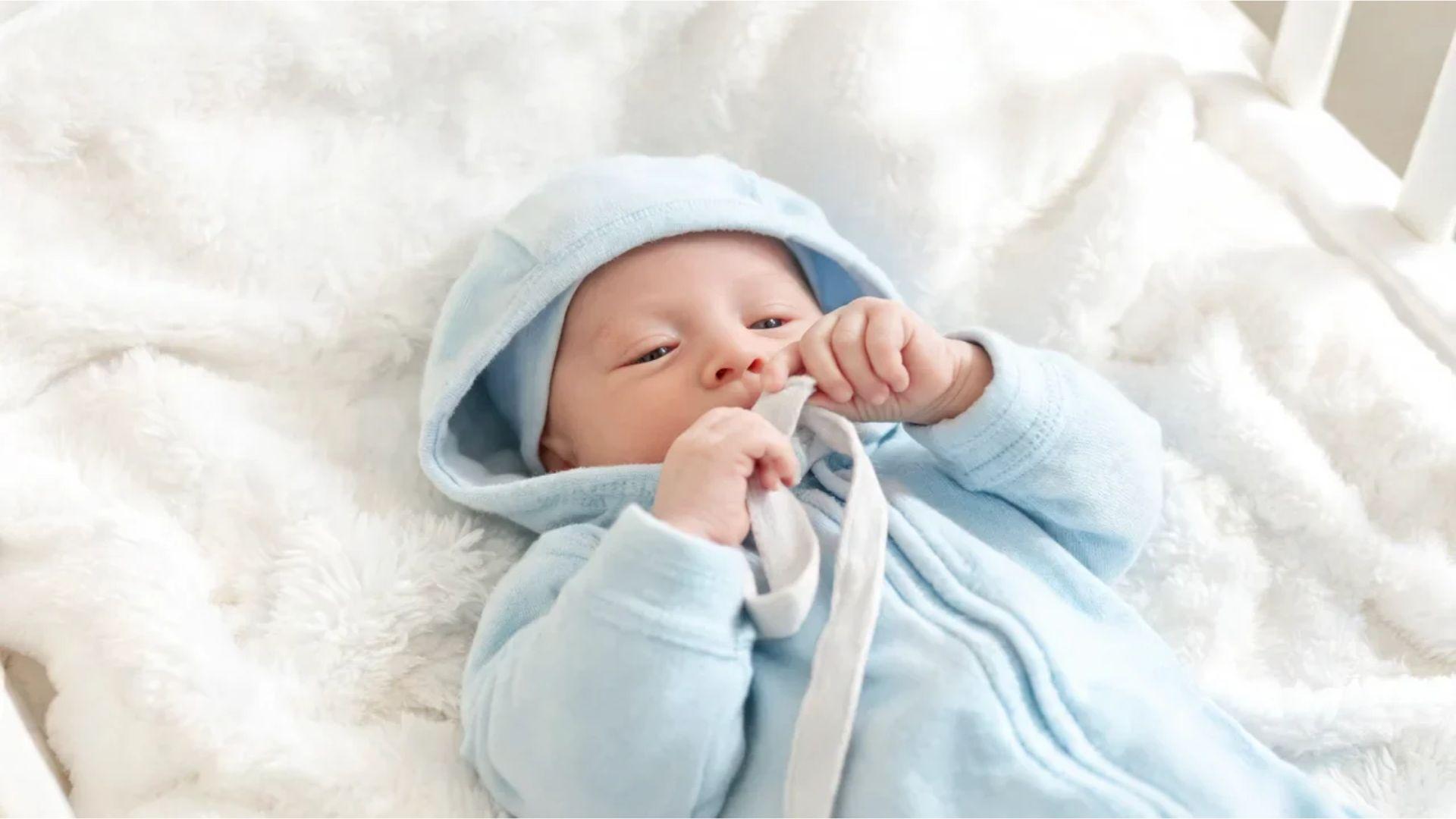
For parents who like the idea of bamboo fabric, the Kyte Baby sleeping bag is one choice to consider, as its viscose fabric feels soft and stretchy against delicate skin.
Bamboo viscose is known for pulling moisture away from the skin and feeling cool to the touch, which may help babies who tend to run warm or wake up damp.
The bag comes in 0.5, 1.0, and 2.5 TOG weights, so you can match it to the temperature of your nursery.
4. Sleep Sack Option for Warm Weather
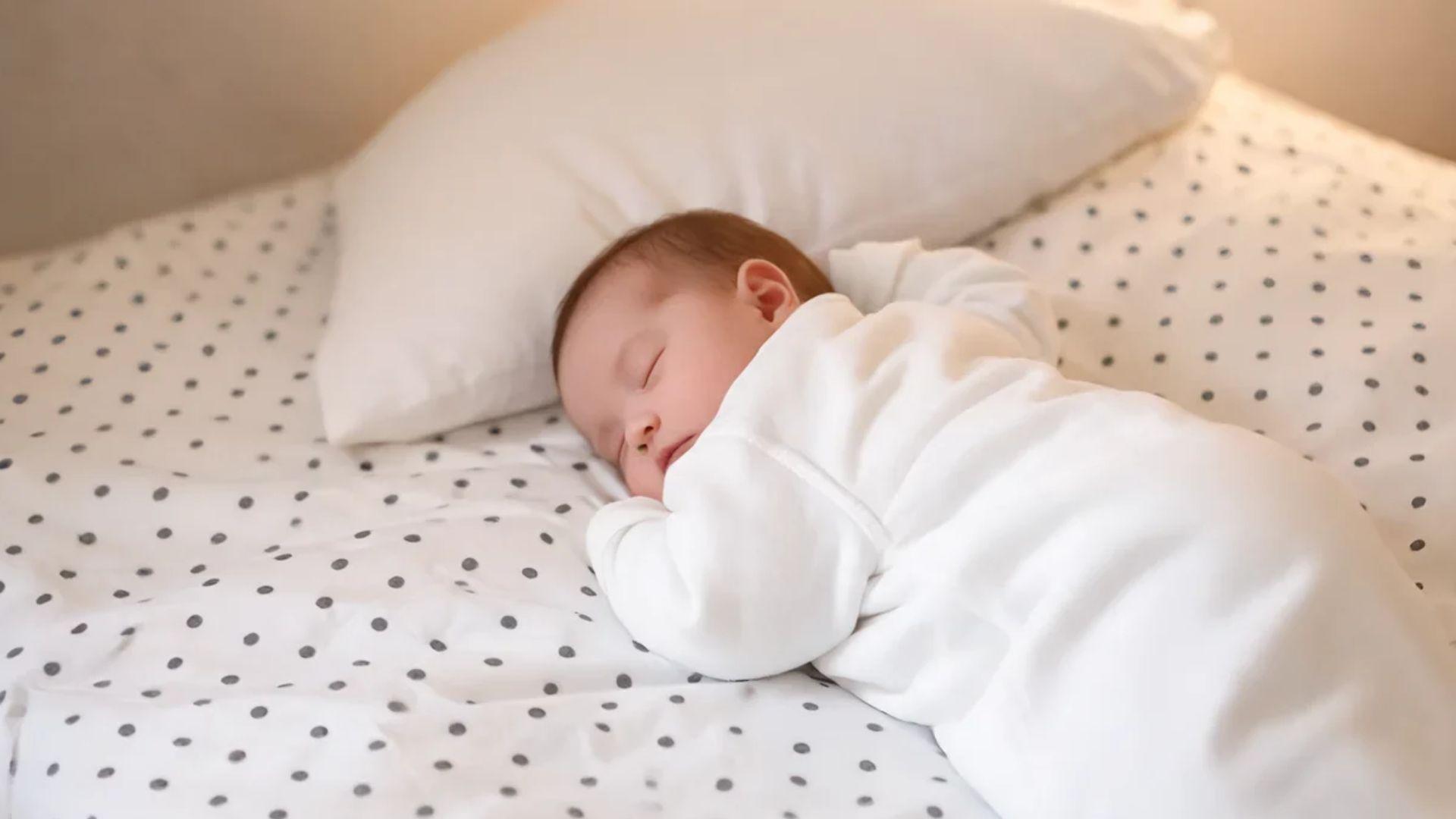
In warmer weather, a lightweight cotton muslin sack such as the Aden + Anais sleeping bag may keep your baby comfortable, because muslin has an open, airy weave that lets heat escape.
Sacks rated around 0.5 TOG generally suit rooms between 75 and 81 degrees Fahrenheit, and a diaper or short-sleeved bodysuit underneath is usually enough.
Overheating is linked to a higher risk of SIDS, so it helps to check that your baby’s chest feels warm but not sweaty, and our guide to dressing your baby for the weather has more layering ideas.
5. Sleep Sack Option for Year-Round Use
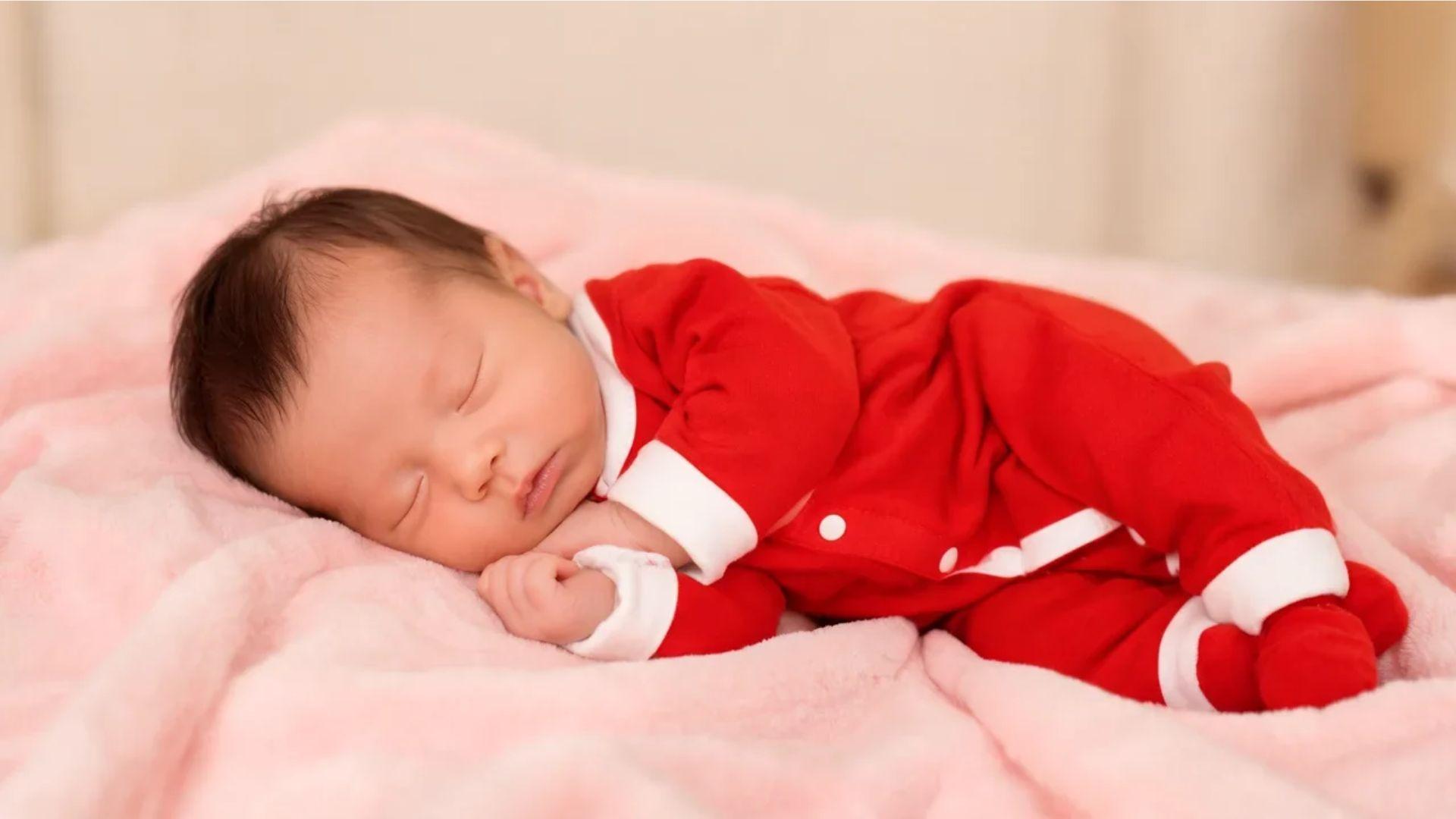
A merino wool sack such as the Woolino 4 Season may suit parents who would like one sack to cover every season.
Merino fibers adapt to body heat, staying warm in cool rooms while releasing moisture when the nursery heats up, which can reduce the need to buy several weights.
These sacks cost more upfront, but they can replace two or three cotton sacks over the course of a year.
6. Budget-Friendly Sleep Sack Option
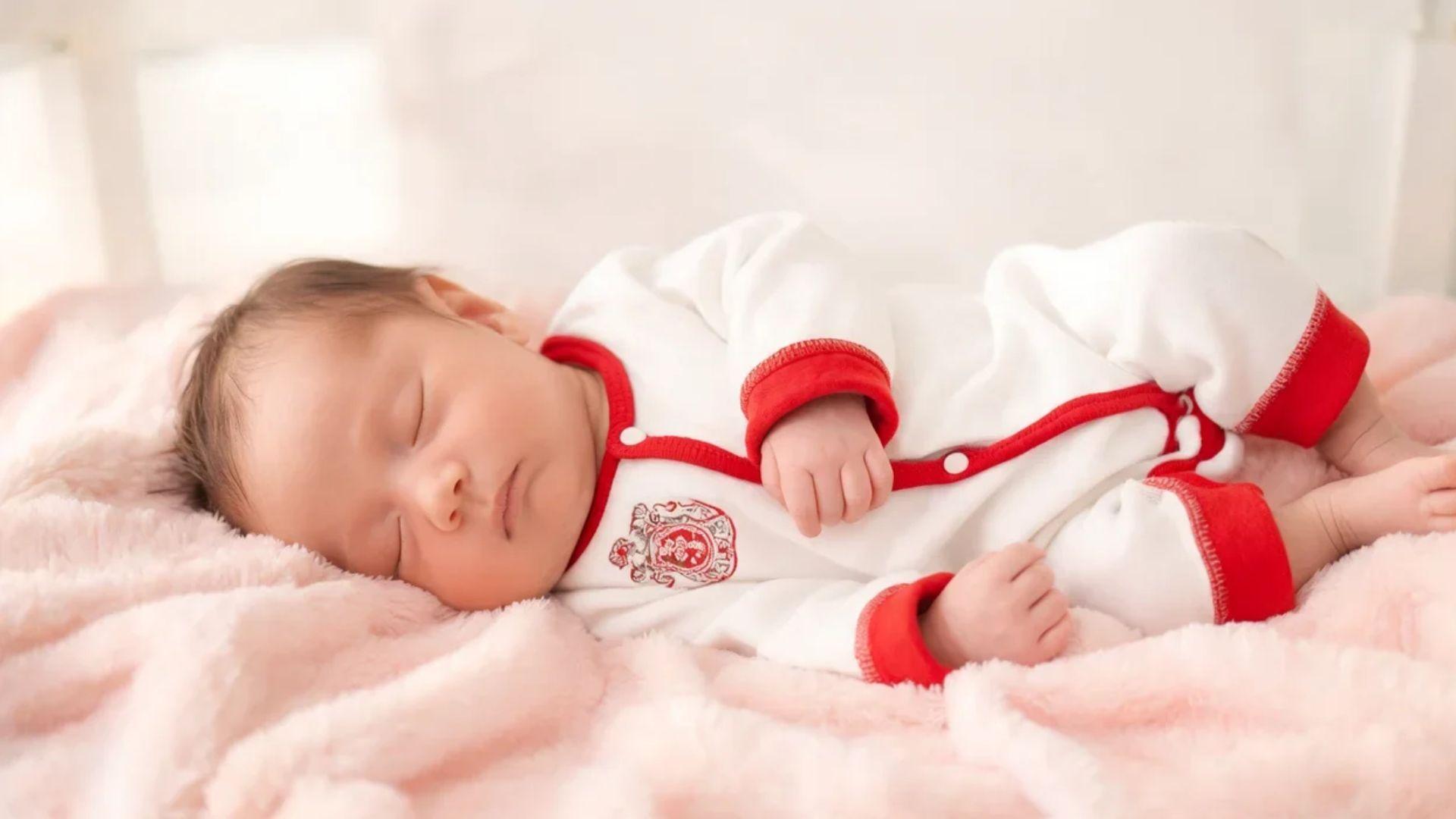
If you are watching your budget, brands such as Carter’s and Hudson Baby offer cotton wearable blankets, often at a fraction of the price of premium labels.
The features that matter for safety are the same at any price, namely a snug neck and armholes, a secure zipper, and a clear TOG rating, so it helps to check those before comparing cost.
Buying two affordable sacks can also be practical, since one is always clean and ready after a late-night spit-up.
7. Sleep Sack Option for Transitioning From Swaddling
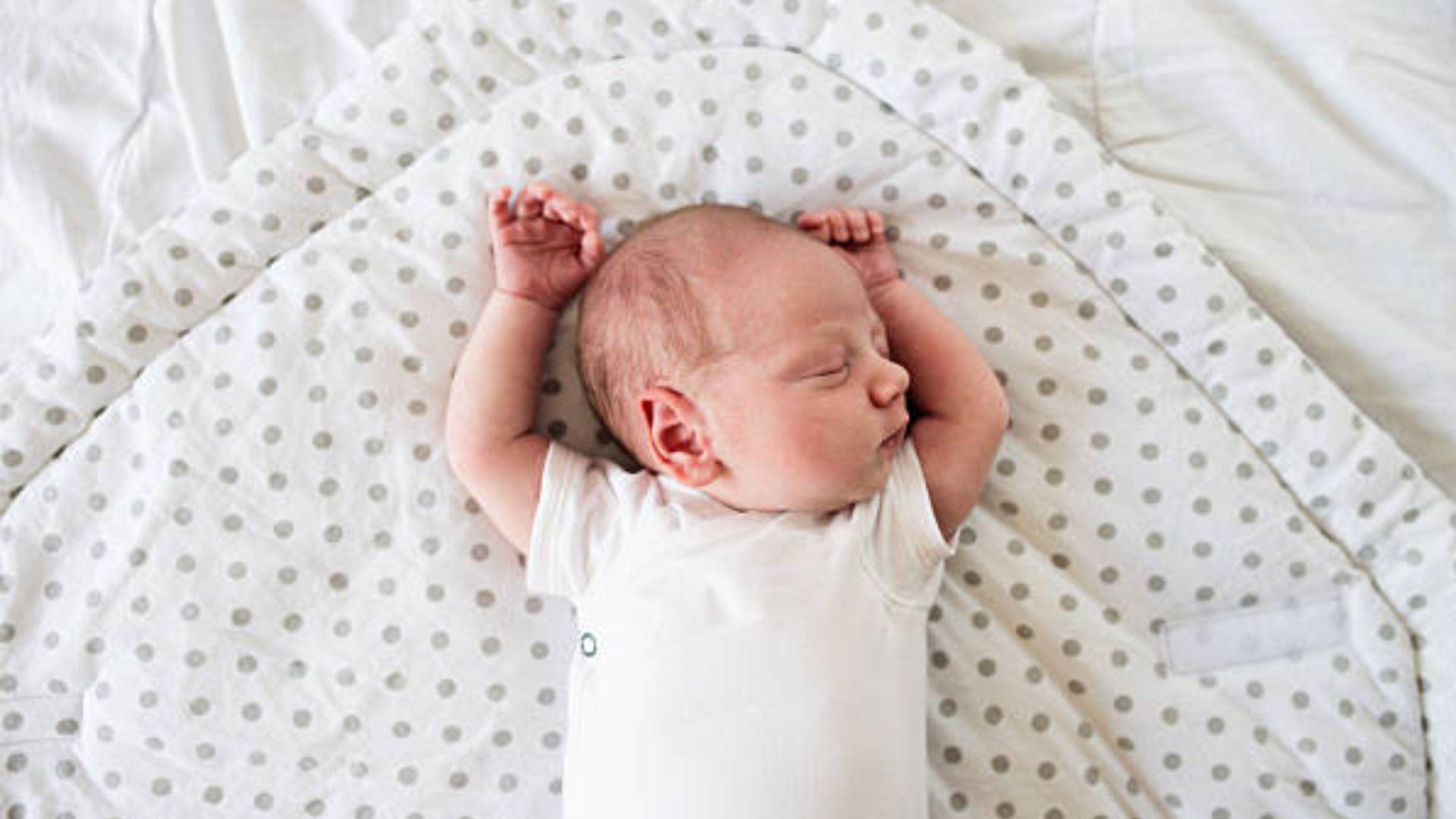
When your baby is moving out of a swaddle, the Love to Dream Swaddle UP Transition Bag is one option because its wings zip off and let your baby move from an arms-up swaddle to free arms at their own pace.
Safe sleep guidance recommends stopping the swaddle as soon as your baby shows signs of trying to roll, so the arms should stay out once that happens.
The familiar snug fit can also make the change feel less abrupt for babies who seem to crave closeness.
What to Consider When Buying a Sleep Sack for a 3-Month-Old
Look for a breathable fabric, a snug fit at the neck and armholes, a TOG rating that suits your nursery, and a two-way zipper.
These four features cover most of what affects your baby’s comfort and safety.
- Material: Cotton, muslin, and bamboo viscose are breathable and soft, while merino wool adapts well to changing temperatures.
- Size and fit: Choose by weight and length using the brand’s size chart. The sack should be snug at the chest and shoulders but roomy at the hips.
- TOG rating: Use about 0.5 TOG for rooms at 75 to 81°F, 1.0 for 69 to 74°F, and 2.5 for 61 to 68°F, though ranges vary slightly by brand.
- Arm design: Free arms suit babies who are starting to roll, so remove any swaddle wings once rolling begins.
- Zipper: A two-way zipper with a chin guard makes diaper changes quick and protects delicate skin.
- Safety and care: Avoid hoods, weighted designs, and loose trims, and pick a machine-washable fabric since you will wash it often.
Best Sleep Sack Brands
Several well-known brands make sleep sacks for babies around three months old, and they differ mainly in fabric, warmth options, and design.
The brands below are listed to give parents a starting point for comparison.
- ergoPouch: An Australian brand that makes sleeping bags in a range of TOG ratings, including options in organic cotton and bamboo blends.
- Woolino: Known for merino wool sleep sacks, including its 4 Season design that is made to suit different room temperatures.
- Love to Dream: Offers the Swaddle UP, a transition bag with removable wings that can help babies move from swaddling to free arms.
- Burt’s Bees Baby: Makes organic cotton wearable blankets that carry GOTS certification.
- HALO: Makes the SleepSack, a wearable blanket available in cotton and fleece, with a two-way zipper on many designs.
- Kyte Baby: Known for soft bamboo viscose sleep bags that come in several TOG weights.
- Gunamuna: Makes the Gunapod, a wearable blanket with a duvet-style design.
These are brands I am comfortable pointing parents toward as a starting point, since each offers something different in fabric, warmth, and design. I have not ranked them, so check the current sizing, TOG rating, and safe sleep details on the product page and choose the one that suits your family best.
Are Sleep Sacks Safe for 3-Month-Old Babies?
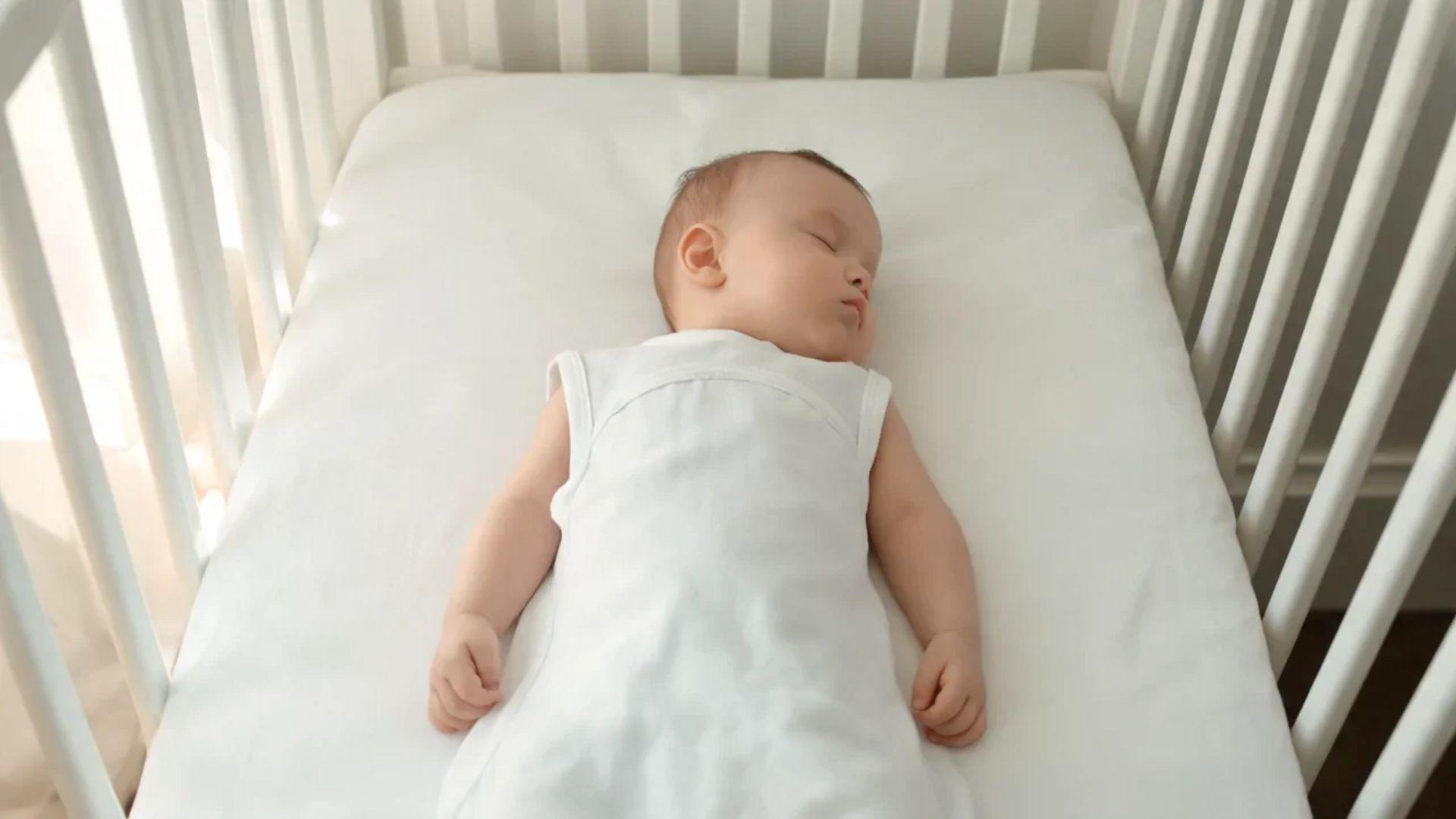
Yes, sleep sacks are generally considered safe for 3-month-old babies when they fit well, have no hood, and are not weighted.
The American Academy of Pediatrics recommends wearable blankets as a safer alternative to loose bedding, as long as your baby sleeps on their back on a firm, flat surface.
A safe sack fits snugly at the neck and armholes so your baby cannot slip down inside, while leaving room at the hips for the legs to move.
Choose a TOG rating that suits your room temperature, and check that your baby’s chest feels warm but not sweaty.
Final Takeaway
The best sleep sack for 3 month old is the one that fits well, breathes well, and suits your room temperature.
I put those three things ahead of price or prints because they protect your baby's comfort and safe sleep every night.
The brands in this guide are a starting point, not a ranking, so the right pick depends on your baby and your home.
Before you buy, measure your baby's current weight and length, compare them with the brand's size chart, and match the TOG rating to your nursery.
Do that first, and the rest of the choice gets easier.
Frequently Asked Questions
Should a 3-month-old be swaddled to sleep?
Only if your baby isn't trying to roll yet. Stop swaddling the moment rolling attempts begin, usually between 2 and 4 months.
Are weighted sleep sacks safe for a 3-month-old?
No. The AAP advises against weighted sleep sacks for infants because the weight can restrict breathing and cause overheating.
What is the best sleep sack for a 4-month-old baby?
A breathable, arms-free cotton sack with a two-way zipper and the right TOG rating for your room. Choose the size by your baby's current weight and length.