Your child’s thumb finds its way into their mouth the moment the bedtime story ends, or the second a crowded room gets loud.
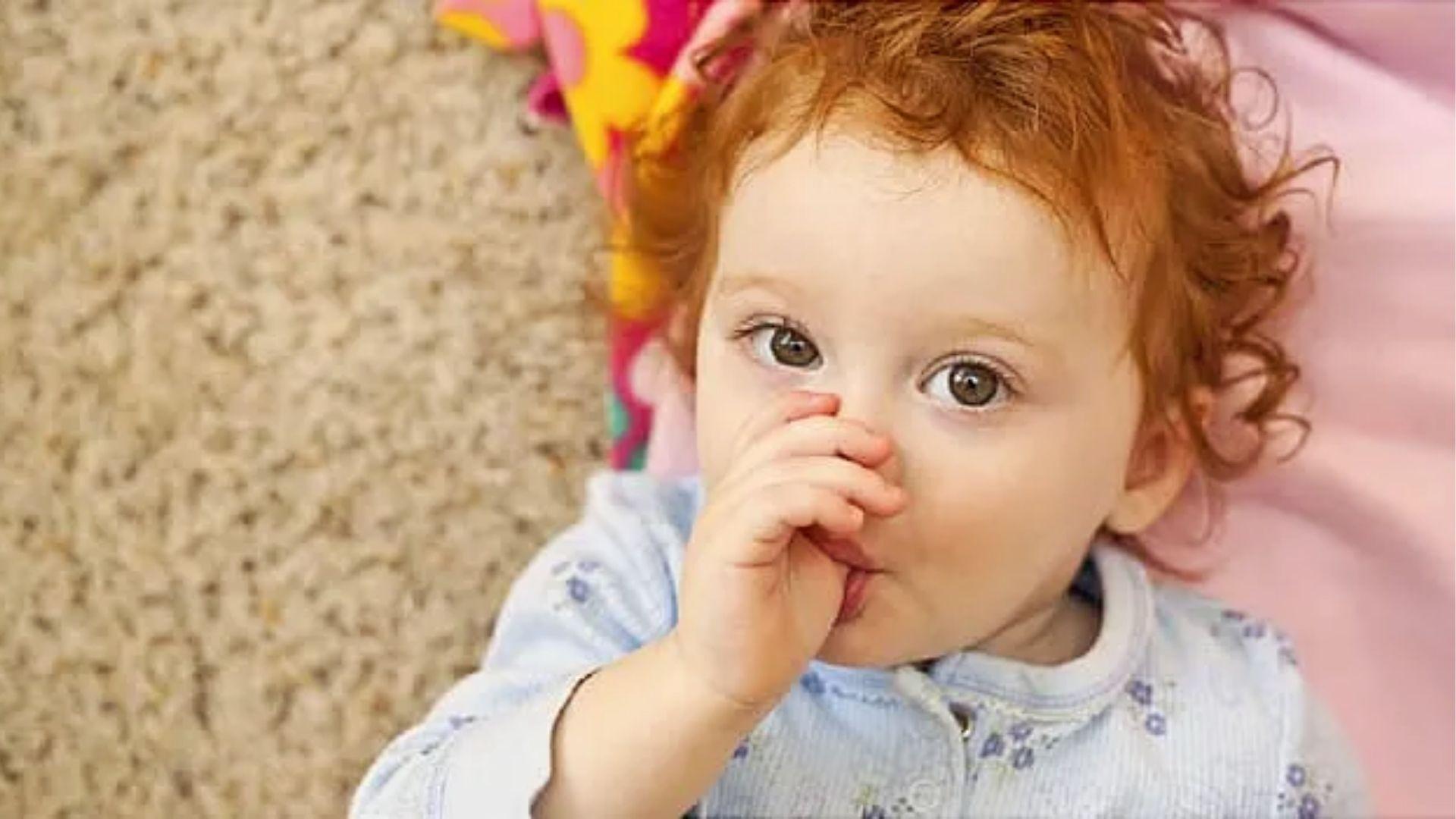
So why do kids suck their thumb? Sucking is a reflex babies are born with, and because it calms the body, many children keep using it to settle when they feel tired, worried, or bored.
Most outgrow the habit on their own somewhere between ages 2 and 4.
Even so, the questions parents bring to me tend to be the same two: “Is this normal?” and “What should I try next?”
Read on for the reasons behind the habit, the ages when it is typical, why it so often holds on at bedtime, how it can affect teeth, and calm, doable ways to help your child let it go when the timing is right.
Why Do Kids Suck Their Thumb? The Most Common Causes
Kids suck their thumb because sucking is a built-in reflex that soothes them.
The American Dental Association calls it a natural reflex, and Mayo Clinic notes that some babies suck their thumbs even before birth because it helps them feel calm.
As children grow, the thumb becomes a comfort tool they can reach anytime they feel tired, anxious, or bored.
Speech-language pathologist Meghan Mingee, SLP, explains through Cleveland Clinic that the rhythm of sucking helps regulate a child’s nervous system.
If you’ve typed “why do babies suck their thumb” into a search bar at 3 a.m., that reflex is the answer, and our guide on when babies start thumb sucking covers those early months.
My background in behavioral psychology shapes how I see this habit: a behavior that sticks around is usually meeting a need.
A StatPearls review notes that preschoolers suck their thumbs more during structured routines or negative emotions. These are the most common causes of thumb sucking:
| When It Happens | What It Usually Signals |
| Before naps or bedtime | Winding down to sleep |
| When upset or crying | Self-soothing after a big feeling |
| In stressful or new settings | A need for security |
| During car rides or screen time | Something to do with idle hands |
| During routine changes | A need for reassurance |
Is Thumb Sucking Normal for Kids?

Yes, thumb sucking is one of the most common self-soothing habits in early childhood, and most children stop on their own between ages 2 and 4.
Mayo Clinic reports that about 25% of children still suck their thumbs at age 2, and StatPearls notes that no treatment is needed before age 2, so a toddler who does it is well within the typical range.
How hard your child sucks matters too. According to the ADA’s thumbsucking guidance, the intensity of sucking helps decide whether dental problems develop, so a child who rests the thumb loosely in the mouth carries less risk than one who sucks vigorously.
| Age | What Parents Can Expect |
| Birth to 2 years | Common and comforting, with no need to discourage it |
| 2 to 4 years | When most children outgrow it |
| 3 years and older | A good time for a dental check if it continues |
| 6 years and up | Permanent front teeth arrive, so a lasting habit needs a plan |
There may even be a small upside. A 2016 Pediatrics study of 1,037 people born in Dunedin, New Zealand, found that at age 13, 40% of children who sucked their thumbs or bit their nails showed allergic sensitivity on skin tests, versus 45% of the whole group, though the habits made no difference to asthma or hay fever.
Why Thumb Sucking Often Holds On at Bedtime

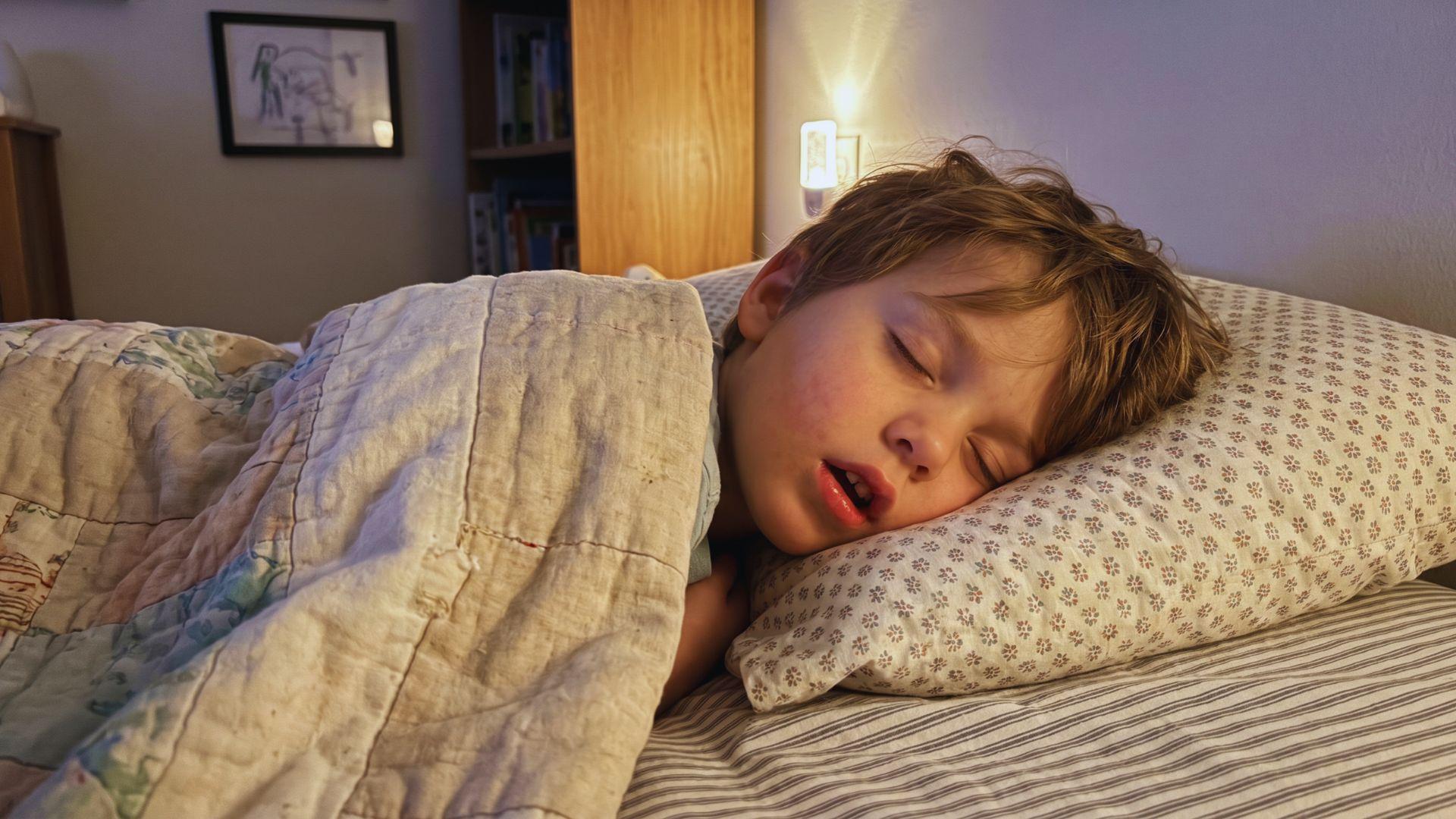
Bedtime is when children are most tired, so it is the moment a comfort habit feels most useful.
Because sucking helps a child drift off, the thumb often becomes part of how they settle each night, which is why bedtime is usually the last place the habit fades.
One of the first things I share with families is that most sleep struggles don’t start at bedtime, and thumb sucking follows the same pattern.
A thumb at lights-out is often tied to the day, such as a short nap, a packed schedule, or a new sibling.
Sleep specialists call this a sleep association. Nationwide Children’s Hospital explains that all children wake briefly four to six times a night and tend to need the same association to drift back off.
Because the thumb is an association your child controls, it often lets them resettle without calling for you, so I suggest working on daytime sucking first and leaving bedtime for last.
When you are ready, a predictable wind-down helps: a bath, two books, and the same goodnight words each night.
For toddlers older than 12 months, a small comfort object can give their hands something to hold, and our guide on the safe age for a lovey explains when that is appropriate.
For babies under 12 months, follow AAP safe sleep guidance and keep the crib bare.
When Does Thumb Sucking Become a Concern?
Thumb sucking becomes more of a concern when it is frequent, forceful, and still going strong as the permanent teeth get closer.
Signs to watch for include sucking throughout the day rather than only at sleep, strong suction you can hear, calluses or blisters on the thumb, and a habit that continues once your child starts school.
Expert groups set the line in slightly different places: the American Academy of Pediatric Dentistry (AAPD) and the American Academy of Pediatrics (AAP) recommend a dental evaluation.
If sucking continues at age 3, the Mayo Clinic notes the habit usually isn’t a worry until permanent teeth arrive, with changes more likely past age 5.
Taken together, age 3 is a sensible time for a dental check.
As children reach school age, the habit can also lead to teasing, which UPMC Children’s Hospital of Pittsburgh flags as a social concern.
Chronic sucking can also cause calluses and a nail-fold infection called paronychia, so call your pediatrician if the skin around the nail turns red, swollen, warm, or drains pus.
How Does Thumb Sucking Affect Teeth and the Jaw?
Frequent, forceful sucking that lasts for years can change how the teeth and jaw develop.
According to the StatPearls review of sucking habits, steady pressure from the thumb can push teeth out of place and narrow the upper jaw, and the risk grows as permanent teeth come in. The most common changes include:
- Anterior open bite: the upper and lower front teeth don’t meet when the mouth closes.
- Increased overjet: the upper front teeth stick out past the lower ones.
- Posterior crossbite: a narrowed upper jaw leaves some upper back teeth inside the lower ones.
- High, narrow palate: the roof of the mouth takes on a V-shaped arch.
The encouraging part is that many thumb-sucking teeth changes improve once the habit stops, especially if it ends before permanent teeth arrive, typically around age 6.
Studies cited in the same review report open bite self-correcting in 50% to 100% of children, though that evidence is low certainty.
Speech is less clear-cut. Johns Hopkins All Children’s Hospital lists tongue thrust and a frontal lisp among possible effects of prolonged finger sucking, while StatPearls finds no clear, consistent link between sucking habits and speech sound disorders.
If your child’s speech concerns you, ask your pediatrician about a speech-language evaluation.
How to Stop Thumb Sucking Without a Power Struggle

The approach that tends to work best addresses the reason behind the habit rather than the habit itself.
Mayo Clinic, the ADA, and Johns Hopkins agree on the basics: praise thumb-free moments, offer other ways to self-soothe, and avoid scolding, since pressure can raise stress and lead to more sucking.
- Notice the Pattern First: For three or four days, note when the thumb goes in, where, and what your child seems to feel. Patterns such as car rides or the tired stretch before dinner often show up quickly.
- Meet the Need Behind the Trigger: If boredom is the cue, give your child’s hands a job, such as play dough or helping you stir dinner. If worry is the cue, offer a hug, calm words, or a pillow to squeeze, as Mayo Clinic suggests. Mayo also notes that when a child sucks mainly for attention, calmly ignoring it can be enough.
- Praise the Moments Without It:Mayo Clinic’s thumb-sucking advice suggests starting with small goals, such as no thumb sucking in the hour before bed. A calendar sticker for each successful day, plus an extra bedtime story, gives preschoolers something to look forward to.
- Use Gentle Reminders, Not Punishment: For preschoolers and older children who suck mostly at night, the ADA suggests bandaging the thumb or putting a sock on the hand as a reminder, and a fabric thumb sucking guard works the same way. StatPearls notes these barriers often help less with long-standing habits, and bitter nail coatings should come only on your dentist’s or pediatrician’s advice.
- Let Older Children Lead: Mayo Clinic notes that children are more likely to quit when they want to and help choose how. Explain the reasons in plain words, offer two or three options, and let your child pick. For some kids, a talk with the dentist lands better than one more talk with a parent.
When Should You See a Pediatric Dentist?

Plan your child’s first dental visit by their first birthday or within six months of the first tooth, as the AAP, AAPD, and ADA recommend.
After that, ask about thumb sucking at routine checkups, and request a closer look if the habit continues at age 3, is frequent or forceful, or you notice changes in the front teeth or bite.
For persistent habits that haven’t responded to home strategies, a dentist may discuss a palatal crib, a small fixed appliance with wires behind the upper front teeth that keeps the thumb out of its usual sucking position.
StatPearls notes these are usually reserved for children 6 and older who already show bite changes, so they are a later step.
What to Remember About Why Kids Suck Their Thumb
Thumb sucking is a comfort tool, not a character flaw or a parenting misstep. Children suck their thumbs because it calms them, and most let it go between ages 2 and 4 as they find other ways to cope.
If the habit is still strong around age 3, a dental check gives you a clear picture, and the preschool years give you room for gentle change.
Start with daytime triggers, protect your child’s sleep by working on bedtime last, and keep the tone warm.
As a next step, jot down when the thumb shows up this week and bring those notes to your child’s next dental visit.
Frequently Asked Questions
What Is the Psychology of Thumb Sucking in Older Children?
By the preschool years, thumb sucking often becomes an automatic habit that appears during TV or reading. StatPearls notes that an increase around ages 3 to 4 may reflect changes in a child’s emotional environment.
Is Thumb Sucking Stimming?
Thumb sucking is a self-soothing habit most young children share, so on its own it isn’t a sign of autism. The AAP recommends autism screening for all children at 18 and 24 months.
Is Thumb Sucking Better Than a Pacifier?
Neither is clearly better for teeth. The ADA says pacifiers affect teeth similarly, but that habit is often easier to break because you control access. In infancy, pacifiers at sleep may lower SIDS risk.
Why Does Thumb Sucking Feel Good?
Sucking stimulates sensory nerves in the lips and mouth. According to StatPearls, this sensory input can trigger the release of oxytocin, a hormone linked to lower stress and a sense of well-being.